

Physical-Logical Access Interoperability or PLAI specification provides an open standard method of sharing and managing personnel, credential, card format, and biometric details across an enterprise with disparate physical access control systems (PACS) and biometric integrations.
Through the use of open standards, customers can leverage the PLAI standard to use current badge technology and biometrics without the need for duplicate enrollments and/or the issuance of multiple credentials. PLAI also reduces the complexity of integration compatibly by moving to an open standard rather than per integration drivers.
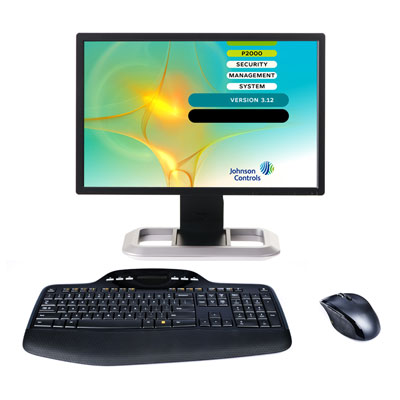
C•CURE 9000 is certified and supports PLAI and the management of personnel, credentials, and card formats through the C•CURE 9000 PLAI adapter compatible with any PLAI Agent that is specification compatible.
Problems with having disparate PACS
- Users with multiple identities across security systems do not communicate with each other
- A manual process to reconcile user’s multiple identities is created in more than one system
- Multiple owners of a user’s identity in more than one PACS creates conflicts
- Changes made in one system not registered in the other results in risk unauthorised access
Key Advantages of the PLAI Agent
PLAI Agent delivers a secure and standardised approach to integrating identity and access control with disparate PACS
Enterprise customers can benefit greatly from implementing the PLAI Agent into their security infrastructure along with the C•CURE 9000 PLAI adapter. The PLAI Agent delivers a secure and standardised approach to integrating identity and access control with disparate PACS.
1) Improved security and compliance
- Centrally manage access to critical infrastructure and assets via one source of authority reduces or eliminates conflicts
- Secure management and transfer of data in compliance with GDPR
2) Reduced administration cost and Total Cost of Ownership (TCO)
- Defer capital cost of standardising on one PACS by supporting the interoperability of market-leading access control technologies and biometrics
- Reduce operational administration through the easy aggregation of changes to users, credentials, locations, and roles
3) Scale security across the enterprise
- Extend the open standard integrations to include security events and door control
- Provide reporting on user activity and fault reports
- Develop flexible capabilities for managing visitors, contractors, and individuals who require temporary access to the facilities
4) Improve employee and user experiences
- Introduce one identity across the entire enterprise with credentials that can be used on multiple security systems
- Facilitate the provision of one badge which provides access across all locations
- Facilitate the use of mobile credentials for supported hardware
From facial recognition to LiDAR, explore the innovations redefining gaming surveillance

- Network / IP
- Biometrics
- Electronic security systems
- Residential security systems
- Office security systems
- Application security
- Physical security
- Industrial security
- Commercial security
- Warehouse security
- Private sector security
- Public sector security
- Security management
- Security policy
- Security devices
- Security installation
- Security tagging
- Security camera systems
- Security monitoring system
- Voice recognition systems
- Security seals
- Public security
- Industrial security systems
- Wireless security
- Security service
- Hybrid security
- IP security solutions
- Security communication
- Cyber security
- Corporate Security
- Outdoor Security
- Indoor Security
- Cloud security
- Video surveillance
- GDPR