Industrial security

Critical national infrastructure encompasses sectors such as energy, utilities, healthcare, and data centers – environments that underpin economic stability and public safety. With so much at stake, the importance of effective security systems is that much higher. We asked our Expert Panel Roundtable: What are the unique aspects of the critical infrastructure market, and how should the security industry adapt?

Zero Networks, the provider of Zero Trust security solutions, announces customer momentum in Operational Technology (OT), as industrial enterprises increasingly select the company to accelerate OT segmentation initiatives and modernise cyber resilience strategies. Adoption includes multiple top 20 global manufacturing companies, underscoring rising market demand for OT security solutions that prevent ransomware spread, contain cyber incidents, and protect uptime without disrupting production. Z...

SECON & eGISEC 2026 attracted 412 exhibitors from 19 countries and regions and 26,389 industry professionals from over 31 countries and regions. The event featured 32 conference tracks, over 159 sessions, more than 410 business-matching meetings, and over 170 international hosted buyers. Held at KINTEX from 18–20 March, SECON & eGISEC 2026 highlighted the growing convergence of physical and cybersecurity in the AI era. Now in its 25th edition, SECON, together with eGISEC, is the w...

The Life Safety Alliance (LSA), an organisation committed to improving global life safety and security through best practices, networking, and collaborations, announces the launch of the Executive Women’s Leadership Council (EWLC). This strategic initiative is designed to elevate senior women leaders and transform individual excellence into collective industry advancement across the global security and life safety ecosystem. The Life Safety Alliance is a not-for-profit organisation open t...

As artificial intelligence (AI) evolves beyond a mere tool to perform autonomous tasks, ensuring trust and security has become a critical priority for both governments and enterprises. AI agents can leverage systems and data to enhance operational efficiency, but they also pose tangible risks, including access to sensitive information and potential misuse. Ransomware attacks Recently in South Korea, ransomware attacks and data breaches have targeted major telecommunications companies, fina...

Connected Technologies announces a powerful update to the Connect ONE® platform that elevates the intelligence of video surveillance and strengthens integration with onsite security systems through expanded NVR integration. Video analytics is a game-changer for surveillance, turning cameras into proactive detection of critical events without constant human monitoring or reviewing generic motion triggers. Connect ONE’s Camera Motion & Analytical Event Capture leverages video analyt...
News

Squire Locks USA has appointed Channel Championz, founded by security industry veteran Jerry Burhans, to lead its expansion into the North American critical infrastructure market. Burhans, a seasoned industry executive with leadership roles at ISONAS, SimonsVoss, and ASSA ABLOY, brings over 30 years of experience in the U.S. security hardware and access control market. He will lead Squire’s North American expansion, with a focus on transportation, utilities, telecommunications, and other mission-critical infrastructure sectors. Squire’s Stronghold® series With 245 years of lock-making experience in the United Kingdom, Squire is recognised for its hard-wearing, industrial padlocks, including the world’s strongest production padlock, the S100CS. But beyond strength, Squire is also one of the few manufacturers whose padlocks undergo the rigorous EN12320 European testing standards for real-world attack resistance. These criteria are often more demanding and application-relevant than many U.S. benchmarks. “Squire’s Stronghold® series brings a level of mechanical security this market hasn’t seen in years,” said Burhans. “These aren’t just strong padlocks, they’re engineered and tested to survive in the real world. We’re talking about products that can resist drilling, cutting, sawing, freezing and corrosion, certified to EN12320 Grade 6, which goes far beyond U.S. standards. In critical infrastructure, that level of protection matters.” Squire’s inigma smart access control system Channel Championz will focus on introducing the Stronghold line to the U.S. market, alongside Squire’s inigma smart access control system. inigma enables users to manage access to compatible padlocks via Bluetooth, using a secure smart key programmed through a dedicated mobile app. Designed specifically for critical infrastructure applications, inigma eliminates the need for managing multiple physical keys across remote or dispersed sites. Just as importantly, the system offers centralised control and detailed audit trails, supporting compliance with NERC-CIP standards that require strict logging and traceability of access to protected utility assets. Security hardware distributors “Squire is bringing something security hardware distributors haven’t seen in a long time,” added Burhans. “An independent, family-owned manufacturer that’s technically sophisticated, strategically focused and truly committed to its U.S. partners.” “Distributors today aren’t just looking for a product, they’re looking for a partner who answers the phone, provides knowledgeable support and builds long-term relationships. You’re not dealing with a revolving door of salespeople or a diluted corporate structure. You’re getting consistent expertise, direct access to decision-makers, and a brand that’s here to invest in the channel, not bypass it.” High-performance security solutions John Squire, Global CEO at Squire, added: “We’re thrilled to be working with the Channel Championz team and to leverage Jerry’s expertise in this sector. They understand the value of strong distributor relationships and staying close to the customer, which aligns perfectly with Squire’s approach of building a long-term presence rooted in trust, service and performance." "Squire Locks USA is deeply committed to serving the North American market. This expansion underscores the company’s long-term dedication to providing North American critical infrastructure customers with trusted, high-performance security solutions to safeguard the systems that millions rely on every day.”
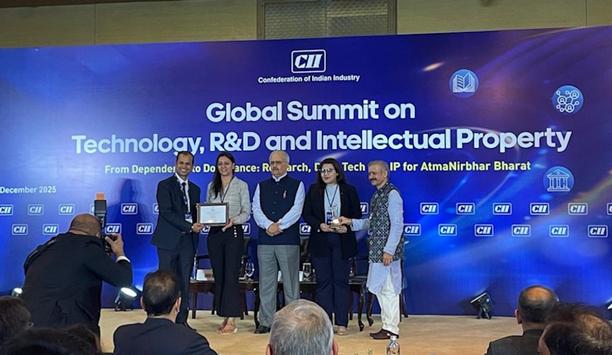
Matrix Comsec, a pioneer in Security and Telecommunication solutions, was honoured with the CII Industrial Innovation Award 2025, recognising Matrix as one of the Top 50 Most Innovative Companies in India. The award was presented at the CII Industrial Innovation Awards ceremony held in New Delhi on 16th December 2025. Instituted by CII in 2014, the CII Industrial Innovation Awards celebrate visionary enterprises across various industry segments. These prestigious awards aim to recognise and honour the brightest innovators in the Indian industry, showcasing organisations that lead through innovation and excellence. Innovation management practices The selection process for the top awards and the list of the most innovative companies involved a rigorous evaluation, including detailed presentations and interactions with a Grand Jury. This unbiased assessment evaluated multiple aspects, such as the organization's innovation culture, innovation management practices, inputs to innovation, and the tangible results achieved through innovation. Matrix's innovation and design capabilities Sharing his perspective on this recognition, Ganesh Jivani, CEO, Managing Director, Matrix, said, “It is indeed an honour to win this prestigious award, and I extend my gratitude to CII for this recognition. Innovation really has been the DNA of Matrix right from its inception." "I thank our technology and product management teams for their dedication to building innovative and world-class quality solutions. Matrix offers cutting-edge physical Security and Telecom solutions in more than 50 countries, including many first-world technologically advanced nations." "With 250+ R&D engineers and world-class processes and infrastructure, Matrix is committed to innovating and designing cutting-edge, high-performance products. This accreditation is a validation of Matrix's innovation and design capabilities and will go a long way in motivating us towards building world-class solutions.”

Aetina Corporation, a pioneering provider of Edge AI solutions, has announced the launch of its next-generation MXM AI Accelerator Module series accelerated by NVIDIA RTX PRO Blackwell Embedded GPUs, which is part of its CoreEdge MXM AI Module family. This new series is accelerated by the NVIDIA Blackwell GPU platform to deliver up to 3X the AI performance uplift of its predecessor, establishing a new benchmark for advanced AI computing at the edge These modules are designed to be compact, efficient, and rugged, adhering to the MXM 3.1 industrial standard. They are purpose-designed for high-precision, high-density workloads in critical applications such as autonomous mobile robots (AMRs), unmanned vehicles (UAVs/UGVs), smart manufacturing equipment, and medical and surgical assistance systems. This series brings the computing power of generative AI and physical AI closer to the edge, facilitating a comprehensive upgrade of smart applications. NVIDIA Blackwell architecture: Proven exceptional performance As AI applications shift from data centres to edge environments, Aetina's CoreEdge embedded MXM AI modules offer compact and industrially reliable designs featuring NVIDIA RTX PRO Blackwell GPUs, integrating breakthrough AI, ray tracing, and neural graphics technologies. Aetina’s flagship MX5000B-XA model, accelerated by NVIDIA RTX PRO 5000 Blackwell GPU, boasts 10,496 CUDA cores, 80 RT cores, and 320 Tensor cores, delivers an impressive 40.62 TFLOPS FP32 performance. Validation testing demonstrates 2x faster LLM inference on the Gemma-2-9b model and 80% faster AI inference performance in Geekbench AI benchmarks. By supporting FP4 precision, DLSS 4 multi-frame generation technology, and GDDR7 memory with bandwidth up to 896 GB/s, the NVIDIA Blackwell MXM series boosts AI computing throughput by up to 3X. These performance breakthroughs enable deployment of advanced AI models such as large language models (LLMs) and vision transformers in space- and power-constrained edge environments, providing lower latency and higher throughput computing for demanding applications such as physical AI. Industrial-grade reliability: Engineered for critical environments Aetina's CoreEdge embedded MXM AI modules occupy only one-fifth of the board space required by traditional graphics cards while delivering performance comparable to workstation-class computing. Unlike commercial-grade products, Aetina's series design powered by the NVIDIA Blackwell platform surpasses industrial standards. It supports a wide temperature range of -40°C to +85°C and features dust- and moisture-resistant conformal coating protection. Additionally, it offers adjustable TGP power settings and high-vibration resistant mounting holes on MXM Type B modules, ensuring secure installation in high-vibration environments. Aetina also provides a 5-year product lifecycle support, guaranteeing long-term supply stability. This comprehensive reliability stems from Aetina's rigorous engineering methodology, including the use of wide-temperature components with high-reliability packaging, extensive thermal cycling testing, cold boot testing, and 100% chamber testing before shipment. This ensures system integrators and developers can deploy with absolute confidence in critical applications from autonomous robots, unmanned vehicles, smart manufacturing and medical equipment. Additionally, Aetina provides evaluation kits equipped with PCIe Gen4 x16 interfaces and HDMI outputs to accelerate development processes and simplify integration. Unleashing the generative and physical AI at the edge "Aetina's CoreEdge embedded MXM AI accelerator module series demonstrates our commitment to delivering exceptional performance and reliability," said Jackal Chen, Director of AI Accelerator Card & GPU Products Division at Aetina. "By incorporating NVIDIA Blackwell technology alongside Aetina's extensive engineering expertise, we achieve high-performance AI computing for even the most demanding environments, Additionally, we are prepared for the age of AI agents, multimodal applications, and real-time AI-accelerated computing. We offer comprehensive value-added engineering services to streamline system integration processes, helping customers significantly reduce their time-to-market and fully harness the potential of edge generative AI and physical AI." The MX5000B-XA and MX500B-QA are available now. The MX4000B and MX2000B modules are expected to enter mass production in Q1 2026.
Secutech, Asia’s premier security exhibition, will be held from 22 – 24 April 2026 at the Taipei Nangang Exhibition Centre, Hall 1. This edition promises a robust showcase of more than 400 international exhibitors and an expected influx of over 15,000 visitors. Against the backdrop of Taiwan’s government investing USD 3 billion to accelerate its transformation into an “AI island”, this year’s focus will centre on four key industry pillars across seven thematic zones prioritising intelligent security solutions that integrate AIoT and data-driven technologies to enable proactive safety, precise management, and sustainable operations. Demand for next-generation solutions With AI playing a key role in Taiwan’s new development plan, Ms Regina Tsai, General Manager, Messe Frankfurt (HK) Ltd – Taiwan Branch stated: "Taiwan’s significant investment in AI and smart security technologies is fuelling demand for next-generation solutions." "Consequently, Secutech provides a preview of Taiwan’s security future by bringing together global pioneers from the security, fire safety, disaster prevention, occupational safety, building technology, and cybersecurity sectors.” Four key industry pillars This year’s show highlights four key industry pillars, each centred around the implementation of smart security technologies across key verticals: Critical Infrastructure Protection: featuring AIoT, image recognition, sensing, and cybersecurity to enable comprehensive “predict–detect–respond–recover” capabilities, strengthening resilience across vital sectors such as energy, transportation, healthcare, and manufacturing. Smart Fire Safety & Emergency Response: Showcasing AI visual detection, thermal sensing, wireless monitoring, and smart fire control systems to build intelligent city-wide safety networks for improved disaster and rescue management. Smart Industrial Safety & ESG Protection: Centred on smart tech, digitalisation, and sustainability, with demonstrations of AI wearables, gas detectors, and cloud safety management platforms that assist industries in achieving zero accident, zero downtime, and zero carbon targets. Sustainable Smart Building & ESG Applications: Focusing on energy efficiency, low carbon footprint, health, and safety through innovations like BIM/FM/GIS systems, AIoT energy control, and indoor air quality monitoring, supporting the construction industry’s transition to net-zero and smart living environments. Convergence of IT and OT systems The solutions and products pertaining to these pillars will be organised thematically into seven zones and pavilions – Critical Infrastructure Security, Smart Surveillance, AI Innovation, Smart Living & Building, Smart Industrial Safety, Fire & Disaster Rescue, and the AIoT Cybersecurity Pavilion – each designed to provide visitors with a hands-on look at cutting-edge, cross-sector security innovations from around the world. Secutech 2026 will also spotlight Cybersecurity & AI integration, addressing the convergence of IT and OT systems and emphasising AI threat detection, Zero Trust Architecture, and supply chain security. These will align with international standards such as ISA/IEC 62443 to meet evolving local and global security demands. Key industry players and system integrators Ms Tsai commented: “For key industry players and system integrators in Taiwan, this event serves as a vital one-stop platform to discover cutting-edge products, gain fresh industry insights, and foster international partnerships. By creating unparalleled opportunities to enhance visibility and maximise return on investment across the entire value chain, Secutech continues to propel the industry towards a safer, smarter future for Taiwan and beyond.” To complement the exhibition, the Asia Disaster Prevention Summit will be held concurrently. This summit assembles experts to share insights on earthquake case studies, cross-border collaboration, and innovative approaches to strengthening disaster resilience in Taiwan and the wider Asia-Pacific region. The fair also takes place alongside the concurrent Fire & Safety and SMAbuilding events. Secutech is organised by Messe Frankfurt (HK) Ltd – Taiwan Branch and is part of a global network of Safety, Security & Fire trade fairs. The next edition will be held from 22 to 24 April 2026.

Raytec Ltd, a pioneer in LED lighting for security and safety-critical applications, announces the acquisition of Atexor Oy, a Finnish specialist in portable ATEX and IECEx lighting. This strategic acquisition broadens Raytec’s product portfolio and reinforces its commitment to delivering high-performance lighting for any hazardous location. Raytec’s own commitment “Atexor’s reputation for technical excellence and quality perfectly complements Raytec’s own commitment to innovation in illumination." "Bringing Atexor into the Raytec family strengthens our market position and allows us to serve our customers with a broader portfolio of hazardous area lighting to suit any hazardous area requirement,” David Lambert, Managing Director of Raytec Ltd. EU and accelerate growth in the hazardous area Founded in 1983, Atexor Oy is a well-established manufacturer known for its robust, portable and temporary lighting systems designed for demanding hazardous area applications. Its products are trusted across industries including oil and gas, petrochemical and manufacturing. The acquisition enables Raytec to expand its footprint in the EU and accelerate growth in the hazardous area lighting segment. Customers will benefit from the combined expertise, enhanced R&D capability and an expanded service and support network. New opportunities for continued development “The sale marks an important step for Atexor Oy, opening new opportunities for continued development under the new ownership. We look forward to building on our strong foundation and continuing to serve our customers with the same commitment and quality,” Jukka Viitasalo, Managing Director of Atexor Oy. Atexor Oy will continue to operate as an independent company and brand, ensuring continuity for existing customers and partners.

Raytec Ltd, a pioneer in LED lighting for security and safety critical applications, is acquiring Atexor Oy, a Finnish specialist in portable ATEX and IECEx lighting. This strategic acquisition broadens Raytec’s product portfolio and, according to the company reinforces its commitment to delivering high performance lighting for any hazardous location. Hazardous area lighting “Atexor’s reputation for technical excellence and quality perfectly complements Raytec’s own commitment to innovation in illumination. Bringing Atexor into the Raytec family strengthens our market position and allows us to serve our customers with a broader portfolio of hazardous area lighting to suit any hazardous area requirement,” says David Lambert, Managing Director of Raytec Ltd. Founded in 1983, Atexor Oy is a well-established manufacturer known for its robust, portable and temporary lighting systems designed for demanding hazardous area applications. Its products are trusted across industries including oil and gas, petrochemical and manufacturing. Expanded service and support network The acquisition enables Raytec to expand its footprint in the EU and accelerate growth in the hazardous area lighting segment. Customers will benefit from the combined expertise, enhanced R&D capability and an expanded service and support network. "The sale marks an important step for Atexor Oy, opening new opportunities for continued development under the new ownership. We look forward to building on our strong foundation and continuing to serve our customers with the same commitment and quality," comments Jukka Viitasalo, Managing Director of Atexor Oy. Atexor Oy will continue to operate as an independent company and brand, ensuring continuity for existing customers and partners.

Expert commentary

March is Women in Security Month, a time dedicated to celebrating and promoting the contributions of women in the security field—particularly in cybersecurity. This observance aligns with Women’s History Month, providing an opportunity to reflect on the progress made and the work still needed to advance gender equity in security. Evolving role of women in security The security industry has witnessed a steady increase in women's participation. According to ISC2 Research in its “Women’s Role in Filling the Workforce Gap” report, women make up an estimated 20 to 25 percent of the security industry. Promisingly, younger generations are entering the profession at higher rates, with 26 percent of working professionals under 30 identifying as women. The security industry has witnessed a steady increase in women's participation The research tells us that women are thriving in a variety of roles, from engineering and system administration to sales, marketing, and project leadership. Key factors driving this transformation include mentorship programs, male allies advocating for gender equality, and cultural shifts recognising the unique perspectives and strengths women bring to security challenges. These efforts are fostering more inclusive environments and ultimately strengthening the industry. The value of diverse perspectives in security Security is not a one-size-fits-all industry—each organisation and facility has unique needs that require varied perspectives. Greater representation of women has introduced fresh approaches to problem-solving, fostering collaboration and driving innovation. By integrating diverse viewpoints, security professionals can create more effective solutions that better address end-user needs. Industry support for women’s professional growth SIA's WISF offers subcommittees such as NavigateHER, SupportHER, and UpLiftHER Organisations like the Security Industry Association (SIA) and ASIS International have established networking platforms and initiatives to support women in security. Events such as the Security LeadHER Conference provide valuable professional development and networking opportunities. Companies are also investing in science, technology, engineering, and mathematics (STEM) initiatives, hands-on training, and recruitment programs to attract more women into the field. Additionally, SIA's Women in Security Forum (WISF) offers subcommittees such as NavigateHER, SupportHER, and UpLiftHER, which provide pathways for engagement and growth. Challenges women in security face Despite progress, challenges remain. Many women still feel it necessary to repeatedly prove their expertise, take on additional informal responsibilities, or carefully navigate workplace dynamics. Imposter syndrome can be another hurdle, even for accomplished professionals. However, women in security are addressing these challenges by setting boundaries, advocating for themselves, and supporting one another through mentorship. By excelling in leadership and technical roles, women are reshaping outdated perceptions and advocating for more inclusive workplace policies. Steps industry pioneers can take To further support women in security, industry pioneers could: Provide targeted professional development and career advancement opportunities. Foster strong, supportive communities that recognise and mentor women. Implement structured mentorship programs that connect experienced professionals with newcomers. Promote workplace flexibility to help employees balance personal and career commitments. Actively challenge biases and advocate for meaningful change within organisations. Advice for women entering the security field Here are key pieces of advice for women considering a career in security: Own Your Expertise – Have confidence in your knowledge and skills. Seek Out Mentors & Allies – Connect with supportive professionals who can guide your career. Build a Strong Network – Join organisations like ASIS Women in Security, SIA Women in Security Forum, or Women in CyberSecurity (WiCyS), and attend industry events to expand your connections. Speak Up & Take Space – Confidently share your ideas and challenge outdated norms. Develop Resilience & Advocate for Yourself – Push past biases, demand the respect you deserve, and negotiate for fair salaries and promotions. Keep Learning & Stay Ahead – Continually build your expertise to stay competitive in the evolving security industry. The future of women in security As the security industry evolves with technological advancements and global changes, opportunities for women will continue to expand. Women are not just participating in the industry’s growth—they are shaping its future. With growing mentorship programs, male allies advocating for gender equality, and ongoing cultural shifts, the focus is no longer just on breaking barriers but on building bridges to new opportunities.

Access control solutions will continue their evolution in 2025 as organisations assess and adapt to dynamic and increasingly dangerous threats. Trends to watch include the growing adoption of mobile access credentials and digital IDs, and the integration of digital and physical security and other technologies. Other ongoing trends include the integration of AI into access control solutions and the increasing adoption of contactless biometrics for enhanced convenience. New access control innovations As these trends gather momentum, they highlight the pivotal role access control systems play in combining security and convenience, every hour of every day. Organisations must strike the ideal balance between a secure environment and satisfying user experience if they are to meet increasingly vocal demands for both. Achieving this balance not only delivers the expected user experience but also delivers multi-layered threat protection while introducing exciting new access control innovations. Digital technologies and open standards Modern access control solutions deliver a faster pace of innovation and dramatically improved capabilities Modern access control solutions deliver a faster pace of innovation and dramatically improved capabilities as compared to what was possible in the past. The primary objective is no longer simply to secure places and assets so they are beyond the reach of the wrong people. Now it also must be as easy as possible for authorised individuals to enter a building or access digital assets. Mobile access credentials and digital IDs are increasingly a preferred solution for achieving this seamless and convenient access experience. Technology convergence is happening at a rapid pace and this convergence makes it possible to integrate digital and physical security with real-time location systems and other technologies. Together, these converged technologies provide multi-layered protection against both cyber and physical threats while also enabling valuable new capabilities. 2024 State of Physical Access Control Report As AI is increasingly incorporated into access-control solutions, we will see even more powerful ways to leverage access control data for analytics use cases. Almost 40% of respondents to our 2024 State of Physical Access Control Report said they were looking to do this. Equally consequential is the rise of fast, frictionless and easy contactless biometrics solutions in a wide range of applications including healthcare, where 32% of respondents to our recent 2024 State of Healthcare Security Report said their facilities have already implemented this technology for authentication. Looking at the broader marketplace, nearly one in four (23%) respondents to our 2024 State of Physical Access Control Report cited biometrics when asked to “name the top three trends shaping the wider access control industry in the near future.” Evolution of access control solutions As access control solutions become increasingly central to secure and convenient daily life, these and other trends will have an ongoing impact on all market sectors from healthcare and banking to the corporate real estate enterprise and business and college campuses. At the same time, those responsible for a facility’s digital and physical assets know that these trends – and security in general – will never be a static proposition. The only constant is change. Threats will never stop evolving, and those tasked with protecting organisations against these threats must never stand still. The evolution of access control solutions that we saw during 2024 will continue through 2025 and beyond, and organisations will need to remain thorough and vigilant as they address today’s ever-expanding attack surfaces and ever-evolving attack schemes.

In the early stages of childhood education, kindergarten imparts foundational principles that shape future behaviour. Today, you can think about cloud computing in a similar manner: it has become a fundamental element in the architecture of modern technology. The cloud now plays a critical role in digital interaction, security, and infrastructure development. Far from being just another tool, the cloud is a cornerstone, providing essential support for the intricate network that supports today's digital ecosystem. Vomplex digital systems Much as kindergarten lessons lay the groundwork for cognitive development, the cloud offers base capabilities that are vital for constructing and operating complex digital systems. Recent advancements in cloud-based security — particularly in access control and video surveillance — emphasise the importance of cloud computing. It has been instrumental in unifying fragmented security systems, similar to how basic social principles taught in kindergarten help diverse children come together as a unit. The role of cloud computing in our technological world is multifaceted and continuously growing The role of cloud computing in our technological world is multifaceted and continuously growing. It has evolved into a space where innovation is cultivated and security commitments are maintained with vigilance. The fusion of artificial intelligence and analytics into cloud services signifies a concerted effort toward a future that is more cohesive, intelligent, and secure. Significant technological progress As we delve deeper into this topic, it will become evident that cloud computing, like the pivotal lessons of kindergarten, is indispensable. It quietly enables significant technological progress, mirroring the foundational principles taught in our formative years in both its essential nature and its growing influence. Play Fair: Technological Developments in Cloud-Based Security The past year has been a period of significant innovation in cloud-based access control and video surveillance. Cloud computing has evolved into a robust platform that fosters the creation of integrated security systems. These systems consolidate access control and video surveillance into a unified experience, demonstrating the cloud's potential to seamlessly combine disparate systems. Substantial industry progression The advent of edge computing has boosted bandwidth efficiency and accelerated data processing The incorporation of artificial intelligence and analytics into cloud services marks a substantial industry progression. This development provides businesses with advanced tools for in-depth analysis and intelligent decision-making, enabling them to not only gather comprehensive insights but also strengthen their security measures. The cloud has eased the transition to new technologies and emphasised a commitment to cybersecurity, with encryption protecting data integrity in transit and at rest. Simultaneously, the advent of edge computing has boosted bandwidth efficiency and accelerated data processing, highlighting a consistent drive to refine and adapt. The trend of integrating cloud security systems with other business platforms help create unified ecosystems, reflecting a broader narrative of security professionals’ pursuit of progress and enhancement. Potential future disruptions Wash Your Hands: Pandemic-Induced Transformation in Cloud Services As we all know, the COVID-19 pandemic necessitated a swift transition to remote operations, with cloud computing forming the backbone. i The urgent need for cloud solutions was apparent as businesses adopted remote collaboration tools, work-from-home policies, and virtual workspaces. This transition increased the demand for cloud services and prompted more adaptable and cost-effective pricing models. Recognising the critical role of cloud services, organisations enhanced their investment to safeguard operations against potential future disruptions. The pandemic fundamentally altered the perception and valuation of cloud computing, emphasising its critical role in sustaining business operations. Scaleable digital infrastructures The growing demand for SaaS has led integrators to create scaleable digital infrastructures Share Everything: Systems Integrators and the Adoption of Cloud Systems integrators have done much to realise the cloud’s potential. The growing demand for Software as a Service (SaaS) has led integrators to create scaleable digital infrastructures tailored to specific business needs.. The use of the cloud for data backup has improved efficiency and increased organisations’ ability to cope with disruptions. Although there has been a gradual shift among integrators toward cloud solutions, effectively marketing and supporting SaaS business models remains a challenge. But the possibility of continuous revenue streams through managed services is promoting broader adoption of cloud technologies. Cloud-based security solutions Live, Learn, Think: Enterprise-Level Cloud Adoption There is an increasing trend among large enterprises to adopt cloud-based security solutions. The shift toward VSaaS indicates a move towards subscription models that offer financial and scalability advantages. This transition is more than a mere operational change. Rather, it represents a commitment to the expansive potential for growth and innovation that the cloud offers. But let’s face it: the ‘cloud’ journey is accompanied by challenges, particularly concerning data security. Providers must deliver robust data protection measures to ensure the success of cloud-based security services, which depends not just on technological progress but also on fostering trust with clients. Addressing cybersecurity concerns The hybrid model offers a balanced solution for businesses looking to merge these two environments Baby Steps: Hybrid Cloud and On-Premises Infrastructure The hybrid model, which combines cloud with on-premises infrastructure, continues to be a strategic choice for many organisations. While the cloud provides flexibility and ease of access, on-premises solutions offer control over data security and comply with regulatory demands. The hybrid model offers a balanced solution for businesses looking to merge these two environments. Be Trustworthy: Cybersecurity Measures and Communication Transparent communication is key in addressing cybersecurity concerns with customers and partners. Companies that are transparent about their security protocols, including encryption and regular updates, build trust. Certifications such as SOC 2 Type II affirm a dedication to security, and proactive educational resources ensure that users are well-informed about best practices. Decision-making processes Cloud computing has become the cornerstone of modern security strategies Look: The Future Outlook for Cloud-Based Security Solutions Looking forward 5-10 years, cloud-based security solutions are expected to become even more central to organisational decision-making processes. The cloud is poised to become the hub for predictive decision-making, using AI algorithms and extensive data to proactively manage security risks. This vision of an intelligent, integrated approach to security, with the cloud enabling swift, collaborative responses to threats, is almost at hand. Cloud computing has become the cornerstone of modern security strategies, moving beyond its initial role as a digital transformation tool. As we look to the future, the cloud is set to redefine security paradigms and anchor a new era of intelligent, predictive security operations.
Security beat

The shift from standalone systems to fully integrated solutions is one of the biggest shifts the security industry has experienced in recent years. There is a higher demand for integrated solutions that go beyond just security at the device and software level, and manufacturers have been continuously developing improved application programming interfaces (APIs), and hybrid and cloud-connected solutions. Artificial intelligence (AI) Also, artificial intelligence (AI) plays an important role in modern intrusion systems by helping enable automated threat detection, real-time response, and predictive analysis. AI algorithms can analyse vast amounts of data to identify patterns and anomalies that may indicate security breaches. Security solutions are being developed with a focus on AI and machine learning to provide more proactive and resilient defences against increasingly sophisticated cyber threats. Benefits of AI AI-driven security solutions can continuously learn and adapt to new threats, providing more robust protection “The practical benefits of AI in security systems include enhanced accuracy in detecting threats, reduced response times through automation, and the capability to anticipate and prevent potential vulnerabilities before they are exploited,” says Sergio Castillejos, President, of Commercial Security at Honeywell. Additionally, AI-driven security solutions can continuously learn and adapt to new threats, providing businesses with more robust and dynamic protection. Unified Intelligent Command user interface Honeywell meets the challenge of better-integrated systems with a unified Intelligent Command user interface (UI). Castillejos says Honeywell continually innovates with the latest analytics and encryption to keep up with evolving threats. Honeywell’s products integrate with many offerings for partners to construct a robust and modern system relevant to their security needs. Advanced cloud-based security Advanced cloud-based security technologies have been developed that offer real-time monitoring, automated threat detection Advanced cloud-based security technologies have been developed that offer real-time monitoring, automated threat detection, and remote management, essential for hybrid work environments, says Castillejos. “These solutions enhance scalability, improve data analytics capabilities, and provide seamless updates reducing significant maintenance costs that help companies to respond swiftly to emerging threats and enable robust, adaptive security measures.” Physical and digital security The best security systems are a combination of physical, digital, and national security, says Castillejos. While Honeywell focuses on providing the best in physical and digital security within their solutions, protecting sensitive and/or personal information must also be within the responsibility of the organisational policy. Cybersecurity for connected devices Some of the challenges in the next five years will likely include integrating advanced technologies Security systems can safeguard this information by being highly configurable while also notifying users of unwanted activity. Sometimes, just restricting access to sensitive areas can be enough. However, in the world of data analysis and machine learning, security systems can audit and report on users who have accessed data to ensure that the protections are in place. Some of the challenges in the next five years will likely include integrating advanced technologies such as AI and the Internet of Things (IoT) while securing cybersecurity for connected devices, notes Castillejos. Balancing act “Additionally, there will be a growing need for skilled professionals to manage and maintain these complex, connected systems,” he says. “Balancing cost-effectiveness with the demand for resilient security solutions will also pose a significant challenge, especially for smaller businesses.” Legacy systems that are susceptible to vulnerabilities like cloning or unauthorised access present the largest challenge to overcome. “However, as technology evolves, it becomes more challenging for a customer to manage a unified security system rather than a collection of unique solutions that all operate independently,” says Castillejos. Disruptive technology But investing in the newest analytics, AI and IoT will not improve a company’s physical security systems if they do nothing with the data. “They are not a replacement for the devices that keep people and property safe,” says Castillejos. “They can enhance a user’s experience and speed up the time to respond when they are planned correctly.” The best security systems will look at disruptive technology as another tool in the overall system. However, the focus should remain on the user experience. If the latest technology is not properly integrated or configured, it will turn into more noise that most operators will ignore. {##Poll1720586145 - Which is the most useful benefit of artificial intelligence (AI) in security systems?##}

In an emergency, information is pivotal. More information provides better understanding of an emergency and empowers potentially life-saving decision-making. Emergency response teams depend on information to guide their efforts and to deliver targeted assistance. On the front lines of emergency response are 911 and field responder agencies, which must direct reaction to life-or-death situations rapidly and efficiently. Historically, 911 operators had to respond based on very little information, perhaps just a voice on the phone or a location on their screen. Providing critical information Today, there are literally millions of information sources available, ranging from connected buildings to vehicle telematics to live video streams to health information from wearable devices. In fact, there are 540 million connected devices, any one of which could provide critical information in an emergency. But how can those information sources be leveraged to improve emergency response? That’s the mission and value proposition of RapidSOS, an ‘intelligent safety platform’ company that connects 911 operators with the vast universe of information available to promote better and faster emergency response. Highly sophisticated operation The platform is integrated into every major public safety software system and first responder agency “RapidSOS fuses human and artificial intelligence to put critical information from any connected device directly into the existing systems and operating procedures of first responders across the United States,” says Michael Martin, CEO of RapidSOS. RapidSOS is widely used by first responders. The platform is integrated into every major public safety software system and first responder agency. There are more than 4,600 software integrations that serve more than 21,000 first responders and 911 agencies. In 2023, RapidSOS supported the lifesaving work of public safety across 171 million emergencies with 3.3 billion data payloads. The system is adaptable and configurable to support any agency, from a highly sophisticated operation in New York City to a local sheriff running their own 911 center. Intelligent analytics and reporting RapidSOS Unite is the latest evolution of the product, a single solution that includes AI automation, rich content pathways, redundant connection to caller phones, and access to millions of connected devices. In an emergency, Unite intelligently fuses data from among millions of sensor feeds into a unified picture of an incident, allowing public safety officials to view real-time location, health profile, telematics, alarm data, and more. RapidSOS Unite is the latest evolution of the product, a single solution that includes AI automation RapidSOS offers core modules that handle call, text, video, sensor, mapping, and administration tools, and that provide partner data from connected devices. Additional modules provide enhanced geographic information system (GIS) data, and automated translation and transcription. There is also a single sign-on (SSO) upgrade, intelligent analytics and reporting, and seamless integration into field responder applications. Field responder applications Consider how an emergency might unfold and how RapidSOS can help. In a car accident, data from a modern automobile telematics system can alert a 911 operator of the accident as it happens. Data from a passenger’s wearable device might provide information about their health and condition. A nearby video or traffic camera could fill in details of how the accident occurred. Useful information in an emergency might come from any one of thousands of sources, including public safety data, sensor feeds, enterprise security systems, smart phones, etc. In a train derailment, electronic access to the cargo manifest can identify which train cars contain hazardous materials and how to manage the specific type of hazmat. This information could save valuable time when responding to incidents like the Feb. 3, 2023, Norfolk Southern train derailment involving 38 cars in East Palestine, Ohio. Consider how an emergency might unfold and how RapidSOS can help Institutional security partners Norfolk Southern is one of the companies that provides information to first responders using RapidSOS; in effect, the company provides a direct digital link from their rail security operations to any first responder in the United States. Amazon’s global operations centers also interface with RapidSOS to provide critical information to first responders. Partnering with corporate security helps to better support the flow of data from institutional security partners and their solutions. Information can transform and guide emergency responses. For example, in a structure fire, real-time sensor feeds throughout a building can help 911 and first responders understand how the fire is progressing. Real-time security camera footage Having access to live feeds can save lives as 911 provides pre-arrival instructions such as CPR Leading the way to providing video feeds from private camera systems to 911 operators is an agreement between Eagle Eye Networks and RapidSOS, which was announced in April 2024. The agreement allows an enterprise to opt-in to share real-time security camera footage from an Eagle Eye video stream during a live 911 call. Having access to live feeds can save lives as 911 provides pre-arrival instructions such as CPR. “Security cameras are crucial in many locations, including schools, but previously those cameras could not be accessed by 911 during an emergency but were only used for investigation after an incident,” says Martin. Improving fire and life safety systems RapidSOS is also integrated with Honeywell’s Connected Life Safety Services (CLSS) system, a cloud platform that combines software and hardware to improve fire and life safety systems. Technology integrations between the two companies further modernise and digitise the public safety communications process to provide faster, more accurate communications with emergency centers (i.e., 911 agencies). RapidSOS technology securely transmits detailed data about an emergency CLSS provides real-time visibility and connectivity to help systems integrators and facilities managers make informed decisions and manage fire systems more efficiently. When combined with Honeywell's solutions, RapidSOS technology securely transmits detailed data about an emergency, such as the type of hazard, severity, and location within the impacted building, to emergency response centers. Video object detection Rapid SOS’s emerging Harmony artificial intelligence (AI) product serves as a ‘co-pilot’ for 911 operators, helping them manage the high volume of emergencies by making their response more efficient. Harmony pulls all the sensor feeds in an emergency and works to make only the most important information available in the hands of 911 and first responders. Harmony can take key insights from text and video data, use ‘sentiment analysis’ to determine the emotion tone of a message, and help 911 professionals using language translation, keyword alerts and video object detection. Harmony can help local agencies as they address a 25% average staffing shortage by providing additional support to 911 professionals while lessening the workload. Harmony is also working to help RapidSOS expand the ecosystem, stitching more data together and quickly making it more actionable than ever. Emergency response system RapidSOS also interfaces with Iamresponding, a comprehensive end-to-end emergency response system for first responders in the fire and other emergency sectors. Iamresponding’s field responder application is used by RapidSOS to get information out to first responders in the field. More than 650,000 first responders use RapidSOS’s field application RapidSOS’s recent acquisition of Iamresponding helps the company improve the connection with the last mile “in-the-field” piece of the puzzle, ensuring partners across computer-aided dispatch (CAD), integrated applications, mobile data terminals, body cameras and other responders have access to critical data. More than 650,000 first responders use RapidSOS’s field application. Enhancing emergency response RapidSOS’s Safety Pioneer Program formalises the important partnership between RapidSOS and public safety agencies. Participants in the program receive early access to new platform features, contribute to the platform roadmap, and drive feedback to enhance emergency response. “911 and first responders do incredible lifesaving work,” says Martin. “Everything we have done and built at RapidSOS is a direct result of the engagement, partnerships, inside advice and insight we have gotten from public safety. We have learned from them, developed new technologies and tested them.” Martin adds: “Companies have data and we now know how to make that data actionable into the hands of 911 and first responders to save lives. This is an exciting moment for us continuing our mission in partnership with public safety, and for technology and security companies to have a major hand in that.” {##Poll1719488782 - What is the most valuable benefit of artificial intelligence (AI) in an emergency call center?##}

Companies at GSX 2023 emphasised new ways that technologies such as artificial intelligence (AI) and the cloud can address long-standing issues in the security market. Among the exhibitors at the event in Dallas were companies seeking creative ways to apply technology, lower costs, and make the world a safer place. Reflecting on the exhibition, here are some additional takeaways. Expanding AI at the edge i-PRO is a company reflecting the continued expansion of edge AI capability in the security market. Today, more than half of the company’s lineup supports AI at the edge so the customer has a wide choice of form factors when seeking to leverage the feature set. AI processing relay, extended warranty i-PRO is increasing their warranty period from 5 to 7 years, which could be a lifetime warranty in some cases I-PRO also has an “AI processing relay” device that accepts non-AI video streams and applies edge analytics. AI has progressed from a high-end technology to a feature available in a variety of cameras at different price points. i-PRO is also increasing its warranty period from 5 to 7 years, which could be a lifetime warranty in some cases depending on a customer’s refresh schedule and lifecycle management. Active Guard, MonitorCast The company’s video management system (Video Insight) is continuing to build new features including “Active Guard,” an integrated metadata sorter. Their access control platform, MonitorCast, is a Mercury-based solution that is tightly integrated with Video Insight. Their embedded recorders now have PoE built in. “We can move at a faster pace to fill out our product line since leaving Panasonic,” says Adam Lowenstein, Director of Product Management. “We can focus our business on adapting to the market.” Emphasis on retail and other verticals Shoplifting is a timely issue, and retail is a vertical market that got a lot of attention at GSX 2023. “We see a lot of retailers who are primarily interested in protecting employee safety, but also assets,” says Brandon Davito, Verkada’s SVP of Product and Operations. “Shrinkage is a CEO-level priority.” “Retailers are getting more engaged with security posture, instead of letting perpetrators walk,” Davito adds. Intrusion detection Verkada has an intrusion product that will notify a central station if there is an alarm On the alarm side, Verkada has an intrusion product that will notify a central station if there is an alarm, and operators can review videos to confirm the alarm. Other capabilities seeking to discourage trespassers include sirens, strobes, and “talkdown” capabilities. International expansion Verkada continues to expand internationally with 16 offices in all, including Sydney, Tokyo, and London. The core value proposition is to enable customers to manage their onsite infrastructure more simply, including new elements such as PTZ cameras, intercoms, and visitor management. Verkada emphasises ease of use, including a mobile application to allow access to be managed across the user base. Forging partnerships “We are committed to the channel and industry, and we continue to build relationships and expand our reach,” says Davito. Among the industry relationships is a new partnership with Convergint, which was hinted at during the show and announced later the same day. They are also expanding their partnerships with Schlage, Allegion, and ASSA ABLOY. Working with other verticals They offer new features for K -12 schools, and a new alarm platform is easier to deploy and manage Verkada has also found success across multiple other verticals, notably healthcare, where they integrate with an electronic medical records system. They offer new features for K-12 schools, and a new alarm platform is easier to deploy and manage. They are integrating wireless locks to secure interior doors in schools, looking to secure the perimeter, and installing guest management systems. Transitioning the mid-market to the cloud Salient is squarely focused on the “mid-market,” a large swath of systems somewhere between small businesses and enterprise-level systems. Pure cloud systems are not as attractive to this market, which has a built-out infrastructure of on-premise systems. Adding a camera to an existing system is easier and less expensive than tying it to the cloud. Benefits of cloud It’s a market that may not be ready for the pure cloud, but there are benefits to be realised from adding a cloud element to existing systems. “We are continuing to augment our premise-based solutions with added cloud capabilities and flexibility,” says Sanjay Challa, Salient’s Chief Product Officer. The feedback Salient hears from their customers is “I want to own my data.” The hybrid cloud approach offers the right mix of control, flexibility, and unit economics. Cloud add-on capabilities We want to provide the flexibility for customers to go full-cloud as it becomes more economically attractive" Cloud add-on capabilities include bringing more intelligence about system operation to the user via the cloud. Over time, Salient expects to sell more cloud-centric offerings based on feedback from integrators and customers. “We want to provide the flexibility for customers to go full-cloud as it becomes more economically attractive over time,” says Challa. Vaidio AI technology Salient seeks to be a transition pioneer to help customers realise the path to the cloud. Their approach is “crawl, walk, run,” and helping customers make the transition at each stage. Salient has added AI to its product offering, incorporating Vaidio AI technology from IronYun into a powerful suite and broad array of on-premise analytics, which are gaining traction. The seamless approach makes it easy for customers to embrace AI analytics, although Salient remains broadly committed to open systems. Addressing ‘soft’ features for integrators AMAG is in the process of enhancing its product line with the next generation of access control panels. However, “product” is just part of the new developments at AMAG. In addition to “hard” features (such as products), the company is looking to improve its “soft” features, too; that is, how they work with the integrator channel. Integrator channel Rebuilding a process to make your organisation more efficient, is relatively easy; it just takes a lot of persistence" “We have the depth of our legacy customer base we can learn from, we just need to close the feedback loop quicker,” says Kyle Gordon, AMAG’s Executive Vice President of Global Sales, Marketing, and commercial Excellence, who acknowledges the value of reinstating face-to-face meetings after COVID. “We are laser-focused on nurturing our integrator channel,” he says. “Developing new features takes time, but rebuilding a process to make your organisation more efficient, that’s relatively easy; it just takes a lot of persistence,” says Gordon. More cohesive internal communication is another useful tool, he says. Disrupting the cloud based on price Wasabi is working to make cloud applications less expensive by offering a “disruptive” price on cloud storage, $6.99 per terabyte per month (80% less than hyperscalers). Contending “hyperscalers” like AWS are charging too much for cloud storage, Wasabi is using its own intellectual property and server equipment co-located in data centres around the world. Wasabi sells “hot cloud storage,” which refers to the fact that they only have one tier of storage and data is always accessible. In contrast, a company such as AWS might charge an “egress fee” for access to data stored in a “colder” tier. Cloud storage “We saw that several video surveillance companies had not yet adopted cloud storage, and we saw an opportunity to make it easy to use,” said Drew Schlussel, Wasabi’s Senior Director of Product Marketing. “We just install a little bit of software that allows them to store data in the cloud and bring it back from the cloud.” Performance, protection (cybersecurity), and price Wasabi works with integrators, resellers, and distributors and also integrates with VMS companies Wasabi works with integrators, resellers, and distributors and also integrates with VMS companies such as Genetec and Milestone. Emphasising performance, protection (cybersecurity), and price, their data centres are certified to SOC 2 and ISO 27001 standards. Faster throughput for weapons detection Xtract One is a young company focusing on weapons detection in a time of accelerated concern about gun issues post-COVID. Founded in Canada and based on technology developed at McMaster University, Xtract One has found a niche in providing weapons detection at stadiums and arenas. These customers already have budgets, and it is easy to shift the money to a newer, faster technology. Madison Square Garden in New York City is among its customers. Cost savings solution Xtract One can increase throughput to 30 to 50 people per entrance per minute (compared to 5 to 6 people per minute when using metal detectors). The solution doesn’t require anyone to empty their pockets and the system alarms on items beyond guns and knives. Using Xtract One allows customers to reduce the number of screening lanes and security staff, providing additional cost savings, all while getting fans through the screening process in half the time. Purpose-built sensors The system uses purpose-built sensors looking for specific characteristics, such as reflective and density properties In addition to stadiums and arenas, Xtract One, formerly Patriot One, is also getting “inbound” interest from schools, hospitals, manufacturers, and other verticals that makeup 50% of their business. “We’re on a rocket ride, mainly because the weapons issues are not going away,” says Peter Evans, CEO and Director at Xtract One. The system uses purpose-built sensors looking for specific characteristics, such as reflective and density properties, all correlated by an AI engine. Providing early warning of violence ZeroEyes is another company focused on weapons detection. Their AI gun detection system works with video images to identify if someone is “brandishing” (carrying) a weapon. In other words, the system does not detect concealed weapons. Identifying someone carrying a weapon provides early warning of a possible violent act. Increased response with AI-enables images Images are identified by AI and sent to a monitoring centre where a human confirms the image before contacting first responders. Knowing the location of a shooter enables staff to lock entry points, move people to safety, and direct first responders. The company was founded to leverage existing camera views to stop mass shootings and gun violence by reducing response times.
Case studies

ISS (Intelligent Security Systems), a global provider of video intelligence and data awareness solutions, announces the deployment of its SecurOS® Soffit pedestrian safety system in Kodiak, Alaska. This pilot project, launched by the Alaska Department of Transportation & Public Facilities (DOT&PF) on Rezanof Drive near Cope Street, marks the first installation of the Soffit in the state. The deployment addresses a critical safety challenge unique to the region: long periods of darkness in the fall. Alaska sees a notable increase in pedestrian crashes during September and October, when daylight hours decrease rapidly but the contrast of snow—which can make pedestrians more visible to drivers—is not yet present. To mitigate this risk, the state selected the SecurOS® Soffit for its ability to provide intelligent, dynamic illumination. Unnecessary light pollution Unlike standard streetlights that illuminate an entire area continuously, the Soffit utilises advanced video analytics to detect pedestrians as they approach a crosswalk. The system then directs a dynamic LED lighting array to "escort" the pedestrian across the street, illuminating only the person and their immediate path. This targeted approach increases driver awareness while minimizing unnecessary light pollution, making it an ideal solution for increasing visibility during Alaska's dark autumn months. "We are proud to partner with the Alaska Department of Transportation & Public Facilities on this critical initiative," said Aluisio Figueiredo, CEO of ISS. "This project underscores our mutual commitment to protecting pedestrians in challenging environments. By bringing intelligent visibility to Kodiak's roads, we hope to demonstrate how technology can save lives where traditional infrastructure may fall short." This installation follows the recent successful deployment of the SecurOS® Soffit in Dublin, Ohio, last month, further expanding the adoption of this AI-driven safety technology across the U.S.
i-PRO Co., Ltd. (formerly Panasonic Security), a pioneering manufacturer of edge computing cameras for security and public safety, announced the successful deployment of its advanced, AI-powered camera technology at a major UK aerospace manufacturing facility. The project, delivered in partnership with long-time integrator Richards CCTV, modernised the site’s ageing security infrastructure, addressing stringent aviation industry compliance needs while enhancing safety, operational efficiency, and future scalability. Advanced functionality and analytics The customer, a prominent supplier within the global aerospace supply chain, operates in a high-risk environment The customer, a prominent supplier within the global aerospace supply chain, operates in a high-risk environment where precision engineering and rigorous safety standards are essential. Its legacy security system had grown increasingly unreliable, lacking the advanced functionality and analytics required for the complex security landscape. With high-value assets, civil aviation regulations, and extensive health-and-safety oversight requirements at play, the company sought a more intelligent, robust, and resilient security platform. i-PRO’s edge-AI camera technology To meet these demands, Richards CCTV designed and implemented a comprehensive upgrade based on i-PRO’s edge-AI camera technology. The installation included 169 high-performance cameras deployed across production lines, common areas, external perimeters, and critical zones. Key components Advanced camera technology i-PRO’s AI-powered search application that turns camera metadata into actionable intelligence i-PRO’s portfolio includes AI-enabled S-Series cameras that can distinguish people from objects in real time to reduce false alarms, high-speed PTZ cameras that extend perimeter awareness, and fixed domes that deliver clear evidence in shared spaces to help resolve incidents quickly. The cameras are integrated with Active Guard, i-PRO’s AI-powered search application that turns camera metadata into actionable intelligence, enabling operators to run real-time alerts and proactively manage incidents before they escalate. Remote monitoring and analytics enhance operational efficiency Real-time alerts and mobile integration allow managers to receive live notifications and make decisions remotely, reducing the need for constant on-site supervision. Meanwhile, embedded AI analytics enable quality-control teams to detect manufacturing anomalies earlier, increasing production integrity and minimising downtime. “Our client was happy to lean on our long-standing experience working with i-PRO cameras and the local i-PRO team,” said Phil Luckman, Sales Account Manager at Richards CCTV. “Knowing that i-PRO is willing to properly engage with a customer, come on-site if required, and help demonstrate a proof-of-concept is invaluable.” System reliability and ease of integration Post-deployment, the aerospace plant has seen measurable improvements across several fronts From the outset, system reliability and ease of integration were key. Richards CCTV reported that all 169 devices were “quick to configure and install,” with minimal disruption to day-to-day operations. i-PRO’s durable design, five-year hardware warranties for certified partners, and responsive UK-based support team ensured a smooth, future-proof, deployment and instilled confidence in the long-term viability of the platform. Post-deployment, the aerospace manufacturer has seen measurable improvements across several fronts. The ability to analyse footage from multiple angles has helped refute false personal injury claims, while also identifying root causes of legitimate incidents, leading to meaningful updates in health-and-safety policies. The new system’s high-fidelity audit trails also support quality assurance and compliance documentation, delivering transparency for internal stakeholders and regulators alike. New use cases for i-PRO’s evolving AI capabilities Looking ahead, the installation offers scalability and future-proofing, enabling the end user to adapt the system to continuously evolving needs and industry standards. Planned expansions include securing additional tree-lined zones and increasing coverage in logistics corridors. The facility is also exploring new use cases for i-PRO’s evolving AI capabilities, including automated detection of PPE compliance and unsafe behaviours around heavy machinery. “The cameras provide excellent images in all lighting conditions—every single one performed out of the box,” added Luckman. “With their build quality and long warranties, we know the i-PRO system will deliver long-term value.”

As Micro-LED displays and advanced semiconductor components push the limits of miniaturisation and efficiency, precision and scalability in manufacturing become critical. The technology-pioneering company Micraft Systems Plus has developed two cutting-edge systems that meet these demands: the uLED Laser Soldering Machine and the HBM High-Accuracy Die Bonder. Both rely on industrial cameras from the USB3 uEye CP series from IDS Imaging Development Systems to deliver maximum accuracy, speed, and process control. These systems are already in high-volume use across the Asian electronics market. 20MP USB3 uEye CP cameras Application 1: Micro-LED Transfer & Laser Soldering with 20MP USB3 uEye CP cameras uLED Laser Soldering Machine is designed for high-speed, even of Micro-LEDs onto large-area substrates The uLED Laser Soldering Machine is designed for high-speed, precise of Micro-LEDs onto large-area substrates, including G4.5 and G6 glass panels. Laser soldering minimises thermal and mechanical stress, which is essential when handling thousands of miniature components simultaneously. Firstly, the cameras are used to capture global reference marks for the preliminary alignment or to determine the rough position of the substrate in the machine coordinate system. This position data is then transmitted to the motion control system, which enables high-precision motion control on this basis - with a repeat accuracy of the coordinates of around ±1 µm. Dynamic rotation correction Once qualified, the chips are aligned and transferred with extreme precision. For fine adjustment, the cameras now capture fiducial marks, enabling real-time sub-micrometer alignment of the substrate and, if necessary, dynamic rotation correction. The alignment results are then transmitted to the motion control system, which adjusts the stage position and angle to ensure each Micro-LED is perfectly matched to the target location. Initial inline visual inspection The camera automatically moves to the relevant area, enabling operators to perform an initial inline visual inspection With a throughput rate of up to 10 million chips per hour, the system delivers both exceptional accuracy and high-volume efficiency, a key performance indicator (KPI) for scalable mass production. After bonding, the camera automatically moves to the relevant area, enabling operators to perform an initial inline visual inspection - such as verifying chip alignment, detecting potential tilt, and checking for physical damage or placement errors. This step is critical in mass transfer operations where yield optimisation is essential. Advanced camera tasks in the micro LED process USB3 uEye CP cameras from IDS are the eyes of the uLED Laser Soldering Machine. Throughout the Micro LED workflow, the two integrated U3-3800CP-M-GL Rev.2.2 cameras from IDS support several key process steps: Donor wafer inspection (prior to transfer): Cameras detect defects such as cracks or missing units, ensuring only functional Micro LED chips are selected. Alignment and placement (during mass transfer): Cameras identify alignment marks and fiducials on substrates and dies. The results are transmitted to the motion control system for sub-micron placement accuracy. Post-transfer inspection: The cameras verify that each Micro LED has been precisely positioned and is free of tilt, damage, or misplacement. Rework and repair: When necessary, cameras guide pick-and-place systems to replace individual chips with precision. IMX183 Rolling Shutter CMOS Sensor Camera is therefore ideally suited for complex image analysis in applications such as surface “Exceptionally high-resolution images with low noise levels ensure the capture of even the smallest details,” emphasises Damien Wang, Area Sales Manager APAC South East at IDS. The light-sensitive IMX183 Rolling Shutter CMOS Sensor from Sony's STARVIS series in the USB3 Vision industrial camera U3-3800CP Rev.2.2.provides outstanding image quality with a resolution of 20.44 MP (5536 x 3692) at 2.4 µm pixels and it delivers up to 19.8 fps. The camera is therefore ideally suited for complex image analysis in applications such as surface and display inspections. 12 MP USB3 uEye CP cameras Application 2: Die Bonding for High Bandwidth Memory (HBM) with 12MP USB3 uEye CP cameras The second system, the HBM High-Accuracy Die Bonder, is designed for advanced semiconductor packaging, especially HBM (High Bandwidth Memory) applications, where vertical stacking of dies requires micron-level precision. Here, two U3-3890CP-M-GL Rev.2.2 cameras from IDS locate the dies and bonding pads, provide precise coordinates to the placement unit, and enable accurate placement of each component. Inline inspection checks Inline checks every bond for placement accuracy, alignment integrity, and possible damage “The IDS camera is also mainly used for the alignment system in our HBM equipment. It identifies the positions of the chip and the target substrate and converts this information into coordinates for the motion control system to achieve precise positioning and alignment,” explains the manufacturer. The control unit uses these coordinates to guide placement with sub-micron accuracy, ensuring consistent results in high-density packaging. Inline inspection checks every bond for placement accuracy, alignment integrity, and possible damage. In high-density memory stacks, even minor misalignments can lead to electrical or thermal issues, making precise vision a must. Sensor performance for precise bonding The U3-3890CP Rev.2.2 is equipped with the rolling shutter CMOS sensor IMX226. The 12.00 MP sensor (4000 x 3000 px, pixel size 1.85 µm) from the Sony STARVIS series excels with exceptional light sensitivity and low noise levels. At full resolution, it delivers a frame rate of 33.2 fps. - perfect for fast, precise processes. Thanks to IDS camera integration, the system achieves repeatable accuracy and long-term process stability - ideal for complex 2.5D or 3D semiconductor packages. Vision technology at the core: IDS uEye CP Cameras To achieve the required speed and precision, both systems count on IDS’s uEye CP camera series To achieve the required speed and precision, both systems count on IDS’s uEye CP camera series. These compact (29 × 29 × 29 mm) cameras are built for industrial environments, featuring durable magnesium housing, Global Shutter CMOS sensors, and USB3 Vision connectivity. Thanks to the STARVIS series BSI ("back-side-illumination") technology, both sensors are ideally suited for tasks that require a perfect result even in low light conditions. Their high-resolution, low-noise imaging allows reliable detection of alignment marks, micro chip positions, solder bumps, and post-bonding joint quality, even at sub-micron scale. Crucially, their fast frame rate and minimal latency ensure seamless interaction with motion-control systems, providing real-time image data for rapid adjustments. These cameras also demonstrate strong thermal reliability, supporting continuous 24/7 operation essential in semiconductor factories. Integration and on-site calibration The standby mode reduces the power consumption in idle mode to a minimum and thus contributes to energy efficiency, making the industrial camera an environmentally friendly solution for long-term use. With the comprehensive software SDK from IDS, integration and on-site calibration become simple, making the uEye CP a foundational enabler for precision and throughput in packaging processes. Customer benefit: Scalable precision and increased efficiency The machine builder significantly enhanced process accuracy, repeatability, and reliability By integrating IDS vision technology into both platforms, the machine builder significantly enhanced process accuracy, repeatability, and reliability. Error rates fell, setup times shortened, and overall manufacturing efficiency improved - driving strong competitive advantage in both Micro‑LED displays and advanced semiconductor packaging. Both systems are already in use with pioneering manufacturers in Taiwan and Asia, showcasing how German-engineered vision technology seamlessly integrates with state-of-the-art automation to meet modern production demands. Outlook The market for semiconductor manufacturing – particularly in precision automation – is developing rapidly, and with it, the requirements for modern industrial cameras are also evolving. “Our customers are demanding high-resolution, compact, and absolutely reliable solutions more than ever before,” says Damien Wang. The trend toward higher resolution is a key driver of innovation: sharp, detailed images are essential for complex automation tasks. At the same time, stable performance under challenging operating conditions has become a fundamental requirement. “Many applications require continuous, uninterrupted operation. That’s why our focus is increasingly on cameras that perform reliably even in demanding environments,” emphasises the responsible project manager from Micraft Systems Plus. Another trend is ongoing miniaturisation. Industrial cameras with compact form factors are gaining importance, as space in modern systems is often limited – without any compromise in performance. To address these developments, the product portfolio is being strategically expanded and adapted to meet the growing technical demands.

Furnaces play a critical role in refining and petrochemical operations, providing the high temperatures required for essential processes. When they fail, the consequences can be severe both in terms of safety and operational losses. A single day of unplanned downtime can result in losses exceeding $1 million. This is why companies like PROtect, under the leadership of Jason Czajkowski, are leveraging modern infrared (IR) technologies to conduct smarter, safer, and more cost-effective furnace inspections. Evolution of IR furnace cameras IR technology in furnace inspections has evolved significantly over the past three decades. Early tools like the Agema 550 and Inframetrics 390 laid the groundwork for remote temperature diagnostics in extreme environments. These early cameras were bulky and required extensive setup, but opened the door to non-contact thermal inspections. Real-time thermal imaging FLIR’s GF309 became the workhorse of the industry, offering real-time thermal imaging through flames Later, FLIR’s GF309 became the workhorse of the industry, offering real-time thermal imaging through flames with improved ergonomics. However, the GF309’s 320 × 240 resolution limited its ability to detect fine anomalies, especially at a distance. Czajkowski recognised the need for greater clarity and transitioned PROtect to the FLIR G609, which features a 640 × 480 detector. This allows PROtect technicians to detect smaller anomalies such as hot spots, coke buildup, or insulation breakdowns earlier and from safer distances. Introducing the FLIR G609: A smarter tool for a safer job The G609 represents the latest in FLIR’s IR camera evolution. It is built specifically for high-temperature applications and comes equipped with a re-engineered heat shield, factory-calibrated furnace lens, and a modern touchscreen interface. PROtect’s field teams report that the camera’s intuitive controls and robust design make it a reliable tool in even the harshest conditions. With its increased resolution, the G609 can accurately measure temperatures on narrow furnace tubes deep within radiant sections, something older models struggled with. "It’s not just clearer images," Czajkowski explains, "It’s better decisions, faster." Complete solutions: Pairing the G609 with software With the Route Creator tool, inspections are no longer reactive they’re pre-planned and executed with precision What truly transforms the inspection process is the integration of FLIR’s Thermal Studio Pro software. With the Route Creator tool, inspections are no longer reactive they’re pre-planned and executed with precision. Technicians follow a defined route with inspection points loaded into the camera, eliminating guesswork and ensuring consistency. Manual sorting and documentation After inspections, images are automatically organised by inspection point, and reports are generated in minutes using professional templates. This saves countless hours of manual sorting and documentation, freeing up inspectors to focus on analysis and decision-making. According to Czajkowski, "This combination of camera and software creates a seamless workflow from planning to reporting." Real-world results: Safer plants, better uptime Early detection of a developing hot spot let a refinery to schedule a repair during planned downtime By adopting the G609 and an integrated software approach, PROtect has helped clients detect issues like burner misalignment and developing coking conditions early, preventing costly shutdowns. In one instance, early detection of a developing hot spot allowed a refinery to schedule a repair during planned downtime avoiding an emergency outage and saving hundreds of thousands in potential losses. Conclusion Infrared furnace inspections have matured from a specialty technique to an essential maintenance strategy. With modern tools like the FLIR G609 and expert leadership from professionals like Jason Czajkowski, PROtect is setting new standards for asset reliability. IR inspections now provide not only sharper thermal images but also faster workflows, greater safety, and measurable ROI. As Czajkowski affirms, "We’re not just taking pictures we’re delivering solutions that protect assets, budgets, and people."

In the fast-evolving landscape of intelligent manufacturing, Dahua Technology is shaping a new benchmark with its advanced innovation capabilities and efficient production models, creating a fully digitalised and automated smart manufacturing system. Dahua AIoT Industrial Park From being recognised with China’s “National Worker Pioneer” award last year to being named one of the country’s first “Excellence-level Smart Factories” this year, the Dahua AIoT Industrial Park has made great strides in transforming its production. The factory features key innovations, such as automated assembly, unmanned testing, visualised supervision, and autonomous logistics. It fully integrates people, machines, materials, methods, and environment to deliver an exceptional user experience to customers worldwide. A model of human-machine collaboration Dahua has created a highly adaptive and collaborative smart manufacturing model By combining intelligent material management, automated assembly and testing, flexible production lines, an AIoT digital system, and digital twin technology, Dahua has created a highly adaptive and collaborative smart manufacturing model. The factory’s flexible production lines are designed for agility — capable of seamlessly switching between tasks at the push of a button, handling precision electronic components and complex structural parts alike. This flexibility is made possible by the deep integration of advanced automation and intelligent equipment in key production processes: Automated Screw Fastening: Equipped with visual positioning and real-time inspection modules for precise fastening and risk prevention. Airtightness Testing: AI-powered testing in collaboration with robotic arms for fully automated operation. Precision Dispensing: Visually guided dispensing combined with real-time quality inspection. Real-time digital twin operations The factory operates 24/7, continuously capturing data from all equipment and production processes With digital twin technology, the factory operates 24/7, continuously capturing data from all equipment and production processes. It creates accurate 1:1 digital models of production lines, robots, and machinery, using real-time data to simulate production flows, monitor line status, and predict potential issues. Even during non-operating hours, smart inspections for environment, perimeter, and fire safety run automatically, with instant alerts for any anomalies. Through the operations centre, managers can access live data and make informed decisions to drive efficiency and reduce costs. Unmanned testing & quality management Dahua enhances product quality through granular market insights, modular R&D design, and intelligent testing systems. Leveraging PLM (Product Lifecycle Management), testing parameters are auto-calibrated, while a big-data-driven “Smart Test Brain” continuously fine-tunes test strategies in real time. Dahua enhances product quality via granular market insights and design. Testing processes for mature products are streamlined, while defect predictions automatically trigger stricter testing standards, ensuring fast, high-quality output. For end-to-end quality control, every product is tracked using a unique QR code, enabling instant traceability across its entire lifecycle. This system builds a comprehensive quality data pool that supports production optimisation and quality strategy adjustments. Autonomous logistics for high-efficiency operations Dahua's smart warehouse combines vertical storage systems with a network of AGVs Dahua’s smart warehouse combines vertical storage systems with a network of AGVs, intelligent conveyor lines, robotic arms, vision systems, and automated labelling equipment, all managed via a digital platform to enable fully unmanned “lights-out” factory operations. During the inbound processes, products are automatically scanned, measured, packaged, and assigned by the Warehouse Control System (WCS), with robotic arms and AGVs handling storage placement. Outbound processes are fully automated as well — whether for full pallets, single-SKU shipments, or mixed-SKU orders — and completed within 10 minutes through coordinated efforts of AGVs, robotic arms, and conveyor lines. Looking ahead From “Pioneer” to “Excellence,” the Dahua AIoT Industrial Park is achieving new levels of production efficiency, product quality, and operational synergy through the deep integration of IT and OT technologies. Moving forward, Dahua will continue driving innovation and contributing to new-generation productivity, helping industries worldwide benefit from intelligent manufacturing and creating a smarter future for all.

The global energy landscape is evolving at an unprecedented pace. With the increased adoption of renewable energy sources and the drive for a more sustainable future, the demand for efficient energy storage has never been greater. Enter Battery Energy Storage Systems (BESS)—the backbone of modern energy infrastructure, ensuring stability, resilience, and efficiency in power distribution. Record-breaking growth in storage In 2024, the US battery storage market saw record-breaking growth, with nearly 9.2 gigawatts (GW) of new capacity installed in late November alone, according to figures from S&P Global. But how is this supercharged leap into more stable power distribution fairing on a fundamental level? Despite an estimated capacity increase in the United States of a staggering 89% in 2024, according to U.S. Energy Information Administration (EIA), there is still more to be done to ensure this rapid rollout of these mainly Lithium-ion battery systems don’t pose a threat to workers, communities and the energy infrastructure. US battery storage market saw record-breaking growth, with nearly 9.2 GW of new capacity The global importance of battery energy storage systems BESS helps to bridge the gap by storing excess energy when supply is high BESS plays a critical role in balancing power supply and demand, especially as more countries transition to renewable energy sources like solar and wind. Typically, renewable energy sources are inherently intermittent—meaning they don’t produce electricity consistently throughout the day, due to a variety of uncontrollable environmental factors. BESS helps to bridge the gap by storing excess energy when supply is high and distributing it when demand peaks. While the idea of shoring up the energy infrastructure to greater withstand periods of intense strain is a laudable (and indeed, logical) one, they must ensure that in the haste to erect new BESS sites, they don’t overlook vital safety concerns. How BESS underpins growing support for the electrification In addition to grid stabilisation, BESS is instrumental in enhancing energy reliability. By storing surplus electricity, BESS ensures that power remains available even during blackouts or grid failures. It’s also an important element of reducing carbon emissions, as with stored renewable energy, reliance on fossil fuel-powered plants decreases, leading to a more sustainable energy mix. Let’s not forget how BESS underpins growing support for the electrification of transportation. As electric vehicles (EVs) gain traction, BESS can facilitate fast-charging infrastructure without overloading the grid. Prominence of BESS installations can mean greater risks Renewable energy producers added 10.5 GWh power to the energy network, according to market intelligence In February 2025 alone, renewable energy producers added 10.5 GWh capacity to the global energy network, according to market intelligence firm Rho Motion’s Battery Energy Stationary Storage Monthly Database. But while BESS sites are a useful way to prevent overloading the world’s power supplies—releasing stored energy at peak times when power generators come under greater strain—they come with challenges. One of the greatest concerns is thermal runaway, a dangerous chain reaction in which rising temperatures spread from one battery cell to another. Why advanced thermal imaging solutions are essential Without proper monitoring and early detection of potential failures, thermal runaway incidents can easily snowball into devastating fires. These fires spread rapidly, passing from unit to unit, causing sizable financial losses, environmental damage, and, of course, safety hazards—including releasing toxic substances such as hydrogen fluoride gas. Advanced thermal imaging solutions are becoming essential to keep BESS sites safe That’s why advanced thermal imaging solutions are becoming essential to keep BESS sites safe and operational. Fixed thermal cameras with advanced analytics are the go-to solution, as they can trigger alarms and suppression systems when temperatures pass a set threshold.
Round table discussion
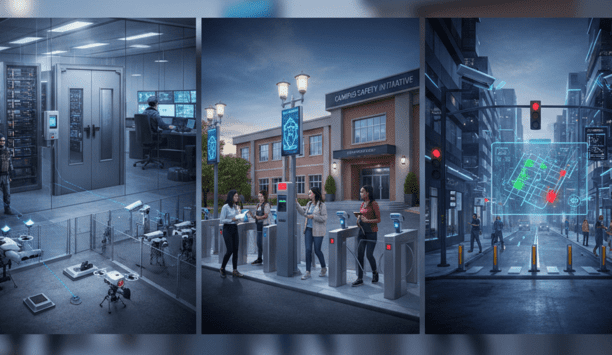
To serve various vertical markets and industries effectively, security professionals must recognise that each sector has unique assets, risks, compliance requirements, and operational needs. Instead of offering a one-size-fits-all solution, security system providers must tailor their products, services, and integration strategies to address the distinct requirements of vertical markets. We asked our Expert Panel Roundtable: Which vertical markets have the greatest growth potential for physical security systems?

Future-proofing your skillset is about embracing continuous learning and developing a versatile set of competencies that remain valuable regardless of technological shifts or industry changes. In the security marketplace, it is not about predicting the exact jobs of the future, but rather equipping yourself to adapt and thrive in the uncertain security landscape. But where to begin? The emerging technology shifts in the security industry provide clues, such as the growing importance of cybersecurity and artificial intelligence (AI). We asked our Expert Panel Roundtable: How can physical security professionals “future-proof” their skillsets to prepare for emerging technologies?

In the past, security installers and integrators were used almost exclusively to install hardware. However, the role is changing and expanding along with the technologies used in the physical security industry. Nowadays, an installer or systems integrator is much more likely to use a strategic, IT-centric, and data-driven approach. To gain additional insights, we asked our Expert Panel Roundtable: How is the role of the security installer/integrator changing?
Products


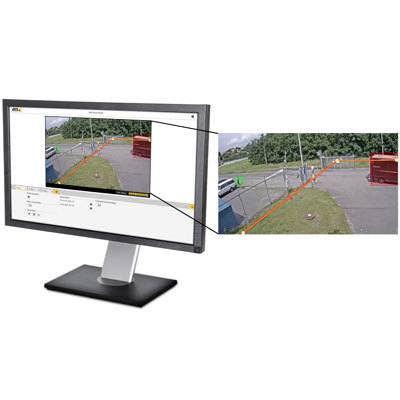
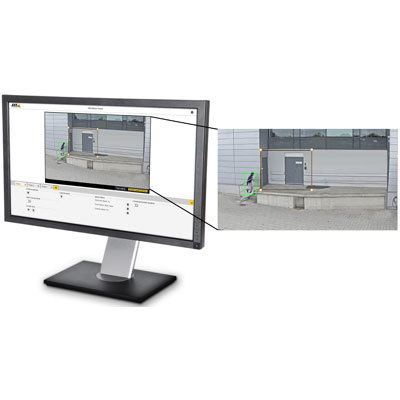





Videos


Industrial security: Manufacturers & Suppliers

Technology's role in securing banks and financial institutions
Download
Security technologies promote real-time awareness in K-12 schools
Download
Integrated systems enable critical and compliant security for transportation
Download
Modernising physical access control
Download
Access. Intrusion. One estate.
Download