Private sector security

Carlisle Support Services announces the appointment of Vinny Singh as Managing Director for Security and Events North, strengthening the company’s leadership team as it continues to expand its footprint across the region. With more than two decades of experience leading national security operations, Vinny brings extensive expertise in operational delivery, risk management, and client partnership across both public and private sectors. Known for his people-first approach and focus on servi...

Mark Bridges, CEO of Ranger Fire and Security has been recognised as one of The LDC Top 50 Most Ambitious Business Leaders for 2025. The Top 50 was created by LDC, the private equity investor that is part of Lloyds Banking Group, in partnership with The Times. Now in its eighth year, the programme continues to celebrate the drive and ambition of Britain’s best and brightest entrepreneurs. This year the programme received almost 700 nominations, showcasing the exceptional individuals that...

Inter-Con Security has won the coveted Outstanding Contract Security Company award this year, given out by the OSPAs at GSX. "The company is honoured to have been recognised by the security industry as the top security guarding company at this year's OSPAs Award Ceremony," said Henry Hernandez, President and CEO of Inter-Con Security. Founded in 1973 by U.S. Army Veteran and retired LAPD Detective Lt. Enrique "Hank" Hernandez, Inter-Con has nearly tripled in size over the past three years to b...

Magenta Security Services is pleased to announce that Managing Director - Abbey Petkar has been selected as a candidate for the S12, a new leadership group for the security sector. Abbey’s record in environmental stewardship, ESG performance, and community investment makes him a strong fit for the role and its focus on responsible industry leadership. Voting for the S12 opened at 10 am on Tuesday 23 September 2025 and is available through the dedicated microsite at website. Only ACS-appro...

Allied Universal, the world’s major security and facility services company, has been named to Forbes’ list of America’s Best Employers by State (2024), ranking in the top 100 for Arizona, Georgia, New Jersey and North Carolina. “Being named to Forbes’ 2025 list of America’s Best Employers by State is an incredible honour,” said Steve Jones, global chairman and CEO of Allied Universal. “This recognition reflects our commitment to creating meaning...
Allegion US, a foremost provider of security solutions, technology and services, has introduced the Outdoor Defense (OUT) option for 98/99 exit devices, the first Von Duprin product designed to protect device functionality in outdoor conditions, providing the reliability, quality and function expected from Von Duprin. Authority comments "As the demand for reliable security solutions in outdoor environments continues to grow, we're excited to introduce the Outdoor Defense option for Von Duprin...
News

AURA, a life-saving technology platform making emergency response services more accessible and affordable, has raised a €13.5 million Series B funding round co-led by the Cathay AfricInvest Innovation Fund (CAIF) and Partech. This latest round, which brings AURA’s total funding to €21 million, will fund the company’s expansion into the United States and the development of a global “clearing house” to dispatch emergency response without borders. Emergency response services AURA has been democratising access to emergency response services worldwide AURA was founded in 2017 by Warren Myers, Ryan Green, and Adam Pantanowitz in South Africa. Since then, AURA has been democratising access to emergency response services worldwide through its smart auto-dispatch and routeing platform. The technology enables people in emergencies to connect instantly with the nearest vetted private security and medical responders, making lifesaving help available anywhere, anytime. Security response solutions AURA’s expansion to the United States is poised to transform the security response industry by providing fast, reliable, and cost-effective on-demand security response solutions. AURA leverages cutting-edge technology to aggregate existing security fleets and enable rapid response times, greater operational efficiency and transparency, while addressing the increasing demand for private security as a vital alternative to under-resourced police forces. Security response model AURA leverages cutting-edge technology to aggregate living safety fleets and enable rapid response times “This funding marks a pivotal moment for AURA,” says Warren Myers, Founder and CEO of AURA. “Having built a profitable and trusted presence in the UK and Africa, we're now ready to take personal safety global. Our mission is to make access to life-saving services seamless, borderless, and available through a single API — empowering individuals and the platforms that serve them." "We have also kicked off our on-demand private security response model in the United States. Our goals are to make alarm verification faster, homes and businesses safer, and to help law enforcement focus on higher-priority incidents. I'm incredibly grateful to our partners and customers for their ongoing trust — and most importantly, to my exceptional team. Their dedication to our vision of a world where everyone feels safe is the true driving force behind everything we do.” AURA's remarkable story “Having been involved in AURA's remarkable story for the past two years, strengthening our partnership via this follow-on investment came as a natural decision to us,” comments Patricia Rinke, Investment Director at CAIF. “We trust the team’s powerful vision and extraordinary execution capabilities as it scales its life-saving technology to the U.S. market and across the world. We are equally thrilled to welcome Partech as partners in our joint mission to make emergency response universally accessible.” Emergency response and security industry AURA’s mission aligns with the United Nations SDGs related to health and safety "AURA has been one of the most innovative players globally in the emergency response and security industry,” says Matthieu Marchand, Principal at Partech. “We are very excited to see such innovation built in South Africa and now successfully winning across the world. It's only the beginning." AURA’s personal safety solution AURA’s mission aligns with the United Nations Sustainable Development Goals (SDGs) related to health and safety. AURA’s work contributes to developing safer communities (SDG 11) and improved health outcomes (SDG 3) by improving emergency response access. Since its foundation in 2017, AURA has saved over 7,500 lives via its medical and security services. 1.2 million people currently have access to AURA’s personal safety solution and 200,000 properties are secured via its fixed location services.

Sielox, the established industry leader in layered access control solutions, is reminding access control administrators to conduct a spring cleaning of their access control system using the System Clean Up Utility feature exclusively available in the Sielox Pinnacle™ Access Control Platform. The System Clean Up Utility performs a fast and thorough cleanup of invalid or outdated access control data, resulting in better system management and security. Words from Sielox President Pinnacle's proactive approach in removing this data enables improved security across the enterprise “What better time than now for access control systems to undergo a spring cleaning of their own?” said Karen Evans, President, Sielox. “Pinnacle saves valuable time and resources with this feature, bringing potential access control risks to the forefront and allowing for tightened system security.” With Pinnacle's System Clean Up Utility feature, system administrators can identify and address neglected or overlooked access data like expired cardholders, duplicate access levels, and inactive cardholders. Data like this compounds over time, threatening organisations with incidents caused by limitations in managing the continually changing state of rights within an access control system. Pinnacle's proactive approach in removing this data enables improved security across the enterprise by managing risks and preventing insider threats. Pinnacle Access Control Platform The Pinnacle Access Control Platform offers 8 tests that can be selected from the System Cleanup Utility that identify risky access data, including unused access levels, duplicate access levels, inactive cardholders, and more. Regularly running these tests allows administrators to identify associated criteria and provide immediate, remedial action. With hundreds of user-selectable filters to provide real-time data on virtually every aspect of access activity and system status, the Sielox Pinnacle Access Control Platform effectively transforms traditional proactive access control deployments into pre-emptive solutions for myriad physical security and business intelligence applications. Current Pinnacle platform users already have access to the System Cleanup Utility feature at no added cost to them.

NordVPN, an innovative cybersecurity company, now includes essential identity theft recovery coverage in its cyber insurance benefits for customers in the United Kingdom. This ID theft recovery coverage complements the scam loss recovery protection that the company already offers through partnerships with select insurance providers. Cyber insurance benefits are included in the NordVPN Ultimate bundle subscription plan at no additional cost. This plan also features the NordVPN virtual private network service, the NordPass password manager, and other advanced security features. Identity theft protection NordVPN’s cyber insurance benefits for customers in the United Kingdom include ID theft recovery “Identity theft is a crime that can lead to multiple other offenses and severe financial losses, as criminals use stolen identities to commit further fraud. That’s why we are enhancing our cyber insurance benefits to bridge the cyber protection gap in the areas that matter most today and to support our customers affected by cybercriminals,” says Tomas Sinicki, managing director at NordProtect. Currently, NordVPN’s cyber insurance benefits for customers in the United Kingdom include ID theft recovery and scam loss recovery. ID theft recovery provides reimbursement for necessary legal expenses incurred while restoring a user's identity after falling victim to identity theft. It includes restoration of the user’s credit rating, e-money accounts, bank accounts, mortgages, and loans. Identity theft recovery Additionally, it ensures the removal of any civil judgments wrongfully entered against the user and helps prevent further fraudulent use of their identity. Furthermore, ID theft recovery reimburses lost income if the user has to take time off work to resolve identity theft issues. Scam loss recovery provides reimbursement when a user has transferred funds from a personal account in response to a cyber scam. This includes instances where victims are deceived into opening or responding to fraudulent emails, text messages, or phone calls that appear to be from legitimate entities or trusted contacts. NordVPN’s cyber insurance coverage Customers can claim reimbursements of up to £5,000 within a 12-month period if they are unable to recover their lost funds Customers can claim reimbursements of up to £5,000 within a 12-month period if they are unable to recover their lost funds through their bank, credit card provider, or other financial institution. Cyber insurance benefits are available to affected customers worldwide, 24/7. NordVPN’s cyber insurance coverage is available to customers residing in the United Kingdom, the Netherlands, France, Sweden, Germany, and Italy. In the United States, NordVPN’s identity theft protection solution, NordProtect, provides protection against identity theft, cyber extortion, and online fraud. NordProtect can be purchased as part of the NordVPN Prime plan or as a standalone service.

Elite Interactive Solutions, a remote video guarding pioneer using patented intelligence and integration to achieve proven crime prevention, recently gathered law enforcement officials to its headquarters for a special invitational lunch-and-learn event. The function exemplifies Elite’s multifaceted mission to strengthen private-public partnerships by educating officers on how remote guarding directly prevents crime and protects properties in real-time, eliminates false alarms, boosts law enforcement apprehensions productivity, and enhances their safety via critical, live crime scene information. Remote guarding relationships SOCC within one of L.A.’s most bulletproof buildings, built to withstand an 8.9-magnitude earthquake Hosted by Elite’s Law Enforcement Advisory Board, the well-received proceedings encompassed touring the company’s pioneering-edge, subterranean Security Operations Command Centre (SOCC), a multimedia presentation held within an adjacently located auditorium, a Q&A session, lunch and networking. The SOCC is located within one of L.A.’s most bulletproof buildings, built to withstand an 8.9-magnitude earthquake. Attendee enthusiasm ran high at the event, as did widespread interest to encourage their respective LE agencies to support remote guarding relationships. Elite’s unmatched real-time crime prevention solution “Working closely and collaboratively with law enforcement is a crucial element to Elite’s unmatched real-time crime prevention solution. Although 96% of incidents are directly resolved by our command centre through live voice-downs to sites within an average of 7 seconds, it’s essential that for the other 4% in which law enforcement is engaged they fully understand Elite’s capabilities and veracity such that they provide priority response that leads to arrests and detainments,” says Elite Security Director Noel Delgado. “Our recent event was an excellent way to get officers out of their daily routines to observe firsthand how optimised remote guarding works. Virtually everyone who witnesses how our command centre operates becomes a believer.” Elite SOCC and responding agencies LEAB serves as a protocol and communications bridge between the Elite SOCC and responding agencies Further demonstrating Elite’s private-public partnerships, the firm is also the only provider of its kind that maintains its own Law Enforcement Advisory Board (LEAB) and that is endorsed by FBI-LEEDA, which includes thousands of law enforcement executives. The LEAB serves as a protocol and communications bridge between the Elite SOCC and responding agencies. “Elite has consistently demonstrated a companywide and nationwide commitment to stopping rather than reacting to crime, as well as acting in the best interests of not only their clients but police as well,” says LEAB member Justin Feffer, an attorney who retired in 2020 as commanding officer of the L.A. County D.A.'s Cyber Crime Section. How remote guarding serves as an invaluable force Feffer added: “As someone who has been involved with law enforcement since 1988, I well know their challenges and how remote guarding serves as an invaluable force multiplier and safety net. It is an amazing experience when I tell them about it and see their eyes light up for that ‘Aha!’ moment.” Members of the law enforcement community and security industry, along with property managers and other parties interested in seeing how pioneering-edge technology is being leveraged for real-time crime prevention, are encouraged to contact Elite to schedule a command centre tour.

Verkada, a pioneer in cloud-based physical security solutions, announced that the Honourable Michael Evanoff joins the company as its Global Chief Security Officer (CSO) and Strategic Advisor. A distinguished security expert with experience in the public and private sectors, Evanoff will advise Verkada's customers and partners on best practices for enterprise security, executive protection, and risk mitigation. His addition to the team reinforces Verkada's commitment to providing best-in-class security solutions that protect people and places at scale. Future of security "Michael's insight and expertise from decades of service to the State Department and to private sector powerhouses like Walmart and Coca-Cola will bring incredible value to Verkada customers who are managing an increasingly complex risk landscape," said Filip Kaliszan, Co-Founder and CEO of Verkada. "With our quickly growing global footprint of more than 30,000 customers across 93 countries, Michael will play a key role in shaping the future of security." Benefit from Evanoff's experience Verkada clients will benefit from Evanoff's experience in risk management and operations Verkada customers will benefit from Evanoff's experience in risk management, mitigation and protective operations, including his service as the Assistant Secretary of State for Diplomatic Security at the U.S. Department of State. During his time at the State Department, he led global security initiatives, oversaw international protective services, and managed counterterrorism programs. While in the private sector, he led security programs across the globe – from Walmart's International business and Coca-Cola HBC AG to, most recently, Jabil, an electronics manufacturer. Verkada's platform and opportunity "I am blown away by Verkada's platform and the opportunity ahead of the business," said Evanoff. "This team is building a future-proof platform that can scale and evolve just as quickly as the security landscape is. I can't think of more important work than ensuring even more organisations have access to this critically important technology." Evanoff's appointment follows Verkada's $200M funding round and several key leadership additions, including its new Global Head of Channel and Head of JAPAC Channel.

Ranger Fire and Security has announced its first acquisition of 2025, with McGoff & Vickers Fire & Security Systems (MGV) becoming the latest business to join the rapidly growing Ranger Group. Run by industry specialists and service business experts, Ranger brings together high-quality fire and security (F&S) businesses in partnership to share industry expertise, resources and boost cross-selling opportunities. Fire protection services North-West-based F&S business MGV has a history of providing high-quality fire protection services Founded in 1925, North-West-based F&S business MGV has a long history of providing high-quality fire protection services within both the private and public sectors. It currently boasts a wide range of high-profile clients, including hospitals, councils, and educational facilities. With a hugely loyal customer base, MGV has a 95% recurring revenue stream based on maintenance relationships, which aligns closely with Ranger’s guardrails. NSI’s highest technical standards Later this year, the company celebrates its centenary anniversary, as it continues to enhance security for its customers through a range of products including fire, intruder, CCTV, electrical and data cabling network installations. MGV has also been a National Security Inspectorate NACOSS Gold Contractor since the 1970s, achieving the NSI’s highest technical standards. As a security specialist in the North-West, MGV will complement the existing fire alarm services at Ranger and enhance the group’s multidiscipline and cross-selling capability. The team will work with other companies in the Ranger Group to increase efficiency, skills and knowledge, while delivering work to existing customers on a wider scale. Ranger’s enhance mission MGV will continue to operate under its current name but will work closely with Syncro Fire and Security As part of this acquisition, and like previous businesses that have joined the Ranger Group, MGV will continue to operate under its current name but will work closely alongside Syncro Fire and Security to further enhance Ranger’s mission in delivering a one-stop shop for its North-West customers. Gerry Bates, Managing Director of Syncro, said: “We know McGoff & Vickers really well by reputation, and they have an excellent reputation gained with their many long-standing customers, providing the North-West with the high-quality fire and security needs it requires." Incredible opportunity for Ranger Bates added: “Working closely with Syncro under the Ranger umbrella, we will work together as a team to enable McGoff & Vickers and Syncro to delight our current customer base and to reach a wider range of customers. I’m looking forward to working with the MGV team to enhance our offering to customers across the North-West.” Ian Teader, Group Managing Director of Ranger Fire and Security, said: “MGV is well known to me and its business model aligns closely with what we are looking to achieve at Ranger. To have a business join with such a strong reputation and history is testament to Ranger’s pull in the market. Furthermore, for the business to be a 95% maintenance led business is an incredible opportunity for Ranger to build out their services alongside the other businesses that we have in the North-West.” Range of quality fire and security services Ranger has embarked on a mission to set itself as the one-stop solution provider in the fire and safety sector Mark Giardelli, Managing Director of McGoff & Vickers Fire and Security Systems, said: “Joining the Ranger Group and working closely with Syncro is a huge opportunity for MGV and its customers. This will enable MGV to further expand the business, as well as giving clients greater access to a full range of quality fire and security services through cross-selling initiatives." “Collaborating with other companies allows for an expansion in services to existing clients while also reaching new customers. The plan is to work closely with other North-West based businesses to increase resources, skills and knowledge to the area.” Ranger Fire and Security’s previous acquisitions The announcement builds on Ranger Fire and Security’s previous acquisitions of AFIL, Ignis Fire Protection Ltd, Syncro Group Ltd, IPH Fire Solutions Ltd, Fire Door Specialists Ltd, KSS Fire Suppression, and Secureshield Ltd, which together have helped Ranger to enhance its offering in all key areas of fire and security services, such as fire detection and alarms, extinguisher maintenance, passive fire and security services. Since launching in Q1 2024, with backing from the private investment firm Hyperion Equity Partners, Ranger has embarked on a mission to establish itself as the pioneering one-stop solution provider in the fire and safety sector, offering a comprehensive range of services through both regional and national operations, and providing a seamless customer experience. Funding for the acquisition was provided by ThinCats.

Expert commentary

Changing customer needs can make specifying an alarm system that will continue to deliver in the long term a challenge. However, the latest modular alarm solutions provide the opportunity to build a more individualised system from the outset, as well as offering the ability to up-scale in the future without causing disruption. Martin Wilson, North EMEA Regional Director at Resideo, looks at how alarm specialists can use this style of solution to both benefit customers and build their own business opportunities. Holistic sense of home security In a survey of 1,000 homeowners undertaken by Resideo, the results revealed that, although deterring burglary was still a top priority, consumers were moving to a more holistic sense of home security, wanting to bring convenience, and property and life safety, into the mix. An alarm system no longer needs to function on one level, alerting only to a break-in taking place Indeed, an alarm system no longer needs to function on one level, alerting only to a break-in taking place. The latest modular alarm systems offer the flexibility to create a scalable security and life safety platform for homes and small businesses, as well as giving installers the ability to suggest future update options that can be added as and when budget or requirement allows. Valuable up-scales Finding an alarm that can be scaled over time has the obvious business benefit of ensuring it is easy to revisit and add to as customers naturally expand their existing security. With many modular designs connected via WiFi, this not only means installers can opt for the right mix of sensor options from the get-go but also that any additions can be connected to the panel and system with ease. Many control hubs have winning features in their own right. The ProSeries security panel by Resideo, for instance, has an intuitive touchscreen, easy-to-read, full-colour display to reduce false alarms, plus a built-in camera, speaker and microphone, intuitive icons and even five-day weather alerts. The ProSeries security panel by Resideo has an intuitive touchscreen Natural up-scale opportunities For instance, for those in a property prone to flooding, a flood sensor may be a worthwhile addition For the installer, it has a plug-in power connection, trouble-shooting videos and end-user replaceable batteries to reduce unnecessary callouts. However, to build a scalable system, this needs to be coupled with the right, flexible solutions to tackle customer concerns. Taking the time to find out what is important to the end user is vital here and can lead to natural up-scale opportunities. For instance, for those in a property prone to flooding, a flood sensor may be a worthwhile addition. Similarly, a panic button and even medical transmitters may be of benefit to others. All this, as well as other options, such as glass break detectors, door and window sensors and indoor and outdoor MotionViewers™, are available within the ProSeries range, and can be updated or added to an installation as needed or as a property grows with minimum disruption. Adding life safety The ability to propose an alarm system that can bring together alerts for different threats – for both the home and life – under one platform, also has real appeal. Indeed, in a survey of 1,000 homeowners undertaken on behalf of Resideo, a system’s ability to alert to the dangers presented by fire and CO was mentioned as an important part of the decision-making process by 41% of participants. For many, this increased awareness may stem from the many regulation updates regarding smoke and carbon monoxide (CO) alarms that took place in 2022. In Scotland, for instance, carbon monoxide detectors were required to be fitted in any room with a carbon-fuelled appliance in all homes, rented or owned. Social housing properties In England, smoke and carbon monoxide alarms were required in all social housing properties In England, from the 1st of October 2002, smoke and carbon monoxide alarms were required in all social housing properties, with carbon monoxide alarms now mandatory in the private rented sector. Wales followed suit in December for rented accommodation. The new guidance for England and Wales requires at least one smoke alarm to be installed on each storey of a property, to help alert to domestic fires more quickly, ensuring a quicker evacuation and reduced risk of fatality. For professionals, systems such as ProSeries, can be connected to a series of smoke and carbon monoxide detectors, in a ‘one-go-all-go’ setup that means the alarm will go off if one of these threats are identified. Smart and connected benefits The total Connect 2.0 app gives ProSeries end-users the ability to view and control the security platform remotely. The Resideo Pro app currently gives installers the ability to view the system and connect to the central monitoring system. The platform also supports home automation as it works with Zwave devices. The platform also supports home automation as it works with Z-wave devices. The platform also supports home automation as it works with Z-wave devices There are also extra benefits for alarm professionals too. The AlarmNet 360™platform on which ProSeries is configured gives greater insight to improve business operations, increase efficiency and deliver insights on accounts to identify additional upsell opportunities and ongoing services. Providing the ability to remotely diagnose brings valuable time-saving options and avoids unnecessary callouts. It also means the ProSeries panel and peripherals programming can be accessed anytime, anywhere, using the cloud, allowing ease of programming, troubleshooting and account management on the go. Needs and future possibilities Changing a complete alarm system to apply new functions is never going to feature highly with the end user, nor does it work where longevity and sustainability is concerned. Having the ability to build a modular system and add to this as needed, whether this is at a property or a small business, provides benefits for both customers and professionals when it comes to meeting immediate needs and future possibilities. Add connectivity and remote access to this and you have a platform that can help streamline business operations, putting professionals more in touch with customers, and helping to spot future opportunities.

Misconceptions about AI and analytics in video security are common due to the rapid evolution of the technology and varying levels of understanding. Artificial Intelligence (AI) and analytics are increasingly used as interchangeable terms when discussing video security cameras. AI v/s analytics While there is some overlap, it is important to articulate the differences between them when speaking to stakeholders or customers. As the myriad types of AI gain more prominence in the global dialogue and privacy concerns are increasingly raised, security professionals need to take extra care to educate executives and management in any organisation so that they can, in turn, represent the company's use of AI tools accurately. AI and analytics in video security Security cameras use subsets of AI, namely machine learning and deep learning, to recognise and classify objects The intent of this article is not to do an academic deep-dive on either AI or analytics, but instead to position each discipline as it relates to modern AI-based video security. The goal is to educate operations and management about the use of AI in video surveillance to support informed decision-making across the organisation. It’s worth mentioning that while AI is often used as a catch-all term, security cameras use subsets of AI, namely machine learning and deep learning, to recognise and classify objects. Misconceptions Here are four common misconceptions about AI and analytics: Misconception #1: AI and analytics are the same People often confuse AI with analytics, but they're distinct. AI is used in the video industry to enhance analytics and analysis capabilities. The technique involves the use of the machine and deep learning algorithms to recognise or classify known objects like a person or vehicle. AI can further detect unique attributes of objects such as the colour of clothing, or additional objects that are carried or worn such as backpacks or glasses. Object detection The processes overlap somewhat when AI is also used to enhance the analysis of complex behaviours Analytics, on the other hand, refers to the process of analysing what the detected object is doing. The processes overlap somewhat when AI is also used to enhance the analysis of complex behaviours. Is a vehicle traveling left or right in the camera’s field of view, possibly going the wrong way down a one-way street? Did it enter a restricted zone? Should a car arrive in this area at 3 a.m.? These are basic binary (yes/no) analytic tasks. Ascertaining whether two people are fighting or if someone is shoplifting is a more nuanced analysis that requires a sophisticated AI algorithm capable of considering multiple data points before alerting staff to suspicious behaviour. Addressing false positives with AI-assisted analytics Before AI-based object detection, analytics were prone to false positives any time the lighting changed (a passing cloud could change the pixels). Working together, AI and analytics have largely solved the issue of false positives for the objects they recognise. On a properly installed camera, AI-assisted analytics can issue proactive alerts or search through hours of footage for humans or vehicles with specific attributes incredibly quickly. AI adds classification and behaviour information to raise the overall accuracy of analytics and analysis. AI can also be used to enhance image quality in cameras, so there are many other ways it can be utilised. Misconception #2: AI can operate autonomously and replace security personnel AI coupled with analytics can help operators monitor an increasingly larger number of cameras for anomalies and events While AI can enhance surveillance and response, the nuanced understanding and decision-making capabilities of humans are still crucial in most scenarios. AI coupled with analytics can help operators monitor an increasingly larger number of cameras for anomalies and events that may warrant attention, but the decision on how to act still firmly rests with the operator. This increasingly ‘intelligent’ assistant represented by AI helps security teams focus on what matters in an increasingly complex world, but it’s a team effort. And while AI’s capability to operate autonomously will surely improve, it’s hard to imagine a world in which it would be wise to let it make important decisions without human oversight. Misconception #3: AI-based security cameras are invading the privacy Safeguarding personally identifiable information (PII) is a critical responsibility of any organisation. Because of the prevalence of data breaches, everyone is keenly aware of the risks of PII ending up in the wrong hands. For video security systems, it’s essential to realise that the descriptive metadata an AI-based camera captures is composed of anonymous data about the humans it detects. Attributes such as the colour of clothing and whether a person is carrying a backpack or wearing a hat are certainly not sufficient to identify anyone personally. And while there may be grey areas with some AI systems that attempt to classify gender and age, they are still not identifying a specific person. Facial recognition Facial recognition is a specific, focused function, and while it might be improved with some AI-based techniques Most importantly, AI does not equal facial recognition. Facial recognition is a specific, focused function, and while it might be improved with some AI-based techniques, facial recognition has had its separate evolution distinct from AI. Facial recognition has privacy implications, while most AI implementations do not. AI-based detection Additionally, AI-based detection of humans and vehicles typically happens “on the edge”, processed within the camera itself, while facial recognition almost always requires a separate VMS/server application and database to function. So, AI-based cameras don’t, by themselves, do facial recognition. Misconception #4: AI can learn anything on its own AI-based algorithms are only as good as the training they’ve received While AI can significantly enhance video surveillance capabilities, the machine and deep learning algorithms are not infallible. They require human oversight to manage false positives and interpret complex situations. AI-based algorithms are only as good as the training they’ve received. For example, human and vehicle detection algorithms have been carefully trained by R&D departments in laboratory settings with hundreds of thousands, if not millions, of representative images. This is why they can be very accurate when installed correctly. AI ‘on-site learning’ cameras For AI-based systems to truly learn to recognise something, they must also be informed when they get something wrong. This type of training usually occurs under the supervision of experienced AI developers. Recently, new AI ‘on-site learning’ cameras have become available. These can be trained by operators to recognise unique, customisable objects such as forklifts, shopping carts, airplanes, logos on vehicles, or any object an organisation might want to track or count. These systems must also be trained to be accurate. Intelligent training application AI on-site learning is also a great way to increase overall accuracy in any setting prone to false positives A typical on-site training challenge would be to capture an object in every lighting condition. To overcome this, forward-thinking vendors include an intelligent training application that automatically generates additional images across a range of luminance values, saving operators substantial time and effort while increasing accuracy. AI on-site learning is also a great way to increase overall accuracy in any setting prone to false positives. Conclusion Understanding these misconceptions is crucial for making informed decisions when implementing AI and analytics in video security systems and gaining consensus from stakeholders. As AI becomes ubiquitous across industries, it has the potential to lose its true meaning, particularly because we are only scratching the surface with machine and deep learning applications. AI’s current capabilities and limitations Most importantly, we have to help educate all of our constituents that AI and analytics are not the same It’s also important to recognise that general (or strong) ‘AI’ does not yet exist. This is the ability of a machine to do any intellectual task a human can do. However, the marketing ship has long since sailed, so the best we can do is stay informed about AI’s current capabilities and limitations. Most importantly, we have to help educate all of our constituents that AI and analytics are not the same. AI does not equal facial recognition. Nor does it replace the need for human oversight. AI-based technology AI is a long way from non-structured, comprehensive learning and decision-making in a way humans would describe as ‘intelligent.’ With those caveats in place, the current AI-based technology functions as a fantastic assistant for security teams helping them to better protect people and property.
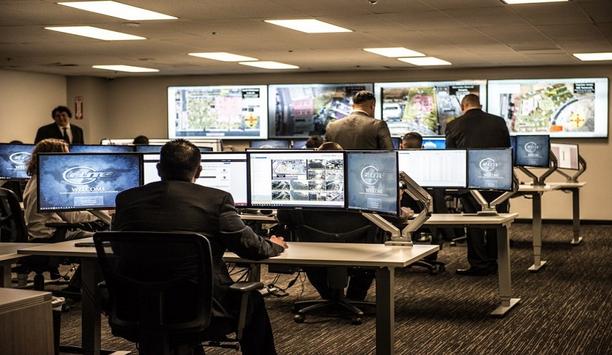
The average business owner or investor has some kind of security precaution in place, especially in the after-hours when there are fewer deterrents to inhibit criminal activity. Security guards, video surveillance systems, motion sensor lights, or even just fake cameras placed around the property are some of the common options people choose. Future of overnight security Smart business owners are starting to realise, however, that some of these traditional security measures are becoming antiquated and no longer cutting. The now and future of overnight security is in remote guarding. Pioneered by companies like Los Angeles-based Elite Interactive Solutions, which was founded back in 2007, remote guarding is revolutionising the overnight security business. Minimising criminal activity Remote guarding is fast becoming the most popular choice among commercial end-user property owners Remote guarding utilises a combination of cutting-edge technology, “digital guards,” highly trained security agents, and local law enforcement if and when necessary to minimise the potential of criminal activity. For those adequately enlightened to its overwhelmingly impressive crime prevention capabilities, remote guarding is fast becoming the most popular choice among commercial end-user property owners to secure and protect their investments. What Is remote guarding? Remote guarding is a revolutionary concept and increasing trend in security systems that utilises a combination of methods to effectively analyse potential threats to property. Cameras and/or other monitoring devices running highly advanced algorithmic software are installed in strategic areas or vulnerable places onsite and remotely located security agents are immediately notified of any activity within a designated perimeter of the property. A blend of AI, cybersecurity, and video analytics When properly deployed by an expert provider, the technology stack includes a proprietary blend of video analytics, artificial intelligence, cybersecurity, and more. Done right, “noise” is effectively filtered out, allowing agents to act on legitimate alerts and achieve zero false alarms communicated to first responders. Today, there are a lot of terms and descriptions tossed around about remote guarding, remote video, virtual guarding, etc., but those attributes must be present to represent the true definition of the offering and its many virtues. Realtime situational awareness Many systems have a two-way speaker that allows the security agent to give a verbal warning When specially trained security agents are alerted to trespassers, possible intruders, or other suspicious activity, they analyse the situation in real-time and determine the necessary level of action. Many systems have a two-way speaker that allows the security agent to give a verbal warning, known as a voice-down, to the individual(s) that they are being watched. Most perpetrators, often believing the response is emanating directly from security personnel on the property itself rather than from a remote command centre, flee immediately. However, if the threat persists, the security agent enlists local law enforcement to get on the scene. Customised remote guarding When properly deployed, remote guarding systems are also customised to specific properties. A team of consultants visits the client’s property to evaluate its vulnerabilities and where to best place cameras and/or other monitoring devices for system efficacy. Traditional security shortfalls According to Keith Bushey, a retired commander for the Los Angeles Police Department, there is much frustration between law enforcement officers and potential victims of crime due to the historically unreliable performance of traditional burglar alarm systems and central monitoring stations. He states about 90% of security-related calls are false alarms, a problem that has been well-documented through the years. Onsite challenges When a legitimate emergency does occur, the perpetrators have often already done their damage When a legitimate emergency does occur, the perpetrators have often already done their damage and/or escaped by the time law enforcement arrives. Onsite security guards are not the remedy either as they bring their own set of issues and challenges. Unexpected costs Traditional security systems can also have unexpected costs. The cost is not only in the security guards’ paycheck or the cost of the equipment itself. The cost comes when an actual incident occurs. In worst-case scenarios, the security guard(s) are injured, the business suffers inventory loss, and/or damage is sustained to the property. The medical and other costs for the security guard(s), the loss of inventory, property damage, deployment of law enforcement resources, and possible fallout of legal expenses all add up. Even in the best-case scenario, false alarm expenses incur if law enforcement is dispatched. These, among many others, are some of the primary issues that remote guarding resoundingly answers as a superior alternative. A bounty of benefits Remote guarding systems have been proven to cut costs and be more effective than traditional security systems. Even though the monthly monitoring costs of remote guarding are significantly higher than traditional intrusion detection system monitoring, the much higher effectiveness in crime reduction, elimination of false alarms, and augmenting or replacement of manned guards result in a substantially higher return on investment (ROI) to the end user. Easy tracking of threats The security cameras already have their image captured on record, making them easier to track down For example, case studies have demonstrated reduced security costs for clients by 60%, on average. These reductions have come from the costs of security staff, inventory, or property loss, plus saving money on insurance premiums and deductibles. The nature of remote guarding reduces the risk and costs of false alarms, with professional security agents able to determine an actual threat before law enforcement is called. In a rare instance when a perpetrator escapes before law enforcement arrives or can detain the individual(s), the security cameras already have their image captured on record, making them easier to track down and identify. Reduction of false alarms The significant reduction in false alarms is greatly appreciated by law enforcement, as it allows them to focus on real emergencies or crises. Better relationships are also developed between clients and law enforcement, as remote guarding systems are highly reliable in providing accurate and real-time information to officers as they approach the scene. In short, it assists law enforcement in doing their job more effectively, as well as more safely thanks to having eyewitness information before engaging in an active crime scene. Partnership When you combine the decreased cost with the increased efficiency and success rate, it is easy to see why many commercial end-user property owners across the country are making the shift to remote guarding. It’s also an outstanding opportunity for professional security dealers and integrators to partner with a remote guarding services provider to bring a superior solution to their end customers and pick up a recurring monthly revenue stream in the process.
Security beat

In today's complex security landscape, ensuring the safety of building occupants and assets requires more than just cutting-edge technology. Holistic approach The SHIELD certification, introduced by the Secure Buildings Council, is designed to help building owners, tenants, and security professionals navigate this challenge effectively. SHIELD offers a holistic approach to physical security that emphasises not just the systems in place, but the collaboration among all stakeholders. With practical, actionable guidance, SHIELD certification seeks to become a benchmark for secure building environments. What is SHIELD? Its primary goal is that buildings are equipped with security systems and protocols that protect against threats SHIELD is a comprehensive certification programme developed by the Secure Buildings Council to establish and maintain a standard of excellence in building security. Its primary goal is to ensure that buildings are equipped with security systems and protocols that not only protect against threats but also enhance the overall safety and operational efficiency of the facility. Forward-thinking design It encourages a multi-disciplinary approach, bringing together building owners, managers, security professionals, architects, and engineers to foster an integrated security strategy. By adhering to SHIELD's standards, facilities can assure tenants, visitors, and investors that the building is designed to be a secure and resilient environment. The intent is to create safer spaces through collaboration, forward-thinking design, and stringent security measures. Enhancing security and building resilience SHIELD certification helps to ensure that buildings are not only secure from external threats but are also resilient in the face of internal vulnerabilities. This includes everything from access control systems and surveillance infrastructure to cybersecurity measures and emergency response protocols. Detailed framework SHIELD acts as a roadmap to assess and improve the effectiveness of a building's security architecture The certification process provides a detailed framework for identifying potential risks, implementing best practices, and continuously monitoring security measures. For security professionals, SHIELD acts as a roadmap to assess and improve the effectiveness of a building's security architecture. The programme emphasises the importance of both physical and digital security, recognising that modern threats often cross over from one realm to the other. Benefits for tenants, investors, and facility managers One of the standout benefits of SHIELD certification is the assurance it provides to tenants and investors. Certified buildings demonstrate a commitment to security that can attract higher-quality tenants and increase the building’s market value. For investors, a SHIELD-certified building represents a lower-risk investment, as the facility is better protected against both physical threats and operational disruptions. Standardised procedures Additionally, facility managers benefit from SHIELD's emphasis on clear, standardised procedures for maintaining and upgrading security measures. The certification helps streamline operations by ensuring that all security protocols are applied consistently and reviewed regularly. This results in a safer, more efficient building environment for everyone involved. Promoting collaboration and industry integration Architects, engineers, and security professionals are encouraged to work together from the earliest stages SHIELD certification is not just about the implementation of security technologies—it is also about fostering collaboration among various stakeholders. Building owners, architects, engineers, and security professionals are encouraged to work together from the earliest stages of design and planning. This collaborative approach helps ensure that security measures are integrated into the fabric of the building, rather than being tacked on as an afterthought. Multi-disciplinary synergy Furthermore, SHIELD works in alignment with other industry standards, such as LEED for environmental sustainability and WELL for health and well-being. This multi-disciplinary synergy allows building owners to pursue multiple certifications concurrently, enhancing the building's overall value and appeal. Achieving SHIELD certification: The process The process to become SHIELD certified involves a comprehensive assessment of a building’s security features and protocols. This begins with a gap analysis, where security professionals evaluate the building's current state against SHIELD's stringent standards. From there, a detailed action plan is developed to address any deficiencies. Once the necessary upgrades and protocols are in place, the building undergoes a final audit before the certification is awarded. Incorporating multiple elements SHIELD takes a holistic approach that encompasses not just physical security but also digital and procedural elements A common misconception about SHIELD is that it is solely focused on physical security systems. In reality, SHIELD takes a holistic approach that encompasses not just physical security but also digital and procedural elements. Another misconception is that SHIELD is only applicable to large-scale commercial properties, when in fact it can be adapted for buildings of various sizes and functions. Global adoption of SHIELD certification SHIELD certification is seeing increased adoption across North America, Europe, and parts of Asia. Its focus on a comprehensive, collaborative approach to security has made it particularly attractive in high-risk industries such as finance, healthcare, and data centres. While it is still gaining traction in some regions, SHIELD is poised to become a global standard for building security in the coming years. SHIELD certification represents a significant step forward for building security. By fostering collaboration and emphasising a holistic approach, SHIELD helps create safer, more resilient buildings that protect both the physical structure and the people and assets inside.
A pioneer in the access control sector since 1971, AMAG Technology is looking to the future and the next generation of products that will expand its services to customers. “In our vision, we have advanced approaches that will not only provide our partners with advanced technologies but also ones that are easier to install with tools to expand their services,” says David Sullivan, who was appointed President of the venerable access control company in September 2022. New challenges at AMAG Sullivan brings a new outlook to the AMAG business, a part of Allied Universal, and a new vision to lead the company into the future. We caught up with David Sullivan to discuss his new challenges at AMAG and the journey ahead as the company looks to the future. Q: How does your background inform your approach to leading AMAG? I believe that it helps me to define a vision for AMAG that will be unique and on the leading edge of our industry David Sullivan: With the exception of only a few short years, my career has been in access control. I have experience with several systems and have had the privilege to manage several successful access control companies. As a result, I bring a great deal of experience into my role at AMAG. I believe that it helps me to define a vision for AMAG that will be unique and on the leading edge of our industry. Q: How would you describe AMAG’s journey over the last several years and how do you see the future? Sullivan: Prior presidents of AMAG always shared their leadership vision and direction with senior leaders located in the United Kingdom. This had an impact on the full direction of the business, sometimes limiting its ultimate success. Before I became a part of AMAG, these senior leaders that were located in the UK retired, placing for the first time the full management responsibilities of the president. This has allowed me to integrate the business into a single team, with single objectives, and a single vision. We expect to begin to reveal this new vision in the coming weeks. We are excited about the future of AMAG and believe we will surprise the industry with our new products and approach in the coming months and years. Q: How important is it that a manufacturer provides both hardware and software solutions? How does AMAG’s approach (in general) differentiate it in the market? We can design the complete solution, providing functionality that others may find more difficult to accomplish Sullivan: Regardless of the manufacturer, we all provide hardware and software. An access control solution is not complete without both. Some of us choose to make our panels, and others do not. Those who are dependent on third-party suppliers are restricted to the developments and direction of that company, and while it might be perceived to be an open technology, it still is proprietary to the hardware manufacturer. AMAG has controlled its manufacturing of panels from day one. The result means that we can design the complete solution, providing functionality that others may find more difficult to accomplish. Q: How does the breadth of AMAG’s product suite provide advantages to customers and/or integrators? Sullivan: AMAG’s product portfolio is unique and provides the end user with an end-to-end identity management solution from one company. Our Control Room PSIM, Symmetry CONNECT Identity Management Solution, Symmetry Access Control, and Symmetry GUEST solutions all integrate to provide the user with a broad set of features and capabilities from a single provider. There is no finger-pointing when we come to support your system. We hold full responsibility for making it work and can quickly provide a resolution to any application difficulties the user may be experiencing. Q: How does AMAG address the divide between on-prem and cloud systems? How do you help customers make the transition and/or plan for the future? We are in the early stages of developing our next generation of access control in which we intend to provide on-prem Sullivan: In our current product portfolio, we have three products that are cloud-based. Our mobile credential platform (Symmetry Mobile), our visitor management solution (Symmetry GUEST), and our physical identity and access management solution (Symmetry CONNECT) are all offerings that operate in the cloud. We are in the early stages of developing our next generation of access control in which we intend to provide on-prem, web client, and cloud-based offerings. One of the primary objectives is to ensure that the large installed base of systems that are out there today will be able to migrate not only to our next generation but as well to the cloud if the client so desires. Q: What is AMAG’s approach to mobile credentialing? Sullivan: As an access control provider, adding Symmetry Mobile credentialing to our portfolio just made sense. We want our customers to have a forward-thinking solution with the opportunity to save money not only on the physical badges but the cost of printing and distributing badges. Mobile credentials can be easily issued and revoked remotely, reducing administrative overhead, and eliminating the need for physical inventory management. Organisations can centrally configure what devices are used and the read range for each type of device and operating system, thus providing flexibility. Symmetry Mobile offers a customised questionnaire that controls access and reduces liabilities. Q: What has surprised you the most in your first year or so leading AMAG? Not many companies are blessed with such a broad portfolio that is supported by a resource-rich company Sullivan: I wouldn’t say I was surprised by this as much as happy to see, but I would say that the quality of our people was a pleasant surprise. As well, the AMAG product offering is broad and has some unique elements. When coupled with the depth of the resources that we have in AMAG, I know that we are second to none. Not many companies are blessed with such a broad portfolio that is supported by a resource-rich company that has so many talented people. Q: Please describe your dealer channel, and how you are seeking to expand it. Sullivan: The AMAG products are sophisticated and typically are installed for higher-end applications. With this sophistication comes a need to be well able to install such a solution. We have a strong group of certified and loyal partners who help us to deliver these enterprise solutions. We desire to provide our existing partners with updated and competitive systems to offer to their end users. Q: What is the security industry’s (and/or AMAG’s) biggest challenge in the next five years? We need to find ways to provide both our channel partners and the customers with solutions that are easily integrated Sullivan: I believe that the advancements that we are seeing in technology provide our industry with the opportunity to truly change how security is provided to our collective customers. As we advance these solutions, we will need to do so responsibly and in a way that helps the channel’s abilities. We need to find ways to train our partners to both install and support these more complex solutions. At the same time, we need to find ways to provide both our channel partners and the customers with solutions that are easily integrated, moving away from proprietary closed systems to open and cohesive solutions. This will ensure that the users get the best, and most complete solutions. Q: What does the industry as a whole misunderstand about AMAG -- time to set the record straight! Sullivan: Well, I am not ready to openly share where we are heading. We are in the process of putting together some advanced approaches to how we will do business with our partners. We are focused on providing tools that will enhance their services to their customers, and with products that are leading edge. I can only state that all should keep their eyes on AMAG, because over the next few years, we are going to surprise some people, and more importantly make our loyal partners quite powerful.

When it comes to security cameras, the end user always wants more—more resolution, more artificial intelligence (AI), and more sensors. However, the cameras themselves do not change much from generation to generation; that is, they have the same power budgets, form factors and price. To achieve “more,” the systems-on-chips (SoCs) inside the video cameras must pack more features and integrate systems that would have been separate components in the past. For an update on the latest capabilities of SoCs inside video cameras, we turned to Jérôme Gigot, Senior Director of Marketing for AIoT at Ambarella, a manufacturer of SOCs. AIoT refers to the artificial intelligence of things, the combination of AI and IoT. Author's quote “The AI performance on today’s cameras matches what was typically done on a server just a generation ago,” says Gigot. “And, doing AI on-camera provides the threefold benefits of being able to run algorithms on a higher-resolution input before the video is encoded and transferred to a server, with a faster response time, and with complete privacy.” Added features of the new SOC Ambarella expects the first cameras with the SoC to emerge on the market during early part of 2024 Ambarella’s latest System on Chip (SOC) is the CV72S, which provides 6× the AI performance of the previous generation and supports the newer transformer neural networks. Even with its extra features, the CV72S maintains the same power envelope as the previous-generation SoCs. The CV72S is now available, sampling is underway by camera manufacturers, and Ambarella expects the first cameras with the SoC to emerge on the market during the early part of 2024. Examples of the added features of the new SOC include image processing, video encoders, AI engines, de-warpers for fisheye lenses, general compute cores, along with functions such as processing multiple imagers on a single SoC, fusion among different types of sensors, and the list goes on. This article will summarise new AI capabilities based on information provided by Ambarella. AI inside the cameras Gigot says AI is by far the most in-demand feature of new security camera SoCs. Customers want to run the latest neural network architectures; run more of them in parallel to achieve more functions (e.g., identifying pedestrians while simultaneously flagging suspicious behavior); run them at higher resolutions in order to pick out objects that are farther away from the camera. And they want to do it all faster. Most AI tasks can be split between object detection, object recognition, segmentation and higher-level “scene understanding” types of functions, he says. The latest AI engines support transformer network architectures (versus currently used convolutional neural networks). With enough AI horsepower, all objects in a scene can be uniquely identified and classified with a set of attributes, tracked across time and space, and fed into higher-level AI algorithms that can detect and flag anomalies. However, everything depends on which scene is within the camera’s field of view. “It might be an easy task for a camera in an office corridor to track a person passing by every couple of minutes; while a ceiling camera in an airport might be looking at thousands of people, all constantly moving in different directions and carrying a wide variety of bags,” Gigot says. Changing the configuration of video systems Low-level AI number crunching would typically be done on camera (at the source of the data) Even with more computing capability inside the camera, central video servers still have their place in the overall AI deployment, as they can more easily aggregate and understand information across multiple cameras. Additionally, low-level AI number crunching would typically be done on camera (at the source of the data). However, the increasing performance capabilities of transformer neural network AI inside the camera will reduce the need for a central video server over time. Even so, a server could still be used for higher-level decisions and to provide a representation of the world; along with a user interface for the user to make sense of all the data. Overall, AI-enabled security cameras with transformer network-based functionality will greatly reduce the use of central servers in security systems. This trend will contribute to a reduction in the greenhouse gases produced by data centres. These server farms consume a lot of energy, due to their power-hungry GPU and CPU chips, and those server processors also need to be cooled using air conditioning that emits additional greenhouse gases. New capabilities of transformer neural networks New kinds of AI architectures are being deployed inside cameras. Newer SoCs can accommodate the latest transformer neural networks (NNs), which now outperform currently used convolutional NNs for many vision tasks. Transformer neural networks require more AI processing power to run, compared to most convolutional NNs. Transformers are great for Natural Language Processing (NLP) as they have mechanisms to “make sense” of a seemingly random arrangement of words. Those same properties, when applied to video, make transformers very efficient at understanding the world in 3D. Transformer NNs require more AI processing power to run, compared to most convolutional NNs For example, imagine a multi-imager camera where an object needs to be tracked from one camera to the next. Transformer networks are also great at focussing their attention on specific parts of the scene—just as some words are more important than others in a sentence, some parts of a scene might be more significant from a security perspective. “I believe that we are currently just scratching the surface of what can be done with transformer networks in video security applications,” says Gigot. The first use cases are mainly for object detection and recognition. However, research in neural networks is focussing on these new transformer architectures and their applications. Expanded use cases for multi-image and fisheye cameras For multi-image cameras, again, the strategy is “less is more.” For example, if you need to build a multi-imager with four 4K sensors, then, in essence, you need to have four cameras in one. That means you need four imaging pipelines, four encoders, four AI engines, and four sets of CPUs to run the higher-level software and streaming. Of course, for cost, size, and power reasons, it would be extremely inefficient to have four SoCs to do all this processing. Therefore, the latest SoCs for security need to integrate four times the performance of the last generation’s single-imager 4K cameras, in order to process four sensors on a single SoC with all the associated AI algorithms. And they need to do this within a reasonable size and power budget. The challenge is very similar for fisheye cameras, where the SoC needs to be able to accept very high-resolution sensors (i.e., 12MP, 16MP and higher), in order to be able to maintain high resolution after de-warping. Additionally, that same SoC must create all the virtual views needed to make one fisheye camera look like multiple physical cameras, and it has to do all of this while running the AI algorithms on every one of those virtual streams at high resolution. The power of ‘sensor fusion’ Sensor fusion is the ability to process multiple sensor types at the same time and correlate all that information Sensor fusion is the ability to process multiple sensor types at the same time (e.g., visual, radar, thermal and time of flight) and correlate all that information. Performing sensor fusion provides an understanding of the world that is greater than the information that could be obtained from any one sensor type in isolation. In terms of chip design, this means that SoCs must be able to interface with, and natively process, inputs from multiple sensor types. Additionally, they must have the AI and CPU performance required to do either object-level fusion (i.e., matching the different objects identified through the different sensors), or even deep-level fusion. This deep fusion takes the raw data from each sensor and runs AI on that unprocessed data. The result is machine-level insights that are richer than those provided by systems that must first go through an intermediate object representation. In other words, deep fusion eliminates the information loss that comes from preprocessing each individual sensor’s data before fusing it with the data from other sensors, which is what happens in object-level fusion. Better image quality AI can be trained to dramatically improve the quality of images captured by camera sensors in low-light conditions, as well as high dynamic range (HDR) scenes with widely contrasting dark and light areas. Typical image sensors are very noisy at night, and AI algorithms can be trained to perform excellently at removing this noise to provide a clear colour picture—even down to 0.1 lux or below. This is called neural network-based image signal processing, or AISP for short. AI can be trained to perform all these functions with much better results than traditional video methods Achieving high image quality under difficult lighting conditions is always a balance among removing noise, not introducing excessive motion blur, and recovering colours. AI can be trained to perform all these functions with much better results than traditional video processing methods can achieve. A key point for video security is that these types of AI algorithms do not “create” data, they just remove noise and clean up the signal. This process allows AI to provide clearer video, even in challenging lighting conditions. The results are better footage for the humans monitoring video security systems, as well as better input for the AI algorithms analysing those systems, particularly at night and under high dynamic range conditions. A typical example would be a camera that needs to switch to night mode (black and white) when the environmental light falls below a certain lux level. By applying these specially trained AI algorithms, that same camera would be able to stay in colour mode and at full frame rate--even at night. This has many advantages, including the ability to see much farther than a typical external illuminator would normally allow, and reduced power consumption. ‘Straight to cloud’ architecture For the cameras themselves, going to the cloud or to a video management system (VMS) might seem like it doesn’t matter, as this is all just streaming video. However, the reality is more complex; especially for cameras going directly to the cloud. When cameras stream to the cloud, there is usually a mix of local, on-camera storage and streaming, in order to save on bandwidth and cloud storage costs. To accomplish this hybrid approach, multiple video-encoding qualities/resolutions are being produced and sent to different places at the same time; and the camera’s AI algorithms are constantly running to optimise bitrates and orchestrate those different video streams. The ability to support all these different streams, in parallel, and to encode them at the lowest bitrate possible, is usually guided by AI algorithms that are constantly analyzing the video feeds. These are just some of the key components needed to accommodate this “straight to cloud” architecture. Keeping cybersecurity top-of-mind Ambarella’s SoCs always implement the latest security mechanisms, both hardware and software Ambarella’s SoCs always implement the latest security mechanisms, both in hardware and software. They accomplish this through a mix of well-known security features, such as ARM trust zones and encryption algorithms, and also by adding another layer of proprietary mechanisms with things like dynamic random access memory (DRAM) scrambling and key management policies. “We take these measures because cybersecurity is of utmost importance when you design an SoC targeted to go into millions of security cameras across the globe,” says Gigot. ‘Eyes of the world’ – and more brains Cameras are “the eyes of the world,” and visual sensors provide the largest portion of that information, by far, compared to other types of sensors. With AI, most security cameras now have a brain behind those eyes. As such, security cameras have the ability to morph from just a reactive and security-focused apparatus to a global sensing infrastructure that can do everything from regulating the AC in offices based on occupancy, to detecting forest fires before anyone sees them, to following weather and world events. AI is the essential ingredient for the innovation that is bringing all those new applications to life, and hopefully leading to a safer and better world.
Case studies

CCOM Global Technologies, experts in managing video surveillance on cruise liners is leveraging Pimloc’s Secure Redact privacy platform, the world’s pioneering automated video redaction AI software solution, to ensure the privacy of uninvolved individuals when disclosing footage to third parties or in response to subpoenas. The security challenges onboard cruise ships – effectively small towns with up to 5,000 ‘residents’ are huge, and Secure Redact has proven to be highly effective in maintaining passenger privacy during video surveillance. Automatic blurring Secure Redact’ automatically blurs personal and sensitive data in captured and live security videos. This enables organisations such as CCOM Global Technologies to quickly and responsibly handle footage from CCTV by protecting and redacting personal data, such as faces and automatically redacting and anonymising the information 200 times faster than traditional video editing services. Secure Redact platform The technology can be deployed selectively, removing some or all faces or other identifying information Pimloc has developed world-pioneering AI solutions, trained to perform on real-world security footage, through its Secure Redact platform to protect personal data in images and video automatically. The technology can be deployed selectively, removing some or all faces or other identifying information. As a result, video clips that have been selectively anonymised with Secure Redact can be supplied externally, while staying compliant with data privacy laws and regulations. Privacy, safety, and security “When we are looking at security challenges, we have thousands of people that we need to keep safe and secure, maintaining their well-being,” says Daniel Ginat, Director of Technology at CCOM Global Technologies. “It's a small town, or a Vegas scale of the hotel, with hundreds and hundreds of CCTV cameras. Privacy, as well as security, is key, and Secure Redact helps us to deal with security issues for our clients, while effectively keeping bystanders and other innocents out of the picture.” Advanced features After comparing other solutions, CCOM Global Technologies chose Pimloc’s Secure Redact privacy platform for its advanced features and fair pricing, making it the ideal choice. But it wasn't only the features and value that secured the contract with CCOM Global Technologies; communication was also key. “From the start, we felt like the team at Pimloc was very knowledgeable of the system,” Ginat adds. “They could show us exactly all of the features and how to use them. This level of expertise, combined with the platform's capabilities, made Secure Redact the clear choice for us to partner with.” Face detections Secure Redact creates the final redacted video for download by blurring all the detected personal data Secure Redact automatically processes and ingests any uploaded video from CCOM GlobalTechnologies’ CCTV footage onboard ship, before reformatting it and running machine learning algorithms over each frame to detect all faces. These detections are then marked for redaction as orange boxes on the video and are only viewable by CCOM Global Technologies operatives, who review the results before Secure Redact creates the final redacted video for download by blurring all the detected personal data, ready for export and delivery to their cruise liner client. Data privacy compliance requirements “We’re delighted to be helping CCOM Global Technologies to maintain privacy during cruise ship video surveillance,” says Pimloc CEO Simon Randall. “Secure Redact meets international data privacy compliance requirements when dealing with personal data in images and video files, and it is the fastest solution on the market. We’re enabling cruise liners to supply video clips externally to employees, customers, or even corporate insurance companies, law enforcement, and lawyers while staying compliant with data privacy laws and regulations.”

In 2024, Hualien, Taiwan experienced devastating earthquakes and typhoons, necessitating rebuilding efforts and tourism revitalisation. VIVOTEK (3454-TW), the global pioneer security solution provider, has stepped in to support the local economy by organising the 4th "Safety Map" sustainability event. This year, the event was held in the historically significant Dachen New Village in Hualien, home to over 400 households. Model safe-tourism destination With 2025 marking the 75th anniversary of the migration of Dachen Island residents from Zhejiang, China, to Taiwan, the area is promoting tourism despite challenges like an aging population and increasing environmental risks. VIVOTEK’s team devised diverse solutions to address safety concerns, aiming to combine smart security with local revitalisation efforts. Their goal is to transform Dachen New Village, the largest settlement of Dachen residents in Taiwan, into a model safe-tourism destination that attracts visitors to experience its unique culture. Caring is the core Expanding Social Impact Through a "Safety Map" “VIVOTEK is dedicated to becoming the most trusted security brand in society. We aim to use our expertise to improve safety and forge a unique path of corporate sustainability. In its fourth year, the scale of our ‘Safety Map’ initiative continues to grow,” stated Alex Liao, VIVOTEK’s President. "This time, our work in Dachen New Village benefits over 1,500 residents and ensures that visiting tourists can explore without safety concerns. Additionally, having our team directly observe and address safety issues helps refine our product design to meet users' needs better." Local revitalisation and tourism Boosting the Tourism Economy Through Immersive Experiences The VIVOTEK team also had an immersive theatrical experience created by Lamb Social Innovation Studio The VIVOTEK security team also had an immersive theatrical experience created by Lamb Social Innovation Studio that delved into Dachen’s history. By understanding the area’s unique needs, they developed tailored safety solutions. “VIVOTEK incorporates “concern for others’ cares” as a core value in our sustainability efforts,” said Allen Hsieh, VIVOTEK’s Spokesperson and Director of the Global Marketing Division. Enhancing safety "Over the years, our ‘Safety Map’ events have spanned neighborhoods, mental retardation training institutions, and schools, fostering a friendlier environment and expanding social impact." "After the natural disasters that recently struck Hualien, leaving behind numerous safety hazards and declining tourist numbers, we hope to use our security expertise to collaborate with residents in enhancing safety and revitalising Hualien’s tourism industry for a win-win outcome." Safety awareness “This is the first in-depth collaboration between Dachen New Village and a corporation. The VIVOTEK security team genuinely considered the needs of the community’s residents." "The event was a co-creation process where everyone brainstormed together, raising safety awareness among residents and inspiring optimism for the community's future transformation,” said Chao Hsiao-Yen, Social Innovation Lamb studio founder. Customised security solutions with AI Building a Safer Dachen New Village At the Ruan Bi Zhenjun Temple, the team explored ways to protect temple assets and visitor donations VIVOTEK’s security team, in collaboration with the local revitalisation group Social Innovation Lamb Studio, worked with residents and elders to identify areas where safety could be enhanced. At the iconic tourist hotspot Ruan Bi Zhenjun Temple, the team explored ways to protect temple assets and visitor donations better while enhancing environmental friendliness, allowing elderly or mobility-impaired individuals to enter and exit freely. Preserving nostalgic charm In the local park, they aimed to reduce disturbances caused by stray animals, improving the overall environment for residents. In the narrow alleys that showcase the history of Dachen’s settlers, the goal was to preserve the nostalgic charm of the village while optimising the environment to make landmarks more recognisable for visitors. For family members living away from home, the community explored innovative technological solutions to enable remote monitoring of loved ones, strengthening familial bonds and care. Various security solutions To address these challenges, VIVOTEK proposed a variety of security solutions. They included installing accessible spaces at the temple to accommodate visitors with mobility challenges, implementing smart lighting systems to enhance nighttime safety, and utilising AI cameras for real-time image analysis and stranger identification. Security solutions included installing accessible spaces at the temple to accommodate visitors The team also designed shared activity spaces to promote intergenerational interactions between the youth and seniors, fostering a sense of community. Emphasising the importance of safety education, the team worked to raise awareness among residents. Generative AI tools Additionally, the project incorporated cutting-edge generative AI tools from the Taiwan Design Research Institute, which visualised proposed solutions quickly and effectively. This approach made it easier for residents to understand and implement the ideas, to transform Dachen New Village into a safer, more livable community, fully prepared to welcome tourists.

Take a walk to the local high street. Compared to a few years ago, they may notice many more “To Let” signs in empty shop windows. It comes as no surprise given the number of shocks to the economic system over the last five years, ranging from COVID-19 to international conflicts, all of which have led to various consequences, such as energy price hikes, interest rate increases, and a general shift in many people's work patterns and consumer behaviour. Vacant retail space The total number of void private-sector commercial properties stands at approximately 165,000 According to Savills Research, the overall footfall of vacant retail space in the UK is around 14.5%, while the total number of void private sector commercial properties stands at approximately 165,000. Additionally, an estimate of 7,000 commercial and business properties owned by Local Governments in Great Britain have been unoccupied for over 12 months. Net Zero ambitions Furthermore, a recent BBC article points out that business tenants are more inclined to search for smaller, newer and more energy-efficient office spaces to rent, are willing to downsize owing to hybrid working, and seek buildings that complement their Net Zero ambitions. This might be interpreted as an indication that a number of long-standing commercial premises would become vacant in the near future, forcing owners to update and repurpose empty spaces to meet the demands of a changing market. A costly asset that requires extra protection Insurance companies charge higher premiums for void property and require regular security While the property market and customer demands are shifting, some truths remain unchanged: commercial property should generate money, not drain it. However, void sites imply outgoing costs and no profit, so it only makes sense that any vacant space should be flipped as soon as possible. Unoccupied premises can become an alluring target for squatters, vandals, thieves and trespassers, which is one of the main reasons why insurance companies charge higher premiums for void property and require regular security and fire safety checks too. Enhanced security measures Such properties must be protected by enhanced security measures. This often involves the installation of steel doors and screens, perimeter protection, vigilant surveillance and prompt alarm response. After all, any break-in can cause far greater financial damage than the costs of protection; and the owner is legally liable for any injuries sustained by trespassers. Meanwhile, legit access is very much required by contractors to upgrade and renovate the site in preparation for the next business occupier. Any delays or missed visits result in further charges on an asset that is essentially nothing but another bill while vacant. Access issues: Fetch the keys For every contractor visit, property check or viewing, a key must be obtained offsite and then returned A minor but, consequently, very important issue might arise when accessing a site that is unmanned 24/7. For every contractor visit, property inspection or viewing, a key must be obtained offsite and then returned. This takes time, implies unnecessary travel and, potentially, may result in additional missed visit fees and rebooking arrangements in instances when a contractor is unable to gain entry. As a result, it may slow down the void property turnaround time. Keyholding arrangements Furthermore, complex keyholding arrangements can also slow down the security alarm response time. More and more security companies are moving away from the traditional keyholding model, in which keys are stored at the central location or in heavy key lockers in vans during patrols. While reaction time is critical, time is frequently wasted collecting keys or waiting for a keyholding patrol (rather than the nearest one) to arrive on site. Lock up and leave the keys. Securely. Keyholding solution must be more robust than doors or other means of entry to stop opportunistic intruders What about storing keys at the point of entry? This may be controversial, but it is a solution that has gained popularity in void property management with implementation of secure range key safes and lockboxes. The primary concern in such an approach is security. Even though property is void, the keyholding solution must be more robust than doors or other means of entry to prevent opportunistic intruders from taking advantage of the new keyholding arrangement. Smart key management solutions Stuart Wheeler, Managing Director of Keynetics, a company that offers smart key management solutions with security-certified key safes, comments, “Over the years, we have developed strong relationships with the top void property management companies in the UK and Europe. These clients require a keyholding solution that enables efficient FM service provision for vacant properties while also providing a high level of security.” “Storing keys at the point of need enables quicker alarm response times and allows approved contractors to enter the premises without any delays, but security must not be compromised; in that respect, our SentriGuard key safes are suitable for commercial properties and certified to LPS 1175 (Loss Prevention Standard) C1 and C3 security ratings, which is unrivalled by any other supplier.” SentriGuard key management system Stuart confirmed that in addition to security, the SentriGuard key management system is highly praised for its innovative technology. First, it incorporates a bespoke cloud-based platform that allows customers to manage access to multiple properties remotely and generate various audit reports that can also serve as a proof of service delivery. Second, assigned individuals may gain access to premises either using the mobile app or a time-restricted code. He added, “The ability for clients to access real-time data of site visits with a solution that does not break the bank and is secure has been the key to the success here in the U.K. and now across mainland Europe.”

Named one of Money magazine’s Best Colleges in America 2023, Fairfax-based Geoge Mason University (Mason) is the largest public research university in the Commonwealth of Virginia. Its 10,000 faculty and staff provide classes and support services across three regional campuses, an international branch campus in Songdo, South Korea, and five instructional sites. With more than 40,000 students hailing from all 50 states and 130 countries and a six-year graduation rate that is well above the national average, Mason continues a rapid upward enrollment trajectory that saw headcount and credit hours increase by nearly 2 percent in Spring 2022 and Fall 2023 applications rise by 11 percent. R1 research university In addition to a heavy emphasis on diversity – U.S. News and World Report named it the state’s best public university for diversity and innovation – Mason is a pioneer in technology and research with 40 percent of its students majoring in STEM fields. It is also the youngest nationally ranked R1 research university, a top 10 public university for cybersecurity programmes, and a top 20 public university for five different engineering and education online programmes. University's challenge Providing an exceptional experience had to balance with the need to maintain public access to appropriate services Mason’s rapid growth requires it to embrace system-wide innovation, particularly when it comes to providing a safe, secure university environment for students, faculty, and staff. Providing an exceptional experience had to balance with the need to maintain public access to appropriate services, as well as the convenience of contactless entry and the ability to act quickly when credentials were lost, or stolen or the user’s status with the university changed. Goal “We have a very open campus. Most of our doors are unlocked from 7 AM until 11 PM and we have a public library, so we need to make sure access control isn’t in the way. On the other side, we need to make sure that if something does happen, we can react quickly to unfolding scenarios,” said Daniel W. Anthes, Director of Technology Services, at George Mason University. “The goal is to make it safe, easy, and seamless for people to navigate campus.” Case study Mason had already implemented a card-based access control solution featuring HID® Seos credentialling technology, HID OMNIKEY® chips, HID Asure ID card printing software, HID FARGO® printers, and HID Signo™ card readers. Photo identification cards were encoded with appropriate credentials allowing the holder to access everything from parking to residence and dining halls to facilities and services, including data centres, libraries, and shops by simply tapping or swiping. “Eventually, we reached the point that the switch to mobile credentialling was a straightforward next phase. This would make it easier for staff and students to get where they needed to be without having to fumble with a set of keys,” said Anthes. HID's solution HID Mobile Access lets any compatible mobile device – smartphones, tablets, or wearables – be used as a credential Mason again turned to HID and Atrium, deploying the HID Mobile Access® solution with Seos as the underlying credential technology. Atrium provisions and manages the lifecycle of the HID Mobile Access credentials. HID Mobile Access lets any compatible mobile device – smartphones, tablets, or wearables – be used as a credential to securely access doors, gates, networks, and more. It significantly increases convenience and boosts operational efficiency without compromising security. HID Mobile Access Because Mason had Signo readers already in place, deployment of HID Mobile Access required just a simple upgrade. Importantly, while mobile access eliminates the need for physical access cards, the highly versatile Signo readers support the widest range of credential technologies via native Bluetooth, Near Field Communication (NFC), and Apple Wallet – meaning those who choose to can continue using their physical ID cards until they are ready to transition to mobile access. Seamless integration “Once you get them using the technology, at that point the realisation hits that this phone access is awesome. Or you can use your Apple watch and never even pull your phone from your pocket. There are a lot of things you have to navigate when considering credentials." "Fortunately, the HIDand Atrium Campus partnership offers the complete solution, bundled together and working seamlessly in the way I expected. The seamlessness of the mobile credential and how quickly they can get where they need to be with their phone or wearable is cool to see in action,” said Anthes. Final results Mason’s more than 50,000 students, faculty, and staff can leverage mobile credentials at any campus In addition to access to approximately 7,000 doors across its campus locations, Mason’s more than 50,000 students, faculty, and staff can leverage mobile credentials at any campus cash register, printer, copy machine, and retail and recreational facility. Mobile access will increase the convenience factor exponentially for students, for example enabling express check-in for residence halls at the start 2024-25 school year which will let students bypass queues that in the past were hundreds deep and go straight to their dorm rooms. Mason Mobile ID Mason Mobile ID has also driven a significant drop in the issuance of temporary and replacement cards, saving both the university and students time, money, and frustration. Students can also easily switch credentials to a new wearable or mobile device, eliminating the need to have this done in person – a significant convenience when Apple released its iPhone 15 shortly after Mason transitioned to mobile access. Safety standpoint “We are only two months in, so there are a lot of benefits we have yet to see with Mason Mobile ID, but I’m excited about what we’ve already started noticing in terms of students engaging faster with their peers and community." "The police department also absolutely loves the wearables from a public safety standpoint, because they can get through the doors a whole lot faster than they could with the traditional cards or when they had to fumble with keys,” said Anthes. Operational efficiency Going forward, Mason is exploring expanding mobile access to shuttle buses, which would also allow them to track utilisation data, and for more special events access. “New technology like mobile access is how Mason improves operations, so if there is an opportunity, I will certainly push to have HID involved. There are a lot of things you have to navigate when considering credentials. Fortunately, the HID and Atrium Campus partnership offers the complete solution, bundled together and working seamlessly in the way I expected,” said Anthes.
ZeroEyes, the creators of the only AI-based gun detection video analytics platform that holds the US Department of Homeland Security SAFETY Act Designation, announced that Georgetown-Ridge Farm Community Unit School District (CUSD) has adopted ZeroEyes' proactive AI-based gun detection and intelligent situational awareness solution to protect students, faculty and staff against gun-related threats. Georgetown-Ridge Farm CUSD is a rural, public school district in Georgetown, Illinois that is committed to providing a positive learning environment and shaping productive members of society who are successful, self-sufficient, and well-rounded individuals. 880 pre-K and K-12 students are enrolled in its three schools. Multi-layered security plan ZeroEyes has been added to its multi-layered security plan to detect illegally brandished guns on campus The district prioritises school safety by forming close relationships with local law enforcement and implementing a range of high-tech security measures across its campuses. ZeroEyes has been added to its multi-layered security plan to detect illegally brandished guns on campus and reduce response time in the case of a gun-related incident. “ZeroEyes provides a proactive layer of security that further enhances our comprehensive safety plan,” said Dr. Jean Neal, Superintendent, Georgetown-Ridge Farm CUSD. “Integrating ZeroEyes will allow us to improve security in more vulnerable areas like athletic events and parking lots. We are grateful to have their protection 24/7 to help our community feel safer during these times of uncertainty.” CUSD’s existing digital security cameras ZeroEyes' AI gun detection and intelligent situational awareness software layers onto Georgetown-Ridge Farm CUSD’s existing digital security cameras. If a gun is identified, images are instantly shared with the ZeroEyes Operations Centre (ZOC), staffed 24/7/365 by specially trained U.S. military and law enforcement veterans. If these experts determine that the threat is valid, they dispatch alerts and actionable intelligence — including visual description, gun type, and last known location — to local law enforcement and school staff as quickly as 3 to 5 seconds from detection. “We are happy that Georgetown-Ridge Farm CUSD is taking proactive steps to protect its rural community from potential gun-related threats,” said Mike Lahiff, CEO and co-founder of ZeroEyes. “In today's climate, safety concerns are on the rise and schools must take every precaution possible.”

Pears Jewish Campus is a seven-story education and culture complex that covers over 80,000 square feet, in Westfälische Strasse, Berlin, Germany. The building was designed by renowned architectural firm Tchoban Voss and constructed over a five-year period. It is the largest Jewish campus in Europe, encompassing a kindergarten, primary, and secondary school, a cinema, sports and events halls, art and music studios, co-working office spaces, as well as a kosher restaurant. Paxton’s latest system Paxton10 has been installed to secure the building with sophisticated access control, remote-site management, and flexible access permissions. Requirements Security is of the utmost importance for the safety and protection of young students, teachers and professionals working within the campus, given the anti-Semitic incidents. This prompted the development of a comprehensive security concept with enhanced capabilities, including the need for full-lockdown functionality and checkpoints with weapon detection. Due to the increased level of security needed, Peter Gräf, Managing Director of GRAEF Systemtechnik GmbH, was contracted to oversee the installation and technical aspects of the new security system. Systemtechnik is a group of companies with an arm that specialises in securing high-footfall public sector buildings. Systemtechnik is a level of firms with an arm that specialises in tying high-footfall public sector buildings Peter established that this was a project far beyond the normal requirements. He explains: “Every security measure on the campus had to be designed to recognise and ward off potential threats at an early stage and create a safe yet welcoming environment. The system also needs the ability to convert into manual operation and shut down all electronic keypads from sunset on Fridays to sunset on Saturdays for Shabbat, the Jewish day of rest.” For ease of use, the campus managers need web-based remote site management software and a straightforward way to connect across multiple buildings in various locations. Peter continues: “It is a large site and running cables across it would be a challenge. Having a system that links wirelessly is the simplest and most cost-effective solution. Additionally, there are many people requiring varying levels of access permissions throughout the week. Therefore, it is especially important to be able to implement simple measures to allow access to certain areas at certain times by using electronic tokens that can be issued remotely.” All these requirements coincide with the fact that the system needs long-term scalability, and the design of the hardware used had to meet the expectations of award-winning German architect and artist Sergei Tchoban, who designed the building. Solution To achieve the enhanced security needs of the campus, Peter recommended Paxton10, access control and video management on one simple platform. This was due to multi-site functionality and flexible software configuration, and no requirement for a VPN. It works utilising cloud technology and a Paxton10 server. He explains: “Paxton 10 is easy to specify and install. The modern software is extremely customisable with easily programmable rules and can manage multiple sites remotely with the web software or the Paxton Connect app. Also, the mix of storing data on premises and in the cloud made it ideal for this high-security project.” Peter recommended Paxton10, access control and video management on one simple platform Paxton10 has been installed on 20 main doors across the campus and on turnstiles that form weapon-detecting checkpoints. The system has also been integrated with anti-terror software that locks down the site, meaning no one can enter or leave once initiated. The current setup leaves the building managers with plenty of room to scale the system up, as Paxton10 can manage 1,000 doors, and 50,000 users from a single Paxton10 server. PaxLock wireless door handles have been installed on office doors and employee wellbeing areas. Authorised users can gain access with traditional fobs or more modern smart credentials which are sent through the Paxton10 software to an end-user's smart device, and work within the free Paxton Key app. Peter continues: “Smart credentials are ideal for the vast number of students on campus. They like using their smartphones, and it means they are not losing tokens that are expensive to replace. However, having the choice to still gain access with traditional fobs has been useful as there are a substantial number of people with varying technological preferences.” Results The installation has met the advanced security requirements mapped out in the original concept, and the system can turn into manual operation at the touch of a button for ease of use when Shabbat is being recognised. Overall, the building managers are pleased with the system’s functionality and have been working with Paxton’s Support team configuring Paxton10 to suit the bespoke needs of the campus. Furthermore, the hardware installed has met architectural expectations and compliments the building's heterogenous design, particularly on the main entrances where Paxton's vandal-resistant panels and readers have been installed. Peter concludes: “The system has been configured so the campus managers can make changes at the touch of a button, and the Paxton10 hardware is excellent quality and extremely aesthetically pleasing. I believe Paxton10 is the future of access control.”
Round table discussion

Technology automates tasks, streamlines processes, and improves efficiency in various fields, including physical security. But the success of today’s latest technologies depends on our ability to use them responsibly and efficiently. Optimising our industry’s use of technology requires that the industry’s workforce have the needed skills to operate the latest equipment. We asked this week’s Expert Panel Roundtable: How does technology innovation in security systems impact the skillsets needed by security operators and officers?

Manufacturers make things. That hasn’t changed. Manufacturers today still produce finished goods from raw materials using various tools, equipment, and processes. What is evolving is a greater emphasis among manufacturers on understanding and meeting customer needs. In the security industry and elsewhere, the role of a manufacturer is expanding from a purely production-focused function to one that embraces technology, prioritises adaptability, expands service offerings, and caters to a more demanding customer base. We asked this week’s Expert Panel Roundtable: How is the role of the manufacturer changing in the security market? Is “manufacturer” still the best term to reflect the changing role?

Migrating to the Cloud can be a cultural shift for some organisations, especially when it comes to physical security systems. Challenges such as concerns about data security and compliance, cost management, and a skills gap can make adopting the Cloud seem onerous. But the benefits are there, aren't they? We asked this week's Expert Panel Roundtable: Will the impact of the Cloud on physical security integrators be net-positive or net-negative?


Technology's role in securing banks and financial institutions
Download
Security technologies promote real-time awareness in K-12 schools
Download
Integrated systems enable critical and compliant security for transportation
Download
Modernising physical access control
Download
Access. Intrusion. One estate.
Download