Voice recognition systems

One of the best business lessons I learned didn’t come from business journals or the boardroom. It came from a biography: Steve Jobs by Walter Isaacson. If you haven’t read it, you should! The book covers the full arc of Jobs’ career, and while many of the most talked about lessons center on his entrepreneurship, perfectionism, and brand building, the one that has stayed with me is his philosophy of design. Digital music player market I don’t mean design in the sense o...

Biometrics today provide better security and frictionless user experiences. Biometric identifiers like fingerprints, facial recognition, and iris scans are unique and difficult to forge. They eliminate the vulnerabilities of traditional authentication and streamline secure access control. Identity verification reliably protects sensitive digital information and physical entry. We asked our Expert Panel Roundtable: How is the role of biometrics evolving in physical access control?

SAFR, a global provider of face-based security solutions, will showcase at GSX 2026 how organisations can gain greater certainty about who entered and what happened, while maintaining control over how privacy is managed. Across physical security, organisations are looking for ways to strengthen access control, improve visibility and investigate events faster. But adopting face-based technology can also introduce important questions around privacy, including where information is processed, how i...

Boon Edam Inc., a global pioneer in physical security entrances, will demonstrate its advanced secure entry innovations and the latest biometric and access control integrations at GSX 2026 booth 2633. The company will feature innovations like the Speedlane Compact and its Turnlock Full Height Turnstile on a forklift-ready mobile platform, as well as integrations with biometric industry leaders. Advanced entrances for secure, seamless access "Securing complex facilities—from outer p...

FARx, the world's only AI-fused biometrics company, has appointed former BT executive and Cambridge technology leader Chris Bruce as Chairman, as the business prepares for its next phase of UK and international growth. The move comes after FARx recently secured £625,000 in seed funding through the Seed Enterprise Investment Scheme (SEIS) and the Enterprise Investment Scheme (EIS) with plans to expand its patented biometric authentication technology into global markets. Biometric authenti...

International publications will give professional audiences greater access to African capability requirements, industrial development and emerging technologies ahead of the inaugural Lagos exhibition. The Africa International Defence Exhibition has announced a 26-strong Official Media Partnership Programme designed to expand international reporting and analysis of the defence and security priorities shaping Africa. Covering defence policy Led by Defense News as Platinum Media Partner, Defence...
News

Suprema, a pioneer in intelligent access control and physical security solutions, will showcase BioStation 3, its best-selling biometric terminal to date, and debut its newest flagship terminal, BioStation 3 Max, in India for the first time, at the Fire & Security India Expo (FSIE) 2026. Suprema will also present its access control platforms, BioStar X and BioStar Air. The event will take place September 3–5, 2026, at the Jio World Convention Centre in Mumbai, where Suprema will exhibit at Booth A15. India's enterprise security market continues to expand, driven by the development of new airports, transit systems, data centers, and corporate campuses. As these facilities modernise, organisations increasingly require access control solutions capable of scaling alongside them. In response, Suprema will present its largest FSIE showcase to date, featuring an expanded booth and its most comprehensive hardware and platform lineup for the Indian market, reflecting Suprema's growing brand presence in the region. Robust data protection BioStation 3 is recognised worldwide for its competitiveness, built on three strengths: highly accurate, stable AI-powered facial authentication; a user experience optimised for real-world operating conditions; and robust data protection. Building on that global recognition, with demand that has been especially strong in India, Suprema will present BioStation 3 Max, its newest flagship terminal, to customers in India for the first time. BioStation 3 Max is Suprema's most advanced biometric terminal, featuring enhanced platform security with a CC EAL6+-certified secure element and a full range of authentication methods: face and fingerprint biometrics at its core, alongside RFID, mobile credentials, QR codes, and PINs, all integrated into one hardened, identity-first platform. Campus-wide deployments A large touchscreen display and integrated VoIP intercom support verification workflows at main entry points while Power over Ethernet (PoE) simplifies installation and reduces deployment costs. Rounding out the hardware lineup, XPass Q2, Suprema's intelligent QR/RFID reader, will also be on display for fast scanning at stadium entrances and coworking spaces. Suprema's security platforms offer customers and integrators flexibility to deploy and manage access control in whichever way best suits their business, on-premises or in the cloud by choosing between BioStar X and BioStar Air without compromising on performance. BioStar X, the on-premises platform, integrates access control, video surveillance, and third-party system integrations into a single system. It scales from small sites to large, campus-wide deployments. Faster incident response A unified monitoring console provides real-time visibility into access events and video feeds through interactive maps, enabling faster incident response. BioStar Air, by contrast, is a cloud-native platform built for organisations seeking to expand without maintaining on-premises servers. Additional readers can be deployed within minutes across multiple sites using a single network connection. Mobile credentials are included as standard, saving organisations time and deployment costs. Both platforms run on the same biometric, RFID, and mobile-ready hardware. Additionally, Suprema's Access Control Units (ACUs) let system integrators build either centralised or distributed architectures, allowing customers to select the deployment model that fits operational and IT requirements today and adapt as those needs evolve. Public safety scenarios Suprema is also introducing Q-Face Finder, an AI-powered facial authentication solution designed to identify suspects and locate missing persons in public safety scenarios such as police deployments and across private-sector facilities, including department stores and casinos. By easily integrating with existing CCTV infrastructure, it identifies missing persons and suspects in real time, enabling operators to respond quickly and effectively. Leveraging a Geographic Information System (GIS), the solution visualises a movement path on a smart map, allowing operators to understand the overall situation intuitively and coordinate resources more efficiently. Video management systems To show how seamlessly Suprema’s technology fits into broader security environments, live demonstrations will highlight how Suprema hardware and software integrate with leading global access control and video management systems, such as Genetec and Milestone. Visitors to the booth will also be able to meet local partners in India. “Strong technology alone doesn’t build a market position; a strong ecosystem does,” said Sachin Chadha, Country Manager of Suprema India & South Asia. “At FSIE, we are building exactly that: integrating with the access control and video management systems our customers already rely on and standing alongside partners who understand this market. That is how we will grow Suprema’s brand presence and footprint in India’s physical security industry, starting with proven hardware like BioStation 3 and BioStation 3 Max, and backed by the ecosystem that puts it to work for our customers.”

Iris ID, the pioneer in iris recognition technology, is showcasing its next-generation iris and face fusion solutions at Identity Week America, September 10-11. At Booth 417, attendees can see how Iris ID’s touchless identity solutions are engineered for today’s most demanding environments, from enterprise security to national identification programs. Additionally, NextgenID, an Iris ID partner and trusted provider of identity security and technology, will display their Identity Station Kiosk featuring the iBAR 600E. Multi-modal biometric collection “Our partnership with NextgenID marks an important milestone in advancing the mainstream adoption of biometrics for trust, identity, and security,” said Mohammed Murad, Chief Revenue Officer, Iris ID. “As governments and enterprises demand faster, more secure, and more convenient ways to verify identity, collaborations that unite best-in-class technologies are critical to ensuring ethical inclusion and safeguarding personal identifiable information (PII).” NextgenID’s kiosks—already deployed nationwide with federal agencies and enterprises—NextgenID Kioskdeliver supervised remote identity proofing (SRIP) at the highest Kantara-certified assurance level, support multi-modal biometric collection including fingerprint, face, and iris, and enable high-assurance credential issuance for PIV, CAC, FIDO, and more. Combined with their PresenceID Network and alignment to FedRAMP, NIST 800-63-4, and FIPS 201-3 standards, these capabilities perfectly complement Iris ID’s multi-modal fusion solutions, creating a trusted ecosystem that is transforming secure access, workforce management, and citizen identity systems across industries. High-throughput environments Highlighted in the Iris ID booth are the latest advances in multi-modal biometric technology, where iris and face recognition are combined in fully contactless solutions. These innovations are designed to deliver fast, frictionless throughput while ensuring accuracy and reliability, even in high-throughput environments. Iris ID will also showcase its broader suite of biometric solutions spanning enterprise access, healthcare, workforce management, public safety, and government ID programs. Built for scalability and interoperability, these systems empower organisations to modernise security and identity management while preserving efficiency and user experience. Live demonstrations will run throughout Identity Week America at the Iris ID Booth 417.

RecFaces, a global developer of enterprise-grade facial biometric software, will participate in FIRE & SECURITY INDIA EXPO 2026 (FSIE 2026), taking place September 3–5 at Jio World Convention Centre in Mumbai, India. Visitors will be able to meet the RecFaces team and explore three of the company’s flagship products — Id-Time, Id-Guard and Id-Gate — at the stand of its partner, Startologic Technologies (A9). At FSIE 2026, RecFaces will demonstrate how facial biometrics can address practical business and security tasks across large and complex enterprise environments. The company will focus on applications relevant to enterprises in construction, retail, education and smart offices, where organisations need reliable tools to manage workforce attendance, control access to facilities and strengthen the capabilities of existing video surveillance infrastructure. Video surveillance infrastructure Visitors to the stand will be able to explore three different applications of facial biometrics. Id-Time is designed for biometric workforce time and attendance management, helping organisations gain more accurate visibility into employee presence and working time. Id-Gate brings facial recognition into access control scenarios, while Id-Guard enhances video surveillance with facial biometric capabilities. Together, the three products demonstrate how RecFaces approaches facial recognition not as a standalone technology, but as a tool for addressing specific enterprise tasks within existing business and security infrastructure. The RecFaces team attending FSIE 2026 will include Tamara Morozova, CEO at RecFaces; Farida Baichora, Product Owner at RecFaces; and Oleg Kurochkin, the company’s strategic partner. During the exhibition, they will meet with enterprise representatives and industry professionals to discuss practical facial biometric use cases and explore how the technology can support their operational needs. Rapidly developing industries “India brings together rapidly developing industries and enterprises managing increasingly complex facilities and operations. For RecFaces, FSIE is valuable because it gives us the opportunity to speak directly with the people responsible for these environments and understand the business tasks behind their technology decisions,” said Tamara Morozova, CEO at RecFaces. “Our goal is not simply to demonstrate facial recognition, but to show how it can become a practical part of everyday enterprise processes — from managing access and security to gaining better visibility into workforce attendance. These live conversations also help us understand where the market is heading and ensure that our products continue to address real business needs.” For organisations in construction, facial biometrics can be relevant across environments ranging from infrastructure and residential projects to shopping malls and corporate facilities. Large retail businesses, meanwhile, often operate networks of stores with significant employee and visitor flows. Education and smart office environments bring their own requirements for access, security and workforce management. Lengthy development project “From a product perspective, the value of facial biometrics becomes clear when it is connected to a specific process,” said Farida Baichora, Product Owner at RecFaces. “With Id-Time, Id-Gate and Id-Guard, we address three distinct scenarios: workforce time and attendance management, access control and facial recognition within video surveillance. At FSIE, visitors can discuss with us which product fits their particular task, what role facial biometrics plays within the existing infrastructure, and how organisations can introduce the technology without turning biometric deployment into a lengthy development project.” FIRE & SECURITY INDIA EXPO brings together professionals and companies working across fire protection, life safety, security, building automation, loss prevention and risk management. For RecFaces, participation in the exhibition provides an opportunity to engage with India’s security community and enterprise decision-makers, demonstrate facial biometric software in practice, and exchange expertise on its application in modern business environments. RecFaces invites enterprises, security professionals, technology partners and industry representatives attending FIRE & SECURITY INDIA EXPO 2026 to visit Startologic Technologies’ Stand A9 on September 3–5 at Jio World Convention Centre in Mumbai to meet the RecFaces team and explore Id-Time, Id-Guard and Id-Gate in action.

Iris ID, the pioneer in iris recognition technology, announces the release of the iCAM TD200, a next-generation handheld biometric camera designed to simultaneously capture dual iris and face images quickly and accurately in real-world and challenging environments. It combines portability, an intuitive interface, and powerful imaging capture in a lightweight form factor, making it ideal for identity programs and security applications worldwide delivering One Trusted Identity. Handheld biometric camera “As identity and security programs evolve to balance privacy, compliance, and operational speed, the iCAM TD200 represents the next step in accessible, high-performance biometric capture,” said Mohammed Murad, Chief Revenue Officer and Vice President of Iris ID. “It replaces the need for a separate face camera, allowing operators to process both biometrics quickly and seamlessly. Organizations no longer need to choose between speed, accuracy, and usability. The iCAM TD200 delivers all three features, a complete package backed by standards compliance and robust integration support for global developers and systems.” Iris recognition device The iCAM TD200 face and iris recognition device captures left and right iris images simultaneously, along with a high-quality face image, in a single session in less than two seconds. Designed to comply with ISO/IEC biometric standards, the device performs in the harshest environments, ensuring speed and consistency in the field. A built-in LCD screen provides real-time feedback to guide positioning and instantly confirm capture quality, simplifying the operator’s job; reducing errors and training requirements. Key features include: Simultaneous Iris and Face Capture High-Quality Color Scene Capture High-Speed Automatic Dual Iris Capture ISO Standards-Face & Iris Compliant Hardware and Software Advanced Power Management Capability The iCAM TD200 provides versatile, mobile verification across applications, from border control and government ID programs to commercial deployments in healthcare, finance, and enterprise security. Its compact design, USB power, and integration-ready SDK enable governments, enterprises, and integrators to deploy dual iris and face capture without compromising speed or usability.

Alcatraz, the pioneer in facial biometric authentication for physical access, today announced the rollout of several new platform innovations designed to enhance accessibility, streamline system management and deliver a more intuitive user experience. These new enhancements underscore Alcatraz’s commitment to frictionless, privacy-first security for enterprises, critical infrastructure and regulated industries. As part of Alcatraz’s ongoing commitment to innovation, its latest product release introduces audible device feedback, automated firmware management and flexible consent controls, expanding administrative oversight while improving day-to-day usability. Facial biometric authentication “Our commitment to innovation is rooted in making security stronger while reducing friction at every touchpoint,” said Tina D’Agostin, CEO of Alcatraz. “These enhancements reflect how we’re continuously advancing the platform to simplify enrollment, automate operations and deliver a more seamless authentication experience without compromising privacy.” Key product updates include: Rock X Audible Alerts - Real-time audio notifications are now available during important events such as successful authentication, tailgating detection or unauthorised entry attempts. These alerts improve situational awareness, enhance usability and provide meaningful accessibility benefits for individuals with disabilities. Automatic Rock Firmware Updates - Customers can now opt in to automatic firmware updates through the Admin Portal, allowing connected Rock X devices to receive the latest firmware. The new feature reduces administrative overhead and helps ensure that systems remain secure and up to date. ACS Consent-Based Enrolment - Building on Alcatraz’s long-standing consent-first approach, customers can now apply Access Control System (ACS) based rules to manual enrolment. Organisations can configure their Admin Portal and devices to follow ACS parameters that determine whether an individual is eligible for enrolment. The enhancement strengthens compliance and reinforces administrative governance. Multiple Enrolment Enhancements: New feature provides clearer visual guidance, enabling users to complete biometric enrolment faster and with greater confidence. The updates reduce friction and support Alcatraz’s goal of delivering the industry’s most seamless biometric enrolment experience.

iDenfy, a global RegTech platform best known for its identity verification and fraud prevention tools, announced a new partnership with Spirits Treasure, a premium C2C marketplace that is dedicated to rare and collectible liquid spirits. With this collaboration, Spirits Treasure was able to integrate iDenfy’s automated AI-powered identity and age verification solutions that now can ensure a smooth client onboarding experience, improve compliance results, and restrict underage users from buying age-restricted items using fake or stolen IDs. Highest security standards Spirits Treasure operates in the premium and collectible alcohol industry, offering a secure C2C marketplace/auction marketplace where enthusiasts and collectors can buy and sell exceptional bottles of exclusive alcoholic beverages, such as whisky, wine, champagne, rum, or cognac. This unique platform is determined to maintain the highest security standards, starting from the payment system and ending with item quality control. Each bottle is verified for authenticity and legal compliance in order to ensure that collectors worldwide can trade between each other confidently. Ultimately, Spirits Treasure’s main focus on both security and community trust has positioned it as one of Europe’s most promising destinations for fine spirits investment. Targeted digital advertising Poor age verification systems and targeted digital advertising on social media can lead young people to obtain alcoholic beverages without proper oversight. This growing challenge urges the need for a stronger system to protect e-commerce platforms from breaking the law and ensure a legal age maintenance policy. As a result, to handle transactions more efficiently, Spirits Treasure chose iDenfy’s identity verification solution because of its proven reliability, fast integration, and user friendly interface in the past. Currently, before making a purchase or participating in an online auction on the Spirits Treasure marketplace, all buyers and sellers must complete a quick security check. iDenfy’s system reviews the captured ID information and matches it with the user’s facial biometrics. These two data points are compared to see if they match and if the user completing the check is of legal age to access the Spirits Treasure marketplace and buy alcoholic beverages. Automated identity verification “Our partnership with iDenfy was a natural step forward. As we continue to scale across Europe, it is important to make sure that our users’ safety and compliance are critical. iDenfy’s reliable technology allows us to protect our community and create a seamless onboarding experience for every registration without sacrificing ease of use,” explained Jarni Stevens, the CEO of Spirits Treasure. iDenfy’s verification software includes automated identity verification that recognises, verifies, and extracts data from more than 16,000+ identity documents across 200+ countries and territories. That means the software supports multiple passports and residence permits in order to ensure the ability to check the data, no matter its form. This helps to maintain users’ trust and beverage products within its own growing collector community. User qualification experience iDenfy also helps to simplify the process to allow legal-age purchase and to make sure that the sellers are actually selling high-value bottles rather than counterfeit, distributed from an unmentioned country, and seeking to profit unethically. This solution ensures that every user meets the legal drinking age requirements and checks full identity verification before exploiting the e-commerce platform. Therefore, this approach guarantees complete compliance with international laws and a smooth user qualification experience. A National Survey on Drug Use and Health (NSDUH) found in its research that over 12.7 million teens and young adults between the ages of 12 and 20 have already tried alcohol. These factors pose a significant risk, resulting in impaired brain development and a higher likelihood to obtain alcohol consumption habits later in life. Further concern is due to online accessibility, as most young people have internet access, and theoretically, the ability to purchase alcohol online has become easier than ever. Certified ID document check Recently, iDenfy has launched an upgraded age estimation tool that can estimate people’s age within 3 years of gap accuracy. Users whose estimated age falls near the legal limit or seems too young are automatically routed to a certified ID document check within the same session. It’s worth mentioning that before adopting iDenfy, verifying user identity and age was a manual, time-intensive process. With iDenfy’s AI-powered solution, Spirits Treasure has automated this step entirely and has been able to significantly reduce verification time as well as operational overhead. Domantas Ciulde, the CEO of iDenfy, commented: “Spirits Treasure represents the perfect mix of old premium tradition and innovation. By implementing automated identity and age verification, they’re not only complying with regulations but setting a new benchmark for safety and trust in the collectible alcohol market.”

Expert commentary
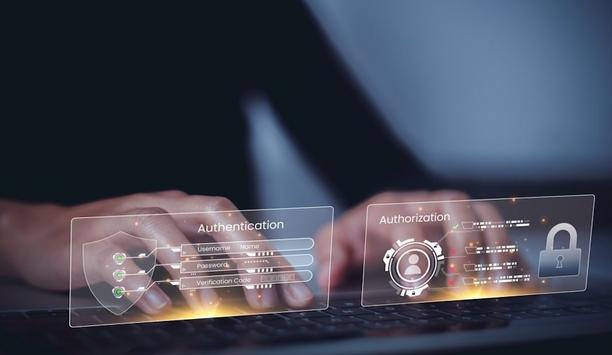
For years, physical security and cybersecurity evolved on parallel tracks. One team managed doors, badges and cameras, while the other handled network access, authentication and logical assets. The systems rarely shared information and, in many organisations, they still do not. That separation is becoming harder to defend now that employees move continuously between physical and logical environments throughout the workday. A single person may badge into a building, access cloud applications, reserve workspaces, connect to operational systems and authenticate into sensitive applications within minutes. Disconnected identity systems Yet many organisations still treat each interaction as a separate identity event managed by different systems with different policies and different visibility. Attackers, with the help of AI, are becoming increasingly adept at exploiting those gaps. According to HID’s 2026 State of Security and Identity Report, identity management is now the top strategic priority for security leaders, with 73% identifying it as a trend shaping their security planning. The report also found that managing multiple disconnected identity systems is now the primary operational challenge for more than half of respondents. This shows that identity is becoming the link between physical security, cybersecurity and operational resilience. Fragmented identity creates operational and security risk The growing convergence between physical and logical environments has raised the stakes considerably Many organisations accumulated identity systems over time rather than designing them as a unified architecture. Access control platforms, visitor management systems, HR provisioning tools, multifactor authentication systems and workplace applications were often deployed independently to solve specific operational needs. Individually, these systems may function well. Together, they often create administrative duplication, overhead and blind spots. A terminated contractor may lose network access immediately while retaining physical access to facilities for days. An employee may require multiple credentials to navigate a single workday. Security teams may need to reconcile disconnected logs across several systems during an investigation. These inefficiencies slow response times and increase operational risk. The growing convergence between physical and logical environments has raised the stakes considerably. Modern attacks increasingly target the connections between systems, particularly where identity validation is inconsistent. HID’s research highlights growing concern around AI-driven credential attacks, biometric spoofing and phishing campaigns designed to exploit fragmented identity environments. This is one reason organisations are reevaluating identity management from the ground up. Converged credentials reduce complexity One of the clearest developments in this evolution is the growing adoption of converged credentials One of the clearest developments in this evolution is the growing adoption of converged credentials, where a single trusted identity is used across both physical and logical environments. This allows one credential to securely support access to buildings, workstations, cloud applications and other enterprise systems. The operational advantages are substantial since security teams gain more consistent governance across environments and IT and facilities teams reduce administrative duplication. Organisations simplify onboarding and offboarding workflows while improving auditability and compliance visibility. Users benefit from a more seamless experience that supports how modern workplaces actually operate. Importantly, converged identity strategies also reduce the number of credentials employees must manage. They are no longer forced to manage separate badges, passwords, tokens and access workflows across disconnected systems. That simplification means employees are less likely to seek workarounds. HID’s 2026 State of Security and Identity Report found that 75% of organisations have either deployed or are actively evaluating physical-logical identity convergence solutions. Mobile credentials are changing expectations Mobile credentials are also reshaping how organisations think about identity management. What began primarily as a convenience initiative has matured into a broader security and operational strategy. HID’s research found that 74% of organisations have already deployed or are actively planning to deploy mobile credentials. Security improvement now ranks ahead of convenience as the primary driver for adoption. Mobile credentials support encrypted communication, biometric authentication and real-time credential lifecycle management. Administrators can issue, revoke or update credentials remotely without requiring physical card replacement. Organisations also gain stronger visibility into credential usage and access patterns. Credential lifecycle management Equally important, mobile identity aligns with broader expectations of the workforce Equally important, mobile identity aligns with broader expectations of the workforce. Employees increasingly expect workplace access experiences to mirror the simplicity of consumer technology, whether they are accessing offices, applications or services. The future is unlikely to be entirely mobile, however. Most organisations are expected to maintain hybrid credential environments for the foreseeable future, combining mobile credentials with physical cards and other identity technologies based on operational needs and user requirements. Biometrics expands beyond MFA Biometric technologies are becoming more central to identity strategies across industries. Historically, biometric technologies were primarily deployed for multifactor authentication and to protect highly secure environments. HID’s research shows that organisations are increasingly adopting biometrics as part of core access control and identity verification workflows. This trend is particularly visible in sectors where identity assurance and operational efficiency are both critical. Healthcare organisations are using biometrics to strengthen patient identification, secure sensitive areas and streamline staff authentication workflows. Higher education institutions are exploring biometric-enabled mobile experiences that support campus access, workspace login and digital services. Transportation operators are deploying facial recognition to accelerate passenger processing while improving identity verification. With broader adoption comes greater scrutiny around privacy, transparency and governance. Organisations are paying closer attention to how biometric data are collected, protected and managed. HID’s report found that privacy and ethical concerns surrounding biometrics rose sharply year over year, reinforcing the importance of encryption, secure architecture and privacy-first design approaches. Physical access is now part of cybersecurity As physical and logical systems converge, every access decision carries more weight As physical and logical systems converge, every access decision carries more weight. The credential used at the door may also support workstation login, cloud application access and other enterprise workflows. That makes the integrity of the entire identity chain more important, from the credential and reader to the systems that manage permissions, events and audits. This is where older access infrastructure becomes a real liability. Legacy cards, weak reader-to-controller communication and disconnected credential systems can undermine even a strong cybersecurity program. If an organisation cannot prove who entered a facility, whether the credential was valid and how that event relates to logical access activity, it is working with partial visibility. Common governance model Converged identity helps close that gap by linking physical and logical access under a common governance model. Organisations can apply more consistent policies, reduce credential fragmentation and accelerate investigations. IT gains stronger assurance that the person accessing systems is tied to the same trusted identity used to enter the building. Security teams gain better context when reviewing access events, anomalies or incidents. This does not require an organisation to replace everything at once. The practical path is phased modernisation: moving away from easily cloned cards, strengthening reader and credential security, improving integration with identity systems and choosing architectures that can evolve as requirements change. Identity is becoming core to enterprise infrastructure. It now supports access control, cybersecurity, compliance, workplace experience and operational continuity. Organisations that treat identity as an infrastructure will be better positioned to reduce risk without adding unnecessary friction for users.

A key characteristic of many successful companies is that good ideas come from everyone, not just specific departments or job titles. What one person sees as obvious may be questioned by someone else who is less familiar with the product or process. This simple interaction can spark a whole new, faster, and better approach. While valuing tradition is important, if someone uses the phrase “that’s how we’ve always done it,” it’s essential to analyse the process to ensure it remains optimal. Business conditions change rapidly, and what was considered a perfect process last week may need adjustments this week. Comprehensive approach to innovation This comprehensive approach to innovation fosters continuous improvement across all aspects of the organisation Innovation should permeate every level of an organisation, from product development and customer experience to sustainability practices and employee training. This comprehensive approach to innovation fosters continuous improvement across all aspects of the organisation, allowing companies to stay agile, competitive, and in tune with their customers' constantly evolving needs. Addressing real-world challenges At the heart of pervasive innovation in the security industry lies the development of smart products and solutions that address real-world challenges. This approach integrates advanced technologies to enhance security while improving user experience. For instance, the integration of mobile credentials, biometrics, real-time wireless locks, intelligent keys, and cloud-connected access control systems exemplifies how technology can streamline operations and provide users with seamless and secure access. Offering user-friendly solutions These advancements reflect a deep understanding of user needs and preferences, offering solutions that are not only secure but also convenient and user-friendly. A notable example is UniKey's Kēvo, the first Bluetooth-enabled touch-to-open smart lock, introduced in 2013. Developed in partnership with Kwikset, this innovative product allowed users to unlock doors simply by tapping the lock with a compatible smartphone. By continuously innovating across various aspects of security products and solutions, companies can ensure that their offerings remain relevant and effective in addressing the evolving challenges of the security landscape. Design-driven features Products designed for quick and straightforward installation reduce labor costs and minimise downtime Innovation extends beyond technology to encompass design-driven features that prioritise user convenience and satisfaction. For instance, ease of installation is a critical factor in the adoption of new door hardware. Products designed for quick and straightforward installation reduce labor costs and minimise downtime, making them more attractive to both installers and end users. For electronic locks, long-lasting battery performance is essential for minimising maintenance and ensuring reliability. Products with extended battery life reduce the frequency of replacements and enhance user confidence. Incorporating antimicrobial finishes into door hardware addresses growing concerns about hygiene and cleanliness. Taking hygiene a step further, touchless technology in door hardware minimises physical contact, reducing the potential for cross-contamination and enhancing user convenience. Sustainability initiatives Sustainability initiatives in door hardware have evolved from niche considerations to central pillars of modern product development, not least of which is the growing consumer demand for sustainable products, which is influencing purchasing decisions. According to a Nielsen report, 66% of global consumers are willing to spend more on a product if it comes from a sustainable brand, leading many companies to prioritise the use of recycled and recyclable materials in their products. Beyond material selection, manufacturers are also refining their production processes to minimise environmental impact. Finishing processes are evolving to use non-toxic and low-impact finishing methods, such as powder coating and physical vapor deposition. Energy-efficient door hardware Energy-efficient door hardware plays a significant role in the overall energy conservation of buildings Energy-efficient door hardware plays a significant role in the overall energy conservation of buildings. Properly designed door hardware can help maintain a building’s thermal envelope, reducing heating and cooling demands. For instance, the HID® Signo™ access control reader includes improved power supply technology and energy-saving features that ensure reduced energy consumption when the reader is in a resting state. Environmental Product Declarations To further demonstrate their commitment to sustainability, many manufacturers seek certifications validating their environmental efforts. Environmental Product Declarations (EPD) and Leadership in Energy and Environmental Design (LEED) certifications have become key indicators of a product’s environmental performance. An EPD provides detailed information about the environmental impact of a product throughout its lifecycle, aiding in the transparency that architects and builders require to make informed choices. Similarly, LEED certification emphasises energy savings and broad environmental priorities, including water efficiency, CO₂ emissions reduction, and improved indoor environmental quality. Customer service and training Innovation is also making great strides in the behind-the-scenes efforts of customer service and training. Predictive maintenance technologies are revolutionising how companies manage product performance and customer support. By utilising data analytics and IoT technologies, companies can offer maintenance alerts, remote diagnostics, and connected support services that anticipate issues and failures before they occur. This shift from reactive to predictive maintenance minimises service disruptions and enhances customer trust by ensuring products operate at optimal levels. Digital training initiatives Digital training initiatives equip employees and customers with the skills needed to utilise new technologies In parallel, digital training initiatives equip employees and customers with the skills needed to utilise new technologies in a cost-effective and accessible manner. Digital installer certification programs, learning portals, and customer enablement initiatives are all part of a comprehensive strategy to equip stakeholders with the knowledge and skills they need to succeed. By investing in comprehensive training programs, companies foster a culture of adaptability and competence, ensuring that customers can fully leverage technological advancements. This approach not only enhances operational efficiency but also strengthens customer relationships by empowering them with the knowledge to make informed decisions. Incremental improvements While groundbreaking innovations often capture headlines, it’s the steady, incremental improvements that consistently deliver real-world value. Companies can achieve sustained growth and success by focusing on continuous innovation across all facets of the organisation. This quiet progress, though less visible, is often more impactful as it builds a solid foundation for long-term achievement. In a world where change is the only constant, fostering a culture of pervasive innovation is the key to sustained relevance and growth.

Artificial Intelligence isn’t just a buzzword anymore. It has become part of our lives, and its uses and applications are growing every other day. Even the public sector, which usually is a late adopter of new technologies, has come onboard this new train. Law enforcement, in particular, has seen the advantages different AI technologies can offer to their work and has started to integrate them into their workflow and daily routines. But there is much more to come. Task automation: AI as a workhorse Due to the increasing importance of media files in police investigations, current police cases have an increasing amount of digital files to be analysed. Videos from mobile phones, computer files, sound recordings, voice messages from chat applications…the list is almost endless. But, in contrast to other types of digital files, like documents or PDFs, it is not possible to search directly a certain information in a video. It has to be watched by someone. And that takes an inordinate amount of time for a human being, as there can be hundreds of videos in a case. This is one of the areas where artificial intelligence shines. Modern analytics systems are able to find almost any kind of information in media files due to the improvement of artificial vision, object recognition and face biometrics. It is simply a matter of feeding the hundreds or thousands of media files to a AI analyser, which will work through them and find specific sounds, words, faces, cars, etc. Case of law enforcement On top of that, an analyser does not tire after long work hours and does not make errors What is more, unlike human officers, these systems can work 24/7 which speeds up investigations considerably, as more evidence is found in less time. On top of that, an analyser does not tire after long work hours and does not make errors. This is why police work can be helped greatly by AI Analytics, as it frees police officers to do high value work, instead of endlessly watching videos on a computer of listening to audio recordings, in search of evidence. As soon as the system finds what the officer has specified (a face, name, number plate, object, etc.) it sends an alarm to the officers’ phone, so he or she can take a look and decide what to do with that information. Despite AI being touted as a danger to many workplaces, in the case of law enforcement, it is a valuable tool to help police do more, with more accuracy, and in less time, freeing officers from the repetitive and boring work of checking mountains of evidence in search of clues. The AI Analyser landscape The field of AI analytics is expanding constantly and new types of analysis are being discovered that may be helpful to police or intelligence. The most used analysers today are probably Automatic Licence Plate Recognition (ALPR), object and face recognition. But OCR is equally useful not just for reading documents, but also signs and logos that may appear in pictures or videos, to help identify a location. And for audio (as in interception or surveillance recordings) there is speech-to-text (S2T), translation, Speaker ID, audio fingerprinting (AFP) and natural language processing (NLP) which is able to extract sentiment from what is said. All of these have their application in daily police work and can save time in investigations or make them possible in the first place. But looming on the horizon are new possibilities, which we will discuss later and that are even more powerful. So the field of AI Analytics is, by no means, a closed one. Generative AI in law enforcement LLMs will be an important part in all those tasks related to investigate large sets of documents For the past year, the term “Generative AI” has become part of our general vocabulary, although most of the time we just say ChatGTP, Copilot o similar. The large language models (LLM) use Deep Learning and different AI strategies to, amongst other things, analyse and summarise vast amounts of information, in order to generate a short report with the highlights. This can be of use for Law Enforcement in all those cases that have great amounts of documents that may contain evidence. Again, this is a case like the above, where AI helps speed up operations by doing the grunt work much quicker than any person could. The difference is in the Deep Learning part. The model can be tuned to specific needs (like financial crimes, for example) and will get better over time when dealing with specific sets of documents. Thus, LLMs will be an important part in all those tasks related to investigate large sets of documents during a case. What the future holds As with all technology, it is virtually impossible to predict what the future will hold. Because any breakthrough can upend complete sectors, as demonstrated by ChatGPT not that long ago. However, there are several promising AI technologies in the pipeline, some of which are already being tested and perfect around the world: Behaviour analysis: as facial recognition systems get better and better, they are not only able to recognise faces, but also facial expressions. This means that AI systems could be assisting during interrogations, to evaluate the truthfulness of what is being said. Combined with the analysis of small voice inflections, they can be a non-invasive “lie detector”. Robotics: already in use by many police forces around the world, robots are going to be ever so important. Particularly the autonomous kind, which is able to do missions on its own, without a human behind the controls. This, combined with swarm technology, could be an incredible help in disaster areas, where time is of the essence in locating victims. Predictive policing: thanks to pattern analysis, predictive policing, which has been to the test several times already, will be an important part of police work, to figure out where to send units or concentrate surveillance efforts. In short, AI has much more to offer, and we are going to see and incredible evolution of this technology applied to law enforcement, over the next years.
Security beat

2025 was another impactful year for mergers and acquisitions (M&As) in the security industry, which is undergoing an enormous transformation as global pioneers prioritise specialised technology to drive future growth. The year 2025 has been defined by massive corporate reorganisations, most notably Honeywell and Resideo spinning off core divisions to unlock shareholder value. Simultaneously, an aggressive wave of mergers and acquisitions is reshaping the landscape, with giants like ASSA ABLOY and Motorola Solutions absorbing innovators in AI-driven surveillance, cloud-native access control, and identity management. From residential security shifts to critical infrastructure enhancements, this article will summarise how these strategic moves signal a decisive industry pivot toward integrated and intelligent security ecosystems. Resideo to spin off ADI business Resideo Technologies, Inc. announced its intention to separate its ADI Global Distribution business from its Products & Solutions (P&S) business via a tax-free spin-off to shareholders. The separation is expected to be completed in the second half of 2026. P&S will continue as Resideo, a building products manufacturer of residential controls The goal is to unlock value, enhance operational performance, and improve strategic flexibility for both entities. After the separation, P&S will continue as Resideo, a building products manufacturer of residential controls and sensing solutions. ADI will become an independent public company and remain a global wholesale distributor of low-voltage products, including security and audio-visual solutions. Honeywell separates into three companies There are big changes pending at Honeywell, another global security industry company. Honeywell announced plans to separate its Automation and Aerospace businesses into two independent, publicly traded companies following a comprehensive portfolio evaluation. Combined with the previously announced spin-off of Advanced Materials, this strategy will create three distinct industry pioneers. The Automation and Aerospace separation is targeted for completion in the second half of 2026 as a tax-free transaction for shareholders. The largest portion of Honeywell’s traditional security business (cameras, access control, and fire safety) sits within the Building Automation segment of the new Honeywell Automation company. This unit includes products from recent major acquisitions, such as LenelS2. SimpliSafe’s new chapter SimpliSafe has agreed to be acquired by private equity firm GTCR from Hellman & Friedman SimpliSafe has agreed to be acquired by private equity firm GTCR from Hellman & Friedman, another private equity firm. As the third largest U.S. residential security provider, SimpliSafe will continue under the leadership of the current CEO, while its founders remain significant investors. GTCR, an experienced security industry investor, intends to support the company’s expansion and continued innovation in AI-powered, DIY home protection. This marks a new chapter in SimpliSafe’s mission to provide professional monitoring without long-term contracts. SimpliSafe is GTCR’s fifth investment in the security alarm industry, including prior investments in residential-focused security companies SecurityLink and Protection1, along with commercial-focused security companies HSM and Everon. Motorola grows technology portfolio Motorola Solutions grew its portfolio through acquisitions in 2025. The industry giant strategically expanded its safety and security ecosystem through the acquisition of four specialised technology firms. The company acquired Blue Eye to integrate AI-driven remote video monitoring and 24/7 security operations into its threat detection workflows. To support frontline workers, Motorola added Theatro’s voice-powered communication platform, which complements existing mobile and video technologies. Motorola further bolster its public safety capabilities with the acquisition of RapidDeploy, a cloud-native Next Generation 911 provider that offers real-time caller mapping and data analytics to accelerate emergency responses. Motorola also agreed to acquire InVisit to enhance its Avigilon Alta suite with cloud-based visitor management, streamlining guest registration and blocklist screening for enterprise security. These acquisitions aim to unify detection, communication, and response across various sectors, including retail, healthcare, and critical infrastructure. Allied sells majority stake in AMAG Allied Universal sold a majority stake in AMAG Technology to Shore Rock Partners In December, Allied Universal sold a majority stake in AMAG Technology to Shore Rock Partners. Shore Rock is a growth investor focused on critical infrastructure, with strategic backing from BellTower Partners. Allied Universal will retain a significant minority share. The sale is intended to allow 54-year-old AMAG, which provides integrated access control, identity, guest, and video management solutions, to operate independently from Allied Universal's services-based model for long-term growth. Shore Rock's plan is to invest in advancing AMAG's product line and customer relationships. With this transaction, David Sullivan, AMAG's President, will become CEO. Everon acquires ADT multifamily segment Commercial security provider Everon announced in September that it had entered into a definitive agreement to acquire the business-to-business (B2B) multifamily segment from ADT. This acquisition is a strategic extension that expands Everon's reach in the valuable multifamily market. It will allow the company to offer a more comprehensive portfolio of tailored solutions, including access control, video surveillance, and self-guided tour capabilities. Everon's CEO states that the deal enables them to help property owners and managers increase net operating income and improve operational efficiency. Dormakaba acquires TANlock and Avant-Garde Dormakaba, a global provider of access solutions, acquired TANlock GmbH in July Dormakaba, a global provider of access solutions, acquired TANlock GmbH in July. TANlock is a German firm specialising in innovative high-security access solutions for data centers and other critical infrastructure. The acquisition strengthens Dormakaba’s presence in the data center market. TANlock's intelligent system provides enhanced server cabinet security using electromechanical rack locks and various authentication modules. This solution is scalable, future-proof, and can be integrated into existing IT infrastructures for both retrofits and new installations. Dormakaba also agreed to acquire Indiana-based Avant-Garde Systems Inc. to strengthen its North American entrance control portfolio. This move bolsters Dormakaba’s presence in high-growth sectors like airports and data centers. Acre acquires REKS for AI Recent M&A activity also reflects the growing importance of artificial intelligence. For example, Acre Security acquired REKS, a purpose-built generative AI solution designed to transform access control, allowing professionals to use natural language queries for instant data insights. Integrated into Acre’s cloud-native ecosystem, this AI-powered platform prioritises data privacy while streamlining operations. Led by a new AI Development Team, Acre plans to expand these capabilities into intrusion detection and visitor management. Two acquisitions for Allegion Global security provider Allegion, through one of its subsidiaries, completed the acquisition of ELATEC Global security provider Allegion, through one of its subsidiaries, completed the acquisition of ELATEC, a manufacturer of security and access technology, specialising in RFID credentials and readers solutions designed in Germany and sold globally. ELATEC’s portfolio of readers leverages their internally developed software stack and ensures compatibility with nearly 100 credential types, making the company a pioneer in interoperability, which aligns well with Allegion’s partner-of-choice strategy. Allegion, also through one of its subsidiaries, acquired Brisant Secure Limited, a security hardware provider in the United Kingdom. Senstar acquires Blickfeld for LiDAR sensors Senstar Technologies Corporation has agreed to acquire Blickfeld, a specialist in 3D LiDAR sensors and software. Expected to close in Q1 2026, the acquisition integrates Blickfeld’s hardware into Senstar’s advanced security ecosystem. This strategic move expands Senstar’s addressable market into volume monitoring and traffic applications while enhancing its AI-powered situational awareness capabilities. Following the transaction, Blickfeld will operate largely independently as a subsidiary. ASSA ABLOY continues acquisition spree Global giant ASSA ABLOY was probably the most active company in the M&A market in 2025 Global giant ASSA ABLOY was probably the most active company in the M&A market in 2025, demonstrating aggressive market growth, strategically reinforcing its core business, and expanding its technological footprint across the global security marketplace. The acquisitions delivered on the company's strategy to strengthen its position in mature markets by integrating complementary products and solutions. A major theme for ASSA ABLOY was the enhancement of the door and perimeter security portfolio, particularly in the Americas. This effort included acquiring US-based Metal Products Inc. (MPI) for custom-made hollow metal doors and frames and International Door Products (IDP) for fire-rated steel door frames, both in the fall. Earlier in the year, ASSA ABLOY gained a stronger presence in Central Canada with the addition of Wallace & Wallace and Wallace Perimeter Security, a manufacturer, distributor, and installer of perimeter fencing, door, and gate solutions. The Entrance Systems Division also saw expansion with the acquisition of Belgium’s Kingspan Door Components, a manufacturer of sectional door panels. Furthermore, Door System, a Danish manufacturer of high-quality fire-rated doors, was signed for acquisition in the spring. Cloud-based platform ASSA ABLOY also made significant moves in electronic and access control solutions. Early 2025 saw two key acquisitions: Uhlmann & Zacher, a German supplier of access control handles and knobs, and InVue, a US-based provider of connected asset protection and access control solutions. Reinforcing this segment, SiteOwl, a pioneering cloud-based platform for physical security lifecycle management, was acquired in the summer. The spring acquisition of Pedestal PRO, a US manufacturer of access control pedestals and mounting solutions, further strengthens the electromechanical offerings in the Americas. ASSA ABLOY bolstered its capabilities in remote care technology with Germany’s TeleAlarm Group in late spring. HID Global expands in 2025 HID Global, a subsidiary of ASSA ABLOY, was also active on the M&A front in 2025 HID Global, a subsidiary of ASSA ABLOY, was also active on the M&A front in 2025, aggressively driving the convergence of physical and digital identity solutions and signaling a clear roadmap for security professionals. HID's move to purchase Vancouver-based IDmelon, announced in the autumn of 2025, targets the critical need for robust logical access control. IDmelon’s proprietary software platform transforms everyday identifiers, including existing physical credentials, smartphones, or biometrics, directly into enterprise-level FIDO (Fast IDentity Online) security keys. This approach streamlines an organisation’s transition to phishing-resistant, passwordless multi-factor authentication (MFA) and minimises the need for disruptive changes by integrating physical and digital access into a single, cohesive solution. Safer patient experience Separate from its focus on digital access, HID also bolstered its Identification Technologies Business Area by acquiring the Calmell Group. Calmell is a long-established manufacturer specialising in smart cards, smart paper, and magnetic tickets for the public transportation sector. This addition is expected to expand HID’s footprint and relevance in global public transportation ecosystems, allowing the Barcelona-headquartered firm to leverage HID’s core expertise in digital credentials to drive future-proof solutions for seamless mobility. Also, HID acquired Intelligent Observation to expand its Healthcare Real-Time Location Systems (RTLS) portfolio. Intelligent Observation provides a platform to reduce hospital-acquired infections (HAIs) by tracking hand hygiene compliance. The system uses wearable Near-Field Magnetic Induction (NFMI) devices and a cloud-based SaaS dashboard. This technology records and reports if healthcare workers sanitize appropriately, providing granular compliance data to administrators to enable a safer patient experience.

The pattern of veins in the hand contains unique information that can be used for identity. Blood flowing through veins in the human body can absorb light waves of specific wavelengths. Irradiating the human palm with near-infrared light waves yields an image of the vascular pattern. A venous distribution map can be processed and compared to pre-registered data to match and confirm identity. Palm vein biometrics The idea of palm vein biometrics goes back to the 1980s when palm vein scanners emerged as commercial products in the 1990s. The devices gained some traction in military-grade and high-security applications, although the technology was too expensive to become popular among mainstream applications such as physical access control. Anviz Global is expanding palm vein technology into mainstream applications, featuring a lower price point that will open new market opportunities. Palm vein technology “Palm vein technology has been viewed as a boutique product because it is costly and has not developed as a mainstream product,” says Mark Vena, Senior Director of Business Strategy and Development for Anviz Global. “With a more compelling price point, the market can see the technology more broadly. We can change the game in terms of how people think about palm vein technology.” FAR and FRR Palm vein technology is more accurate than either fingerprint (0.0001% FAR) or facial recognition (0.001% FAR) Iris recognition is considered the gold standard in biometric identification, but palm vein technology can almost achieve the accuracy of iris. The false accept rate (FAR) for palm vein technology is 0.00008%, compared to 0.00005% for iris recognition systems. The false reject rate (FRR) is comparable at 0.01% for either technology. Palm vein technology is more accurate than either fingerprint (0.0001% FAR) or facial recognition (0.001% FAR). Palm vein identification occurs in less than half a second. M7 Palm “Anviz is seeking to bring a high level of capability to more mainstream commercial applications,” says Vena, specifically providing a lower-cost palm vein unit. The M7 Palm by Anviz can achieve next-generation biometric access control for greater security and intelligence. The door-mounted unit combines palm vein recognition with an RFID card reader and PIN code (using a 17-button keypad), all configurable for multi-factor authentication. Outdoor applications The robust unit, including a narrow metal exterior design, provides strong vandal resistance (IK10) and stability for outdoor applications. To ensure a weatherproof design, the IP66 rating indicates the product is completely protected against dust and can withstand strong jets of water from any direction. Power-over-ethernet (PoE) enables centralised power management and the ability to remotely reboot devices. Wiegand-out interface The unit communicates using RS-485 or TCP/IP and can connect locks, exit buttons, door contacts, doorbells, etc The unit communicates using RS-485 or TCP/IP and can connect locks, exit buttons, door contacts, doorbells, etc. The Wiegand-out interface can connect to standard third-party controllers, or a built-in relay can trigger a lock directly. Capacity is 500 users. Because palm vein recognition originates from the physiological characteristics of the human body, it represents a “credential” that cannot be forged, lost, or left at home. It is not easily counterfeited or worn out. Multi-factor authentication Applications include industries requiring high security such as government, judicial, and banking. Multi-factor authentication eliminates fraud and ensures safety at banks, data centers, airports, prisons, and government. An end user might opt for higher levels of access control for a laboratory or server room. For dealers and integrators, palm vein technology, including multi-factor authentication, provides an additional option for customers seeking to protect high-security areas on a large campus. Card readers Card readers may suffice for most of the doors, but an important laboratory or cash-handling area requires more protection. Palm vein technology can secure a casino cash cage or a room containing corporate secrets. Time of Flight ToF laser-ranging uses a laser to measure the distance to an object by calculating the time Time of Flight (ToF) laser-ranging achieves accurate measurement to ensure the right distance for operation. ToF laser-ranging uses a laser to measure the distance to an object by calculating the time it takes for the laser light to travel to the object and back. Palm vein technology operates in the range of 10 to 30cm (4 to 12 inches). The proprietary BioNANO palm vein recognition algorithm enables accurate and fast scanning speed. Non-contact biometric The non-contact biometric performs in touchless environments and does not contribute to lingering health concerns in the post-COVID world. The technology is accurate across all hand types and skin tones. Users may feel more comfortable scanning their hands than their eyes. Optimal human-machine interaction M7 Palm’s optimal human-machine interaction and user experience include a low-power-consumption OLED screen to deliver clear text notifications to the user. Advantages of M7 Palm include accuracy, stability, security, and privacy. Features include easy installation with standard processes and no special tools, centralised power management, simplified cabling, and less maintenance. Managing the system is expedited by integration with the Anviz CrossChex Standard access control and time management dashboard, used by more than 30,000 enterprises, and the system can be integrated with any access control system. Security for SMBs Anviz Global is a converged intelligent security provider for SMBs and enterprise organisations Anviz Global is a converged intelligent security provider for small- and medium-sized businesses (SMBs) and enterprise organisations. The company’s product line includes biometrics, video surveillance, and security management solutions based on the cloud, Internet of Things (IoT) and artificial intelligence (AI) technologies. Privacy concerns Anviz is part of the Xthings family of companies, which includes Ultraloq (smart locks), Utec (smart home), Bright (smart lighting), Secu365 (SaaS Platform), and Ulticam (smart cameras). Privacy concerns are minimised because palm vein recognition does not directly store the original image but rather extracts feature information through algorithmic models. Personal data is protected through obfuscation and encryption.

In the competitive world of physical access control, Big Tech companies are seeking to play a larger role. Physical access competition Apple Wallet continues to stake its claim on mobile credentialing. Amazon One Enterprise is pushing a palm-based identity service. Google/Nest offers smart locks for home access control, with identity and access management provided in the Google Cloud. The entry of these big companies in the historically fragmented physical access control market is causing disruption and foreboding new levels of competition. Apple Wallet impacting credentialing trends The popularity of mobile wallets and contactless technologies in general has grown, creating more demand At Apple’s Worldwide Developer Conference in June 2021, the company announced support for home, office and hotel keys, including corporate badges and student ID cards, in Apple Wallet. Later, the company announced Hyatt as the first hotel partner to support the technology. Since then, the popularity of mobile wallets and contactless technologies in general has grown, creating more demand for a seamless solution such as Apple Wallet. Easy access In 2023, HID Global announced the availability of their employee badge in Apple Wallet, allowing staff and guests to easily access corporate spaces with their iPhone or Apple Watch, including doors, elevators, turnstiles, etc. Employees just need to hold their iPhone or Apple Watch near the reader to unlock. Factors affecting the rate of adoption However, implementing and maintaining an Apple Wallet-based access control system can incur costs for hardware updates, software licencing, and ongoing maintenance. Factors affecting the rate of adoption include the need to upgrade existing infrastructures to accommodate the technology, and the necessity for access control manufacturers to develop and implement integrations with Apple Wallet. Benefits of adoption Keys in Apple Wallet take full advantage of the privacy and security built into the iPhone and Apple Watch With larger companies leading the way, some smaller ones might take longer to catch up. There is also a need to educate building owners and administrators to see the value and benefits of switching to Apple Wallet-based access control. Convenience and greater security can accelerate adoption. Keys in Apple Wallet take full advantage of the privacy and security built into iPhone and Apple Watch. Sensitive data protection A compatible app, specific to the building’s access control system, is needed. Once added, credentials are securely stored in the iPhone's Secure Enclave, a dedicated hardware chip designed for sensitive data protection. Holding an iPhone near an NFC-enabled reader enables transmission of encrypted credentials. In addition to Near Field Communication (NFC), some systems also utilise Bluetooth Low Energy (BLE) for added security, longer read range, and hands-free unlocking. Phones need sufficient battery charge to function. Amazon One Enterprise Enables Palm-Based Biometrics In November 2023, Amazon Web Services Inc. (AWS) announced an identity service providing comprehensive and easy-to-use authentication for physical and digital access control. The system enables users to employ their palm as an access control credential, allowing organisations to provide a fast and contactless experience for employees and others to gain access to physical locations as well as digital assets. Physical and digital locations Physical locations include data centres, office and residential buildings, airports, hotels, resorts Physical locations include data centres, office and residential buildings, airports, hotels, resorts, and educational institutions. IT and security administrators can easily install Amazon One devices and manage users, devices, and software updates using AWS’s Management Console. Elimination of physical credentials An advantage of the Amazon approach is the elimination of physical credentials such as fobs and badges, and digital elements such as personal identification numbers (PINs) and passwords. AWS says security is built into every stage of the service, from multi-layered security controls in the Amazon One device, which is the same technology used in the Amazon Go retail stores, where shoppers can pay for purchases by scanning the palm of their hands. The devices combine palm and vein imagery for biometric matching and deliver an accuracy rate of 99.9999%, which exceeds the accuracy of other biometric alternatives, says the company. AI and ML The palm-recognition technology uses artificial intelligence and machine learning to create a “palm signature” that is associated with identification credentials such as a badge, employee ID or PIN. Boon Edam, a revolving door and turnstile manufacturer, offers Amazon’s palm biometric technology on its equipment, and IHG Hotels & Resorts uses the technology to provide employees a convenient way to identify themselves and gain access to software systems. Google and Nest Devices in Access Control When the Nest × Yale Lock is connected to the Nest app, a resident can unlock a door from their phone Google’s Nest devices include smart locks for home access control. The Google Nest × Yale Lock allows access control via both physical keys and passcodes accessible through the Google Home app. When the Nest × Yale Lock is connected to the Nest app, a resident can unlock a door from their phone. Passcodes can be created for family, guests, and other trusted persons. Alerts can be provided whenever someone unlocks and locks the door. When Nest “knows” a resident is away, the door can lock automatically. Voice control, Google Home app Voice control, using Google Assistant integrated with various Nest devices, enables use of voice commands to lock and unlock doors, thus adding another level of convenience. Smart home devices from various manufacturers can be controlled through the Google Home app. SMART Monitoring ADT’s Self Setup smart home security systems integrate Google Nest smart home products with ADT security and life safety technology, including SMART Monitoring technology. Microsoft Azure is another company that could impact access control. The Microsoft Azure Active Directory is an identity and access management platform that could be extended to physical access control, leveraging existing user credentials. Long-Range Impact on the Security Marketplace Big Tech companies are creating platforms for managing access control data, integrating with other security systems Increasingly, Big Tech companies are creating platforms for managing access control data, integrating with other security systems, and offering analytics for optimising security and building operations. Big Tech is also actively researching and developing new technologies for access control, such as facial recognition, voice authentication, and AI-powered anomaly detection. Access control communication and integration As their involvement in physical access control grows, Big Tech companies could potentially gain more influence in setting industry standards for access control communication and integration, similar to how they have become dominant in other areas such as mobile platforms. Given their expertise in user interface design and data analysis, Big Tech companies could help to direct how future access control systems are managed and how users interact with them, including more intuitive and user-friendly operations. Future of physical access control Existing concerns about privacy, security, and potential dominance by a few Big Tech companies could spill over into physical access control. However, traditional security companies, startups, and industry consortiums are also actively developing innovative solutions. Ultimately, the future of physical access control will likely be shaped by a combination of many different players and technologies – large and small.
Case studies

Large entertainment venues offer opportunities for memorable experiences enjoyed by many attendees. With such breadth and scope of operations comes great operational complexity in managing a massive amount of foot traffic which exponentially increases risks for the safety and security of patrons. Increasingly, entertainment operators are looking to technology to help solve some of the most pressing challenges in managing these environments in real-time. Facial recognition technologies Facial recognition technologies among sports venues, casinos, and corporate buildings are increasing because of their ability to quickly and accurately recognise people — whether they are bad actors (e.g., felons, hooligans) or authorised personnel. This capability is increasingly being leveraged across a broad range of use cases from watchlist alerting, access control, and forensic investigations. It’s not surprising that the market is facing explosive growth and is expected to quadruple by 2026, according to Global Market Insights. Challenges for the racecourse included issues with identifying and managing evictions of bad actors across multiple entries and exits throughout the massive property. Theft and fraud are rampant in such large crowds, and it is humanly impossible to monitor everyone at all times. Security personnel needed to identify bad actors who had caused trouble on one property and to be able to recognise them again at another time, and in another one of the ATC racecourses. Maintaining data protection Coupled with a challenging and evolving risk landscape, more than 500 staff, including up to 300 security officers (and over 2000 casual staff) needed to be accounted for and kept safe on 120 major race days. Moreover, with an ever-changing set of regulatory requirements, ATC needs to comply with a strict set of regulations in order to maintain the integrity of operations while maintaining data protection. Finally, ATC needed security technology that would enable real-time monitoring as well as the ability to analyse video footage retrospectively for post-event investigations to track behaviors - especially during high-traffic times. Essential security tool And the final requirement? A solution that needed to be user-friendly as the head of security knew all too well that if a system were too complicated, it wouldn’t get used and would be money not well spent. The human eye alone is imperfect, and most facial recognition solutions underperform in real-world conditions (i.e. when there are crowds, facemasks, and POIs looking directly at the camera). This is even more challenging when the cameras are positioned on ceilings or high on walls, which makes facial recognition even more challenging (especially if the lighting is less than ideal). That’s why facial recognition technology is an essential security tool for entertainment venues and gaming operations. Video analytics software The Australian Turf Club and its systems integrator, Quorum Systems, turned to Oosto to take their venue’s enterprise security systems to a new level and solve their existing challenges. “Positioned at key entry points, our passive cameras were turned into smart cameras with Oosto’s video analytics software nearly instantly,” said Gary Colston, Head of Security and Access at Australian Turf Club. “We didn’t have to invest in a bunch of brand new cameras or a massive amount of servers and things like that. It was easy for us to implement it on our system.” Moreover, said Mr. Colston, “We needed something that was user-friendly. If it’s too complicated, [security teams] won’t use it and it becomes a waste of money.” Biometrics-based technology Once The Australian Turf Club implemented Oosto OnWatch real-time watchlist alerting to recognise potential security threats, the solution delivered vast efficiencies in operations by ensuring that evicted and banned patrons were immediately refused entry, while security teams were able to better track persons of interest throughout the venue without disruption. Since OnWatch can identify a person of interest through both face and attribute recognition in real-time or in historical footage, security personnel can receive alerts instantly on any device, without having to rely solely on memory or manual comparison of images between systems. With the world’s pioneer-edge biometrics-based technology in use, ATC was empowered to identify individuals a lot quicker than traditional methods allowed and manage their operations more efficiently and safely. Addressing compliance risks Oosto OnWatch quickly and accurately recognised persons of interest for security teams – from VIPs to banned players – to help improve the player experience, address compliance risks, and make ATC ultimately a safer, more enjoyable destination for patrons and a safer place to work for employees. "Positioned at key entry points, our passive cameras were turned into smart cameras with Oosto’s video analytics software nearly instantly. We didn’t have to invest in a bunch of brand new cameras or a massive amount of servers and things like that. It was easy for us to implement it on our system. We needed something that was user-friendly. If it’s too complicated, [security teams] won’t use it and it becomes a waste of money," said Gary Colston, Head of Security and Access at Australian Turf Club. Context of a security incident Since working closely with the ATC and Quorum to implement Oosto’s OnWatch solution, ATC has significantly improved in the rate of detection, finding individuals, and being more proactive than reactive with potential threats. The ability to search backward in video footage at a rapid speed to find POIs’ locations historically has been a welcome tool and a key point of differentiation for ATC; Oosto’s technology has dramatically improved ATC’s ability to perform forensic investigations and understand the full context of a security incident or crime scene. Forward-thinking venues Oosto’s cutting-edge technology is also in use at the Club to help protect guarded points of entry for authorised employees. According to Mr. Colston, this proved especially beneficial recently: “One of our staff members was assaulted and we were able to obtain a photo of the person we thought had done it and run them through the facial rec system here and we were able to locate him at the event at the time and have that person banned.” Oosto’s Vision AI technology is helping entertainment destinations like the Australian Turf Club stay focused on the fundamentals of strong client service while remaining resilient as the marketplace continues to shift. As forward-thinking venues look to stay competitive, grow revenues, solve business challenges, gain greater operational efficiencies and ensure safer, more secure spaces, they look to Oosto - and then never look back.

There have always been risks on school campuses. However, several high-profile events in recent years have brought the need for tighter security to the public eye. Learn about modern campus security technology designed to keep students safe. Integrated Monitoring and Alert Systems Campus monitoring is not a new technology. However, modern tech provides more accurate, clearer, and instantaneous feedback than previous generations. When implemented properly, these three main components can help keep students and staff safer. Cameras Schools use cameras to monitor campus activities. While cameras are not new, their capabilities have improved greatly in the past decade. Today’s security cameras use high-definition imaging and AI to detect suspicious activity. Communication and Alert systems When a threat is detected, integrated systems send out an alert to students and staff warning them of the danger. They may provide specific instructions, such as to shelter in place or go to a location away from the threat. Intrusion Alarms Intrusion alarms detect entry into restricted spaces on campus and alert the security team. In fully integrated systems, they can trigger smart door locks to help contain the threat. Alarms can be on doors, barriers, or glass, or they can be set up to detect motion. By integrating multiple components into a whole system, administrators and security personnel get a better idea of what is happening on campus at any time. If an incident gets reported, they can immediately access video of the area in question and see what is happening in real-time. Comprehensive monitoring should always be tied to an appropriate incident response plan. Key components of the plan include communicating and responding to the threat. It also establishes roles for campus members and requires training so they can fulfill them. Access Control Systems Managing physical access to campus areas is a crucial part of keeping students and faculty safe. However, campuses generally must remain open for people to come and go. Access control systems resolve those two points by giving security personnel a way to direct, monitor, and restrict traffic flow. Pedestrian Safety School campuses have a lot of people walking about. Whether they are going between buildings, heading to a car, or simply enjoying the campus grounds, pedestrians can fall victim in several ways. Bollards are one of the primary access control measures used to protect pedestrians. With crash ratings of up to 50 MPH, Delta Scientific security bollards can easily stop cars and trucks from entering walkways and gathering spaces. Vehicle Traffic Some campuses restrict vehicle traffic coming in and out. Common tools for this purpose include guard booths and beam barricades. When deployed, traffic teeth ensure that cars can only go in one direction. Modern barriers can have integrated lighting to make inspecting vehicle undercarriages easier. This can be critical in the case of a known threat. Area Access Guard booths, fencing, and barricades help limit who can access certain areas. Physically limiting who can enter an area ensures that only those who should be there get in. You may recognize these most on campus at stadiums and other public gathering areas. For example, a custom ticket booth outside of the football stadium provides a measure of security by restricting access to ticket holders. Gates are also found within buildings to limit who can enter secure or restricted areas. Swinging arm, sliding, and folding gates are all effective for these purposes. Fencing is also used around secure areas such as parking structures, Access controls are also widely used for buildings and classrooms. Chip-enabled cards provide students entry to dorms, classrooms, and laboratories. In addition to letting people in and out, these also provide a record of who has been in an area. This record is a key security measure because campus security and law enforcement can use it to track student movement in an emergency. The Role of Smart Technology in Campus Security A major area where campus security technology has changed is the adoption of smart technology. AI analysis of video and sound feeds Chip-enabled ID cards for building access and movement monitoring Gunshot detection devices to locate the source of gunfire Smart lockers that open with passcodes or biometrics These advances give security teams much greater awareness of campus activity and help to keep everyone on site safe. Delta Scientific Is At the Forefront of Campus Security Technology Delta Scientific uses the latest campus security technology to create sophisticated and dependable access control systems. Contact us to learn how we can help improve campus security for students and school staff.

Matrix client, a pivotal divisional office within the Railways Department, manages railway operations across multiple divisions. Serving as the central administrative hub, the Divisional Railway Manager (DRM) office is dedicated to ensuring safe, efficient, and dependable train services, while addressing operational challenges and enhancing the passenger experience. This case study explores the DRM office’s adoption of innovative communication strategies and processes that optimise management, streamline operations, and elevate service delivery throughout the region. Requirements The DRM office sought a telecom solution to modernise their existing system, to enhance communication efficiency and reliability. The primary challenges they faced included: Outdated Communication Infrastructure: The existing system struggled to keep up with operational demands, causing frequent communication disruptions both within the office and with external entities. Need for Technology Integration: The office required a scalable, modern solution capable of merging traditional telephony with advanced VoIP systems, enabling seamless communication across all departments. Seamless System Compatibility: It was essential for the Matrix VoIP Gateway to integrate smoothly with the current third-party PBX, ensuring uninterrupted communication and compatibility with the existing setup. Improved Call Management: Reliable, real-time communication between the DRM office and other railway divisions was vital for coordinated operations and efficient management. Solution The Matrix solution, featuring the Matrix VoIP gateway, was seamlessly integrated with the existing third-party PBX system, successfully bridging modern communication technologies with legacy infrastructure. Key aspects of the solution include: Connection with Third-party PBX: The Matrix VoIP-PRI gateway (SETU VTEP) seamlessly integrated with the existing third-party PBX system, while the Matrix SIP phone (SPARSH VP510) connected effortlessly via LAN to support cohesive and efficient communication within the same PBX setup. Connection to Railway Network: The VoIP-PRI gateway established a dependable PRI network specifically for the Railways, efficiently managing multiple communication lines and ensuring robust connectivity across the network. Analog Network Integration: The Matrix FXO and FXS gateway (ETERNITY GENX12S) enabled analog connections, linking to the third-party PBX through a network switch to extend connectivity options, while maintaining a unified communication structure. This configuration allowed the DRM office to bridge modern digital and analog communication systems, ensuring reliable and adaptable connectivity across all platforms. Results The implementation of the Matrix VoIP Gateway in the DRM office's communication system brought significant operational improvements, achieving the following outcomes: Improved Reliability: The ETERNITY GENX12SAC ensured continuous connectivity across divisions, enabling a smooth and uninterrupted flow of information. This enhanced reliability improved coordination and accelerated decision-making processes. Effortless Integration: The Matrix VoIP Gateway integrated seamlessly with the existing third-party PBX system, creating a unified and efficient communication ecosystem that streamlined internal and external communications. Future-Ready Solution: Designed with scalable VoIP technology, the Matrix solution was built to support future growth, upgrades, and evolving communication needs. This future-ready approach provides the DRM office with long-term efficiency and adaptability without requiring major infrastructure changes. Matrix VoIP Gateway The Matrix VoIP Gateway delivered a robust, integrated, and future-ready communication system that not only addressed the office's current needs, but also strategically positioned it for future advancements and scalability.

Matrix's client, a pivotal divisional office within the Railways Department, manages railway operations across multiple divisions. Serving as the central administrative hub, the Divisional Railway Manager (DRM) office is dedicated to ensuring safe, efficient, and dependable train services, while addressing operational challenges and enhancing the passenger experience. This case study explores the DRM office’s adoption of innovative communication strategies and processes that optimise management, streamline operations, and elevate service delivery throughout the region. Requirements The DRM office sought a telecom solution to modernise their existing system, to enhance communication efficiency and reliability. The primary challenges they faced included: Outdated Communication Infrastructure: The existing system struggled to keep up with operational demands, causing frequent communication disruptions both within the office and with external entities. Need for Technology Integration: The office required a scalable, modern solution capable of merging traditional telephony with advanced VoIP systems, enabling seamless communication across all departments. Seamless System Compatibility: It was essential for the Matrix VoIP Gateway to integrate smoothly with the current third-party PBX, ensuring uninterrupted communication and compatibility with the existing setup. Improved Call Management: Reliable, real-time communication between the DRM office and other railway divisions was vital for coordinated operations and efficient management. Solution The Matrix solution, featuring the Matrix VoIP gateway, was seamlessly integrated with the existing third-party PBX system, successfully bridging modern communication technologies with legacy infrastructure. Key aspects of the solution include: Connection with Third-party PBX: The Matrix VoIP-PRI gateway (SETU VTEP) seamlessly integrated with the existing third-party PBX system, while the Matrix SIP phone (SPARSH VP510) connected effortlessly via LAN to support cohesive and efficient communication within the same PBX setup. Connection to Railway Network: The VoIP-PRI gateway established a dependable PRI network specifically for the Railways, efficiently managing multiple communication lines and ensuring robust connectivity across the network. Analog Network Integration: The Matrix FXO and FXS gateway (ETERNITY GENX12S) enabled analog connections, linking to the third-party PBX through a network switch to extend connectivity options while maintaining a unified communication structure. This configuration allowed the DRM office to bridge modern digital and analog communication systems, ensuring reliable and adaptable connectivity across all platforms. Results The implementation of the Matrix VoIP Gateway in the DRM office's communication system brought significant operational improvements, achieving the following outcomes: Improved Reliability: The ETERNITY GENX12SAC ensured continuous connectivity across divisions, enabling a smooth and uninterrupted flow of information. This enhanced reliability improved coordination and accelerated decision-making processes. Effortless Integration: The Matrix VoIP Gateway integrated seamlessly with the existing third-party PBX system, creating a unified and efficient communication ecosystem that streamlined internal and external communications. Future-Ready Solution: Designed with scalable VoIP technology, the Matrix solution was built to support future growth, upgrades, and evolving communication needs. This future-ready approach provides the DRM office with long-term efficiency and adaptability without requiring major infrastructure changes. The Matrix VoIP Gateway delivered a robust, integrated, and future-ready communication system that not only addressed the office's current needs but also strategically positioned it for future advancements and scalability.

The university in rural Maharashtra is committed to providing a holistic and inclusive education that focuses on character building, intellectual growth, and community service. Its mission is to develop knowledgeable, compassionate citizens. With an emphasis on interdisciplinary studies, experiential learning, and cultural heritage preservation, the institution aims to foster creativity, innovation, leadership, and responsible global citizenship. Featuring one of the largest campuses in Mumbai, the university offers a diverse range of programmes across nine different disciplines. Challenge/Requirements The client faced considerable difficulties with their current communication system. The wired configuration demanded frequent maintenance and ongoing problems with voice communication quality persisted. The primary challenges they encountered included: Problems with wired communication: The wired system experienced issues like corrosion, causing a decline in communication quality. Call Quality: The communication system faced problems like dropped calls and interruptions during active conversations. Multi-location and Unified Communication Solution: Upgrading the infrastructure was essential to connect and unify various sites across the campus. Integration with Existing Infrastructure: The new solution had to be compatible with their current setup to bring modernisation. Redundancy: To guarantee minimal or no downtime, especially in emergencies, incorporating redundancy was essential. Matrix solution Matrix, in partnership with Shreeji Comsec, designed a solution that greatly improved the university's communication capabilities. The key aspects of this solution are summarised below: The current infrastructure relied on copper PRI lines, which needed to be upgraded to IP. To support this transition, two Matrix VoIP-PRI gateways, the SETU VTEP2P and SETU VTEP4P, were utilised. The VoIP-PRI gateways are now compatible with two Matrix IP Phones: the SPARSH VP510 and SPARSH VP210. The IP connection can now be routed through SIP (TATA) trunks via the Matrix server-based PBX, ANANT. The server-based PBX, ANANT, provided seamless communication with integrated redundancy, effectively eliminating downtime. Results observed The solution enabled the university to consolidate multiple sites into a single communication network. Legacy systems were smoothly integrated with modern VoIP technology, optimising existing investments and enhancing the overall communication infrastructure. This upgrade notably increased operational efficiency. Here is a detailed overview of the solution: Multi-location Solution: Multiple sites were integrated into a unified, comprehensive communication system. Unified Communication Solution: Integrating with the server-based PBX, ANANT, facilitated seamless collaboration and ensured uninterrupted information transfer and reception. Investment Optimisation: The integration of SIP with the Matrix Solution, seamlessly incorporated into the existing network infrastructure. This approach maximised the use of existing resources and avoided the need for additional investments. Operational Efficiency: The redundancy built into ANANT ensured minimal or no downtime, facilitating a continuous flow of information and significantly enhancing workflow efficiency. This feature was crucial for maintaining critical communications and handling emergencies effectively. Modern Features: The office benefits from advanced functionalities provided by Matrix Standard SIP desk phones, including the SPARSH VP510. These features, such as call-back and auto-answer over secure SIP communication, greatly enhance the university’s communication capabilities. The Matrix communication solution allowed the university to both enhance and modernise its communication capabilities, equipping them with advanced, state-of-the-art call features. Products offered Matrix ANANT: PBX Server for Unified Communications Matrix SETU VTEP4P: VoIP - PRI Gateway Matrix SETU VTEP2P: VoIP - PRI Gateway Matrix SETU VFXTH: VoIP - FXO - FXS Gateway Matrix SPARSH VP510E: Standard SIP Phone

Omnilert, a pioneer in active shooter solutions, announced that Sarasota County Schools in Florida is deploying its Omnilert Gun Detect system to monitor over 4,800 security cameras throughout the entire school district, representing the largest deployment of its kind in Florida aimed at thwarting the presence of weapons on school campuses. Omnilert Gun Detect is the most effective and complete AI visual gun detection system available–providing 24/7 monitoring with a near-instant response at the first sight of a gun with rich automation capabilities that can lock doors, notify police and trigger alarms to ensure the best possible outcomes in the event of an active shooter incident. Additional layers of technology Sarasota Schools educates and covers over 45,000 pupils across 56 schools and employs more than 5,200 teachers Sarasota County Schools already completed a successful deployment in one of its high schools the past year, which received overwhelmingly positive results and response from parents and staff. It is now in the process of deploying the system with the entire district’s camera network. Sarasota County Schools educates and protects over 45,000 students across 56 schools and employs more than 5,200 teachers and staff including its own police department and school resource officers. “Maintaining a safe learning environment is paramount for our school district,” said Terry Connor, Superintendent of Schools for Sarasota County. “Our district is fortunate to have a safety conscious School Board and community who understands this need and invests in solutions that will make for safer schools. It is critical to have additional layers of technology such as Omnilert Gun Detect working behind the scenes to ensure the safety our students and staff every day of the school year.” Infrastructure of safety systems “Omnilert Gun Detect clearly fit our requirements for flexible detection verification and response escalation with the ability to activate our existing infrastructure of safety systems,” said Sean O’Keefe, Director of Security at Sarasota County Schools. “Accurate gun detections and fast verifications are only the beginning of a response. It is critical for us to share the intelligence from Omnilert with our safety systems immediately to ensure we maximise as many seconds or minutes as possible for our police and security teams to respond to a potential situation and to protect lives.” Largest deployments of AI gun detection Security cameras can be altered into 24/7 monitors of weapons that never get tired and distracted Omnilert Gun Detect is protecting several hundred schools and other organisations across the country, with many deployments being the largest ever recorded. Sarasota sets the record in Florida and is the second largest in the nation next to Baltimore County Public Schools, the largest deployment of AI visual gun detection in the United States with their 7,500 cameras. These large installations highlight the ease of use and flexibility that customers experience when integrating Omnilert technology with their existing cameras and security infrastructure. Security cameras can be transformed into 24/7 monitors of weapons that never get tired and distracted and can automatically initiate a pre-planned response to save lives in the event a weapon ever came on campus. Activation of safety systems “Sarasota’s comprehensive safety program to enhance school security is a model for school districts across the nation as it combines early detection with an activation of safety systems that speeds response and removes the potential for human error,” commented Dave Fraser, CEO of Omnilert. “We make it a priority to ensure our technology integrates with other safety systems so security teams can capitalise on their existing investments and utilise a full range of capabilities to protect their people.” How Omnilert Gun Detect works Omnilert Gun Detect is an advanced AI system that detects handguns and long guns throughout a campus Omnilert Gun Detect is an advanced AI system that detects handguns and long guns throughout campus, both indoors and outdoors. Once a gun is detected, it sends an alert to a designated person at either Omnilert Monitoring centres or the customer’s security operations centre to verify detections. When a threat is confirmed, Omnilert Gun Detect triggers a series of alerts that sets security systems into motion and police into action to protect those in harm’s way. This solution gives emergency response teams advance warning before shots are fired and delivers precise information on the location and a photo and video of the potential shooter for a much more effective response. Omnilert’s software Unlike other solutions that merely provide weapon identification and verification, Omnilert Gun Detect integrates with video management systems, access control systems, emergency mass notification solutions, audio and video communication platforms and more. Omnilert’s software can easily be deployed with any existing IP-based camera and can monitor spaces that other safety technologies miss such as exterior grounds and parking lots. The software was designed with privacy concerns in mind so there is no use of biometrics like facial recognition and the live video feeds never leave the school premises.
Round table discussion

Technological leaps in the last several decades have revolutionised biometrics. The technologies are constantly evolving, spanning facial recognition to iris scanning to fingerprints, to provide new levels of security and convenience. Biometrics are everywhere, from smartphones to border control, constantly evolving to meet the needs of our increasingly digital world. They are also more accurate and easier to use than ever. We asked this week's Expert Panel Roundtable: What’s new with biometrics?

There is safety in numbers, or so the expression goes. Generally speaking, several employees working together tend to be safer than a single employee working alone. Even so, some environments require that workers complete their jobs alone, thus presenting a unique combination of security vulnerabilities. The U.S. Occupational Safety and Health Administration (OSHA) defines a lone worker as “an employee working alone, such as in a confined space or isolated location.” We asked this week’s Expert Panel Roundtable: How can security technologies help to protect "lone workers?"

Headlines of violence in our schools are a reminder of the need to keep educational institutions safe. In fact, if there is a positive aspect to the constant bombardment of headlines, it is that it keeps our attention perpetually focused on how to improve school security. But what is the role of physical security systems? As the new school year begins, we asked this week’s Expert Panel Roundtable: Are schools safer because of physical security systems? Why or why not?
Products




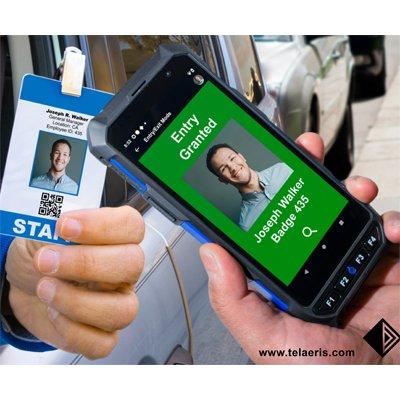


Voice recognition systems: Manufacturers & Suppliers

Technology's role in securing banks and financial institutions
Download
Security technologies promote real-time awareness in K-12 schools
Download
Integrated systems enable critical and compliant security for transportation
Download
Modernising physical access control
Download
Access. Intrusion. One estate.
Download