Application security

Atos, a pioneer in AI-powered digital transformation, announces the award of a six-year contract worth up to £350 million with the Metropolitan Police Service (MPS). Under the agreement, Atos will deliver service management, application management and application security services, with the option for the MPS to extend the scope to include managed cloud and digital workplace services. The contract reinforces Atos’ long-standing relationship with the Metropolitan Police Service and i...

Allied Universal®, the world’s pioneer security and facility services provider, announces that Paul E. Masto has been appointed vice president of business development for Allied Universal Enhanced Protection Services, a business unit of Allied Universal. Masto brings 25 years of experience with the United States Secret Service, where he served on both the Presidential Protective Division and the Vice Presidential Protective Division during the Ronald Reagan and George H.W. Bush admini...

Recent FBI and EPA warnings about cyberattacks on internet-connected operational technology at U.S. water utilities underscore a broader risk: adversaries systematically hunt for any internet-facing asset an operator has not fully secured. A successful compromise can disrupt essential services, expose sensitive operational data, and force already-stretched teams into costly emergency response. Web applications, administrative consoles, and APIs used for monitoring, management, and integration a...

Zero Networks, the foremost provider of Zero Trust security solutions, announced Least Agency Enforcement, a new capability that applies the Open Worldwide Application Security Project’s (OWASP) principle of Least Agency to help organisations safely deploy AI agents. Lateral Movement Exposure Report Zero Networks’ 2026 Lateral Movement Exposure Report research reveals that nearly 80% of enterprises have already deployed internal AI agents, yet two-thirds lack governance polici...
Invicti Security, a pioneer in web application and API security, announces Invicti Agentic Pentest, a new approach to penetration testing that combines autonomous AI reasoning with Invicti's industry-pioneer proof-based Dynamic Application Security Testing (DAST). Built on more than 20 years of application security expertise, Invicti autonomously discovers, validates, and reports exploitable vulnerabilities, enabling organisations to conduct deeper security testing without the delays, costs, an...

WatchGuard® Technologies, a global pioneer in unified cybersecurity for managed service providers (MSPs), announces new investments in frontier AI for application security, expanding access to advanced capabilities from both OpenAI and Anthropic. Unlike vendors aligned to a single AI ecosystem, WatchGuard is pursuing a multi-model strategy designed to continuously evaluate, adopt, and operationalise the most effective AI innovations for cyber defence. As attackers increasingly use AI to aut...
News

Zimperium, the world's pioneer in AI-empowered mobile security, announces it has been named as a Visionary Leader in Frost & Sullivan's 2026 Frost Radar™ for Mobile Threat Défense (MTD). Frost & Sullivan identified Zimperium as the strongest performer on both the Innovation Index and Growth Index, recognising the company's continued leadership in protecting enterprises and government organisations against the rapidly evolving mobile threat landscape. The report also identified Zimperium as the vendor with the highest estimated market share among standalone mobile threat defence providers, underscoring its continued innovation, market momentum, and leadership in mobile security. Highly regulated environments Frost & Sullivan attributed Zimperium's leadership position to its AI focused approach to mobile security, combining AI-powered, on-device threat detection, multilayered detection techniques, deep mobile threat intelligence, and flexible deployment options across public cloud, on-premises, and highly regulated environments. The report also recognised Zimperium's continued focus on advancing AI-empowered workflows, mobile application security, and autonomous security operations to help organisations stay ahead of evolving threats. "As cybercriminals increasingly use AI to scale and accelerate their mobile-first attack strategies, organisations can no longer afford to leave their most vulnerable attack surface unprotected," said Shridar Mittal, CEO of Zimperium. "This recognition reinforces what we're seeing across the industry: the proliferation of AI by attackers is transforming the mobile threat landscape, and defending against AI-driven attacks requires AI-empowered security that is purpose-built for mobile." Highly restricted environments The Frost Radar report noted several factors contributing to Zimperium's leadership position, including: Purpose-built, on-device AI and multilayered detection architecture capable of identifying known and unknown threats, including zero-day attacks, even in low-connectivity or highly restricted environments. Large-scale mobile threat intelligence derived from approximately 500 million mobile devices operating as distributed security sensors, enabling rapid identification of emerging mobile threats and attack patterns. Highest estimated market share among standalone mobile threat defence providers, with more than 1,500 enterprise customers worldwide and protection for more than 1,000 mobile applications. A privacy-centric approach to mobile security, combined with scalable deployment options designed to support organisations across a wide range of industries and regulatory environments. Flexible deployment across AWS, Microsoft Azure, Google Cloud, Oracle Cloud, on-premises, and air-gapped environments to meet the needs of enterprise and government organisations. Extensive integrations across enterprise security ecosystems and mobile management platforms. Increasingly distributed workforces The report also highlighted Zimperium's continued investment in AI-powered security operations, recognising the company's work to advance autonomous workflows that accelerate threat investigations, automate triage, and provide richer incident context for security teams. As organisations continue to embrace mobile-driven business operations, AI adoption, and increasingly distributed workforces, Zimperium remains committed to delivering AI-empowered mobile security that protects mobile devices and applications from evolving risks while helping organisations securely embrace the future of mobile.

As organisations accelerate AI adoption and digital workplace transformation, many are finding that cyber resilience is undermined not by a lack of security tools, but by growing operational complexity and threat sophistication. According to recent research, 90% of IT leaders acknowledge gaps in their ability to defend against AI-driven threats. While security investments continue to grow, many organisations face a different challenge: fragmented accountability. Security operations remain highly distributed and siloed, making it increasingly difficult to coordinate response efforts, maintain end-to-end business continuity, and recover quickly when incidents occur. Cyber resiliency framework To help organisations address this challenge, Lenovo is expanding its global Security Services portfolio with a revamped cyber resiliency framework and end-to-end security offerings designed to provide a single point of accountability, help organisations reduce security complexity, cut system downtime by up to 50%, and lower remediation costs by up to 40%. "Security leaders don't need more tools. They need greater confidence that their people, devices, and data remain protected, and clear accountability when issues arise," said Rakshit Ghura, Vice President and General Manager, Digital Workplace Solutions, Lenovo. "When cyber incidents occur, organisations are often left coordinating across multiple vendors, platforms, and support teams. By bringing trusted devices, leading security technologies, expert managed services, and market-leading alliances together under a single operational model, Lenovo helps customers reduce complexity while strengthening resilience, so they can focus on their business and serving customers.” Reduce operational disruption Lenovo's approach has been recognised by industry analysts and independent organisations, including recent recognition in the 2026 Fortress Cybersecurity Awards across cyber resilience, application security, and AI security categories. According to ISG Research, Lenovo Security Services combines hardware trust, multi-layered protection, and AI-enabled operations within a unified framework that helps organisations improve resilience, maintain business continuity, and reduce operational disruption. Essential security controls As part of the portfolio expansion, Lenovo is launching Security Services with Absolute, a fully managed end-to-end resilience offering designed to help organisations maintain critical security controls across distributed workforces without increasing demands on internal IT teams. The service enables essential security controls to automatically recover when disrupted, reducing manual intervention and helping organisations maintain consistent protection across complete environments. The offering is supported by Lenovo's global 24x7x365 Security Operations Center (SOC), where security specialists continuously monitor end-to-end activity and help organisations identify and respond to emerging threats. By combining firmware-level resilience, managed operations, and expert security oversight, Lenovo helps organisations strengthen end-to-end resiliency while reducing operational burden on internal teams. Active operating system Lenovo is also introducing Lenovo ThinkShield TraceLock, powered by Absolute Security, to help organisations maintain visibility and control of lost, stolen, or disconnected devices that may fall outside the reach of traditional endpoint management and security tools. Conventional endpoint security depends on an active operating system or network connection. When devices are powered off or disconnected, they can become operational blind spots. ThinkShield TraceLock uses built-in cellular connectivity to let IT teams remotely locate, wake, and wipe devices, helping organisations protect sensitive data and reduce risk when hardware is lost or compromised. Highly regulated industries The solution helps organisations strengthen compliance efforts, maintain control of sensitive corporate data, and support security policies even when endpoints are offline. ThinkShield TraceLock is particularly valuable for organisations operating in highly regulated industries, including healthcare, financial services, government, and the public sector, where maintaining control over sensitive data and meeting compliance requirements are business-critical priorities. ThinkShield TraceLock will be available beginning July 1 on select ThinkPad devices. Existing security investments As cyber threats evolve, resilience is increasingly defined not by the number of security tools an organisation deploys, but by how effectively an organisation’s security posture is when different capabilities work together to prevent disruption, maintain continuity, and, if needed, accelerate recovery. Lenovo’s end-to-end cyber resiliency framework helps organisations maximise the value of existing security investments through Identity and Access management, Data Protection, Extended Detection and Response, Visibility and Risk Management, and Security for AI. Lenovo’s cyber resiliency framework integrates with leading technology providers including Absolute, Cisco, Google, Microsoft, SentinelOne, and Veeam. Single accountable relationship Rather than requiring customers to coordinate across multiple providers for threat management and security incidents, Lenovo’s AI-enabled SOC delivers a coordinated operational model that combines end-to-end resilience, ongoing protection, and recovery through a single accountable relationship. The result is a more integrated approach to cyber resilience that helps organisations reduce complexity, improve operational efficiency, and pursue digital transformation initiatives with greater confidence.

Cequence Security, a pioneer in application security, announces the launch of Intent Graph and Biometric Check, two new capabilities that extend the behavioural architecture Cequence has built on since inception. Together, they give enterprises bot defence that works across web, mobile, API, and agentic AI traffic, without depending on the client-side signals that sophisticated bots have learned to defeat. The architectural divide in bot defence is now unavoidable. While traditional bot defence relies on browser signals such as CAPTCHAs, JavaScript puzzles, device and machine fingerprints, and TLS characteristics, attackers have industrialised workarounds. Modern proxy providers now run real browsers that solve CAPTCHAs, pass puzzle runtimes, and present clean fingerprints at scale, making adversarial automation indistinguishable from real customer sessions. Real customer sessions The agentic shift has made this client-side approach structurally unworkable for several reasons. For example: AI agents operating on behalf of real customers often run in headless environments where puzzle runtimes don’t execute at all; MCP-based agents don’t use browsers, so client-side signals are simply absent; Fast-moving AI-forward companies ship products daily or weekly and can’t afford the time and resource penalty imposed by SDK instrumentation. Native agentic commerce Automated traffic now accounts for more than half of all web requests globally, according to Cloudflare, and native agentic commerce is already live across ChatGPT, Amazon, Google's Agent E-commerce Protocol, Visa's agentic commerce standard, and Stripe's payment primitives. A bot defence posture that assumes a web browser is both present and trustworthy cannot protect the channels where commerce is actually moving. “Client-side bot protection wasn't architected for AI-driven traffic, and enterprises are already feeling the consequences of this as automated traffic exceeds that from humans,” said Ameya Talwalkar, CEO and Co-Founder of Cequence. Adaptive behavioural intelligence Talwalkar noted that MCP is becoming a first-class commerce channel alongside web, mobile, and API — one where there is no browser to fingerprint and no puzzle to serve. "The Intent Graph tells you what a user, bot, or AI agent is actually doing on your application, regardless of how it got there. Intent Graph doesn't just detect bad actors; it maps their intent, so when attackers evolve their tactics in real time, adaptive behavioural intelligence has already moved to stop them. This is the posture enterprises need before the agentic inflection, not after." Intent Graph builds a behavioural model specific to each application, not a generic fingerprint, but a living map of how real users navigate that particular flow. Because the model is application-specific and behaviour travels with the client, one detection layer covers the full surface: Web: credential stuffing, scraping, and account takeover Mobile: automated abuse that slips past app-level protections API: business logic abuse, carding, and data harvesting Agentic AI, including MCP: distinguishing legitimate AI agents from adversarial ones without relying on non-existent client-side instrumentation Traffic profile shifts What makes Intent Graph different from behavioural fingerprinting is what happens when the model needs to change. Security teams can adjust which behavioural vectors feed into detection and ultimately into mitigation without a code change or a ticket to engineering. When an attack emerges or the traffic profile shifts, the algorithm updates in minutes. No SDK, no JavaScript instrumentation, no application changes required. In one recent enterprise deployment, adversaries retooled their attack more than ten times over two days using virtual browsers and rotating proxy networks. Cequence’s Intent Graph blocked every iteration, without any CAPTCHA, puzzle, or client challenge being shown to legitimate customers. Client-side challenges Biometric Check replaces CAPTCHAs, puzzles, SMS codes, and email verification with hardware-bound cryptographic attestation via a device’s Secure Enclave. When bot detection flags a session outside a configurable, application-specific confidence threshold, the user completes a familiar biometric interaction — Touch ID, Face ID, Windows Hello — and the device returns signed proof that a real person on a registered device completed the action. The biometric itself never leaves the device and completes verification in less than a second. This is categorically different from client-side challenges, which become less expensive to attack at scale. There is no Secure Enclave to virtualise and no fingerprint sensor to spoof from a cloud VM. Biometric Check is also the first bot verification mechanism that makes the enterprise’s actual false positive rate measurable rather than estimated. Every challenge passed is direct evidence that detection policy flagged a real customer, a signal to tighten detection, not just a number to report. First bot verification mechanism The same checkpoint logic extends to AI agents. For low-risk actions, agents operate freely. For high-stakes, irreversible actions such as wire transfers, record retrievals, or contract modifications, Biometric Check inserts a human-in-the-loop gate at the time of the action rather than at the front door. This is the model enterprises will need for agent workflows in financial services, healthcare, B2B commerce, and regulated API surfaces generally. "Building effective bot defence for MCP and agentic commerce requires institutional knowledge that most companies simply don't have," said Shreyans Mehta, CTO and Co-Founder of Cequence. Separate point solutions Mehta noted that vendors relying on client-side architecture never accumulated the interaction data needed to challenge automated clients at scale — whereas Cequence has been building an unequaled behavioural understanding across more than 10 billion daily API interactions for Forbes Global 2000 customers. "Agentic traffic doesn't respect categorical boundaries. Protecting them requires unified visibility across application protection, API security, and agentic interaction — something enterprises cannot assemble from separate point solutions retrofitted after the fact."

Corero, the distributed denial of service ("DDoS") protection specialists and champion of adaptive, real-time service availability, is pleased to announce it has secured a $1.1 million, 3-year contract for its Web Application Security (“WAAP”) with TierPoint, a global provider of comprehensive IT solutions, including colocation data centres and managed cloud recovery services. First announced in Q3 2025 as part of Corero’s CORE platform offering, the WAAP product has been co-developed with TierPoint, extending Corero’s product capabilities to support customers with an innovative WAAP solution. Growing customer need Following completion of the development phase, and a successful production implementation, Corero has secured a $1.1 million, 3-year contract to provide WAAP services to TierPoint. This agreement further strengthens Corero’s existing partnership with TierPoint, one of the world’s leading data centre providers. Furthermore, successful deployment of Corero’s WAAP product demonstrates the continued commercial success of the CORE platform and the growing customer need for innovative and market-pioneer cybersecurity solutions. Application security needs Carl Herberger, CEO of Corero, commented: “I am pleased to extend and deepen our partnership with TierPoint, a key customer and partner, and a global leader in the ever-expanding data centre market. Our WAAP product, along with other capabilities of the CORE platform, provide non-DDoS revenue opportunities that were not available to Corero two years ago.” Paul Mazzucco, Chief Information Security Officer of TierPoint, commented: “The Corero WAAP solution is really correcting the WAAP market gaps in my opinion. The launch is key to enhancing our corporate and our customers’ application security needs and expanding TierPoint’s growing security offering. Corero is a key partner to TierPoint, and I am delighted to extend our partnership once more.”

Checkmarx and Carahsoft Technology Corp., The Trusted Government IT Solutions Provider®, today announced a partnership. Under the agreement, Carahsoft will serve as Checkmarx’s Master Government Aggregator®, making the company’s application security solutions available to the Public Sector through Carahsoft’s reseller partners and NASA Solutions for Enterprise-Wide Procurement (SEWP) V, E&I Cooperative Services Contract and The Quilt contracts. “Partnering with Carahsoft enables us to expand access to our application security platform across the Public Sector,” said Jonathan Kozimor, VP of Channel Americas at Checkmarx. “Carahsoft’s deep expertise in Government procurement and its extensive reseller ecosystem make the company an ideal partner to help agencies strengthen their application security posture. Together, we can empower organisations to integrate security seamlessly into modern development environments, reduce risk across the software lifecycle and accelerate the delivery of secure, mission-critical applications.” Slowing development velocity Checkmarx delivers a unified, AI-native application security platform designed to secure modern software development across the agentic development lifecycle (ADLC)—from code creation through runtime. The platform consolidates multiple security capabilities, including static and dynamic application security testing (SAST and DAST), software composition analysis (SCA), API security, container and infrastructure-as-code security and application security posture management (ASPM), into a single, integrated solution. By correlating risk signals across the ADLC, Checkmarx provides real-time visibility into vulnerabilities and prioritises the most critical risks. Its agentic AI-driven capabilities embed security directly into developer workflows, enabling continuous detection, automated remediation guidance and policy enforcement without slowing development velocity. Complex application environments Built to address the increasing complexity of AI-driven and cloud-native environments, the platform helps organisations eliminate fragmented tooling and replace it with a centralised, always-on security layer. This unified approach enables teams to reduce noise, focus on exploitable risks and remediate issues earlier in the development process, minimising rework and improving overall software resilience. With seamless integration into existing DevOps ecosystems and real-time governance dashboards, Checkmarx supports secure, scalable innovation while ensuring continuous compliance, visibility and control across even the most complex application environments. Mission-critical applications “We are pleased to partner with Checkmarx to bring its innovative application security platform to the Public Sector,” said Brian O’Donnell, Vice President of Cybersecurity Solutions at Carahsoft. “As agencies continue to modernise their development environments, it is critical they have access to solutions that embed security throughout the software lifecycle. Together with our reseller partners, we are enabling Government organisations to adopt a proactive, integrated approach to application security—helping them reduce risk, protect sensitive data and accelerate the delivery of secure, mission-critical applications.” Checkmarx’s application security solutions are available through Carahsoft’s SEWP V contracts NNG15SC03B and NNG15SC27B, E&I Contract #EI00063~2021MA and The Quilt Master Service Agreement Number MSA05012019-F.
Cequence Security, the pioneer in application, API, and agentic AI protection, announced record momentum in the fourth quarter of fiscal year 2026, capping a year of accelerating growth with its strongest quarter on record and the largest deal in company history, driven by surging demand across telecommunications, financial services, and energy and utilities sectors spanning the Americas, Asia-Pacific, and the Middle East. The foundation of this quarter's momentum is the continued adoption of the Cequence platform, the platform enterprises trust to protect their applications and data in the agentic era. And as those same enterprises begin deploying AI agents at scale, that foundation is proving to be exactly what's needed to make agentic AI secure. Authority comment “Enterprises are racing to put agentic AI to work, but the security foundation to support it simply hasn't kept pace. Our customers, whether they're defending against sophisticated fraud, securing critical APIs, or safely connecting AI agents to their most sensitive applications, are all solving versions of the same problem. This quarter's results reflect what happens when you've spent a decade building toward this moment. The market is ready, and so are we,” said Ameya Talwalkar, CEO at Cequence. Sales & partner momentum Cequence added new customers this quarter spanning financial services, government, and critical infrastructure, with notable wins across Saudi Arabia, Qatar, South Korea, Brazil, and the United States. The company also recorded significant upsell and expansion activity with existing customers, including the largest transaction in company history with a leading telecommunications provider in Japan. New partners added this year include GuidePoint, Aplidigital, and IT-Harmony, reflecting a broader pattern of security-focused partners actively seeking an agentic AI security story to bring to their customers. Cequence's active partner network expanded globally this quarter, with new relationships activated across EMEA, Asia-Pacific, and Latin America, including its first customer win sourced entirely through its channel partner program in Southeast Asia. A channel-first win of this kind signals a partner ecosystem that is genuinely invested in the platform's success, not just co-selling alongside it. Regional showcase: Middle East The Middle East emerged as a standout region for Cequence in Q4 FY26, with new customer wins spanning digital banking, fintech, and government verticals across Saudi Arabia, Qatar, and the UAE. The region's rapid digital transformation, combined with accelerating agentic AI adoption across financial services and government, is driving urgent demand for enterprise-grade application, API, and AI security. In two separate competitive evaluations, Cequence was selected over incumbent vendors, underscoring the platform's differentiated capabilities in one of the world's fastest-growing technology markets. Customer outcome momentum Cequence deepened its presence across the industries and geographies where demand for agentic AI security is most urgent, with strong performance across every major region and vertical including telecommunications, financial services, and energy and utilities. Geographic expansion spanned Asia-Pacific Japan, Latin America, and EMEA, with a new regional footprint also established in broader Asia-Pacific and Canada. In Asia-Pacific, Cequence closed multiple deals in Japan in a single quarter, including the largest in the company's history. The scale and speed of these wins reflect a broader market reality: agentic AI is rapidly becoming the backbone of enterprise operations, driving urgent demand for a unified platform that secures applications, APIs, and AI agents. Product momentum Cequence continues to lead the market in agentic AI security innovation. Most recently, the company announced the general availability of Agent Personas in Cequence AI Gateway, the industry's first automated, infrastructure-level implementation of least-privilege access for autonomous AI agents. Agent Personas gives enterprises granular control over what AI agents are permitted to do down to the individual tool-call level, addressing a critical privilege gap that identity alone cannot solve. Cequence AI Gateway has now grown to more than 190 verified enterprise application integrations. Leadership expansion Cequence welcomed Chandra Rentachintala as Vice President of Engineering this quarter. A veteran technology leader, Chandra has helped scale startups and engineering teams within global enterprises including Microsoft, Myspace, DiDi, Shape Security/F5, and Palo Alto Networks. He has led innovation across mobile, cloud, social, and API security while mentoring entrepreneurs and building high-performing teams. His appointment reflects Cequence's commitment to investing in the platform and people required to sustain its momentum. Industry awards & recognition Cequence continued to earn industry recognition across leadership, innovation, and market impact this year, including: No. 128, 2025 Deloitte Technology Fast 500 — recognising 652% revenue growth from 2021–2024 Leader, 2025 KuppingerCole Leadership Compass for API Security and Management Winner, Best API Security Solution — 2026 SC Media Awards Featured in Dr. Chase Cunningham's Agentic Zero Trust report — recognising Cequence's role at the center of the emerging Zero Trust framework for autonomous AI agents TM Forum named Cequence a key contributor to agentic AI security standards as Co-Chair of the AI-Native Blueprint Initiative on Agentic Interaction Security, influencing how the world's largest telecommunications and technology enterprises define and implement agentic AI security Co-author, CIS Critical Security Controls® Companion Guides for securing AI agents, LLMs, and MCP environments Sydney Weber, Director of Channel Sales, named to the 2026 CRN Channel Chiefs and 2026 CRN Women of the Channel lists

Expert commentary

The artificial intelligence revolution in physical security has arrived, transforming how we protect people, assets, and infrastructure. From smart buildings that automatically adjust access protocols based on real-time threat assessments to healthcare facilities using AI-enhanced video analytics for patient safety, these technologies are reshaping the industry landscape. But with this transformation comes a new era of regulatory oversight that security professionals must navigate carefully. Convergence of AI The convergence of powerful AI capabilities with traditional security systems has created unprecedented opportunities for enhanced protections while simultaneously raising important questions about privacy, transparency, and responsible deployment. As these technologies become more sophisticated, security professionals face the dual challenge of maximising their potential while ensuring compliance with evolving regulatory frameworks. The current state of AI in security systems By combining multiple data streams, AI creates a more comprehensive and intelligent security ecosystem Today's AI-driven security solutions extend far beyond traditional security capabilities. Modern systems can understand complex human behaviours, analyse crowd patterns in transportation hubs, detect early signs of trouble in retail environments, and even predict potential security breaches before they occur. By combining multiple data streams — video feeds, access control systems, audio detection, and various sensors — AI creates a more comprehensive and intelligent security ecosystem. Industrial applications The impact is particularly evident in integrated security operations. In healthcare settings, AI systems can simultaneously monitor patient safety, manage access control, and detect unauthorised entries, all while maintaining strict privacy protocols. In education environments, these technologies help safeguard campuses by identifying unusual behaviour patterns while respecting student privacy rights. Retail operations benefit from AI's ability to not only detect potential theft but also analyse customer flow patterns and identify operational inefficiencies. The technology's capabilities continue to expand through: Advanced anomaly detection that establishes normal activity patterns and flags deviations. Predictive analytics that forecast potential security risks before incidents occur. Natural language interfaces that allow security teams to query video data using voice or text commands. Multimodal analysis combining data from thermal cameras, LIDAR, IoT sensors, and other sources. Integration of multiple data sources Security systems are evolving into predictive platforms that can anticipate and prevent incidents These innovations represent just the beginning of AI's potential impact on security applications. As algorithms become more sophisticated and computing power increases, security systems are evolving into predictive platforms that can anticipate and prevent incidents rather than simply respond to them. The integration of multiple data sources allows for a more nuanced understanding of security situations, enabling more precise and effective responses to potential threats. Emerging regulatory frameworks The rapid advancement of AI capabilities has prompted governments worldwide to develop comprehensive regulatory frameworks. The European Union has taken the lead with its AI Act, categorising AI systems based on their potential risks and establishing strict guidelines for high-risk applications. Focus on safe, secure AI The United States is following suit, with recent executive orders focusing on safe, secure, and trustworthy AI development. These initiatives reflect growing global awareness of the need to balance technological advancement with ethical considerations and human rights protection. These regulations are reshaping how security technology providers approach development and implementation. Responsibility-by-design approach Companies must consider the entire lifecycle of their AI solutions, from initial development The focus has shifted toward a "responsibility-by-design" approach, where privacy protection, data security, and ethical considerations are built into systems from the ground up. This includes robust testing protocols, responsible data practices, and continuous monitoring of AI systems post-deployment. Companies must consider the entire lifecycle of their AI solutions, from initial development through deployment and ongoing operation. Transparency, accountability For security professionals, this regulatory evolution means adapting to new requirements around transparency, accountability, and human oversight. Security teams must document how AI systems make decisions, implement safeguards against bias, and ensure human operators maintain final authority over critical security decisions. The regulations also emphasise the importance of data protection, requiring organisations to implement strict controls over how information is collected, stored, and used within AI-powered security systems. Address challenges of AI The regulatory landscape continues to evolve, with new frameworks emerging that specifically address the unique challenges of AI in security applications. These include requirements for regular system audits, mandatory impact assessments for high-risk deployments, and specific guidelines for handling sensitive personal data in security contexts. Organisations must also develop clear procedures for addressing potential AI system errors or biases, ensuring that corrective measures can be implemented quickly when needed. Preparing for the future The challenge lies in maximising security effectiveness while maintaining transparency and public trust The security industry stands at a crucial junction where innovation meets responsibility. As AI capabilities grow more sophisticated, security professionals must balance the use of these powerful tools while adhering to evolving regulatory requirements. This balance becomes particularly critical in smart city applications, where AI systems might monitor public spaces for safety while respecting individual privacy rights. The challenge lies in maximising security effectiveness while maintaining transparency and public trust. Proactive approach Success in this new landscape requires a proactive approach. Security teams should invest in understanding both the technical capabilities and regulatory implications of their AI systems. This includes developing clear protocols for data handling, establishing robust testing procedures, and implementing continuous monitoring systems that can detect and address potential issues before they become problems. Organisations must also create comprehensive training programs to ensure security personnel understand both the capabilities and limitations of AI-powered systems. Human-in-the-loop approach The human element remains crucial. While AI can process vast amounts of data and identify patterns beyond human capability, security professionals must maintain oversight and final decision-making authority. This "human-in-the-loop" approach ensures that AI serves as a powerful tool for augmenting human judgment rather than replacing it. Training and education become increasingly important as security teams must understand not only how to operate AI-enhanced systems but also how to interpret their outputs and make informed decisions based on AI-generated insights. An ever-evolving environment The integration of emerging technologies like large language models and computer vision will create new opportunities Looking ahead, the security industry will likely see continued evolution in both AI capabilities and regulatory requirements. Future systems may incorporate more advanced predictive capabilities, enhanced natural language processing, and improved ability to understand complex human behaviours. However, these advancements will need to develop within an increasingly structured regulatory framework that prioritises privacy, transparency, and ethical use. The integration of emerging technologies like large language models and computer vision will create new opportunities while also introducing novel regulatory challenges. Physical security transformation The transformation of physical security through AI represents both an opportunity and a responsibility. By embracing responsible innovation practices while maintaining strong ethical standards, security professionals can help shape a future where advanced AI capabilities and regulatory compliance work together to create safer, more secure environments for everyone. Need for security guidelines The key to success lies in viewing regulatory requirements not as obstacles but as guidelines for developing more trustworthy and effective security solutions. As the industry continues to evolve, organisations that prioritise both innovation and compliance will be best positioned to leverage AI's full potential while maintaining public trust and regulatory compliance.

The days of being reactive are over. That’s right, we as an industry, can no longer afford to be reactive. As threats evolve, the need for proactive security is critical. While traditional methods, including physical barriers and security personnel, are still necessary, the future of our approach is built on the backs of emerging technologies. Substantial vulnerabilities As an industry, we’ve operated reactively for decades, it has been common for security teams to address threats only after they occur. The growing risk landscape proves that this approach has significant limitations. Human oversight, delayed responses, and the inability to monitor large areas have exposed substantial vulnerabilities. Emergence of AI AI enables real-time monitoring, advanced data analysis, and more accurate risk detection Times are changing though and it’s largely due to the emergence of AI. AI is revolutionising the security landscape by making technology smarter. It enables real-time monitoring, advanced data analysis, and more accurate risk detection. This ensures a higher level of security and safety, minimising potential incidents' impact while enhancing overall safety. Focus on strategic aspects AI's ability to process vast amounts of data quickly and accurately is, quite frankly, a game-changer. It can identify patterns and anomalies that can provide stakeholders with critical insights to respond in a more prepared manner. By automating routine tasks and highlighting potential issues, AI also allows operators to focus on more complex and strategic aspects of security management, rather than responding to false alarms. The future is AI The future of security lies in AI. The Security Industry Association (SIA) has recognised AI as one of the top security megatrends in 2024. However, the challenge is not adopting AI, it is about effectively using it to enhance security. AI can enhance video surveillance by improving object detection and enabling real-time, informed responses AI systems can easily integrate with existing infrastructures, providing a layered defence that combines traditional methods with more modern technology. For example, AI can enhance video surveillance by improving object detection, reducing false alarms, and enabling real-time, informed responses. This ensures that security measures are adaptive, scalable, and capable of addressing the evolving risk landscape. Don’t react, anticipate One of AI's most significant benefits is its ability to provide proactive insights. AI can predict potential breaches by analysing behaviour patterns and detecting anomalies allowing security pioneers to do something before an event happens. This shift, from reactive to anticipatory measures, marks a significant advancement in asset protection and risk management. AI systems can also continuously analyse data and distinguish between everyday events and real-world threats. It’s AI's continuous learning capabilities that mean the systems can adapt and improve over time to become more accurate and efficient in threat detection and response. Save money, scale on demand Contrary to common belief, adopting AI technologies will not put a security department over budget. It may be surprising, but these solutions offer cost-effective and scalable alternatives to traditional security measures. An initial investment in AI technology can result in substantial long-term savings (and ROI) by reducing the need for physical infrastructure and on-site security personnel. Customisable solutions The ability to scale and customise AI solutions makes them an efficient choice for enhancing perimeter defence AI systems are also inherently scalable and can be tailored to meet the specific needs of different environments. This ensures the system can evolve with emerging threats and technological advancements without requiring a complete system overhaul. The ability to scale and customise AI solutions makes them a practical and efficient choice for enhancing perimeter defence. How’s that for staying within budget? Embrace the possibilities Integrating AI into perimeter security is the future of proactive and intelligent security. As these technologies continue to evolve, we can expect even more refined solutions that are predictive, autonomous, and capable of directly addressing new and emerging threats. We’re experiencing an exhilarating transformation as AI becomes more trusted, precise, and advanced on multiple levels. This evolution is bigger than pilots and small, low-profile deployments. AI in perimeter security For instance, France is preparing to deploy AI-powered video surveillance as it gears up to host the 2024 Olympics, part of its efforts to detect sudden crowd movements, abandoned objects, and suspicious activities. Think about the sheer scale of that project. We’re finally moving forward, and staying one step ahead must be our priority. But this shift requires a significant change in mindset. Are you ready to make the change?

Educational institutions worldwide increasingly rely on robust wireless networks to enhance academic pursuits, safety measures, and operational efficiency. The campus environment, a complex network of interconnected buildings, and the humans navigating them require innovative technologies to meet these diverse needs. The solution lies in a new wireless protocol that provides an ideal fit for the long-range, low-power connectivity requirements of educational campuses: Wi-Fi-certified HaLow. Wi-Fi HaLow: Wi-Fi HaLow, a new Wi-Fi certification released by the Wi-Fi Alliance in November 2021 and incorporating the IEEE 802.11ah standard, is optimized for the unique requirements of Internet of Things (IoT) applications. Wi-Fi HaLow provides a reliable and robust wireless solution that overcomes the trade-offs Its combination of long-range connectivity, low power consumption, advanced Wi-Fi CERTIFIED WPA3 security features, and the ability to connect more than 8,000 devices from a single access point makes the protocol a game changer for campus environments. Wi-Fi HaLow provides a reliable and robust wireless solution that overcomes the trade-offs between range and speed that limit the effectiveness of conventional Wi-Fi in the 2.4, 5, and 6 GHz frequency bands for campus applications. Robust, secure connections for access control Operating at sub-GHz frequencies, the Wi-Fi HaLow protocol's unparalleled ability to penetrate physical barriers and its advanced security features make it an ideal wireless technology for supporting access control systems throughout campuses. Credential systems for students, badge scanners, cameras, and dormitory door locks can work efficiently and securely in hard-to-reach locations, providing an interconnected and safe environment for the campus community. Enhancing safety through improved connectivity Body-worn cameras used by public safety officers can remain connected to the wireless local-area network The low-power and long-range attributes of Wi-Fi HaLow can play a significant role in strengthening campus safety systems. Body-worn cameras used by public safety officers can remain connected to the wireless local-area network (WLAN) or mobile router in their patrol vehicles even at a long distance, reducing the need to consume cellular data. Wi-Fi HaLow enables the development of robust wireless networks that can reliably support campus-wide, two-way video intercoms, potentially enhancing response times and safety measures. Streamlining outdoor equipment automation Outdoor equipment automation, such as irrigation systems, smart lighting, and robotic lawnmowers, can leverage Wi-Fi HaLow's power efficiency, and long-range and expansive coverage. Automation of these systems with such efficient wireless connectivity can lead to significant energy savings, improved productivity, and reduced operational costs. Delivering superior speed and range 8 MHz capable device using 64 QAM modulation can transmit at speeds of up to 32 megabits per second A Wi-Fi HaLow network shatters the traditional tradeoff of wireless communications between speed and range. A single-stream, 8 MHz capable device using 64 QAM modulation can transmit at speeds of up to 32 megabits per second at sub-GHz frequencies, enabling live streaming on large screens, connecting multiple real-time AI edge cameras, as well as thousands of low-power IoT devices, all connected without compromising on range. Wi-Fi HaLow signals can extend beyond 1 kilometre, up to 10 times farther than traditional forms of Wi-Fi in the 2.4, 5, and 6 GHz frequency bands, and are capable of connecting far-flung devices and systems across campus environments. Setting a new standard for campus connectivity By addressing the connectivity needs of modern campuses, Wi-Fi HaLow paves the way for future campus applications. As we navigate the digital era, Wi-Fi HaLow presents a compelling solution that significantly enhances connectivity, safety, and efficiency. This leap in wireless capabilities isn’t merely incremental; it represents a transformative stride toward a smarter, more connected future. Wide-reaching wireless network Educational institutions can leverage Wi-Fi HaLow to create safer, more efficient, and interconnected campus environments. By providing a robust, reliable, and wide-reaching wireless network, Wi-Fi HaLow enables campuses everywhere to fulfill their diverse connectivity needs without compromise.
Security beat

In today's complex security landscape, ensuring the safety of building occupants and assets requires more than just cutting-edge technology. Holistic approach The SHIELD certification, introduced by the Secure Buildings Council, is designed to help building owners, tenants, and security professionals navigate this challenge effectively. SHIELD offers a holistic approach to physical security that emphasises not just the systems in place, but the collaboration among all stakeholders. With practical, actionable guidance, SHIELD certification seeks to become a benchmark for secure building environments. What is SHIELD? Its primary goal is that buildings are equipped with security systems and protocols that protect against threats SHIELD is a comprehensive certification programme developed by the Secure Buildings Council to establish and maintain a standard of excellence in building security. Its primary goal is to ensure that buildings are equipped with security systems and protocols that not only protect against threats but also enhance the overall safety and operational efficiency of the facility. Forward-thinking design It encourages a multi-disciplinary approach, bringing together building owners, managers, security professionals, architects, and engineers to foster an integrated security strategy. By adhering to SHIELD's standards, facilities can assure tenants, visitors, and investors that the building is designed to be a secure and resilient environment. The intent is to create safer spaces through collaboration, forward-thinking design, and stringent security measures. Enhancing security and building resilience SHIELD certification helps to ensure that buildings are not only secure from external threats but are also resilient in the face of internal vulnerabilities. This includes everything from access control systems and surveillance infrastructure to cybersecurity measures and emergency response protocols. Detailed framework SHIELD acts as a roadmap to assess and improve the effectiveness of a building's security architecture The certification process provides a detailed framework for identifying potential risks, implementing best practices, and continuously monitoring security measures. For security professionals, SHIELD acts as a roadmap to assess and improve the effectiveness of a building's security architecture. The programme emphasises the importance of both physical and digital security, recognising that modern threats often cross over from one realm to the other. Benefits for tenants, investors, and facility managers One of the standout benefits of SHIELD certification is the assurance it provides to tenants and investors. Certified buildings demonstrate a commitment to security that can attract higher-quality tenants and increase the building’s market value. For investors, a SHIELD-certified building represents a lower-risk investment, as the facility is better protected against both physical threats and operational disruptions. Standardised procedures Additionally, facility managers benefit from SHIELD's emphasis on clear, standardised procedures for maintaining and upgrading security measures. The certification helps streamline operations by ensuring that all security protocols are applied consistently and reviewed regularly. This results in a safer, more efficient building environment for everyone involved. Promoting collaboration and industry integration Architects, engineers, and security professionals are encouraged to work together from the earliest stages SHIELD certification is not just about the implementation of security technologies—it is also about fostering collaboration among various stakeholders. Building owners, architects, engineers, and security professionals are encouraged to work together from the earliest stages of design and planning. This collaborative approach helps ensure that security measures are integrated into the fabric of the building, rather than being tacked on as an afterthought. Multi-disciplinary synergy Furthermore, SHIELD works in alignment with other industry standards, such as LEED for environmental sustainability and WELL for health and well-being. This multi-disciplinary synergy allows building owners to pursue multiple certifications concurrently, enhancing the building's overall value and appeal. Achieving SHIELD certification: The process The process to become SHIELD certified involves a comprehensive assessment of a building’s security features and protocols. This begins with a gap analysis, where security professionals evaluate the building's current state against SHIELD's stringent standards. From there, a detailed action plan is developed to address any deficiencies. Once the necessary upgrades and protocols are in place, the building undergoes a final audit before the certification is awarded. Incorporating multiple elements SHIELD takes a holistic approach that encompasses not just physical security but also digital and procedural elements A common misconception about SHIELD is that it is solely focused on physical security systems. In reality, SHIELD takes a holistic approach that encompasses not just physical security but also digital and procedural elements. Another misconception is that SHIELD is only applicable to large-scale commercial properties, when in fact it can be adapted for buildings of various sizes and functions. Global adoption of SHIELD certification SHIELD certification is seeing increased adoption across North America, Europe, and parts of Asia. Its focus on a comprehensive, collaborative approach to security has made it particularly attractive in high-risk industries such as finance, healthcare, and data centres. While it is still gaining traction in some regions, SHIELD is poised to become a global standard for building security in the coming years. SHIELD certification represents a significant step forward for building security. By fostering collaboration and emphasising a holistic approach, SHIELD helps create safer, more resilient buildings that protect both the physical structure and the people and assets inside.

The shift from standalone systems to fully integrated solutions is one of the biggest shifts the security industry has experienced in recent years. There is a higher demand for integrated solutions that go beyond just security at the device and software level, and manufacturers have been continuously developing improved application programming interfaces (APIs), and hybrid and cloud-connected solutions. Artificial intelligence (AI) Also, artificial intelligence (AI) plays an important role in modern intrusion systems by helping enable automated threat detection, real-time response, and predictive analysis. AI algorithms can analyse vast amounts of data to identify patterns and anomalies that may indicate security breaches. Security solutions are being developed with a focus on AI and machine learning to provide more proactive and resilient defences against increasingly sophisticated cyber threats. Benefits of AI AI-driven security solutions can continuously learn and adapt to new threats, providing more robust protection “The practical benefits of AI in security systems include enhanced accuracy in detecting threats, reduced response times through automation, and the capability to anticipate and prevent potential vulnerabilities before they are exploited,” says Sergio Castillejos, President, of Commercial Security at Honeywell. Additionally, AI-driven security solutions can continuously learn and adapt to new threats, providing businesses with more robust and dynamic protection. Unified Intelligent Command user interface Honeywell meets the challenge of better-integrated systems with a unified Intelligent Command user interface (UI). Castillejos says Honeywell continually innovates with the latest analytics and encryption to keep up with evolving threats. Honeywell’s products integrate with many offerings for partners to construct a robust and modern system relevant to their security needs. Advanced cloud-based security Advanced cloud-based security technologies have been developed that offer real-time monitoring, automated threat detection Advanced cloud-based security technologies have been developed that offer real-time monitoring, automated threat detection, and remote management, essential for hybrid work environments, says Castillejos. “These solutions enhance scalability, improve data analytics capabilities, and provide seamless updates reducing significant maintenance costs that help companies to respond swiftly to emerging threats and enable robust, adaptive security measures.” Physical and digital security The best security systems are a combination of physical, digital, and national security, says Castillejos. While Honeywell focuses on providing the best in physical and digital security within their solutions, protecting sensitive and/or personal information must also be within the responsibility of the organisational policy. Cybersecurity for connected devices Some of the challenges in the next five years will likely include integrating advanced technologies Security systems can safeguard this information by being highly configurable while also notifying users of unwanted activity. Sometimes, just restricting access to sensitive areas can be enough. However, in the world of data analysis and machine learning, security systems can audit and report on users who have accessed data to ensure that the protections are in place. Some of the challenges in the next five years will likely include integrating advanced technologies such as AI and the Internet of Things (IoT) while securing cybersecurity for connected devices, notes Castillejos. Balancing act “Additionally, there will be a growing need for skilled professionals to manage and maintain these complex, connected systems,” he says. “Balancing cost-effectiveness with the demand for resilient security solutions will also pose a significant challenge, especially for smaller businesses.” Legacy systems that are susceptible to vulnerabilities like cloning or unauthorised access present the largest challenge to overcome. “However, as technology evolves, it becomes more challenging for a customer to manage a unified security system rather than a collection of unique solutions that all operate independently,” says Castillejos. Disruptive technology But investing in the newest analytics, AI and IoT will not improve a company’s physical security systems if they do nothing with the data. “They are not a replacement for the devices that keep people and property safe,” says Castillejos. “They can enhance a user’s experience and speed up the time to respond when they are planned correctly.” The best security systems will look at disruptive technology as another tool in the overall system. However, the focus should remain on the user experience. If the latest technology is not properly integrated or configured, it will turn into more noise that most operators will ignore. {##Poll1720586145 - Which is the most useful benefit of artificial intelligence (AI) in security systems?##}

In an emergency, information is pivotal. More information provides better understanding of an emergency and empowers potentially life-saving decision-making. Emergency response teams depend on information to guide their efforts and to deliver targeted assistance. On the front lines of emergency response are 911 and field responder agencies, which must direct reaction to life-or-death situations rapidly and efficiently. Historically, 911 operators had to respond based on very little information, perhaps just a voice on the phone or a location on their screen. Providing critical information Today, there are literally millions of information sources available, ranging from connected buildings to vehicle telematics to live video streams to health information from wearable devices. In fact, there are 540 million connected devices, any one of which could provide critical information in an emergency. But how can those information sources be leveraged to improve emergency response? That’s the mission and value proposition of RapidSOS, an ‘intelligent safety platform’ company that connects 911 operators with the vast universe of information available to promote better and faster emergency response. Highly sophisticated operation The platform is integrated into every major public safety software system and first responder agency “RapidSOS fuses human and artificial intelligence to put critical information from any connected device directly into the existing systems and operating procedures of first responders across the United States,” says Michael Martin, CEO of RapidSOS. RapidSOS is widely used by first responders. The platform is integrated into every major public safety software system and first responder agency. There are more than 4,600 software integrations that serve more than 21,000 first responders and 911 agencies. In 2023, RapidSOS supported the lifesaving work of public safety across 171 million emergencies with 3.3 billion data payloads. The system is adaptable and configurable to support any agency, from a highly sophisticated operation in New York City to a local sheriff running their own 911 center. Intelligent analytics and reporting RapidSOS Unite is the latest evolution of the product, a single solution that includes AI automation, rich content pathways, redundant connection to caller phones, and access to millions of connected devices. In an emergency, Unite intelligently fuses data from among millions of sensor feeds into a unified picture of an incident, allowing public safety officials to view real-time location, health profile, telematics, alarm data, and more. RapidSOS Unite is the latest evolution of the product, a single solution that includes AI automation RapidSOS offers core modules that handle call, text, video, sensor, mapping, and administration tools, and that provide partner data from connected devices. Additional modules provide enhanced geographic information system (GIS) data, and automated translation and transcription. There is also a single sign-on (SSO) upgrade, intelligent analytics and reporting, and seamless integration into field responder applications. Field responder applications Consider how an emergency might unfold and how RapidSOS can help. In a car accident, data from a modern automobile telematics system can alert a 911 operator of the accident as it happens. Data from a passenger’s wearable device might provide information about their health and condition. A nearby video or traffic camera could fill in details of how the accident occurred. Useful information in an emergency might come from any one of thousands of sources, including public safety data, sensor feeds, enterprise security systems, smart phones, etc. In a train derailment, electronic access to the cargo manifest can identify which train cars contain hazardous materials and how to manage the specific type of hazmat. This information could save valuable time when responding to incidents like the Feb. 3, 2023, Norfolk Southern train derailment involving 38 cars in East Palestine, Ohio. Consider how an emergency might unfold and how RapidSOS can help Institutional security partners Norfolk Southern is one of the companies that provides information to first responders using RapidSOS; in effect, the company provides a direct digital link from their rail security operations to any first responder in the United States. Amazon’s global operations centers also interface with RapidSOS to provide critical information to first responders. Partnering with corporate security helps to better support the flow of data from institutional security partners and their solutions. Information can transform and guide emergency responses. For example, in a structure fire, real-time sensor feeds throughout a building can help 911 and first responders understand how the fire is progressing. Real-time security camera footage Having access to live feeds can save lives as 911 provides pre-arrival instructions such as CPR Leading the way to providing video feeds from private camera systems to 911 operators is an agreement between Eagle Eye Networks and RapidSOS, which was announced in April 2024. The agreement allows an enterprise to opt-in to share real-time security camera footage from an Eagle Eye video stream during a live 911 call. Having access to live feeds can save lives as 911 provides pre-arrival instructions such as CPR. “Security cameras are crucial in many locations, including schools, but previously those cameras could not be accessed by 911 during an emergency but were only used for investigation after an incident,” says Martin. Improving fire and life safety systems RapidSOS is also integrated with Honeywell’s Connected Life Safety Services (CLSS) system, a cloud platform that combines software and hardware to improve fire and life safety systems. Technology integrations between the two companies further modernise and digitise the public safety communications process to provide faster, more accurate communications with emergency centers (i.e., 911 agencies). RapidSOS technology securely transmits detailed data about an emergency CLSS provides real-time visibility and connectivity to help systems integrators and facilities managers make informed decisions and manage fire systems more efficiently. When combined with Honeywell's solutions, RapidSOS technology securely transmits detailed data about an emergency, such as the type of hazard, severity, and location within the impacted building, to emergency response centers. Video object detection Rapid SOS’s emerging Harmony artificial intelligence (AI) product serves as a ‘co-pilot’ for 911 operators, helping them manage the high volume of emergencies by making their response more efficient. Harmony pulls all the sensor feeds in an emergency and works to make only the most important information available in the hands of 911 and first responders. Harmony can take key insights from text and video data, use ‘sentiment analysis’ to determine the emotion tone of a message, and help 911 professionals using language translation, keyword alerts and video object detection. Harmony can help local agencies as they address a 25% average staffing shortage by providing additional support to 911 professionals while lessening the workload. Harmony is also working to help RapidSOS expand the ecosystem, stitching more data together and quickly making it more actionable than ever. Emergency response system RapidSOS also interfaces with Iamresponding, a comprehensive end-to-end emergency response system for first responders in the fire and other emergency sectors. Iamresponding’s field responder application is used by RapidSOS to get information out to first responders in the field. More than 650,000 first responders use RapidSOS’s field application RapidSOS’s recent acquisition of Iamresponding helps the company improve the connection with the last mile “in-the-field” piece of the puzzle, ensuring partners across computer-aided dispatch (CAD), integrated applications, mobile data terminals, body cameras and other responders have access to critical data. More than 650,000 first responders use RapidSOS’s field application. Enhancing emergency response RapidSOS’s Safety Pioneer Program formalises the important partnership between RapidSOS and public safety agencies. Participants in the program receive early access to new platform features, contribute to the platform roadmap, and drive feedback to enhance emergency response. “911 and first responders do incredible lifesaving work,” says Martin. “Everything we have done and built at RapidSOS is a direct result of the engagement, partnerships, inside advice and insight we have gotten from public safety. We have learned from them, developed new technologies and tested them.” Martin adds: “Companies have data and we now know how to make that data actionable into the hands of 911 and first responders to save lives. This is an exciting moment for us continuing our mission in partnership with public safety, and for technology and security companies to have a major hand in that.” {##Poll1719488782 - What is the most valuable benefit of artificial intelligence (AI) in an emergency call center?##}
Case studies

ISS (Intelligent Security Systems), a global provider of video intelligence and data awareness solutions, announces the deployment of its SecurOS® Soffit pedestrian safety system in Kodiak, Alaska. This pilot project, launched by the Alaska Department of Transportation & Public Facilities (DOT&PF) on Rezanof Drive near Cope Street, marks the first installation of the Soffit in the state. The deployment addresses a critical safety challenge unique to the region: long periods of darkness in the fall. Alaska sees a notable increase in pedestrian crashes during September and October, when daylight hours decrease rapidly but the contrast of snow—which can make pedestrians more visible to drivers—is not yet present. To mitigate this risk, the state selected the SecurOS® Soffit for its ability to provide intelligent, dynamic illumination. Unnecessary light pollution Unlike standard streetlights that illuminate an entire area continuously, the Soffit utilises advanced video analytics to detect pedestrians as they approach a crosswalk. The system then directs a dynamic LED lighting array to "escort" the pedestrian across the street, illuminating only the person and their immediate path. This targeted approach increases driver awareness while minimizing unnecessary light pollution, making it an ideal solution for increasing visibility during Alaska's dark autumn months. "We are proud to partner with the Alaska Department of Transportation & Public Facilities on this critical initiative," said Aluisio Figueiredo, CEO of ISS. "This project underscores our mutual commitment to protecting pedestrians in challenging environments. By bringing intelligent visibility to Kodiak's roads, we hope to demonstrate how technology can save lives where traditional infrastructure may fall short." This installation follows the recent successful deployment of the SecurOS® Soffit in Dublin, Ohio, last month, further expanding the adoption of this AI-driven safety technology across the U.S.

The client, a British media and telecommunications company, was looking to increase operational efficiency, save time spent on identifying and addressing vulnerabilities and reduce risk by increasing visibility across their environment. With multiple security tools in different places, security data was siloed and needed to be accessed separately. This led to long periods of time spent jumping between tools to find data, and a lot of context switching when it came to looking at the results. Developers, security teams and senior directors were forced to search in multiple places for critical, often time-sensitive information about vulnerabilities. Risk of vulnerabilities Not only did this eat into their valuable time, but it also meant they had no overall visibility into the organisation’s security posture. This lack of visibility significantly hampered the development process, as developers struggled to locate and address security issues. In addition, the organisation did not have centralised CI/CDs, instead running different pipelines for individual developers or teams. Combined with poor visibility, this lack of efficiency was causing major frustration for the development team, slowing down development and increasing the risk of vulnerabilities in the code going undetected. The solution RiverSafe was initially brought on board to address the issue of decentralised security data, and help improve operational efficiency. The team’s goal was to allow for the results to be sent directly to the developers without them needing to access and search multiple security platforms to find the information they needed. The RiverSafe team created an integration script for the developers to execute when they were running their pipelines. Once triggered, the script would send a notification to a server that RiverSafe had specifically designed, which collated the identified vulnerabilities and relayed them back to the developers’ pull request. This ensured the development team got the information they needed to improve the security of their code. The next phase: Developing the data insights RiverSafe consultants worked alongside the client’s team to take all the security data that was being collected and, rather than sending it to individual developers’ pull requests, instead created and directed it to a pane-of-glass tool. This tool allows the developers to log in and see their repositories and projects in one place. For management, it allows them to have a complete picture of all the vulnerabilities and what they are impacting, on both individual repositories or a given product. The tool also allows them to build reports and includes a scoring model to give a visual rating so everyone can easily see if their repositories are secure or not. The scoring system, ranging from insecure to excellent sends alerts to let the developers know if their repositories fall below a certain level so they don’t need to continually monitor themselves. The RiverSafe team also provides advice on the steps that should be taken to remediate any identified vulnerabilities. Multiple security operations A key requirement of this tool was that it supported multiple security operations, including SAST (Static Application Security Testing), which would look at code smells and general quality of life, Source Code Analysis (SCA), which would look at which libraries are being used and also Secret Scanning to look for secrets in the code. RiverSafe also wanted to ensure that all of this is serverless on AWS to minimise the time spent on infrastructure maintenance. After launching, RiverSafe continued to work on improving this tool, making quality improvements, performing maintenance, and enhancing the integration via the shell scripts. The outcome The tool now brings together data from over 22,000 code repositories into one centralised place, allowing the client to see all of their security information, what libraries were most common, where the vulnerabilities were, and to start looking for trends. Developers and other stakeholders no longer need to scour multiple locations for vulnerability data, saving the company huge amounts of time and making its development process more efficient. With the bespoke script in place, the data comes to them. This increase in visibility has also led to improvements in response times to zero-day vulnerabilities. Previously, it could take weeks or even months to find all the affected repositories. However, since implementing RiverSafe’s custom tool, the team has been able to locate repositories featuring the vulnerable package immediately and remediate any issues quickly, massively improving their overall security posture. Thanks to this uplift in operational efficiency, the development team is now able to spend more time improving their code. RiverSafe and the client’s team are now working on expanding coverage throughout the organisation, improving analytics and alerting, and centralising CI/CD pipelines.
A major oil and gas organisation faced a critical challenge in securing its applications at scale. With a vast, globally distributed technical organisation, security and development teams operated in isolation, each focused on their own priorities. This siloed approach created significant bottlenecks, leading to slow vulnerability remediation, missed security risks, and frustrated developers. A common problem in large enterprises In large, complex organisations, security is often seen as a gatekeeper rather than an enabler. Security teams are tasked with identifying vulnerabilities but lack the mechanisms to ensure fixes are implemented effectively. Meanwhile, development teams are under pressure to deliver features rapidly, often seeing security as an external function rather than a core part of their workflow. This misalignment results in: Backlogs of Unresolved Security Issues: Security vulnerabilities piled up because developers had no direct accountability for remediation. Without embedded security expertise, fixes were delayed or deprioritised in favour of feature development. Slow, Inefficient Security Processes: Security was treated as an external checkpoint rather than an integrated function. Developers had to hand off security-related work, leading to long lead times between identifying and resolving vulnerabilities—sometimes spanning multiple sprints. Lack of Clear Ownership: Security was considered “someone else’s problem,” rather than a shared responsibility. Without direct security support within development teams, security best practices were inconsistently applied, increasing risk across the organisation. Developer Resistance to Security Processes: Developers often saw security as a blocker rather than a partner. Security reviews felt like an extra burden, slowing down releases rather than enabling a more secure development process. These challenges are not unique to this organisation—they are common across large enterprises where scale, complexity, and competing priorities make security integration difficult. The organisation knew it needed a different approach—one that would embed security into the development lifecycle without slowing down innovation. The solution: Embedding security engineers into development teams To break down silos and improve security efficiency, the organisation introduced Embedded Security Engineers within development teams. This approach ensured that security expertise was always available where it was needed, eliminating bottlenecks and enabling a proactive security culture. Key Changes Implemented: Security Engineers Became Part of Dev Teams Instead of working as an external function, security engineers were placed directly into development teams. This eliminated handoffs and competing priorities, ensuring security expertise was built into day-to-day development. Security Became Seamless and Developer-Friendly Security engineers worked alongside developers to automate security checks and integrate them into existing workflows. Hands-on support was provided to help developers understand why security fixes mattered and how to address them efficiently. Faster Vulnerability Remediation With security engineers embedded, vulnerabilities were now identified, triaged, and resolved within the same sprint. The organisation moved from reactive, end-of-cycle security interventions to continuous security integration. Building Long-Term Security Capability Developers were trained to proactively manage security in their codebases, reducing dependency on external security teams. Teams created and maintained their own threat models within a few sprints, enabling self-sufficiency in secure development. Minimised Dependency on External Reviews Security was no longer an afterthought that required costly external audits or last-minute fixes. By shifting security “left” into development, teams could proactively manage risks before they became critical issues. The outcome: Security as an enabler, not a barrier By embedding security engineers within development teams, the organisation achieved: Faster Security Fixes What once took multiple sprints to resolve was now often fixed within a single sprint. Security became an enabler of fast, secure development rather than a blocker. Stronger Collaboration Between Dev and Security Security was no longer a separate function—it was part of the team. Developers had immediate access to security guidance, leading to better, more secure coding practices. Reduced Bottlenecks and Handoffs Security was no longer a slow-moving external review process. Developers had real-time security support, eliminating delays in identifying and fixing vulnerabilities. A Scalable, Self-Sufficient Security Culture Developers took ownership of security, reducing reliance on a stretched central security team. Teams became security champions within their own projects, ensuring security was integrated into every stage of development. Conclusion: A model for large-scale security integration This transformation enabled the organisation to scale its security practices without slowing down development. By embedding security engineers within development teams, they shifted from reactive security fixes to proactive security integration, ensuring a faster, more resilient approach to securing applications.

Xtract One Technologies announced its SmartGateway has been selected by Nova Scotia Health to strengthen security measures and provide AI-powered weapons detection across facilities province-wide, with an initial order of 25 systems. Nova Scotia Health, in tandem with its nurses’ union, is working to modernise and strengthen security across its facilities to ensure a safe environment for all patients, visitors, and staff. Adopting and deploying advanced technologies like SmartGateway is an important step toward achieving that goal. Safe and secure health care By helping to limit the number of potentially dangerous items entering their hospitals, this technology supports its commitment to providing safe and secure health care. Xtract One was selected for its proven efficacy to accurately detect knives, a top priority for the organisation. Previously tested in Truro, Nova Scotia, over a 12-day trial period, SmartGateway successfully scanned 7,400 individuals entering the facility and detected 49 prohibited items during that period, mostly pocket knives and box cutters. Deploying SmartGateway “Violence against healthcare workers is a challenge that persists and demands addressing. By deploying SmartGateway, Nova Scotia Health is setting an important example for what it means to take meaningful action to protect frontline healthcare workers, patients, and visitors,” said Peter Evans, CEO of Xtract One. “This installation marks another key step in our expanding work with Canadian healthcare organisations, having deployed in Manitoba earlier this year. We look forward to continuing to deliver effective threat detection as more providers take proactive measures to prioritise security and peace of mind for their teams.” Overall approach to security “Our goal is to deliver first class healthcare, and ensuring the safety of all who enter our facilities is a critical step in providing that service,” said Dean Stienburg, Director of Security for Nova Scotia Health. “With SmartGateway, we’re making tangible strides in bolstering our overall approach to security. We were impressed by the system’s effectiveness during the trial period and are looking forward to the deployment helping us mitigate and respond to the threats of today’s environment.” Maximising security screening outcomes SmartGateway delivers fast, discreet, and accurate individual screening, utilising AI-powered sensors to unobtrusively scan for weapons and other prohibited items upon entry. This technology replaces intimidating, traditional metal detectors and mitigates the need for individuals to remove personal items. This prioritises individual privacy and comfort, all while maximising security screening outcomes. SmartGateway is designed to enable seamless passage through checkpoints and promote the uninterrupted flow of movement.
ZeroEyes, the creators of the only AI-based gun detection video analytics platform that holds the full U.S. Department of Homeland Security SAFETY Act Designation. Announced that its proactive gun detection and intelligent situational awareness solution has been deployed by Carbon Cliff-Barstow School District (CCBSD) in Rock Island County, Illinois. Strengthening security with AI The ZeroEyes Gun Violence Research Centre has already analysed 34 gun-related eventsThe AI technology will be implemented at the district’s Pre-K through 8th grade school to enhance security and reduce response times in the event of a gun-related threat. The ZeroEyes Gun Violence Research Centre has already analysed 34 gun-related events at Illinois K-12 school districts this year alone. Recognising the ongoing threat of gun-related violence, the district is taking an important step by integrating ZeroEyes’ AI gun detection system to further bolster its security measures and protect against potential threats. Commitment to campus safety CCBSD maintains a comprehensive, multi-layered security programme in partnership with the Rock Island County Sheriff's Department to ensure the safety of students and staff. Alongside the district’s school resource officer, CCBSD has invested in a third-party monitored alarm system and recently upgraded its camera infrastructure. An on-site behavioural interventionist is also employed to build strong relationships with students and families. Strengthening security “We take great pride in ensuring the safety and success of all students and staff members at our school,” said Eric Lawson, Superintendent of CCBSD. “By incorporating ZeroEyes, we’re adding another important layer of safety to our campus, and we’re confident that this proactive approach will help us promote a safe learning environment.” Smart solutions with ZeroEyes CCBSD serves 240 students from diverse backgrounds in an urban area of northwest Illinois CCBSD serves 240 students from diverse backgrounds in an urban area of northwest Illinois, part of the Quad Cities region. The district’s mission is to prepare students to be academically successful and career-ready, foster a love for learning, and help students reach their full potential as confident, lifelong learners. The district’s 40 staff members are dedicated to ensuring the safety and educational success of every student. ZeroEyes' AI gun detection and intelligent situational awareness software layers onto CCBSD’s existing digital security cameras. If a gun is identified, images are instantly shared with the ZeroEyes Operations Centre (ZOC. Protecting with precision The industry's only U.S.-based, fully in-house operation centre, which is staffed 24/7/365 by military and law enforcement veterans. If these experts determine that the threat is valid, they dispatch alerts and actionable intelligence — including visual description, gun type, and last known location — to first responders and local staff as quickly as 3 to 5 seconds from detection. Innovating school security “The safety of students and staff is a priority for Carbon Cliff-Barstow, and we are honored to play a role in supporting that mission," said Mike Lahiff, CEO and co-founder of ZeroEyes. “Our AI gun detection system will provide the district with the actionable intelligence needed to mitigate potential threats, helping to ensure a safer environment for students and staff."

i-PRO Co., Ltd. (formerly Panasonic Security), a pioneering manufacturer of edge computing cameras for security and public safety, announced that a pioneering teaching hospital in Northeast England, has enhanced its security infrastructure with i-PRO X-Series cameras integrated with Milestone’s XProtect Video Management Software (VMS). The hospital, known for its forward-thinking approach to medicine and healthcare, is part of the National Health Service (NHS) Trust in the Northeast of the UK. Over the past decade, the hospital has made significant advancements in its security infrastructure, transitioning from analog CCTV systems to a fully IP-based setup. As part of this transformation, the hospital recently installed 25 i-PRO X-Series edge-processing cameras. The hospital's goal was to enhance the security of its large campus using the latest AI-enabled camera technology while optimising operations. The Challenge The main challenge the hospital faced was upgrading portions of its existing security system The main challenge the hospital faced was upgrading portions of its existing security system with state-of-the-art, AI-enabled cameras without exceeding strict public sector budget constraints and with minimal disruption to the daily operations of a busy hospital. Additionally, with a vast campus and numerous security vulnerabilities, the hospital required a solution that could extend the capabilities of existing non-AI cameras while providing enhanced monitoring capabilities. High level of security "The primary challenge was upgrading the system within budget limitations while maintaining a high level of security and operational efficiency," said Chris Lakin, Director at Oracle Vision, the system integrator overseeing the project. "This client wanted a solution that could integrate with their current infrastructure, provide advanced AI capabilities to better protect hospital patients, staff, and assets while being adaptable for future needs." The solution Cameras enabled the hospital to add AI functionality to their existing, non-AI cameras After a detailed assessment, the hospital decided to install i-PRO X-Series edge-processing cameras, a premium and innovative solution that delivers exceptional value while seamlessly integrating with Milestone’s XProtect VMS platform. Importantly, these cameras enabled the hospital to add AI functionality to their existing, non-AI cameras—an innovation that allowed them to maximise the potential of their current equipment without needing to replace all cameras. X-Series AI cameras The X-Series AI cameras are equipped with the AI Processing Relay feature, which allows non-AI cameras, including those from other manufacturers, to gain AI capabilities. Such an approach maximises the life of existing surveillance systems while significantly reducing false alarms. The hospital was able to enhance its video protection capabilities with new AI features across 100 cameras by installing 25 i-PRO X-Series AI cameras and linking them with their existing non-AI models. i-PRO’s AI Processing Relay app The hospital was able to enhance its video protection capabilities with new AI features across 100 cameras "It was a bit of a no-brainer for the hospital. With i-PRO, they didn’t need to replace their entire fleet of cameras to gain important new functionality. We were able to upgrade their existing system by adding AI capabilities to 75 existing non-AI cameras, helping them maximise value while staying within budget,” says Lakin. “The flexibility of i-PRO’s AI Processing Relay app is impressive. It turns any connected camera into an AI-enhanced solution. This system now allows the hospital to achieve a level of security and operational insight that wasn’t previously possible with their older equipment.” Advanced AI capabilities The i-PRO X-Series AI cameras include on-site learning features that allow the hospital’s security team to customise what the cameras can detect and monitor. For example, operators can teach the cameras to recognise specific objects, such as vehicles or individuals, and receive alerts when certain behaviours or activities occur in sensitive areas like emergency entrances. Benefits from AI-driven analytics The hospital also benefits from AI-driven analytics, which helps security staff manage crowd control The hospital also benefits from AI-driven analytics, which helps security staff manage crowd control, identify suspicious behaviour, and even integrate with their Paxton access control system. The cameras are connected to the hospital’s XProtect Smart Wall, where events triggered by AI analytics or access control events, such as a security breach or abnormal behaviour, automatically display on screen, allowing staff to respond in real time. Futureproofing with advanced AI features The i-PRO X-Series cameras utilise Ambarella’s AI SoC (CV52) to provide high-performance edge computing, enabling the hospital to handle complex analytics locally without burdening the network. With the capability to run nine different AI applications, such as i-PRO’s Privacy Guard, which blurs the faces or the entire bodies of patients for privacy, the cameras can allow the hospital to enhance its security while also gathering operational metrics such as tracking the movement of specific equipment or personnel across the campus. Features of i-PRO’s cameras i-PRO’s cameras feature a WDR of up to 144dB, ensuring best image quality i-PRO’s cameras also feature a Wide Dynamic Range (WDR) of up to 144dB, ensuring superior image quality in all lighting conditions. With models offering up to 6MP resolution and IR illumination up to 70 metres, the cameras deliver high-definition video regardless of the environment. Results By implementing i-PRO’s X-Series AI cameras, the hospital has enhanced its security infrastructure while remaining within tight budgetary constraints. The advanced AI capabilities provide the hospital with real-time alerts and automation features that streamline its security operations. Most notably, the flexibility of i-PRO’s cameras allowed the hospital to effectively upgrade 100 cameras with AI features by installing only 25 i-PRO cameras, providing exceptional value while future-proofing its investment.
Round table discussion

2025 is likely to see further advancements in artificial intelligence, with potential impacts on various aspects of society, including the security industry. The new year will also require security professionals to adapt to changing market conditions and develop contingency plans for unforeseen events. Industry changes will accelerate and challenge everyone in the security market to keep up. Making specific predictions for the new year can be a struggle, but we asked our Expert Panel Roundtable: What will be the big news for security in the year ahead?

The Internet of Things (IoT) has revolutionised many industries, including physical security. By connecting physical devices to the internet, IoT technology offers significant enhancements to security systems. Benefits include real-time monitoring, remote access, and the utility of new devices such as temperature and humidity sensors. At the same time, IoT devices come with challenges, including greater cybersecurity vulnerability. We asked this week's Expert Panel Roundtable: How is the Internet of Things (IoT) impacting the physical security marketplace?

A software platform designed to centralise and manage various physical security systems within an organisation used to be called a PSIM (physical security information management) system. Generally speaking, however, the PSIM term has fallen out of favour because the systems were seen as expensive and difficult to manage. The phrase has been replaced by command-and-control, referring to software that combines access control, video surveillance, intrusion detection, and other systems into a unified platform. It’s a ripe area for innovation in the physical security space. We asked this week’s Expert Panel Roundtable: What’s new in command-and-control systems, and what is the impact?
Products
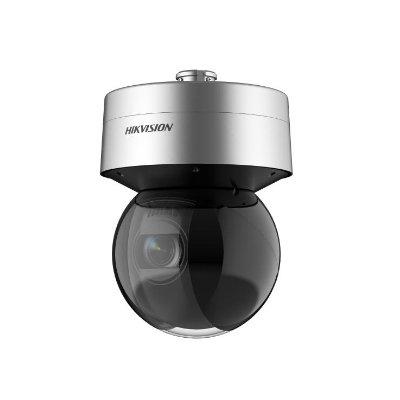

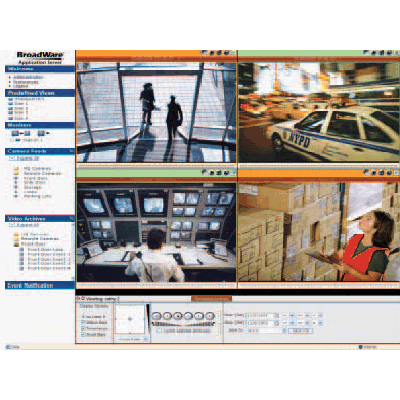
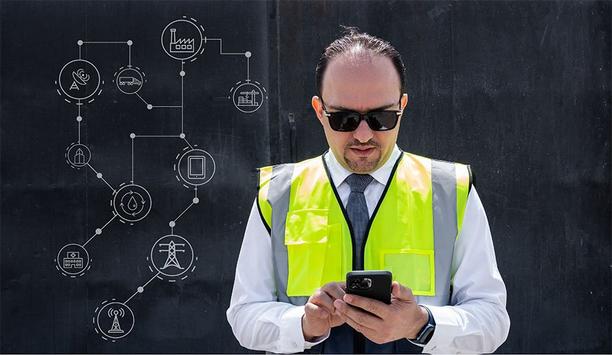



Technology's role in securing banks and financial institutions
Download
Security technologies promote real-time awareness in K-12 schools
Download
Integrated systems enable critical and compliant security for transportation
Download
Modernising physical access control
Download
Access. Intrusion. One estate.
Download