Residential security systems

ADT is now offering ADT Blu, a self-installed home security system that customers can set up in minutes and manage directly through the ADT+ app. The modular DIY system can be scaled over time as customers' lives change and evolve. As more households adopt smart home devices and seek self-install options, ADT Blu is designed to eliminate the long-standing trade-offs of a DIY category that, to date, has largely been defined by standalone cameras. ADT uniquely understands that a reliable cam...

DNAKE, a foremost provider of video intercom and smart home solutions, has rolled out Cloud Platform versions 2.1.0, 2.2.0, and 2.3.0. Designed to deliver more control, flexibility, and possibilities, these updates strengthen team collaboration, expand device integration, and simplify resident access. Key highlights of DNAKE Cloud Platform 2.1.0–2.3.0 1. Multiple Property Manager Accounts with Custom Permissions A single site now supports mul...

Suprema, a global pioneer in AI-powered access control and security solutions, has signed a three-party memorandum of understanding (MOU) with Hyundai Motor Group Robotics LAB and Hyundai Engineering & Construction (Hyundai E&C) to collaborate on advancing residential complexes through service robot technology. Residential security In future residential environments, realising safe and convenient robot services for residents requires architectural designs that enable seamless robot mob...

Schlage, America’s Most Trusted Lock Brand1 and pioneer in door hardware innovation for over a century, together with NterNow, a leading on-demand, self-guided tour software platform for single-family properties, are showcasing solutions in the Schlage booth at the 2026 International Builders’ Show (IBS) in Orlando. NterNow recently joined Schlage as part of the Allegion portfolio – providing a first-ever opportunity at IBS 2026 for builders and show attendees to experie...

Pioneer global access solutions provider Salto, part of SALTO WECOSYSTEM, expands its residential smart locking technology with the launch of the Salto DBolt Touch Outdoor model. The DBolt Touch Outdoor is an IP55-rated smart deadbolt designed to deliver secure, keyless access to exterior and weather-exposed residential doors. About DBolt Touch Outdoor The Salto DBolt Touch Outdoor is a smart locking solution for both retrofit and new construction multifamily properties, extending smart acce...

Connected Technologies announces a powerful update to the Connect ONE® platform that elevates the intelligence of video surveillance and strengthens integration with onsite security systems through expanded NVR integration. Video analytics is a game-changer for surveillance, turning cameras into proactive detection of critical events without constant human monitoring or reviewing generic motion triggers. Connect ONE’s Camera Motion & Analytical Event Capture leverages video analyt...
News
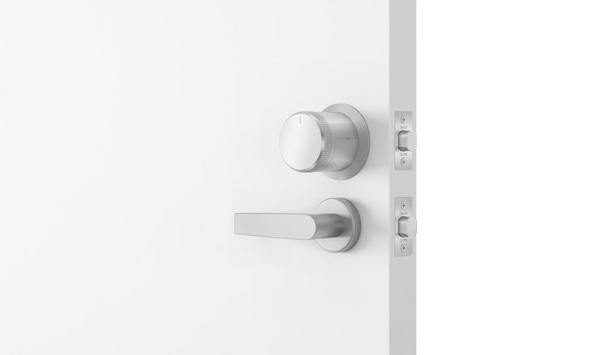
Salto announces the launch of Salto DLok, the latest residential door smart locking solution. DLok marks a new era in Salto’s smart home innovation. This universal, motorised smart lock connects effortlessly with the Salto Homelok ecosystem to transform the residential access experience for smart homes and apartments, delivering next-level security, convenient keyless access, and automation. The DLok gives residents the power to enjoy a digital, fully automated, and universally compatible access experience in their homes. Smart locking solutions Smart locking solutions and advanced access control technologies are transforming how to protect and manage residential spaces. The DLok is engineered to meet the growing demand for connected living by offering a reliable and secure universal retrofit solution that ensures doors are always properly locked or opened without the need for physical keys, relying solely on a resident Digital Key app – a core feature of its next-generation automation capabilities. Next-level automation and seamless integration Salto’s DLok smart lock is designed for truly seamless living: Fully automated locking: Locking and unlocking now require almost no manual effort, enhancing security by guaranteeing the door is always secure. Keyless mobile access: Using the Homelok mobile app, residents can open a unit door from their phone, allowing for seamless control of home access for themselves, guests, and visitors. Salto Homelok integration: As a universal motorized smart lock, the DLok connects directly to the Salto Homelok smart living ecosystem, enabling keyless experiences and integration with the broader Salto product portfolio. Redefining mechanics, electronics, and design Additionally, DLok introduces significant engineering advancements in connectivity, reliability, and aesthetics: Universal compatibility: The DLok offers a broad range of model options and retrofit accessories designed to replace existing door hardware and fit any standard door. Universal retrofit: The DLok is compatible with virtually any door type and allows for installation or retrofit in less than 15 minutes. Crucially, the existing lock and door handle do not have to be replaced. Durable mechanics: A new, more powerful motor increases product life, certifying more than 50,000 cycles. The DLok also features a renewed metallic shaft and support parts for enhanced reliability. Precise calibration: A new magnetic calibration sensor replaces the mechanical component, improving calibration definition for more accurate and reliable lock performance and status reporting. Advanced electronics and installation: The revamped electronics are supported by Salto technology and feature a unique semi-automatic calibration option. This new system combines automatic and manual actions to significantly improve performance and the accuracy of lock status reports. Modern aesthetics: The modified flat thumbturn offers a smoother, modern look. A subtle straight mark acts as a visual reference to facilitate rotation feedback. Engineered for innovation, built for security and simplicity DLok boasts a series of significant engineering advancements geared toward enhancing longevity and reliability, all while incorporating modern aesthetics. Beyond the lock itself, Salto has also developed a new universal cylinder as well as a series of adaptor accessory options. The result is a truly universal solution; with DLok, any door in any home really can become smart in just a few simple steps. Two primary installation options Full, 15-minute installation: The DLok is a universally compatible solution, designed to make any door smart with minimal effort. The entire process – including cylinder replacement – takes less than 15 minutes. Installation is facilitated by a visual, step-by-step guide, with no drilling or additional tools required. Invisible from the outside: Minimalist, robust, and reliable design built to seamlessly blend into any door type for easy installation from inside. Keyless access for a smarter, safer home The ultimate expression of Salto’s commitment to smarter, safer, and frictionless home access, DLok caters to the needs of the modern resident, delivering both convenience and enhanced security in a single solution. Universal compatibility makes it ideal for retrofit installation – which can be completed in under five minutes. And with no need to replace the existing lock or door handle, it is cost-effective, as well. The DLok is a pivotal step in Salto’s commitment to the residential market, bringing renowned smart access expertise into the home. The innovative combination of advanced smart access technology and a sleek, universal design exemplify Salto’s ability to deliver secure, seamless, and intuitive domestic access. The DLok is poised to transform the resident experience – simplifying everyday life, enhancing peace of mind, and offering global compatibility alongside flexible installation.

On May 11th, 2021, the "2021 Zhongliang Real Estate Group Supplier Conference" was grandly held in Shanghai. Mr.Hou Hongqiang, DNAKE’s Deputy General Manager, attended the conference and explored the opportunities and challenges for developing the real estate industry with more than 400 guests on the spot, hoping to reach win-win cooperation for the bright future of Zhongliang Real Estate Group. Outstanding Supplier award DNAKE was honourred with the award “Outstanding Supplier of Material & Equipment”. "This honourr is not only the recognition and affirmation of Zhongliang Real Estate Group on DNAKE but also a spur to DNAKE’s original intention of win-win cooperation,” said Mr. Hou Hongqiang at the conference. Mutual benefit Zhongliang Real Estate Group and DNAKE always adhere to the principle of mutual benefit and keep working From knowing each other to strategic cooperation, Zhongliang Real Estate Group and DNAKE always adhere to the principle of mutual benefit and keep working for the common goal of creating value together. As a fast-growing integrated real estate development enterprise located in the Yangtze River delta economic zone, Zhongliang Real Estate Group has maintained its position as a Top 20 China Real Estate Enterprise by Comprehensive Strengths and become one of DNAKE’s strategic partners for many years. Win-win cooperation During the cooperation for many years, by its excellent product quality, high-quality customer service, and long-term stable production capacity, with video intercom, smart home, intelligent transportation, and other industries, DNAKE has worked together with Zhongliang Real Estate Group to complete many smart community projects. Win-win cooperation and common prosperity are the goal. As the competition in the real estate industry has evolved into the competition of high-quality supply chain, facing new changes and opportunities, DNAKE will continue to walk shoulder to shoulder with the vast number of real estate enterprises, such as Zhongliang Real Estate Group, to build intelligent post-modern living environment and smart life for the public.

Artificial Intelligence Technology Solutions, Inc, along with its residential security subsidiary, Robotic Assistance Devices Residential, Inc. (RAD-R), announced a major upgrade to RADCam, the Company’s agentic AI-powered interactive security camera, that brings Alexa voice interaction to the device. Uniquely, Users can now ask Alexa what RADCam sees, or has seen, and receive clear spoken descriptions of activity in the camera’s field of view, extending RADCam’s position in agentic AI-powered residential security. Integrating with voice assistant platforms This feature follows the Company’s announcement earlier this year that RADCam would integrate with pioneering voice assistant platforms. The addition of Alexa interaction fulfils that commitment and introduces a new layer of convenience for users who want real time awareness without checking a screen. With spoken summaries of activity delivered on demand, RADCam now fits even more naturally into the growing ecosystem of voice driven smart home technology. “This upgrade delivers another meaningful step forward for RADCam and for residential AI security,” said Steve Reinharz, CEO/CTO and founder of AITX and RAD-R. “Giving users the ability to ask Alexa what RADCam sees creates a level of simplicity and awareness that traditional cameras cannot match. We set out to make intelligent security feel natural and effortless, and this feature brings us closer to that goal.” Broader expansion of RADCam capabilities The Company noted that Alexa voice interaction is part of a broader expansion of RADCam capabilities that continues to widen its advantage in residential and small business AI security. RADCam already delivers automated event descriptions, smart notifications, and SARA (Speaking Autonomous Responsive Agent), the Company’s multiple award-winning agentic AI platform, powered insights that support rapid awareness without user effort. By adding hands-free access through Alexa, RAD-R is enhancing ease of use while accelerating the shift toward intelligent monitoring that responds to users and adapts to their daily routines. RADCam’s Alexa integration The Company added that elements of this integration were supported through its ongoing work with Amazon Web Services (AWS), which has provided access to technical resources that helped accelerate RADCam’s Alexa integration. This collaboration contributes to the broader platform evolution outlined by Reinharz during his investor presentation on January 15 of this year and supports the Company vision for the ‘Security of Everything’. True agentic AI capability “We continue to push RADCam forward at a rapid pace,” added Reinharz. “Each upgrade makes the experience stronger for homeowners and small businesses and reinforces the value of bringing true agentic AI capability into residential security.” “For anyone interested in seeing what this technology can do, RADCam is available through our online channels, www.radcam.ai and major online retailers including Amazon and Walmart.com.” Continued expansion of RADCam features The Company encourages interested viewers to watch the brief demonstration of the RADCam Alexa interaction, which shows how homeowners can ask for event recall and real time updates and receive clear spoken responses. The video provides a direct look at how voice interaction enhances everyday awareness and highlights the impact of agentic AI within the RADCam platform. AITX and RAD-R expect continued expansion of RADCam features as the platform advances toward deeper levels of agentic AI performance. Future enhancements are planned to strengthen user awareness, increase automation, and broaden smart home compatibility. The Company believes that ongoing upgrades to RADCam will continue to support adoption across the residential market and reinforce its leadership in AI driven security.

Vivint, the pioneering US security and smart home company, announces the next generation of outdoor video security: Vivint Outdoor Camera Pro (Gen 3), the only camera with RADAR and Artificial Intelligence that responds to threats by identifying and addressing specific actions and behaviours, not just motion or proximity. Vivint Outdoor Camera Pro (Gen 3) offers reliable and advanced outdoor security and convenience thanks to best-in-class components, RADAR- and AI- behaviour based detection, Smart Deter™ technology, both cloud and on-device recording, 5.3x HD zoom with a 4K sensor, 24/7 recording, and the industry’s best dynamic camera tuning for a crisp, clear image day or night. Vivint Outdoor Camera Pro (Gen 3) With millions of units professionally installed in homes across the U.S., Vivint’s second-generation Outdoor Camera Pro with Smart Deter™ is already one of the most trusted options for enhanced security and protection. Now, Vivint Outdoor Camera Pro (Gen 3) combines a new RADAR sensor with advanced AI, bringing homeowners improved and unmatched precision, convenience, and customisation. Newest generation of Vivint’s popular Outdoor Camera Pro “Vivint isn’t satisfied with simply innovating, we want to create breakthrough technologies that redefine the home experience for our customers,” said Jim Nye, Chief Product Officer for Vivint. “The newest generation of Vivint’s popular Outdoor Camera Pro unlocks a new dimension for threat response by combining RADAR and AI for a first of its kind behaviour-based detection able to identify and respond intelligently to threatening actions, ensuring greater protection with less interruptions to your daily life.” Identify real threats and behaviour-based threats “Crime happens fast, and the ability to quickly identify real threats can determine whether or not you become a victim,” continued Nye. “Only Outdoor Camera Pro (Gen 3) can identify and respond to behaviour-based threats to your home and property, not neighbours walking by or kids playing in your yard, helping you protect the things you care about the most.” Key features and benefits of Vivint Outdoor Camera Pro (Gen 3) Launching nationwide in February 2026, key features and benefits of Vivint Outdoor Camera Pro (Gen 3) include: Behaviour-Based Detection: Patent-pending technology combining RADAR and AI to identify and respond to potential threats based on actual behaviours while filtering out clearly innocuous activity for quicker response and more accurate alerts. Intelligent Vehicle Protection: Gen 3 detects threats to homeowners’ vehicles with improved accuracy, instantly triggering Smart Deter™. Best-in-Class Camera Tuning: Vivint’s optimised dynamic picture and video tuned specifically for maximum clarity in all light conditions means crisply defined and detailed images that pixels alone can’t replicate. Full HD Resolution: Gen 3 provides crystal clear imagery – even when zooming in (up to 5.3x on live footage) – due to a 4k image sensor that streams and records at up to 1080p resolution. Cloud & Local Device Storage: Gen 3 continuously records and saves footage to both cloud and device storage to ensure uninterrupted video capture even during Wi-fi disruption. Hybrid Wired/Wi-fi Network: Only Vivint’s combination wired/Wi-fi network eliminates signal loss caused by external mounting, ensuring consistent, reliable connection. Premium Construction: Highest-quality device components and automotive-grade exterior housing ensure optimal performance and longer device life. Vivint’s integrated offerings Like all Vivint’s integrated offerings, Vivint Outdoor Camera Pro (Gen 3) is easily controlled through a single, simple, user-friendly mobile app allowing customers to access live or archived footage, communicate with visitors via two-way talk, and receive and respond to critical alerts immediately, at home or on the go. Hardwired power also ensures a consistent supply with no batteries to replace. Vivint’s Outdoor Camera Pro (Gen 3) will be available everywhere for $399.99 starting in February 2026.

Videx Security has introduced a new 7” handsfree video monitor that brings advanced functionality typically reserved for full IP systems to its popular 2 wire range. The 6789 monitor, part of the 6700 series, is designed for use with the VX2300 system and 2 wire video kits, including the new ERA23V range. It combines a high-resolution capacitive touchscreen with tactile programmable buttons, offering intuitive control, remote connectivity, and smart integration features for residential, commercial and mixed-use applications. Videx CloudNected app As well as operating over the 2 wire bus, the 6789 includes built-in WiFi to enable remote access via the Videx CloudNected app. Users can receive calls, view entry panel cameras and unlock doors and gates from anywhere. The system also supports third-party CCTV integration via RTSP, and includes a web browser for remote management, event log access, and smart home control. Rob Sands, Technical Director at Videx, said: “The 6789 represents a major step forward in 2 wire video systems. It brings together the usability of a modern touchscreen monitor with features such as remote access, third-party integration and smart heating control – all in one unit. It’s an ideal solution for both new installations and retrofit upgrades.” Additional features Additional features include a thermostat and humidity sensor with programmable weekly schedules, smart intercommunication between monitors and the ability to adjust key settings via an internal web browser or IPure Wizard software. A desktop mount kit is also available for added installation flexibility. The 6789 is compatible with other monitors on the VX2300 system and can be used to upgrade existing installations where more advanced features are required.

Driven by the rising adoption of IoT-enabled security systems and cloud-based platforms, the global access control market is expected to grow from USD 10.62 billion in 2025 to USD 15.80 billion by 2030, at a CAGR of 8.3%, according to new information from research company, Marketsandmarkets. IoT enhances automation efficiency by enabling secure, real-time data exchange, while cloud integration offers scalability, remote monitoring, and reduced maintenance costs. Together, they support advanced models like Access Control as a Service (ACaaS), providing businesses flexibility, visibility across sites, and seamless updates. This interconnected shift from traditional systems to IoT and cloud solutions fuels strong market growth. Flexibility and scalability Hosted access control as a service (ACaaS) is expected to hold the largest market share Hosted access control as a service (ACaaS) is expected to hold the largest market share in the overall access control market owing to its flexibility, scalability, and cost-effectiveness. Unlike traditional systems, ACaaS eliminates the need for heavy infrastructure or on-premises servers, as data is stored and managed at third-party locations. This allows users to gain complete control over access rights without incurring high maintenance costs. Being web-based, it requires no client-side software and enables centralised monitoring of multiple facilities, offering seamless and maintenance-free experience. Hosted ACaaS also enhances security and efficiency by supporting remote access and management from any device. Always-available access control The analysts suggest that solutions such as Identiv’s Freedom Cloud provide robust, feature-rich, and always-available access control that businesses can rely on for uninterrupted operations. The ability to push security patches, updates, and troubleshooting remotely ensures higher resilience compared to on-premises systems. Additionally, the growing need to safeguard critical infrastructure such as oil & gas, chemical, pharmaceutical, metal & mining, power, automotive, and water treatment sectors is fuelling adoption. With increasing concerns around unauthorised access and data security, enterprises are turning toward ACaaS for its ability to provide secure, scalable, and future-ready solutions. Residential market holds great opportunity Residential premises have witnessed an increased adoption of access control and video surveillance Residential premises have witnessed an increased adoption of access control and video surveillance security systems. Residential properties have installed electronic lock-based access control systems to prevent invasion and burglary. One of the most important requirements regarding protecting personal belongings is to carry out rigorous and detailed control of the people who enter and leave the residential premises. The entry gates are the doorways to residential communities and buildings. Growing home automation trend Without supervision, anyone can freely enter and exit the property. The demand for electronic products has surged with the growing home automation trend. Home security is a major concern for homeowners nowadays. The key factors contributing to the growth of this market include growing crime rates, ongoing technological advancements, increasing need to detect hazards such as fire and gas leaks, and ensuring the safety of children and older people at home. North America’s major share Organisations across industries are increasingly adopting these technologies to enhance security North America holds the largest share in the global access control market, driven by rising demand for cloud-based services, mobile access control solutions, and advanced management software. Organisations across industries are increasingly adopting these technologies to enhance security and operational efficiency. The region is also witnessing strong uptake of biometric authentication and multi-technology readers, particularly in the commercial and government sectors. For instance, the US Department of Defence and the Department of Homeland Security have long relied on fingerprint biometrics to facilitate both physical and digital access while addressing critical security concerns. Strengthening the regional ecosystem The presence of local key players such as Aware and Crossmatch Technologies further strengthens the regional ecosystem by offering innovative solutions and supporting widespread deployment. Moreover, the US boasts robust hospitality, BFSI, retail, and enterprise sectors, which are expected to increase security-related investments. A well-developed transportation sector, combined with the growing need for city surveillance projects, also contributes to the demand. Rising concerns about securing banks and financial institutions add another layer of opportunity. Collectively, according to the researchers, these factors establish North America as a pioneer in adopting advanced access control systems. Key players Some of the key companies operating in the access control market and mentioned by the research includes businesses, such as Assa Abloy, Dormakaba, Johnson Controls, Siemens, UTC, Allegion, Honeywell, Hirsch, Nedap, Suprema, Keenfinity and Thales, amongst others.

Expert commentary

The average business owner or investor has some kind of security precaution in place, especially in the after-hours when there are fewer deterrents to inhibit criminal activity. Security guards, video surveillance systems, motion sensor lights, or even just fake cameras placed around the property are some of the common options people choose. Future of overnight security Smart business owners are starting to realise, however, that some of these traditional security measures are becoming antiquated and no longer cutting. The now and future of overnight security is in remote guarding. Pioneered by companies like Los Angeles-based Elite Interactive Solutions, which was founded back in 2007, remote guarding is revolutionising the overnight security business. Minimising criminal activity Remote guarding is fast becoming the most popular choice among commercial end-user property owners Remote guarding utilises a combination of cutting-edge technology, “digital guards,” highly trained security agents, and local law enforcement if and when necessary to minimise the potential of criminal activity. For those adequately enlightened to its overwhelmingly impressive crime prevention capabilities, remote guarding is fast becoming the most popular choice among commercial end-user property owners to secure and protect their investments. What Is remote guarding? Remote guarding is a revolutionary concept and increasing trend in security systems that utilises a combination of methods to effectively analyse potential threats to property. Cameras and/or other monitoring devices running highly advanced algorithmic software are installed in strategic areas or vulnerable places onsite and remotely located security agents are immediately notified of any activity within a designated perimeter of the property. A blend of AI, cybersecurity, and video analytics When properly deployed by an expert provider, the technology stack includes a proprietary blend of video analytics, artificial intelligence, cybersecurity, and more. Done right, “noise” is effectively filtered out, allowing agents to act on legitimate alerts and achieve zero false alarms communicated to first responders. Today, there are a lot of terms and descriptions tossed around about remote guarding, remote video, virtual guarding, etc., but those attributes must be present to represent the true definition of the offering and its many virtues. Realtime situational awareness Many systems have a two-way speaker that allows the security agent to give a verbal warning When specially trained security agents are alerted to trespassers, possible intruders, or other suspicious activity, they analyse the situation in real-time and determine the necessary level of action. Many systems have a two-way speaker that allows the security agent to give a verbal warning, known as a voice-down, to the individual(s) that they are being watched. Most perpetrators, often believing the response is emanating directly from security personnel on the property itself rather than from a remote command centre, flee immediately. However, if the threat persists, the security agent enlists local law enforcement to get on the scene. Customised remote guarding When properly deployed, remote guarding systems are also customised to specific properties. A team of consultants visits the client’s property to evaluate its vulnerabilities and where to best place cameras and/or other monitoring devices for system efficacy. Traditional security shortfalls According to Keith Bushey, a retired commander for the Los Angeles Police Department, there is much frustration between law enforcement officers and potential victims of crime due to the historically unreliable performance of traditional burglar alarm systems and central monitoring stations. He states about 90% of security-related calls are false alarms, a problem that has been well-documented through the years. Onsite challenges When a legitimate emergency does occur, the perpetrators have often already done their damage When a legitimate emergency does occur, the perpetrators have often already done their damage and/or escaped by the time law enforcement arrives. Onsite security guards are not the remedy either as they bring their own set of issues and challenges. Unexpected costs Traditional security systems can also have unexpected costs. The cost is not only in the security guards’ paycheck or the cost of the equipment itself. The cost comes when an actual incident occurs. In worst-case scenarios, the security guard(s) are injured, the business suffers inventory loss, and/or damage is sustained to the property. The medical and other costs for the security guard(s), the loss of inventory, property damage, deployment of law enforcement resources, and possible fallout of legal expenses all add up. Even in the best-case scenario, false alarm expenses incur if law enforcement is dispatched. These, among many others, are some of the primary issues that remote guarding resoundingly answers as a superior alternative. A bounty of benefits Remote guarding systems have been proven to cut costs and be more effective than traditional security systems. Even though the monthly monitoring costs of remote guarding are significantly higher than traditional intrusion detection system monitoring, the much higher effectiveness in crime reduction, elimination of false alarms, and augmenting or replacement of manned guards result in a substantially higher return on investment (ROI) to the end user. Easy tracking of threats The security cameras already have their image captured on record, making them easier to track down For example, case studies have demonstrated reduced security costs for clients by 60%, on average. These reductions have come from the costs of security staff, inventory, or property loss, plus saving money on insurance premiums and deductibles. The nature of remote guarding reduces the risk and costs of false alarms, with professional security agents able to determine an actual threat before law enforcement is called. In a rare instance when a perpetrator escapes before law enforcement arrives or can detain the individual(s), the security cameras already have their image captured on record, making them easier to track down and identify. Reduction of false alarms The significant reduction in false alarms is greatly appreciated by law enforcement, as it allows them to focus on real emergencies or crises. Better relationships are also developed between clients and law enforcement, as remote guarding systems are highly reliable in providing accurate and real-time information to officers as they approach the scene. In short, it assists law enforcement in doing their job more effectively, as well as more safely thanks to having eyewitness information before engaging in an active crime scene. Partnership When you combine the decreased cost with the increased efficiency and success rate, it is easy to see why many commercial end-user property owners across the country are making the shift to remote guarding. It’s also an outstanding opportunity for professional security dealers and integrators to partner with a remote guarding services provider to bring a superior solution to their end customers and pick up a recurring monthly revenue stream in the process.

It’s no secret that the data security sector is constantly changing. It has an annual CGR of about 12.3%. Future trends in data security Much of this has to do with the rise of cybercrime in recent years, with reports showing that cyberattacks happen as often as every 39 seconds. To combat the growing rate of cybercrime, data security has been on the rise. As we journey further into this era, it becomes evident that a spectrum of significant trends is molding the future of data security. This exploration delves into a selection of these trends, unraveling their importance and the potential implications they carry 1. AI security tools will increase Artificial Intelligence is also being used in the development of smart attacks and malware The introduction of Artificial Intelligence in the data security industry brought significant changes, especially in cybersecurity. AI has been the golden standard for face detection, natural language processing, automated threat detection, and automated security systems. Additionally, Artificial Intelligence is also being used in the development of smart attacks and malware, bypassing even the latest security protocols in data control. And as time progresses, AI security tools will flourish and dominate the scene. Let’s take a more in-depth look at three of the top AI security tools. Targeted attack analysis tool Manufacturers utilise targeted attack analysis tools to uncover targeted and stealthy attacks. Artificial Intelligence can be applied to the program’s capabilities, processes, and knowledge. For instance, Symantec launched this tool to combat the Dragon 2.0 attack in 2022. The phishing attack reprimanded multiple energy companies while trying to gain access to their operational networks. Targeted Attack Analysis Tools can analyse incidents and look for similarities from previous situations. They also help detect suspicious activities and collect all the necessary data to determine whether a specific action is malicious. Intercept X tool Results from the Intercept X Tool feature high accuracy and a low false positive rate Sophos, a British security hardware and software company, launched the Intercept X Tool. It engages a neural network that records and analyses data like a human brain. Sophos’ Intercept X Tool can extract features from a single file and perform a deep analysis. It detects malicious activities within 20 milliseconds. Plus, it’s also trained to work on bi-directional sharing and real-world feedback of threat intelligence. Results from the Intercept X Tool feature high accuracy and a low false positive rate. IBM Watson Technology IBM’s QRadar Advisor uses IBM Watson Technology, a unique AI tool for fighting cyber attacks. Artificial Intelligence can auto-investigate activities and indicators for potential exploitation or compromise. With cognitive reasoning, IBM Watson Technology can present critical insights to accelerate the response cycle. Security analysts can utilise this technology to search for threat incidents, reducing the risk of letting them fly under the radar. 2. Blockchain as a security solution It guarantees no points of failure or hackable entrances that can expose datasets inside the system Blockchain is a type of distributed ledger technology (DLT) that aims to establish trust within an untrusting ecosystem. Today it’s one of the most robust cybersecurity technologies in the industry. Blockchain utilises a decentralised ledger system, but your team members can still gain access to transparent information in the cloud. Members can also record, pass along, and view necessary transactional data in the blockchain. The entire blockchain process maintains data integrity within the system while establishing trust among team members. It guarantees no points of failure or hackable entrances that can expose datasets inside the system. Cybersecurity, biometrics Cybersecurity primarily benefits from these features because blockchain can create a secure and robust wall between data and hackers. On top of that, blockchain ledgers can include biometrics like fingerprints and retina scans. These prevent hackers from accessing any private data. Because blockchain is decentralised, it also limits hackable data. Together with the technology’s record-keeping system, each node is provided insight into data manipulation exposing real-time cybercrime attempts. 3. Increased and widened access control Without access control, expect your company to be open to security issues, including theft, data loss, and breach of data Access control is critical in data security. More than a valuable security tool, business leaders can use access control to regulate people accessing any given resource. A company with an IT security setting can control who has the liberty to edit certain files. One of the primary goals of access control is to minimise threats or attacks to organisations and businesses to keep people and data secure. Without access control, expect your company to be open to security issues, including theft, data loss, and breach of data protection laws. Benefits The benefits of increased and widened access control include: Identifying who can access and control your data at specific time intervals. Protecting data from overwriting, accidental deletion, and malicious intent. User permissions that can be readily changed. Compliance and regulation with data privacy laws. Central management of access to data through a reporting portal or a dashboard. Multi-factor authentication Access control comes in various types and systems, so it’s critical to know the features of what you’re looking for. The most common type is multi-factor authentication or MFA. It involves multiple steps before logging in, requiring the user to enter other relevant information besides the password. Some other examples of information include biometrics, answering a security question, or entering a code sent to the user’s email address. Two-factor authentication, role-based access control Two-factor authentication further prevents unauthorised entries that can result in unnecessary data possession Two-factor authentication further prevents unauthorised entries that can result in unnecessary data possession. Another type of access control is role-based access control. In this setup, only one individual can set up access guidelines and grant permissions to specific team members within an organisation. 4. Greater use of the zero-trust security model The zero-trust security model is a framework that requires every user within and outside the organisation to undergo authentication, authorisation, and validation. These are all essential to ensure proper security configuration before access is granted to the company’s applications and data. A zero-trust model assumes that anyone can cause data breaches and that a traditional network edge is not taken into effect. Moreover, it addresses the following modern-day challenges: Hybrid cloud environments. Security of remote workers. Ransomware threats. This framework utilises the combination of multiple advanced technologies, including: A risk-based multi-factor authentication. Endpoint security. Identity protection. Cloud workload technology. The zero-trust model uses all these innovative tools for system identification, user verification, access consideration, and system security maintenance. Constant validation and monitoring Enforcing strict policies and compliance with data privacy laws are also essential Additionally, it also considers data encryption, email security, and asset verification before establishing connections with applications. The architecture of a zero-trust framework requires constant validation and monitoring of the users and the devices they are using. Enforcing strict policies and compliance with data privacy laws are also essential. More importantly, the zero trust architecture requires all organisations to be aware of all their available services and accounts to gain complete control of data handling and manipulation. 5. Increased privacy regulations Privacy regulations and policies guide organisations in proper data control, handling, and security. These policies guide organisations in proper data control, handling, and security. As a responsible business owner, you must comply with these regulations to avoid legal issues. With cybersecurity attacks becoming common, expect increased and stricter privacy regulations to be released in the next few years. While current policies are still taken into effect, various modifications and adjustments will occur to compete with the rising numbers of data breaches, thefts, data loss, and more. California Privacy Rights Act (CPRA) Currently, the California Privacy Rights Act (CPRA) is the most comprehensive legislation on state data privacy. It only started to take effect on January 1, 2023. The CPRA introduces the following principles: Broad individual consumer rights. Significant duties of people who need to collect sensitive and personal information. Additional definitions of data privacy and security. An individual’s duties include releasing information about data collection to concerned data subjects and proper access, correction, and deletion of information. Final thoughts 2023 is a big year for data security. Trends such as increased adoption of zero-trust policies, a greater reliance on AI security tools, and the implementation of blockchain as a security solution are all things we expect to see shortly. Staying up-to-date with these trends is important for keeping your business current and ensuring that you’re adhering to new and changing regulations. Doing so can give you an edge over the competition and keep you out of legal hot water.

Daniel May of Consort reviews the integration of access control systems in healthcare settings, outlining the benefits and key considerations decision-makers must make throughout product specifications. From patient safety and traversal to the protection of sensitive data and pharmaceuticals, healthcare environments are faced with several operational challenges. And where security remains at the forefront of decision-making, modern access control systems may often hold the answers. Physical security systems Hospitals in particular have developed into multi-faceted spaces that house hundreds to thousands of patients, staff and visitors at any one time. In England for example, research has found in the three months leading to June 2023, an average of 44,626 people visited major hospital A&E departments each day, with over 16 million attendances typically recorded over the course of a year-not to mention an additional nine million logged at other minor units. For any building, this level of sustained footfall can request severe security difficulties For any building, this level of sustained footfall can invite severe security tests. With that, the need to deploy effective physical security systems in healthcare is clear. And so, as access control continues to become more readily adopted and new products enter the market, decision-makers are reminded to consider the requirements of their building, ensuring they select the solutions most suited to their settings and budget. Security controlled Patient safety will always remain the top priority in healthcare settings, and where matters of health and social care come into question, a diverse set of professional regulatory bodies are tasked with setting and maintaining high standards. When it comes to healthcare premises specifically, patient security and perimeter security often come hand in hand and are amongst the most pressing of challenges that decision-makers must face. To help address operational planning and potential design concerns in the NHS, the Health Building Note (HBN), provides general design guidance for healthcare buildings under HBN 00-01-citing the use of access control measures as a way of maintaining security and protecting the safety of patients, staff and visitors. Use of access control Hospital buildings control varied levels of access for a number of security purposes Hospital buildings, for example, must control varied levels of access for a number of operational and security purposes. Routine scenarios exist where vulnerable patients are under monitoring and thus refrained from exiting the premises for their own safety, while at the same time, permitted staff must be able to reach their patients and medicines when required. For this, the use of access control is key. Equally, access credentials can also help management teams keep track of those who may be entering or exiting rooms with equipment and pharmaceutical supplies, deterring any unwanted visitors and opportunists in the process. Incorporation of access control systems On a similar note, regulations have set a minimum standard for how personal data should be stored and managed in healthcare environments, giving decision-makers an added responsibility to regulate staff-controlled areas with patient medical records. While instances of personal data breaches are rare, healthcare facilities and professionals are at legal risk should confidential data be found misused or missing. As such, the incorporation of access control systems has become essential in keeping data storage areas secure, with intuitive online systems capable of permitting access to staff with the correct credentials while simultaneously tracking who has requested clearance at digital entry points. HBN guidance Healthcare experts are better fitted to control the sheer volume of people entering and exiting To function effectively, healthcare facilities must always be perceived as safe places by the people who reside within them, and as HBN guidance implies, a unified physical security system can help address key safety and security concerns while enhancing patient and staff experience. Opportunely, access control systems are more accessible and adaptable than ever and combine several technologies such as mechanical locks and automatic doors with electronic access credentials in the form of smartphone apps, badge readers and biometric scanners. By integrating these systems into the building’s existing infrastructure, healthcare professionals are better equipped to control the sheer volume of people entering and exiting the premises without impairing the general flow of movement and coordination around the facility. Better by design Despite the clear benefits offered to healthcare facilities, there are a number of considerations to be mindful of when choosing an access control solution. Poorly implemented systems can have an adverse effect on security and functionality - quickly costing healthcare organisations time and budget to rectify and replace the inadequate products that don’t meet the building’s requirements. For that reason, decision-makers and design teams are reminded that there is no single solution that fits all healthcare buildings. As such, it’s crucial for decision-makers to understand the systems that are being put in place throughout each of the touchpoints in their facility. Clear collaboration is required during periods of specification, where together, teams can ensure the selected product works on all angles, from meeting fire safety and sustainability standards to aesthetics and scalability. Modern access control products Scalability is a key area that decision-makers must review when selecting access control systemsFrequently overlooked, scalability is a key area that decision-makers must review when selecting access control systems. Such is their diverse nature; healthcare facilities can often change and develop as years go by, and by selecting a system that facilitates growth, such as a cloud-based solution-security and efficiency is long-established. While modern access control products are known for seamless integration, there are some systems that may restrict the ability to use different vendors throughout the remainder of the building’s infrastructure. This, in effect, causes a monopolisation of products throughout the estate, which can have an adverse effect on growth by increasing costs and reducing the levels of service associated with the security system already in place. Improve security and safety A scalable and reliable access control system will continue to improve security and safety by adapting to a building’s new requirements-and all while having minimal impact on its operational network. And so, while technology will no doubt continue to influence and transform the access control market, healthcare facilities and their professionals must continue to remain educated on their own systems, ensuring they have the best options in place to keep their patients, staff and visitors safe and secure for years to come.
Security beat

Companies at GSX 2023 emphasised new ways that technologies such as artificial intelligence (AI) and the cloud can address long-standing issues in the security market. Among the exhibitors at the event in Dallas were companies seeking creative ways to apply technology, lower costs, and make the world a safer place. Reflecting on the exhibition, here are some additional takeaways. Expanding AI at the edge i-PRO is a company reflecting the continued expansion of edge AI capability in the security market. Today, more than half of the company’s lineup supports AI at the edge so the customer has a wide choice of form factors when seeking to leverage the feature set. AI processing relay, extended warranty i-PRO is increasing their warranty period from 5 to 7 years, which could be a lifetime warranty in some cases I-PRO also has an “AI processing relay” device that accepts non-AI video streams and applies edge analytics. AI has progressed from a high-end technology to a feature available in a variety of cameras at different price points. i-PRO is also increasing its warranty period from 5 to 7 years, which could be a lifetime warranty in some cases depending on a customer’s refresh schedule and lifecycle management. Active Guard, MonitorCast The company’s video management system (Video Insight) is continuing to build new features including “Active Guard,” an integrated metadata sorter. Their access control platform, MonitorCast, is a Mercury-based solution that is tightly integrated with Video Insight. Their embedded recorders now have PoE built in. “We can move at a faster pace to fill out our product line since leaving Panasonic,” says Adam Lowenstein, Director of Product Management. “We can focus our business on adapting to the market.” Emphasis on retail and other verticals Shoplifting is a timely issue, and retail is a vertical market that got a lot of attention at GSX 2023. “We see a lot of retailers who are primarily interested in protecting employee safety, but also assets,” says Brandon Davito, Verkada’s SVP of Product and Operations. “Shrinkage is a CEO-level priority.” “Retailers are getting more engaged with security posture, instead of letting perpetrators walk,” Davito adds. Intrusion detection Verkada has an intrusion product that will notify a central station if there is an alarm On the alarm side, Verkada has an intrusion product that will notify a central station if there is an alarm, and operators can review videos to confirm the alarm. Other capabilities seeking to discourage trespassers include sirens, strobes, and “talkdown” capabilities. International expansion Verkada continues to expand internationally with 16 offices in all, including Sydney, Tokyo, and London. The core value proposition is to enable customers to manage their onsite infrastructure more simply, including new elements such as PTZ cameras, intercoms, and visitor management. Verkada emphasises ease of use, including a mobile application to allow access to be managed across the user base. Forging partnerships “We are committed to the channel and industry, and we continue to build relationships and expand our reach,” says Davito. Among the industry relationships is a new partnership with Convergint, which was hinted at during the show and announced later the same day. They are also expanding their partnerships with Schlage, Allegion, and ASSA ABLOY. Working with other verticals They offer new features for K -12 schools, and a new alarm platform is easier to deploy and manage Verkada has also found success across multiple other verticals, notably healthcare, where they integrate with an electronic medical records system. They offer new features for K-12 schools, and a new alarm platform is easier to deploy and manage. They are integrating wireless locks to secure interior doors in schools, looking to secure the perimeter, and installing guest management systems. Transitioning the mid-market to the cloud Salient is squarely focused on the “mid-market,” a large swath of systems somewhere between small businesses and enterprise-level systems. Pure cloud systems are not as attractive to this market, which has a built-out infrastructure of on-premise systems. Adding a camera to an existing system is easier and less expensive than tying it to the cloud. Benefits of cloud It’s a market that may not be ready for the pure cloud, but there are benefits to be realised from adding a cloud element to existing systems. “We are continuing to augment our premise-based solutions with added cloud capabilities and flexibility,” says Sanjay Challa, Salient’s Chief Product Officer. The feedback Salient hears from their customers is “I want to own my data.” The hybrid cloud approach offers the right mix of control, flexibility, and unit economics. Cloud add-on capabilities We want to provide the flexibility for customers to go full-cloud as it becomes more economically attractive" Cloud add-on capabilities include bringing more intelligence about system operation to the user via the cloud. Over time, Salient expects to sell more cloud-centric offerings based on feedback from integrators and customers. “We want to provide the flexibility for customers to go full-cloud as it becomes more economically attractive over time,” says Challa. Vaidio AI technology Salient seeks to be a transition pioneer to help customers realise the path to the cloud. Their approach is “crawl, walk, run,” and helping customers make the transition at each stage. Salient has added AI to its product offering, incorporating Vaidio AI technology from IronYun into a powerful suite and broad array of on-premise analytics, which are gaining traction. The seamless approach makes it easy for customers to embrace AI analytics, although Salient remains broadly committed to open systems. Addressing ‘soft’ features for integrators AMAG is in the process of enhancing its product line with the next generation of access control panels. However, “product” is just part of the new developments at AMAG. In addition to “hard” features (such as products), the company is looking to improve its “soft” features, too; that is, how they work with the integrator channel. Integrator channel Rebuilding a process to make your organisation more efficient, is relatively easy; it just takes a lot of persistence" “We have the depth of our legacy customer base we can learn from, we just need to close the feedback loop quicker,” says Kyle Gordon, AMAG’s Executive Vice President of Global Sales, Marketing, and commercial Excellence, who acknowledges the value of reinstating face-to-face meetings after COVID. “We are laser-focused on nurturing our integrator channel,” he says. “Developing new features takes time, but rebuilding a process to make your organisation more efficient, that’s relatively easy; it just takes a lot of persistence,” says Gordon. More cohesive internal communication is another useful tool, he says. Disrupting the cloud based on price Wasabi is working to make cloud applications less expensive by offering a “disruptive” price on cloud storage, $6.99 per terabyte per month (80% less than hyperscalers). Contending “hyperscalers” like AWS are charging too much for cloud storage, Wasabi is using its own intellectual property and server equipment co-located in data centres around the world. Wasabi sells “hot cloud storage,” which refers to the fact that they only have one tier of storage and data is always accessible. In contrast, a company such as AWS might charge an “egress fee” for access to data stored in a “colder” tier. Cloud storage “We saw that several video surveillance companies had not yet adopted cloud storage, and we saw an opportunity to make it easy to use,” said Drew Schlussel, Wasabi’s Senior Director of Product Marketing. “We just install a little bit of software that allows them to store data in the cloud and bring it back from the cloud.” Performance, protection (cybersecurity), and price Wasabi works with integrators, resellers, and distributors and also integrates with VMS companies Wasabi works with integrators, resellers, and distributors and also integrates with VMS companies such as Genetec and Milestone. Emphasising performance, protection (cybersecurity), and price, their data centres are certified to SOC 2 and ISO 27001 standards. Faster throughput for weapons detection Xtract One is a young company focusing on weapons detection in a time of accelerated concern about gun issues post-COVID. Founded in Canada and based on technology developed at McMaster University, Xtract One has found a niche in providing weapons detection at stadiums and arenas. These customers already have budgets, and it is easy to shift the money to a newer, faster technology. Madison Square Garden in New York City is among its customers. Cost savings solution Xtract One can increase throughput to 30 to 50 people per entrance per minute (compared to 5 to 6 people per minute when using metal detectors). The solution doesn’t require anyone to empty their pockets and the system alarms on items beyond guns and knives. Using Xtract One allows customers to reduce the number of screening lanes and security staff, providing additional cost savings, all while getting fans through the screening process in half the time. Purpose-built sensors The system uses purpose-built sensors looking for specific characteristics, such as reflective and density properties In addition to stadiums and arenas, Xtract One, formerly Patriot One, is also getting “inbound” interest from schools, hospitals, manufacturers, and other verticals that makeup 50% of their business. “We’re on a rocket ride, mainly because the weapons issues are not going away,” says Peter Evans, CEO and Director at Xtract One. The system uses purpose-built sensors looking for specific characteristics, such as reflective and density properties, all correlated by an AI engine. Providing early warning of violence ZeroEyes is another company focused on weapons detection. Their AI gun detection system works with video images to identify if someone is “brandishing” (carrying) a weapon. In other words, the system does not detect concealed weapons. Identifying someone carrying a weapon provides early warning of a possible violent act. Increased response with AI-enables images Images are identified by AI and sent to a monitoring centre where a human confirms the image before contacting first responders. Knowing the location of a shooter enables staff to lock entry points, move people to safety, and direct first responders. The company was founded to leverage existing camera views to stop mass shootings and gun violence by reducing response times.

PKOC stands for Public Key Open Credential. It is a new standard that will meet a 30-year industry challenge and strip away much of the complexity and cost involved in protecting and administering credentials for access control. It could also accelerate the transition from cards to mobile access control. PKOC is a standards-based mobile credential that is essentially free, vendor-agnostic, and interoperable across multiple devices and systems. It is a highly secure access credential that can live on a mobile phone, in a plastic access card, or in any device capable of generating a public-private key pair. Access control systems PKOC is the newest standard of the Physical Security Interoperability Alliance (PSIA), a tax-exempt organisation created to define, recommend, and promote standards for IP-enabled security devices and systems. PSIA introduced the Physical Logical Access Interoperability (PLAI) specification in 2013 to normalise identity data across disparate physical access control systems. The PKOC specification was introduced in 2021. We’re convinced this is the future A challenge for PSIA in promoting the PKOC mobile credential is to explain it quickly and in layman’s terms “We see the benefit of implementing the PKOC technology and doing it well,” says Sam Siegel, Senior Field Applications Engineer for ELATEC, a manufacturer of credential-agnostic readers/writers. “We wanted to get involved and join the discussion.” ELATEC has been participating in PSIA for more than a year. “This is a better way to do things,” says Siegel. “The PSIA, myself included, are convinced this is the future. The challenge is to get enough people to understand that it is a seismic shift away from what has been in place for so long.” A challenge for PSIA in promoting the PKOC mobile credential is to explain it quickly and in layman’s terms. The explanation spans the concept of public key infrastructure (PKI) and the difference between symmetrical and asymmetrical digital keys. Protecting symmetrical keys A symmetrical key system, which has been used historically in the access control market, involves the use of a single proprietary digital key to both encrypt and decrypt information. This means that digital public keys must be incorporated into each access control reader in the form of a module or a license, which the reader uses to read any compatible cards. Protecting symmetrical keys has been an expensive technology challenge the access control world The need to share these digital keys (in effect, the ability to read every compatible card) securely among access control manufacturers, integrators and end users involves extra administration and costs to ensure the security of the system. Protecting symmetrical keys has been an expensive technology challenge the access control world has borne for decades. The use of proprietary keys also promotes dependence on a single manufacturer or vendor to expand the ecosystem. The use of asymmetrical keys takes away these challenges. Advantages of using asymmetrical key pairs PKOC embraces the principle of PKI (public key infrastructure), a two-key asymmetrical system used to ensure confidentiality and encryption. In effect, there are two digital "keys," one public and one private, that are used to encrypt and decrypt information, in this case, a credential for an access control system. The secure credential standard is generated independently of a third-party credential issuer. It is generated within the device. In the access control scenario, the smartphone generates a key pair in the secure element of the phone, including a private key, which is stored on the smartphone, and a public key, which serves as the user’s ID number in the access control system. Sharing the public key is not a security risk because it is worthless without the private key that is locked away on the smartphone. PKOC-enabled smartphone The smartphone must contain the private key in order to interface with the access control system When a PKOC-enabled smartphone approaches a PKOC-enabled reader, the reader sends a one-time random number (a ‘nonce’) to the smartphone, which then encrypts it using the private key, and sends it along with the public key back to the reader. The reader uses the public key to decrypt the random number, which confirms the authorised access associated with the smartphone. The signals are sent via Bluetooth Low Energy (BLE). Importantly, the private key never leaves the smartphone and is never shared with any other elements of the access control system. Therefore, there are no administrative or technical costs associated with protecting it. The smartphone must contain the private key in order to interface with the access control system using the public key. Mobile credentialing system For ELATEC, embracing PKOC provides a new way to highlight the company’s value proposition and promote it to a new group of companies; i.e., those who adopt the PKOC approach to mobile credentialing. The ‘universal’ configuration of the ELATEC reader hardware is credential-agnostic “PKOC serves as a great way to show off our value and what we do best,” says Siegel. ELATEC provides credential readers/writers that operate in a variety of card and reader environments, incorporating an integrated BLE module to support mobile ID and authentication solutions, including PKOC. Using applicable firmware, the ‘universal’ configuration of the ELATEC reader hardware is credential-agnostic and so compatible with any RFID card or mobile credentialing system, all in a small form factor (around 1 1/2 inches square). How readers and smartphones interact The PKOC standard addresses the variables of how the reader and the smartphone share information. Currently, the PKOC standard addresses communication via BLE, but the principle is the same for systems using near-field communication (NFC), ultra-wideband (UWB), or any future protocols. PKOC also defines how device manufacturers can enable devices (readers, locks, control panels, biometric devices, etc.) to securely consume the credential for authentication and access. PKOC can be used with smart cards as well as with smartphones. In the case of a smart card, the public and private keys are contained on the smart card, which communicates via NFC with the reader. The encryption/decryption scenario is exactly the same. PKOC enables users to ‘bring your own credential’ (BYOC). Public key number ELATEC is proud to have played an instrumental role with the PSIA in the implementation of PKOC" BLE offers a broader read range than NFC; the read range can be managed using software and/or by signalling intent or two-factor authentication. Because private keys remain secure inside a smartphone, they do not have to be incorporated into a digital wallet for security purposes, although they could be incorporated for matters of convenience. To simplify administration, the public key number can be used as a badge number. If badge numbers have already been assigned, a column could be added to the database to associate badge numbers with public key numbers. “ELATEC is proud to have played an instrumental role with the PSIA in the implementation of PKOC,” said Paul Massey, CEO of ELATEC, Inc. “End-users should not be limited in their solution mix to one or two vendors due to their proprietary technology. PKOC now provides the ideal combination of security, convenience, interoperability, and cost for industry participants, by industry participants.” ‘Experience PSIA’ will promote PKOC at ISC West ISC West participants include PSIM manufacturer Advancis Software and Services The flexibility of PKOC will be on display at ISC West 2023, where ‘Experience PSIA’ will register attendees and provide them with a PKOC credential that can be used with a variety of readers throughout the show. Also showcasing the PLAI standard, PSIA’s presence at ISC West will include ELATEC along with several other vendors/manufacturers. A special PSIA event will be held from 5:30 to 7:30 p.m. on March 29 at the Venetian Ball Room B&C in Las Vegas. ISC West participants include PSIM manufacturer Advancis Software and Services, which acquired Cruatech software in 2012; and Idemia, specialising in identity-related security services including facial recognition and other biometrics. Integrated security systems Also involved are Johnson Controls (JCI), an integrated security systems provider that offers a range of security products and services; and Siemens, which offers its own range of security solutions and systems. Other participants include Last Lock, which has a unique spin on internet-enabled locks; while SAFR from Real Networks offers accurate, fast, unbiased face recognition and additional computer vision features, and Sentry Enterprises provides the SentryCard biometric platform for a privacy-centric, proof-of-identity solution. Finally, rfIDEAS manufactures credential readers.

Clean, safe mass transit systems benefit everyone. Today’s transit operators face tremendous challenges, including declining revenue due to work-from-home policies, concerns about disease prevention, and high crime environments. Among these concerns, difficulty recruiting and retaining police resources has been exacerbated by the ongoing mental health crisis that disproportionately impacts public transportation networks. Mass transit systems Safe cities require an operational environment where people feel comfortable on mass transit. Sustainable cities are built upon the growth of mass transit systems. Safe cities and mass transit go hand-in-hand. The safety of an urban city is intrinsically linked to the safety of its mass transit systems. Safe cities require an operational environment where people feel comfortable on mass transit For additional insights into the security of transit systems, we spoke with Angela Osborne, Associate Vice President of Risk and Emergency Management Solutions at Guidepost Solutions, who specialises in emergency management planning, security risk assessments, and physical security assessments. Q: How did the COVID pandemic impact the security of transit systems? Angela Osborne: The pandemic had a profound impact on transit system security. Transit systems are already highly susceptible to crime prevention through environmental design (CTPED) issues. Facilities with poor maintenance, lack of active monitoring or incidence response, and low foot traffic all contribute to CTPED issues, and the pandemic only aggravated this. Many regular commuters began remote work, thus leading to less use of transit facilities. Transit centres experienced an uptick in individuals engaging in drug activity, encampments, encounters with mentally disturbed persons, and opportunistic crime. As a result, individuals who maintained their commute became fearful due to safety and public health concerns. Q: How do millions of employees returning to work (after working at home, for example) change the transit security challenges? This has become a reason why individuals are resistant to returning to working onsite Osborne: While employees returning to work has increased foot traffic and the use of transit has provided positive CPTED elements in terms of having additional eyes and ears around, many individuals are stepping back into a risk environment that has significantly changed since these systems were last widely used. Due to the increase of illegal behaviour in transit facilities, criminality has surged across numerous urban areas. Many returning transit users were not prepared to face these changes. This has become a reason why individuals are resistant to returning to working onsite. Q: What role can employers play in keeping commuters safe as they return to the office? Osborne: Organisations need to provide security awareness training focused on transit. At a minimum, they should share safety resources provided by transit authorities. In addition, harassment on transit systems is a persistent issue that should not be overlooked. Organisations need to provide security awareness training focused on transit Organisations cannot assume that everyone is familiar with these elements, taking into consideration that some individuals began employment at the organisation during the pandemic or are recent graduates. Others may not have had to navigate transportation to the office in years. If an organisation is requiring staff to come to an office, the organisation should fulfil its duty by providing training and resources. Q: What other current trends are impacting transit security -- for better or for worse? Osborne: Transit systems are impacted by many serious trends. Transit is a target for terrorists and saboteurs due to the trends of cybersecurity attacks and active assailant targeting. We recently saw how a cyber sabotage event crippled train operations in Germany. Whether the threat actor is a nation-state or non-state actor, many systems have significant cybersecurity vulnerabilities. As more individuals return to the office, more opportunities for targeting arise. In terms of physical threats, most transit systems are simply not equipped to conduct weapons screenings and have difficulty deterring weapons due to legal regulations. Q: What is the biggest missed opportunity when it comes to transit security? By incorporating AI features, systems can leverage an exceptions-based alerting system Osborne: The biggest missed opportunity is leveraging artificial intelligence (AI) advancements for video surveillance. We tend to find that transit systems have a lot of cameras, but systems are rarely monitoring all cameras in real-time due to the high number of cameras present. By incorporating AI features, systems can leverage an exceptions-based alerting system. Many existing cameras have some form of analytics present that can be leveraged to indicate a line cross and alert on motion; however, AI allows for a greater range of options to alert operators to issues. Q: What is the role of technology to ensure a secure transit system? How well does technology, in general, address the need? Osborne: Technology is an important element in securing a transit system. The current challenge is that the use of technology systems is used reactively rather than proactively. For instance, a video surveillance system is usually leveraged after an incident has taken place. Integrating access control systems, intrusion detection and alarms, and video surveillance can provide a much more proactive approach leading to faster detection or system alerts, enabling a safer and more accessible response. Technology can only accomplish this when paired with a response mechanism. Q: How will the practice and impact of transit security change in the next 10 years? One of the big factors will be the ability to recruit and retain transit police or supporting law enforcement Osborne: Most transit systems will need to adapt to a hybrid work approach to right-size their operations and consider greater consolidation to make security resources more sustainable. One of the big factors will be the ability to recruit and retain transit police or supporting law enforcement. This is a challenge for many urban departments and could continue to have ripple effects for mass transit. As more individuals use mass transit and return to some level of pre-pandemic life, people are likely to feel more comfortable on mass transit (pending no follow-on pandemics) with these safeguards in place. Q: What else do transit security professionals need to know? Osborne: I encourage all transit security systems to conduct a threat, risk, and vulnerability assessment to better understand the risk environment. Data is generated across these systems; however, it is often not being collected and leveraged to its fullest capacity to enable informed security and safety decisions. I would also recommend that new transit systems consider full barriers to prevent individuals from deliberately jumping or accidentally falling onto tracks. Although retrofitting stations to include this is difficult, new build stations offer a good opportunity to incorporate safe and secure design from the start.
Case studies

Artificial Intelligence Technology Solutions, Inc., along with its wholly owned subsidiary Robotic Assistance Devices, Inc. (RAD), announced the publication of a new case study detailing the successful deployment of RAD’s RIO 180 units powered by SARA at a mobile home community managed by Champion Real Estate Services. The project, conducted in collaboration with RAD dealer HUB Enterprises, demonstrates how autonomous security solutions can dramatically reduce incidents, restore resident confidence, and redefine community safety. Newly published case study The newly published case study, titled “Transforming Mobile Home Park Security with RAD and HUB Enterprises,” showcases how the partnership between Champion, HUB, and RAD addressed long-standing security challenges at a large mobile home community. The report details how HUB deployed two RIO 180 units powered by RAD’s agentic AI platform, SARA (Speaking Autonomous Responsive Agent), resulting in a near elimination of resident complaints and a sharp decline in trespassing, theft, and disruptive activity. This case joins a growing collection of real-world examples where RAD’s autonomous technologies are redefining safety and operational efficiency across residential, commercial, and critical infrastructure sectors. LED display and talk-down features “HUB brought us a solution from RAD that works,” said Shannon Noble, Managing Broker at Champion Real Estate Services. “The collaboration between Champion, HUB, and RAD has given us a new level of confidence in how we manage security at our communities. The LED display and talk-down features make a powerful impact. Residents see and hear that their community is protected, and it has completely changed the atmosphere.” Technology-driven adoption “This worked where our patrols just couldn’t,” said Jarrett Willoughby of HUB Enterprises. “It’s visible, it’s active, and it gave Champion the confidence to start talking about more deployments right away. What really surprised us was SARA. We thought of it as just a monitoring tool, but the way it responds on its own, the speed of it, that’s what really sold us.” “The results at Champion’s community clearly show how technology-driven adoption can make neighborhoods safer,” said Mark Folmer, CPP, PSP, President of RAD. “RIO powered by SARA provides an immediate and visible deterrent that residents recognise and appreciate. This collaboration with HUB and Champion demonstrates how autonomous security can deliver measurable improvements in safety and peace of mind.” Transforming residential community safety The full case study is now available for download, offering detailed insights into how autonomous security solutions are transforming residential community safety. Property managers, security providers, and industry professionals are encouraged to review the results and explore how AI-powered autonomy can deliver stronger deterrence, faster response, and greater confidence for the communities they serve. ROSA units Sitting atop a standard RIO 180 configuration is a single ROSA units. ROSA is a multiple award-winning, compact, self-contained, portable, security and communication solution that can be installed and activated in about 15 minutes. ROSA’s AI-driven security analytics include human, firearm, vehicle detection, licence plate recognition, responsive digital signage and audio messaging, and complete integration with RAD’s software suite notification and autonomous response library. Two-way communication is optimised for cellular, including live video from ROSA’s high-resolution, full-colour, always-on cameras. RAD has published six Case Studies detailing how ROSA has helped eliminate instances of theft, trespassing and loitering at mobile home parks, retail centres, hospital campuses, multi-family communities, car rental locations and construction sites across the country. Customised assessment and demonstration The Company encourages property managers, business owners, and municipal leaders seeking to improve security in downtown and high-traffic areas to connect with RAD for a customised assessment and demonstration of its autonomous security solutions. AITX, through its primary subsidiary, Robotic Assistance Devices, Inc. (RAD), is redefining the nearly $50 billion (US) security and guarding services industry through its broad lineup of innovative, AI-driven Solutions-as-a-Service business model. RAD solutions are specifically designed to provide cost savings to businesses of between 35%-80% when compared to the industry’s existing and costly manned security guarding and monitoring model. Cost savings RAD delivers these cost savings via a suite of stationary and mobile robotic solutions that complement, and at times, directly replace the need for human personnel in environments better suited for machines. All RAD technologies, AI-based analytics and software platforms are developed in-house. The Company’s operations and internal controls have been validated through successful completion of its SOC 2 Type 2 audit, which is a formal, independent audit that evaluates a service organisation’s internal controls for handling customer data and determines if the controls are not only designed properly but also operating effectively to protect customer data. This audit reinforces the Company’s credibility with enterprise and government clients who require strict data protection and security compliance. Led by Steve Reinharz RAD is led by Steve Reinharz, CEO/CTO and founder of AITX and RAD, who brings decades of experience in the security services industry. Reinharz serves as chair of the Security Industry Association’s (SIA) Autonomous Solutions Working Group and as a member of the SIA Board of Directors. The RAD team also draws on extensive expertise across the sector, including Mark Folmer, CPP, PSP, President of RAD and Chair of the ASIS International North American Regional Board of Directors, Troy McCanna, former FBI Special Agent and RAD’s Chief Security Officer, and Stacy Stephens, co-founder of security robotics company Knightscope. Their combined backgrounds in security industry pioneership, law enforcement, and robotics innovation reinforce RAD’s ability to deliver proven, practical, and disruptive solutions to its clients. Prospective sales pipeline RAD has a prospective sales pipeline of over 35 Fortune 500 companies and numerous other client opportunities. RAD expects to continue to attract new business as it converts its existing sales opportunities into deployed clients generating a recurring revenue stream. Each Fortune 500 client has the potential of making numerous reorders over time. AITX is an innovator in the delivery of artificial intelligence-based solutions that empower organisations to gain new insight, solve complex challenges and fuel new business ideas. Through its next-generation robotic product offerings, AITX’s RAD, RAD-R, RAD-M and RAD-G companies help organisations streamline operations, increase ROI, and strengthen business. AITX technology AITX technology improves the simplicity and economics of patrolling and guard services and allows experienced personnel to focus on more strategic tasks. Customers augment the capabilities of existing staff and gain higher levels of situational awareness, all at drastically reduced cost. AITX solutions are well suited for use in multiple industries such as enterprises, government, transportation, critical infrastructure, education, and healthcare.
Artisan Apartment Homes, a luxury apartment complex in Dunedin, Florida, recently transitioned from mechanical keys to electronic locks and centralised system software with support from Allegion US, a pioneering provider of security solutions, technology and services, and Florida-based Comfort Technologies, which specialises in deploying multifamily access control, IoT devices and software management solutions. Multifamily access control challenges The upscale 65-unit apartment property previously issued all residents a fob for perimeter access and a key to access the mechanical lock at their apartment door. Property manager was experiencing significant challenges with its perimeter access control system Between legacy fobs and keys, patchwork infrastructure, and a steady flow of traffic throughout the complex – the property manager was experiencing significant challenges with its perimeter access control system. “By running disparate systems, it became a complicated and time-consuming process for me to create new fobs for residents when they moved in and then deactivate them when they moved out,” says Sally Caron, Residential Property Manager at the Artisan Apartment Homes. “Plus, it was costly to replace lost fobs and mechanical keys." Seamless solutions After a careful review process with its integrator Comfort, the Artisan moved forward with an ecosystem of solutions from Allegion. In 2022, the mechanical locks on all 65 apartment unit doors were upgraded to Schlage Control® smart locks with ENGAGE™ access control to give residents keyless entry. The following year, the Artisan upgraded to the Zentra cloud-based software platform from Allegion, which manages perimeter, amenity and unit access all in one centralised system. Enrolment and move-out process “I absolutely love having everything on one platform as it has made my job easier in so many ways,” says Caron. “Anything state-of-the-art is always more convenient and easier to manage. I’m now able to give temporary access to people for grocery or online deliveries, UPS, Fed-Ex, or housekeeping. Residents now have an overall better experience not only during the enrollment and move-out process, but every day." Residents to access the building Mobile resident key in Apple Wallet was introduced as a way for residents to access the building Most recently, the mobile resident key in Apple Wallet was introduced as a way for residents to access the building and their individual apartment units by using their iPhone or Apple Watch. The Artisan is also on track to be the first multifamily property to deploy resident keys in Google Wallet in mid-2025. Adoption of mobile credentials “Our residents love the security and convenience of resident key in Apple Wallet and are adapting to the change quickly,” says Caron. “Residents have expressed that they feel safer, and that the adoption of mobile credentials has given them the freedom to go for a jog or a walk without worrying about carrying anything with them but their iPhone or Apple Watch for reentry.”

Slavija Residence Luxury, a premium residential complex in Novi Sad, Serbia, has implemented its security infrastructure with DNAKE’s cutting-edge smart intercom systems. The installation covers 16 high-end apartments, combining sleek design with advanced technology to enhance resident safety and access control. The solution In the connected world, modern residents prioritise both security and convenience—demanding access control that’s not just robust but also effortlessly integrated into their lifestyles. DNAKE’s smart intercom systems deliver exactly that, blending advanced protection with intuitive technology for a smarter living experience. Unmatched Security: Facial recognition, instant video verification, and encrypted access management ensure residents’ safety is never compromised. Effortless Connectivity: From HD video calls with visitors to remote door release via smartphone, DNAKE keeps residents connected and in command, anytime, anywhere. Designed for Simplicity: With an Android-powered interface, sleek indoor monitors, and the Smart Pro App, every interaction is streamlined for users of all tech levels. Installed products S617 8” Facial Recognition Android Door Station H618 10” Android 10 Indoor Monitor Smart Pro APP

Projekat P 33 is a premier residential development in the heart of Belgrade, Serbia, that integrates cutting-edge technology for enhanced security, seamless communication, and modern living. By incorporating DNAKE state-of-the-art smart intercom solutions, the project exemplifies how technology can seamlessly merge with luxury living spaces. DNAKE’s smart intercom system DNAKE’s smart intercom system was the ideal choice for Projekat P 33. In this connected world, residents not only expect high levels of security but also demand intuitive, easy-to-use access control systems that integrate effortlessly into their daily lives. DNAKE's advanced smart intercom solutions meet these needs, combining cutting-edge security features with seamless communication for a superior living experience. Enhanced security With facial recognition, real-time communication, and secure access management, residents enjoy peace of mind knowing their building is protected by cutting-edge technology. Seamless communication The ability to interact with visitors through video calls, as well as remotely manage access, ensures that residents are always in control. User-friendly experience The combination of the Android-based door station, indoor monitors, and Smart Pro App ensures a smooth and intuitive experience for users at all levels. Installed products S617 8” Facial Recognition Android Door Station Smart Pro APP A416 7” Android 10 Indoor Monitor

HORIZON is a premium residential development located east of Pattaya, Thailand. With a focus on modern living, the development features 114 luxurious detached homes designed with sophisticated security and seamless communication in mind. In line with the project's commitment to providing top-tier amenities, the developer partnered with DNAKE to enhance the security and connectivity of the property. DNAKE smart intercom solutions With DNAKE smart intercom solutions in place, the development stands out not only for its luxurious homes but also for the seamless integration of modern technology that ensures both security and convenience for all residents. Coverage 114 Luxurious Detached Homes Installed products C112 One-button SIP Door Station E216 7" Linux-based Indoor Monitor Solution benefits Streamlined security C112 One-button SIP Video Door Station, allows residents to screen visitors and see who is at the door before granting access. Remote access With DNAKE Smart Pro App, residents can remotely manage visitor entry and communicate with building staff or guests from anywhere, at any time. Ease of use The user-friendly interface of the E216 makes it easy for residents of all ages to operate, while the C112 offers simple yet effective visitor management. Comprehensive integration The system integrates seamlessly with other security and management solutions, such as, CCTV, ensuring full coverage across the property.

Dickensa 27, a modern residential complex in Warsaw, Poland, sought to enhance its security, communication, and convenience for residents through advanced intercom solutions. By implementing DNAKE’s smart intercom system, the building now features top-tier security integration, seamless communication, and an elevated user experience. With DNAKE, Dickensa 27 can offer its residents peace of mind and easy access control. DNAKE smart intercom system DNAKE smart intercom system was smoothly integrated with existing security features DNAKE smart intercom system was smoothly integrated with existing security features, providing an intuitive and reliable communication platform. Facial recognition technology and video monitoring ensure that only authorised individuals enter the building, while the easy-to-use interface helps to streamline security operations. Residents now enjoy quick, secure access to the building and can easily manage guest access remotely. List of installed products S615 4.3” Facial Recognition Android Door Station S213K SIP Video Door Station with Keypad E211 Audio Indoor Monitor 902C-A Master Station S212 One-button SIP Video Door Station H618 10.1" Android 10 Indoor Monitor E416 7" Android 10 Indoor Monitor Solution benefits Advanced security With facial recognition and video access control, Dickensa 27 is better protected, allowing residents to feel safe and secure. Convenient communication The system enables clear, direct communication between residents, building staff, and visitors, improving day-to-day interactions. Remote access control Residents can manage guest entry and access points remotely using the DNAKE Smart Pro App, providing greater flexibility and convenience.
Round table discussion

Headlines of violence in our schools are a reminder of the need to keep educational institutions safe. In fact, if there is a positive aspect to the constant bombardment of headlines, it is that it keeps our attention perpetually focused on how to improve school security. But what is the role of physical security systems? As the new school year begins, we asked this week’s Expert Panel Roundtable: Are schools safer because of physical security systems? Why or why not?

As physical security technologies become more complex, it is incumbent on the dealer/integrator to have the skills and expertise needed to ensure that a system operates smoothly. The value of integrators increasingly rests on the skill sets they bring to bear when installing a system. If the skills are missing, there is a problem. We asked this week’s Expert Panel Roundtable: What missing skills among security integrators can cause problems for customers?
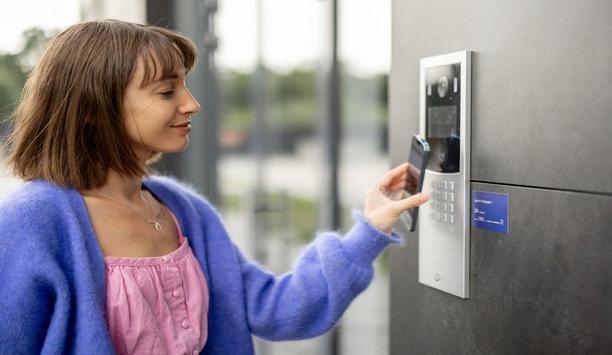
Driving the smart homes market is the convenience of simple technology solutions. Almost every home now has a “smart speaker” that makes it easier than ever for homeowners to interface and control their technology. But where does security fit into the new landscape of smart home systems? We asked this week’s Expert Panel Roundtable: What’s new in smart homes and residential security systems?
Products
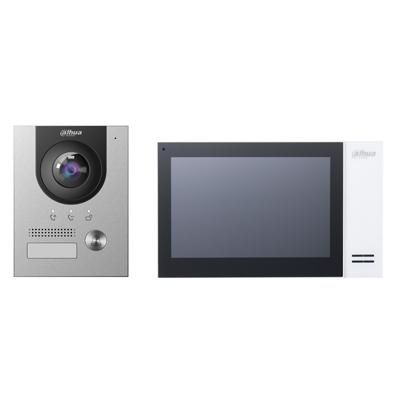

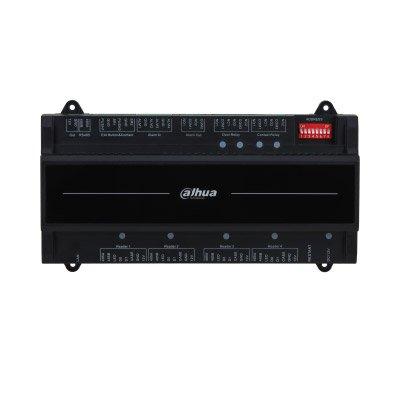
White papers

Maximising enterprise security systems in the cloud
Download
Multi-residential access management and security
Download
11 advantages of a combined system for access control and intrusion
Download
Choosing the right storage technology for video surveillance
Download
Security investments retailers should consider for their 2021 budget
DownloadVideos


Residential security systems: Manufacturers & Suppliers
- Visonic Residential security systems
- Climax Technology Residential security systems
- Bosch Residential security systems
- Dahua Technology Residential security systems
- Pyronix Residential security systems
- Codelocks Residential security systems
- Concord Residential security systems
- Honeywell Security Residential security systems
- OPTEX Residential security systems

Technology's role in securing banks and financial institutions
Download
Security technologies promote real-time awareness in K-12 schools
Download
Integrated systems enable critical and compliant security for transportation
Download
Modernising physical access control
Download
Access. Intrusion. One estate.
Download