Thales has built an undisputed leadership in many markets over the past 30 years and continues this track record in the biometric technology domain. The company regularly benchmarks the accuracy of its algorithms and develops new security mechanisms to fight fraud and continuously improve the efficiency of its face recognition technologies.
However, Thales reminds that the global acceptance of biometrics is closely linked to its responsible and transparent use it. This is an essential parameter for people's adoption expressed in a recent position paper.
Facial authentication technology
With the global digital transformation of the world, facial recognition technology and biometrics at large, have rapidly shown their potential in bringing both the security and the convenience expected for today’s applications.
While it is still at the early stage of global adoption, the technology is ideal for the COVID-era by providing a touch-free experience. In particular, facial authentication helps to easily and safely cross borders, enroll in digital services, or be granted physical access to a building without the need for keys or badges.
Privacy and data protection
Thales solutions are also designed to comply with established data protection and privacy regulations
Thales took a lead in training its algorithms to adapt to the new context of mask-wearing. Thanks to its deep neural network algorithms the technology is more than 99.3 % accurate when no mask is present and around 97% for mask wearers.
On top, complex liveness detection mechanisms have been deployed to flag ID fraud and spoofing attempts, recognising unalive versions of a face (pictures, videos, masks, etc). In addition to these technical advances, Thales solutions are also designed to comply with established data protection and privacy regulations (such as GDPR) and the group openly values the need for ‘ethical biometrics’ in a recent position paper.
Ethical biometrics
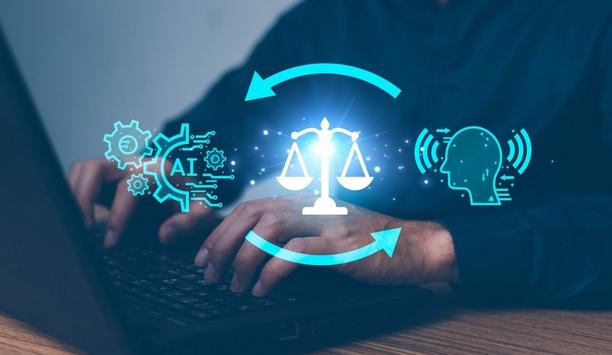
“Our engagement to technologies goes far beyond the quality and the accuracy of our solutions. Today the main stake is not only to launch new solutions but to make sure they are designed to be ethically used, in line with Thales purpose and with people expectations” said Youzec Kurp, VP Identity & Biometrics Solutions at Thales.
“Biometrics being a highly-sensitive technology it became critical to call for more transparency and ethics in its usage; so we can build the trust we need to welcome such innovations in our daily lives.”

- Biometrics
- Digital video surveillance
- Industrial security
- Commercial security
- Security management
- Security monitoring system
- Voice recognition systems
- Facial recognition systems
- Intrusion detection
- Identity management
- Facility security
- Industrial security systems
- Network cameras
- Security software
- Industrial surveillance
- Human identification system
- IP security solutions
- Security communication
- Integration software
- Video Management System
- Corporate Security
- Data Security
- Digital Video Recorders
- Cloud security
- Video surveillance
- GDPR
- COVID-19