Facility security

Brivo, the AI innovator and pioneer in cloud-native physical security, announces the Schlage® XE360™ Series with RealSync™ lock is available within the Brivo Security Suite, delivering continuous, 24/7 Wi-Fi connectivity across all commercial doors at up to 70% lower cost per door than traditional hardwired systems. Historically, bringing electronic access control to secondary or interior openings—which account for approximately 75% of doors in a typical facility—has...

ASIS International, the world’s largest association for security management professionals, has announced its programming lineup for Global Security Exchange (GSX) 2026 with in-person and digital experiences taking place 14 – 16 September at the Georgia World Congress Center in Atlanta, GA, and via the online GSX event platform. “It has been an honour and a joy to chair the GSX 2026 Education Selection Committee and work alongside a dedicated group of security professionals,&rd...

Artificial Intelligence Technology Solutions, Inc., a pioneer in AI-driven security and productivity solutions, along with its wholly owned subsidiary, Robotic Assistance Devices, Inc. (RAD), announces that it has secured a new direct customer agreement with a global healthcare organisation for an initial deployment of multiple RIO 360™ solar-powered autonomous security solutions. The customer is implementing RAD’s AI-driven security technologies as part of a broader initiative focu...

DeterTech is pleased to confirm its attendance at the Solar Careers Hub Glasgow, taking place on 25th February at the Technology & Innovation Centre, University of Strathclyde. UK solar sector Organised by Solar Careers UK, the event brings together employers, students and industry professionals to address skills development and workforce growth across the UK solar sector – one of the fastest growing and most future-proof industries in the world. Supporting protection A...

The use of Photovoltaic power systems (PV), also known as solar panels, has grown over the last decade in commercial settings as many corporations have made commitments to reach zero-carbon emissions in the next few decades to help combat climate change. Solar energy has proven to be a reliable way for corporations to power their facilities without interruption to their day-to-day operations but may come with possible risk. Increased usage of PV power systems has raised awareness of the fire ri...

Hornets Sports & Entertainment (HSE) and Honeywell announced a multi-year strategic partnership that designates Honeywell as the Official Building Automation Partner for the Charlotte Hornets. Through the partnership, Honeywell will deploy its innovative, AI-driven solutions to help enhance the safety and efficiency of HSE’s two core facilities – Spectrum Centre and the Novant Health Performance Centre – for guests, players and employees. At Spectrum Centre, home of t...
News

A wedge barrier system is one of the most effective physical security measures for stopping unauthorised vehicles from accessing a restricted area. Designed for high-threat environments, these barriers prevent breaches that could cause significant harm to people, property, or critical infrastructure. Understanding what a wedge barrier is will help they determine if it’s the right solution for the security plan. What does a wedge barrier system do? A wedge barrier is a heavy-duty, ground-mounted barricade that rises from the ground into a high-strength, angled plate capable of stopping a moving vehicle. When deployed, the wedge shape creates a nearly impenetrable obstacle, able to bring even large, fast-moving vehicles to a stop within a short distance. What makes wedge barriers stand out from other types of traffic barriers, like bollards, tire shredders, or swing gates, is their combination of low visibility when not in use and high stopping power when deployed. Unlike fixed obstacles, wedge barriers can remain completely hidden below ground level until activated, allowing for unobstructed traffic flow during normal operations. Unlike visual deterrents, wedge barriers are crash-rated to meet rigorous standards, such as ASTM or Department of State (DOS) certifications. This means they’ve been tested to withstand direct impact from vehicles of various sizes and speeds without failing. How does a wedge barricade system work? When a security operator or automated system activates the barrier, hydraulic or electromechanical drives raise the steel plate to its protective position. Once fully deployed, the angled plate acts as a solid wall against an oncoming vehicle. In a breach attempt, the wedge barrier’s structural design forces the vehicle’s front end upward while absorbing and redistributing the energy of the impact. This combination of vehicle immobilisation and energy dissipation makes them far more effective than lighter barricades or purely passive deterrents. Additionally, many models are engineered to integrate with advanced access control systems, enabling automated operation based on security alerts or preset protocols. Their rapid deployment speed, typically just a few seconds, makes them ideal for environments where both convenience and immediate threat response are critical. Where should wedge barricades be installed? Wedge barriers are most often used at vehicle access points where security and controlled entry are paramount. Common installations include: Government and Military Facilities: Where vehicle-borne threats are a concern, wedge barriers form part of multi-layered entry control points. Corporate Headquarters and Data Centres: To protect against both targeted attacks and unauthorised intrusion attempts. Airports and Transportation Hubs: To secure restricted zones while maintaining smooth traffic during permitted access times. Stadiums, Arenas, and Event Venues: For crowd safety and prevention of vehicular attacks during large gatherings. Critical Infrastructure Sites: Power plants, refineries, or water treatment facilities, where disruptions could have wide-reaching consequences. It’s important to note that wedge barriers work best as part of an integrated security system. A robust entrance barrier loses effectiveness if the surrounding perimeter is weak, such as a basic chain link fence that can be cut or driven through. Combining a wedge barrier with reinforced fencing, surveillance, and access control systems ensures complete protection rather than a single point of defense. Where are wedge barriers most effective? Wedge barriers are versatile in deployment and can be raised in numerous security scenarios, including: During high-alert security conditions In response to suspicious vehicle activity, such as a vehicle approaching at high speed or refusing to stop at checkpoints To block vehicle entry outside of authorized hours When crowd safety and controlled access are paramount In response to emergency incidents like nearby attacks, riots, or security breaches. By combining operational readiness with rapid activation, wedge barriers ensure that they can respond to both expected and unexpected security threats without compromising day-to-day traffic flow. Choose high-security wedge barriers that they can trust At Delta Scientific, they design and manufacture high-impact protection systems that meet and exceed stringent performance standards. The counter-terrorism barricades are trusted by U.S. government agencies, military installations, and critical facilities worldwide for their reliability, durability, and proven stopping power. Whether they’re securing a sensitive federal site or safeguarding a high-traffic public venue, a wedge barrier can be an essential component of the security strategy. Explore the range of high-security wedge barricades and find the model that best suits their security needs.

DoorBird, a global pioneer in IP video door intercom systems, is proud to announce a new integration with Telecor’s eSeries Public Address and Intercom Solution. This collaboration brings together DoorBird’s advanced IP video technology with Telecor’s robust communication platform, delivering a unified solution for smarter, more secure facility access and communication. DoorBird’s high-definition IP video door stations are trusted worldwide in residential, commercial, and institutional settings. With real-time video and audio communication, remote access control, and seamless integration capabilities, DoorBird devices enhance entryway security and user convenience. Ethernet-based communication system Telecor’s eSeries is a next-generation, Ethernet-based communication system widely adopted in K–12 schools and other critical facilities. It supports both routine communications—such as classroom-to-office calls and scheduled announcements—and emergency notifications. The system can be deployed as a full IP solution or integrated with existing analogue infrastructure, offering a flexible and cost-effective upgrade path. Through this integration, when a visitor presses the call button on a DoorBird device, an alert is instantly triggered on the Telecor eSeries Visual Console. Staff can view a live video feed, communicate directly, and initiate predefined actions such as unlocking doors—all from a single, unified interface. This streamlined workflow enhances situational awareness and strengthens front entrance security. Integrated solution The integrated solution complies with key regulatory standards, including FCC and IC, and is engineered for reliable performance in both indoor and outdoor environments. “We’re excited to partner with Telecor to deliver smarter, more connected entryway solutions,” said Matthew Fullford, Integration Development Manager. “With Telecor’s extensive experience in campus and facility communication systems, this integration creates a powerful combination of intuitive access control and real-time communication that enhances security and streamlines response.”

Allied Universal®, the world’s pioneering security and facility services company, announced that its Unified Command Centre Solution has been named a runner up for the 2025 Project of the Year by Security Distributing and Marketing (SDM) magazine. SDM’s annual Project of the Year Award recognises exceptional commercial security projects in North America and the dealers and integrators behind them. Integrates real-time video analytics The solution optimises logistics, enhances decision-making, and enables threat detection and response The Unified Command Centre Solution is a rapidly deployable security hub that integrates real-time video analytics, seamless communication, and intelligent incident management. The solution optimises logistics, enhances decision-making, and enables swift threat detection and response, delivering comprehensive situational awareness and adaptable security. Advancing technology innovation “We are honoured to receive recognition for our Unified Command Centre Solution, which reflects our continued leadership and commitment to advancing technology innovation in the security industry,” said Steve Jones, global chairman and CEO of Allied Universal. “The acknowledgment underscores our focus on delivering intelligent, integrated solutions that enhance operational efficiency and informed decision-making while upholding the highest standards of safety and security for our clients.” SDM Project of the Year Award submissions are reviewed and recipients are selected by SDM’s editorial staff based on the project demonstrating one of these criteria: extraordinary resources; unique applications or integrations; interesting customer story; or an intriguing challenge solved by the dealer or integrator.

The need for the security response to be accurate, fast, and adaptive has never been more important. A single security breach has the power to impact beyond that immediate ‘moment in time’. It can spiral into potential financial, operational, and reputational damage, taking years to recover from. Not to mention that regulatory and compliance violations can be costly, and legal action and liability claims can be debilitating. The impact to reputational damage and loss of trust caused by negative media and public scrutiny can ruin the competitive advantage. Traditional security models Traditional security models are no longer sufficient for these new environments The rise in sophisticated intrusion threats is also running alongside a shift in the way operations are handled. The introduction to 'always-on' facilities, and flexible workforces means traditional security models are no longer sufficient for these new environments. Proactive security framework Advanced situational awareness is the ability to rapidly perceive, process, and respond in dynamic environments. It is achieved by creating a proactive security framework that brings together heightened observation, pattern recognition, and predictive thinking to not only react to threats but also actively prevent them. This ability to not just see but to know more about threats in real time, respond with precision, and continuously adapt to emerging risks is crucial for maintaining safety, business continuity, and operational stability. A combination of security technologies The combination of security technologies boosts each stage of the security journey from initial detection Multi-layered security is how they do that. By creating several barriers for potential intruders, it becomes more difficult for them to breach the facility. The combination of security technologies strengthens each stage of the security journey from initial detection, through to identification and tracking, stopping threats before they can cause harm. Providing accurate detections FLIR’s multi-layered security solutions integrates intelligent imaging and sensing solutions, along with tools that continuously enhance action and response. The products are designed to provide accurate detections through all hours of the day and, critically, in low light and at night. greater site coverage increased deterrence and risk mitigation increased detection accuracy faster response to incidents reduced false alarms and increase response dispatch confidence reduced total cost of ownership enhanced regulatory compliance and reputational resilience Development of thermal solutions FLIR has been at the forefront of the critical technologies that support the safety of people and assets For more than 45 years, FLIR has been at the forefront of the critical technologies that support the protection of people and assets. The commitment and investment in research and development has delivered some of the key game-changing technological advances in the field. These include the development of thermal solutions for commercial applications and the NEXUS protocol, which enables edge-to-edge communication for fast and accurate tracking. They see beyond products and systems to solutions and behaviour. By combining thermal, visible and ground-based radar imaging with the pioneering video analytics, FLIR’s multi-layered solutions provide them with the strategic building blocks to detect, identify track, and act over a long range and in any weather condition. The power to act – now Advances in technology, automation, and integrated security systems have broadened their use making this level of comprehensive protection more accessible than ever - not just in deployment but importantly, cost. This means the affordability of strategic security is no longer a question. FLIR means every organisation can implement a strategy that aligns with its own specific risks They know their business is unique, which is why the FLIR multi-layered approach is not ‘one size fits all’. They can have the confidence of accurate detection and communication that are specifically designed to be scalable, flexible and adaptable. Working with FLIR means every organisation can implement a strategy that aligns with its own specific risks, operations, and infrastructure. Transforming situational awareness into a security benefit with FLIR FLIR is launching a series of articles and expert insights designed to help organisations move beyond the limitations of conventional measures to integrate advanced multi-layered security into a forward-thinking security strategy. They’ll drill down into each stage of the security solution implementation journey – with in-depth analysis of how FLIR’s integration of advancements in thermal, visible and ground-based radar solutions are transforming detection, identification, tracking and response. Explore how a strategic, layered approach enhances protection, mitigates risks, and ensures business continuity. Deep dive into FLIR’s next general video analytics and the digital layer of security. Discover how advances such as FLIR vAI (AI-based alarm verification) are offering significant improvements in performance over traditional AI analytics. FLIR advantage The combination of the expertise, innovation and technologies to deliver strategic advantage. It is power of integrated tailored security layers that enable them to achieve a more resilient and proactive defence to evolving threats.

Allied Universal®, a pioneering security and facility services company, is proud to report some of the brave acts its security professionals performed during the second quarter of 2025. “Security professionals go to work knowing that they may encounter unpredictable situations where fast, critical thinking is vital,” said Steve Jones, Allied Universal global chairman and CEO. “I am honoured that Allied Universal is consistently represented by heroic individuals who are able to navigate complex, dangerous situations with such composure and skill – in some cases saving lives.” Hall of Fame highlights Q2 2025 Allied Universal Hero Hall of Fame Highlights: Apartment Fire Evacuation – New York: Just after midnight, a security professional received a call from a tenant reporting a fire alarm sounding on floor 31. She immediately contacted the fire department while another security professional ran upstairs to find smoke coming from an apartment with the tenant on the ground inside. He helped the tenant to the elevator, sent it to the first floor and proceeded to evacuate all other tenants. Both security professionals then directed firefighters to the blaze and calmed tenants as they evacuated the building. The fire department spent an hour fighting the blaze. Potential Active Shooter Situation – California: The security professional approached a hospital visitor who revealed a shotgun with his finger on the trigger before backing out of the Emergency Department (ED). The security professional immediately secured the doors and alerted registration to call 911. The ED lobby was cleared, and patients and visitors were moved to safety. The local sheriff’s department responded promptly, and the individual was taken into custody without incident or injuries. Stabbing Victim – New Orleans: A security professional performed a wellness check of a person lying on the ground in a park and discovered the person had been stabbed in the abdomen and collapsed. The security professional called 911. EMS arrived on the scene and transported the victim to a local hospital for treatment. In another recent event at the same park, a different security professional noticed a car parked for a prolonged period. He performed a wellness check and after discovering an unresponsive individual in the car, he immediately contacted the park’s on-duty EMT and 911. The EMT arrived quickly and began working to revive the individual and administered necessary medication. Local EMS arrived on the scene shortly after and transported the patient to the hospital. Reality of a security professional “The reality of being a security professional is that you often face difficult situations, and the sacrifices you make can go unrecognised,” Jones said. “Allied Universal understands this deeply, which is why we make it a priority to recognise those whose alertness and quick thinking have ultimately helped keep others safe.”

Hanwha Vision, a pioneer in security and surveillance solutions, introduces the Audio Beacon, SPS-A100M, an advanced AI-powered audio surveillance solution that ensures users can be alerted and respond rapidly to critical situations. Equipped with a powerful 90dB speaker, five integrated microphones, and intelligent sound classification, the Audio Beacon is engineered to enhance situational awareness and real-time communication. Immediate awareness The LED ring provides a visible and reassuring confirmation that an alert has been triggered From schools, offices and hospitals to restricted areas where cameras may not be an option, the Audio Beacon enables immediate awareness through high-volume alerts and full-duplex two-way audio, supporting rapid decision-making and direct communication with on-site individuals. As well as functioning as a deterrent, the LED ring provides a visible and reassuring confirmation that an alert has been triggered, signalling that the situation has been detected and that assistance is on the way. The Audio Beacon incorporates powerful AI-based sound classification to elevate real-time situational awareness. It can detect specific predefined sounds - such as screams or breaking glass - using deep-learning AI. Direction-finding algorithms The LED ring provides a visible and reassuring confirmation that an alert has been triggered In addition, direction-finding algorithms support users to detect the direction of events. These capabilities enhance situational awareness in complex environments, helping to quickly identify and respond to critical events. A clear, high-output speaker and noise-reducing microphone system enables effective communication even in loud environments. Whether used to broadcast warnings, speak directly to intruders, or respond during emergencies, the SPS-A100M adds an intelligent, interactive layer to security infrastructure. Furthermore, the LED ring enhances visibility of alerts in any lighting condition, to provide staff and on-site individuals with a clear visual signal in real time. The feature has customisable colours and patterns to signal different types of events. Full integration The Audio Beacon supports full integration with key VMS platforms like Genetec, Milestone, and Wisenet WAVE, and communicates across smart building systems using the MQTT protocol. It supports Boolean event logic and delivers alerts via FTP, email, HTTP/S, and more. With FIPS 140-3 Level 3 certification, secure boot, encrypted firmware, and a tamper-detection switch, the device ensures maximum data protection and reliability. Key features of the Audio Beacon: 90dB speaker for broadcast, deterrence, and alerts Five noise-reducing microphones for clear voice capture Full-duplex two-way audio communication Pre-event audio recording for incident verification High-visibility LED indicator for event signalling and deterrence AI-powered sound classification for screams and glass breaks Direction-finding with time difference of arrival (TDoA) and directional algorithms Device alignment calibration via Wisenet installation Real-time notifications via speaker, alarm, FTP, email, HTTP/S, TCP, and MQTT Supports Boolean logic for complex event triggers Compatible with Genetec, Milestone and Wisenet WAVE SCADA and MQTT protocol support for industrial automation Two digital I/O ports for flexible event input/output setup FIPS 140-3 Level 3 certified with secure boot and encrypted firmware Built-in case tamper switch for physical security Easy USB-based installation

Expert commentary

Physical security isn’t a one-time project or a static system. It’s a dynamic, ongoing process and program that requires constant attention and management to remain effective. While the initial implementation of a security system — what we often call Day 1 — is critical, the ongoing maintenance, service, and adjustments made after systems are operational, or Day 2, are equally essential. Security program long-term Organisations that fail to focus on post-occupancy security operations risk falling victim Organisations that fail to focus on post-occupancy security operations risk falling victim to a phenomenon known as "program drift," where systems and policies gradually deviate from their intended standards over time. To manage your security program long-term, you often need an outside perspective. By engaging a security partner to provide managed services, organisations can achieve a strategic solution for maintaining their security programs' integrity, effectiveness, and efficiency over the long term. Let’s look at the reasons why. Moving beyond Day 1 Day 1 is the milestone moment when a security system is launched — whether it’s a new system, an upgraded access control platform, or a transition to advanced surveillance technology. On this day, all components align with established policies and standards. Yet, Day 1 is only the beginning of a security program's lifecycle. What happens on Day 2 and beyond is often where the real work begins. Without a robust plan for ongoing service and maintenance, security systems can quickly fall out of compliance. Policies become outdated, configurations drift, and vulnerabilities emerge. This gradual degradation — program drift — occurs not due to neglect but as a natural result of decentralised management; competing operational priorities; and the lack of dedicated, knowledgeable resources to oversee the systems. Avoiding program drift Drift is particularly pronounced in physical security because, unlike other building systems Program drift occurs when a security program’s elements — such as access controls, camera placements, or intrusion detection settings — gradually become misaligned from their intended standards. Think of a straight line representing perfect compliance on Day 1. Over time, various factors push individual components off this line. Left unchecked, these deviations accumulate, leading to significant vulnerabilities and deferred remediation costs that would be much easier to manage and predict with a more proactive approach. Drift is particularly pronounced in physical security because, unlike other building systems such as lighting or HVAC, security measures are often viewed as inconveniences. Even when systems function as designed, features like turnstiles, visitor management, or additional access controls may face pushback for being "in the way" of daily operations. This resistance and the Day 2 problems that often result — along with the lack of centralised oversight — exacerbate the risk of misalignment and ongoing inefficiencies. Why centralised post-occupancy management matters Post-occupancy management is critical for maintaining the long-term health of a security program. Facility managers, who are often tasked with overseeing security systems, may lack the technical expertise or bandwidth to handle the complexity of modern security infrastructure. Partnering with dedicated professionals to help meet these responsibilities ensures systems are managed effectively and vulnerabilities are addressed proactively. It also helps improve system availability and uptime, accelerate break/fix response and resolution times, lower ownership costs by reducing unnecessary and repeat service dispatches, and achieve a more consistent end-user experience. Moreover, centralised management provides a consistent framework for handling security systems across multiple sites. This consistency is vital in preventing Program Drift, ensuring that local variations or individual decisions do not undermine the organisation’s overall security posture. The case for managed services Hiring outside consultants offers a proactive and professional approach to mitigating program drift Hiring outside consultants offers a proactive and professional approach to mitigating program drift. Specialised providers have the expertise, tools, and resources to manage complex security systems effectively and ensure those systems remain aligned with organisational policies and performance expectations. By acting as a dedicated external resource and interfacing regularly with your security team, your consultant can help you build, manage, and optimise a variety of services that help keep your program on track. These services range from system health and availability management (break fix); move, add change management; system configuration administration; and program/project management offices. Key benefits in the following areas Let’s look at how a managed services a partner can yield key benefits in the following areas: Standards compliance. Centralised management ensures that security systems and processes remain in compliance with established policies and standards, reducing vulnerabilities caused by ad hoc changes or decentralised management. Operational efficiency. Managed services streamline maintenance and support workflows, minimise downtime, and ensure quick issue resolution. Enhanced security resilience. Proactive monitoring and maintenance reduce the likelihood of system failures and improve overall system reliability. Standardised processes for move-add-change (MAC) activities ensure that security configurations remain consistent across locations. Cost savings. Outsourced providers help organisations optimise resources, avoid errors, and benefit from economies of scale in service delivery. Strategic focus. Outsourcing also allows internal teams to shift their focus from routine operational tasks to higher-value activities, such as strategic planning, threat analysis, and incident response. Long-term value of security investments While Day 1 success is the foundation of a comprehensive program, what happens on Day 2 determines your ability to realise the long-term value of your security investments. As the complexity of security challenges grows, pioneers must prioritise sustained management and professionalised oversight to protect their organisations, making the conversation around post-occupancy security more critical than ever. By adopting innovative strategies, implementing mature toolsets and processes, and leveraging specialised expertise, organisations can ensure their programs remain robust, aligned, and prepared to meet the challenges of tomorrow.
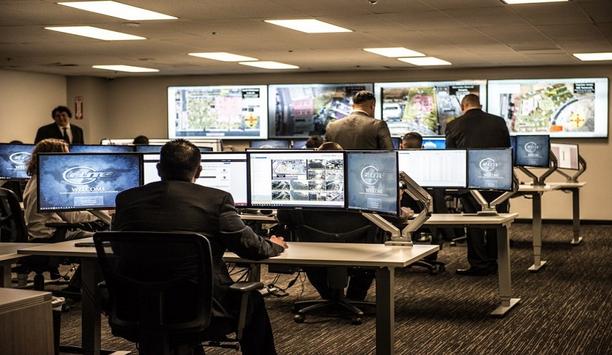
The average business owner or investor has some kind of security precaution in place, especially in the after-hours when there are fewer deterrents to inhibit criminal activity. Security guards, video surveillance systems, motion sensor lights, or even just fake cameras placed around the property are some of the common options people choose. Future of overnight security Smart business owners are starting to realise, however, that some of these traditional security measures are becoming antiquated and no longer cutting. The now and future of overnight security is in remote guarding. Pioneered by companies like Los Angeles-based Elite Interactive Solutions, which was founded back in 2007, remote guarding is revolutionising the overnight security business. Minimising criminal activity Remote guarding is fast becoming the most popular choice among commercial end-user property owners Remote guarding utilises a combination of cutting-edge technology, “digital guards,” highly trained security agents, and local law enforcement if and when necessary to minimise the potential of criminal activity. For those adequately enlightened to its overwhelmingly impressive crime prevention capabilities, remote guarding is fast becoming the most popular choice among commercial end-user property owners to secure and protect their investments. What Is remote guarding? Remote guarding is a revolutionary concept and increasing trend in security systems that utilises a combination of methods to effectively analyse potential threats to property. Cameras and/or other monitoring devices running highly advanced algorithmic software are installed in strategic areas or vulnerable places onsite and remotely located security agents are immediately notified of any activity within a designated perimeter of the property. A blend of AI, cybersecurity, and video analytics When properly deployed by an expert provider, the technology stack includes a proprietary blend of video analytics, artificial intelligence, cybersecurity, and more. Done right, “noise” is effectively filtered out, allowing agents to act on legitimate alerts and achieve zero false alarms communicated to first responders. Today, there are a lot of terms and descriptions tossed around about remote guarding, remote video, virtual guarding, etc., but those attributes must be present to represent the true definition of the offering and its many virtues. Realtime situational awareness Many systems have a two-way speaker that allows the security agent to give a verbal warning When specially trained security agents are alerted to trespassers, possible intruders, or other suspicious activity, they analyse the situation in real-time and determine the necessary level of action. Many systems have a two-way speaker that allows the security agent to give a verbal warning, known as a voice-down, to the individual(s) that they are being watched. Most perpetrators, often believing the response is emanating directly from security personnel on the property itself rather than from a remote command centre, flee immediately. However, if the threat persists, the security agent enlists local law enforcement to get on the scene. Customised remote guarding When properly deployed, remote guarding systems are also customised to specific properties. A team of consultants visits the client’s property to evaluate its vulnerabilities and where to best place cameras and/or other monitoring devices for system efficacy. Traditional security shortfalls According to Keith Bushey, a retired commander for the Los Angeles Police Department, there is much frustration between law enforcement officers and potential victims of crime due to the historically unreliable performance of traditional burglar alarm systems and central monitoring stations. He states about 90% of security-related calls are false alarms, a problem that has been well-documented through the years. Onsite challenges When a legitimate emergency does occur, the perpetrators have often already done their damage When a legitimate emergency does occur, the perpetrators have often already done their damage and/or escaped by the time law enforcement arrives. Onsite security guards are not the remedy either as they bring their own set of issues and challenges. Unexpected costs Traditional security systems can also have unexpected costs. The cost is not only in the security guards’ paycheck or the cost of the equipment itself. The cost comes when an actual incident occurs. In worst-case scenarios, the security guard(s) are injured, the business suffers inventory loss, and/or damage is sustained to the property. The medical and other costs for the security guard(s), the loss of inventory, property damage, deployment of law enforcement resources, and possible fallout of legal expenses all add up. Even in the best-case scenario, false alarm expenses incur if law enforcement is dispatched. These, among many others, are some of the primary issues that remote guarding resoundingly answers as a superior alternative. A bounty of benefits Remote guarding systems have been proven to cut costs and be more effective than traditional security systems. Even though the monthly monitoring costs of remote guarding are significantly higher than traditional intrusion detection system monitoring, the much higher effectiveness in crime reduction, elimination of false alarms, and augmenting or replacement of manned guards result in a substantially higher return on investment (ROI) to the end user. Easy tracking of threats The security cameras already have their image captured on record, making them easier to track down For example, case studies have demonstrated reduced security costs for clients by 60%, on average. These reductions have come from the costs of security staff, inventory, or property loss, plus saving money on insurance premiums and deductibles. The nature of remote guarding reduces the risk and costs of false alarms, with professional security agents able to determine an actual threat before law enforcement is called. In a rare instance when a perpetrator escapes before law enforcement arrives or can detain the individual(s), the security cameras already have their image captured on record, making them easier to track down and identify. Reduction of false alarms The significant reduction in false alarms is greatly appreciated by law enforcement, as it allows them to focus on real emergencies or crises. Better relationships are also developed between clients and law enforcement, as remote guarding systems are highly reliable in providing accurate and real-time information to officers as they approach the scene. In short, it assists law enforcement in doing their job more effectively, as well as more safely thanks to having eyewitness information before engaging in an active crime scene. Partnership When you combine the decreased cost with the increased efficiency and success rate, it is easy to see why many commercial end-user property owners across the country are making the shift to remote guarding. It’s also an outstanding opportunity for professional security dealers and integrators to partner with a remote guarding services provider to bring a superior solution to their end customers and pick up a recurring monthly revenue stream in the process.

It’s no secret that the data security sector is constantly changing. It has an annual CGR of about 12.3%. Future trends in data security Much of this has to do with the rise of cybercrime in recent years, with reports showing that cyberattacks happen as often as every 39 seconds. To combat the growing rate of cybercrime, data security has been on the rise. As we journey further into this era, it becomes evident that a spectrum of significant trends is molding the future of data security. This exploration delves into a selection of these trends, unraveling their importance and the potential implications they carry 1. AI security tools will increase Artificial Intelligence is also being used in the development of smart attacks and malware The introduction of Artificial Intelligence in the data security industry brought significant changes, especially in cybersecurity. AI has been the golden standard for face detection, natural language processing, automated threat detection, and automated security systems. Additionally, Artificial Intelligence is also being used in the development of smart attacks and malware, bypassing even the latest security protocols in data control. And as time progresses, AI security tools will flourish and dominate the scene. Let’s take a more in-depth look at three of the top AI security tools. Targeted attack analysis tool Manufacturers utilise targeted attack analysis tools to uncover targeted and stealthy attacks. Artificial Intelligence can be applied to the program’s capabilities, processes, and knowledge. For instance, Symantec launched this tool to combat the Dragon 2.0 attack in 2022. The phishing attack reprimanded multiple energy companies while trying to gain access to their operational networks. Targeted Attack Analysis Tools can analyse incidents and look for similarities from previous situations. They also help detect suspicious activities and collect all the necessary data to determine whether a specific action is malicious. Intercept X tool Results from the Intercept X Tool feature high accuracy and a low false positive rate Sophos, a British security hardware and software company, launched the Intercept X Tool. It engages a neural network that records and analyses data like a human brain. Sophos’ Intercept X Tool can extract features from a single file and perform a deep analysis. It detects malicious activities within 20 milliseconds. Plus, it’s also trained to work on bi-directional sharing and real-world feedback of threat intelligence. Results from the Intercept X Tool feature high accuracy and a low false positive rate. IBM Watson Technology IBM’s QRadar Advisor uses IBM Watson Technology, a unique AI tool for fighting cyber attacks. Artificial Intelligence can auto-investigate activities and indicators for potential exploitation or compromise. With cognitive reasoning, IBM Watson Technology can present critical insights to accelerate the response cycle. Security analysts can utilise this technology to search for threat incidents, reducing the risk of letting them fly under the radar. 2. Blockchain as a security solution It guarantees no points of failure or hackable entrances that can expose datasets inside the system Blockchain is a type of distributed ledger technology (DLT) that aims to establish trust within an untrusting ecosystem. Today it’s one of the most robust cybersecurity technologies in the industry. Blockchain utilises a decentralised ledger system, but your team members can still gain access to transparent information in the cloud. Members can also record, pass along, and view necessary transactional data in the blockchain. The entire blockchain process maintains data integrity within the system while establishing trust among team members. It guarantees no points of failure or hackable entrances that can expose datasets inside the system. Cybersecurity, biometrics Cybersecurity primarily benefits from these features because blockchain can create a secure and robust wall between data and hackers. On top of that, blockchain ledgers can include biometrics like fingerprints and retina scans. These prevent hackers from accessing any private data. Because blockchain is decentralised, it also limits hackable data. Together with the technology’s record-keeping system, each node is provided insight into data manipulation exposing real-time cybercrime attempts. 3. Increased and widened access control Without access control, expect your company to be open to security issues, including theft, data loss, and breach of data Access control is critical in data security. More than a valuable security tool, business leaders can use access control to regulate people accessing any given resource. A company with an IT security setting can control who has the liberty to edit certain files. One of the primary goals of access control is to minimise threats or attacks to organisations and businesses to keep people and data secure. Without access control, expect your company to be open to security issues, including theft, data loss, and breach of data protection laws. Benefits The benefits of increased and widened access control include: Identifying who can access and control your data at specific time intervals. Protecting data from overwriting, accidental deletion, and malicious intent. User permissions that can be readily changed. Compliance and regulation with data privacy laws. Central management of access to data through a reporting portal or a dashboard. Multi-factor authentication Access control comes in various types and systems, so it’s critical to know the features of what you’re looking for. The most common type is multi-factor authentication or MFA. It involves multiple steps before logging in, requiring the user to enter other relevant information besides the password. Some other examples of information include biometrics, answering a security question, or entering a code sent to the user’s email address. Two-factor authentication, role-based access control Two-factor authentication further prevents unauthorised entries that can result in unnecessary data possession Two-factor authentication further prevents unauthorised entries that can result in unnecessary data possession. Another type of access control is role-based access control. In this setup, only one individual can set up access guidelines and grant permissions to specific team members within an organisation. 4. Greater use of the zero-trust security model The zero-trust security model is a framework that requires every user within and outside the organisation to undergo authentication, authorisation, and validation. These are all essential to ensure proper security configuration before access is granted to the company’s applications and data. A zero-trust model assumes that anyone can cause data breaches and that a traditional network edge is not taken into effect. Moreover, it addresses the following modern-day challenges: Hybrid cloud environments. Security of remote workers. Ransomware threats. This framework utilises the combination of multiple advanced technologies, including: A risk-based multi-factor authentication. Endpoint security. Identity protection. Cloud workload technology. The zero-trust model uses all these innovative tools for system identification, user verification, access consideration, and system security maintenance. Constant validation and monitoring Enforcing strict policies and compliance with data privacy laws are also essential Additionally, it also considers data encryption, email security, and asset verification before establishing connections with applications. The architecture of a zero-trust framework requires constant validation and monitoring of the users and the devices they are using. Enforcing strict policies and compliance with data privacy laws are also essential. More importantly, the zero trust architecture requires all organisations to be aware of all their available services and accounts to gain complete control of data handling and manipulation. 5. Increased privacy regulations Privacy regulations and policies guide organisations in proper data control, handling, and security. These policies guide organisations in proper data control, handling, and security. As a responsible business owner, you must comply with these regulations to avoid legal issues. With cybersecurity attacks becoming common, expect increased and stricter privacy regulations to be released in the next few years. While current policies are still taken into effect, various modifications and adjustments will occur to compete with the rising numbers of data breaches, thefts, data loss, and more. California Privacy Rights Act (CPRA) Currently, the California Privacy Rights Act (CPRA) is the most comprehensive legislation on state data privacy. It only started to take effect on January 1, 2023. The CPRA introduces the following principles: Broad individual consumer rights. Significant duties of people who need to collect sensitive and personal information. Additional definitions of data privacy and security. An individual’s duties include releasing information about data collection to concerned data subjects and proper access, correction, and deletion of information. Final thoughts 2023 is a big year for data security. Trends such as increased adoption of zero-trust policies, a greater reliance on AI security tools, and the implementation of blockchain as a security solution are all things we expect to see shortly. Staying up-to-date with these trends is important for keeping your business current and ensuring that you’re adhering to new and changing regulations. Doing so can give you an edge over the competition and keep you out of legal hot water.
Security beat

Collaboration among manufacturers in the physical security industry can result in systems that are easier to install for integrators and that provide a better customer experience for end users. Illustrating the point is the recent collaboration among a turnstile technology company, a supplier of short-range wireless readers/writers, and a biometric business focused on ‘frictionless’ access control. “The more manufacturers collaborate with each other, the more benefits for end users,” says Steve Caroselli, the Chief Executive Officer (CEO) of Orion Entrance Control. Better collaboration means a better user experience We look for opportunities to collaborate and make sure the experience is above and beyond" Steve Caroselli adds, “Better collaboration means a better user experience. We look for opportunities to collaborate and make sure the experience is above and beyond.” Orion’s collaboration with ELATEC RFID Systems and SAFR touchless biometrics by RealNetworks Inc. highlights the advantages of manufacturers working together to ensure technologies operate smoothly in the real world. Taking ownership of the customer experience When Orion Entrance Control provides a SpeedGate swing-glass optical turnstile, they take full ownership of the customer’s experience. That means ensuring the turnstile application operates as it should, regardless of which component of the broader system might be at fault. To the customer experience, a card reader that doesn’t work is the equivalent of a turnstile that doesn’t work. Which component is at fault is irrelevant, and in fact, invisible, to the overall customer experience. Importance of dependable operation of turnstiles As the most visible element in many access control systems, dependable operation of turnstiles reflects positively on the manufacturer and on the entire system. Orion tests various third-party components with their turnstiles To ensure an optimum customer experience, Orion tests various third-party components with their turnstiles, in order to ensure flawless operation before a turnstile is delivered to a customer. Customers buying an Orion turnstile send the card readers they want to use to Orion’s corporate headquarters in Laconia, New Hampshire, USA, where Orion engineers ensure seamless operation. Ensuring optimum customer experience All readers are designed to be bolted to the wall rather than installed inside a turnstile In addition to scenario-based testing, readers are placed inside the turnstile for a streamline appearance, which can be a challenge given the variety of sizes and types of readers a customer might choose. All readers are designed to be bolted to the wall rather than installed inside a turnstile, which complicates adaptation efforts. In short, historically for Orion, ensuring the optimum customer experience involved extra time and effort, although obviously it was worth it. Providing flexibility for any environment Seeking to simplify the process, Orion has found an alternative to using many different types and models of card readers for its turnstiles. Deploying an RFID reader/writer from ELATEC provides flexibility to operate in a variety of card and reader environments, including almost all 125 kHz and 13.56 MHz contactless technologies. The product is compatible with low-frequency (LF), high-frequency (HF), near field communication (NFC) or Bluetooth Low Energy (BLE) signals. An integrated BLE module supports mobile ID and authentication solutions. There is an integrated antenna for LF and HF to ensure excellent contactless performance. ‘Universal’ configuration of the ELATEC reader hardware Using applicable firmware, the ‘universal’ configuration of the ELATEC reader hardware is compatible with any card system. It works with all the access control protocols, including SEOS, OSDP and other open protocols. “We can stock an open SKU and flash the firmware as per the customer requirement,” says Steve Caroselli. The small form factor (around 1 1/2 inches square) of the ELATEC module lends itself to easy installation inside the turnstile housing. Easy availability of the ELATEC readers helps Orion continue to serve customers, despite recent disruptions in the supply chain. And, ELATEC’s reader hardware has earned global certifications that enable Orion to use their products for customers around the world. Testing to ensure smooth operation ELATEC was responsive at every stage as the relationship evolved, providing sample equipment for testing Before embracing the ELATEC reader module, Orion tested it for several months to ensure compatibility with its turnstiles. ELATEC was responsive at every stage as the relationship evolved, providing sample equipment for testing and working closely with the Orion team. Everyone in the ELATEC sales and engineering team, right up the company’s C-suite, worked to support Orion during the testing phase. In the end, in addition to other advantages, ELATEC’s detection speed and read range compares favorably to competing technologies. “We move really fast as an organisation, so we are looking for other organisations that move very fast,” says Steve Caroselli, adding “We met with ELATEC one week and had the equipment for testing the next week. We like to work with companies that move fast, and they are culturally aligned with how we do business.” Orion turnstiles with ELATEC TWN4 Palon Compact panel The Orion turnstiles incorporate an ELATEC TWN4 Palon Compact panel, a versatile panel-mount reader designed for integration into third-party products and devices. It supports enhanced interfaces, especially RS-485, and reflects the advantages and integrated tool support of the ELATEC TWN4 family. Orion is implementing SAFR SCAN biometric technology using hardware and software from RealNetworks Inc. “The selection of ELATEC products allows Orion to provide their customers and partners with a flexible RFID reader solution that supports numerous credential options and virtually all transponder technologies,” said Paul Massey, the Chief Executive Officer (CEO) of ELATEC, Inc., adding “This is especially valuable in multi-tenet, multi-credential environments.” Orion works with all the various stakeholders – architects, consultants, integrators, and end users – to ensure total satisfaction with an installation. Biometric technology for ‘frictionless’ access control Orion is also implementing SAFR SCAN biometric technology into their turnstiles using hardware and software from RealNetworks Inc. The facial recognition reader technology, designed for mainstream commercial access control, provides a ‘frictionless’ experience, and allows users to pass through turnstiles at a walk. The system can authenticate up to 30 individuals per minute with 99.9% accuracy, despite varied lighting conditions. SAFR’s system provides a good user experience Orion designed a mounting system to incorporate the biometric reader into their turnstile design Orion designed a mounting system to incorporate the biometric reader into their turnstile design. SAFR’s system provides a good user experience, when it comes to enrollment. On each turnstile, the SAFR technology can operate separate from the ELATEC reader or in conjunction with it for multi-factor authentication in higher-security applications. Innovation for new applications A broad approach to the customer experience reflects Orion’s positioning as a technology company, in addition to being a manufacturer of turnstiles. Their Infinity software is the ecosystem ‘nerve centre’ platform to ensure operation and connected through a single ‘pane of glass.’ The need to protect more entrances beyond the lobby led Orion to develop its recently patented DoorGuard, a LIDAR-based solution that detects each person who passes through a doorway and prevents tailgating (like a turnstile) for applications, such as stairway doors, perimeter doors, data centres, IDF closets, etc. The software mimics the advantages of a turnstile to monitor access control and occupancy. Removing friction during installation and beyond Orion’s Constellation is a presence detection system that uses UWB (ultra-wideband) radar to sense where people are in a building for emergency response and building utilisation applications. “One of our core values is to remove friction and make customers’ lives easier,” says Steve Caroselli, adding “Our people-first philosophy is: What can we do to make your life better? We want to be systematic, and everything must be repeatable in terms of how we react and interact with customers.”

The Global Security Exchange (GSX 2022) in Atlanta in September 2022 is the latest example of the energetic post-COVID resurgence of security trade shows. On the vibrant show flow, discussions centered on topics such as the security industry’s need for more employees and the lingering impact of a months-long supply chain crisis. Against a backdrop of continuing industry challenges, exhibitors and attendees were diverted by a wealth of new opportunities as the industry rebounded. Several major players had big product announcements at GSX 2022 in Atlanta. Manufacturers unveil the latest technology The big news at Genetec was “5.11.” That’s the newest version of Security Center, which is “all in,” i.e., providing everything Genetec offers in a single “unified” platform. The unified approach streamlines the process for systems integrators, makes quotes easier, and adds value for customers. Standard, Pro, and Enterprise versions provide video, access, and LPR “right out of the box.” Genetec is also launching a new web and mobile client for the “next generation operator.” Paid intern programme Kyle Hurt says the security industry’s biggest challenge is attracting personnel Kyle Hurt, Genetec’s Senior Sales Director, North America, says the security industry’s biggest challenge is attracting personnel (even more challenging that the supply chain.) Genetec’s response is a robust paid intern programme, welcoming 120 interns into various departments for a full semester. The programme helps to feed Genetec’s need for new talent. “You can’t coach passion,” said Hurt. WiseNet Edge Hanwha Techwin introduced a “serverless camera” at GSX 2022, named the WiseNet Edge. It is a video camera with a built-in solid-state hard drive for storage. The camera can store its own video and take in other camera feeds. In effect, it operates like an NVR but is less expensive and with an internal solid-state drive. Video can be viewed through a cloud browser, and Hanwha’s WAVE software, loaded on the camera, enables the management of several cameras at a site. High-res video is stored inside the camera, and any information can be shared with the cloud according to the needs of the application. i-PRO Mini i-PRO launches its own Video Insight video management system and MonitorCast access control i-PRO has fully transitioned away from Panasonic and is charting its own ambitious future path. Seeking to be “bold, trusted, and flexible,” the company is releasing a raft of new products, filling in previous gaps in the line, and bringing forward new innovations, including a full complement of AI. In addition to hardware, they have their own Video Insight video management system and MonitorCast access control, which was part of the Video Insight acquisition in 2015. An i-PRO Mini is a tiny camera, smaller than a smartphone. All cameras are NDAA compliant. People are coming together “The show has been phenomenal,” said Josh Letourneau, Chief Commercial Officer, Prosegur USA. “It’s very nice to see that people are coming back. After the pandemic, we are finally in a position of coming together. Lots of organisations are coming to see us.” Intelligence-led risk management Prosegur is a global company looking to expand aggressively in the United States, creating multiple “metropolitan service areas,” where the company’s fully integrated offerings are available. What makes the company unique is its “intelligence-led risk management,” says Josh Letourneau, adding “It’s more than AI, it’s about human intelligence, too." Prosegur sees evolution and growth opportunities in the U.S. market. “We are one of the largest companies no one has heard of,” adds Letourneau. “The show seems as back to normal as possible,” said Keith Bobrosky, President of Delta Scientific, who attended the show although his company did not exhibit, adding “There seems to be a generally positive spirit about the show this year.” Physical security protocols Bobrosky sees data centres as the next big market for his company’s vehicle barriers Bobrosky’s company has worked aggressively to avoid the impact of supply chain issues, ordering plenty of extra inventory to avoid the possibility of a part running out of stock. “We got ahead of it and are past the worst of it,” he said. Bobrosky sees data centres as the next big market for his company’s vehicle barriers. “The government will mandate physical security protocols for cybersecurity locations because they house data that affects national security,” he says. Robots and indoor drones ADT Commercial highlighted robots and indoor drones for security apps at their booth. The newest versions of the humanlike robots offer extra padding, more fluid movement, and 360-degree viewing for a better virtual reality (VR) experience, including better peripheral vision. Robots can operate for four hours without a charge and “know” when to return to the charger (to “top off” every hour). Fully autonomous indoor drones can also replace guards, flying near the ceiling and generally after business hours. The use of either robots or drones can lower costs when compared to hiring human guards. Varied uses for canines in security Glen Kucera, Chief Executive Officer, MSA Security, highlighted the capabilities of canines for explosives and firearms detection. “People don’t realise the flexibility of what they can do,” he said. Kucera says canines provide a sophisticated solution to address the escalating active shooter and criminal threat. MSA Security was acquired last year by Allied Universal, adding to the company’s varied offerings for threat detection and management. Rather than individual products, Allied Universal’s emphasis at the show was on bringing solutions together. Their message: Risk is multi-dimensional and different from one client to the next. Access control Access control needs to develop more modern interfaces to compete with new technology companies AMAG’s news at the show included a new president, David Sullivan, who highlighted AMAG’s role as one of the “last independent access control companies.” He said, “The beauty of AMAG is its installed base and loyal integrator channel.” Sullivan sees changing trends in how office space is managed in the wake of the pandemic. More workplace management applications will emerge, with one of the elements being access control. Access control also needs to develop more modern interfaces to compete with new technology companies entering the market. An encouraging sign is that AMAG had its best year ever in 2021. Orion Entrance Control Orion Entrance Control showed off one of its modern new turnstiles at the RealNetworks/SAFR booth at GSX 2022. The turnstile incorporates an access control module from Elatec to update and expand card reader functionality. Using the module streamlines Orion’s processes and avoids having to update a customer’s readers individually. The turnstile at GSX also incorporated a facial recognition system from SAFR, which could be used instead of, or in addition to, the access control reader. Balancing the cloud and on-premise systems Salient Systems is looking to balance the use of on-premise and cloud systems and emphasise data instead of video. Rather than a single market, Salient sees security as a variety of smaller markets, each focused on different needs. Salient’s customers are typically larger and have multi-site deployments with thousands of cameras. On-premise systems appeal here because they offer an element of control. Open-platform APIs Internal teams at customer sites are seeking out and finding new ways to leverage the data from video systems “People have a keen interest in control and ownership of their data,” says Sanjay Challa, Chief Product Officer, Salient Systems. Internal teams at customer sites are seeking out and finding new ways to leverage the data from video systems, and some of the uses fall outside the traditional “security” market. Open-platform application programming interfaces (APIs) enable more integration with various systems, and broader applications enable customers to leverage budgets from other stakeholders in an organisation. Add-on services “They’re unwilling to shift the entire solution to the cloud, but they want to leverage cloud technologies,” says Challa. For Salient, a cloud system provides remote access to monitor and service video installation remotely. “We enable the integrator to reach into your system to provide a higher level of service,” says Sanjay Challa. He concludes, “Our add-on services bring the best of the cloud to on-premise systems, and integrators don’t have to roll a truck to solve a problem with the system. We are focused on helping integrators succeed.”

As new technologies incorporate artificial intelligence (AI) and overall uses of AI continue to expand, what protections are in place to prevent its misuse? Artificial intelligence, like any technology or security measure, is not inherently bad. It can, however, be used for nefarious purposes and in ways that were never intended or thought of. ‘Responsible AI Policy’ to protect users Prosegur has created a ‘Responsible AI Policy’ to protect users from potential AI threats As an AI company, Prosegur has created a ‘Responsible AI Policy’ to protect users from potential AI threats, and to prevent employee and partner misuse of AI-enabled technology, with guard rails in place to hold them accountable, if artificial intelligence is being used nefariously. “Any security or similar company that utilises AI with its products should monitor for potential misuse and implement a similar policy for protection,” contends Mike Dunn, the Chief Technology Officer (CTO) at Prosegur USA. Requirements of Prosegur’s ‘Responsible AI Policy’ include: Human action and oversight - Prosegur heavily monitors their agents using an integrated international security operations centre (iSOC). Floor and shift supervisors ensure that everything is working properly and that incidents are handled. They also ensure employees are logging into AI-enabled cameras and other technologies for the right reason. Transparency - As with any new company-wide policy, Prosegur wants to ensure that every employee learns about the policy and their duties to uphold it. “In doing this, we are making sure that all processes involving AI development are transparent, so any employee can understand and implement the policy into these processes,” says Mike Dunn. Non-discrimination and equity - Prosegur seeks to make sure employees are using AI-enabled technology to look for known criminals, for example, and not profiling or singling people out. Having a policy in place ensures agents are aware. Accountability - The most important part of the policy is to hold people accountable, if AI-enabled technologies are misused. Violation of the policy will result in disciplinary actions, which can range from HR (Human Resources) intervention to possible suspension. For partners, Prosegur would cease and desist using their products immediately upon finding out about any misuse. Leading the charge for ethical AI practices Prosegur is proud to lead the charge for ethical AI practices, by creating this first policy of its kind" “Prosegur is proud to lead the charge for ethical AI practices, by creating this first policy of its kind, and we hope that other security organisations follow suit,” says Mike Dunn. Technology can do wonderful things. In security, technology can help to stop crimes and even to prevent them from happening with deterrents and alarms. Important to take action to stop ‘bad actors’ However, as with any industry or group of people, there will be ‘bad actors.’ Mike Dunn said “It is important to take actions to stop those people, but it is also important not to condemn all technology or practices when this happens.” Even proven, effective technologies can be used for bad (as well as good). An example is TSA Scanners at the airports. They were designed to provide safer air travel, picking up things that normal metal detectors could miss. Misuse of AI technology can cause lot of harm However, it came to light that a few ‘bad actors’ were using this technology and sharing silhouetted nude pictures of passengers. This has since been patched and fixed, but nonetheless, it’s a great example of how misuse can break people’s trust. As a whole, technology can be dangerous. If not used as intended, it can be used to hurt people. The U.S. government has found that China was using facial recognition and demographic analytics to classify and identify people, based on their ethnicity and that technology singled them out for tracking. Important to ensure analytics and AI used as intended As a society, I think it’s important for us to take that first step and self-police any use of these analytics" “As a society, I think it’s important for us to take that first step and self-police any use of these analytics,” said Mike Dunn, adding “At a minimum, (we should) set policies and procedures to make sure these analytics and AI are being used as intended.” As use of artificial intelligence (AI) continues to increase, an industry standard would ensure companies have protections in place for their employees, clients, and partners. Having a policy is the first proactive step in ensuring AI protections. However, companies need to enforce accountability too. Effectively handle security threats and vulnerabilities Mike Dunn continues, “By heavily monitoring for unethical AI practices and enforcing disciplinary actions when needed, companies will be better prepared to handle security threats and vulnerabilities.” At Prosegur, monitoring agents are heavily trained, taught procedures and then closely supervised by several methods. “This is something that should be common practice in the security industry,” says Mike Dunn, adding “We have employed a compliance officer to help us stay ahead of the curve. Fortunately, we have seen many manufacturers and end users adopt this practice as well.” Compliance officers can act faster than new laws enacted Compliance officers can act faster than new laws being enacted, and often will hold their company to higher standards than a minimum threshold. Mike Dunn concludes, “Putting a responsible AI procedure in place is Prosegur’s way of taking on this problem we see in our everyday work.”
Case studies

Having an emergency response plan is essential for businesses of all sizes, across every industry. But in energy facilities, particularly those dealing with hazardous or explosive materials, it becomes a crucial, and often strictly regulated life safety requirement. In an emergency, not only is it critical to identify where all employees are located, but also that any visitors, contractors, or vendor partners are all accounted for and safely evacuated. When an alarm sounds, duty of care requirements and regulatory requirements dictate that companies have protocols in place to effectively respond to an emergency and know precisely who is on-site and that everyone can exit as quickly and safely as possible. Equally important is making sure that everyone at the facility is aware of and follows emergency guidelines. Challenge According to data compiled in the 2021 Guide to the Business of Chemistry from the American Chemistry Council, “Facilities in Texas and Louisiana produce 80 percent of the nation’s primary petrochemical supply, and Texas chemical production tops the nation by far, with chemical shipments valued at $117.5 billion, representing a major portion of the region’s economy, but also the potential for significant security risks and challenges.” Some petrochemical plants use a traditional, paper-based mustering solution for emergency response scenarios. These manual methods of notifying, mustering, and accounting for personnel can result in costly, potentially dangerous inefficiencies during an emergency. Site access control and visitor management processes are also typically stand-alone and do not communicate with each other, which forces manual processes to log and reconcile individuals when mustering during an emergency response evacuation or a required emergency drill. To do this, chemical plant security staff typically prints the logs from on-site access control and visitor management systems, then crosses off the names of individuals from the lists when they are accounted for manually. Each list is reconciled on its own and by hand. This outdated process can take hours to complete and holds a potentially high risk of error. Solution Everon is working with various Houston area petrochemical plants to update their emergency notification systems with innovative, cost-effective solutions. According to these customers, Everon provides comprehensive solutions to fit their needs, and maintains a level of professionalism and dedication to service excellence that other companies too often fail to meet. One solution Everon has proposed to combat this problem across chemical plant facilities consists of three integrated technologies that include: Cloud-Based Access Control: An access control system that is cloud-based may be easier to implement and have a lower cost of entry. This system provides a log of all badged personnel on site to the mustering system for accounting of personnel during an emergency. Visitor Management System: This system allows visitors to pre-register and be managed electronically when they come to the plant while providing visibility in case of an emergency. Mustering Software and Card Readers: These provide seamless management of emergency events, including electronic mustering, unit accountability, and ERT readiness. Access control logs from the cloud-based system With this solution, access control logs from the cloud-based system and visitor management logs can automatically tell plant operations how many people are on-site through the mustering software. A number of portable mustering units were commissioned with card readers, which allow for quick and easy confirmation of badge reads from fixed muster locations. In addition, warning lights and speakers were also added at plant entrances to alert personnel to emergency events. The mustering system’s mustering software takes the information directly from the access control and visitor management logs and communicates directly with the plant operators. This allows them to manage the entire emergency using the software, starting with an accurate count of who is in the plant and then quickly and easily managing individuals as they safely exit. Emergency response events can be initiated with the click of a button and significantly improve the amount of time needed to accurately count the number of people evacuating the plant. Installations are consistently performed with personal safety in mind. Everon believes that no work is worth doing if it’s not done safely and in full compliance with governing regulations and standards. No recordable injuries or lost-time events were recorded during any of the projects completed by Everon at any Houston area petrochemical plants. Results According to one client, "Our previous method of pen and paper was very inefficient and antiquated. Everon's solution with our emergency response protocol gives us the cutting edge in technology. Not only does it allow us to become well-organised and systematic, but safer." Emergency response drills at each petrochemical plant are now completed in minutes, not hours, and emergency responders receive visual confirmation when everyone is confirmed as safe. The plants consider having digital reports of employees that are on- and off-site at the plant a major bonus, along with the ability to deploy mass notifications between the plant and local communities. Said another client, "We are extremely satisfied with our choice of Everon as our life safety partner and are currently working with them to update analog cameras in our plant, as well as advance our infrastructure to bring other innovative security, health and operational monitoring technology solutions to our facility."

Xtract One Technologies announced its SmartGateway has been selected by Nova Scotia Health to strengthen security measures and provide AI-powered weapons detection across facilities province-wide, with an initial order of 25 systems. Nova Scotia Health, in tandem with its nurses’ union, is working to modernise and strengthen security across its facilities to ensure a safe environment for all patients, visitors, and staff. Adopting and deploying advanced technologies like SmartGateway is an important step toward achieving that goal. Safe and secure health care By helping to limit the number of potentially dangerous items entering their hospitals, this technology supports its commitment to providing safe and secure health care. Xtract One was selected for its proven efficacy to accurately detect knives, a top priority for the organisation. Previously tested in Truro, Nova Scotia, over a 12-day trial period, SmartGateway successfully scanned 7,400 individuals entering the facility and detected 49 prohibited items during that period, mostly pocket knives and box cutters. Deploying SmartGateway “Violence against healthcare workers is a challenge that persists and demands addressing. By deploying SmartGateway, Nova Scotia Health is setting an important example for what it means to take meaningful action to protect frontline healthcare workers, patients, and visitors,” said Peter Evans, CEO of Xtract One. “This installation marks another key step in our expanding work with Canadian healthcare organisations, having deployed in Manitoba earlier this year. We look forward to continuing to deliver effective threat detection as more providers take proactive measures to prioritise security and peace of mind for their teams.” Overall approach to security “Our goal is to deliver first class healthcare, and ensuring the safety of all who enter our facilities is a critical step in providing that service,” said Dean Stienburg, Director of Security for Nova Scotia Health. “With SmartGateway, we’re making tangible strides in bolstering our overall approach to security. We were impressed by the system’s effectiveness during the trial period and are looking forward to the deployment helping us mitigate and respond to the threats of today’s environment.” Maximising security screening outcomes SmartGateway delivers fast, discreet, and accurate individual screening, utilising AI-powered sensors to unobtrusively scan for weapons and other prohibited items upon entry. This technology replaces intimidating, traditional metal detectors and mitigates the need for individuals to remove personal items. This prioritises individual privacy and comfort, all while maximising security screening outcomes. SmartGateway is designed to enable seamless passage through checkpoints and promote the uninterrupted flow of movement.

Allied Universal®, the world’s pioneering security and facility services provider, has been selected by Seton Hall University™ to provide campus security programs. This moves strengthens the University’s commitment to providing a safe, secure, and welcoming environment for students, faculty, staff, and visitors. New security program Allied Universal will deliver comprehensive campus security services, including trained personnel, safety patrols, and emergency response support. The new security program is designed to enhance the University’s existing safety infrastructure, while helping to ensure that the campus community benefits from Allied Universal’s expertise in proactive risk management and security operations. New partnership “On behalf of Allied Universal, I want to express our sincere appreciation for this new partnership and for our shared commitment to creating a safer campus community,” said Steve Jones, Allied Universal Global Chairman and CEO. He adds, “As the pioneering security provider for higher education, we are excited to have been chosen to work with Seton Hall University as a higher education campus safety partner.” Seton Hall’s ongoing commitment The selection of Allied Universal builds on Seton Hall’s ongoing commitment to campus safety, combining the University’s strong public safety framework with Allied Universal’s proven expertise in higher education security. Together, the collaboration aims to provide a proactive, community-focused approach that reinforces a secure, welcoming environment for everyone on campus. Seton Hall’s mission “Allied Universal brings deep experience supporting higher education institutions across the country,” said Sergio Oliva, Associate Vice President for Public Safety and Security, adding “Their approach emphasises professionalism, training, and engagement with the communities they serve, values that align closely with Seton Hall’s mission and our own Public Safety philosophy.”

In an emergency, first responders, School Resource Officers (SROs) and responsible parties need to gain access to campus buildings to assess alerts and potential threats. With Connect ONE®’s new Emergency Response Platform (ERP), included with any service level at no additional charge, first responders and SROs can view cameras, unlock doors and outputs, activate task functions, initiate lockdown and see recent activity. Connect ONE ERP Connect ONE ERP unifies multiple school systems into one interface without separate site log-ins The Connect ONE ERP unifies multiple school systems into one interface without separate site log-ins. Integrators can offer 911 and dispatch centres viewing and access control of schools to assist responders during critical threats. The cloud platform ERP provides a separate agency login with specific designated permissions for first responders, who can only see customer site locations shared by the security dealer. Emergency Response Platform “The Emergency Response Platform allows Connect ONE dealers to partner with local law enforcement by providing the tools they need to diffuse an emergency quickly and effectively with powerful information to view and control facility security,” said Dan Simon, Technical Director, Connected Technologies. He adds, “It’s a great solution to heighten safety and create safer experiences for the public, while ensuring you keep a customer long-term with a valuable service.” ERP: Use-case in action Nightwatch Security & Telephone LLC has executed the ERP at several of the area’s school districts Nightwatch Security & Telephone LLC, Sedalia, Mo., has implemented the ERP at several of the area’s largest school districts serving more than 5,000 students. Nightwatch Owner, Jeff Kesterson said it’s simple to update proximity key fobs and input agency officer’s access codes to stay current with staffing changes or modifications to permissions. “First responders and SROs maintain access to schools with proximity access control key fobs, but staying current with staffing changes was unwieldy before the ERP,” said Jeff Kesterson. Key fob credentials The Sedalia Police Department, which has access to schools in the city, said the ERP is a huge timesaver for administering key fob credentials. “Ease of administering credentials was important and adding or removing personnel from the system was clunky before the ERP. Instead of logging into all the school systems separately, we can look at everything in one place,” said Commander Joshua Howell, Operation’s Support Bureau, Sedalia Police Department. Connect One’s GeoView System Mapping Viewing and controlling options are also available via Connect One’s GeoView System Mapping Viewing and controlling options are also available via Connect One’s GeoView System Mapping – a real-time Google mapping feature, which adds the capability of seeing floor plans of the building along with point and click control of doors and cameras. Dispatch can easily respond to officers on-site and unlock doors for quick entry by clicking on GeoView’s map and door icon. Other features of the ERP A single application screen to add or remove agency personnel system codes/access credentials from shared customer systems. System codes are included in profile templates, so permissions come pre-defined for simple additions by the agency. Permissions may only be modified by the dealer to prevent misconfiguration; customers will maintain the ability to view the permissions without making changes. Activity by agency personnel is reviewable by the customer in reporting and notifications. Integrates with leading intrusion, access control, video, fire, temperature, humidity, MNS, environmental and weather systems. Connect ONE and the ERP is the unified, cloud management platform for schools that’s making a difference with easier access while increasing situational awareness.

Interface Systems, a pioneering managed service provider delivering business security, actionable insights, and purpose-built networks for multi-location businesses, announced the successful completion of a major security upgrade for Bethesda Community Church and Bethesda Christian School in Fort Worth, Texas. Serving more than 530 students from preschool through 12th grade, Bethesda Christian School is recognised among the top private schools in Texas. Modern safety and security systems High level of activity required modern safety and security systems to protect students Between church services, school operations, and community events, the multi-building, 26-acre campus welcomes hundreds of people daily. This high level of activity required modern safety and security systems to protect students, staff, and parishioners while simplifying daily operations. Bethesda’s aging fire alarms, intercoms, and CCTV system were increasingly unreliable, creating false alarms and communication challenges. To address these concerns, the church turned to Interface to modernise its infrastructure. Deployed an integrated solution Interface designed and deployed an integrated solution that included: Fire Alarm System: Replacing the outdated system with a modern fire alarm system that communicates urgency effectively without causing unnecessary panic, particularly important for schoolchildren. Managed Access Control: Introducing a modern system that makes it easier for administrators to manage entry to the campus. The cloud-based setup means they can grant or restrict access remotely, without having to manage complex on-site servers. Video Surveillance Upgrade: Installing a 64-channel IP camera system on the new school building, with expansion capability to replace legacy analog cameras over time. The system provides remote monitoring and allows staff to verify alarms with live video before responding, helping to reduce unnecessary dispatches. Intercom and Paging: Replacing the outdated intercom with a flexible IP-based system that supports school bell scheduling, room-to-room communication, and all-campus announcements. It also integrates with access control, giving administrators a simple way to manage visitor entry. Remote access to cameras and alarms The installation was carefully phased to minimise disruption to classes and worship services “The new system is effective. It gets the point across that it’s time to evacuate, but it doesn’t create panic, especially among the kids,” said Rick Campbell, Facilities Manager at Bethesda Community Church. “Having remote access to cameras and alarms has been a huge help.” The installation was carefully phased to minimise disruption to classes and worship services. “Interface worked around the kids and kept us up and running during installation,” Campbell added. “The integration was seamless, and now everything is running smoothly.” Interface’s upgrades With Interface’s upgrades, Bethesda has significantly reduced false dispatches, streamlined communication across the campus, and gained the ability to scale its systems for future growth. “Initially, we were unsure about the cost, but the investment has been well worth it,” Campbell concluded. “I’d recommend Interface to other churches without hesitation.”

A.C. Camargo Cancer Centre, a pioneering oncology treatment centre in São Paulo, Brazil, recognised for its history of innovation, announces that its partnership with Axis Communications has produced savings of more than $2 million over its first two years, all of which will be reinvested in patient care. A.C. Camargo has deployed more than 2,000 state-of-the-art video surveillance cameras throughout the Centre’s corridors, complex care units, and parking lots, embracing a more holistic approach to security that emphasises patient and employee safety along with improved quality of service. Hospital’s security infrastructure Founded in 1953, A.C. Camargo treats an estimated 100,000 patients annually and is one of the world’s largest healthcare institutions and a pioneering provider of cancer treatment and research. Prior to partnering with Axis, financial losses due to theft were a growing concern for A.C. Camargo The Centre is not just a hospital, but a comprehensive care platform that includes prevention, investigation, staging, treatment, palliative care, and rehabilitation services for all types of cancer. Prior to partnering with Axis, financial losses due to theft were a growing concern for A.C. Camargo, and hospital pioneers sought to transform the hospital’s security infrastructure in a way that would both enhance its security posture and streamline patient care and services. Advanced new video surveillance devices “Nearly 15,000 people pass through our entrances each day, and caring for those patients extends far beyond operating or patient rooms,” said William de Souza, Corporate Manager at A.C. Camargo Cancer Centre. “By deploying advanced new video surveillance devices, we are enabling our security teams to maintain round-the-clock vigilance and our medical personnel to provide the highest quality of care to our patients." "With cameras monitoring all areas, including cafeterias and parking lots, we are always looking for potential warning signs—even after patients have been discharged. If anything seems amiss, we can alert our team that additional medical care may be needed.” Key national and international certifications The Axis devices are equipped with video analytics that allow the Centre to go beyond asset protection. These analytics are deployed with a high degree of sensitivity to ensure high-quality care for patients, their families, and the nearly 6,000 staff members on-site daily, while also protecting their privacy. Axis cameras have enabled the A.C. Camargo Centre to improve operations and meet key national and international certifications through: Increased Operational Efficiency: The system enhances operational efficiency by proactively detecting critical issues such as power outages, water leaks, and equipment malfunctions – including refrigerators used for medication storage. This early detection helps prevent medication loss and limit downtime. Additionally, the system can identify nitrogen leaks and immediately trigger luminous alerts, enabling staff to respond quickly and prevent potentially hazardous situations from escalating. Optimised Parking Management: With more than 300,000 vehicles passing through the Centre’s parking facilities each year, traffic management is critical. The new system helps streamline the process by automatically identifying licence plates belonging to authorised vehicles. Enhanced Patient Care: By providing continuous monitoring in critical areas, such as surgical centres, and delicate procedure rooms, like cellular medicine and pathology, the system enhances patient safety while maintaining strict compliance with privacy regulations. Emergency Management Solutions: Cameras throughout the facility are equipped with analytics that detect falls and suspicious behaviour and can even assist in identifying and preventing situations where individuals in distress might harm themselves. Integrating video surveillance cameras Both A.C. Camargo and Axis Communications remain committed to further implementing solutions “The implementation of Axis solutions at A.C. Camargo Cancer Centre underscores what is possible when innovation is paired with a deep commitment to care,” said Carlos Machado, End Customer, Key Account Manager, Brazil at Axis Communications. “By integrating video surveillance cameras enhanced with analytics, the Centre has made safety a central pillar of its operations, allowing staff to fully focus on what matters most: the health and comfort of their patients. By doing so, hospital leadership has set a compelling example for other institutions facing similar challenges.” Improvement in patient outcomes After initially implementing 300 cameras, A.C. Camargo quickly noticed a difference. The Centre moved to further scale the system, adding hundreds of additional cameras to achieve greater coverage throughout its facilities. Now, there are a total of 2,100 cameras throughout the seven buildings that make up the Centre. Looking to the future, both A.C. Camargo and Axis Communications remain committed to further implementing solutions that support continuous improvement in patient outcomes and operational effectiveness.
Round table discussion

Headlines of violence in our schools are a reminder of the need to keep educational institutions safe. In fact, if there is a positive aspect to the constant bombardment of headlines, it is that it keeps our attention perpetually focused on how to improve school security. But what is the role of physical security systems? As the new school year begins, we asked this week’s Expert Panel Roundtable: Are schools safer because of physical security systems? Why or why not?

As physical security technologies become more complex, it is incumbent on the dealer/integrator to have the skills and expertise needed to ensure that a system operates smoothly. The value of integrators increasingly rests on the skill sets they bring to bear when installing a system. If the skills are missing, there is a problem. We asked this week’s Expert Panel Roundtable: What missing skills among security integrators can cause problems for customers?

Driving the smart homes market is the convenience of simple technology solutions. Almost every home now has a “smart speaker” that makes it easier than ever for homeowners to interface and control their technology. But where does security fit into the new landscape of smart home systems? We asked this week’s Expert Panel Roundtable: What’s new in smart homes and residential security systems?
Products
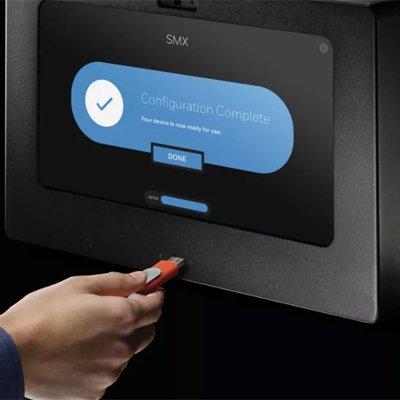


White papers

Unlocking smarter decisions with key control
Download
The ultimate guide to mastering key control
Download
Securing care closer to patients
Download
Video technology strategies for hospitals are moving beyond security
Download
Modernizing facilities management
Download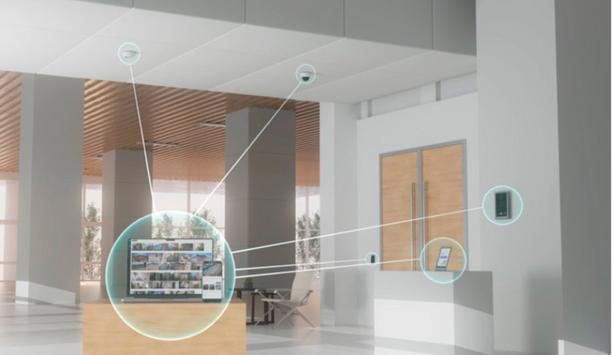
5 ways to strengthen physical security with an integrated system
Download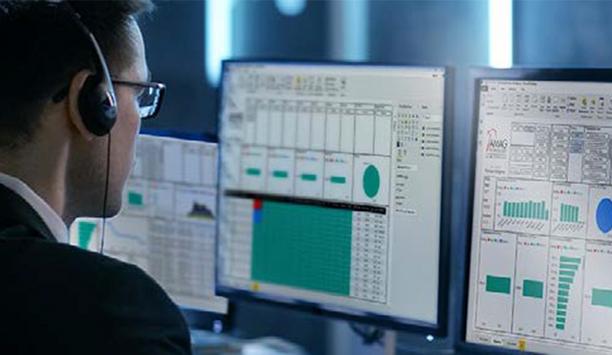
How analytics engines mitigate risk, ensure compliance and reduce cost
Download
Preparing your organisation with quality situational awareness
Download
Is your access control as effective as you think?
Download
Is your access control system as secure as you think?
Download
High-Security Electromechanical Locking Solutions For Critical Infrastructure
Download


Technology's role in securing banks and financial institutions
Download
Security technologies promote real-time awareness in K-12 schools
Download
Integrated systems enable critical and compliant security for transportation
Download
Modernising physical access control
Download
Access. Intrusion. One estate.
Download