

Among the cloud’s many impacts on the physical security market is a democratisation of access control. Less expensive cloud systems are making electronic access control affordable even to smaller companies.
Cloud-based access control
With the growing cloud-based access control market, integrators can find more opportunities in small businesses and vertical markets that typically wouldn’t be on the radar of their sales team. Large upfront costs for a server, software and annual licensing previously made a typical electronic card access system cost-prohibitive. With cloud access, integrators can offer less expensive upfront costs with low monthly subscription fees that cover all software updates, database backups, security patches and more.
The benefit for the integrator is recurring revenue that increases their profitability
The benefit for the integrator is recurring revenue. While helping clients save money on server, software and IT infrastructure costs, integrators secure recurring revenue that increases their profitability. Building recurring revenue not only provides cash flow but also keeps a manufacturer’s name on the top of the minds of customers and leads to additional sales.
Mobile access
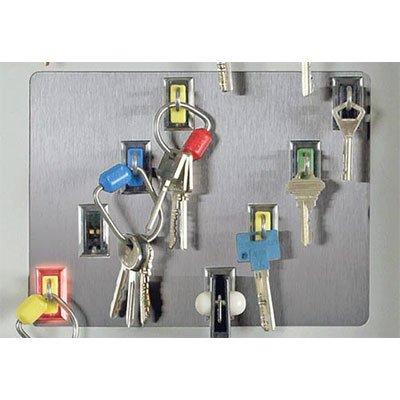
Continued investment in mobile access and cloud technology is essential to meet the access control needs of the booming multi-family housing and shared office-space markets. Managing access control for end users and residents in these verticals is challenging. Use of mechanical keys in these environments is too expensive and time consuming; it’s necessary to deploy wireless, technologically-advanced solutions.
 |
| Managing access control for end users in different verticals is challenging, thus it’s necessary to deploy wireless, technologically-advanced solutions |
While the security industry has traditionally been slow to adopt IT technologies, the cloud is the exception. Large IT industry cloud players such as Amazon Web Services, Microsoft, and Google are being used by security industry professionals to provide systems that are easier to install, maintain, and administer and are far more secure and less expensive than a customer can provide on their own.
Advancing cloud technology
Cloud technologies give people access through their mobile phones and other devices
Enterprise customers increasingly want to be able to use smartphone apps to open doors, authenticate to enterprise data resources or access a building’s applications and services. They seek to create trusted environments within which they can deliver valuable new user experiences; in effect, there is a demand for “digital cohesion.”
Cloud technologies are a key piece of the solution. They give people access through their mobile phones and other devices to many new, high-value experiences. At the same time, they help fuel smarter, more data-driven workplace environments. With the arrival of today’s identity- and location-aware building systems that recognise people and use deep learning analytics to customise their office environment, the workplace is undergoing dramatic change.
Application programming interfaces
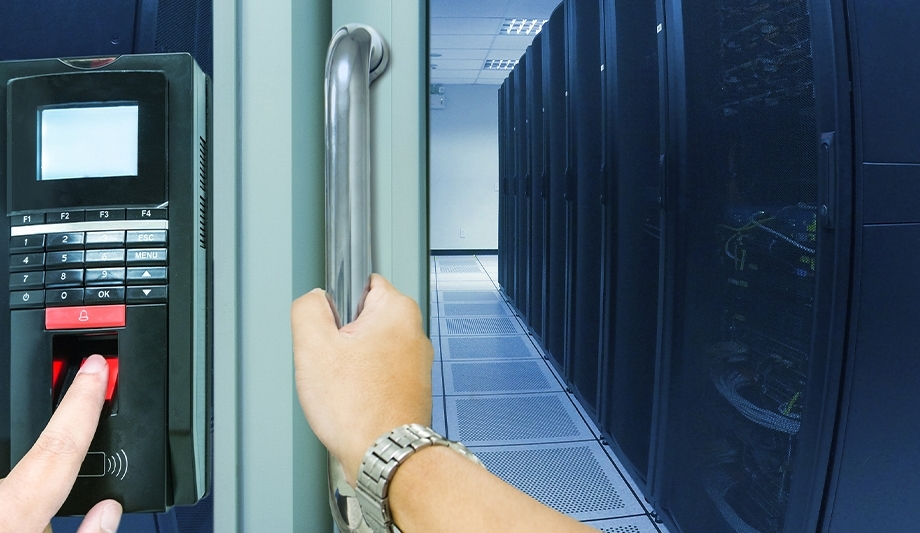
Cloud-based platforms and application programming interfaces (APIs) will help bridge biometrics and access control in the enterprise, overcoming previous integration hurdles while providing a trusted platform that meets the concerns of accessibility and data protection in a connected environment.
 |
| Cloud-based platforms, APIs will help bridge biometrics and access control in the enterprise |
“A big growth driver for the cloud is demand from enterprises that no longer look at access control simply for securing doors, data and other assets,” says Hilding Arrehed, Vice President of Cloud Services, HID Global, one of our Expert Panelists. “They want to create trusted environments within which they can deliver valuable new experiences to users. Cloud technologies make this possible by enabling people to use mobile devices for new applications and capabilities.”Cloud-based platforms and application programming interfaces (APIs) will help bridge biometrics and access control in the enterprise
Cloud-based platforms
For example, cloud-based platforms will provide the backbone for quickly adding complementary applications like biometrics, secure print, virtual photo IDs, and vending as well as other access control use cases and emerging permission-based capabilities yet to be developed.
“Cloud-based platforms facilitate new managed service models for mobile IDs and secure issuance and will fuel simplified development environments and easy integration into vertical solutions,” says Arrehed. “They have the potential to give organisations greater flexibility to upgrade and scale security infrastructure, improve maintenance and efficiency, and accelerate ROI.”

- Network / IP
- Biometrics
- Electronic security systems
- Residential security systems
- Physical security
- Security access systems
- Electronic access control
- Identity management
- Door access control
- IP security solutions
- Cyber security
- Corporate Security
- Data Security
- Mechanical Locks
- Cloud security
- Mobile access