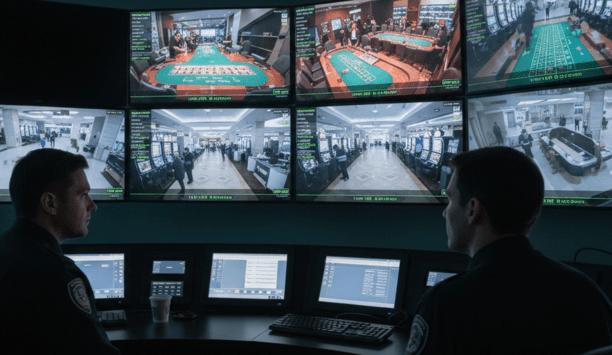

If a video surveillance system is installed using public funds, should the resulting video therefore be accessible to the public?
A poll in the United Kingdom suggests the majority of Britons think it should. 64 percent of 1,345 people surveyed believe that British taxpayers, who pay for cameras placed in public places, should have access to the video feeds through live web streaming. The survey was conducted by installer CCTV.co.uk.
There could be advantages to providing public access to video, such as the ability to see if a shopping district is crowded before leaving home. Survey respondents favouring the practice also listed “help police spot crime” and “hold police to account” as benefits. Others said they could “look for friends.”
I believe making video public would open a whole new can of worms and likely cause a vehement new backlash against the use of public surveillance cameras while not contributing any new value for legitimate law enforcement uses.
In the United States, at least, I think a lot of people accept the necessity of surveillance cameras only grudgingly in spite of their “privacy” concerns, or what more accurately might be called the “creep factor.” While acknowledging that nothing anyone does in a public place (in view of a camera) could be considered “private,” no one really likes the idea of being watched.
One of the ways local jurisdictions have allayed such concerns over the years has been by implementing specific (and limiting) guidelines about how video is viewed, recorded and used. Recording is limited, and only stored for a brief period of time unless it is related to a crime. Precautions are taken to keep video from getting into the wrong hands or being used for non-law enforcement purposes. Given these limits imposed in the interest of “civil liberties,” most people accept the idea of being watched.
If you take away the limits, and open up public surveillance to any creep with a laptop, all the rules go out the window. People can watch anyone they want (or even stalk someone using video). Opponents in the U.K. survey said the practice would “attract ghouls.”
There are more CCTV cameras in Great Britain than anywhere else, so maybe the British have developed a greater tolerance for being watched – or a higher level of interest in what other people are doing in public places. How else do you explain the majority view reflected by the survey?
The proven approach in the U.S. has included common sense limitations on how video is used, and appropriate oversight of those who need to use it. It’s a policy that has enabled an effective, if shaky, balance between civil liberties and the need to protect the public.