

Europe has set an ambitious goal. With the European Green Deal, leaders aim to make the continent climate neutral by 2050. Ireland is following this lead, promising to cut greenhouse gas emissions by 51% before 2030. And solar energy is a key part of this plan.
If you drive through rural Ireland today, you can see the changes happening. Solar farms now cover former grazing land and open fields. They work quietly and efficiently, providing clean electricity to homes, hospitals, schools, and businesses. Most of the time, these sites are empty. There are no workers patrolling the area and no lights in office windows at night.
Clean energy supply
That stillness, however, hides a growing risk. Each solar site holds millions of euros worth of equipment.
Every megawatt of solar power relies on a complex network of copper cables, solar panels, inverters, and electrical systems. These parts are valuable, especially when copper prices are high. For thieves looking for quick profit, an unmanned solar farm can seem like an easy target. Just one act of trespassing or vandalism can lead to stolen wiring, damaged panels, and production shutdowns that last days or even weeks. Repairs are expensive, but the bigger problem is the impact on clean energy supply and trust in the infrastructure supporting Europe’s low-carbon future.
Standard video cameras
A report from PV Magazine says police in the United Kingdom have seen a sharp rise in solar-related crimes
That stillness hides a growing risk. Each solar site holds millions of euros worth of equipment. A report from PV Magazine says police in the United Kingdom have seen a sharp rise in solar-related crimes, with cases increasing by 93% between 2021 and 2022. This trend is familiar: when commodity prices go up, rural energy sites attract more attention from criminals. While a passerby might see only glass and steel, others see scrap metal and resale value.
For a long time, many of these sites and businesses did not prioritise security. They put up fences, used standard video cameras, and hired guards. These steps provided some reassurance, but often only responded after damage had already happened. Traditional cameras record events but rarely stop them. Guards cannot monitor every part of a large site, especially when solar farms cover hundreds of acres.
Traditional security methods
As renewable infrastructure expands, traditional security methods are no longer enough. The industry needs to change its approach.
As Europe builds more renewable energy projects, security should become a main part of planning. Developers now consider not just energy output, but also how resilient a site will be. Communities want the infrastructure supporting their climate goals to run smoothly, and investors want to know that sites and assets are safe.
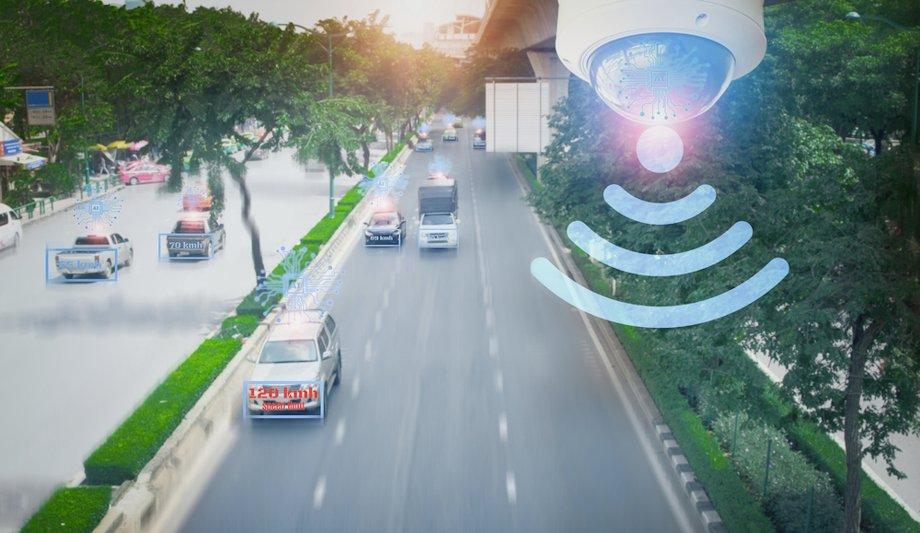
New technology is now helping protect remote energy sites. One method uses video analytics along with live operators who watch camera feeds from remote centers. Instead of waiting for alarms to go off after a breach, these systems can spot unusual activity as it happens. For example, if someone lingers near a fence late at night, the system can send an alert that is different from one triggered by wildlife passing by earlier.
Preventing similar problems
This approach aims to move security from just recording events to actually stopping them
When something suspicious happens, security teams can check the situation and decide if they need to respond. Sometimes, operators send a live audio message to let people know they are being watched. This can stop trespassing or theft because it takes away the feeling of being anonymous.
This approach aims to move security from just recording events to actually stopping them. If a situation gets worse, staff can follow set procedures and keep watching until it is over. Afterward, they write incident reports. These records help with reviews, regulatory paperwork, insurance claims, and learning how to prevent similar problems in the future.
Large solar projects
Ireland already shows how this model works. Several large solar projects across the country now use integrated, remote monitoring from the very start of construction. At one major site, developers installed 170 cameras, investing nearly €1 million in security alone. This amount shows more than just caution. It marks a change in how the industry sees protection. Security is now as important as engineering and grid connection in project planning.
Security is now as important as engineering and grid connection in project planning
A solar farm that runs smoothly does more than just make electricity. It helps meet climate goals, boosts energy independence, and shows stability. If a site is left unprotected, the impact goes beyond one facility. It affects energy supply and public trust. That is why security should be a basic part of development.
Providing reliable power
As Ireland grows its solar capacity, it sets an example for the rest of Europe. Clean energy is not just about building infrastructure. It also requires steps to protect what has been built. The new fields of glass and steel are more than just power sources — they are shared commitment to a more sustainable future.
Protecting that future requires ongoing effort. Europe is creating its clean energy landscape one panel and one field at a time. By caring for the security of these sites as much as their construction, these quiet areas will keep providing reliable power and support a stronger energy system for years ahead.