IP video surveillance

Matrix Comsec, a foremost provider of enterprise security and surveillance solutions, announced a technology partnership with Yotta Data Services, integrating its SATATYA IP Video Surveillance portfolio with Yotta’s Drishticam AI Powered Cloud Native Video Surveillance as a Service(VSaaS). The integration enables organisations to transform conventional video surveillance into a centralised, cloud-managed, AI-powered security ecosystem that simplifies operations across distributed enterpr...

VITEC, a pioneer in IPTV and digital signage solutions, and Actelis Networks, Inc., a market pioneer in cyber-hardened, rapid deployment networking solutions for IoT applications, now announced a new partnership to deliver IPTV and digital signage to facilities operating on legacy RF coaxial infrastructure. This robust, market-ready solution enables IP video distribution over existing coax cabling, eliminating the need for costly retrofits. By combining VITEC’s advanced IPTV platform with...
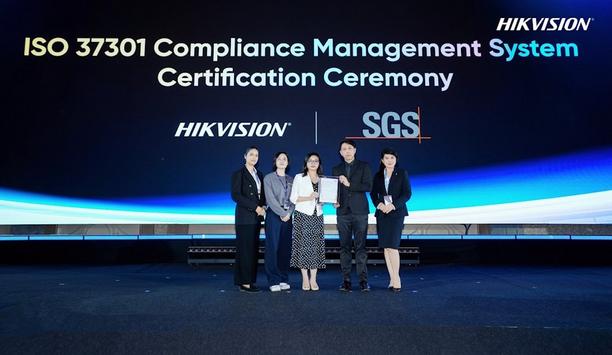
Hikvision announced recently that it has achieved the ISO 37301:2021 Compliance Management System certification from SGS, the world's renowned testing, inspection, and certification company. This milestone, highlighted in the certification ceremony at the Shaping Intelligence Hikvision Commercial Summit 2025 in Bangkok, Thailand, affirms that Hikvision’s robust compliance framework aligns with global standards, supporting the company's resilient growth worldwide. A Testament to Complianc...

With the new RDF6100DN dome cameras, Dallmeier is expanding its successful Domera product family. The new model series is characterised in particular by its edge analytics capability, enhanced security features and an attractive price-performance ratio. The cameras of the RDF6100DN series were specially developed for applications requiring a balance of functionality and cost-effectiveness. As a high-performance entry-level solution within the Domera product family, the cameras offer...

Milestone Systems will use the GEFION supercomputer to accelerate the development of sovereign, responsible, and high-performance AI within Europe. The work will focus on the deployment and fine-tuning of the world’s most advanced AI Vision Language Model (VLM) for traffic and smart city applications, developed by Milestone in collaboration with NVIDIA. Today, millions of video cameras capture valuable footage that could improve everyday life. Yet much of this potential remains...

barox Kommunikation AG is delighted to announce the launch of their new technology partnership with Network Optix, the latest addition to their extensive integration portfolio with market pioneering VMS and PSIM providers. This new integration is designed to transform the management and support of Network Optix Nx Witness video networks. Utilising the new barox Network Optix plug-in, Nx Witness users will be able to capitalise on a greater depth of integration capabilities. Key features i...
News

i-PRO Co., Ltd. (formerly Panasonic Security), a global pioneer in professional security, public safety, and medical imaging solutions, announced it has been officially Certified as a 2025 Great Place to Work across all regions where it operates, including Japan, the Americas, EMEA, Asia Pacific and China. The certification reflects i-PRO’s ongoing investment in a safe, inclusive, and empowering workplace culture. Based entirely on employee feedback, the recognition highlights consistent experiences of trust, fairness, and belonging across the company’s global operations. According to this year’s global survey results, 90% of i-PRO employees said they felt welcome when joining the company, while employees across all regions reported a strong sense of fairness and inclusion, regardless of race, gender, or sexual orientation. Pride and community Eighty-five percent said they take pride in being part of an organisation that contributes to society and supports the communities where it operates. Employees also cited flexibility and strong support for well-being as central to what makes working at i-PRO a uniquely positive experience. “Earning Great Place to Work certification across all regions shows that our values of being Flexible, Bold, and Trusted are more than words—they are lived and felt globally,” said Masato Nakao, CEO of i-PRO Co., Ltd. “Our people feel safe, welcomed, and supported, and that consistency across cultures is what truly defines i-PRO.” Dayanna Nunez, Chief Human Resources Officer at i-PRO, added: “This certification demonstrates that the character of i-PRO, defined by our fairness, care, and respect, is universal. Regardless of where they are based, our teams share the same sense of pride and community that drives innovation and collaboration every day.” Validated employee feedback Great Place to Work is the global benchmark for workplace culture, employee experience, and leadership behaviors proven to drive retention, innovation, and business performance. Certification is awarded based on validated employee feedback gathered through a rigorous, data-driven survey process. Each year, the Great Place to Work Institute surveys employee engagement at over 10,000 companies across approximately 150 countries, issuing certifications and rankings. i-PRO is committed to ethical, transparent, and people-centered management and organisational practices.

Videonetics, an AI-powered video computing platform, proudly announces its continued association with ONVIF, the world’s pioneering standardisation initiative for IP-based physical security products. As a Full Member of ONVIF for three consecutive years, Videonetics – the only true blue-bred VMS and Video Analytics brand from the APAC region and serve on its various strategic committees, continues to reinforce India’s role in shaping global standards for interoperability, openness, and responsible AI in video technology. Since joining ONVIF in 2013 and attaining Full Member status in 2023, Videonetics has transitioned from participation to strategic influence. Collaborating across global committees and forums in Istanbul, Montreal, Bangkok, and beyond, the company is fostering innovation, interoperability, and responsible AI adoption across the global video technology landscape. Deep commitment to global collaboration “Our full membership and active participation in ONVIF working committees underscores Videonetics’ unique position as the only Indian VMS and Video Analytics company from the APAC region — driving innovation, shaping standards, and championing interoperability worldwide.” “It reflects our deep commitment to global collaboration and advancing the industry with open, intelligent, and future-ready technologies,” said Bhardwaj Naik, Chief Revenue Officer, Videonetics. "By working closely with leading technology partners and standards bodies across the world, we continue to build an ecosystem where openness, interoperability, and intelligence deliver sustainable value for customers and the industry at large.” Through this membership, Videonetics reinforces its mission to build trust, flexibility, and long-term value for customers. Its ONVIF complaint solutions supporting Profiles S, G, T, and M deliver seamless integration across diverse devices and platforms, empowering governments, enterprises, and critical infrastructure operators to scale with security and efficiency.

Secure Logiq has completed the hardware supply for a significant surveillance and AI infrastructure project in Saudi Arabia, working closely with recent distribution partner Valuable Diamond. The deployment includes multiple petabytes of enterprise storage and high-performance AI servers that will support advanced video analytics and intelligent surveillance for one of the Kingdom’s most prestigious end users. In a region where demand for reliable surveillance infrastructure continues to accelerate, this marks a strong step forward for the Secure Logiq team, particularly where Vision 2030 is driving major investment in smart, connected security environment. Right technology meets “This project really highlights what can happen when the right technology meets the right channel partner,” says Ben Yoxall, Joint Managing Director at Secure Logiq. “Valuable Diamond have an exceptional understanding of the Saudi market and the challenges end users face. Their commitment, technical insight and on-the-ground presence have been central to making this deployment a success. We’re incredibly proud to be working alongside them.” Large-scale surveillance and AI infrastructure The project was supported by Hossam Abouzeid, Secure Logiq’s Business Development Manager for KSA and Bahrain, working closely with Valuable Diamond’s Mohammad Nassar and Wessam Salameh. With large-scale surveillance and AI infrastructure becoming increasingly critical across the Kingdom, this partnership is already laying strong foundations for future growth.

FLIR, global pioneer in high-performance marine thermal-imaging systems, is pleased to announce that the Ocean Scout Pro handheld thermal imaging camera, has been awarded top honours in the “Personal Equipment” category at the 2025 DAME Design Awards. The DAME Design Awards, held annually at Metstrade in Amsterdam, celebrate excellence in marine equipment design, innovation, and functionality. Winning in the category highlights the Ocean Scout Pro’s contribution to enhancing safety and performance for both recreational boaters and maritime professionals. Ocean Scout Pro: Next-level thermal imaging for every adventure The Ocean Scout Pro represents the next generation of FLIR’s handheld monocular thermal cameras, delivering performance previously reserved for high-end fixed systems at a fraction of the cost. Compact and rugged, the camera empowers boaters to detect vessels, obstacles, and crew members in the water in complete darkness or challenging conditions. Wireless streaming to mobile devices enables real-time sharing and improved crew coordination, and the ergonomic design ensures comfort and ease of use in demanding marine environments. The DAME jury praised Ocean Scout Pro as “a brilliantly designed iteration that takes FLIR’s handheld range to the next level.” They also noted its ability to deliver premium performance in a neat, portable unit, enhancing safety and situational awareness for all on board. Commitment to innovation and safety “We are honoured to receive this award,” said Gregoire Outters, General Manager, FLIR Marine. “Ocean Scout Pro embodies our mission to make advanced thermal imaging accessible to every boater, ensuring safer navigation and greater confidence on the water.” To learn more about the Ocean Scout Pro, please visit stand number 08.729 at Metstrade at the RAI Amsterdam.

HID, a worldwide pioneer in trusted identity solutions, is proud to announce that its new Textile Services platform, powering next-generation linen management, has received a Red Dot Award recognising excellence in design concept, interaction, UI and user experience. The hospitality industry often struggles with inflated linen costs and high stress due to outdated inventory systems and chronic overstocking. While many existing RFID solutions offer basic tracking, they fail to turn raw data into actionable intelligence. Textile Services platform HID's Textile Services platform fundamentally shifts this paradigm. It moves beyond basic tracking by providing a user-centered system with intuitive dashboards and intelligent algorithms. The platform gives housekeepers and hotel managers detailed, real-time linen status visibility—showing what is available, in use, in laundry, or missing. By pairing this data with AI forecasting and smart triggers, the mobile-friendly design transforms operations into a precise, cost-saving, data-driven workflow that the linen management industry had not experienced before. Human-centered design The success of the project was driven by a focus on user experience and rapid, iterative user testing. Through the RITE (Rapid Iterative Testing & Evaluation) methodology, the HID team engaged real users from luxury hotels across the Middle East, Europe, Asia, and the United States to validate and refine every feature. Testing early prototypes revealed what truly mattered to operational staff—such as precise inventory discrepancy tracking—leading to significant design pivots that ensure the solution directly addresses critical user pain points and helps luxury hotels manage linen costs more effectively. The Red Dot Award: Design Concept is one of the most prestigious design competitions worldwide, recognising new design ideas and innovations. Winning the award is a strong indicator of the future market potential and design excellence of a concept.

Expanding their sales operation to cover North America, barox Kommunikation GmbH, the Swiss manufacturer of video security networking L2/L3 switches, media converters, IP extenders, and network management software has appointed Reinhard Florin to the role of Vice President of North America Sales. In this new role, Reinhard will be leading the development and execution of barox’s go-to-market strategy as well as head a team of sales and technical support professionals. Through this appointment, barox is leveraging their proven success outside of North America and bringing their unique portfolio of networking products, designed for video security applications, to the North American marketplace. Reinhard brings over 30 years of senior executive experience in the networking industry where he advanced some of the most recognisable brands, most recently as the Global General Manager of Comnet by Acre. Unique set of networking products “barox has developed a unique set of networking products and technologies geared to the demanding requirements of video security networking in critical infrastructure environments,” says Reinhard. “They are committed to developing the North American marketplace and I look forward to heading the rollout of their industry-leading solutions across the region.” Outside of the Americas, barox products have been deployed extensively by customers in the government, financial, healthcare, education, IT, transportation, utilities, correctional, and manufacturing market segments. Distributed software agent technology One of barox ’s differentiating solutions is the ‘Smart-barox’ plug-in, designed to greatly extend the inter-operability of Video Management Software (VMS). Incorporating a distributed software agent technology, the barox plug-in enables a “single pane of glass” within the VMS for network wide management integration of cameras, video streams, and the network connectivity provided by barox hardware devices. This provides users a single point of control and management of the video network. The barox plug-in is compatible with major vendor VMS solutions, including those from Milestone and Genetec. This advanced technology reduces the time, effort and costs associated with setting-up and maintaining IP video networks. Greater geographic video surveillance coverage “Driven by greater geographic video surveillance coverage, advancements in camera technology and the use of AI, video security networks in North America are increasingly more sophisticated and complex.” "This requires a networking solution specifically designed for this environment,” continues Reinhard. “barox’s comprehensive, application specific, portfolio of hardware and software products uniquely meets this requirement.” High demands of video surveillance networks “barox designs all of its products to address the high demands of video surveillance networks, and we anticipate making a big difference in the North America market,” says Rudolf Rohr, barox Co-founder & Managing Partner. “This includes keeping video networks secure. barox products include a robust set of video networking cyber security features and functions. We are eager to support system integrators and network operators in North America in protecting their video networks from cyber-attacks and failures.” Reinhard and the barox North America team will be available to demonstrate the power of the barox portfolio of solutions, live, at ISC East at the Javits Center, NYC on November 19 and 20, 2025 at stand 215.

Expert commentary

Where and how to store security camera footage usually depends on the scale of the video surveillance project, the way you are using to record the video and how long you want to keep the recordings. If there are only few IP cameras, say 2~3 IP cameras for example, and you don’t need to keep the recordings for the month, usually using SD card which is installed in the camera is enough. Video management software A VMS provides a unified platform to manage all cameras and record footage onto centralised local storage servers If there are more than four cameras, even up to 128 cameras, NVR or CVR become the practical choice for managing and storing recordings reliably. However, if there are hundreds or thousands cameras, which need to managed and recorded, in this way video management software with centralised recording storage becomes essential. A VMS provides a unified platform to manage all cameras and record footage onto centralised local storage servers. S3-compatible cloud platforms Critically, if the VMS supports the S3 object storage protocol, users gain the flexibility to store recordings on S3-compatible cloud platforms (public or private), offering significant hardware cost savings and enhanced scalability. For such demanding environments, selecting a VMS built on an open platform architecture is strongly advised, ensuring the system can expand infinitely to meet future project growth. Video surveillance management system Users can seamlessly add subordinate servers (or disk groups like IPSAN/NAS), disk arrays, and network bandwidth Take the video surveillance management system SVMS Pro as an example. Its foundation is an open 1+N stackable architecture, enabling unlimited expansion of recording storage servers. Users can seamlessly add subordinate servers (or disk groups like IPSAN/NAS), disk arrays, and network bandwidth. This achieves extended recording durations and boosted storage performance while maintaining system stability during sustained operation (assuming environmental requirements are met). Key architectural advantages Each centralised storage module based on a Linux OS, supports up to 200 front-end video channels per server. Its N+1 stackable expansion capability utilises a distributed architecture, forming clusters of storage servers. Scaling the project involves simply adding subordinate storage modules – no modifications to existing deployments are required. Seamless S3 object storage integration Furthermore, SVMS Pro features deep integration of the S3 object storage protocol Furthermore, SVMS Pro features deep integration of the S3 object storage protocol. This allows seamless connection to major public cloud services like Alibaba Cloud OSS, Tencent Cloud COS, and Amazon S3 cloud, as well as private S3-compatible object storage solutions. This integration delivers truly limitless capacity expansion, leveraging the inherent elasticity of the cloud to effortlessly accommodate petabyte-scale video growth. Dual insurance: Multi-layered data protection The critical value of security data comes with inherent risks; losing video footage can lead to immeasurable losses. To mitigate these risks comprehensively, SVMS Pro innovates with its "Local + Cloud" Dual-Backup mechanism, leveraging S3 features to build multiple security layers: Real-Time Dual-Writing: Recordings are first written to the local disk (acting as a cache buffer). Upon local persistence, data is simultaneously replicated to cloud-based S3 storage, guaranteeing instant failover if either node fails. Smart Hot/Cold Tiering: Frequently accessed ("hot") data remains on high-performance local storage, while historical footage is automatically archived to low-cost cloud tiers, optimising storage expenses. Cross-Regional Disaster Recovery: Utilising the multi-replica and cross-region replication features of carrier-grade S3 storage inherently protects against physical disasters like earthquakes or fires. Additionally, the platform ensures comprehensive data protection through integrity verification and encrypted transmission, safeguarding data integrity and confidentiality across its entire lifecycle – from storage and transmission to access. Conclusion In essence, selecting the optimal storage solution for security footage hinges on a fundamental understanding of scalability requirements, retention needs, and data protection imperatives. As surveillance deployments grow from a few cameras to enterprise-scale systems, the underlying architecture must evolve: Localised storage (SD cards/NVRs) suffices for limited scope and short retention. Centralised VMS platforms become essential for unified management at scale, with open, modular architectures providing critical future-proofing for expansion. S3 object storage integration represents a paradigm shift, decoupling storage capacity from physical hardware and enabling truly elastic, cost-efficient scaling – both on-premises and in the cloud. Ultimately, successful large-scale video surveillance storage relies on architecting for flexibility, embedding data protection intrinsically, and strategically leveraging object storage protocols to balance performance, cost, and resilience – principles essential for safeguarding critical security data now and in the future.

Currently, in security surveillance, the application of intelligent analysis technology has two approaches: front-end intelligence and back-end intelligence. Front-end intelligence Front-end intelligence is typically implemented within the video surveillance camera itself, integrating AI edge algorithms into the camera. Its advantages include: acquiring video in real-time and performing video analysis and feedback results immediately. Benefits No consumption of network resources like bandwidth; Offers real-time and highly efficient analysis; Obtains results immediately; relatively low cost; Highly flexible deployment. Disadvantages Due to the small physical size of cameras, hardware expansion space is limited. AI edge algorithms are often confined to a fixed few types, such as perimeter intrusion detection, tripwire, abandoned object detection, etc. It cannot flexibly load customised intelligent functions. The other approach is back-end intelligence, which usually requires installing an intelligent analysis server in the monitoring centre, integrating AI edge algorithms into this back-end server. Advantages: Hardware components can be flexibly expanded based on project requirements, thereby enhancing the server's overall analytical capability. It can also flexibly customise and load various intelligent algorithms according to project needs, capable of loading dozens or even hundreds of algorithms. Disadvantages: Because back-end intelligence requires first collecting the video stream from the front-end cameras in real-time before analysis, it consumes significant resources like bandwidth. It cannot provide immediate feedback of intelligent analysis results like front-end intelligence, lacks flexible deployment options, and the cost is very high. Development of intelligent analysis technology AI edge analytics boxes have emerged in the security surveillance market, defining another front-end With the development of intelligent analysis technology, AI edge analytics boxes have emerged in the security surveillance market, representing another front-end intelligence product. These boxes themselves can integrate dozens of AI edge algorithms, enriching the variety of AI algorithms available for front-end intelligent cameras while maintaining flexible deployment. Users can freely choose to deploy the box at the front-end (near the camera) or at the monitoring centre end to function as a small intelligent analysis server. Front-end (camera side) When deployed at the front-end (camera side): There is no need to dismantle existing video surveillance equipment. The real-time video stream from the original camera can be analysed directly within the AI box, and results are fed back. Since the camera and AI box are usually on the same network, this consumes minimal bandwidth resources, offering excellent real-time performance, timeliness, and efficiency. After the AI edge analytics box analyses the video, the results can be transmitted to the monitoring centre video management platform server via the internet, VPN dedicated line, 4G, 5G, etc., for storage, real-time display, and retrieval. Monitoring centre end When deployed at the monitoring centre end: The AI edge analytics box can function as a small video analysis server. Individual AI analytics boxes can be stacked to aggregate their analytical power, enabling the analysis of large volumes of video streams transmitted from the front-end. Since the cost of the AI edge analytics box itself is significantly lower than that of a full intelligent analysis server, using AI analytics boxes to implement intelligent solutions is often more economical and practical for small to medium-sized intelligent security surveillance projects. AI box application. AI box deployment application Edge AI Box does not require changes to existing video surveillance kit deployments Since the Edge AI Box does not require changes to existing video surveillance equipment deployments and only upgrades the original system to enable intelligent applications for existing monitoring devices, it can save significant labour costs associated with on-site deployment personnel. After the Edge AI Box and AI-powered cameras transmit intelligent analysis results to the platform, what can the platform do? Taking the video surveillance management platform SVMS Pro as an example. SVMS Pro video surveillance management software First SVMS Pro provides centralised management for multiple AI Boxes across diverse networks (LAN, WAN, VPN, 4G/5G). This flexibility enables users to deploy AI Boxes anywhere project requirements demand. With the AI Box and cameras connected to the SVMS Pro video surveillance management software, users can select video channels for analysis. The AI Box automatically analyses the chosen channels, transmits the results, and triggers alarms back to SVMS Pro. This seamless integration provides a unified platform for users to: Configure event settings Define alarm-triggering actions (such as alarm recording and alarm video pop-up). Alerts originating from the AI Box can trigger video recording via the SVMS Pro platform. These recordings are then stored long-term within the SVMS Pro platform. This capability resolves the limitation of the AI Box itself, which cannot store recordings for extended periods due to constraints imposed by its physical size. Search historical alarm events Manage active alarms View alarm statistics Additionally, SVMS Pro facilitates pushing the analysed results to third-party platforms via the network. SVMS Pro provide various AI intelligent solutions for different scenarios. AI intelligent solutions for different scenarios AI box + video surveillance management software SVMS Pro provides various AI intelligent solutions for different scenarios. For example: In smart construction site applications, AI box can provide not wearing safety helmet and reflective vest detection, fight detection, area intrusion detection, wandering detection, fire detection, etc., and display real-time results in real-time on SVMS Pro. Users can watch real-time video from different places, store the recordings, playback, get the real-time AI alarms, put the video on the video wall, etc., all in one platform. SVMS Pro and AI Edge Boxes Combined force of SVMS Pro and AI Edge Boxes presents a truly unified and intelligent solution In essence, the combined force of SVMS Pro and AI Edge Boxes presents a truly unified and intelligent solution, effectively overcoming the inherent limitations of both traditional front-end and back-end surveillance intelligence. The AI Edge Boxes deliver powerful, real-time analytics at the edge or as scalable micro-servers, offering unprecedented flexibility and cost-effectiveness – particularly vital for small to medium-sized projects. SVMS Pro elevates this capability by providing centralised command and control, seamlessly integrating diverse AI Boxes across any network to offer comprehensive video management. Advanced AI surveillance This synergy enables robust features like intelligent event configuration, alarm-triggered recording with long-term SVMS Pro storage, historical event search, and cross-platform integration, all within a single, cost-optimised platform. From construction sites to broader security networks, this unified solution transforms raw video into actionable intelligence, democratising advanced AI surveillance by making it accessible, practical, and economically viable. SVMS Pro and AI Edge Boxes together redefine intelligent video management for the modern era.

In 2021, New Orleans took bold steps to modernise its public safety strategy after experiencing a dramatic increase in criminal activity. The city invested $70M in advanced video security systems, placing smart cameras in high-risk areas like busy transit hubs and crowded public spaces to promote community safety. The cameras weren’t just traditional CCTV setups—they were smart security solutions equipped with real-time alerts that leverage AI-powered analytics, facial recognition and cloud-based technology. Reinforcing public safety Law enforcement agencies improved their response times and investigative outcomes Within months, the impact was clear: theft and burglaries of vehicles, residential and business properties reduced up to 48% total between 2022 and 2023. With 24-hour monitoring and rapid access to critical footage, law enforcement agencies improved their response times and investigative outcomes, reinforcing public safety across the city. The role of video security in community safety One of the most effective ways to keep communities safe is through video security solutions that allow real-time monitoring and provide rapid responses. Modern Video Surveillance as a Service (VSaaS) platforms allow security professionals to monitor spaces continuously, providing instant alerts for any suspicious activities. Advances in this technology are transforming the way businesses and organisations approach community safety, playing a pivotal role in creating safer environments, deterring crime, and enabling faster incident response. Video security solutions Video security solutions also contribute significantly to public safety by monitoring high-traffic areas such as public parks, busy transportation hubs, and crowded city streets. When security cameras are visible, not only do they act as a deterrent to potential criminals, but they can also significantly reduce the likelihood of theft, vandalism, and violent crime. Video security solutions also contribute greatly to public safety by monitoring high-traffic areas Similarly, large gatherings such as concerts, sporting events, and festivals present unique challenges that require a multifaceted approach to security. With thousands of attendees in a confined space, effective security measures are essential to prevent overcrowding, unauthorised access, and potential threats. In situations like these, advanced video security systems can aid in efficient crowd management, allowing event organisers to respond and react quickly in the event of an emergency. The future of smart security solutions Today, video security solutions are becoming smarter and more adaptable than ever before. For example, innovations such as solar-powered security units ensure continuous monitoring even in remote or off-grid locations, contributing to broader, more sustainable coverage. Recent developments like AI-enhanced analytics help filter out false alarms while focusing on threats, improving response times and efficiency. By embracing modern security solutions, municipalities, businesses, and event organisers can take proactive steps to protect their communities when it matters most. Public safety will always be an ongoing challenge for businesses and organisations alike for a multitude of reasons; however, the role of advanced video security systems in promoting public safety is more important than ever before.
Security beat

The information age is changing. Today, we are at the center of addressing one of the most critical issues in the digital age: the misinformation age. While most awareness of this problem has emerged in the consumer and political worlds, the issue cannot be ignored when it comes to the authenticity and protection of video and security data. Video surveillance data SWEAR is a company with the mission to ensure the integrity of video surveillance data by mapping video data and writing it into the blockchain, providing real-time, immutable proof of authenticity. Blockchain, which is the underlying technology that enables cryptocurrencies, is a decentralised digital ledger that securely stores records across a network of computers in a way that is transparent, immutable, and resistant to tampering. SWEAR solution The SWEAR solution is based on proactive, foundational protection that validates data at the source The SWEAR solution is based on proactive, foundational protection that validates data at the source before any opportunity for manipulation can occur. “Our technology is about proving what’s real and our goal is to ensure that security content and video surveillance data remain untampered with and reliable when needed,” says Jason Crawforth, Founder and CEO of SWEAR. Real-time authentication Security leaders need to ensure that the content they are relying on to make mission-critical decisions is authentic. Once verified, organisations can be sure that their investment in video can be trusted for critical use cases, including intelligence operations, legal investigations, and enterprise-scale security strategies. SWEAR seeks to embed trust and authenticity directly into video surveillance content at the point of creation. This ensures real-time authentication while proactively preventing tampering or manipulation before it can happen. AI-generated content The rise of AI-generated content, such as deepfakes, introduces significant challenges As AI transforms the landscape of video surveillance by enhancing threat detection and predictive analysis, it also introduces the very real risk of manipulation through AI-generated content. This presents a significant challenge in protecting critical security data, especially in mission-critical applications. The rise of AI-generated content, such as deepfakes, introduces significant challenges when it comes to ensuring the protection of digital media like video surveillance. Recent study findings It is a fact that digital media content is being questioned more regularly, which puts businesses, legal systems, and public trust at risk. A recent study from the Pew Research Center found that 63 percent of Americans believe altered videos and images create significant confusion about the facts of current issues. Last month, California Governor Gavin Newsom signed three bills aimed at curbing the use of AI to create fake images or videos in political ads ahead of the 2024 election. Footage authenticity “While most of the news cycle has centered on the use of fake content in politics, we need to think about how manipulated videos could affect security,” says Crawforth. “In video surveillance, ensuring the authenticity of footage is critical for keeping operations secure and safe around the world. That means verifying and protecting video data is a must.” Organisations must be capable of performing thorough digital investigations, which involve retrieving and analysing video and security data from devices and networks through a chain of evidence. Digital forensic capabilities Strong digital forensic capabilities also enhance incident response, risk management, and proactive security An in-depth understanding of who has handled video data, how it was handled, and where it has been is an important step in responding to security incidents, safeguarding assets, and protecting critical infrastructure. Strong digital forensic capabilities also enhance incident response, risk management, and proactive security measures, all essential for risk management, regulatory compliance, and cost control, says Crawforth. An unbroken chain of custody “By using tools to identify, preserve, and analyse digital evidence, organisations can ensure swift and accurate responses to security incidents,” he adds. “Using the latest tools and techniques is vital for maintaining a strong security posture." "But you must ensure your digital content isn’t manipulated.” SWEAR’s technology provides an unbroken chain of custody, ensuring that video evidence can be trusted and admissible in court and forensic applications. Authenticating content Authenticating content also strengthens accountability and trust, protecting organisations By verifying video content is protected from tampering, manipulation, or forgery, organisations can be sure that they have reliable evidence that produces actionable results. Authenticating content also strengthens accountability and trust, protecting organisations from legal disputes or compliance violations. Safeguarding digital content “With an increasing amount of disinformation in today’s world, we sought to develop an innovative solution to safeguard the integrity of digital content,” says Crawforth. SWEAR safeguards security content using real-time “digital DNA” encoding. It integrates directly at the video management system level, ensuring it is preserved with a secure chain of custody and maintains integrity for evidentiary purposes. Real-time “digital DNA” encoding The digital DNA is then stored on a blockchain, creating an immutable record The solution integrates with cameras and other recording devices to map this digital DNA of the video data, all in real-time. The digital DNA is then stored on a blockchain, creating an immutable record that tracks the content’s history and integrity. Any attempt to manipulate the media can be instantly detected by comparing the current state of the media to its original, authenticated version. SWEAR is actively collaborating with video management solution providers to integrate the technology into their platforms. Video and security data benefits “We’re still in the early stages of our collaboration in this space, but it is clear that the industry recognises that we have to work together to mitigate this risk proactively before it becomes a significant issue,” says Crawforth. “The feedback we have received from the industry to date has been beyond our expectations, and we expect to have more integration partners to highlight shortly.” “We should approach this as a collaborative effort across the industry, as ensuring the authenticity of video and security data benefits everyone involved,” says Crawforth.
A pioneer in the access control sector since 1971, AMAG Technology is looking to the future and the next generation of products that will expand its services to customers. “In our vision, we have advanced approaches that will not only provide our partners with advanced technologies but also ones that are easier to install with tools to expand their services,” says David Sullivan, who was appointed President of the venerable access control company in September 2022. New challenges at AMAG Sullivan brings a new outlook to the AMAG business, a part of Allied Universal, and a new vision to lead the company into the future. We caught up with David Sullivan to discuss his new challenges at AMAG and the journey ahead as the company looks to the future. Q: How does your background inform your approach to leading AMAG? I believe that it helps me to define a vision for AMAG that will be unique and on the leading edge of our industry David Sullivan: With the exception of only a few short years, my career has been in access control. I have experience with several systems and have had the privilege to manage several successful access control companies. As a result, I bring a great deal of experience into my role at AMAG. I believe that it helps me to define a vision for AMAG that will be unique and on the leading edge of our industry. Q: How would you describe AMAG’s journey over the last several years and how do you see the future? Sullivan: Prior presidents of AMAG always shared their leadership vision and direction with senior leaders located in the United Kingdom. This had an impact on the full direction of the business, sometimes limiting its ultimate success. Before I became a part of AMAG, these senior leaders that were located in the UK retired, placing for the first time the full management responsibilities of the president. This has allowed me to integrate the business into a single team, with single objectives, and a single vision. We expect to begin to reveal this new vision in the coming weeks. We are excited about the future of AMAG and believe we will surprise the industry with our new products and approach in the coming months and years. Q: How important is it that a manufacturer provides both hardware and software solutions? How does AMAG’s approach (in general) differentiate it in the market? We can design the complete solution, providing functionality that others may find more difficult to accomplish Sullivan: Regardless of the manufacturer, we all provide hardware and software. An access control solution is not complete without both. Some of us choose to make our panels, and others do not. Those who are dependent on third-party suppliers are restricted to the developments and direction of that company, and while it might be perceived to be an open technology, it still is proprietary to the hardware manufacturer. AMAG has controlled its manufacturing of panels from day one. The result means that we can design the complete solution, providing functionality that others may find more difficult to accomplish. Q: How does the breadth of AMAG’s product suite provide advantages to customers and/or integrators? Sullivan: AMAG’s product portfolio is unique and provides the end user with an end-to-end identity management solution from one company. Our Control Room PSIM, Symmetry CONNECT Identity Management Solution, Symmetry Access Control, and Symmetry GUEST solutions all integrate to provide the user with a broad set of features and capabilities from a single provider. There is no finger-pointing when we come to support your system. We hold full responsibility for making it work and can quickly provide a resolution to any application difficulties the user may be experiencing. Q: How does AMAG address the divide between on-prem and cloud systems? How do you help customers make the transition and/or plan for the future? We are in the early stages of developing our next generation of access control in which we intend to provide on-prem Sullivan: In our current product portfolio, we have three products that are cloud-based. Our mobile credential platform (Symmetry Mobile), our visitor management solution (Symmetry GUEST), and our physical identity and access management solution (Symmetry CONNECT) are all offerings that operate in the cloud. We are in the early stages of developing our next generation of access control in which we intend to provide on-prem, web client, and cloud-based offerings. One of the primary objectives is to ensure that the large installed base of systems that are out there today will be able to migrate not only to our next generation but as well to the cloud if the client so desires. Q: What is AMAG’s approach to mobile credentialing? Sullivan: As an access control provider, adding Symmetry Mobile credentialing to our portfolio just made sense. We want our customers to have a forward-thinking solution with the opportunity to save money not only on the physical badges but the cost of printing and distributing badges. Mobile credentials can be easily issued and revoked remotely, reducing administrative overhead, and eliminating the need for physical inventory management. Organisations can centrally configure what devices are used and the read range for each type of device and operating system, thus providing flexibility. Symmetry Mobile offers a customised questionnaire that controls access and reduces liabilities. Q: What has surprised you the most in your first year or so leading AMAG? Not many companies are blessed with such a broad portfolio that is supported by a resource-rich company Sullivan: I wouldn’t say I was surprised by this as much as happy to see, but I would say that the quality of our people was a pleasant surprise. As well, the AMAG product offering is broad and has some unique elements. When coupled with the depth of the resources that we have in AMAG, I know that we are second to none. Not many companies are blessed with such a broad portfolio that is supported by a resource-rich company that has so many talented people. Q: Please describe your dealer channel, and how you are seeking to expand it. Sullivan: The AMAG products are sophisticated and typically are installed for higher-end applications. With this sophistication comes a need to be well able to install such a solution. We have a strong group of certified and loyal partners who help us to deliver these enterprise solutions. We desire to provide our existing partners with updated and competitive systems to offer to their end users. Q: What is the security industry’s (and/or AMAG’s) biggest challenge in the next five years? We need to find ways to provide both our channel partners and the customers with solutions that are easily integrated Sullivan: I believe that the advancements that we are seeing in technology provide our industry with the opportunity to truly change how security is provided to our collective customers. As we advance these solutions, we will need to do so responsibly and in a way that helps the channel’s abilities. We need to find ways to train our partners to both install and support these more complex solutions. At the same time, we need to find ways to provide both our channel partners and the customers with solutions that are easily integrated, moving away from proprietary closed systems to open and cohesive solutions. This will ensure that the users get the best, and most complete solutions. Q: What does the industry as a whole misunderstand about AMAG -- time to set the record straight! Sullivan: Well, I am not ready to openly share where we are heading. We are in the process of putting together some advanced approaches to how we will do business with our partners. We are focused on providing tools that will enhance their services to their customers, and with products that are leading edge. I can only state that all should keep their eyes on AMAG, because over the next few years, we are going to surprise some people, and more importantly make our loyal partners quite powerful.

New buzzwords were abundant in the articles that generated the most clicks on our website in 2022. From the metaverse to the Internet of Things, from frictionless access control to artificial intelligence (AI), the topics most popular among our site’s visitors were at the cutting edge of change and innovation in the physical security marketplace. Here is a review of the Top 10 Articles of 2022, based on reader clicks, including links to the original content: Metaverse will promote collaboration and enable more efficiencies for security Metaverse is a familiar buzzword currently, but few people grasp what it means. In the simplest terms, the metaverse is an online “place” where physical, virtual, and augmented realities are shared. The term, Metaverse, suggests a more immersive online environment that combines elements of augmented reality (AR) and virtual reality (VR). For the physical security industry, the looming creation of a complex online environment offers possibilities and challenges. Establishing identity will be a central principle of the metaverse, and various biometrics are at the core of ensuring the identity of someone interacting in the virtual world. Cybersecurity elements are also key. On the benefits side, the security market is already taking advantage of technologies related to the eventual evolution of the metaverse. For example, the industry has deployed AR to provide information about a door lock’s status on a screen, headset, or smart glasses as a patrolling guard walks by. What are the security challenges of the transportation industry? Because transit agencies rely on several IoT devices, they get exposed to higher cybersecurity risks Rapid technological advancement, increasing urbanisation, and the growing expectations of commuters and governments are pressuring transit industry players to modernise. Commuters, urban planners, first responders, and other stakeholders want to use transit data to support their decision-making. Transit agencies’ security and operations teams need closer collaboration to stay ahead. However, for many years, most transit agencies have relied on siloed, proprietary systems. Because transit agencies rely on an ever-growing number of Internet of Things (IoT) devices, they also get exposed to higher cybersecurity risks as there are more network access points to manage. The future is here: ADT’s innovation lab evaluating robots and indoor drones New robots and indoor drones for security applications are on the horizon, based on the work of ADT Commercials’ Innovation Lab, which is evaluating the latest technologies’ value to customers and some typical use cases. The ideal use of humanoid robots is to perform jobs that are considered repetitive, dirty, dangerous, and/or mundane. In security, that describes most security guard positions. As the name implies, autonomous indoor drones are focused on flying indoors versus the outdoor environment, which is heavily regulated by the U.S. Federal Aviation Administration (FAA). Flying autonomously indoors not only eliminates FAA oversight but also will enable ADT Commercial to offer another choice to customers to further reduce their dependencies on and costs of human guards. Innovative security: the key to business efficiency, cost savings, and more Organisations have shifted business focus countless times since the onset of the pandemic. While many leaders have been primarily concerned with the immediate health and safety of their customers and employees, 2022 has given rise to a new trend. More than ever, business leaders are seeking security solutions that increase operational efficiency and cost savings as well as improve logistics and business insight. As working environments become more complex, organisations looking to drive higher productivity and profitability margins should consider security upgrades that prioritise integrated analytics and automation. Shoplifting today is more sophisticated, and so are the tools to fight it One tool to fight shoplifting is analytics, which can be used to determine where shrink is occurring Shoplifting is often viewed as petty theft by individuals, but that is not always the case. Overall, shoplifting is becoming more sophisticated and coordinated. Traditional “shoplifting” has two major differences when compared to organised retail crime (ORC). The differences are numbers and motivation. ORC consists of groups working together to monetise theft, very different than an individual taking an item they need. One tool to fight to shoplift is analytics, which can be used to determine where shrink is occurring. Understanding where crimes take place helps retailers make strategic decisions about where to place their loss prevention efforts. Oosto offers 10 reasons to switch to frictionless access control in commercial buildings Access control for buildings is nothing new. It’s only in recent years that the urgency to implement smarter, more efficient, and more convenient forms of access control has increased, in the context of public and private sector digital transformation. Upheavals from the COVID-19 pandemic have forced organisations to re-think, pivot, and invest in new technology solutions that will incorporate Artificial Intelligence (AI) and Machine Learning, to gain speed in their operations, glean actionable insights from their video analytics, and enhance productivity with their teams. Which security trend is here to stay? Technologies and trends in the security marketplace come and go with some regularity. But how can you tell which trends are gaining traction and which amount to “the flavor of the month.” For example, while many physical security departments were hesitant to consider cloud-connected solutions in the past, they now better understand the benefits these solutions bring and how they can help them utilize their resources to achieve business goals while minimising overall operational complexity. Other technologies mentioned in the article include mobile credentials, AI-based analytics, video management systems, cybersecurity, and a new emphasis on data. What do these technology trends have in common? They are opening new possibilities for greater system efficiency and functionality. In short, they are playing a role in transforming our industry. GSX 2022 reflects changing technologies and evolving role of security The role of the security director increasingly will encompass facets of cybersecurity and physical security GSX 2022 in Atlanta highlighted the changing role of security in the enterprise. The role of the security director increasingly will encompass facets of cybersecurity as well as physical security. Transitioning to an operation that incorporates both disciplines requires a workforce that embraces education and building new skills. Education and the opportunity to build new skills are evident everywhere at GSX, including in the hundreds of education sessions and also in the knowledge shared on the show floor in the exhibit hall. Consolidation changing the face of the security market Consolidation is a dominant trend in the security marketplace. Large companies typically swallow up smaller companies as a means of expanding both their technology portfolios and their geographic reach. Sometimes a big fish is swallowed up by an even bigger fish. Despite the pandemic and resulting economic challenges, the security market has continued to be a desirable environment for both big players and startups, which then provide abundant acquisition targets for larger companies. This article highlighted recent mergers and acquisition news. Six trends at the intersection of video and AI Video has evolved beyond the capabilities of advanced imaging and performance to include another level: Artificial Intelligence. Video imaging technology combines with AI, delivers a wealth of new data, not just for traditional physical security applications, but for a much deeper analysis of past, present, and even future events across the enterprise. This is more than a big development for the physical security industry; it is a monumental paradigm shift that is changing how security system models are envisioned, designed, and deployed. Much of the heightened demand for advanced video analytics is being driven by six prevalent industry trends.
Case studies

The client, a large telecommunications provider, had teams working across multiple time zones and operated a sprawling and complex IT system. The scale and density of this system made gaining visibility into IT services extremely difficult, leaving the security team blind to what was happening with its IT environment. With little-to-no operations monitoring tools in place to proactively monitor these systems, the team had no visibility on the availability of its IT services or KPIs, such as failure rates, send request times, and response times. This lack of oversight made it difficult for the team to prioritise issues — and nearly impossible for them to find the root cause of any problem. Proactive measures Without the ability to investigate the source of issues, the team was unable to take proactive measures to prevent them from reoccurring, severely impacting service performance. This was not only a problem for IT teams, but also for executives, who lacked the insight into IT business operations that would help them make decisions. The solution The company needed a solution that would map KPIs to critical service components, enabling the operations team to effectively drill down into issues in real time and conduct in-depth investigations to find resolutions. RiverSafe had previously implemented Splunk Enterprise Security for the customer and given the success of the implementation and the positive client feedback on the platform, RiverSafe was again engaged to deploy Splunk’s IT Service Intelligence (ITSI) tool to help it tackle its visibility problem. Data collection metrics Splunk ITSI uses machine learning to analyse existing data and predict future issues. As well as forecasting potential services bottlenecks, it can also troubleshoot problems and help users resolve issues fast. Delivering comprehensive monitoring across the entire IT environment, Splunk ITSI would also give the team full observability of their IT infrastructure. In particular, the engineering team wanted to gather metric data relating to the Kubernetes platform. RiverSafe reconfigured and implemented data collection metrics used elsewhere in the IT environment in Splunk to allow engineers to collate and access this information from different data sources in one place. The outcome: Actionable insights in days, not weeks In less than a week, the RiverSafe team implemented Splunk ITSI and began running monitoring services. With data from existing KPIs already indexed by the Splunk platform, the team are now able to access service insights even faster. These KPIs allow the operations team to identify trends, detect patterns, and proactively address any anomalies that occur before issues arise. Instant visibility with glass table visualisations To enable rapid and proactive issue resolution, RiverSafe implemented custom glass table visualisations in Splunk ITSI. This enables the team to navigate large volumes of data and reduce the time needed to identify and resolve problems. This simple and accessible dashboard gives the team an instant, digestible overview of its web portal performance metrics. These KPIs included the number of open tickets and failed login attempts, memory usage, API call success rates, average response times, and overall health of container services. Event analytics in Splunk ITSI As a result of RiverSafe’s work, the team has been able to centralise events from all its previously siloed solutions into a single interface with Splunk ITSI. The event analytics in Splunk ITSI help to prioritise responses and react more quickly to customers’ infrastructure events, empowering them to provide a better service. This is thanks in part to Splunk ITSI’s ability to identify and filter out false positives from the event management process. Excluding these invalid events reduced the total event volume by 40%, helping operators focus on the events that really matter. With fewer events to process, a single interface to work from, and a streamlined event analytics framework in Splunk ITSI, operators now process events eight minutes faster on average. This boost in efficiency has led to a major improvement in the company’s SLA performance. Best practices for using Splunk ITSI Overall, Splunk ITSI has delivered enhanced operational visibility, meaning the team can locate bottlenecks in workflows quickly and deliver fast recovery and troubleshooting solutions. Along the way, RiverSafe also provided best practices for using Splunk ITSI and recommended the most effective ways to collect data, including proposing an alternative metric type that would save on storage space when collecting logs.

As custodians of one of the world’s most important historical artefacts, Salisbury Cathedral required a highly specialised surveillance system to safeguard its copy of the Magna Carta – housed in a controlled low-light environment within the Chapter House. ARC Fire Safety & Security, a long-term partner of Dahua Technology and trusted security provider at Winchester, Chichester and St Albans Cathedrals, was appointed to take over the servicing of the fire and intruder alarms, as well as the existing surveillance systems at Salisbury Cathedral. During this transition, ARC were also tasked with reviewing and upgrading the surveillance around the Magna Carta. The Magna Carta is displayed in a specially designed dark room to prevent light damage. Strict visitor control measures are in place – only one person may enter at a time, and flash photography is strictly prohibited. The surveillance solution had to meet demanding requirements – most notably, that the camera must not face the document directly and must emit less than 10 LUX of light to protect the ancient parchment. Solution With the support of Oprema, ARC Fire Safety & Security specified a range of Dahua cameras that met the project’s unique constraints. Central to the installation was Dahua’s 5MP IR Fixed-focal Eyeball WizSense Network Camera (DH-IPC-HDW3541EM-S-S2), selected for its compact design, superior low-light performance and adaptability. To comply with conservation restrictions, the infrared (IR) lamp was disabled and cameras were configured to operate via motion detection only. When a visitor enters the exhibition area, a dim cabinet backlight is activated. This soft, indirect light is sufficient for the Dahua camera to generate high-resolution colour footage without emitting harmful direct illumination. The full deployment of Dahua’s solutions included six strategically positioned cameras to cover the Magna Carta, Chapter House, and entrance areas without violating historical preservation protocols. Results The installation was delivered with precision and sensitivity to the historic environment. ARC Fire Safety & Security and Dahua were able to meet the Cathedral’s requirements entirely, protecting an 800-year-old document while integrating the solution into a larger Dahua-based network infrastructure that is already in place across the site. “The cameras specified met the client’s brief perfectly. Despite the strict requirements around light emission and camera positioning, Dahua’s technology offered a reliable, image-rich solution. This ensures that Salisbury Cathedral’s Magna Carta is protected – discreetly and effectively – from intentional damage or interference,” ARC Fire Safety & Security Ltd. With all engineers recently completing Dahua Level 1 certification, ARC Fire Safety & Security is well-positioned to expand this trusted partnership for future heritage projects. The success of this project was made possible by the ongoing dedication of Salisbury Cathedral’s staff, whose careful stewardship of the Magna Carta and commitment to its preservation ensure this national treasure remains protected for future generations. Thanks are also due to the Cathedral’s visitor team, whose efforts in guiding guests through this remarkable piece of history continue to enrich the experience for thousands each year.

Keihan Bus, established in 1922, is a long-standing public transportation provider with over 100 years of service in Japan. Its network spans Osaka, Kyoto, and Shiga prefectures, offering a wide range of safe and reliable transportation services and carrying over 10,000 passengers daily. The company also operates routes that serve major tourist destinations such as Kiyomizu-dera in Kyoto and Dotonbori in Osaka, as well as direct access to the venue of Expo 2025 Osaka, Kansai, Japan—a major international event expected to attract millions of visitors from around the world. Through these services, Keihan Bus contributes to both regional mobility and Japan’s broader efforts to welcome global travellers. Among all its depots, the Hirakata Depot manages the largest fleet and is regarded as one of the company’s key operational hubs. To enhance manpower dispatch efficiency in its bus depot, Keihan Bus implemented VIVOTEK’s intelligent traffic solution to improve operational workflows. Challenges Hirakata Depot expanded its parking space and increased its fleet to around 120 vehicles As part of its relocation on March 23, 2025, the Hirakata Depot expanded its parking space and increased its fleet to around 120 vehicles, underscoring the need for a more efficient vehicle management system. Even before the move, manually verifying each bus’s parking location was labour-intensive and inefficient. Staff had to physically check where each bus was parked and update a whiteboard using numbered magnets to represent each bus. Compounding the issue, new regulations introduced in April 2024 limiting driver work hours further exacerbated the shortage of bus drivers. This heightened the urgency of reducing operational workloads through digital transformation. To meet these challenges, Keihan Bus aimed to modernise its analog parking management process and streamline daily operations, especially at its busiest depot. Solutions LPR cameras were installed throughout the depot to capture and recognise the licence plates of buses in real time To achieve operational efficiency, Keihan Bus, in close collaboration with IBS Japan and Mobile Create, implemented a Bus Depot Monitoring System powered by VIVOTEK’s licence plate recognition (LPR) technology, using VIVOTEK’s IP9165-LPR-v2 JPN 12–40mm cameras. LPR cameras were installed throughout the depot to capture and recognise licence plates of buses in real time during entry, exit, and parking. The captured data is processed to identify the latest detected location of each vehicle, and the parking information is displayed on digital signage. This allows drivers to quickly find their assigned bus before beginning their shift, reducing unnecessary delays and confusion. By replacing this analog system with digital monitoring, the company has significantly improved its efficiency and reduced the workload for both drivers and depot staff. Benefit According to Keihan Bus, choosing VIVOTEK’s solution has brought multiple advantages: Reliable Performance: The camera evaluation results were highly positive, with excellent recognition accuracy that inspired confidence in the system’s reliability. VIVOTEK’s WDR Pro technology effectively reduces the impact of harsh backlighting, such as strong afternoon sunlight, while its SNV (Supreme Night Visibility) ensures that licence plates remain clearly visible even in low-light conditions. User-Friendly Setup: Compared to other options, VIVOTEK's system offered a more intuitive setup process. Strong Local Support: The local support provided by IBS Japan, including on-site assistance, was more responsive and comprehensive than that of other vendors. System Compatibility: The data transfer format was compatible with the depot’s existing infrastructure, allowing for a smoother integration process. Customer feedback “After implementing the system, we monitored its performance and fine-tuned the settings to fit our operational environment. As a result, the accuracy has remained consistently high and stable over time. Knowing that long-term maintenance support is available makes us feel secure,” Keihan Bus Hirakata Depot. “This was our first experience working on a solution-based project, and we started from scratch, feeling our way through. Thanks to the strong support from IBS Japan, we were able to successfully take off.” “Gaining hands-on experience with a camera-based solution has become a major source of confidence for us. Although this was our first time implementing an LPR solution, having this successful case now gives us the confidence to apply and propose it for future projects as well,” Mobile Create Co., Ltd.

Interface Systems, a major managed service provider delivering business security, actionable insights, and purpose-built networks for multi-location businesses, announced the successful completion of a major security upgrade for Bethesda Community Church and Bethesda Christian School in Fort Worth, Texas. Serving more than 530 students from preschool through 12th grade, Bethesda Christian School is recognised among the top private schools in Texas. Between church services, school operations, and community events, the multi-building, 26-acre campus welcomes hundreds of people daily. This high level of activity required modern safety and security systems to protect students, staff, and parishioners while simplifying daily operations. Communication challenges Bethesda’s aging fire alarms, intercoms, and CCTV system were increasingly unreliable, creating false alarms and communication challenges. To address these concerns, the church turned to Interface to modernise its infrastructure. Interface designed and deployed an integrated solution that included: Fire Alarm System: Replacing the outdated system with a modern fire alarm system that communicates urgency effectively without causing unnecessary panic, particularly important for schoolchildren. Managed Access Control: Introducing a modern system that makes it easier for administrators to manage entry to the campus. The cloud-based setup means they can grant or restrict access remotely, without having to manage complex on-site servers. Video Surveillance Upgrade: Installing a 64-channel IP camera system on the new school building, with expansion capability to replace legacy analogue cameras over time. The system provides remote monitoring and allows staff to verify alarms with live video before responding, helping to reduce unnecessary dispatches. Intercom and Paging: Replacing the outdated intercom with a flexible IP-based system that supports school bell scheduling, room-to-room communication, and all-campus announcements. It also integrates with access control, giving administrators a simple way to manage visitor entry. Effective system “The new system is effective. It gets the point across that it’s time to evacuate, but it doesn’t create panic, especially among the kids,” said Rick Campbell, Facilities Manager at Bethesda Community Church. “Having remote access to cameras and alarms has been a huge help.” The installation was carefully phased to minimise disruption to classes and worship services. “Interface worked around the kids and kept us up and running during installation,” Campbell added. “The integration was seamless, and now everything is running smoothly.” Interface’s upgrades With Interface’s upgrades, Bethesda has significantly reduced false dispatches, streamlined communication across the campus, and gained the ability to scale its systems for future growth. “Initially, we were unsure about the cost, but the investment has been well worth it,” Campbell concluded. “I’d recommend Interface to other churches without hesitation.”

Interface Systems, a pioneering managed service provider delivering business security, actionable insights, and purpose-built networks for multi-location businesses, announced the successful completion of a major security upgrade for Bethesda Community Church and Bethesda Christian School in Fort Worth, Texas. Serving more than 530 students from preschool through 12th grade, Bethesda Christian School is recognised among the top private schools in Texas. Modern safety and security systems High level of activity required modern safety and security systems to protect students Between church services, school operations, and community events, the multi-building, 26-acre campus welcomes hundreds of people daily. This high level of activity required modern safety and security systems to protect students, staff, and parishioners while simplifying daily operations. Bethesda’s aging fire alarms, intercoms, and CCTV system were increasingly unreliable, creating false alarms and communication challenges. To address these concerns, the church turned to Interface to modernise its infrastructure. Deployed an integrated solution Interface designed and deployed an integrated solution that included: Fire Alarm System: Replacing the outdated system with a modern fire alarm system that communicates urgency effectively without causing unnecessary panic, particularly important for schoolchildren. Managed Access Control: Introducing a modern system that makes it easier for administrators to manage entry to the campus. The cloud-based setup means they can grant or restrict access remotely, without having to manage complex on-site servers. Video Surveillance Upgrade: Installing a 64-channel IP camera system on the new school building, with expansion capability to replace legacy analog cameras over time. The system provides remote monitoring and allows staff to verify alarms with live video before responding, helping to reduce unnecessary dispatches. Intercom and Paging: Replacing the outdated intercom with a flexible IP-based system that supports school bell scheduling, room-to-room communication, and all-campus announcements. It also integrates with access control, giving administrators a simple way to manage visitor entry. Remote access to cameras and alarms The installation was carefully phased to minimise disruption to classes and worship services “The new system is effective. It gets the point across that it’s time to evacuate, but it doesn’t create panic, especially among the kids,” said Rick Campbell, Facilities Manager at Bethesda Community Church. “Having remote access to cameras and alarms has been a huge help.” The installation was carefully phased to minimise disruption to classes and worship services. “Interface worked around the kids and kept us up and running during installation,” Campbell added. “The integration was seamless, and now everything is running smoothly.” Interface’s upgrades With Interface’s upgrades, Bethesda has significantly reduced false dispatches, streamlined communication across the campus, and gained the ability to scale its systems for future growth. “Initially, we were unsure about the cost, but the investment has been well worth it,” Campbell concluded. “I’d recommend Interface to other churches without hesitation.”

Milestone Systems, a global pioneer in open-platform video management software, announced the successful deployment of a cloud-based video surveillance system at a Texas county polling facility that transformed citizen access to election monitoring while reducing both installation time and costs. Working with systems integrator Sology Solutions, the county deployed Milestone's XProtect video management software on Amazon Web Services (AWS) to provide citizens with real-time access to ballot handling through popular streaming platforms. VMS to cloud connection Surveillance Bridge from Tiger Surveillance was used to make the VMS to cloud connection Surveillance Bridge from Tiger Surveillance was used to make the VMS to cloud connection. The solution replaced a cumbersome process that required formal requests and in-person visits with instant, transparent access, thereby building public trust in the electoral process. The project showcased remarkable efficiency, with Sology Solutions receiving the purchase order on a Thursday and delivering a fully operational system by the following Monday morning. This timeline was achieved through the flexibility of cloud-based architecture and seamless, open integration between Milestone, AWS, and Axis Communications technologies. Cost effective solution In 2024, with new election legislation requiring comprehensive video monitoring and the presidential election approaching, the county needed a cost-effective solution that could be implemented quickly. Sology Solutions faced the challenge of designing and installing a complete, 16-camera video security system that met strict budget requirements in just a few days. The solution uses XProtect video management software, running on AWS infrastructure, to manage multiple IP cameras. Half of the cameras stream video of ballot-handling areas directly to the county's public streaming channel, while AWS S3 storage handles the required 22-month retention period cost-effectively. SD cards in the cameras provide backup during network disruptions, ensuring continuous operation. Cloud-based security The cloud-based approach eliminated the need for on-premises servers "This is a perfect example of how flexible, cloud-based security can solve real-world challenges without requiring massive infrastructure investments or complex maintenance," said Matt Fishback, Global Alliances Manager for Milestone Systems. "This is also what Responsible Technology is about - using innovation to create safety and transparency." The cloud-based approach eliminated the need for on-premises servers while providing automatic archiving and easy system activation for future election cycles. The collaboration between Sology Solutions, Milestone Systems, and AWS demonstrates that organisations with tight budgets can leverage cloud technology to deliver cost-effective and reliable public services quickly.
Round table discussion

In the complex world of physical security systems, standards can enable disparate systems to be combined to function together as a cohesive whole. Standards help to ensure that all the “pieces” fit together to create a clear, unified picture. More broadly speaking, standards also play a role in ensuring best practices are deployed in a range of security-related situations. We asked this week’s Expert Panel Roundtable: Which standards have had the greatest positive impact on physical security?

There is safety in numbers, or so the expression goes. Generally speaking, several employees working together tend to be safer than a single employee working alone. Even so, some environments require that workers complete their jobs alone, thus presenting a unique combination of security vulnerabilities. The U.S. Occupational Safety and Health Administration (OSHA) defines a lone worker as “an employee working alone, such as in a confined space or isolated location.” We asked this week’s Expert Panel Roundtable: How can security technologies help to protect "lone workers?"

In the United States, they are called licence plate recognition (LPR) systems. In Europe, the more common term is automated licence number-plate recognition (ANPR). In either case, the systems provide capabilities that can benefit a range of applications from schools to municipalities to parking lots. Newer technologies can even identify vehicle colour, type, make and model. We asked this week’s Expert Panel Roundtable: What's new with licence plate recognition (LPR) and/or automated number-plate recognition (ANPR) systems?
Products




White papers

Technology's role in securing banks and financial institutions
Download
Minimizing storage, maximizing focus
Download
Understanding AI-powered video analytics
Download
Milestone cloud deployment guide
Download
2025 Trends in video surveillance
Download
Maximising security and performance
Download
The security challenges of data centers
Download
How to lower labour costs when installing video surveillance
Download
Total cost of ownership for video surveillance
Download
Are you ready for an on-site emergency?
Download
Top 7 trends to watch in the physical security industry
Download
Troubleshooting IP video systems
Download
Understanding the IT needs of video surveillance
Download
Securing your growth with video surveillance
Download
Camera cyber lockdown
DownloadVideos




IP video surveillance: Manufacturers & Suppliers
- exacqVision IP video surveillance
- Hikvision IP video surveillance
- Honeywell Security IP video surveillance
- Dahua Technology IP video surveillance
- Bosch IP video surveillance
- AV Costar IP video surveillance
- Axis Communications IP video surveillance
- Hanwha Vision IP video surveillance
- LILIN IP video surveillance
- Vicon IP video surveillance
- IDIS IP video surveillance
- eneo IP video surveillance
- Messoa IP video surveillance
- Avigilon IP video surveillance
- VIVOTEK IP video surveillance
- Sony IP video surveillance
- MOBOTIX IP video surveillance
- March Networks IP video surveillance
- Panasonic IP video surveillance
- IndigoVision IP video surveillance

Security technologies promote real-time awareness in K-12 schools
Download
Technology's role in securing banks and financial institutions
Download
Integrated systems enable critical and compliant security for transportation
Download
Modernising physical access control
Download
Access. Intrusion. One estate.
Download