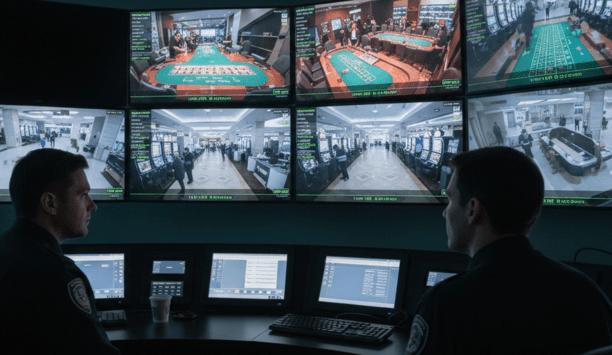
Genetec Inc is advocating for organisations in the Middle East to incorporate physical security systems into their broader IT network strategies.
This call comes as digital transformation progresses and cyber threats become more complex, impacting sectors such as smart cities, critical infrastructure, transportation, energy, and large-scale developments. In these data-driven environments, video surveillance and access control systems increasingly operate on enterprise networks and require enhanced security measures.
Integration with core business systems
With physical security systems now running alongside major business applications, they have become part of the IT attack surface. Despite this integration, many organisations continue to treat physical security separately from IT, which can leave gaps in network visibility and cybersecurity. Inadequately secured connected devices can become vulnerable entry points for attackers.
Without appropriate network segmentation and active oversight, cameras, sensors, and access control systems can expose broader business systems to significant risks. Given the rising volume of cyber threats in the Middle East, safeguarding physical security systems has become a vital component of enterprise risk management.
Enhancing operational resilience
Collaboration between IT and physical security divisions supports shared visibility, accountability
“Organisations throughout the region are rapidly modernising their infrastructure and connecting more devices than ever before,” stated Hassan Makki, Area Sales Director at Genetec. “Physical security systems are now fully integrated into enterprise networks, which means they must be managed with the same cybersecurity rigor as any other IT asset. Strong collaboration between IT and physical security teams is essential to reducing risk and strengthening operational resilience.”
Adopting core cybersecurity best practices, such as employing strong authentication protocols, conducting regular updates, utilising encryption, and ensuring proper network segmentation, can significantly mitigate exposure to threats. Collaboration between IT and physical security divisions supports shared visibility, accountability, and consistent adherence to cybersecurity standards.
Future-proofing security strategies
As the distinction between physical security and cybersecurity continues to diminish, integrating physical security within IT strategies is crucial for developing secure, resilient, and future-ready enterprises in the Middle East.