Manufacturing pioneers are under immense pressure to enhance productivity, reduce downtime, uphold safety standards, and meet compliance demands, all while tackling challenges such as skills shortages, stringent regulations, and escalating costs.
For enterprises operating in Europe, the upcoming Industrial Accelerator Act (IAA) adds another layer of consideration. In this landscape, technology emerges as a pivotal tool, enabling firms to gain insights, make informed decisions, and act swiftly across their operations.
Transformative role of AI in manufacturing
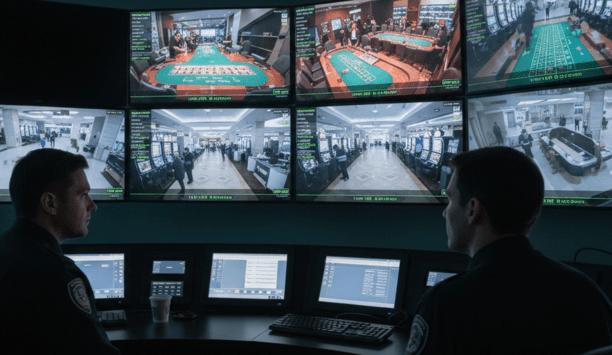
Traditionally, video surveillance was viewed primarily as a security measure. However, the evolution of AI-powered video solutions has broadened their utility, addressing industry-wide challenges like workplace safety, supply chain efficiency, and predictive maintenance. These sophisticated systems offer manufacturers actionable insights and data-driven recommendations, automating compliance, reducing downtime, and refining strategic decision-making processes.
Traditionally, video surveillance was viewed primarily as a security measure
Unplanned downtime is a major concern for manufacturers, threatening both productivity and profitability, and potentially damaging brand reputation. Temperature fluctuations are an early warning sign of equipment issues, yet they are not always detected promptly. Thermal imaging cameras monitor such changes in machinery and electrical systems, automatically alerting operators of abnormal temperatures. This proactive approach allows for early intervention, preventing failures and fires. Should overheating occur, production supervisors receive instant alerts, facilitating timely preventive maintenance to avert escalation.
Enhancing worker safety and compliance
Modern fire detection technology integrates thermal radiometry with visible imaging to spot flames and deliver temperature alerts, enabling swift preventive measures against fire spread. Worker safety in manufacturing is crucial, as the EU's ESAW research reveals high accident rates in this sector, with a significant portion resulting from lost control of machinery or equipment. AI-powered video analytics offer real-time risk identification, such as spills or unsafe machinery use, allowing for quick emergency responses and precise incident documentation, which bolsters safety and compliance.
Advanced object detection and tracking warn operators of unsafe forklift movements or unexpected zone entries, safeguarding nearby workers. Cameras also identify equipment malfunctions, spills, or fallen objects, ensuring they are promptly addressed to prevent harm. Incorrect PPE use is detectable, with subsequent notifications advising workers on the correct protective gear, handling techniques, and material usage, ensuring safety standards are met consistently.
Addressing customer demands and logistical efficiency
The manufacturing sector faces tight schedules and rising customer expectations
The manufacturing sector faces tight schedules and rising customer expectations, where delivery lapses and inventory errors can severely impact trust and profit margins.
AI-powered video systems equipped with barcode reading capabilities streamline package monitoring throughout logistics processes, from receipt to dispatch. By integrating video evidence with barcode data, manufacturers achieve enhanced traceability and operational efficiency, allowing for rapid responses to customer inquiries about deliveries, thus fostering trust and accountability across the supply chain.
Building a future-ready manufacturing ecosystem
Video data offers rich insights into daily operational flows, potential bottlenecks, machinery performance, and package tracking, empowering leaders to fine-tune schedules, maintenance plans, and delivery timelines.
Recognising video surveillance as a strategic resource is critical for developing a future-ready manufacturing organisation. Progressive manufacturers leverage this technology not just for security, but to drive productivity, reliability, and sustained competitiveness.
Manufacturing pioneers face a relentless pressure to achieve more with less. They must improve productivity, reduce downtime, maintain safety, and remain compliant, while simultaneously juggling skills shortages, tighter regulations, and rising costs. For firms with European operations, preparing for the proposed Industrial Accelerator Act (IAA) is another consideration.
For manufacturing leaders looking to stay ahead of these opportunities and headwinds, technology is becoming a critical solution that can help them see more, know more, and act faster across their operations.
Informing strategic decisions
Historically, video surveillance was perceived as solely a security tool, but modern, AI-powered video solutions are capable of delivering value across operations by tackling broader industry issues such as workplace safety, supply chain management, and predictive maintenance.
AI-powered video systems can help manufacturers solve many of their practical, everyday problems by providing detailed data, insights, and recommendations that can automate compliance, prevent downtime, and inform strategic decisions.
Thermal imaging cameras
Every manufacturer worries about unplanned downtime because it disrupts productivity and reduces profitability. In worst-case scenarios, it can negatively impact brand reputation, total product availability or product availability timelines.
The earliest warning sign that isn’t always picked up quickly is temperature changes. Equipment and electrical systems can be monitored using thermal imaging cameras, with automatic alerts sent to operators if the system detects abnormal temperatures so they can investigate further. This offers a proactive monitoring solution that will identify potential issues before they lead to failures or fires. If overheating occurs, production supervisors are immediately alerted and can use the insights to perform the necessary preventive maintenance tasks before the situation worsens.
Providing temperature alerts
The latest generation of early fire detection cameras combines thermal radiometry with visible imaging lenses, detecting flames through the visible channel while also providing temperature alerts. This enables users to take preventative actions quickly, and before a fire spreads.
Ensuring worker health and safety is critical in manufacturing operations. The EU’s European statistics on accidents at work (ESAW) research found that a third of non-fatal accidents at work in the EU occurred on industrial sites, and that workers in manufacturing have the highest likelihood of suffering a non-fatal accident at work (80.9%). Over a quarter (27.1%) of accidents at work in the EU were caused by individuals losing control of a machine, tool, or transport/handling equipment.
Unsafe machinery operations
Intelligent AI-powered video analytics can help operators to identify potential risks in real-time, such as spillage or unsafe machinery operations, before they impact worker safety. Rapid detection allows for faster emergency response and more accurate incident documentation, improving safety and ensuring compliance with industry standards.
Object detection and tracking can identify and alert operators to forklifts moving in an unsafe manner or into unexpected areas, so nearby workers can be warned. Likewise, equipment malfunctions, spills, or fallen objects can be quickly identified, reported to operators, and proactively addressed before they cause harm.
Cameras can also detect if a worker is wearing incorrect PPE. Integration with audio systems or workforce communication platforms can automatically notify workers of the required protective equipment. Improper lifting techniques and poor handling of hazardous materials can also be identified, so impacted workers can be educated on correct handling and lifting techniques.
Rising customer expectations
Providing operators with a comprehensive overall site awareness in real time, promoting safe driving and handling behaviour, and proactively monitoring moving objects are some of the best ways to save lives, protect workers, minimise compliance infractions and reduce costly legal expenses.
With tight schedules and rising customer expectations, delivery delays, inventory errors and packaging mistakes can quickly erode trust and profit margins. From the factory floor to the loading dock, for manufacturers, making every second count is essential, as lost productivity kills profitability. Indeed, shipping and delivery errors occur for many reasons, and any issues can create negative attention for a brand.
Barcode reading capabilities
AI-powered video systems with integrated barcode reading capabilities can monitor and verify package movements throughout the logistics process, from receiving and handling to dispatch. By combining video evidence and barcode data in a single device, they deliver enhanced traceability, accuracy and operational efficiency.
The ability to quickly match video footage with package handling history enables operators to respond quickly and effectively to customer queries about delivery times, missing items or product damage. This helps to build trust and accountability across the supply chain.
Future-ready manufacturing organisation
Video data is a rich source of insight into daily operations, potential bottlenecks, machine performance, and package movements that senior leaders can use to inform their rotas and schedules, maintenance, delivery timelines and more.
Seeing video surveillance as the strategic differentiator that it is today is the first step in building a future-ready manufacturing organisation. Smart manufacturers understand that video isn’t limited to security but improves productivity, reliability, and long-term competitiveness.