
Everything changed for QR codes when the COVID-19 pandemic got close to life in early 2020. QR codes are suddenly everywhere.
But while they’re popping up faster than TikTok trends, it might be a surprise to learn that they were actually created in 1994, which makes them almost the same age as the World Wide Web. So they’re actually pretty old, in tech time — but they’re only just now becoming relevant to the everyday consumer. What’s that about?
Digital no-touch payments
Quick response (QR) codes were invented at Japanese automotive company Denso Wave. The goal was to make auto part scanning easier and more efficient with a new barcode that could hold more information than the traditional rectangular one. The black and white design is based on the popular board game Go and one QR code can hold exponentially more information than a traditional barcode.
In Singapore, QR codes have played a significant role in the fight against COVID-19, notes Benjamin Pavanetto, the Managing Director for Asia at Adludio, as a method of contact tracing, as well as digital no-touch payments to minimise contact among humans.
Non-compulsory health certificate
As pandemics arise, the QR codes were given more functions besides shopping and advertising
"In China too, QR codes are ubiquitous although it raised some controversy around data privacy, and this is something the authorities need to closely regulate. Chinese consumers utilise QR codes regularly for shopping, billboard advertising, identification of pets, as well as to make quick donations," he adds.
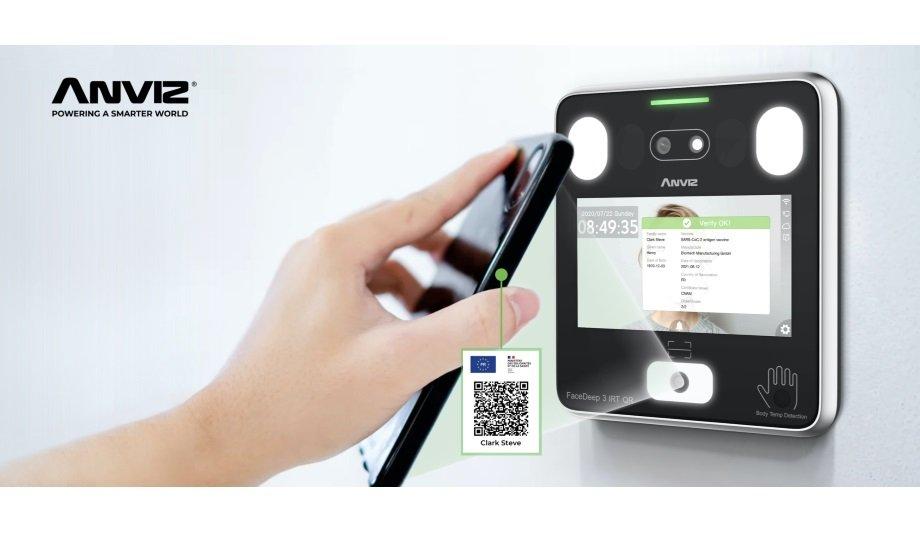
As pandemics arise, the QR codes were given more functions besides shopping and advertising. In March, the European Commissioner in charge of vaccines outlined requirements for a non-compulsory health certificate, or vaccine passport, equipped with a QR code to track medical records of European citizens. The health certificate is available from the websites of the Ministries of Health for each EU country. The scanned QR code makes it easy to verify that the certificate holder has been vaccinated against COVID-19. It also provides information on the origin of the vaccine, if the individual has already been a carrier of the virus, and if they have antibodies.
Providing cloud management
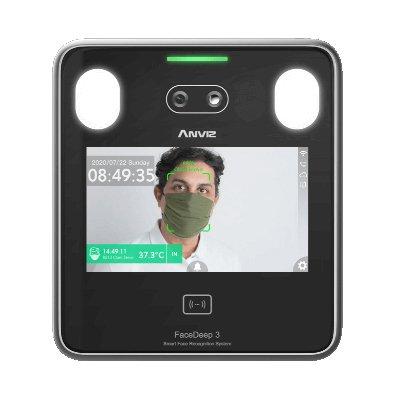
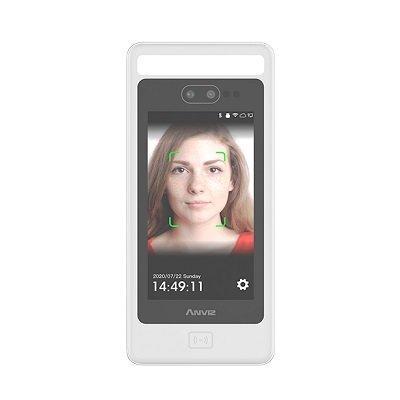
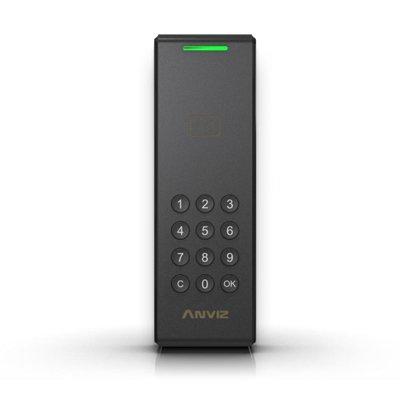
To fulfil the requirement of European Commissioner, FaceDeep 3 now enable QR code version that supports users to scan QR code for entry and modify requirements that can suit every daily life situations. FaceDeep 3 also supports combination verification include body temperature and mask detection. If users need to manage access attendance for various locations, FaceDeep 3 QR series can work with CrossChex software to provide cloud management. FaceDeep 3 QR series can support most scenes to be used by different types of mounts.
Italy become the first European country that make coronavirus vaccine passport compulsory for all state and private employees recently, and most countries will consider to make the COVID-19 QR code mandatory if Italy end with a good result. Together, Anviz provides secured and convenient access control and time attendance solutions specialise for European users.
Learn why leading casinos are upgrading to smarter, faster, and more compliant systems