African governments face significant obstacles as they strive to deliver essential services across the continent's vast and diverse landscape. Despite strides in development, many regions still lack adequate infrastructure for security, public services, law enforcement, and healthcare. This absence of secure identity systems has made isolated communities targets for identity theft aimed at personal gain or control.
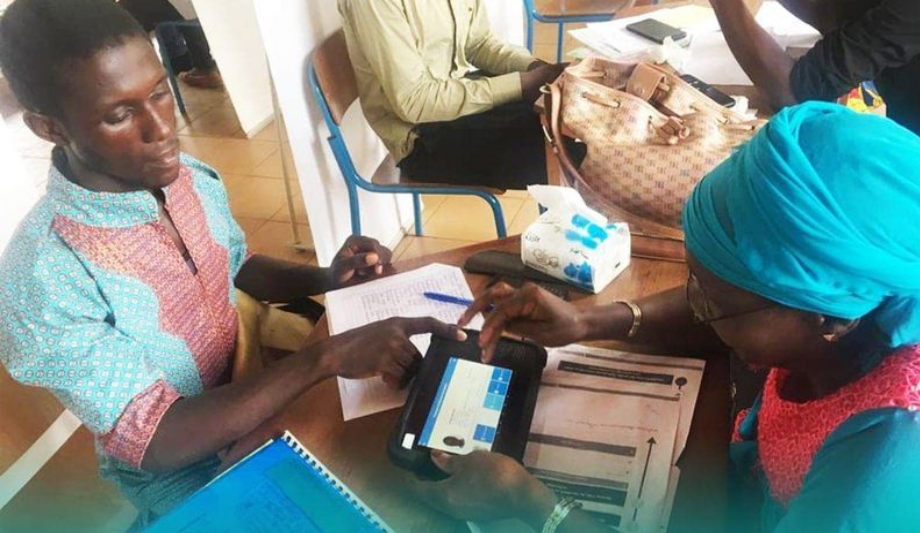
Biometrics offers a promising solution, with fingerprint recognition now extending beyond crime investigations to digital ID applications for civilians. Increasingly affordable, facial recognition technology is also being integrated into daily applications. Various institutions, from banks to educational facilities, and even government services, are adopting biometric systems such as fingerprint identification to efficiently and securely identify individuals.
The integration of digital IDs and biometrics, including electronic Know Your Customer (e-KYC) practices, has drastically reduced fraud, cybercrime, and illegal activities. The adoption of these technologies across African nations has significantly improved security measures, enhancing the quality of life for many.
The introduction of biometric identity cards in banking and finance in numerous African countries has transformed service delivery. The prevalence of identity theft has dramatically declined, making transactions more secure and convenient for consumers. This shift has also led to increased financial inclusion, with access to banking services projected to rise significantly across the continent.
Although slowed by bureaucratic challenges, governments implementing biometric identification systems have experienced significant savings and reduced fraud. Sierra Leone and South Africa, for instance, have seen reductions in financial losses due to fraudulent benefit claims. Furthermore, biometric systems have improved the efficiency of welfare programmes like Nigeria's NASIMS and Kenya's NHIF, providing timely payments and fostering economic stability.
Biometric technology has also streamlined agricultural subsidy programmes, which help sustain small farmers and increase food security. By integrating biometric IDs with GPS data, African governments can ensure equitable distribution of subsidies, aiding farmers in boosting productivity and securing stable food supplies.
The use of biometric voter registration has significantly bolstered trust in electoral processes across Africa, reducing civil unrest and ensuring more credible elections. This technology is employed by approximately 75% of African countries, helping to prevent electoral fraud and fostering political stability.
Biometric IDs have curbed the unauthorised transfer of personal assets, which has been prevalent due to identity fraud. These systems facilitate legitimate transactions while protecting citizens' possessions, also benefiting government revenue collection through efficient processing.
Biometric identification has become a critical component of modern life, from unlocking devices to verifying transactions. For African nations, the adoption of biometrics is crucial for advancing security, sustainability, and efficiency. This transformation is a pivotal step towards integrating Africa into the global community, marked by stability and growth.
The vastness and geographical diversity of the African continent pose great challenges to governments in their effort to bring services to their citizens. From law enforcement to public works, to delivery of services such as banking, education and healthcare, Africa has found itself playing catch up with the rest of the world.
While the continent has seen a fairly decent rate of development in recent decades, with governments managing to deploy needed services one location at a time; large swathes of areas are still without proper security, public services, law enforcement and healthcare.
Alarmingly, the lack of reliable identity systems makes remote communities vulnerable to criminals committing identity theft for profit or power.
Offering hope
Thankfully, biometrics is offering hope. Fingerprint recognition, already a fixture in crime investigation for decades, has found its way to digital ID or eID applications for civilian use.
Face recognition is a relatively new biometric modality yet is enthusiastically being integrated into many everyday applications, thanks to reduced costs of hardware and software systems.
For the first time ever, biometrics is being adopted by many African banks, hospitals, bus/train stations, airports, police checkpoints, ticket machines, gas stations and schools. Also, many government services such as social protection schemes have started using fingerprints to identify beneficiaries.
Power of biometrics
Customer (e-KYC) and authorisation have become powerful ways to prevent fraud
Harnessing the power of biometrics, digital IDs and Electronic Know Customer (e-KYC), biometric identification and authorisation have become powerful ways to prevent fraud, cyber crime, trafficking of counterfeit items, identity theft, money laundering and other illegal activities.
In recent years, more and more African countries have embraced biometrics and digital ID infrastructures, boosting security and improving people’s lives.
Banking and Finance
When African countries piloted the use of biometric identity cards bearing the person’s image, fingerprint and other data, the delivery of both government and consumer services experienced unprecedented boost in efficiency and security almost immediately.
Identity theft, which had bedeviled these countries for decades, almost disappeared completely. Banks in Nigeria, Malawi, South Africa, Ghana, Kenya, Botswana and other countries have adopted biometric authentication and immediately reaped the benefits in drastically reduced cases of identity theft and transactions that have become much safer, faster and more convenient for many African consumers.
Biometric digital identity
Identity theft, bedeviling these countries for decades, almost disappeared completely
Most encouragingly, the adoption of biometric digital identity has resulted in great strides towards financial inclusion. Data shows African adults with access to banking services in 2017 was 35 percent of the African population and it was projected to increase to 48 percent in 2022.
The security offered by biometrics identity has made ordinary citizens trust financial institutions enough for them to deposit their hard-earned cash in banks rather than keeping it under their pillows as they had done so all their lives.
Government Services
Government services were slower to adopt biometric identification due to bureaucracy and the larger scale of integration that needed more time to execute. But once they did, the results were nothing short of phenomenal.
Using biometrics technology to prevent identity theft had led to millions in savings. The National Social Security and Insurance Trust (NASSIT) Chief of Sierra Leone said that “the operationalisation of the Biometric Registration System will drastically minimise the monetary loss caused by identity fraud during pensions and benefits payment. This zero pension fraud system will save the Government hundreds of millions of Leones.”
Fraud and false compensation claims could lead to great socio-economic harm, for example, the ghost beneficiaries have cost the South African government over R1 billion (approximately $132 million) for its Temporary Employer-Employee Relief Scheme (TERS) during the Covid 19 pandemic.
Improves quality of life
Government services were slower to adopt biometric identification due to bureaucracy
Using biometrics to foil identity theft also increases efficiency and improves quality of life as can be seen in the case of National Social Investment programme (NASIMS) in Nigeria and the National Health Insurance Fund (NHIF) in Kenya, where welfare distribution became faster and more secure after adoption of the technology.
Biometric digital identity has helped people receive their payments on time, eliminating uncertainties and allowing them to set their budgets with regularity.
This has had the salutary effect of freeing people from hand-to-mouth existence and allowing them to spend more on leisure and self-care even as they contribute more to the economy.
Food Security
Biometrics has also smoothed the implementation of agricultural subsidies, the safety net that helps farmers, especially the smaller ones, keep their heads above water. The initiative has greatly reduced rural poverty while boosting agricultural production and increasing food security.
To ensure these subsidies get to those that need them the most, more and more African countries are using biometric traits like face and fingerprint to build a robust digital ID system for identifying farmers.
The Nigerian government, for one, has deployed a farmer’s ID registration project under its Growth Enhancement Support Scheme (GESS) in 2014. The pilot successfully registered 500,000 farmers, allowing those eligible to receive their intended subsidies.
Digital ID system
Combining the digital ID system with GPS coordinates of farms to determine size of land
Combining the digital ID system with GPS coordinates of farms to determine size of land, governments can prevent ID fraud and inequitable cash subsidy distribution, leading to better use of agricultural budgets and timely delivery of subsidies.
Such certainty and regularity allow farmers to plan their spending on seeding, fertilizer and harvesting with confidence; which can only lead to higher efficiency and increased farming output.
With sustainable agriculture, stable food supply and better nutrition, African societies are expected to be less susceptible to famines and starvation-related violent incidents. All thanks to biometrics.
Elections
Elections in Africa have always been marked with civil unrest and violent clashes between political groups, deadly repercussions of the deep mistrust people have of the election process. The introduction of biometric voter registration (BVR) has shored up trust in the process overnight, causing a dramatic reduction in violent incidents.
Around 75% of African countries are already using BVRs in their elections. Using fingerprint scanners or mobile ID devices to register and authenticate voters, authorities are now able to prevent electoral frauds such as double voting, vote rigging, multi-counting etc.
This transparency in voting and counting has led to credible elections that immediately defuse political tensions and allow for stability to set in. Thanks to biometrics, democracy in Africa now has a fighting chance.
Asset Management
The lack of a secure and reliable identity system has always beset the sub-Saharan region
The lack of a secure and reliable identity system has always beset the sub-Saharan region and has abetted the rise of fraudulent transfers of personal assets in recent years. According to a survey by global leading accounting firm PwC, About Kes 5.5 billion (approximately $63 million) was lost by Kenyan respondents due to economic fraud during 2018-2020.
Asset misappropriation was reported as one of the most common cases of economic fraud. Fake IDs have been used in the unauthorised sale of houses, lands, cars, other personal assets to unsuspecting buyers.
This has caused thousands of people the horror of waking up one day to find the house they were sleeping in or the car they were driving were no longer theirs.
Personal biometric IDs
Yet with asset management and records now being tied to personal biometric IDs, criminals can no longer easily fake the ID cards and authenticate themselves at government offices to transfer valuable assets.
Conversely, biometric identification has speeded up legal sales and transfers of valuable assets. The reduced transaction time not just brings down cost but allows the tax revenues to be remitted to the government.
To Take
Biometric identification has become an indispensable fixture of daily life
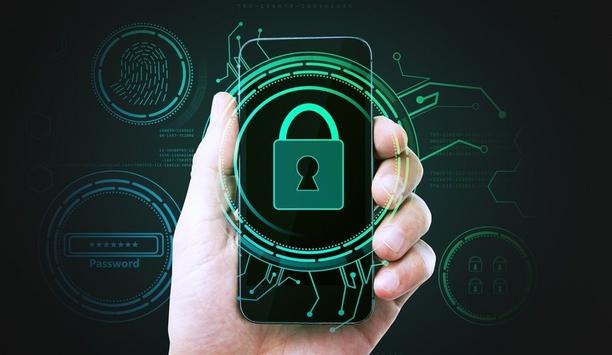
Biometric identification has become an indispensable fixture of daily life. From unlocking mobile phone screens to authenticating banking transactions, fingerprint and face recognition are being baked into a growing number of devices and applications.
Now, biometrics technologies are paving the way for African countries to adopt digital ID in their bid to improve security and uplift lives. Among the myriad of benefits of biometric digital identities, the three that stand out in Africa’s case are increased security, sustainability and efficiency.
These are crucial in bringing about the sense of certainty that allows governments and citizens to make long term plans instead of flying by the seat of their pants. Once wracked by poverty and instability, Africa is fast becoming the next powerhouse of the connected world. Biometrics is key to this transformation that will allow the continent to join the rest of the world.