Vehicle tracking

Allient Inc, a global designer and manufacturer of specialty Motion, Controls, Power and lightweighting composite / advanced materials products and solutions for targeted industries and applications, has today announced it will present its latest defense technologies and solutions at the Association of the United States Army (AUSA) Annual Meeting & Exposition, taking place October 12–14 at the Walter E. Washington Convention Center in Washington, D.C. Storage and deployment systems V...

ATG Access has announced a strategic partnership with Swedish construction and urban landscaping specialist Benders, as the UK physical security manufacturer accelerates its expansion into the Scandinavian market. Founded in 1960, Benders is one of Sweden’s largest privately owned, family-run businesses with deep-rooted relationships across the country’s municipal and infrastructure markets. Operating from Uddevalla, at the former Volvo factory site, the business has established a s...

March Networks®, a pioneer in video surveillance and business intelligence, and VIVOTEK, a global security solutions provider, will showcase their combined vision for intelligent transit security at the American Public Transportation Association (APTA) TRANSform Conference & EXPO 2026, Oct. 5-7 at McCormick Place in Chicago. At APTA, the companies will bring “Connected Intelligence: On the Move” to life by demonstrating how transit agencies can connect video, AI and operatio...

Antare, a new agentic security platform for body-worn and fixed cameras, has launched. UK-based Antare uses artificial intelligence to automatically review security footage, detect incidents, alert teams, and document every event, transforming everyday operations into actionable insight that helps improve performance and reduce operational risk. The platform is compatible with both Antare’s intelligent body-worn cameras and customers’ own existing fixed camera infrastructure. Antare...

Nice and its HySecurity division will demonstrate the StrongArm® M30 crash-rated vehicle barrier at GSX (Global Security Exchange) 2026, September 14–16, at the Georgia World Congress Center in Atlanta. Visitors to Booth #1752 can experience live demonstrations of one of the industry's most trusted hostile vehicle mitigation solutions while learning how Nice supports security professionals with a comprehensive portfolio of perimeter protection technologies, engineering expertise, and...

Nedap is proud to introduce uPASS Go: the next generation reader in long-range vehicle access control. As the latest addition to Nedap’s esteemed uPASS product line, uPASS Go establishes a new standard in managing vehicle entry for basic gates, like car parks, gated communities, and staff parking zones. Designed to blend significant commercial appeal with the latest technological advancements, uPASS Go transforms the landscape of vehicle access control to be smarter, more secure, and exce...
News

Nedap proudly announces the latest addition to its TRANSIT Tag portfolio with the introduction of the Compact Button. With over 30 years of expertise in vehicle and driver identification solutions, Nedap has consistently set the industry standard. The TRANSIT Tag portfolio, renowned for its secure and reliable vehicle identification solutions, is being renewed to ensure decades of dependable service. The result is the Compact Button, featuring a next-generation chip that enhances performance and reliability, all within a new, slim, and sustainable design. This innovation is specifically designed for use in high-security environments and diverse applications, ranging from airports to industrial sites, ensuring smooth and secure traffic flow. High-security environments Nedap’s TRANSIT product portfolio includes a variety of tags designed for vehicle and driver identification. This range features the Booster tags, which identify both vehicles and drivers, the Heavy Duty Tag, designed for mounting on heavy vehicles, and a selection of windshield-mounted tags, with the well-known round Window Button leading the way. Recognizing the potential for innovation, Nedap has taken the opportunity to elevate this range by redesigning the iconic Window Button, bringing it into a new era of performance and design. The Compact Button is a newly designed tag for windshield mounting, providing convenient and secure vehicle access in high-security environments. This tag is perfectly suited for use in various applications, from airports to industrial sites. It seamlessly integrates with existing TRANSIT installations, offering identification capabilities at distances up to 15 meters when used with the TRANSIT Ultimate reader. Enhancing security operations With a design that is 50% smaller in size and thickness, the Compact Button is less obtrusive and more aesthetically pleasing, making it an ideal choice for environments where discretion and appearance matter. The Compact Button is a cutting-edge long-range vehicle identification tag based on advanced semi-active RFID technology, designed to enhance security operations with several standout features: User Activation Functionality: The Compact Button offers the flexibility of user activation, allowing drivers to choose when the tag is active for identification. This optional feature is especially useful in situations like fee-based access or high-traffic areas, where precise control over identification can enhance security and efficiency. Alternatively, the tag can operate continuously, providing seamless and automatic vehicle identification. Windshield Mounting: Designed for easy windshield mounting, the Compact Button uses a strong suction pad that attaches securely without obstructing the driver’s view. This ensures a straightforward installation process and reliable operation. Enhanced Security with Read-Only Programming: Each Compact Button is programmed with a unique security code and tag ID, which are laser engraved on the back. This Read-Only programming ensures that the tag cannot be altered, providing a robust layer of security. Sustainable Design: The Compact Button features a replaceable battery with an 8-year lifespan, underscoring Nedap’s commitment to sustainability. Produced in The Netherlands, the tag is crafted using eco-friendly practices that emphasize sustainable sourcing, responsible processing, and ethical labour. These efforts help reduce the tag’s environmental impact while ensuring long-term reliability. Long-term reliability Edwin Grobbink, Product Manager at Nedap, highlights the importance of this innovation: “The Compact Button is a significant leap forward for the TRANSIT Tag portfolio. Its compact design, advanced functionality, and sustainable features make it a worthy successor to our Window Button. We are excited to bring this next-generation solution to the market.” Nedap encourages security professionals to explore the full range of features and benefits offered by the Compact Button

Gallagher Animal Management and Nedap announce a groundbreaking partnership that combines their innovative strengths to revolutionise livestock management. This partnership integrates Gallagher’s eShepherd virtual fencing technology with Nedap’s SmartTag Ear, providing farmers with real-time insights into cow health, reproduction, and grazing management. Gallagher, founded in 1938 in New Zealand, has grown into a global leader in animal management solutions, with a presence in over 160 countries. Known for its pioneering electric fencing systems, Gallagher continues to push the boundaries of livestock management with its eShepherd solution. This solar-powered, GPS-enabled neckband allows farmers to create virtual fences, making livestock management more efficient and adaptable. Sensor technology solutions Established in 1929 in the Netherlands, Nedap has a rich history of innovation in livestock management technology. As a global market pioneer, Nedap monitors over six million cows in over 100 countries and supports thousands of dairy farmers with the most reliable, advanced, integrated sensor technology solutions. “Integrating Gallagher’s eShepherd and Nedap’s SmartTag Ear tags will create a powerful tool for farmers. The Gallagher eShepherd virtual fencing technology allows for precise grazing management, reducing the need for physical fences and enabling better pasture utilization. By adding Nedap’s SmartTag Ear, farmers will gain real-time data and insights on cow health and heat detection, allowing for timely interventions and improved herd performance,” according to Sarah Adams, Global Strategy and Ventures at Gallagher Animal Management. Efficient livestock management Mike Wilson, General Manager at Nedap Oceania, says, “This solution will increase farm efficiency and support sustainable farming practices. Farmers can monitor and manage their herds remotely, ensuring optimal grazing and early detection of health issues.” Lisbeth Jacobs, CEO of Gallagher Animal Management, says, “Nedap and Gallagher are deeply committed to supporting the New Zealand market and farmers worldwide. Gallagher’s New Zealand roots and dedication to innovative farming solutions make us a trusted partner for local farmers. Similarly, Nedap’s focus on sustainable and efficient livestock management aligns perfectly with the needs of New Zealand’s pasture-based dairy farming system.” Sustainable farming practices “I am excited that our collaboration kicks off in New Zealand. Gallagher and Nedap invite farmers and rural professionals to embrace technology-driven livestock management for a more sustainable and prosperous future.” “With our long histories, proven track records of high-quality and innovative products, and shared commitment to long-term success, this partnership is a natural fit. I am proud that we are joining forces to further accelerate our ambitions in New Zealand,” says Maarten Idink, Managing Director Livestock at Nedap.

Stuart Wheeler, Managing Director at Keynetics, the company behind the smart keyholding solution SentriGuard, explores how operational pressures surrounding alarm response are forcing security providers to rethink traditional keyholding models and reassess the role access management now plays within modern mobile response operations. The operating environment surrounding alarm response has changed significantly over the past couple of decades. Client requirements are rising and, with them, the pressure on security providers to rethink how mobile response operations are delivered in practice. Faster security response times are now expected as standard, alongside full accountability of the response process, detailed reporting and tighter operational visibility. Service level agreements At the same time, providers are under pressure to control operational costs while continuing to meet demanding service level agreements across increasingly complex contracts and larger geographical areas. The challenge is compounded further by ongoing staffing pressures across the sector. Many organisations are operating within a constant recruitment cycle while trying to maintain service consistency with limited resources on the ground. While technology continues to support certain aspects of mobile response, many of the pressures facing alarm response operations run deeper than simply digitising parts of the service. Increasingly, security providers are being forced to examine the operational structure of alarm response itself and, in particular, the way access to client sites is managed during incidents. For many security companies, the challenge is no longer simply responding quickly, but balancing service delivery, operational efficiency and sustainability expectations at the same time. Clearest contractual measures Ongoing conversations with security providers reveal that the operational challenge is no longer linear but rather balancing three competing demands that often pull in opposite directions: maintaining service delivery targets, controlling operational costs and meeting ESG expectations. Response performance remains one of the clearest contractual measures within mobile security. Alarm response times are monitored closely and, particularly within higher-risk sectors, delays can carry serious operational and financial consequences. At the same time, providers are facing growing costs linked to fleet management, staffing, fuel and keyholding operations, while continuing to protect margins and meet customer pricing expectations. ESG Pressures That Add Further Complexity To complete this triangle of challenges, ESG considerations are becoming increasingly difficult to ignore. Growing compliance expectations Sustainability is no longer simply a future ambition or corporate talking point. Companies are facing growing compliance expectations that require measurable operational improvements. Yet reducing emissions is challenging for a security function that depends on patrols covering vast mileage, operating for long shifts and transporting heavy key lockers. The operational realities surrounding traditional keyholding can make fleet electrification far more difficult in practice. Looking beyond environmental considerations alone, the wider Social and Governance elements of ESG may also be affected by the operational pressure surrounding alarm response. Tighter response targets can place additional strain on patrol officers, creating pressure to attend sites faster and complete inspections within increasingly compressed timeframes. In some cases, this can contribute to unnecessary operational risk, process breaches and wider health and safety concerns. Recurring operational themes To understand the complexity of this balancing act, it is important to examine the most common service delivery methods and the role keyholding continues to play within them. The scenarios discussed below are drawn from recurring operational themes that Keynetics encounters through ongoing conversations with security providers, mobile response teams and organisations responsible for keyholding operations, particularly when reviewing access control and key management strategies. Scenario One: Keys Carried in Patrol Vehicles One of the most common operational models within mobile response involves storing large quantities of client keys inside secure lockers fitted within patrol vehicles. Patrol officers complete routine assignments throughout the shift while remaining ready to respond to alarm activations when required. While this model offers clear advantages and has been historically tested, there are limitations. Only the patrol carrying the relevant keys can respond to an alarm. But what happens if that patrol is already dealing with another incident miles away from this site? Maintaining operational coverage Delays may follow and, where alarms are genuine, the consequences for the client’s property can become significant. There are also wider governance concerns attached to carrying hundreds of physical keys within a single vehicle. Any theft, vehicle break-in or road traffic collision involving the patrol may affect a large number of client sites simultaneously. Replacing locks and keys across numerous properties can quickly become both operationally disruptive and financially significant. Sustainability pressures add another layer of complexity. Keyholding vehicles need reinforcing to meet strict security requirements, while patrols may cover significant mileage during a single shift with large quantities of keys onboard. For many providers, this creates practical limitations when attempting to transition towards lighter hybrid or electric fleets while maintaining operational coverage. As a result, organisations are beginning to explore alternative approaches to access management to reduce operational dependency on transporting physical keys. Simplifying auditing processes Scenario Two: Collecting and Returning Keys to a Secure Storage Location - An alternative operational model involves storing all client keys within a secure central facility, with patrol officers collecting and returning keys only when alarm attendance is required. From a governance perspective, this model offers advantages. It can simplify auditing processes and reduce some of the risks associated with transporting large numbers of keys during routine patrols. It may also simplify the transition towards lighter hybrid or electric fleets. Operationally, however, the compromises shift elsewhere. Additional journeys to collect and later return keys introduce downtime, extra mileage and labour inefficiencies. Most importantly, key collection may slow alarm response times. In sectors where rapid attendance is critical, even relatively small delays may lead to client dissatisfaction and penalties for missed contractual response targets. Alarm response operations For many providers, the bigger question is whether physical key movement should remain central to alarm response operations at all. While these pressures may appear to affect security providers alone, clients are increasingly part of the same balancing exercise. The sustainability impact of alarm response operations is no longer isolated to suppliers themselves. Procurement and sustainability teams are paying closer attention to Scope 3 emissions and the environmental impact of outsourced services. At the same time, clients continue to expect rapid response times, competitive pricing and full service accountability. This creates pressure on both sides. Providers are being asked to reduce emissions and operational costs while continuing to meet demanding response targets within service models still heavily dependent on physical key movement. Physical key movement Can Changes to Keyholding Help Ease the Pressure? All of the points discussed above are forcing security providers to reassess operational models that, in many cases, have remained largely unchanged for decades. For many organisations, keyholding has historically been viewed simply as part of the alarm response process. However, growing pressure around sustainability, response performance, accountability and operational efficiency is now pushing providers to examine whether traditional approaches to managing access still support the wider demands placed on modern mobile response operations. Stuart comments, “There has most certainly been a sense of urgency in addressing these challenges across the security sector. The discussion is now moving beyond alarm response itself and towards reassessing how keyholding and access management fit within the wider operational model.” Reducing unnecessary journeys As a result, security providers are increasingly exploring whether changes to access management could help ease some of the operational strain surrounding alarm response delivery. Why the Industry is Beginning to Explore Access Control Alternatives - If physical keys no longer needed to be routinely transported or collected throughout the response process, the nearest available patrol could potentially attend incidents more efficiently, helping providers maintain SLA targets while reducing unnecessary journeys and operational downtime. Reducing the dependency on transporting large quantities of keys may also support wider sustainability goals. Lighter patrol vehicles and reduced reliance on reinforced key lockers could help with fleet strategies and support the transition towards more environmentally friendly vehicles. Systems reducing physical key circulation until attendance at site is required are increasingly being viewed not simply as security upgrades, but as practical ways of easing some of the pressure surrounding modern alarm response. However, changing long-established response processes is rarely straightforward. Deploying mobile credentials Introducing new technologies, workflows and compliance procedures requires operational buy-in, training, long-term planning and, in many cases, client education before changes can be implemented effectively. Fully digital access control or a hybrid approach? With a wide range of alternatives to traditional keyholding now available, ranging from legacy-key compatible solutions such as SentriGuard through to fully digital systems deploying mobile credentials as the primary means of access, the discussion is no longer simply about functionality, but operational suitability. While fully digital access control may appear to offer the most straightforward long-term direction, the operational reality across the security sector is often far more complex, particularly for organisations managing large multi-site estates. For many clients, replacing access systems across hundreds of locations may not be operationally or financially realistic in the short term. As a result, many organisations are instead exploring hybrid approaches that avoid large scale lock replacements while introducing greater access traceability and remote management. Exploring hybrid approaches Stuart adds, “We are often approached by organisations seeking a hybrid approach to access control, one that continues deploying existing keys while improving visibility and operational control around how access is managed.” He continues, “The discussion is no longer simply about eliminating keyholding challenges. Organisations are also looking at auditability, integrations, remote management and futureproofing alarm response processes as operational requirements continue evolving.” While no single approach is likely to eliminate every challenge surrounding modern alarm response, access management is increasingly becoming part of how providers are trying to make response operations more efficient overall. Significant operational consideration Traditional keyholding models have supported the security sector for decades and will continue to remain part of many operations for years to come. However, the pressures surrounding modern alarm response are changing the way organisations evaluate operational efficiency, sustainability and service delivery. What is becoming increasingly clear is that the discussion is no longer simply about response times alone. Increasingly, it is about how efficiently alarm response can operate as a whole. As providers continue balancing demanding SLA targets, operational costs and ESG expectations, access management is likely to become a far more significant operational consideration within alarm response than it once was.

Allied Universal®, the world’s pioneer security and facility services provider, announces its acquisition of Sentinel Offender Services, a pioneer U.S. electronic monitoring company. The acquisition significantly expands Allied Universal’s electronic monitoring capabilities in North America by integrating Sentinel with the company’s existing electronic monitoring business, making Allied Universal the U.S. market pioneer while strengthening its global electronic monitoring business. The combined organisation will provide clients with a broader portfolio of innovative electronic monitoring solutions, backed by expanded expertise, enhanced support and continued technology investment. Electronic monitoring capabilities “This acquisition provides our electronic monitoring business with an even stronger platform for continued growth in North America, the world’s largest electronic monitoring market,” said Steve Jones, Allied Universal global chairman and CEO. “By combining Sentinel’s proven capabilities with our existing business, we are strengthening our ability to deliver innovative solutions and exceptional services to customers while expanding our leadership position in this important market segment.” Sentinel Offender Services is a pioneer U.S. provider of electronic monitoring solutions and community supervision solutions. The company partners with courts, corrections agencies and community supervision programs nationwide, delivering GPS and RF electronic monitoring, alcohol monitoring, offender tracking, case management and related supervision services that promote public safety and accountability. Community supervision solutions “The acquisition of Sentinel strengthens our leadership in the U.S. electronic monitoring market and enables us to deliver an unmatched combination of technology, expertise and customer support,” said David Byrne, Allied Universal Electronic Monitoring president. “Together, we are well positioned to drive innovation and deliver even greater value to our customers.” Raymond James Financial Inc., a diversified financial services company, served as exclusive advisor to Sentinel for the transaction.

Hytera, a global provider of critical communications technologies and solutions, unveils the SC700 Smart 4G Body Camera, available from 16th June 2026. “Body cameras are increasingly expected to do more than record evidence,” said Leslie Li, Deputy General Manager of BWC Business Unit, Hytera. “Agencies need devices that can support operational awareness and frontline coordination while remaining reliable throughout extended deployments. The SC700 combines up to 15 hours of continuous recording with real-time communications and intelligent capabilities to help users stay connected and ready when it matters most.” Detecting abnormal situations In fast-moving public safety incidents, a single body camera often captures only part of what is happening, which can limit how clearly the situation and surrounding environment are understood during response and review. With Team Sync Recording, the SC700 automatically activates nearby body cameras when one device starts recording, helping ensure the same incident is captured from multiple perspectives and environments, providing a more complete view for command teams and investigators. Officers often operate in unpredictable and high-risk environments where changes in personnel status or device condition may not be immediately visible to command teams. Intelligent Scene Awareness helps address this gap by automatically detecting abnormal situations such as man-down events, prolonged inactivity, camera obstruction, or device tampering, and alerting dispatch centers to support faster response and timely assistance for frontline personnel. Supporting clear communication Clear communication in the field is often challenged by high noise-level conditions. The SC700 supports more reliable voice communication through AI-based noise cancellation, howling suppression, and a powerful 2W speaker, supporting clear communication in challenging environments. Beyond voice communication, future software updates are expected to extend the SC700’s AI capabilities to support more complex operational scenarios, including real-time language translation for multilingual environments and visual intelligence features such as facial and license plate recognition. These enhancements are designed to further support frontline officers by improving communication efficiency, situational understanding, and the ability to process information in real time during operations. Improved operational coordination Public safety operations require continuous coordination between field personnel and command centres. The SC700 enables real-time transmission of HD video and accurate GPS data from the field to command centres, providing live visibility into ongoing situations. This supports faster situational assessment, more efficient resource allocation, and improved operational coordination across both routine and critical incidents. Communication between field teams and command centres is further supported through Hytera HyTalk PoC capability, enabling interoperability between broadband and PMR networks to ensure consistent coordination across different users and systems. Complete incident documentation Critical incidents often unfold in fast-changing environments where visibility is limited and key details can be easily missed. The SC700 is designed to capture reliable visual and audio evidence in the field, featuring a 160° ultra-wide field of view and Starlight night vision to support consistent recording across day and night operations. A built-in microphone array with up to 12-meter voice pickup further helps ensure clear audio capture alongside video for more complete incident documentation. Equally important is operational usability. The SC700 offers a 1.1-inch top display for quick status checks, a large front recording button for intuitive operation in high-pressure situations, and multiple mounting options to support flexible deployment across different operational scenarios. To support field durability, the device is IP68-rated, drop-resistant up to 1.5 meters, and operates reliably from -20°C to +60°C.

Responding to the phased shutdown of the legacy 2G network in the UK, Reliance Protect has launched its next generation 4G lone worker safety key fob device. The new Pulse+ device is among the first solutions to support full Voice Over Long Term Evolution (VoLTE) communications across multiple networks, ensuring voice calls and alarm transmissions can operate entirely over 4G infrastructure. Delivering emergency support The UK’s mobile network infrastructure is undergoing its biggest transformation in decades with the 2G network the next scheduled for shutdown. The 3G network is already effectively shut down. For organisations in sectors ranging from health, social care, social housing and transport to retail and hospitality that rely on lone and frontline worker safety technology, the transition presents a critical challenge: ensuring devices remain connected, compliant, and capable of delivering emergency support when it matters most. Critical safety systems As Chris Allcard, director at Reliance Protect, explains, “Network providers are now actively working through plans to decommission the older 2G technologies to free up bandwidth and support the huge increase in connected devices we rely on every day, from smart infrastructure through to vehicles and IoT technology. Organisations using lone worker devices need to prepare now for these changes.” The UK Government has set a 2033 deadline for the withdrawal of 2G services, with operators planning to complete the process sooner. Upwards of half a million lone worker devices currently operating in the UK still rely on 2G technology for emergency voice calls and alarm communications. While historically dependable, 2G infrastructure is increasingly unable to support the modern connectivity, resilience and data insight demands now expected from critical safety systems. Essential alarm voice calls Reliance Protect’s new solutions are engineered to remove dependency on legacy 2G voice networks. It’s important to note that many existing 4G lone worker devices still revert to 2G to complete the essential alarm voice calls. Reliance Protect’s VoLTE-enabled devices allow alarms, voice communications, location information and supporting background data to operate simultaneously over the 4G data network, roaming across multiple networks. Allcard further explains. “A lot of devices currently marketed as 4G still rely on 2G infrastructure for voice functionality, which doesn’t actually remove the 2G connectivity risk. We wanted to create a genuinely future-proof platform that customers could rely on for at least the next five to ten years.” Faster alarm activation Developed over a period of 18 months, in parallel with the 4G VoLTE ID+ discreet ID badge style device, the new solution delivers significantly faster alarm activation and response times by transmitting voice calls, GPS and WiFi locations and incident data concurrently. The platform also enables richer data collection, opening opportunities for future integration with external health and wellbeing sensors, such as heart rate monitoring and body temperature tracking, which could, for example, support proactive tracking of stress and tiredness levels. Reliance Protect currently processes more than five million rows of operational data every day, including network performance and coverage data. Long-term procurement strategies Importantly for customers planning long-term procurement strategies, the new 4G devices have been introduced at a price point comparable to Reliance Protect’s existing 2G solutions, helping organisations to future-proof their lone worker protection without significant additional upgrade costs. “All organisations using lone worker technology need confidence that their devices will continue to function as networks evolve,” Allcard adds. “Our latest solutions give customers stability, resilience and future-proof protection, while ensuring the people carrying these devices remain connected to support whenever they need it most.”

Expert commentary

In the old days, hopping onto the platform from a not-yet-stopped train was a commonplace stunt for daily commuters in a hurry. It was a thrilling, but dangerous part of railway travel. Today, rail travel is generally much safer, but thrill and fame seekers are finding new, creative ways to use the railway to court notoriety online. Earlier this month, a young man filmed himself laying on the tracks and allowing a train to pass over him. In another instance, two people were seen misusing a level crossing to get an 'Instagram worthy' picture. Meanwhile, the media has recently reported stories from Austria to Australia of people (and in some cases children) being seriously hurt or killed whilst attempting to train surf. Safety and security of the railway Safety and security have always been a top priority for railways and supporting agencies For rail companies, such incidents cause great distress and bring often unjust headlines that question the level of safety and security of the railway. Then, of course, there is the impact on the timetable when incidents cause significant delays. The ramifications of just one incident can be significant, as illustrated by a case in February when a track trespasser caused 16 trains to be cancelled and a further 54 to be partially cancelled at the cost of approximately 600,000 euros. Despite the negative stories, safety and security have always been a top priority for railways and supporting agencies. The British Transport Police, for example, traces its origin back to 1830 when the force was established following the death of a member of Parliament, who was struck by a passing train after alighting onto the track of the newly opened Liverpool and Manchester Railway. Modern surveillance Today, trains, platforms, yards, level crossings and sections of track are monitored by some of the very latest technology hardware and software, from high-definition cameras with built-in advanced video analytics capabilities to PSIM (physical security information management) systems that can be used to orchestrate a response to anything from a trespasser on the line to a major derailment. Even with all these systems, the sheer scale of rail networks means it is simply not possible to always have eyes everywhere. True of video analytics If a driver spots someone or something on the line and immediately applies the emergency brake What’s more, whilst the technology continues to make huge leaps forward, affordability and usability can limit their effectiveness. This has been especially true of video analytics and object detection, where distinguishing between a human trespasser or an animal can be challenging, especially in low light (a particular issue with passenger and freight trains running round the clock). With trains moving at a high speed, early detection is everything. If a driver spots someone or something on the line and immediately applies the emergency brake, it could take the train as much as one mile to come to a stop. LiDAR to the rescue So, what can be done to improve response times for drivers and other stakeholders? One recommendation is to focus on key sections of the rail network that provide easier access for trespassers, such as stations, platforms, tunnels, bridges and level crossings, where more than a quarter of all significant accidents occur on EU railways. This is already standard operating procedure for most rail companies. However, a growing number are going beyond the 'standard' safety and security measures, with the introduction of high-tech solutions such as 3D LiDAR (Light Detection and Ranging) sensors. This technology is already familiar to the rail industry. It has been used for some time in applications ranging from surveying environments in preparation for building high-speed rail networks to mapping railway tracks and surrounding infrastructure for ongoing maintenance works. Management of virtual perimeters LiDAR enables the creation and management of virtual perimeters and/or safe zones In the context of safety and security on the railway, LiDAR enables the creation and management of virtual perimeters and/or safe zones with pinpoint accuracy. A good example would be at level crossings where a high volume of vehicle and pedestrian traffic crosses the track when the barrier is raised, but it must be clear for rolling stock to pass safely. LiDAR sensors can be programmed to automatically switch on minutes before a train is scheduled to pass through the crossing and turned off after it has cleared the area. During this time, any movement detected with this ‘live zone’ would create an alert in the control room. Further layer of protection The addition of cameras would provide a real-time feed of the situation, enabling the control room operator to act. That could involve sending a message via a public address system to clear the area, alerting the approaching train driver to take appropriate action, and alerting emergency services and maintenance teams if there is a vehicle, animal or other blockage on the track. The investment many rail operators have made in PSIM and CAD (computer-aided dispatch) can add a further layer of protection. These systems provide the operator not only with guidance regarding the next best action but also automatically triggered responses to orchestrate the entire incident management process. Protecting critical infrastructure All of these pieces of rail infrastructure and the joint network stand to benefit from the use of LiDAR Level crossings are a good example of environments where it is not viable to have round-the-clock live surveillance, but monitoring is essential at key times. It is a similar case for stations late at night, bridges and depots, all of which are susceptible to acts of trespass, vandalism (particularly graffiti) and theft. All of these pieces of rail infrastructure and the collective network stand to benefit from the use of LiDAR, as incidents are prevented or their impact mitigated in terms of the effect on the timetable, negative publicity, fines and the costs of investigations. Latest Report on Railway Safety and Interoperability The latest Report on Railway Safety and Interoperability in the EU stated that “European railways remain among the safest in the world, with major accidents becoming rare and significant accidents decreasing in the last two decades.” This good news is heightened by the fact that more people than ever in Europe are choosing to let the ‘train take the strain’, with passenger numbers reaching record levels. However, whilst passengers may no longer be swinging open train doors and jumping from moving carriages just to get to work a few seconds earlier, the risks on the railways have evolved. With more rolling stock travelling at higher speeds on lines old and new, there is a need to revisit the traditional methods of safeguarding areas on the network, to deter, detect and protect against those seeking fame, infamy or gain.
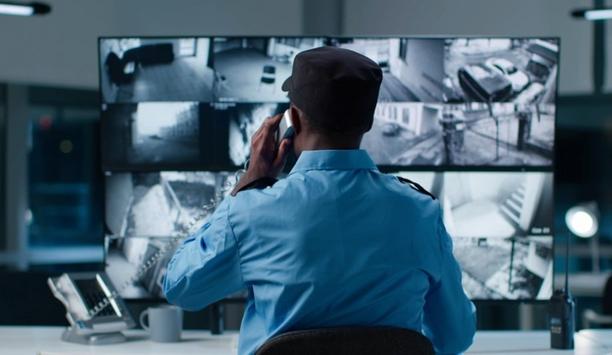
As city managers, law enforcement agencies, and first responders face mounting pressure to combat crime and respond to emergencies with limited resources, real-time crime centres empowered by a new generation of data-driven technologies are emerging as an effective force multiplier. Real-time crime centres Real-time crime centres (RTCCs) serve as centralised hubs where dedicated personnel leverage pioneering-edge technologies to analyse diverse data streams and provide critical support to law enforcement and emergency operations. These 24/7 facilities are transforming how agencies gather, process, and act upon information, enabling more proactive and efficient policing strategies. The core functions of RTCCs These centres provide officers with unprecedented situational awareness and real-time intelligence At their core, RTCCs are tasked with three primary objectives: enhancing safety, facilitating identification, and supporting apprehension. By integrating data from a wide range of data sources, these centres provide officers with unprecedented situational awareness and real-time intelligence. Integrated data approach This integrated data approach allows RTCCs to alert officers to potential threats, quickly identify suspects, and guide responders during critical incidents. For instance, in the event of a robbery, RTCC operators can rapidly search camera and licence plate data to track suspect vehicles, significantly improving the chances of a swift arrest. According to the Bureau of Justice Assistance at the U.S. Department of Justice, the mission of an RTCC is to centralise a broad range of current and evolving technologies, coordinate sworn and non-sworn human resources, and direct the attention to high-crime areas, active crimes in progress, high-profile or highly recidivistic offenders, and large-scale public events that may require law enforcement presence or response. The technology powering RTCCs The effectiveness of an RTCC hinges on its ability to seamlessly integrate a wide array of technologies: Open Platform Video Technology: At the heart of many crime centres is an open platform video management software (VMS) that serves as the central nervous system, unifying diverse data streams into a cohesive operational picture. By leveraging open APIs and SDKs, the VMS can incorporate a wide range of cameras, sensors, and analytics tools. This data-driven approach to video technology enables seamless alert distribution to both the RTCC and field officers via mobile applications. IP Camera Networks: The eyes of an RTCC, these systems combine fixed, PTZ, multi-sensor, thermal, and other specialty cameras to provide continuous city monitoring. Strategically placed throughout urban areas, cameras offer comprehensive coverage of critical locations such as transportation hubs, commercial districts, and high-crime zones. This network forms the foundation for real-time monitoring and incident response. Sensor Arrays: Beyond visual data, RTCCs employ various sensor technologies. Acoustic sensors can detect sounds such as gunshots, shouts for help, breaking glass, and other sounds instantly alerting officers and cueing nearby cameras. Environmental sensors monitor air quality for gasses, smoke, and other non-visible hazards. Licence Plate Recognition (LPR): LPR systems act as a force multiplier, continuously scanning for vehicles of interest. By generating real-time alerts for stolen or wanted vehicles, these systems significantly enhance the ability to track suspects and recover stolen property, contributing to reduced auto theft rates. Aerial Surveillance: Many RTCCs incorporate drone technology, providing on-demand aerial perspectives of developing situations. This capability is particularly valuable for monitoring large-scale events, assessing natural disasters, supporting operations in hard-to-reach areas, and serving as a powerful first response for crime scene situational awareness. AI-Powered Analytics: At the heart of many RTCC operations are sophisticated AI algorithms that analyse video data in real-time. These systems can identify a range of suspicious activities, from unattended packages to unauthorised intrusions. By rapidly processing vast amounts of video data, they help operators focus on potential threats and anomalies. Geospatial Mapping: To make sense of the influx of data, RTCCs rely on advanced mapping software. These tools visualise events, alerts, and data streams geographically, allowing operators to quickly identify patterns, clusters of activity, and relationships between incidents. Database Integration: RTCCs maintain direct connections to various law enforcement databases, including local, state, and federal resources like the National Crime Information centre (NCIC). This integration allows for rapid background checks and threat assessments, providing crucial context for ongoing operations. Cloud Infrastructure: The scalability and flexibility of cloud computing are revolutionising RTCC capabilities. Cloud and hybrid solutions offer secure, off-site storage and facilitate easy data sharing between agencies. This approach not only reduces initial costs but also allows for incremental upgrades, making advanced RTCC functionality accessible even to agencies with limited budgets. Real-world impact RTCC operators tracked shooting suspects via camera feeds, guiding officers to their location The proliferation of RTCCs across the United States with over 80 centres in operation speaks to their proven effectiveness. Cities that have implemented these high-tech command centres are reporting significant improvements in response times, clearance rates, and overall public safety. Real-time surveillance In Winston-Salem, North Carolina, the local RTCC leverages over 1,300 live video feeds to provide real-time surveillance across the city. This extensive network, combined with gunshot detection technology and licence plate readers, has already demonstrated its value. In a recent incident, RTCC operators were able to track shooting suspects via camera feeds, guiding officers to their location for a quick apprehension. Video analysis by RTCC Similarly, Newport News, Virginia, saw an immediate impact after launching its RTCC in 2021. The centre has played a crucial role in solving homicides caught on video and rapidly closing a series of carjacking cases. These success stories underscore the game-changing potential of RTCCs when it comes to solving crimes and gathering evidence. In Memphis, Tennessee, video analysis by RTCC detectives helped identify a shooter in custody following an incident at a community basketball court even when no witnesses had come forward. Identifying suspects with RTCC Officers and analysts can view street and body camera footage to monitor crowds at parades The Jackson Police Department in Mississippi has seen similar benefits since building an RTCC in 2019, part of a broader effort that included deploying 100 cameras and 271 body cams. Officers and analysts can view street and body camera footage to monitor crowds at parades and other events. During pursuits, the cameras provide extra surveillance, allowing officers to identify suspects or witnesses to help solve crimes. Enhancing crime mitigation and emergency response While RTCCs have proven their worth in responding to active incidents, their true potential lies in proactive crime prevention and enhanced emergency preparedness. By leveraging advanced analytics and integrated data sources, RTCCs are evolving into powerful predictive tools for law enforcement. Pattern recognition algorithms For instance, pattern recognition algorithms can analyse historical crime data alongside real-time video feeds to identify potential hotspots for criminal activity. This allows law enforcement to strategically deploy resources, increasing visible presence in high-risk areas before crimes occur. Similarly, anomaly detection systems can alert RTCC operators to unusual behaviors or suspicious activities, enabling early intervention in potentially dangerous situations. Asset and property protection, automated alerts RTCCs can monitor critical infrastructure, government buildings, and other high-value assets 24/7 Asset and property protection is another area where RTCCs excel. By integrating with access control systems and using AI-powered video analytics, RTCCs can monitor critical infrastructure, government buildings, and other high-value assets 24/7. Automated alerts for perimeter breaches, unauthorised access attempts, or suspicious objects left in restricted areas allow for an immediate response, significantly enhancing security postures. Emergency response and preparedness In terms of emergency response and preparedness, RTCCs serve as vital command and coordination centres during crises. Whether facing natural disasters, major accidents, or other large-scale emergencies, RTCCs provide a centralised hub for information gathering and dissemination. Real-time video streams from affected areas, combined with data from environmental sensors and emergency service communications, allow for rapid situational assessment and coordinated response efforts. Post-incident investigation and analysis RTCCs can also play an active role in post-incident investigation and analysis. The ability to quickly compile and analyse vast amounts of data from multiple sources can significantly accelerate case resolution and help identify patterns to prevent future incidents. As RTCCs continue to evolve, their capacity for integrating diverse data streams and leveraging advanced analytics positions them as indispensable tools in modern law enforcement strategy. The future of technology-driven policing The integration of artificial intelligence and machine learning promises to enhance video analytics As RTCCs continue to evolve, they are likely to incorporate even more advanced technologies. The integration of artificial intelligence and machine learning promises to enhance video analytics capabilities, enabling faster and more accurate threat detection. Additionally, the expanding use of drones, subject to FAA regulations, could provide RTCCs with cost-effective aerial surveillance options. Effective and ethical operations However, the implementation of RTCCs is not without challenges. Agencies must navigate issues of privacy, data security, and community trust. Ongoing training for personnel and careful planning is essential to ensure these centres operate effectively and ethically. Data-driven approach Despite these hurdles, the trend toward technology-driven policing shows no signs of slowing. RTCCs represent a shift from reactive to proactive law enforcement strategies, offering a data-driven approach to crime prevention and response. As these centres become more prevalent, they will play an increasingly vital role in helping agencies maximise their resources and make informed decisions, ultimately contributing to safer communities for all.

Amidst the challenges of a prevailing economic downturn, the retail sector finds itself grappling with an unparalleled rise in incidents of shoplifting, theft, and burglaries. The disconcerting scenes witnessed on London’s Oxford Street in August 2023, where crowds gathered, looting as many stores as possible, sent shockwaves across the nation’s retailers. This alarming surge in retail crime has put retailers on high alert, as they contend with a rising tide of security concerns. Shoplifting concerns Recent data from the Union of Shop Distributive and Allied Workers (USDAW), has raised alarming concerns: shoplifting rates have surged by an unprecedented 24%. In the first half of 2023 alone, there were approximately 8 million reported shoplifting incidents. With the ongoing burden of the cost of living crisis and the approaching festive season, it is expected that these figures will keep surging. Implementing robust security measures Theft and prevention strategies cost retailers approximately £2 billion in 2021/2022 While more help from the Government to support retail workers and the businesses shoplifters target is certainly needed, the implementation of robust security measures will significantly contribute to deterring these crimes from occurring in the first place. British retailers spend millions on tools to deter and catch shoplifters inside stores, from CCTV and security guards to electronic tagging and alarms. The Grocer reported that theft and prevention strategies cost retailers approximately £2 billion in 2021/2022. Despite these initial costs, other threats are at play beyond the shop floor. Break-ins by criminal gangs For many large town centre stores and supermarkets, and units in retail parks, the rear doors and delivery areas are commonly targeted by criminal gangs. It’s not uncommon for thefts to occur from pallets or cages that have been unloaded from lorries and sit waiting to be moved into the building. After-hours break-ins are a risk for all store owners too, particularly over the festive season when a lot of high-value stock has been delivered to shops and supermarkets. Addressing anti-social behaviour The additional fencing was deemed an essential measure to safeguard the community Anti-social behaviour also poses a challenge for retailers. In 2022, an Aldi based in Derby invested in security fencing to protect staff and deter loitering groups. The additional fencing was deemed an essential measure to safeguard the community, as dangerous items were frequently found outside the store, including weapons and hypodermic needles. So how do physical security solutions such as fencing and gates help better protect retail establishments such as supermarkets and edge-of-town retail park shops? Fencing and gates: a critical component of retail security 1. Risk assessment and target hardening A thorough risk assessment will identify potential weak spots that require protection. ‘Target hardening’ involves implementing physical security measures that become more robust as they approach the target. This helps deter intruders while ensuring ease of access for customers and staff. 2. Effective perimeter security Opt for difficult-to-climb security fencing that provides a robust obstacle against thieves, vandals, and intruders Selecting fencing solutions according to the potential threats, site characteristics, and topography is crucial. It is important to specify fencing that strikes a balance and maintains a welcoming appearance while safeguarding external areas of the store or warehouse from potential harm and unauthorised access. Solid fencing which provides concealment can help to conceal expensive goods and remove them as a target for opportunistic theft. Opt for difficult-to-climb security fencing that provides a robust obstacle against thieves, vandals, and intruders. I recommend selecting a sufficiently tall and robust fence such as an acoustic barrier. Its noise-reducing properties are often beneficial for these types of sites too. 3. Controlling vehicular speeds and access To enhance security, consider controlling vehicular speeds and access. One effective approach is the installation of bollards at the ends of traditional high streets. This practice is already commonplace as a means of safeguarding against hostile vehicle attacks, but it can also play a pivotal role in preventing quick getaways of vehicles involved in potential heists. Additionally, employing road blockers and sliding gates at the rear entrances of delivery areas would serve to fortify security further. These measures can help in delaying vehicles, allowing for necessary checks to be conducted. 4. Balancing security with aesthetics The presence of high-security fencing can also make a site more of a target for vandals and burglars Another challenge is avoiding creating an imposing presence, especially important for areas situated near residential communities. The presence of high-security fencing can also make a site more of a target for vandals and burglars. To minimise this risk consider specifying timber fencing and traffic barriers to secure car parks, providing both security and a welcoming atmosphere for shoppers. Taking an integrated approach Combine secure perimeter fencing with effective lighting in places with shaded areas and at doors, gates, and shop windows, alongside Perimeter Intrusion Detection Systems (PIDS), and strategically placed CCTV. These measures will hinder unauthorised entry and escape, increasing the likelihood of detection and apprehension. Prioritising employee wellbeing Installing robust security fencing, complemented by CCTV, good lighting, and guarding, creates a safe environment Installing robust security fencing, complemented by CCTV, good lighting, and guarding, creates a safe environment for employees. This not only safeguards their well-being but also provides peace of mind that they are protected effectively in the case of a burglary or crime. When selecting security products for retail sites, it is advisable to opt for items that have undergone rigorous testing and carry relevant certifications for their security level. Each component should meet industry-specific standards for its intended purpose and originate from manufacturers accredited under ISO 9001:2015. This ensures a high standard of quality and reliability in safeguarding the premises. High-quality security fencing As the cost-of-living crisis continues, crime rates increase, and the festive season approaches, the time to act and implement on-site security is now. By investing in comprehensive security measures, retailers can protect their assets, employees, and customers, ensuring a safer and more secure shopping environment for all. High-quality security fencing is also a sound investment, that requires little or no maintenance once installed. The best fencing solutions are extremely weather-resistant, and won’t suffer from rust or corrosion. With all sectors preparing to ride the rapids of recession in the coming year, improving on-site security while selecting cost-effective measures, is one surefire way to protect your people, your property, and your profits from harm.
Security beat

Companies at GSX 2023 emphasised new ways that technologies such as artificial intelligence (AI) and the cloud can address long-standing issues in the security market. Among the exhibitors at the event in Dallas were companies seeking creative ways to apply technology, lower costs, and make the world a safer place. Reflecting on the exhibition, here are some additional takeaways. Expanding AI at the edge i-PRO is a company reflecting the continued expansion of edge AI capability in the security market. Today, more than half of the company’s lineup supports AI at the edge so the customer has a wide choice of form factors when seeking to leverage the feature set. AI processing relay, extended warranty i-PRO is increasing their warranty period from 5 to 7 years, which could be a lifetime warranty in some cases I-PRO also has an “AI processing relay” device that accepts non-AI video streams and applies edge analytics. AI has progressed from a high-end technology to a feature available in a variety of cameras at different price points. i-PRO is also increasing its warranty period from 5 to 7 years, which could be a lifetime warranty in some cases depending on a customer’s refresh schedule and lifecycle management. Active Guard, MonitorCast The company’s video management system (Video Insight) is continuing to build new features including “Active Guard,” an integrated metadata sorter. Their access control platform, MonitorCast, is a Mercury-based solution that is tightly integrated with Video Insight. Their embedded recorders now have PoE built in. “We can move at a faster pace to fill out our product line since leaving Panasonic,” says Adam Lowenstein, Director of Product Management. “We can focus our business on adapting to the market.” Emphasis on retail and other verticals Shoplifting is a timely issue, and retail is a vertical market that got a lot of attention at GSX 2023. “We see a lot of retailers who are primarily interested in protecting employee safety, but also assets,” says Brandon Davito, Verkada’s SVP of Product and Operations. “Shrinkage is a CEO-level priority.” “Retailers are getting more engaged with security posture, instead of letting perpetrators walk,” Davito adds. Intrusion detection Verkada has an intrusion product that will notify a central station if there is an alarm On the alarm side, Verkada has an intrusion product that will notify a central station if there is an alarm, and operators can review videos to confirm the alarm. Other capabilities seeking to discourage trespassers include sirens, strobes, and “talkdown” capabilities. International expansion Verkada continues to expand internationally with 16 offices in all, including Sydney, Tokyo, and London. The core value proposition is to enable customers to manage their onsite infrastructure more simply, including new elements such as PTZ cameras, intercoms, and visitor management. Verkada emphasises ease of use, including a mobile application to allow access to be managed across the user base. Forging partnerships “We are committed to the channel and industry, and we continue to build relationships and expand our reach,” says Davito. Among the industry relationships is a new partnership with Convergint, which was hinted at during the show and announced later the same day. They are also expanding their partnerships with Schlage, Allegion, and ASSA ABLOY. Working with other verticals They offer new features for K -12 schools, and a new alarm platform is easier to deploy and manage Verkada has also found success across multiple other verticals, notably healthcare, where they integrate with an electronic medical records system. They offer new features for K-12 schools, and a new alarm platform is easier to deploy and manage. They are integrating wireless locks to secure interior doors in schools, looking to secure the perimeter, and installing guest management systems. Transitioning the mid-market to the cloud Salient is squarely focused on the “mid-market,” a large swath of systems somewhere between small businesses and enterprise-level systems. Pure cloud systems are not as attractive to this market, which has a built-out infrastructure of on-premise systems. Adding a camera to an existing system is easier and less expensive than tying it to the cloud. Benefits of cloud It’s a market that may not be ready for the pure cloud, but there are benefits to be realised from adding a cloud element to existing systems. “We are continuing to augment our premise-based solutions with added cloud capabilities and flexibility,” says Sanjay Challa, Salient’s Chief Product Officer. The feedback Salient hears from their customers is “I want to own my data.” The hybrid cloud approach offers the right mix of control, flexibility, and unit economics. Cloud add-on capabilities We want to provide the flexibility for customers to go full-cloud as it becomes more economically attractive" Cloud add-on capabilities include bringing more intelligence about system operation to the user via the cloud. Over time, Salient expects to sell more cloud-centric offerings based on feedback from integrators and customers. “We want to provide the flexibility for customers to go full-cloud as it becomes more economically attractive over time,” says Challa. Vaidio AI technology Salient seeks to be a transition pioneer to help customers realise the path to the cloud. Their approach is “crawl, walk, run,” and helping customers make the transition at each stage. Salient has added AI to its product offering, incorporating Vaidio AI technology from IronYun into a powerful suite and broad array of on-premise analytics, which are gaining traction. The seamless approach makes it easy for customers to embrace AI analytics, although Salient remains broadly committed to open systems. Addressing ‘soft’ features for integrators AMAG is in the process of enhancing its product line with the next generation of access control panels. However, “product” is just part of the new developments at AMAG. In addition to “hard” features (such as products), the company is looking to improve its “soft” features, too; that is, how they work with the integrator channel. Integrator channel Rebuilding a process to make your organisation more efficient, is relatively easy; it just takes a lot of persistence" “We have the depth of our legacy customer base we can learn from, we just need to close the feedback loop quicker,” says Kyle Gordon, AMAG’s Executive Vice President of Global Sales, Marketing, and commercial Excellence, who acknowledges the value of reinstating face-to-face meetings after COVID. “We are laser-focused on nurturing our integrator channel,” he says. “Developing new features takes time, but rebuilding a process to make your organisation more efficient, that’s relatively easy; it just takes a lot of persistence,” says Gordon. More cohesive internal communication is another useful tool, he says. Disrupting the cloud based on price Wasabi is working to make cloud applications less expensive by offering a “disruptive” price on cloud storage, $6.99 per terabyte per month (80% less than hyperscalers). Contending “hyperscalers” like AWS are charging too much for cloud storage, Wasabi is using its own intellectual property and server equipment co-located in data centres around the world. Wasabi sells “hot cloud storage,” which refers to the fact that they only have one tier of storage and data is always accessible. In contrast, a company such as AWS might charge an “egress fee” for access to data stored in a “colder” tier. Cloud storage “We saw that several video surveillance companies had not yet adopted cloud storage, and we saw an opportunity to make it easy to use,” said Drew Schlussel, Wasabi’s Senior Director of Product Marketing. “We just install a little bit of software that allows them to store data in the cloud and bring it back from the cloud.” Performance, protection (cybersecurity), and price Wasabi works with integrators, resellers, and distributors and also integrates with VMS companies Wasabi works with integrators, resellers, and distributors and also integrates with VMS companies such as Genetec and Milestone. Emphasising performance, protection (cybersecurity), and price, their data centres are certified to SOC 2 and ISO 27001 standards. Faster throughput for weapons detection Xtract One is a young company focusing on weapons detection in a time of accelerated concern about gun issues post-COVID. Founded in Canada and based on technology developed at McMaster University, Xtract One has found a niche in providing weapons detection at stadiums and arenas. These customers already have budgets, and it is easy to shift the money to a newer, faster technology. Madison Square Garden in New York City is among its customers. Cost savings solution Xtract One can increase throughput to 30 to 50 people per entrance per minute (compared to 5 to 6 people per minute when using metal detectors). The solution doesn’t require anyone to empty their pockets and the system alarms on items beyond guns and knives. Using Xtract One allows customers to reduce the number of screening lanes and security staff, providing additional cost savings, all while getting fans through the screening process in half the time. Purpose-built sensors The system uses purpose-built sensors looking for specific characteristics, such as reflective and density properties In addition to stadiums and arenas, Xtract One, formerly Patriot One, is also getting “inbound” interest from schools, hospitals, manufacturers, and other verticals that makeup 50% of their business. “We’re on a rocket ride, mainly because the weapons issues are not going away,” says Peter Evans, CEO and Director at Xtract One. The system uses purpose-built sensors looking for specific characteristics, such as reflective and density properties, all correlated by an AI engine. Providing early warning of violence ZeroEyes is another company focused on weapons detection. Their AI gun detection system works with video images to identify if someone is “brandishing” (carrying) a weapon. In other words, the system does not detect concealed weapons. Identifying someone carrying a weapon provides early warning of a possible violent act. Increased response with AI-enables images Images are identified by AI and sent to a monitoring centre where a human confirms the image before contacting first responders. Knowing the location of a shooter enables staff to lock entry points, move people to safety, and direct first responders. The company was founded to leverage existing camera views to stop mass shootings and gun violence by reducing response times.

GSX 2023 has its share of new product announcements, although many of the new products are enhancements to technologies shown at last spring’s ISC West show in Las Vegas. Booth traffic on the first day seemed busy at the Kay Bailey Hutchison Convention Center in Dallas, although one exhibitor complained that it takes some time for the traffic to make its way to the farthest areas of the show floor. Apparent throughout the GSX show is an expanding idea of what constitutes security. Increasingly, ‘security’ technologies offer benefits throughout other parts of a company or institution. Security is also being broadened to encompass ‘safety,’ including emergency response and wider issues of keeping a company safe. Managing multiple systems People look at the systems they have, and they are looking for more information" Manufacturers at GSX are talking about more than new products. Rather, they are offering new approaches to turn products into ‘solutions’ for customers. Among the benefits of new systems is the availability of more data. “People look at the systems they have, and they are looking for more information and data and insights from their systems,” says Kyle Hurt, Genetec’s Area Vice-President of Sales for the US and Canada. “In the past, if I’m managing multiple systems and spending time and resources, I am making sure systems are operational. Today, it’s more like: How do I make my enterprise more efficient? I spend less time on making sure systems are working together but more time on how we can use the information.” Manufacturers at GSX are talking about more than new products Security control room Genetec is enhancing its Security Center 5.11 version with a newly redesigned web client that provides new capabilities related to system audio, including the ability to trigger a public address from a mobile device in an emergency, two-way audio to and from the security operations centre, and the ability to record an incident. The new web client offers new levels of “Security on the go,” says Hurt. A mobile device becomes an extension of the security control room. “Customers want to have more remote capabilities and have their security personnel out and about, not tied to a desk,” says Hurt. The new web client works to unify the four pillars of the Security Centre— video, access control, license plate recognition, and now audio. Single source manufacturer Audio can now be used to broadcast a message, respond to an incident, and notify people" “Audio has taken time to develop legs in our ecosystem,” says Hurt. “We have been developing partnerships and use cases beyond an intercom at the door. Audio can now be used to broadcast a message, respond to an incident, and notify people en mass of what’s going on.” Manufacturers are also fine-tuning how they work to meet customers’ needs. “Customers want one point of contact, a single source manufacturer, and a solution that reflects the manufacturer is listening to the voice of the customer,” says Jerry Burhans, Managing Director of ASSA ABLOY Global Solutions - Critical Infrastructure, which seeks to be a global partner to critical infrastructure industries. The Critical Infrastructure business works across the various product groups of the notoriously siloed company to bring together solutions aimed at meeting each customer’s need. Manufacturers are also fine-tuning how they work to meet customers’ needs Best-in-class technology “We try to have best-in-class technology and collaborate within ourselves to make sure we have what customers need,” says Burhans. Critical infrastructure industries such as water, power and energy, oil and gas are developing standards to help support preparedness of the nation’s infrastructure, and ASSA ABLOY Global Solutions is helping operators secure access and provide audit trails on locking hardware and keys within their security perimeters. Managing customer assets Johnson Controls’ new OpenBlue Service for the security device market seeks to proactively manage customer assets (equipment) as a service. The company’s software platform of connected solutions monitors and manages security devices across vendors and provides remote support services including skilled engineers who can work to ensure that a company’s assets, including cameras and access control readers, operate dependably. Working remotely, OpenBlue analyzes the performance of each system component Johnson Controls estimates that, unfortunately, up to 25% of a company’s security assets may not be working as intended, whether they lack the latest firmware update or are not connected. Working remotely, OpenBlue analyses the performance of each system component and responds to ensure equipment operates as intended. “We believe we can close that gap with our solutions,” says Greg Parker, Vice President, Innovation & Portfolio Management for Johnson Controls. Physical security equipment A big advantage of OpenBlue for security customers is the ability to manage cybersecurity and threats at the edge, which may not currently be addressed by the IT department. The OpenBlue offering includes an embedded ‘air wall,’ which is a zero-trust architecture for physical security equipment. OpenBlue also helps customers manage the ever-changing lifecycles of various assets. Another concept prompting discussion at GSX 2023 is the gap between what a customer expects from a product and what the product can realistically deliver. With endless promotion in the last several years centring on concepts such as artificial intelligence (AI), is it any wonder that customers may sometimes have unrealistic expectations about what a technology can accomplish? The good news at GSX is that, as progress marches on, newer technologies are getting closer and closer to delivering on customers’ most ambitious expectations. The forward momentum of technology development is evident throughout the GSX 2023 show floor, reflecting the promise of even greater product capabilities in months and years to come.

The Global Security Exchange (GSX 2022) in Atlanta in September 2022 is the latest example of the energetic post-COVID resurgence of security trade shows. On the vibrant show flow, discussions centered on topics such as the security industry’s need for more employees and the lingering impact of a months-long supply chain crisis. Against a backdrop of continuing industry challenges, exhibitors and attendees were diverted by a wealth of new opportunities as the industry rebounded. Several major players had big product announcements at GSX 2022 in Atlanta. Manufacturers unveil the latest technology The big news at Genetec was “5.11.” That’s the newest version of Security Center, which is “all in,” i.e., providing everything Genetec offers in a single “unified” platform. The unified approach streamlines the process for systems integrators, makes quotes easier, and adds value for customers. Standard, Pro, and Enterprise versions provide video, access, and LPR “right out of the box.” Genetec is also launching a new web and mobile client for the “next generation operator.” Paid intern programme Kyle Hurt says the security industry’s biggest challenge is attracting personnel Kyle Hurt, Genetec’s Senior Sales Director, North America, says the security industry’s biggest challenge is attracting personnel (even more challenging that the supply chain.) Genetec’s response is a robust paid intern programme, welcoming 120 interns into various departments for a full semester. The programme helps to feed Genetec’s need for new talent. “You can’t coach passion,” said Hurt. WiseNet Edge Hanwha Techwin introduced a “serverless camera” at GSX 2022, named the WiseNet Edge. It is a video camera with a built-in solid-state hard drive for storage. The camera can store its own video and take in other camera feeds. In effect, it operates like an NVR but is less expensive and with an internal solid-state drive. Video can be viewed through a cloud browser, and Hanwha’s WAVE software, loaded on the camera, enables the management of several cameras at a site. High-res video is stored inside the camera, and any information can be shared with the cloud according to the needs of the application. i-PRO Mini i-PRO launches its own Video Insight video management system and MonitorCast access control i-PRO has fully transitioned away from Panasonic and is charting its own ambitious future path. Seeking to be “bold, trusted, and flexible,” the company is releasing a raft of new products, filling in previous gaps in the line, and bringing forward new innovations, including a full complement of AI. In addition to hardware, they have their own Video Insight video management system and MonitorCast access control, which was part of the Video Insight acquisition in 2015. An i-PRO Mini is a tiny camera, smaller than a smartphone. All cameras are NDAA compliant. People are coming together “The show has been phenomenal,” said Josh Letourneau, Chief Commercial Officer, Prosegur USA. “It’s very nice to see that people are coming back. After the pandemic, we are finally in a position of coming together. Lots of organisations are coming to see us.” Intelligence-led risk management Prosegur is a global company looking to expand aggressively in the United States, creating multiple “metropolitan service areas,” where the company’s fully integrated offerings are available. What makes the company unique is its “intelligence-led risk management,” says Josh Letourneau, adding “It’s more than AI, it’s about human intelligence, too." Prosegur sees evolution and growth opportunities in the U.S. market. “We are one of the largest companies no one has heard of,” adds Letourneau. “The show seems as back to normal as possible,” said Keith Bobrosky, President of Delta Scientific, who attended the show although his company did not exhibit, adding “There seems to be a generally positive spirit about the show this year.” Physical security protocols Bobrosky sees data centres as the next big market for his company’s vehicle barriers Bobrosky’s company has worked aggressively to avoid the impact of supply chain issues, ordering plenty of extra inventory to avoid the possibility of a part running out of stock. “We got ahead of it and are past the worst of it,” he said. Bobrosky sees data centres as the next big market for his company’s vehicle barriers. “The government will mandate physical security protocols for cybersecurity locations because they house data that affects national security,” he says. Robots and indoor drones ADT Commercial highlighted robots and indoor drones for security apps at their booth. The newest versions of the humanlike robots offer extra padding, more fluid movement, and 360-degree viewing for a better virtual reality (VR) experience, including better peripheral vision. Robots can operate for four hours without a charge and “know” when to return to the charger (to “top off” every hour). Fully autonomous indoor drones can also replace guards, flying near the ceiling and generally after business hours. The use of either robots or drones can lower costs when compared to hiring human guards. Varied uses for canines in security Glen Kucera, Chief Executive Officer, MSA Security, highlighted the capabilities of canines for explosives and firearms detection. “People don’t realise the flexibility of what they can do,” he said. Kucera says canines provide a sophisticated solution to address the escalating active shooter and criminal threat. MSA Security was acquired last year by Allied Universal, adding to the company’s varied offerings for threat detection and management. Rather than individual products, Allied Universal’s emphasis at the show was on bringing solutions together. Their message: Risk is multi-dimensional and different from one client to the next. Access control Access control needs to develop more modern interfaces to compete with new technology companies AMAG’s news at the show included a new president, David Sullivan, who highlighted AMAG’s role as one of the “last independent access control companies.” He said, “The beauty of AMAG is its installed base and loyal integrator channel.” Sullivan sees changing trends in how office space is managed in the wake of the pandemic. More workplace management applications will emerge, with one of the elements being access control. Access control also needs to develop more modern interfaces to compete with new technology companies entering the market. An encouraging sign is that AMAG had its best year ever in 2021. Orion Entrance Control Orion Entrance Control showed off one of its modern new turnstiles at the RealNetworks/SAFR booth at GSX 2022. The turnstile incorporates an access control module from Elatec to update and expand card reader functionality. Using the module streamlines Orion’s processes and avoids having to update a customer’s readers individually. The turnstile at GSX also incorporated a facial recognition system from SAFR, which could be used instead of, or in addition to, the access control reader. Balancing the cloud and on-premise systems Salient Systems is looking to balance the use of on-premise and cloud systems and emphasise data instead of video. Rather than a single market, Salient sees security as a variety of smaller markets, each focused on different needs. Salient’s customers are typically larger and have multi-site deployments with thousands of cameras. On-premise systems appeal here because they offer an element of control. Open-platform APIs Internal teams at customer sites are seeking out and finding new ways to leverage the data from video systems “People have a keen interest in control and ownership of their data,” says Sanjay Challa, Chief Product Officer, Salient Systems. Internal teams at customer sites are seeking out and finding new ways to leverage the data from video systems, and some of the uses fall outside the traditional “security” market. Open-platform application programming interfaces (APIs) enable more integration with various systems, and broader applications enable customers to leverage budgets from other stakeholders in an organisation. Add-on services “They’re unwilling to shift the entire solution to the cloud, but they want to leverage cloud technologies,” says Challa. For Salient, a cloud system provides remote access to monitor and service video installation remotely. “We enable the integrator to reach into your system to provide a higher level of service,” says Sanjay Challa. He concludes, “Our add-on services bring the best of the cloud to on-premise systems, and integrators don’t have to roll a truck to solve a problem with the system. We are focused on helping integrators succeed.”
Case studies

Atyrau, one of Kazakhstan’s key regional cities, has been steadily advancing its urban development while facing growing demands on its road and traffic infrastructure. As vehicle volume increased and urban mobility became more complex, the city needed a smarter, more efficient way to manage traffic flow, improve road safety, and support the daily movement of residents, commuters, and pedestrians. In response, Dahua Technology delivered an intelligent signal control solution designed to enhance city infrastructure, improve mobility, and contribute to a safer and more sustainable urban environment. Critical traffic management Located in western Kazakhstan, Atyrau plays an important role as a regional economic and transportation hub. With continuous urban growth, the city’s roads have become increasingly busy, especially during peak hours. However, parts of the region’s road infrastructure remained insufficient, with some major roads lacking adequate traffic signs and signal lights. This created challenges for both vehicles and pedestrians, making traffic management more difficult and increasing safety risks across key intersections. Before the project, Atyrau faced several critical traffic management pain points Before the project, Atyrau faced several critical traffic management pain points. Congestion during peak hours had become increasingly prominent, requiring a cost-effective and flexible signal control system that could adapt to different road scenarios. In addition, unclear traffic lights and gaps in traffic management contributed to disorderly traffic conditions, including a serious chain collision involving nearly 100 vehicles in 2025. Increasing maintenance difficulty The city also needed a solution that would be easy to deploy and maintain. Many mainstream signal control systems are technically complex, which can increase maintenance difficulty and operational costs. For a growing city like Atyrau, the government required a practical system that could be quickly deployed, remotely commissioned, and adjusted with minimal disruption to citizens’ daily lives. To address these challenges, Dahua provided an intelligent traffic signal control solution combining signal controllers, signal lights, and traffic flow cameras. The system uses AI-powered traffic flow analysis to predict and manage traffic conditions with high detection accuracy, even in complex road environments. By synchronising traffic flow data in real time across multiple intersections, the system can dynamically adjust signal timing and generate optimised timing plans. Adaptive control capability A key advantage of Dahua’s solution is its simple deployment and adaptive control capability A key advantage of Dahua’s solution is its simple deployment and adaptive control capability. The system is designed to be easy to install, debug, maintain, and optimise, allowing traffic control strategies to be adjusted within seconds. This flexibility helps traffic departments respond more effectively to changing road conditions while reducing the burden on traffic enforcement and management teams. Dahua also provided professional traffic signal services, including green wave optimisation and traffic management support. Through its expert team and technical assistance, Dahua helped launch the first signal control demonstration project in the Eurasia region, strengthening local smart transportation capabilities and expanding the ecosystem of technical cooperation. The project also established a replicable model for medium-sized cities across Central Asia and other emerging markets, demonstrating how AI-powered urban mobility solutions can improve transportation efficiency, road safety, and sustainability with practical investment efficiency. Key adaptive intersections Following the deployment of the AI-driven intelligent traffic signal control system, Atyrau achieved significant improvements in urban mobility efficiency and traffic operations. Based on preliminary operational observations and traffic flow analysis at key adaptive intersections, peak-hour traffic efficiency increased by more than 15%, while average vehicle delay time was reduced by approximately 20%. The adaptive signal optimisation capability also improved traffic throughput across major corridors by an estimated 12–18%, helping reduce congestion during busy periods. Atyrau achieved significant improvements in urban mobility efficiency and traffic operations By enabling real-time traffic analytics and dynamic signal coordination, the project reduced unnecessary vehicle idling time by an estimated 18%, contributing to lower fuel consumption and carbon emissions. Operationally, the intelligent traffic management framework reduced manual traffic intervention requirements by approximately 30%, allowing local traffic authorities to respond more efficiently to changing road conditions through data-driven decision-making. Greener urban environment Beyond traffic efficiency, the project brings wider value to the city and its residents. Smoother traffic flow helps reduce unnecessary idling and emissions, contributing to a greener urban environment. Safer and more orderly intersections improve mobility for drivers and pedestrians, while intelligent infrastructure supports the city’s long-term vision of digital transformation. By combining AI, real-time data, and adaptive signal control, Dahua’s solution helps Atyrau move toward a smarter, safer, and more sustainable future.

In a move to modernise campus operations and create a smoother experience for students and staff, Peru’s National Agrarian University has deployed a comprehensive Hikvision smart campus solution. From streamlined access to safer transportation, the university is building a safer, connected and efficient campus environment. Universidad Nacional Agraria La Molina (National Agrarian University) is one of Peru's most respected academic institutions. Its 102-hectare campus operates more like a small city than a traditional university, serving eight faculties, around 8,000 students, and about 600 teachers every day. Campus bus operations As campus activity continued to grow, the university wanted a more modern and efficient way to manage daily operations. Previously, visitor and vehicle access relied heavily on manual checks and handwritten records. The university also wanted better visibility over campus bus operations and more effective support for security teams patrolling the large campus area. Their goals included: Streamlining pedestrian and vehicle access Equipping patrol teams with mobile tools to enable them to respond to incidents faster Enhancing safety and visibility across campus bus operations Centralising management through a single unified platform To achieve these, the university worked with system integrator Consorcio Valtar Security y Serinfortel to deploy a unified Hikvision smart campus solution. Anti-tailgating functions To improve pedestrian access, the university installed 18 Hikvision Pro Swing Barriers (DS-K3B530X) and 28 Face Recognition Terminals (DS-K5671-ZV) at the main and side entrances. The solution helps students and staff move through gates quickly while improving entry management. The facial recognition terminals support recognition speeds of less than 0.2 seconds per user and accuracy rates above 99%. Anti-tailgating functions, which prevent people slipping in behind others, helps ensure only authorised individuals can enter. LED indicators, meanwhile, provide visual indicators guide people through the turnstiles in order to avoid bottlenecks. To further streamline visitor handling, the university deployed a Visitor Terminal (DS-K5032-D) together with an Enrolments Station (DS-K1F600U-D6E-F) at the main entrance. The dual-screen visitor terminal supports paperless registration, helping security staff process guests more efficiently while reducing manual paperwork. At the same time, the enrolment station simplifies face enrolment and user management through an easy-to-use touch-screen interface. Anti-hitting protection mechanisms For vehicle access, Hikvision deployed 6 ANPR Cameras (DS-TCG406-E(S)) together with 6 Barrier Gates (DS-TMG520-H/B) at two campus entrances. The system automatically recognises license plates and manages vehicle access in real time, helping reduce waiting times and improve traffic flow. Staff vehicles can be pre-registered through the university’s app, allowing smoother entry during peak hours. Adjustable barrier speeds and multiple anti-hitting protection mechanisms also help improve operational safety. To further improve the driver experience, LED Screens (DS-TVL224-4-5Y) display welcome messages and vehicle information in real time. Because of the campus’s large size, motorcycle patrol teams play an important role in maintaining daily operations and responding quickly across different areas. To support these teams, the university has deployed 10 Hikvision Ultra Series Body Cameras (DS-MH2311) together with 2 Dock Stations (DS-MDS001). Several features make this solution particularly suitable for mobile patrol work: Clear 2 MP video recording with a wide 129° horizontal field of view Up to 8 hours of recording with a removable 3,300 mAh battery Wireless connectivity for improved communication Real-time positioning support through GPS Centralised charging, storage, and evidence upload through dock stations Professional campus operations The cameras are mainly used during routine motorcycle patrols and when responding to incidents on campus. Recorded footage helps clearly document security procedures and provides reliable records of how situations were handled, supporting transparent and professional campus operations. The university has also upgraded safety across its fleet of 11 campus buses with Hikvision onboard solutions. Each bus is equipped with: Mobile Dome Cameras (DS-2XM6726G1-IM/ND) and Mobile Network Cameras (DS-2XM6522G1-ID): These provide real-time HD video coverage inside and outside the buses, helping operators monitor passenger boarding, alighting, and road conditions clearly. DSM Camera (AE-VC1B1I-ISF(RJ45)): This improves driving safety by detecting critical safety indicators such as fatigue, distractions, and smoking. When potential risks are identified, alerts are immediately issued to the driver, helping encourage safer driving practices during daily routes. Touch Monitor (AE-MW1203): Drivers can view live camera feeds through the monitor. The display automatically switches to relevant views when doors open or when reversing, helping drivers monitor passenger movement and blind spots more effectively. Alarm Button (DS-1530HMI(AE)(O-NEU)): It allows drivers to immediately notify the control center for rapid assistance in emergency situations. Mobile NVR (AE-MN5043(1T/SSD)(RJ45)(O-STD)): This records and stores video while also supporting GPS positioning, geofencing, and route monitoring through Google Maps integration. Campus bus management Every solution, from access control and patrol operations to campus bus management, is centrally managed through HikCentral Professional. From this single platform, the university can: Monitor access events in real time Manage user permissions and visitor records Track campus buses through GIS-based maps Receive centralised alarms and event notifications Coordinate faster responses across campus According to the university, the solution has significantly improved operational visibility and coordination across the campus. “With Hikvision’s smart campus solution, we now have a much more efficient and connected way to manage daily campus operations,” says Joseph Jimy Ordóñez Blanco, General Coordinator of the University’s Security Unit. “From access management to transportation safety, the platform gives our teams better visibility, faster response capabilities, and greater confidence in maintaining a safe environment for students and staff.”

Viação Santa Brígida partnered with Dahua Technology to improve the safety and efficiency of its bus fleet in São Paulo, Brazil. The integrated solution enables real-time monitoring, reduces blind spots, supports passenger counting and fare-evasion control, and helps operators respond to incidents more effectively. Overview - Viação Santa Brígida is a major operator serving São Paulo with a fleet of more than 650 buses. To improve fleet supervision, passenger and driver safety, and operational visibility, the client partnered with Dahua Technology to deploy an intelligent mobile video surveillance and fleet management solution featuring onboard cameras, passenger counting, vehicle tracking, and centralised real-time monitoring. Potential safety risks Challenges - Managing hundreds of buses operating across a densely populated metropolitan area requires continuous coordination and reliable access to operational information. Viação Santa Brígida needed a more effective way to monitor its vehicles in real time and respond rapidly to incidents. Limited visibility inside and around buses made it difficult for the company to verify events, identify potential safety risks, and support drivers during daily operations. Blind spots around large vehicles also presented a concern, particularly during passenger boarding, manoeuvring, and interactions with pedestrians and other road users. Assessing vehicle occupancy The company additionally needed better tools to address fare evasion and monitor passenger movement. Without centralised and accurate data, assessing vehicle occupancy, reviewing suspicious activity, and identifying possible revenue losses could be time-consuming. Another priority was improving the efficiency of fleet management. Information from individual vehicles had to be consolidated and made readily accessible to the operations team, enabling managers to make faster, better-informed decisions. Centralised management software Solutions - Working with Dahua Technology, Viação Santa Brígida deployed an integrated mobile video surveillance solution combining strategically positioned onboard cameras, intelligent analytics, vehicle information, and centralised management software. Cameras installed inside the buses provide continuous recording and real-time monitoring of passenger areas. This allows the operations team to review incidents, observe passenger movement, and obtain reliable video evidence when necessary. The system also helps identify cases of fare evasion, supporting the protection of company revenue and improving operational control. Passenger-counting capabilities External cameras give drivers a more complete view of the areas surrounding each vehicle. By reducing blind spots, the solution helps drivers see pedestrians, passengers, and other nearby road users more clearly throughout the journey. This is particularly valuable during boarding and disembarking, when people may be positioned close to the vehicle or outside the driver’s direct field of vision. The deployment also incorporates intelligent passenger-counting capabilities. By automatically analysing boarding activity, the system provides more accurate information about passenger volumes, vehicle occupancy, and potential discrepancies associated with revenue collection. Comprehensive view of fleet activity All information is brought together at Viação Santa Brígida’s Integrated Control Center, where operators can monitor the fleet through a video wall and Dahua’s mobile management software. The platform consolidates live and recorded video with vehicle location and operational information, giving the control team a clearer and more comprehensive view of fleet activity. The centralised system also supports the identification and investigation of unusual events. When an incident occurs, operators can access the relevant vehicle information and video footage, helping the company evaluate the situation and take appropriate action more efficiently. Continuous video monitoring Results - Dahua’s integrated mobile video surveillance solution has significantly improved Viação Santa Brígida’s fleet visibility by enabling continuous video monitoring, more accurate passenger counting, stronger fare-evasion control, and faster incident verification. External cameras also reduce blind spots, helping drivers operate more safely during daily journeys and passenger boarding. By centralising video, location, and operational data in the Integrated Control Center, the company can analyse events more quickly and make better-informed decisions. Overall, the collaboration between Viação Santa Brígida and Dahua Technology has delivered a safer, more transparent, and more efficient approach to public transportation management, benefiting the company, its employees, and the thousands of passengers who rely on its services each day. “Today, we can continuously monitor the cameras installed across our buses and provide our managers with more accurate operational information. Dahua’s technology helps us control fare evasion, improve safety for drivers and passengers, and manage our fleet with much greater efficiency and confidence,” says a representative from Viação Santa Brígida.
Amthal has delivered a complete security upgrade at The Maltings Shopping Centre, building on a partnership of more than three decades to transform the way the centre is monitored and managed. In supporting The Maltings since 2013 and taking on full management in 2017 Amthal could ensure the system remained effective through a dedicated maintenance programme until the time came for a complete upgrade. Integrated with the barrier system The new solution introduces 39 state-of-the-art Dahua cameras, including PTZ, 180-degree and AI-powered people-counting models, to provide full coverage across all seven entrances and car parks. Automatic number plate recognition has been integrated with the barrier system to improve vehicle access control, while people-counting technology now delivers reliable visitor data to track peaks and troughs. Active deterrent measures and signage strengthen site protection, supported by EMCS Sentry software to continuously monitor hardware performance and camera availability. Secure on-premises storage ensures all data remains under the centre’s direct control. Redesigned digital control desk Says Richard Marrett, Centre Director at The Maltings: “The new systems have changed the way we manage the centre. The cameras and control desk give us clearer oversight and together with features like people counting and vehicle access ensures we can identify incidents, respond quickly and review activity with confidence. Behind it all is the trust we have in Amthal, built over three decades of working together to keep The Maltings safe and welcoming.” A redesigned digital control desk now brings all live feeds, recordings and analytics together on a single platform, giving the security team clearer visuals and wider oversight than ever before. These features provide greater efficiency, faster response times and stronger protection. Management and security teams All installation work was carried out while the centre remained fully open. Amthal partnered with Dahua together with the management and security teams to plan the schedule so that tenants, staff and shoppers experienced no disruption. Kris Hallett, Business Development Director at Dahua Technology UK, added: “The upgraded cameras now capture detail even in low light, and features like auto-tracking reduce the need for constant manual monitoring. People-counting sensors give the team reliable data across key areas, while number plate recognition integrated with the car park barrier has streamlined vehicle access and reduced misuse." "All can be accessed at any time, even remotely. Working alongside Amthal, we were able to introduce all of this without disruption to the centre’s daily operations.” New requirements and advances in security technology The original system was first installed in 1995, marking the beginning of a long-term relationship that has seen Amthal support The Maltings in adapting to new requirements and advances in security technology. Paul Rosenthal, Amthal Group Business Development Director, concluded: “Our established partnership with The Maltings demonstrates how we work with clients over the long term. This complete upgrade with latest Dahua technology has delivered an integrated system that is straightforward for the team to use and manage via the new control centre. It ensures the centre remains safe, accessible and an enjoyable experience with complete peace of mind for tenants and shoppers alike.”

Genetec Inc., the pioneer in enterprise physical security software, announced that its cloud-based vehicle investigation system, Cloudrunner™, is now hosted in Canada on the Microsoft Azure cloud platform. This will ensure that sensitive data for Canadian law enforcement, security agencies, and private-sector organisations remains in Canada while delivering responsiveness, scalability, and reliability. Vehicle-centric investigation system Cloudrunner is a cloud-native vehicle-centric investigation system that helps public safety agencies Cloudrunner is a cloud-native vehicle-centric investigation system that helps public safety agencies and security teams detect, analyse, and respond to vehicle-related crime. Designed with privacy and compliance in mind, Cloudrunner supports proactive policing and community safety. It offers real-time alerts, historical search tools, and an intuitive map-based interface that makes it easy to visualise vehicle activity, collaborate across jurisdictions, and share insights securely. Data-driven tools “With vehicle-related crime on the rise in Canada, law enforcement agencies need powerful, data-driven tools that help them solve cases faster and keep communities safe,” said Larry Legere, Commercial Director at Genetec Inc. "By hosting Cloudrunner in Canada, we're giving agencies the tools they need to make quick, informed decisions that help them stay ahead of criminal activity, while keeping sensitive data within our borders.” Users can quickly identify vehicles Cloudrunner enables users to quickly identify vehicles of interest, even with partial information By combining automated licence plate recognition (ALPR) with rich metadata, such as vehicle type, make, model, and colour, Cloudrunner enables users to quickly identify vehicles of interest, even with partial information, at any time of day or night, and in any weather condition. The platform supports real-time hotlist alerts, historical search capabilities, and investigative tools that help law enforcement locate suspects on the move, and close cases faster. Evaluation of Cloudrunner "One of our primary considerations during the evaluation of Cloudrunner was ensuring that all collected data would be securely stored and remain within Canadian borders," said Jeff Joyce, Manager - Parking Services, at the University of British Columbia (UBC). "Data sovereignty was a non-negotiable priority for us, as it not only addresses regulatory requirements but also reinforces our commitment to protecting sensitive information and upholding the trust of our campus community." Setting up Cloudrunner Canada now joins a growing list of countries, including the United States, Australia, and New Zealand, where Cloudrunner is hosted locally to meet the needs of agencies that require data to reside within national borders. New and existing Canadian users will automatically use Canada as their hosting region when setting up Cloudrunner, with no changes to existing workflows.

The Chiba Taxi Association manages over 5,000 taxi vehicles across its eight branches in Chiba Prefecture. Among them, the Keiyo Branch and the Keiyo District Taxi Operations Council have led efforts to install network cameras at key terminal stations for the past 18 years. These systems have supported the monitoring of taxi stand congestion, crime prevention, and emergency response, including the identification of stranded commuters during disasters. Network camera systems Initially, this operation was manually handled by on-site traffic supervisors In response to taxi deregulation by the national government in 2002, large numbers of taxis began flocking to station stands, creating serious congestion. To address this, the association introduced its first “Taxi Satellite System,” which temporarily redirects waiting taxis to offsite parking areas and calls them back via radio when space becomes available at the station. Initially, this operation was manually handled by on-site traffic supervisors, but over time, it transitioned to camera-based monitoring using network camera systems. New monitoring system At the time, deploying network cameras to support such a system was a groundbreaking move in Japan—considered both advanced and innovative. This camera-based approach helped reduce congestion and wait times while also contributing to public safety and convenience. Building on this long-standing commitment to safer and more efficient taxi operations, the association has now introduced a new monitoring system powered by VIVOTEK cameras at JR Maihama Station—a station widely known as the gateway to Tokyo Disney Resort. The goal is to visualise and manage congestion caused by overtourism in the area. Challenges Overcrowding Around a Major Tourist Hub Buses and taxis were unable to access the station due to heavy traffic caused by private vehicles JR Maihama Station serves tens of thousands of passengers daily, many of whom visit Tokyo Disney Resort, located just a five-minute walk away. Adding to the strain, inbound tourism surged in Japan after COVID-19, making evening hours—especially after 8 PM—particularly congested. In some cases, buses and taxis were unable to access the station due to heavy traffic caused by private vehicles. Staff Shortages from an Aging Workforce In the past, supervisors were stationed at major terminals to monitor congestion, maintain order at the rotary, and prevent unauthorised taxi operations—particularly by Tokyo-based taxis operating outside their jurisdiction. However, in recent years, the association has faced increasing challenges due to an aging workforce and a declining pool of available personnel. Solutions Full-Surround Coverage with Fewer Cameras The wide field of view from a single camera helps reduce both installation and maintenance costs VIVOTEK’s fisheye cameras provide seamless 360° coverage, eliminating blind spots and enabling comprehensive monitoring of the taxi stand area with fewer units. This not only enhances situational awareness but also proves valuable during investigations and when sharing footage with law enforcement. The wide field of view from a single camera helps reduce both installation and maintenance costs. Additionally, the camera’s built-in IR illuminator ensures clear video even low-light conditions—an essential feature for round-the-clock taxi operations. Remote Monitoring for Smarter Dispatching Live footage from the cameras is streamed directly to taxi and bus company dispatch centres, enabling remote monitoring of congestion at taxi stands without the need for on-site staff. This has streamlined the dispatching process and helped alleviate overcrowding. By gradually shifting from manual patrols to camera-based monitoring, the association has also mitigated labour shortages while achieving significant improvements in both cost saving and operational efficiency. Benefits The association continues to leverage both new and existing camera systems Camera footage is also shared with local law enforcement. Under a crime prevention agreement with the Urayasu Police Station of the Chiba Prefectural Police, the footage has been utilised for both investigation and deterrence. The association continues to leverage both new and existing camera systems—not only to ease congestion at taxi and bus stands but also to help maintain a peaceful environment and support the creation of a safer society. Results and customer feedback In February 2025, the association began full operation of its new “Taxi Stand Digital Signage & Monitoring System” at JR Maihama Station. As a key component of the system, the association selected VIVOTEK’s FE9382-EHV-V2 fisheye cameras. “Our first encounter with VIVOTEK was at IBS Japan’s booth during the Mass-Trans Innovation Japan exhibition, where we were impressed by the camera’s performance. Since then, we have consistently relied on VIVOTEK cameras for crowd monitoring, digital signage condition monitoring, and taxi stand security,” Mr. Kumagai, Deputy Director, Keiyo Branch, Chiba Taxi Association/Keiyo District Taxi Operations Council.
Round table discussion

Ideally, every new product or technology serves a need in the market, but not all new products are created equal. The impact of some new technologies is so profound that they make us rethink our preconceptions and may create a total transition in the broader market. These are the technologies we call “game changers” because they prompt a significant shift in the current manner of doing or thinking about security. We asked this week’s Expert Panel Roundtable: What current technology is a “game changer” for physical security?

Headlines of violence in our schools are a reminder of the need to keep educational institutions safe. In fact, if there is a positive aspect to the constant bombardment of headlines, it is that it keeps our attention perpetually focused on how to improve school security. But what is the role of physical security systems? As the new school year begins, we asked this week’s Expert Panel Roundtable: Are schools safer because of physical security systems? Why or why not?

As physical security technologies become more complex, it is incumbent on the dealer/integrator to have the skills and expertise needed to ensure that a system operates smoothly. The value of integrators increasingly rests on the skill sets they bring to bear when installing a system. If the skills are missing, there is a problem. We asked this week’s Expert Panel Roundtable: What missing skills among security integrators can cause problems for customers?
Products
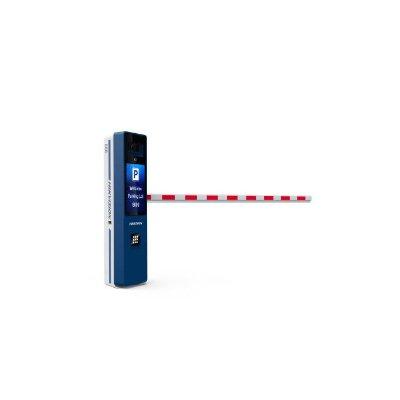
White papers

Charting the path to safe cities
Download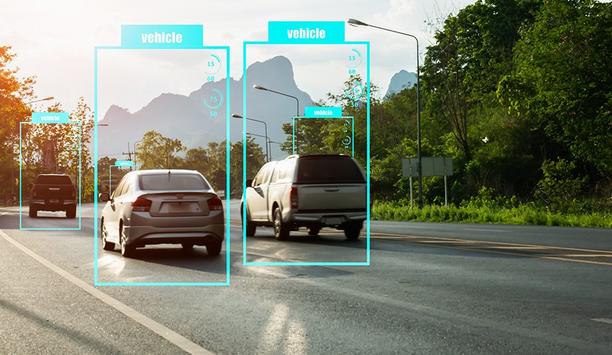
Automatic vehicle identification
Download
How to ramp up perimeter security with license plate reader technology
Download
Exploring new vertical markets for professional security systems
Download
Automatic vehicle identification: State of the industry 2020
Download
Beyond security: access control for multi-tenant sites
Download
Access control & intelligent vehicle screening
Download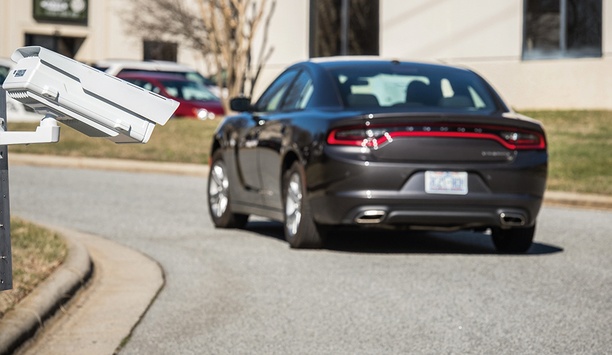
How plate reader technology increases your perimeter security
Download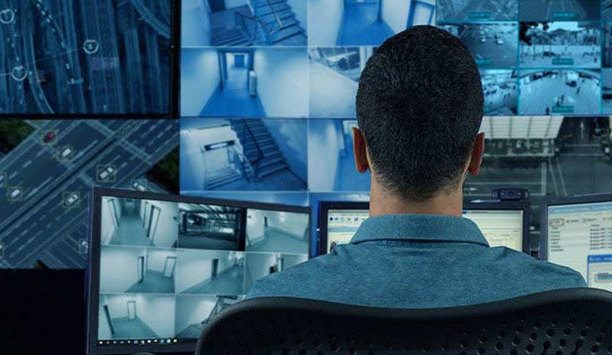
How to overcome the storage challenges of adopting surveillance AI
DownloadVideos


Vehicle tracking: Manufacturers & Suppliers

Technology's role in securing banks and financial institutions
Download
Security technologies promote real-time awareness in K-12 schools
Download
Integrated systems enable critical and compliant security for transportation
Download
Modernising physical access control
Download
Access. Intrusion. One estate.
Download