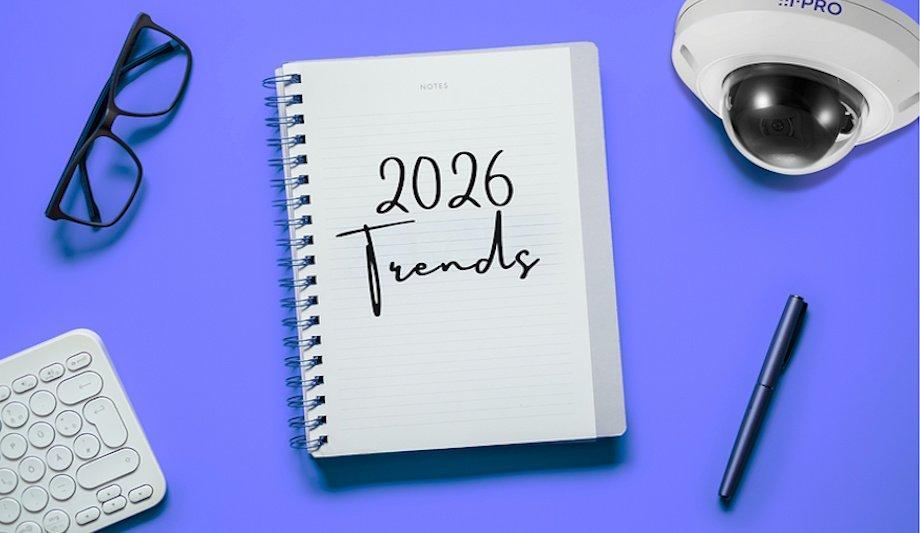
As the security industry looks towards 2026, i-PRO Co., Ltd. has shared its predictions on the direction of the sector. Notable trends include the continuing advancement of AI capabilities at the edge, heightened educational demands within the channel, and an unwavering emphasis on cybersecurity as a fundamental element of all security workflows.
The past year has marked a significant transition from theoretical discussions of AI, cloud, and cybersecurity, towards real-world applications. Stakeholders now anticipate clear benefits that make routine tasks easier, reduce costs, and expedite decision-making processes.
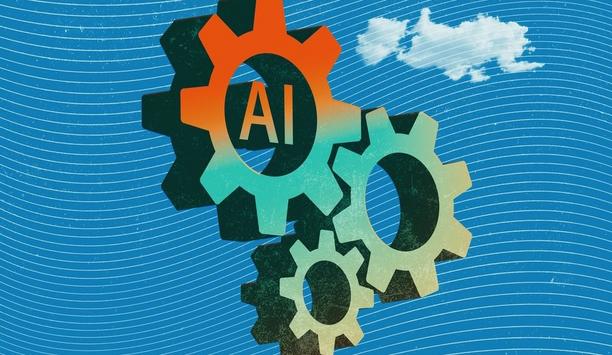
From theory to practice in AI
Gerard Figols explained that AI is no longer just a topic for debate among manufacturers
Gerard Figols, Chief Operating Officer at i-PRO, explained that AI is no longer just a topic for debate among manufacturers, integrators, and end users.
"While many AI-powered cameras have been sold, in 2025, we saw meaningful gains in accuracy and usability as more users explored the capabilities of what the technology could achieve for their unique requirements. The next phase is about ensuring the technology is deployed responsibly, efficiently, and with the right training behind it," Figols stated.
Emergence of generative AI at the edge
i-PRO forecasts that 2026 will see generative AI operating directly on edge devices. Enhanced processing hardware enables models to update and self-improve on-device, reducing reliance on server or cloud infrastructure.
This approach not only cuts down on bandwidth usage but also lowers the significant costs linked with cloud-only processing, which can elevate expenses considerably when implemented at scale.
Real-time analysis and operational shifts
The industry is moving away from relying solely on timeline-centric, reactive forensic analysis
With this transition, organisations can optimise performance without excessive spending by reserving cloud usage only for tasks where it adds value. The industry is moving away from relying solely on timeline-centric, reactive forensic analysis.
Instead, alerts, automated detection, and metadata-driven search using natural language are taking precedence. Here, raw video becomes supplementary, while metadata holds increasing importance as an operational reference.
Education's role in industry advancement
The rapid advancements in AI, IT convergence, and cybersecurity have outpaced existing expertise and capacity. In 2026, integrators are expected to see education as a strategic imperative rather than an optional addition.
Figols noted, "Anyone can mount an AI camera. That does not mean it will perform. The market needs deeper understanding and repeatable best practices. Education is how we improve outcomes and build long-term trust."
Recurring revenue opportunities and cybersecurity focus
These may encompass recurring maintenance contracts for system updates, security enhancements, and AI
As AI models evolve and the need for cybersecurity diligence persists, there will be new service-based revenue opportunities for integrators. These may encompass recurring maintenance contracts for system updates, security enhancements, and AI algorithm development.
"Technology does not stand still. Integrators who support continuous updates and lifecycle management will strengthen their customer relationships and generate new value," Figols remarked.
Cybersecurity remains a top priority for the sector. It forms the foundation of the physical security ecosystem, ensuring organisations can embrace new technologies like AI and cloud services safely. This focus aligns with i-PRO’s commitment to responsible AI governance, highlighted by its ISO/IEC 42001 certification, the first global AI management standard.
Reflecting on 2025 and looking forward
The previous year saw robust global growth, with i-PRO achieving double-digit performance in all markets. Innovation kept its momentum, and the company expects 2026 will continue this trend with practical AI implementations, more interest in open platforms, and extended use of edge intelligence.
"The installations that succeed in 2026 will be open, collaborative, cybersecure, and supported by the right training. The industry is evolving quickly, and staying current will be essential," Figols concluded.
i-PRO Co., Ltd. (formerly Panasonic Security), a pioneer in professional security and public safety solutions, now shared its predictions for the security industry in 2026.
The year ahead will continue to be defined by rapid advances in AI performance at the edge, growing demand for continuous education across the channel, and a persistent focus on cybersecurity as the basis for every security workflow.
While AI, cloud, and cybersecurity remain central themes, 2025 marked the point where these technologies increasingly shifted from conceptual discussions to practical deployments. End users now expect tangible improvements that simplify daily work, cut unnecessary costs, and help them make decisions faster.
Manufacturers, integrators, and end users
“AI is no longer a theoretical discussion between manufacturers, integrators, and end users. While many AI-powered cameras have been sold, in 2025, we saw meaningful gains in accuracy and usability as more users explored the capabilities of what the technology could achieve for their unique requirements."
"The next phase is about ensuring the technology is deployed responsibly, efficiently, and with the right training behind it,” said Gerard Figols, Chief Operating Officer at i-PRO.
Generative AI arrives at the edge
A key prediction for 2026 is the emergence of generative AI running directly on the edge. Improvements in processing hardware now allow models to learn and refine themselves directly on-device instead of relying solely on server or cloud infrastructure.
This model significantly reduces bandwidth demands and avoids the steep cost associated with cloud-only analysis, which can reach hundreds of dollars per camera per month when done at scale.
Real-time analysis and self-learning
By keeping real-time analysis and self-learning at the edge while using the cloud only where it adds value, organisations can improve performance without overspending.
This shift also aligns with how operators now use video systems. The traditional timeline-centric, reactive approach to forensic analysis is fading. Alerts, automated detection, and metadata-driven search using natural language are becoming the primary tools for proactive analysis. Raw video becomes a reference point rather than the cornerstone of every inquiry, while metadata increasingly becomes the operational source of truth.
Education becomes a core industry requirement
The pace of change in AI, IT convergence, and cybersecurity is exceeding the industry’s available expertise and capacity. 2026 will be the year integrators treat education as a strategic investment, not an optional extra.
“Anyone can mount an AI camera. That does not mean it will perform. The market needs deeper understanding and repeatable best practices. Education is how we improve outcomes and build long-term trust,” said Figols.
New recurring revenue opportunities for integrators
With AI models evolving continuously and cybersecurity requiring continued vigilance, integrators will see new service-based revenue opportunities. i-PRO expects recurring maintenance contracts to become a major revenue growth driver, covering tasks such as ongoing system updates, security hardening, and AI-algorithm refinement and evolution.
“Technology does not stand still. Integrators who support continuous updates and lifecycle management will strengthen their customer relationships and generate new value,” said Figols.
Cybersecurity remains the industry’s most urgent priority
i-PRO believes that cybersecurity will remain one of the physical security industry’s most pressing challenges in 2026. Cybersecurity underpins every part of the physical security ecosystems.
It is the baseline requirement that allows organisations to adopt new technologies, from AI to cloud-based services, with confidence. This focus aligns with i-PRO’s commitment to ethical, transparent AI governance and its achievement of the ISO/IEC 42001 certification, the first global standard for AI management systems.
“Cybersecurity underpins the entire technology stack. Trust and data integrity are the prerequisites for deploying AI and cloud capabilities with confidence and piece of mind,” said Figols.
2025 review and outlook
The industry saw strong global growth in 2025 with i-PRO maintaining double-digit performance across all markets. The pace of innovation also remained high, and the company expects 2026 to build on this momentum with practical AI deployments, greater interest in open platforms, and expanded use of edge-driven intelligence.
“The installations that succeed in 2026 will be open, collaborative, cybersecure, and supported by the right training. The industry is evolving quickly, and staying current will be essential,” concluded Figols.