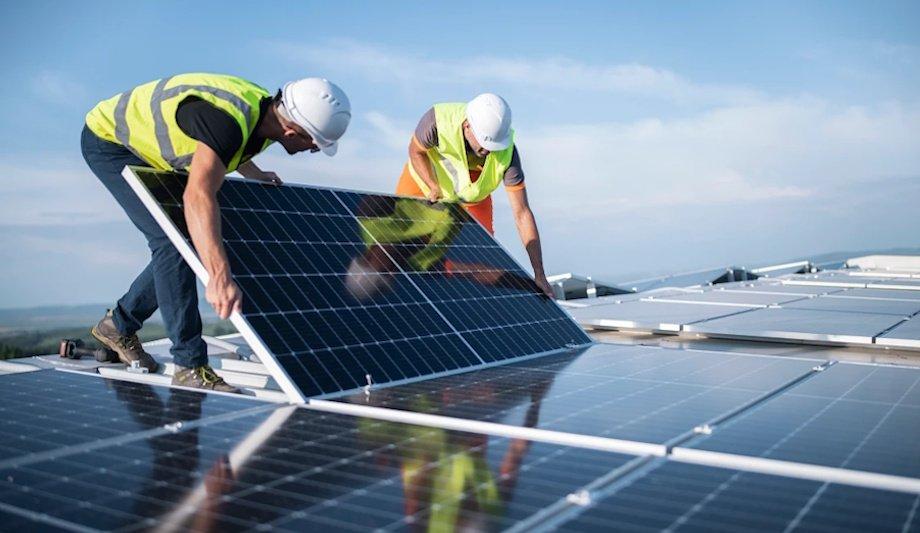
The increasing adoption of photovoltaic (PV) power systems, commonly recognised as solar panels, has been a notable trend in commercial sectors, driven by corporate commitments to achieve zero-carbon emissions in combat against climate change.
While solar energy stands as a dependable resource for an uninterrupted power supply in corporate operations, it also introduces certain fire hazards.
Rising fire concerns with solar panel use
Heightened utilisation of PV systems has sparked concern over potential fire risks inherent in these technologies.
According to data from The Hartford, there was a reported 36% rise in solar-related fires from 2017 to 2018, predominantly impacting commercial properties.
Factors leading to increased fire risks
Additional risk elements are related to lightning, overheating, and overcharging of electrical equipment
Several factors contribute to the increased probability of fire incidents involving solar panels. These include inadequate maintenance, delayed cleanings, debris accumulation, and insufficient protection against panel damage. Additional risk elements are related to lightning, overheating, overcharging of electrical equipment, and short-circuiting.
In expansive commercial settings, such as warehouses, the installation of solar panels on rooftops can complicate fire detection, as any outbreak is often unnoticed until it exacerbates, thereby endangering the facility's occupants.
Challenges with traditional fire suppression
Standard fire suppression methods, like sprinkler systems, are impractical for roof installations, given the risk of roof damage, environmental constraints, and space limitations.
Consequently, effective early fire detection systems are crucial to safeguarding premises, property, and personnel.
Linear Heat Detectors: A cost-effective solution
Linear Heat Detectors (LHDs) emerge as an effective and economical option for fire detection
Linear Heat Detectors (LHDs) emerge as an effective and economical option for fire detection. These detectors consist of a copper wire encased within a sheath that dissolves during a fire, triggering an alarm. LHDs can endure extreme environmental conditions which other detection systems might not withstand, making them well-suited for rooftops.
The deployment of LHDs directly beneath PV panels offers rapid fire detection and location pinpointing, facilitating a swift response. This system supports an enhanced response to fires, reducing the likelihood of extensive damage compared to traditional spot detection sensors, which involve higher maintenance costs.
Proactive measures and the role of maintenance
To mitigate the threat of PV-related fires, routine maintenance practices such as cleaning, debris clearance, and precautions against overcharging and overheating are vital. Fire risks are exacerbated by factors like adverse weather, underscoring the need for robust fire detection solutions that protect both building inhabitants and the infrastructure.
LHDs insure facilities through their rapid fire event identification, timely alert to first responders, and resilience in adverse conditions, providing comprehensive protection for people, assets, and the building itself. Everon offers LHD systems suited for critical equipment and extensive areas, providing thorough fire protection while optimising costs.
The use of Photovoltaic power systems (PV), also known as solar panels, has grown over the last decade in commercial settings as many corporations have made commitments to reach zero-carbon emissions in the next few decades to help combat climate change. Solar energy has proven to be a reliable way for corporations to power their facilities without interruption to their day-to-day operations but may come with possible risk.
Increased usage of PV power systems has raised awareness of the fire risks these technologies may present. According to The Hartford, “From 2017 to 2018, solar-related fires rose 36%, with the majority of fires affecting commercial buildings.”
Overcharging and overheating of electrical equipment
There are many possible causes of fire outbreaks due to the use of solar panels, including abuse factors like poor maintenance of the PV panels themselves, delayed cleanings and debris removal, and failure or inability to protect panels against damage. Other factors like lightning and surge suppression, overcharging and overheating of electrical equipment, and short circuiting also pose an increased risk.
In large-scale commercial facilities like warehouse distribution centres, solar panels are often installed on the roof of the building, making a fire event difficult to spot until the fire has already spread and increased in temperature, posing a life safety risk to all those working inside.
Traditional fire suppression solutions
Additionally, traditional fire suppression solutions like sprinklers are unable to be installed on the roofs of these facilities due to possible risk of damage done to the roof, environmental conditions, and an overall lack of space, meaning there is no suppression technology available to slow or prevent the rate of growth of a fire.
This makes a solution that can detect a fire as soon as possible very necessary to help protect the building itself, your assets, and most importantly, your people.
Identifying a cost-effective, reliable solution
Linear heat detectors (LHDs) have proven to be the most effective and inexpensive solution to detect a fire event. LHDs are comprised of a copper wire with an outer sheath that melts away in the event of a fire, thus setting off an alarm. Solar panels installed on the roof of the facility makes them susceptible to environmental factors like weather, and the jacket or sheath outside the LHD wire itself can withstand environmental conditions that could deteriorate other forms of detection.
The LHDs are installed directly underneath the PV panel wires, and when paired with Confirmed Temperature Initiation technology, they can discern whether an increase in temperature has been caused by a mechanical short in the linear heat detector and a thermal alarm activation – helping reduce the rate of false alarms.
Roof fire caused by PV panels
Due to their proximity to the solar panels, fire events are detected quickly, triggering alarms as soon as high-heat temperatures reach the copper wire – allowing for a timely response. Having the LHD installed directly underneath the solar panels also helps pinpoint exactly where the fire outbreak started, leading to a more effective response when first responders arrive on the scene, making this solution more practical and cost-effective than spot detection sensors that require costly maintenance and inspection.
A timely and accurate response to a roof fire caused by PV panels can determine the difference between stopping significant damage to the roof and major reconstruction of the entire facility.
Importance of enhanced protection and routine maintenance
There are a multitude of actions that can be taken to prevent a PV or solar panel fire event from occurring, including routine maintenance and cleaning, clearing debris, and ensuring solar panels are not overcharged or overheating. The placement of solar panels on roofs makes a potential fire risk especially dangerous to occupants inside of the facility due to the overhead location.
Fire events can occur due to outstanding factors like weather, making fire detection solutions necessary to, first and foremost, help protect occupants inside large-scale commercial warehouses, while ensuring assets and the building itself are safe. Linear Heat Detectors are an inexpensive solution that can quickly identify a fire event, alert first responders for a timely response, and withstand environmental conditions – remaining reliable and able to detect a fire event even in harsh conditions and suitable for the protection of facilities, assets, and most importantly, life.
Everon can help implement linear heat detectors that provide comprehensive fire protection within critical equipment and across large areas while lowering the total cost of ownership.