Metal detectors

Shenzhen Houlong Technology Co., Ltd. (Houlong Security), a Chinese manufacturer of security inspection equipment, has expanded its multi-zone walk-through metal detector line for the Central Asian market. The range now spans 5 to 33 detection zones, from the JT-SP and JT-600 for factory and office entrances to the 18-zone JT-1800B and 33-zone JT-3300 for airports, customs facilities and critical infrastructure. Every detection zone has independent sensitivity adjustment, which allows operators...

Pyronix has announced the launch of PyronixCloud Connect (PCC), a compact and affordable Wi-Fi-enabled module that brings modern smart features to older wired alarm systems, without the need for a full system upgrade. Designed to integrate seamlessly with legacy Pyronix and third-party control panels, PCC connects older systems to InSite Pro Cloud and the HomeControl2.0 app. This enables users to remotely arm or disarm their system, check status updates and receive alerts in real time, adding p...

At GSX 2026, September 14-16 in booth 2523, IQSIGHT, formerly Bosch Video Systems, will demonstrate its latest intelligence-first video solutions designed to deliver clarity in all lighting conditions and support more confident decisions. New introductions include fixed multi-sensor and ruggedised moving cameras as well as video management software enhancements. IQSIGHT will also celebrate a milestone for the MIC camera family that has delivered 25 years of uncompromising performance in the wor...

Nutanix, a hybrid cloud pioneer and AI innovator, announces the general availability of Nutanix Enterprise AI (NAI) 2.8, and the upcoming general availability of Nutanix Kubernetes Platform (NKP) 2.19, along with new incentives, programs, and resources designed to help partners accelerate growth on emerging AI opportunities. Many enterprises face a major roadblock when deploying AI: AI is accelerating the shift to containers, while critical applications and data remain spread across both virtua...

IDScan.net, a provider of identity verification and ID scanning technology, announces a new partnership with ScrapWare, a provider of software solutions for the scrap metal and recycling industry. Through the partnership, ScrapWare has integrated IDScan.net's ParseLink technology into its point-of-sale platform, giving recycling facilities a faster and more reliable way to capture and process customer identification during transactions. Scrap and recycling companies operate in a highly regulate...
ZeroEyes, creators of the foremost multi-analytics weapons detection and threat intelligence platform, announced a partnership with Advantech, a pioneer in security integration and controls company in the mid-Atlantic, and the Camden Police Department to deploy ZeroEyes’ AI gun detection and intelligent situational awareness platform at Delaware’s Caesar Rodney School District (CRSD). Advantech has been a partner of CRSD for 30 years, and worked closely with Camden Police Chief Mar...
News

ALE International, operating under the trade name Alcatel-Lucent, announces the general availability of its updated ALE Private 5G offer. With new access points (APs), a new AP-only deployment architecture (AerFlex), an updated edge platform, and an extended professional services portfolio, Private 5G is now simpler and more accessible for multi-site and industrial environments. Industrial worker wearing a white safety helmet, protective eyewear, and a high-visibility orange jacket uses a tablet device at an illuminated industrial processing facility during evening hours, with refinery structures and equipment visible in the background. Existing LAN infrastructure The updated offer responds directly to growing demand from industrial customers, in manufacturing, logistics, transportation, and energy where robotics, Automated Guided Vehicles (AGVs), IoT sensors, and connected workers require deterministic, low-latency connectivity that Wi-Fi alone cannot guarantee. With this release, ALE delivers three core commitments: Simpler to deploy: AerFlex eliminates on-site servers, racks, and custom cabling. APs connect over standard PoE to existing LAN infrastructure Easier to scale: New indoor and outdoor AP options extend coverage to larger, more demanding environments and multi-site deployments. More value beyond connectivity: A complete services portfolio (site surveys, validation, on-site expertise, and managed services) backs every deployment. Dedicated packet cores One of the most significant updates in this release is AerFlex, a new AP-only deployment architecture that fundamentally simplifies how Private 5G is deployed on enterprise sites. Traditional Private 5G deployments require baseband units, dedicated packet cores, custom cabling, and specialist installation, often weeks or months before a single device connects. Authentication, NAC, DHCP, firewall, and Edge AI processing are embedded directly in the AP. APs connect to existing LAN switches via standard Power over Ethernet. Zero-touch cloud provisioning scales multi-site deployments without a specialist engineer on-site at each location. Automatically segmenting devices The updated offer deepens the native integration with the Alcatel-Lucent OmniVista® Network Management Platform. Alcatel-Lucent remains the only vendor delivering LAN, WLAN, and Private 5G management from a single platform. Private 5G access points appear in OmniVista alongside OmniSwitch® and OmniAccess® Stellar assets: one inventory, one alarm console, one topology view. Security is enforced end-to-end, automatically segmenting devices into the correct VLAN and applies the appropriate QoS policy per application. The solution supports an open enterprise device ecosystem, with IoT gateways enabling existing devices to connect to the Private 5G network without replacement. Dedicated cellular network Private 5G is a dedicated cellular network deployed exclusively for a single organization within its own facilities, sites, and operational environment. Unlike public carrier networks, spectrum is licensed privately, data stays on-premises, and performance is a contractual commitment rather than a best-effort promise. Technology addresses the physical limitations of Wi-Fi: large outdoor yards, metal-dense production floors, high electromagnetic interference environments, and mobile assets that must maintain uninterrupted connectivity while in motion. Metal-dense production floors Private 5G is especially adapted to the following industries: Manufacturing & Industry 4.0: AGVs, robotics, Programmable Logic Controllers (PLCs), real-time quality control, and digital twins requiring deterministic, low-latency connectivity across metal-dense production floors. Logistics & warehousing: Large indoor and outdoor facilities, high-speed forklift fleets, automated dispatch, and perimeter operations beyond the reach of indoor Wi-Fi. Transportation: Airports, seaports, and rail facilities requiring wide-area outdoor coverage for autonomous vehicle operations, asset tracking, and safety-critical communications. Energy & utilities: Substations, refineries, and remote field operations where reliable connectivity is a safety requirement, not only an operational convenience. “ALE Private 5G is designed to remove much of the traditional complexity associated with private cellular deployments, making it significantly easier for enterprises to deploy and scale, especially for multi-site and industrial environments — with more flexibility in how the network is designed and operated,” said Christopher Maldonado, Product Line Manager Private 5G, Alcatel-Lucent.

Scality, a pioneer in data infrastructure software for the AI era, and OVHcloud, a global cloud provider and European cloud pioneer, announces an expanded technology partnership and a new joint storage platform built for European digital sovereignty. The solution gives organisations full control over sensitive data, with no dependency on U.S. hyperscalers, while delivering the performance and resilience required for the most demanding AI workloads. Deployment options include a 100% dedicated sovereign cloud and on-premises via the OVHcloud OPCP (On-Prem Cloud Platform), with backup replication across multiple availability zones (multi-AZ). Demanding regulatory environment The expanded partnership addresses two urgent business needs: maintaining control over sensitive data in an increasingly demanding regulatory environment and providing private infrastructure capable of supporting the most intensive artificial intelligence workloads. Today, digital transformation faces a contradiction: organisations want the agility of the cloud but cannot afford to expose critical data to foreign jurisdictions. This challenge is particularly acute in healthcare, finance, defence, and public services, where strict regulations such as European GDPR, DORA, NIS2, and HIPAA for the U.S. require data localisation and complete control over information assets. Public cloud providers The combination of Scality and OVHcloud OPCP solutions directly addresses this challenge. Scality RING and Scality ARTESCA provide massive, resilient, S3-compatible object storage deployed directly on the customer’s on-premises infrastructure. OPCP adds cloud-native orchestration, a managed services catalogue, and deployment automation, all built on a foundation independent of foreign public cloud providers. Beyond the on-premises layer, this alliance also extends to a dedicated storage offering on OVHcloud Bare Metal infrastructure through the HGR-STOR range. This setup enables organisations to easily deploy off-site backups with private S3 compatibility, integrated with leading cyber-resilience tools such as Veeam and Commvault, all hosted directly by OVHcloud. A key advantage is the guarantee of 100% dedicated servers, with no resource sharing with other customers, providing predictable performance and maximum isolation. It also supports a robust business continuity plan (BCP) by enabling controlled failover to OVHcloud infrastructure in the event of a disaster or primary site outage. High-performance object storage For end users, the result is a modern, seamless, sovereign cloud experience with predictable costs and without the legal risks associated with U.S. hyperscalers. Artificial intelligence requires vast amounts of data and computing power, but it is equally demanding in terms of latency and confidentiality. Training models or performing inference on mission-critical data, like medical records, financial transactions, and industrial telemetry, requires processing where it resides. The joint Scality-OVHcloud OPCP platform addresses this need end-to-end. Scality’s high-performance object storage, which is GPU-direct compatible and optimised for AI data pipelines, integrates natively with OPCP’s managed on-premises infrastructure. Organisations can train models, run MLOps pipelines, and deploy AI applications in near real time directly within their own environments, without compromising data security or regulatory compliance. Most critical data “OVHcloud and Scality share the same conviction: sovereignty is not a barrier to innovation - it is the prerequisite. By combining our high-performance object storage with the OPCP platform, we empower companies to scale their AI projects without ever sacrificing control over their data.” - Emilio Roman, Chief Revenue Officer, Scality. “The OVHcloud OPCP platform was designed so that software vendors and their customers can benefit from the power of the cloud wherever they need it: on their own premises. Scality is the natural and recognised partner for high-performance storage solutions for the most critical data. Together, OVHcloud and Scality provide a sovereign infrastructure backed by more than 25 years of OVHcloud expertise and ready for AI.” - Sylvie Houliere Mayca, Managing Director France Belux & MEA, OVHcloud.

The German Innovation Award recognises products, technologies, and services that break new ground and offer solutions that stand out for their added value to users and the environment. At the 2026 awards ceremony, dormakaba’s revy mechanical locking system was honored with a “Winner” award in the “Excellence in Business to Business – Building & Elements” category. dormakaba’s modern reversible key system, revy, offers a high-quality, patented locking system that makes secure access easy – whether for private homes, residential complexes, or commercial buildings. Important cylinder types Depending on the desired security level, revy is available in three variants: 10, 20, or 30. These can be combined with selected special features for even greater security, convenience, or cylinder protection, such as the self-reversing cylinder (SUZ). This means that the cylinder does not need to be replaced when changing keys. The reversible key system can also be manufactured on-site by authorised local security partners. The cylinder range includes the most important cylinder types. This ranges from a turn knob cylinder on the front door to a conventional double cylinder or half cylinder for switches or gates, to sheet metal mounting cylinders – for example, for installation in mailboxes – or a curtain cylinder for flexible security. Significant customer value Depending on requirements, the front door, garage, or mailbox can be operated with the same revy reversible key or according to access rights in the locking plan. “We are delighted to receive this award from the German Design Council. The German Innovation Award’s clear focus on criteria such as degree of innovation, utility, sustainability, and cost-effectiveness sends a strong signal that dormakaba solutions offer significant customer value and set standards in the market,” says Bernhard Heitz, Head of Strategic Product Design at dormakaba.

The DoorBird D31x series has been awarded the prestigious Red Dot Design Award. With this distinction, the international jury recognises the sophisticated product design of the professional IP video intercom systems, which combines functionality, durability and design clarity. The Red Dot Award is one of the world’s most renowned distinctions for product design. Key evaluation criteria include degree of innovation, formal quality, functionality and longevity. The D31x series particularly impressed the jury with its reduced aesthetic and its system architecture consistently tailored to professional applications. Extensive customisation options The DoorBird D31x series was specifically developed for use in large residential and commercial properties. Thanks to its scalable system architecture, it is suitable today for installations with up to 3,000 units, meeting the highest requirements in terms of planning reliability and investment protection. From a design perspective, the D31x series offers extensive customisation options: the integrated 7 inch touch display can be individually configured; the door stations themselves are available in portrait or landscape format, for flush or surface mounting, and in more than 50 colours and finishes. The 3 millimetre solid metal front plate ensures durability in daily use and supports long-term value retention. As with all DoorBird products, the D31x series is continuously further developed. Accordingly, the D315G will be launched this year – the world’s first IP video door intercom with 5G. With the Red Dot Award, DoorBird once again underlines its claim to develop door communication as a functional component of modern architecture.

A prison is, by definition, a secure place. Those who supervise correctional facilities deal in levels of secure access – from the door on an individual cell to the door open to the facility’s external secure perimeter. According to a report featured on Security Management Online, a prison has certain probabilities for a number of security breaches, each with its own degree of consequence. Maintaining secure accesses The safety of the inmates, the facility’s staff and the surrounding community all depends upon maintaining secure access at all levels. And the most logical way to do that is by maintaining secure accesses to the prison’s keys. Supervisors need to know the condition of the prison at all levels. Frequent information gathering, on both a regular and random basis, is needed to assure that everything is running smoothly throughout the facility. Although various forms of electronic surveillance can be used to maintain that flow of information, there is no substitute for routine tours by trained officers carrying a fail-safe mechanism to keep them moving and recording incidences. All systems used to maintain security in a prison setting must be impervious to tampering and routine wear and tear. A correctional facility is operated all day, every day. Therefore, several individuals supervise large-scale security systems, and the system’s tools are used continuously. Clock recording system Client: The construction of a brand new correctional facility in Woodstown, New Jersey replaced an old, outdated structure and gave its supervisors the chance to take a fresh look at their security needs. As a direct supervision prison, the new Salem County Correctional Facility was to contain two maximum security levels – a security building level and a living level containing 1416 beds for inmates. Ray Skradzinski is the deputy warden for the new facility. Project: The facility’s guard tour system was one area where Skradzinski felt considerable improvement was necessary. Routine tours of the checkpoint stations would be needed to maintain security, but Skradzinski had another reason to reconsider the old facility’s outdated clock recording system. Security management products “By state mandate in New Jersey we’re required to make routine rounds every 30 minutes in the evenings inside the pod, from 10 PM to 7 AM,” he said recently. The purchase and use of a more efficient guard tour system to guide officers through their tours and record their presence at checkpoint stations, helping reduce liability and maintain security. Keeping track of keys was another concern. The keys to the old prison’s doors were kept in an old-fashioned locked key-box, and security personnel had to literally sign out keys. “When we built the facility we were looking to enhance our system,” Skradzinski stated. The key management system purchased for the facility would be used by a variety of personnel. The facility currently has about 130 employees, about 36 of whom have access to master keys of varying security. Skradzinski was looking for an enhanced system that would help him account for each key and restrict its access to the proper personnel. For both systems, Skradzinski turned to Morse Watchman, the world leaders in security management products. Professional football helmets Provider: The Morse Watchmans guard tour systems are made up of three components: checkpoint stations, placed in fixed locations throughout the facility; handheld data recorders that are carried on rounds and used to check into the stations and record other data; and EZ ™ Data Sorting Software, which converts recorder data to useful custom reports. Morse Watchmans guarantees its checkpoint stations for life. They’re built out of impact-resistant Lexan(r), the same material used for professional football helmets. “I remember we didn’t like some of the other data recorder systems that we researched, because they didn’t seem to be rugged enough,” Skradzinski recalled. “We wanted something we knew was going to hold up and last. We did like the design, style and reliability of The Boss 2002 that we eventually chose. The Morse Watchmans salesperson who came in and demonstrated it dropped it on the floor to show us how rugged it was and that was one of the major selling points for us.” User-selectable option In addition to durability, The Boss 2002 features “Auto Pilot,” which is a user-selectable option that displays the next station to visit on the tour. Thus Skradzinski can pre-program the order in which each checkpoint station is to be visited, and the recorder will lead the officer from one station to the next. The Boss 2002 can carry up to 99 incident codes, enabling officers to input any data that supervisors have coded into the system. As for the issue of key security, Skradzinski chose Morse Watchman’s Key-Rings(tm), which use a simple, yet efficient, close-and-lock system. Key management system For the overall accountability and management of the facility’s keys, Skradzinski selected Morse Watchman’s KeyWatcher key management system. The KeyWatcher system conceals keys in a high-tech, efficient wall-mounted cabinet that can expand to hold up to 1000 keys. Each key is individually locked in place, and can only be released by entering individual user codes. Audit trail reports can be generated through a standard printer. Keys are randomly returned to the box, reducing the opportunity for unauthorised access. Morse Watchman’s tamper-proof “Smart Keys” electronically monitor key release and return. A 1/8-inch thick tamper-proof stainless steel ring protects each key. Maximum-security control centers Skradzinski had been impressed with the KeyWatcher system and associated products back in 1994. “I liked the structure of the storage cabinet; it’s a well-made metal box. It certainly held up over the years that we’ve had it,” he expressed. “The design was attractive and it met the specifications that we were looking for.” Implementation: There are two KeyWatcher storage cabinets inside the Salem Country Correctional Facility, maintained in two maximum-security control centers, from which the keys are distributed. “The central control center is only manned by supervisory staff and specially trained staff that work that specific area,” Skradzinski mentioned. Skradzinski said facility staff installed the KeyWatchers and The Boss guard tour system on their own. “It was very simple to do,” he continued. Administrative point of view Benefits: Reaction among supervisors at the Salem County Correctional Facility to the two Morse Watchman systems has been positive. “The officers think the PowerCheck is a good system,” Skradzinski said of his supervisors. “From an administrative point of view, we like it – the reports that it generates are accurate and it’s something we certainly wouldn’t want to do without.” According to Skradzinski, the system has helped to raise the efficiency of his officers, as well as comply with state regulations regarding routine rounds. “The Morse Watchman handheld data recorders are a way of allowing us to make sure we have a definite record that the rounds are being made,” Skradzinski revealed. “And it’s also been there in a couple of instances where we had an internal investigation.” Maximum security building Success: Skradzinski said he has been satisfied with the way Morse Watchmans dealt with his staff. “The tech support system has been good,” he complimented, and “They’ve always been very pleasant with us.” Skradzinski remarked, “We wanted a good, efficient way of maintaining accountability of our high security keys and the ability to restrict who had access to them – and that’s exactly what we got.” Since implementing the KeyWatcher, the Salem Correctional Facility has not lost a single key. Without a doubt, Morse Watchmans has helped the Salem Correctional Facility put the lock down on accountability and access control throughout their maximum security building.

AMG Systems has announced the release of the AMG840 Series Network Server Appliance, a high performance 1U rack mount platform designed for advanced network monitoring, critical infrastructure, and security led applications. Engineered in the UK and USA and manufactured in the UK, the AMG840 Series is purpose-built to support AMG Net-Hawk, AMG’s network monitoring and management platform. The appliance is also available in entry-level configurations, enabling system integrators and end users to deploy custom operating systems, storage, and applications. Key compliance requirements Tom Exley, AMG Technical Director, details “The AMG840 Series supports Intel® 12th and 13th generation Core™ processors, including i3, i5, i7, i9, and Celeron options, and up to 64GB DDR4 memory. High speed connectivity is delivered via six 2.5Gb RJ45 ports and four 10Gb SFP+ ports, enabling deployment in high bandwidth environments such as transportation networks, utilities, public safety systems, enterprise security, and industrial infrastructure.” Designed for continuous operation, the platform features dual redundant, hot-swappable power supplies, commercial-grade operating temperatures from 0°C to +50°C, and a robust metal chassis designed for 19-inch, 1U rack installation. The system supports Windows and Linux operating systems and meets key compliance requirements, including NDAA and TAA. Reduced integration time Pre configured AMG840 models are available with AMG Net Hawk software pre installed, enabling rapid deployment and reduced integration time, while entry-level models provide maximum flexibility for specialist applications. The AMG840 Series is available now through AMG Systems and authorized partners worldwide. AMG believes in advancing transmission technology and that having products in stock and being fully supported by the AMG design team gives AMG customers worldwide a measurable advantage in today’s competitive marketplace. AMG Systems offers an extensive line of fiber optic, copper, and wireless Ethernet, video, and data transmission equipment that is uniquely designed to meet the needs of the Security, Intelligent Transportation Systems, Utility, and Industrial markets.

Expert commentary

Europe has set an ambitious goal. With the European Green Deal, leaders aim to make the continent climate neutral by 2050. Ireland is following this lead, promising to cut greenhouse gas emissions by 51% before 2030. And solar energy is a key part of this plan. If you drive through rural Ireland today, you can see the changes happening. Solar farms now cover former grazing land and open fields. They work quietly and efficiently, providing clean electricity to homes, hospitals, schools, and businesses. Most of the time, these sites are empty. There are no workers patrolling the area and no lights in office windows at night. Clean energy supply That stillness, however, hides a growing risk. Each solar site holds millions of euros worth of equipment. Every megawatt of solar power relies on a complex network of copper cables, solar panels, inverters, and electrical systems. These parts are valuable, especially when copper prices are high. For thieves looking for quick profit, an unmanned solar farm can seem like an easy target. Just one act of trespassing or vandalism can lead to stolen wiring, damaged panels, and production shutdowns that last days or even weeks. Repairs are expensive, but the bigger problem is the impact on clean energy supply and trust in the infrastructure supporting Europe’s low-carbon future. Standard video cameras A report from PV Magazine says police in the United Kingdom have seen a sharp rise in solar-related crimes That stillness hides a growing risk. Each solar site holds millions of euros worth of equipment. A report from PV Magazine says police in the United Kingdom have seen a sharp rise in solar-related crimes, with cases increasing by 93% between 2021 and 2022. This trend is familiar: when commodity prices go up, rural energy sites attract more attention from criminals. While a passerby might see only glass and steel, others see scrap metal and resale value. For a long time, many of these sites and businesses did not prioritise security. They put up fences, used standard video cameras, and hired guards. These steps provided some reassurance, but often only responded after damage had already happened. Traditional cameras record events but rarely stop them. Guards cannot monitor every part of a large site, especially when solar farms cover hundreds of acres. Traditional security methods As renewable infrastructure expands, traditional security methods are no longer enough. The industry needs to change its approach. As Europe builds more renewable energy projects, security should become a main part of planning. Developers now consider not just energy output, but also how resilient a site will be. Communities want the infrastructure supporting their climate goals to run smoothly, and investors want to know that sites and assets are safe. New technology is now helping protect remote energy sites. One method uses video analytics along with live operators who watch camera feeds from remote centers. Instead of waiting for alarms to go off after a breach, these systems can spot unusual activity as it happens. For example, if someone lingers near a fence late at night, the system can send an alert that is different from one triggered by wildlife passing by earlier. Preventing similar problems This approach aims to move security from just recording events to actually stopping them When something suspicious happens, security teams can check the situation and decide if they need to respond. Sometimes, operators send a live audio message to let people know they are being watched. This can stop trespassing or theft because it takes away the feeling of being anonymous. This approach aims to move security from just recording events to actually stopping them. If a situation gets worse, staff can follow set procedures and keep watching until it is over. Afterward, they write incident reports. These records help with reviews, regulatory paperwork, insurance claims, and learning how to prevent similar problems in the future. Large solar projects Ireland already shows how this model works. Several large solar projects across the country now use integrated, remote monitoring from the very start of construction. At one major site, developers installed 170 cameras, investing nearly €1 million in security alone. This amount shows more than just caution. It marks a change in how the industry sees protection. Security is now as important as engineering and grid connection in project planning. Security is now as important as engineering and grid connection in project planning A solar farm that runs smoothly does more than just make electricity. It helps meet climate goals, boosts energy independence, and shows stability. If a site is left unprotected, the impact goes beyond one facility. It affects energy supply and public trust. That is why security should be a basic part of development. Providing reliable power As Ireland grows its solar capacity, it sets an example for the rest of Europe. Clean energy is not just about building infrastructure. It also requires steps to protect what has been built. The new fields of glass and steel are more than just power sources — they are shared commitment to a more sustainable future. Protecting that future requires ongoing effort. Europe is creating its clean energy landscape one panel and one field at a time. By caring for the security of these sites as much as their construction, these quiet areas will keep providing reliable power and support a stronger energy system for years ahead.
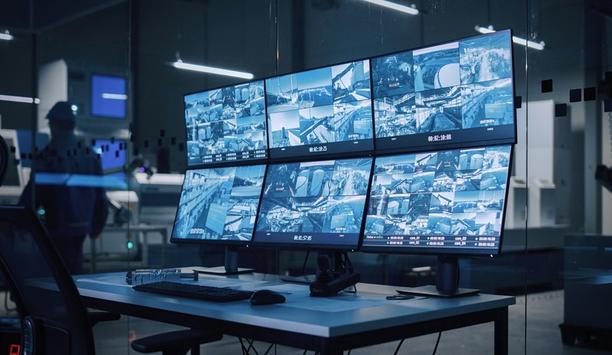
If you were to ask people outside our industry what door and access security entails, chances are their answers would reflect their common encounters with locks, security guards, cameras, and maybe metal detectors, badges, or automatic doors. But if they were curious enough, they’d probably be astounded to learn how extensive, intricate, and interesting the business can be and, of course, how vital it is to life safety, physical security, and cybersecurity. Integrated, interoperable solutions They’d also discover that it’s not just about levers, deadbolts, and other products. Instead, it’s a system of many systems, integrated, interoperable security solutions that cover everything from access control, video surveillance, fire alarms, and communications to server rooms, IT networks, energy efficiency, and more. Partnerships to keep up with changing needs A manufacturer’s support of their customers is how prepared they are to respond with high-quality advice Integral to the future success of the openings solutions industry is how well manufacturers and security experts keep up with the changing threat landscape and their customers’ evolving needs. Part of a manufacturer’s support of their customers is how prepared they are to respond with high-quality advice, service, and innovations that address the questions and concerns that arise. That’s why more developers, designers, and end-users alike are leaning on partnerships with visionary manufacturing companies and systems integrators who proactively keep their ear to the ground and an eye on the future. Caution: curves ahead As we look toward that future here in North America, there will always be forces of change to contend with and the accompanying impact on people’s safety, security, health, and livelihoods that our industry will need to address. The forces range from the incessantly unfolding threat scenarios in our country and the world’s geo-political dynamics to climate change and a host of other shifting factors, including the ways we want to work post-pandemic. Bypassing tailored approach Commoditisation poses risks to customised systems integration, good design, the environment Like many industries, ours has seen a change in the level of commoditisation in recent years. While this may give some customers access to cheaper door products in the short term, it usually means bypassing a tailored and more effective approach to security solutions that better meet risk assessment needs for the long haul. It can also get in the way of fulfilling a customer’s forward-thinking requirements for sustainable and aesthetic building materials. In other words, commoditisation, with its tendency toward “sameness” and dependency on less sustainable, corner-cutting materials and processes, poses risks to customised systems integration, good design, the environment, and potentially security itself. Change for the better Fortunately, change has its upside, especially as it applies to innovation, the counterforce to commoditisation. It’s the primary reason why progressive architects, integrators, and security professionals in North America keep gravitating to manufacturers with the instincts and resources to make bold investments in people, new ideas, and processes that produce advanced, planet-friendly solutions. From our view of the door security industry, sustainability will be a central component of innovation from here on out, where the development of new solutions and products is guided by practices and values that reduce their environmental footprint and increase their positive impact. Sustainably-made solutions Transparency in the form of documentation and third-party certifications to back up sustainability claims Along with being a top-down priority for certain manufacturers, sustainably made solutions and products are in higher demand than ever from the design, building, security, and end-user communities. They want to know about the carbon footprint and health impact of product ingredients, their recyclability, and how responsibly things are being made, packaged, and delivered. And they expect transparency in the form of documentation and third-party certifications to back up sustainability claims. Resilience Along with sustainability, a greater focus on resilience has emerged. Climate change is being looked at as a key contributor to the increase in wildfires and the intensity of windstorms and flooding. There will continue to be an expanding need moving forward for FEMA-rated storm shelters, fire- and water-resistive doors, and even blast-resistant openings for certain locations. On the near horizon Facial recognition has long been in use in government and other high-security applications The door security industry is also seeing a fusion of technologies, including newer touchless/contactless opening solutions that incorporate improved biometric access credentials like facial recognition. Facial recognition has long been in use in government and other high-security applications, and we’re starting to see more adoption and willingness to use advanced biometrics devices for door access. Video sensing data and analytics Fortunately, there are new strides regarding the transparency of the algorithms relating to facial recognition. Reassurances about the prevention of bias will help further that adoption. Voice and video will also soon become more prevalent for building and security management by using video sensing data and analytics to inform door security solutions. These developments often stem from the convergence of application engineering and systems integration. Application engineering It also advances the de-commoditisation of security and access control solutions Openings solutions innovators and manufacturers receive vital feedback and insight from both channel partners and customers about the characteristics of a vertical market and/or region. Not only does this partnership require trust and close working relationships, but it yields near and longer-term advantages to all participants. It also advances the de-commoditisation of security and access control solutions. Serving underserved communities Smaller businesses need to manage the security and safety of their personnel and assets just as larger operations do. The challenge has been how to offer the right fit of robust door security solutions that also fit these organisations’ budgets. Historically, they’ve been caught between having to choose an enterprise system that would provide the security they need but comes with a high price tag or settling for mechanical locking doors and a fire alarm system that will at least satisfy a certificate of occupancy requirement. Smart lock system Many small business owners want technology that’s simple to install, even DIY in some cases Many small business owners would like to add a smart lock system to enhance their company’s security which also gives them the flexibility to issue mobile credentials and manage employee and visitor access remotely. Ultimately, they’re looking for a higher level of functionality than what’s available at the low end but something with far less infrastructure and at a lower cost than what’s inherent with higher-end solutions. They also want technology that’s simple to install, even DIY in some cases. Scalable electronic access control Supporting these underserved customers requires developing scaled solutions to match the fewer doors, employees, and amount of space that smaller businesses need. This unique approach to electronic access control is new, but it’s already proving to be successful in helping organisations better manage their time, resources, and security. Training The need for expanded solutions awareness, product knowledge, and installation training is also growing The need for expanded solutions awareness, product knowledge, and installation training is also growing. Retirements and other changes within the locksmithing, systems integration, and facilities management sectors continue to affect how our industry needs to recruit, develop, and retain talent. So do technological advancements in electronic access control and door security hardware overall. Change, innovation, and learning A manufacturer or organisation that can offer comprehensive training led by seasoned professionals will go a long way toward expediting the onboarding of new hires and providing continuing education for experienced professionals at all levels and from all disciplines connected to safety and security. Ultimately, door security experts and companies who embrace change, innovation, and learning will gain the extra edge customers are always looking for to add value to their investments in security.

The UK’s future depends on our children. Within the four walls of classrooms around the country, young minds are inspired, practical skills are learnt, and new passions are established; these will be tapped into by pupils for decades to come. To make sure outmoded security measures are not having an adverse effect on the performance within, we must first examine the limits and physical safeguards around these educational institutions. When planning and building any facility for the education sector, security should be given high consideration from the beginning. Following the COVID pandemic, the attendance of pupils is estimated to be 80.8% in 2022, which is still low. Are parents reluctant to send their kids to school due to safety worries perhaps? With around 8.5 million children attending schools every day in the UK, parents must be able to put their children's safety and security in the hands of the school's head teacher and staff. Children's safety and security When planning renovations or the construction of a new school, it's crucial to take the school fence, entrance gates, and access control into account. A perimeter should either stand out on its own or fit in with the surroundings while providing an acceptable and realistic level of physical security against any potential threats. When planning renovations or the construction of a new school, it's crucial to take the school fence For a special report titled ‘Protecting the Future,’ we commissioned research for which we polled 75 architects, 280 teachers (including around 50 heads), and 1,000 parents (a nationally representative sample) on numerous security-related themes. Our research shows that three out of ten teachers still believe that the school grounds are not secure enough. Design security solutions In 28% of schools, our research shows that criminal damage is a problem. Along with burglary, vandalism, arson, and anti-social behaviour, there are numerous other hazards. Criminals often target schools because they contain valuable resources. Other risks include excessive traffic or the chance that students will unintentionally use the fencing as a climbing frame. Any security plan for a school should start with a risk analysis. As every school site is different, facilities managers must design security solutions for schools on an individual basis. These findings prompted us to create our list of the top five factors to consider when evaluating the security of an educational site. Residential area risks: entrance points According to 56% of teachers, there are many entrances at their institution Access control is a crucial component of any school's security plan. According to 56% of teachers, there are many entrances at their institution. Access points should be strictly controlled, and there should be one central entry that is visible from the reception area or school office. Make sure to include a pedestrian gate near any car entry points for safety. If you do have extra gates, it is a good idea to only allow people to use them during peak hours. You may, for instance, designate a one-way path through the property. Make sure to post signage directing them to the main door and displaying the operating hours. The local surroundings It is essential to look closely at the surrounding environment in order to spot risks and potential problems. For instance, can fences, gates, and other barriers be successfully supported by the foundations? It is essential to look closely at the surrounding environment in order to spot risks and potential problems Are there any obstacles that should be avoided, such as hanging branches from trees on the boundary, storage containers or cars that can be used as climbing aids? Consider how security measures can influence the neighbourhood residents if your school is situated in a residential area. Acoustic fencing can provide security and seclusion in addition to reducing noise entering and leaving the school grounds. A softer look It can be challenging for any institution to strike the correct balance between allowing students and visitors in while also keeping out potential trespassers. Innovative colour use can soften the appearance of a perimeter and improve the school's image. Metal railings may be advantageous for some schools, but nurseries and primary schools may benefit more from timber fencing, which still offers security and protection but has a ‘friendlier’ aspect and greater seclusion. Designated pathways and times Sixth Form students are frequently allowed to leave the campus during lunch or free study periods At the busiest times of the day, many schools deal with considerable pedestrian and vehicular traffic. To maintain safety during these busy times, consider designing distinct designated pathways for cars and pedestrians, and spend time devising a plan for site security during off-peak hours. Are there any maintenance or delivery trucks entering the school grounds, for instance? While younger students may be picked up by parents at the halfway point of the school day in primary schools, Sixth Form students are frequently allowed to leave the campus during lunch or free study periods in secondary schools. Range of security options For schools with any level of risk, there are fencing and gates available in both wood and steel. Even if a slatted design is ideal, panels should be placed vertically to make them difficult to climb. The resistance of fences against climbing is increased by welded mesh designs with smaller gaps between the horizontal and vertical wires. A fence must have a minimum height of 1.8 metres overall and be able to maintain that height over irregular terrain without gaps. The resistance of fences against climbing is increased by welded mesh designs with smaller gaps Consider installing LPS 1175-certified fencing that is at least 1.8 metres high for schools that are in high-crime regions. The Loss Prevention Certification Board's (LPCB) security ratings, which are only awarded to products after extensive independent testing, demonstrate the resistance perimeter fencing systems may offer against several assault tools. Best learning environment Additionally, learning and health are significantly impacted by noise pollution. Only 30% of specifiers have used acoustic solutions for schools, making it a common oversight during the design process for schools. The World Health Organization (WHO) recommends less than 35 dB of noise in classrooms for the best conditions for instruction and learning. But the EU estimates that more than 100 million people in Europe typically face noise levels above 55 dB. Acoustic barriers are one solution that can help create a quiet setting for the best learning environment, thus headteachers need to make acoustics a priority when consulting architects and specifiers. There are several choices, including earth bunds or berms, steel and aluminium barriers, and wooden acoustic barriers. Among security experts No matter how high the quality of the fence, if a tree or other item that may be climbed is nearby Although there isn't a single solution for all of the security issues that schools confront today, architects can help head teachers secure and welcome their children. No matter how high the quality of the fence, if a tree or other item that may be climbed is nearby, getting in becomes a simple process. Therefore, to examine any security measures that are being constructed or maintained at a school, specialists, architects, and contractors should all be invited to collaborate and advise school administrators. The significance of well-planned, protected, and designed schools for the safety of our children cannot be overstated. The design process requires careful consideration and adequate time. There is no doubt that enhanced communication and the sharing of specialised knowledge among security experts, designers, and teachers may dramatically increase the safety of our schools.
Security beat

The security landscape is undergoing a profound transformation, as evidenced by the innovations showcased at the ISC West Expo 2026. From dismantling of silos between physical and digital security to the ongoing transition to cloud and hybrid platforms, much of the discussion on the show floor was familiar, if somehow more urgent than ever. Clearly the industry is moving toward unified, cloud-native, and highly automated ecosystems. In a series of deep-dive meetings and demonstrations at the recent show, I got a first-hand glimpse of the future of the physical security marketplace. Spoiler alert: The future is now! HID Global: Tearing down the silos HID Global is addressing the long-requested convergence of physical and digital security. Recognising that the industry has historically operated in silos, HID is now leading with a combined implementation team to leverage the power of both sides. HID is supporting the transition by combining its logical and physical security teams to help end users design secure, end-to-end journeys for their employees. By leveraging its massive existing footprint in physical access, HID is uniquely positioned to help organisations upgrade their cybersecurity posture without a total "rip and replace" of their hardware. HID is seeing a surge in demand for converged credentials that unite building access with digital identity. On the digital front, HID has implemented FIDO (Fast Identity Online) and passkeys to replace traditional passwords with more secure, biometric-backed authentication methods. Acre Security: Bridging the gap to the cloud Acre Security previewed a cloud-native video solution, reinforcing its cloud-first security strategyAcre Security is currently consolidating brands, bringing established names like Feenics and AccessIt under a single corporate umbrella. A primary theme for the company at ISC West is the migration of legacy systems to modern infrastructure. To facilitate the transition, they are launching "The Bridge," a technology designed to help on-premise customers transition to the cloud at a pace that suits their operational needs. The company is also expanding its portfolio into video. Attendees at the show received a preview of a new cloud-native video solution slated for release later this year, signaling Acre’s commitment to a holistic, cloud-first security suite. Acoem: Real-time acoustic threat detection With a 35-year foundation in vibration and acoustics—including military sniper detection—Acoem is providing gunshot detection through edge processing. Unlike systems that rely on the cloud and may suffer from latency, Acoem’s technology processes data at the sensor level for instant alerts. Their sensors are engineered for massive outdoor spaces, covering a 500-foot radius (roughly 11 football fields) and can detect high-powered rifle shots from up to half a mile away. The system provides critical intelligence by distinguishing between muzzle blasts and "mach noise" from bullet travel, delivering an audio file to the end-user that maps the location and direction of the threat. They use AI to filter out environmental false positives, such as skateboards hitting metal rails. Alarm.com: The all-in-one dealer ecosystem Beyond hardware, Alarm.com is leveraging AI to streamline the sales process Alarm.com is doubling down on "giving tools to dealers to help them be successful," with a focus on unified commercial solutions. A highlight at ISC West is their new fire communicator, which integrates fire monitoring into their single app, completing what they call the "fourth leg of the stool." The product allows fire systems to benefit from the same real-time customer engagement and push notifications that have long been available for intrusion and video. The key products, such as commercial-grade hardware, are now available for immediate purchase. Beyond hardware, Alarm.com is leveraging AI to streamline the sales process. Their new AI Proposal Builder uses customer meeting notes to automatically generate customised, value-driven sales proposals for dealers. Allegion: A global shift in credentialing Following the acquisition of ELATEC, Allegion is adopting a more global market approach and expanding its OEM business. The company is involved in the development of Aliro, the newly unveiled mobile credentialing standard. Allegion’s strategy is built on versatility: While Aliro serves the burgeoning mobile market, they also offer PKOC for plastic cards, allowing them to provide solutions regardless of the user's preferred credential type. The ELATEC acquisition has effectively filled previous gaps in their use-case portfolio, positioning them as a comprehensive provider for both physical and digital access needs. AtlasIED: Engineering for life safety Transitioning from audio to a fully automated threat detection company, AtlasIED showcased its new IPX line at ISC West. This modular platform uses a single PoE++ port to power various "plug-and-play" modules, allowing for easy system upgrades. Their gun detection technology achieves a 99% confidence rating by "stacking" AI models; it cross-references audio data with infrared signatures to detect muzzle flashes and air quality sensors for particulates. With systems already running in 80% of U.S. international airports, the company maintains 24/7 domestic engineering support to manage these "life-safety adjacent" environments. Axis Communications: Unifying connectivity Axis Communications is advancing network video with 4G/5G surveillance, reducing cabling needs Axis Communications continues to lead in network video, with a new focus on offering surveillance through 4G and 5G networks to eliminate the need for extensive cabling in long-range applications. Axis also introduced several specialised hardware pieces, including the P1486-LE global shutter camera for high-speed traffic monitoring and the Q2802-TE, which integrates thermal and visual monitoring into a single unit. To assist technicians, they launched a new installer app that uses Bluetooth for easier camera pairing and management directly from a mobile device. Axon: De-escalation through enterprise wearables Focusing on frontline safety, Axon is expanding from law enforcement into the enterprise sector with its retail and healthcare-focused body camera. Weighing only 0.25 lb, these cameras are designed to be less intimidating, using colorful designs and acting as a primary de-escalator for aggressive behavior. A clear front display signals when recording is active, striking a balance between safety and a non-intimidating appearance. These devices feature live-streaming and panic alarms that connect workers to a Global Security Operations Center (GSOC). To ensure the footage is legally viable, Axon maintains a rigorous audit trail that authenticates every action recorded. Genetec: The value of the unified platform Genetec is advocating for unified platforms that reduce the time between incident detection and resolution. They argue that AI is becoming a commodity and that the true value lies in unified platforms that reduce the time from incident to resolution. Their approach emphasises the "outcomes" customers need, such as allowing security teams to coalesce around an investigation quickly. Genetec remains a strong supporter of open systems for enterprise customers, ensuring they have the choice to integrate diverse technologies rather than being locked into a manufacturer’s “walled garden.” This flexibility is critical for high-end security environments that require tailored, responsive systems. Johnson Controls: Large-scale enterprise solutions Johnson Controls has made a significant push into the enterprise video market with C-Cure IQ, a standalone VMS designed for major hubs like airports and large campuses. Through a partnership with Scylla, they have integrated 11 advanced analytics—including facial recognition and weapons detection—directly into their cameras. They also showcased new multi-sensor panoramic cameras capable of "stitching" multiple images into a single 360-degree view. While innovating in video, Johnson Controls also confirmed modern upgrades to their intrusion line, including their legacy DSC Neo line. The new DSC PowerSeries Neo 5, a high-end residential and commercial platform, features an all-new user interface and built-in PowerG+. They have also begun shipping the IQ5 family lineup, which is powered by a Qualcomm DragonWing processor. ONVIF: Standardising the future of AI and cloud ONVIF continues to lead the charge in establishing common languages for the security industry. A major focus is their new "Cloud Profile," which enables cameras to connect directly to the cloud through a standardised protocol. They are also expanding into audio standards to ensure IP-based speakers can seamlessly connect to Video Management Systems (VMS). To combat the rise of sophisticated digital manipulation, ONVIF is developing "video signing" standards. ONVIF is actively seeking more diverse enterprise participation to help shape these emerging AI standardsThis feature protects the integrity of video for evidentiary purposes by embedding a digital signature and timestamp directly into the footage at the camera level. Additionally, the organisation has formed an AI Working Group to develop common communication methods for "AI agents" within physical security systems. ONVIF is actively seeking more diverse enterprise participation to help shape these emerging AI standards. Roberto Licari is the new ONVIF Ambassador, seeking to attract new companies (even outside the security sector) to ONVIF as they look to expand their offerings. SwiftConnect: Bridging digital and physical identity SwiftConnect is redefining access control by shifting the focus from physical cards to digital identity. As a cloud-based "connected access network," the platform bridges the gap between IT identity providers (like Okta or Azure AD) and legacy physical access control systems. At the show's Security Experience Center demonstrations, SwiftConnect showcased its ability to integrate mobile credentials within Apple and Google Wallets across multiple technology platforms. By aligning physical security with Zero Trust principles, they ensure that access is governed by the same rigorous standards as digital networks. Their software-centric approach allows for a more seamless employee experience while simplifying the management of complex, multi-site building security. This emphasises a future where the mobile device becomes the primary tool for navigating the physical workspace. Wasabi Technologies: Redefining cloud storage economics With cloud technology becoming a baseline requirement at every booth, Wasabi Technologies highlighted its "hot cloud storage" as a cost-effective alternative to major hyperscalers. Their model claims to be 80% less expensive than competitors, notably removing hidden fees. Wasabi is increasingly bundled at the "back end" of security solutions through partnerships with integrators and end users. A key feature for law enforcement and high-security sectors is their "Object Lock" capability, which ensures that video evidence remains untampered with and immutable during defined retention periods. By providing high-performance storage without the unpredictable costs typically associated with the cloud, Wasabi is positioning itself as the foundational layer for data-heavy video surveillance applications that require long-term, secure retention. Wasabi is positioning itself as the foundational layer for data-heavy video surveillance applications ZKTeco USA: Versatile and integrated access ZKTeco USA showcased a range of integrated solutions, including turnstiles, visitor management, and access control. Their Atlas access control series offers versatility, supporting everything from traditional readers and keypads to QR codes and fingerprint scanning, with the flexibility to operate on-premise or in the cloud. For tight environments, they introduced the Mars 100 turnstile, which features a compact 2x3-foot footprint. They also highlighted the Omni series, an all-in-one standalone reader-controller that manages access, intercom, and visitor functions in a single device. Innovation in portability was evident in their new walk-through metal detectors, which consist of two poles with an 8-hour battery life—ideal for schools and temporary events. While they offer their own Armatura readers, ZKTeco emphasised that their solutions can integrate with other industry leaders to fit diverse customer needs.

2025 was another impactful year for mergers and acquisitions (M&As) in the security industry, which is undergoing an enormous transformation as global pioneers prioritise specialised technology to drive future growth. The year 2025 has been defined by massive corporate reorganisations, most notably Honeywell and Resideo spinning off core divisions to unlock shareholder value. Simultaneously, an aggressive wave of mergers and acquisitions is reshaping the landscape, with giants like ASSA ABLOY and Motorola Solutions absorbing innovators in AI-driven surveillance, cloud-native access control, and identity management. From residential security shifts to critical infrastructure enhancements, this article will summarise how these strategic moves signal a decisive industry pivot toward integrated and intelligent security ecosystems. Resideo to spin off ADI business Resideo Technologies, Inc. announced its intention to separate its ADI Global Distribution business from its Products & Solutions (P&S) business via a tax-free spin-off to shareholders. The separation is expected to be completed in the second half of 2026. P&S will continue as Resideo, a building products manufacturer of residential controls The goal is to unlock value, enhance operational performance, and improve strategic flexibility for both entities. After the separation, P&S will continue as Resideo, a building products manufacturer of residential controls and sensing solutions. ADI will become an independent public company and remain a global wholesale distributor of low-voltage products, including security and audio-visual solutions. Honeywell separates into three companies There are big changes pending at Honeywell, another global security industry company. Honeywell announced plans to separate its Automation and Aerospace businesses into two independent, publicly traded companies following a comprehensive portfolio evaluation. Combined with the previously announced spin-off of Advanced Materials, this strategy will create three distinct industry pioneers. The Automation and Aerospace separation is targeted for completion in the second half of 2026 as a tax-free transaction for shareholders. The largest portion of Honeywell’s traditional security business (cameras, access control, and fire safety) sits within the Building Automation segment of the new Honeywell Automation company. This unit includes products from recent major acquisitions, such as LenelS2. SimpliSafe’s new chapter SimpliSafe has agreed to be acquired by private equity firm GTCR from Hellman & Friedman SimpliSafe has agreed to be acquired by private equity firm GTCR from Hellman & Friedman, another private equity firm. As the third largest U.S. residential security provider, SimpliSafe will continue under the leadership of the current CEO, while its founders remain significant investors. GTCR, an experienced security industry investor, intends to support the company’s expansion and continued innovation in AI-powered, DIY home protection. This marks a new chapter in SimpliSafe’s mission to provide professional monitoring without long-term contracts. SimpliSafe is GTCR’s fifth investment in the security alarm industry, including prior investments in residential-focused security companies SecurityLink and Protection1, along with commercial-focused security companies HSM and Everon. Motorola grows technology portfolio Motorola Solutions grew its portfolio through acquisitions in 2025. The industry giant strategically expanded its safety and security ecosystem through the acquisition of four specialised technology firms. The company acquired Blue Eye to integrate AI-driven remote video monitoring and 24/7 security operations into its threat detection workflows. To support frontline workers, Motorola added Theatro’s voice-powered communication platform, which complements existing mobile and video technologies. Motorola further bolster its public safety capabilities with the acquisition of RapidDeploy, a cloud-native Next Generation 911 provider that offers real-time caller mapping and data analytics to accelerate emergency responses. Motorola also agreed to acquire InVisit to enhance its Avigilon Alta suite with cloud-based visitor management, streamlining guest registration and blocklist screening for enterprise security. These acquisitions aim to unify detection, communication, and response across various sectors, including retail, healthcare, and critical infrastructure. Allied sells majority stake in AMAG Allied Universal sold a majority stake in AMAG Technology to Shore Rock Partners In December, Allied Universal sold a majority stake in AMAG Technology to Shore Rock Partners. Shore Rock is a growth investor focused on critical infrastructure, with strategic backing from BellTower Partners. Allied Universal will retain a significant minority share. The sale is intended to allow 54-year-old AMAG, which provides integrated access control, identity, guest, and video management solutions, to operate independently from Allied Universal's services-based model for long-term growth. Shore Rock's plan is to invest in advancing AMAG's product line and customer relationships. With this transaction, David Sullivan, AMAG's President, will become CEO. Everon acquires ADT multifamily segment Commercial security provider Everon announced in September that it had entered into a definitive agreement to acquire the business-to-business (B2B) multifamily segment from ADT. This acquisition is a strategic extension that expands Everon's reach in the valuable multifamily market. It will allow the company to offer a more comprehensive portfolio of tailored solutions, including access control, video surveillance, and self-guided tour capabilities. Everon's CEO states that the deal enables them to help property owners and managers increase net operating income and improve operational efficiency. Dormakaba acquires TANlock and Avant-Garde Dormakaba, a global provider of access solutions, acquired TANlock GmbH in July Dormakaba, a global provider of access solutions, acquired TANlock GmbH in July. TANlock is a German firm specialising in innovative high-security access solutions for data centers and other critical infrastructure. The acquisition strengthens Dormakaba’s presence in the data center market. TANlock's intelligent system provides enhanced server cabinet security using electromechanical rack locks and various authentication modules. This solution is scalable, future-proof, and can be integrated into existing IT infrastructures for both retrofits and new installations. Dormakaba also agreed to acquire Indiana-based Avant-Garde Systems Inc. to strengthen its North American entrance control portfolio. This move bolsters Dormakaba’s presence in high-growth sectors like airports and data centers. Acre acquires REKS for AI Recent M&A activity also reflects the growing importance of artificial intelligence. For example, Acre Security acquired REKS, a purpose-built generative AI solution designed to transform access control, allowing professionals to use natural language queries for instant data insights. Integrated into Acre’s cloud-native ecosystem, this AI-powered platform prioritises data privacy while streamlining operations. Led by a new AI Development Team, Acre plans to expand these capabilities into intrusion detection and visitor management. Two acquisitions for Allegion Global security provider Allegion, through one of its subsidiaries, completed the acquisition of ELATEC Global security provider Allegion, through one of its subsidiaries, completed the acquisition of ELATEC, a manufacturer of security and access technology, specialising in RFID credentials and readers solutions designed in Germany and sold globally. ELATEC’s portfolio of readers leverages their internally developed software stack and ensures compatibility with nearly 100 credential types, making the company a pioneer in interoperability, which aligns well with Allegion’s partner-of-choice strategy. Allegion, also through one of its subsidiaries, acquired Brisant Secure Limited, a security hardware provider in the United Kingdom. Senstar acquires Blickfeld for LiDAR sensors Senstar Technologies Corporation has agreed to acquire Blickfeld, a specialist in 3D LiDAR sensors and software. Expected to close in Q1 2026, the acquisition integrates Blickfeld’s hardware into Senstar’s advanced security ecosystem. This strategic move expands Senstar’s addressable market into volume monitoring and traffic applications while enhancing its AI-powered situational awareness capabilities. Following the transaction, Blickfeld will operate largely independently as a subsidiary. ASSA ABLOY continues acquisition spree Global giant ASSA ABLOY was probably the most active company in the M&A market in 2025 Global giant ASSA ABLOY was probably the most active company in the M&A market in 2025, demonstrating aggressive market growth, strategically reinforcing its core business, and expanding its technological footprint across the global security marketplace. The acquisitions delivered on the company's strategy to strengthen its position in mature markets by integrating complementary products and solutions. A major theme for ASSA ABLOY was the enhancement of the door and perimeter security portfolio, particularly in the Americas. This effort included acquiring US-based Metal Products Inc. (MPI) for custom-made hollow metal doors and frames and International Door Products (IDP) for fire-rated steel door frames, both in the fall. Earlier in the year, ASSA ABLOY gained a stronger presence in Central Canada with the addition of Wallace & Wallace and Wallace Perimeter Security, a manufacturer, distributor, and installer of perimeter fencing, door, and gate solutions. The Entrance Systems Division also saw expansion with the acquisition of Belgium’s Kingspan Door Components, a manufacturer of sectional door panels. Furthermore, Door System, a Danish manufacturer of high-quality fire-rated doors, was signed for acquisition in the spring. Cloud-based platform ASSA ABLOY also made significant moves in electronic and access control solutions. Early 2025 saw two key acquisitions: Uhlmann & Zacher, a German supplier of access control handles and knobs, and InVue, a US-based provider of connected asset protection and access control solutions. Reinforcing this segment, SiteOwl, a pioneering cloud-based platform for physical security lifecycle management, was acquired in the summer. The spring acquisition of Pedestal PRO, a US manufacturer of access control pedestals and mounting solutions, further strengthens the electromechanical offerings in the Americas. ASSA ABLOY bolstered its capabilities in remote care technology with Germany’s TeleAlarm Group in late spring. HID Global expands in 2025 HID Global, a subsidiary of ASSA ABLOY, was also active on the M&A front in 2025 HID Global, a subsidiary of ASSA ABLOY, was also active on the M&A front in 2025, aggressively driving the convergence of physical and digital identity solutions and signaling a clear roadmap for security professionals. HID's move to purchase Vancouver-based IDmelon, announced in the autumn of 2025, targets the critical need for robust logical access control. IDmelon’s proprietary software platform transforms everyday identifiers, including existing physical credentials, smartphones, or biometrics, directly into enterprise-level FIDO (Fast IDentity Online) security keys. This approach streamlines an organisation’s transition to phishing-resistant, passwordless multi-factor authentication (MFA) and minimises the need for disruptive changes by integrating physical and digital access into a single, cohesive solution. Safer patient experience Separate from its focus on digital access, HID also bolstered its Identification Technologies Business Area by acquiring the Calmell Group. Calmell is a long-established manufacturer specialising in smart cards, smart paper, and magnetic tickets for the public transportation sector. This addition is expected to expand HID’s footprint and relevance in global public transportation ecosystems, allowing the Barcelona-headquartered firm to leverage HID’s core expertise in digital credentials to drive future-proof solutions for seamless mobility. Also, HID acquired Intelligent Observation to expand its Healthcare Real-Time Location Systems (RTLS) portfolio. Intelligent Observation provides a platform to reduce hospital-acquired infections (HAIs) by tracking hand hygiene compliance. The system uses wearable Near-Field Magnetic Induction (NFMI) devices and a cloud-based SaaS dashboard. This technology records and reports if healthcare workers sanitize appropriately, providing granular compliance data to administrators to enable a safer patient experience.

Companies at GSX 2023 emphasised new ways that technologies such as artificial intelligence (AI) and the cloud can address long-standing issues in the security market. Among the exhibitors at the event in Dallas were companies seeking creative ways to apply technology, lower costs, and make the world a safer place. Reflecting on the exhibition, here are some additional takeaways. Expanding AI at the edge i-PRO is a company reflecting the continued expansion of edge AI capability in the security market. Today, more than half of the company’s lineup supports AI at the edge so the customer has a wide choice of form factors when seeking to leverage the feature set. AI processing relay, extended warranty i-PRO is increasing their warranty period from 5 to 7 years, which could be a lifetime warranty in some cases I-PRO also has an “AI processing relay” device that accepts non-AI video streams and applies edge analytics. AI has progressed from a high-end technology to a feature available in a variety of cameras at different price points. i-PRO is also increasing its warranty period from 5 to 7 years, which could be a lifetime warranty in some cases depending on a customer’s refresh schedule and lifecycle management. Active Guard, MonitorCast The company’s video management system (Video Insight) is continuing to build new features including “Active Guard,” an integrated metadata sorter. Their access control platform, MonitorCast, is a Mercury-based solution that is tightly integrated with Video Insight. Their embedded recorders now have PoE built in. “We can move at a faster pace to fill out our product line since leaving Panasonic,” says Adam Lowenstein, Director of Product Management. “We can focus our business on adapting to the market.” Emphasis on retail and other verticals Shoplifting is a timely issue, and retail is a vertical market that got a lot of attention at GSX 2023. “We see a lot of retailers who are primarily interested in protecting employee safety, but also assets,” says Brandon Davito, Verkada’s SVP of Product and Operations. “Shrinkage is a CEO-level priority.” “Retailers are getting more engaged with security posture, instead of letting perpetrators walk,” Davito adds. Intrusion detection Verkada has an intrusion product that will notify a central station if there is an alarm On the alarm side, Verkada has an intrusion product that will notify a central station if there is an alarm, and operators can review videos to confirm the alarm. Other capabilities seeking to discourage trespassers include sirens, strobes, and “talkdown” capabilities. International expansion Verkada continues to expand internationally with 16 offices in all, including Sydney, Tokyo, and London. The core value proposition is to enable customers to manage their onsite infrastructure more simply, including new elements such as PTZ cameras, intercoms, and visitor management. Verkada emphasises ease of use, including a mobile application to allow access to be managed across the user base. Forging partnerships “We are committed to the channel and industry, and we continue to build relationships and expand our reach,” says Davito. Among the industry relationships is a new partnership with Convergint, which was hinted at during the show and announced later the same day. They are also expanding their partnerships with Schlage, Allegion, and ASSA ABLOY. Working with other verticals They offer new features for K -12 schools, and a new alarm platform is easier to deploy and manage Verkada has also found success across multiple other verticals, notably healthcare, where they integrate with an electronic medical records system. They offer new features for K-12 schools, and a new alarm platform is easier to deploy and manage. They are integrating wireless locks to secure interior doors in schools, looking to secure the perimeter, and installing guest management systems. Transitioning the mid-market to the cloud Salient is squarely focused on the “mid-market,” a large swath of systems somewhere between small businesses and enterprise-level systems. Pure cloud systems are not as attractive to this market, which has a built-out infrastructure of on-premise systems. Adding a camera to an existing system is easier and less expensive than tying it to the cloud. Benefits of cloud It’s a market that may not be ready for the pure cloud, but there are benefits to be realised from adding a cloud element to existing systems. “We are continuing to augment our premise-based solutions with added cloud capabilities and flexibility,” says Sanjay Challa, Salient’s Chief Product Officer. The feedback Salient hears from their customers is “I want to own my data.” The hybrid cloud approach offers the right mix of control, flexibility, and unit economics. Cloud add-on capabilities We want to provide the flexibility for customers to go full-cloud as it becomes more economically attractive" Cloud add-on capabilities include bringing more intelligence about system operation to the user via the cloud. Over time, Salient expects to sell more cloud-centric offerings based on feedback from integrators and customers. “We want to provide the flexibility for customers to go full-cloud as it becomes more economically attractive over time,” says Challa. Vaidio AI technology Salient seeks to be a transition pioneer to help customers realise the path to the cloud. Their approach is “crawl, walk, run,” and helping customers make the transition at each stage. Salient has added AI to its product offering, incorporating Vaidio AI technology from IronYun into a powerful suite and broad array of on-premise analytics, which are gaining traction. The seamless approach makes it easy for customers to embrace AI analytics, although Salient remains broadly committed to open systems. Addressing ‘soft’ features for integrators AMAG is in the process of enhancing its product line with the next generation of access control panels. However, “product” is just part of the new developments at AMAG. In addition to “hard” features (such as products), the company is looking to improve its “soft” features, too; that is, how they work with the integrator channel. Integrator channel Rebuilding a process to make your organisation more efficient, is relatively easy; it just takes a lot of persistence" “We have the depth of our legacy customer base we can learn from, we just need to close the feedback loop quicker,” says Kyle Gordon, AMAG’s Executive Vice President of Global Sales, Marketing, and commercial Excellence, who acknowledges the value of reinstating face-to-face meetings after COVID. “We are laser-focused on nurturing our integrator channel,” he says. “Developing new features takes time, but rebuilding a process to make your organisation more efficient, that’s relatively easy; it just takes a lot of persistence,” says Gordon. More cohesive internal communication is another useful tool, he says. Disrupting the cloud based on price Wasabi is working to make cloud applications less expensive by offering a “disruptive” price on cloud storage, $6.99 per terabyte per month (80% less than hyperscalers). Contending “hyperscalers” like AWS are charging too much for cloud storage, Wasabi is using its own intellectual property and server equipment co-located in data centres around the world. Wasabi sells “hot cloud storage,” which refers to the fact that they only have one tier of storage and data is always accessible. In contrast, a company such as AWS might charge an “egress fee” for access to data stored in a “colder” tier. Cloud storage “We saw that several video surveillance companies had not yet adopted cloud storage, and we saw an opportunity to make it easy to use,” said Drew Schlussel, Wasabi’s Senior Director of Product Marketing. “We just install a little bit of software that allows them to store data in the cloud and bring it back from the cloud.” Performance, protection (cybersecurity), and price Wasabi works with integrators, resellers, and distributors and also integrates with VMS companies Wasabi works with integrators, resellers, and distributors and also integrates with VMS companies such as Genetec and Milestone. Emphasising performance, protection (cybersecurity), and price, their data centres are certified to SOC 2 and ISO 27001 standards. Faster throughput for weapons detection Xtract One is a young company focusing on weapons detection in a time of accelerated concern about gun issues post-COVID. Founded in Canada and based on technology developed at McMaster University, Xtract One has found a niche in providing weapons detection at stadiums and arenas. These customers already have budgets, and it is easy to shift the money to a newer, faster technology. Madison Square Garden in New York City is among its customers. Cost savings solution Xtract One can increase throughput to 30 to 50 people per entrance per minute (compared to 5 to 6 people per minute when using metal detectors). The solution doesn’t require anyone to empty their pockets and the system alarms on items beyond guns and knives. Using Xtract One allows customers to reduce the number of screening lanes and security staff, providing additional cost savings, all while getting fans through the screening process in half the time. Purpose-built sensors The system uses purpose-built sensors looking for specific characteristics, such as reflective and density properties In addition to stadiums and arenas, Xtract One, formerly Patriot One, is also getting “inbound” interest from schools, hospitals, manufacturers, and other verticals that makeup 50% of their business. “We’re on a rocket ride, mainly because the weapons issues are not going away,” says Peter Evans, CEO and Director at Xtract One. The system uses purpose-built sensors looking for specific characteristics, such as reflective and density properties, all correlated by an AI engine. Providing early warning of violence ZeroEyes is another company focused on weapons detection. Their AI gun detection system works with video images to identify if someone is “brandishing” (carrying) a weapon. In other words, the system does not detect concealed weapons. Identifying someone carrying a weapon provides early warning of a possible violent act. Increased response with AI-enables images Images are identified by AI and sent to a monitoring centre where a human confirms the image before contacting first responders. Knowing the location of a shooter enables staff to lock entry points, move people to safety, and direct first responders. The company was founded to leverage existing camera views to stop mass shootings and gun violence by reducing response times.
Case studies

Metallic, highly reflective surfaces are among the most challenging objects to inspect in machine vision applications. Reflections obscure details, defects often only become apparent from certain angles, and the quality of manual visual inspections varies throughout the working day. The Austrian company Danube Dynamics, in collaboration with EVVA, a manufacturer of mechatronic access solutions, demonstrates how these challenges can be managed with an AI-supported testing system. The system captures components placed in an orderly manner in a box in one step, automatically assesses surface defects, and integrates quality control reproducibly into the production process. Strict quality specifications Background: Challenging surfaces, high requirements - At EVVA, metallic components undergo several process steps and must meet strict quality specifications. These include, among others, locking cylinders, cylinder cores, and other finely machined or galvanised precision parts from access technology. Mechanical defects such as scratches under 0.1 mm and galvanisation errors must be detected – deficiencies that are often hardly visible to the naked eye. The central difficulty: Highly reflective surfaces reflect light and may conceal relevant features. For a reliable assessment, multiple viewpoints are often necessary. In practice, this complicates maintaining a consistently high quality of manual inspections. A solution was sought that reliably detects defects, supports employees, and integrates stably into the production process. Mechanical locking cylinder with a high-precision metal surface – test object of the AI inspection. Solution: Closed test box, coordinated lighting, AI To reliably solve these challenging inspection tasks, an AI-powered inspection system was developed in collaboration with Danube Dynamics. AI-powered inspection system The system captures components arranged in a 400 × 300 mm Eurobox in one step, automatically assesses surface defects, and integrates quality control reproducibly into the production process. Up to 126 components are arranged in the box and are tested in one pass. To 1/4 create constant conditions despite reflections, a closed test box with customised lighting is employed. Four individually controllable RGBW bars allow for different colours and lighting angles to make various defect patterns visible. The coordinated interplay of lighting, image quality, and AI evaluation was crucial. AI-based Inspection System: Arranged components in the Eurobox during optical inspection. The image capture is performed by a monochrome industrial camera of the type IDS uEye U3-36P0XCP-M GL Rev. 1.2. It is based on the 19.80 MP sensor AR2020 from onsemi, delivers 5K UHD resolution with 5136 × 3856 pixels, and is suitable for inspecting the finest surface details. High-contrast representation The 1/1.8-inch rolling shutter sensor in a 4:3 aspect ratio supports detailed imaging of even the smallest defects. The system is complemented by an IDS lens with a focal length of 8.5 mm (Type 20M11-C08528). “For us, it was crucial that we could capture many arranged components on a large testing area in one step while still reliably detecting the smallest surface defects. Only the interplay of lighting, high-resolution image capture, and AI evaluation makes this quality control robustly manageable,” underlines Edwin Schweiger, Co-Founder and COO at Danube Dymamics. The camera captures the entire Eurobox in high resolution. The image data obtained in this manner enables the detection of the smallest defects in each individual component using AI subsequently. What is crucial is not only the pixel count but also the repeat accuracy under defined lighting conditions. The monochrome version additionally supports a high-contrast representation of relevant surface features. AI detected deviations “Especially with highly reflective surfaces, it is essential to depict fine differences stably and in detail,” emphasises Jürgen Hejna, Product Owner 2D Cameras at IDS. “The camera's high sensor resolution and easy integration provide a solid foundation for industrial applications.” Ease of integration was also a decisive factor for Danube Dynamics. The camera can be integrated into the overall system via a standard interface. This reduces the development effort and ensures stable testing results during ongoing operations. Measurable benefit - The potential of the solution became evident during the first live deployment: The AI detected deviations that even experienced professionals hardly noticed. Above all, the significantly reduced testing time made the benefit immediately measurable. The previously manual visual inspection of more than 30 seconds per Eurobox has been reduced to under five seconds. The basis for this consists of four defined lighting scenarios, from which four images per component are generated. Subsequent AI inference The subsequent AI inference occurs with a runtime of approximately 10 milliseconds per cylinder. At the same time, the testing process has been fully digitised. Testing results are now systematically documented and statistically evaluated. Scrap and deviations that were previously not recorded are now transparently traceable. Manual quality control is therefore not replaced but specifically supported. Employees are relieved, testing processes are reproducible, and quality is measurably integrated into the production process. Another milestone is the ability to retrain the AI independently. EVVA can integrate new product variants and error patterns into the system by itself. This enhances the future viability of the solution and allows for adjustments to growing requirements without altering the fundamental system structure. AI-based evaluation The demands for automated quality control are increasing. At the same time, awareness is growing regarding what is possible with coordinated image capture and AI-based evaluation. While standard applications are relatively simple to implement today, this project demonstrates the potential in the inspection of demanding surfaces. It illustrates how even optically challenging, safety-relevant components can be reliably inspected using lighting, high-resolution camera technology, and AI. Customer - Danube Dynamics Embedded Solutions GmbH is a technology company based in Linz, Austria, which has specialised in intelligent embedded system solutions for industry since 2020. The company develops tailor made solutions at the interface of software, AI and electronics with the aim of driving automation and digitalisation forward in an efficient, secure and future-oriented manner through "AI at the Edge". Mechatronic access solutions Today, Danube Dynamics has over 30 customers across Europe and employs a team of more than 15 highly qualified developers and engineers. For over 100 years, EVVA has been synonymous with mechanical and electronic access systems at the highest technical level. What began in 1919 with the founding of the ‘Invention-Testing-Utilisation-Institution’ (EVVA) is now a central part of the company philosophy: EVVA conducts its own research, develops and produces independently, and realises innovative mechatronic access solutions. As a family-owned business, EVVA is among the most successful companies in the industry internationally: Over 300 patents have been registered; subsidiaries in ten European markets and worldwide distributors ensure international presence.

Xtract One Technologies announces multiple SmartGateway deployments across California healthcare facilities, reflecting growing demand from health systems across the state ahead of the March 2027 compliance deadline for California Assembly Bill 2975. Deployments are underway at Hazel Hawkins Memorial Hospital in Hollister and Contra Costa Health in Martinez, with expected completion by mid-August, in addition to the previously reported San Mateo Health deployment. AB 2975 requires hospitals across California to implement enhanced security measures at high-traffic public entrances by March, 2027. The mandate reflects a broader recognition among healthcare administrators and state regulators that emergency departments and other public-facing hospital entrances require dedicated screening to protect staff and patients from weapons-related violence. Real procurement decisions "California health systems are making real procurement decisions right now, and the facilities selecting Xtract One are doing so because the technology fits the environment," said Peter Evans, CEO of Xtract One. "SmartGateway was built for high patient and visitor volumes, diverse populations, and clinical staff who need to focus on care. What we're seeing across Hazel Hawkins, Contra Costa Health, and San Mateo – and more broadly with healthcare systems in general – is that once an organisation sees accurate, high-throughput detection running in a real hospital environment, expanding the solution across the facility becomes an obvious next step." Divesting personal items Xtract One's presence in California healthcare predates the AB 2975 mandate. San Mateo Medical Center deployed SmartGateway at its main campus in 2025 following extensive testing of available solutions, with plans to expand to all satellite clinics. The Hazel Hawkins and Contra Costa Health deployments build on that established footprint as health systems across the state accelerate their procurement timelines ahead of the March 2027 deadline. Xtract One's SmartGateway is designed specifically for high-throughput environments with lower volumes of personal belongings. The system identifies concealed guns and knives while allowing individuals to walk through at a natural pace without divesting personal items, distinguishing it from traditional walk-through metal detectors that alert broadly on any metal object. For healthcare environments where speed and accessibility are critical to patient care, that distinction matters. Emergency department entrance The first of three initial SmartGateway systems is now operational at Hazel Hawkins Memorial Hospital's emergency department entrance, the hospital's main entrance, and the labour and delivery wing. "Our emergency department sees the most public foot traffic of any entrance we have, which makes it the right place to start," said Jorge Ramirez, Director of Emergency Management and Security at Hazel Hawkins Memorial Hospital. "Reducing the risk of violence against our staff, our patients, and our visitors is the goal behind every part of this rollout." Weapons-related incidents "This deployment gives our team the ability to screen for weapons without slowing down the emergency department or changing how patients and staff experience our facility. That balance mattered to us throughout the evaluation process," said Dale Fors, Manager of Security at Hazel Hawkins Memorial Hospital. The hospital noted that the new security measures are being implemented to meet the requirements of the state mandate rather than in response to any specific increase in weapons-related incidents at the facility. Possible security posture Contra Costa Health has also selected three SmartGateway systems for deployment across its main entrance, emergency department, and psychiatric entrance in the primary hospital facility. The deployment is driven by a clear security mandate of detecting and intercepting firearms and bladed weapons before they reach clinical environments. Contra Costa Health has prioritised detection accuracy above all other operational considerations, implementing a bag check protocol alongside SmartGateway screening at its main entrance to ensure the most thorough possible security posture across all three entry points.

Xtract One Technologies announces its Xtract One SmartGateway has been selected by Peterborough Regional Health Centre (PRHC) for facility entrance deployment following a successful pilot and evaluation period. The selection reflects PRHC’s leadership and commitment to exploring innovative approaches to healthcare safety and adds to Xtract One’s growing presence in healthcare environments. This selection in Ontario follows previous Canadian deployments across Prince Edward Island, Manitoba, and Nova Scotia. Recognised as an innovator in Ontario’s healthcare system serving a regional referral population of 600,000 people, PRHC is taking a proactive approach to addressing modern security challenges. The organisation recently convened a security forum for healthcare leaders across the province of Ontario to collaborate on best practices, followed by a hands-on, three-week pilot to evaluate emerging technologies in a real-world clinical environment. Adopting innovative approaches After the comprehensive pilot and extensive testing, PRHC selected SmartGateway for its ability to detect a broad range and large volume of weapons, ease of use, and seamless integration into the hospital’s operational flow. The deployment will take place at the facility’s Emergency Department entrance. PRHC’s decision reinforces the organisation’s role as a leader in evaluating and adopting innovative approaches to healthcare safety across Ontario. “Healthcare organisations are increasingly embracing digital transformation strategies that enhance safety without compromising the patient experience,” said Peter Evans, CEO of Xtract One. “Our work with Peterborough Regional Health Centre demonstrates how forward-thinking providers can balance intelligent screening technology that proactively addresses modern threats with the openness and accessibility that are essential to care environments. We’re proud to support PRHC as it sets a new standard for healthcare safety in Ontario while contributing to the growing adoption of advanced AI-driven solutions. As more organisations follow in PRHC’s footsteps, we look forward to expanding our provincial and healthcare presence.” Undergo secondary screening “As the Peterborough region’s largest employer, PRHC views care and safety as inseparable. We believe that every team member, patient, family member, and caregiver deserves to feel safe and supported from the moment they walk through our doors,” said Jennifer Taylor, Vice President and CFO at Peterborough Regional Health Centre. “SmartGateway is a solution we’re proud to introduce in our Emergency Department, where it will support us to uphold this standard for patients and families, who depend on us to be there when they need us most.” Modern healthcare settings SmartGateway delivers intelligent, high-throughput security screening using advanced AI-powered sensors that discreetly detect weapons and prohibited items as individuals enter a facility. The system enables fast, accurate screening without requiring individuals to stop, divest personal belongings, or undergo secondary screening. Unlike traditional metal detectors, SmartGateway supports a continuous flow of movement, allowing healthcare facilities to maintain efficient ingress even during peak periods. By combining robust detection capabilities with a frictionless user experience, SmartGateway helps create safer environments while preserving the welcoming, patient-centred atmosphere critical to modern healthcare settings.
ZeroEyes, creators of the multi-analytics weapons detection and threat intelligence platform, announces the deployment of its AI gun detection and intelligent situational awareness solution by Illinois’ Thornton Township High School District 205. The district has added ZeroEyes to its multi-layered safety program to help mitigate the threat of gun-related violence. District 205 serves more than 5,500 students and employs nearly 300 staff across three high schools: Thornridge in Dolton, Thornton in Harvey, and Thornwood in South Holland. The district is committed to empowering minds, inspiring futures, and preparing students for college, career readiness, and lifelong learning. In addition to ZeroEyes, the schools are equipped with metal detectors, on-site security personnel, and security cameras throughout each building. Law enforcement veterans “Keeping our students and staff safe is a responsibility we take seriously every day,” said Dr. Nathaniel Cunningham, Jr., Superintendent of Thornton Township High School District 205. “Adding ZeroEyes strengthens our layered approach to campus safety by helping us quickly detect and verify a visibly brandished weapon and alert the right people so we can act fast.” ZeroEyes' AI gun detection and intelligent situational awareness software layers onto existing digital security cameras. If a gun is identified, images are instantly shared with the ZeroEyes Operations Center (ZOC), the industry's only U.S.-based, fully in-house operation center, which is staffed 24/7/365 by specially trained U.S. military and law enforcement veterans. Dispatch alerts and actionable intelligence If these experts determine the threat is valid, they dispatch alerts and actionable intelligence — including visual description, gun type, and last known location — to law enforcement and school security teams, often in a matter of seconds from the moment a gun is detected. “We’re proud to support District 205 in strengthening their already comprehensive approach to campus safety,” said Mike Lahiff, co-founder and CEO of ZeroEyes. “Every second matters in an active threat situation, and our technology is designed to deliver rapid, actionable intelligence that helps schools and law enforcement respond faster and more effectively.”
The London Borough of Camden provide a host of public services to the inhabitants and stakeholders within Camden. The council are actively involved in many areas such as local education, housing, the environment, transport, policing and public safety. The council currently employ over 1,000 members of staff across its different functions. The Security division are tasked with managing the security for the councils’ main administrative building in central Camden. Manual logging system Technology Objective - The council needed a solution that would provide greater key control and would reduce the need for a manual logging system. The Challenge - Like many other companies, Camden Council have an array of keys that are used daily by different team members. Within the main administrative building security staff were occasionally forgetting to sign keys in and out. Issues were also becoming apparent with contractors who were failing to return keys at the end of duty. The solution had to be delivered within a defined budget and be fully auditable to give an insight into the whereabouts of any key at any particular time. Individual authorisation code Morse Watchmans Solution - In order to address the needs of Camden Council, Morse Watchmans introduced the KeyWatcher® Key Control System. The KeyWatcher® is a custom-tailored solution designed to record the access history of each key, including user, date and time of checkout and return. In order to release an assigned key, each user needs an individual authorisation code. By having individual authorisation codes, the risk of a key being misplaced is greatly reduced. The risk of unauthorised people removing keys is completely eradicated. Biometric access data The KeyWatcher® comes with its unique KeyPro® Performance Software. This userfriendly PC application delivers real time information concerning the total accountability and history of any key for the KeyWatcher® system. Activity reports are easily produced that can trace a keys’ movements by date and time, authorisation code or biometric access data. Constructed in rugged metal the slimline design eliminates the need for outdated lock boxes, unreliable manual logs and messy key identification tabs and unreliable key recording manuals. Due to the success of the first KeyWatcher® system, Camden Council have installed the system across 7 sites in various sizes. Fingerprint access control option In Action - The KeyWatcher® Key Control System, complete with fingerprint access control option is now used across the whole of the London borough. The KeyWatcher® controls access to the keys which are tracked while in use, including check out times and user names. Staff are assigned various levels of access to the keys which helps to maintain effective key control and guard against carelessness or oversight. Any contractors that need access to keys are logged by date, time and user to ensure that no contractor can forget to return a key. The KeyPro® Software is used regularly to produce reports concerning usability and any security alerts. Saving valuable time The Results - By implementing the KeyWatcher® Key Control System, the team have been able to work much smarter and faster i.e. if a key is overdue or missing the KeyPro® Software will notify the manager immediately. As the system only releases keys to authorised people, the risk of keys being lost or taken by an authorised person is reduced. Finally, as the KeyPro® Software produces detailed reports on the KeyWatcher® system, a full audit trail is avaliable at the touch of a button saving valuable time and resource.
The Euroclear group are a user-owned and governed financial services company that specialise in the settlement of security transactions. Euroclear settles domestic and international security transactions, covering bonds, equities, derivatives and investment funds. Based in Brussels, the group has divisions all over the world with offices in France, Belgium, Ireland, Finland and Sweden. Euroclear also owns EMXco the UK’s provider of investment-fund order routing and is awaiting regulatory approval to acquire Xtraker, owner of the TRAX trade matching system. The London office of Euroclear required a solution that would manage the several hundred keys that were in operation across multiple floors. Awaiting regulatory approval The Challenge - Within both sites of the London division there are hundreds of keys in operation that require managing. Euroclear had issues with not being able to track the usage of each key or being able to determine who had what key. With the old system it was not possible to complete a full key audit at the touch of a button. Misplaced keys also proved problematic to Euroclear as they were difficult to trace. Finally, the solution had to be delivered within a defined budget and timescale. Individual authorisation codes Morse Watchmans Solution - In order to meet the requirements of Euroclear, Morse Watchman recommended and introduced the KeyWatcher® Key Control System. The KeyWatcher® is a custom-tailored solution designed to record the access history of each key, including user, date and time of checkout and return. In order to release an assigned key, each user needs an individual authorisation code. By having individual authorisation codes, the risk of a key being misplaced is greatly reduced. The risk of unauthorised people removing keys is completely eradicated. Biometric access data The KeyWatcher® comes with its unique KeyPro® Performance Software. This user-friendly PC application delivers real time information concerning the whereabouts and history of any key for the KeyWatcher® system. Activity reports are easily produced that can trace a keys’ movements by date and time, authorisation code or biometric access data. Constructed in rugged metal the slimline system eliminates the need for outdated lock boxes, messy key identification tabs and unreliable key recording manuals. Several hundred keys In Action - The KeyWatcher® Key Control System, complete with fingerprint access control option is now used across both sites of the London office. Euroclear have 7 KeyWatcher® Key Control Systems with over a hundred user accounts and several hundred keys in operation. The KeyWatcher® Key Control Systems have been installed on several floors and are linked and managed by a central computer. Euroclear now has complete visibility into the whereabouts of any key and can track usage by authorised people at any given time. All key users have been given accounts and are restricted to only being able to access the keys required for their role. The several hundred keys in operation are now controlled 24 hours a day, 7 days a week. The KeyPro® Software is used regularly by the Euroclear to produce reports concerning usability and any security alerts. Saving valuable time The Results - The new KeyWatcher® Key Control System greatly reduces the risk of unauthorised removal as the KeyPro® Software will notify the relevant manager immediately of any potential security alerts. Finally, as the KeyPro® Software produces detailed reports on the KeyWatcher® system, a full audit trail is avaliable at the touch of a button saving valuable time and resources. In addition, PowerCheck is a tool that officers can use to do their jobs more efficiently and effectively, while helping to visibly reassure hospital staff, patients and visitors that the premises are secure. Stations are set up around the facility, and as the officer walks by with the handheld device, the system reads and records the time. The device can be programmed to prompt either sequential or random tours for the officers, so their movements can’t be predicted, and the officer can enter a standardized code at any station to report incidents instantly.
Round table discussion

Early in the pandemic, before the mechanisms of COVID spread were clearly understood, there was talk about the disease being transmitted through contact with surfaces. Such concerns created a windfall for manufacturers of hand sanitizer, and broadly changed the perceived risks of touching surfaces, perhaps forever. Touching the same surface as hundreds of other people suddenly became less desirable, thus boosting the fortunes of “touchless” access control and security devices. But will the concerns persist in the aftermath of the pandemic? We asked this week’s Expert Panel Roundtable: Will 2022 be the year for “touchless” security? Why or why not?

The COVID-19 pandemic has complicated the task of securing hospitals and healthcare facilities by adding new concerns about disease transmission to the long list of other threats healthcare security professionals face. Hospital security must also crack the code to both allow open public access to healthcare facilities while keeping out violence and other security threats. We asked this week’s Expert Panel Roundtable: What are the security challenges of the healthcare industry?

Cost is a reality to be managed. No matter how powerful or desirable a technology may be to a customer, the sale often comes down to the basic question: Can I afford it? And affordability extends not just to the purchase price, but to the cost of technology over its lifespan. In addition to advances in technology capabilities, the security industry has also achieved inroads to make its offerings more worth the cost. We asked this week’s Expert Panel Roundtable: What is the physical security industry doing to make more affordable and cost-effective technology solutions for end users?
Products








Videos


Metal detectors: Manufacturers & Suppliers

Technology's role in securing banks and financial institutions
Download
Security technologies promote real-time awareness in K-12 schools
Download
Integrated systems enable critical and compliant security for transportation
Download
Modernising physical access control
Download
Access. Intrusion. One estate.
Download