School campuses have always faced security challenges, but recent high-profile incidents have highlighted the pressing need for robust measures to safeguard students and staff.
Modern technology offers a comprehensive approach to enhancing campus safety, employing integrated systems that provide real-time monitoring and alerts.
Enhancing Campus Security with Integrated Monitoring
While campus monitoring technologies have been in use for some time, advancements have significantly increased their precision and efficiency. Schools now utilise high-definition cameras and artificial intelligence to identify suspicious activities promptly. When potential threats are detected, these systems automatically alert students and staff, guiding them on the necessary actions to ensure their safety.
Intruder alarms add another layer of protection by identifying unauthorised entry into restricted areas and alerting security personnel. In well-integrated systems, these alarms can activate smart door locks to contain threats effectively. By combining various components into a cohesive system, campus authorities can swiftly respond to security incidents, accessing live video feeds and vital information.
Effective Incident Response Planning
Effective incident response involves clear communication and predefined roles for all campus members
A robust security system is incomplete without an appropriate response plan.
Effective incident response involves clear communication and predefined roles for all campus members, supported by regular training to ensure readiness in emergencies. This preparation is critical in managing and resolving threats efficiently.
Advanced Access Control Solutions
Access control plays a crucial role in maintaining safety on campuses, balancing the need for openness with effective security measures.
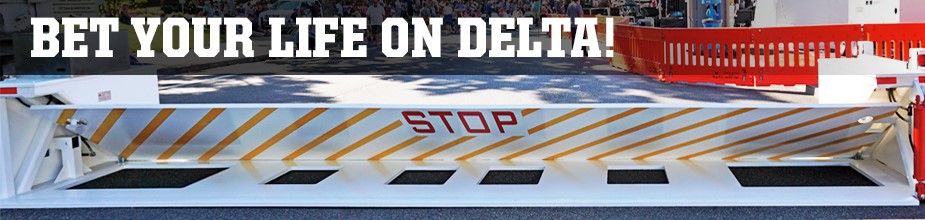
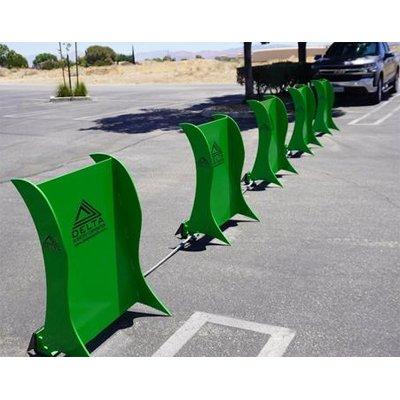
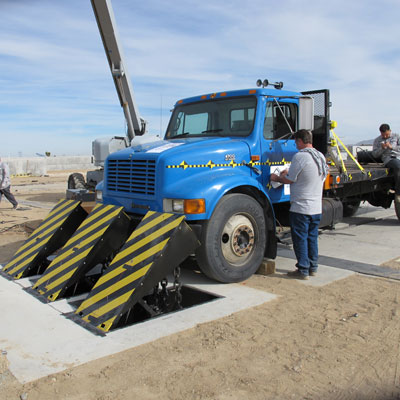
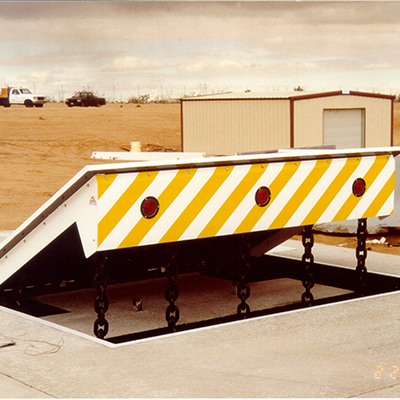
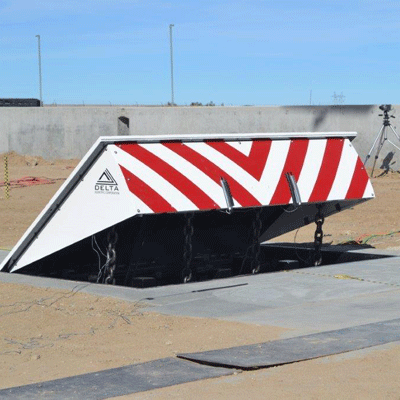
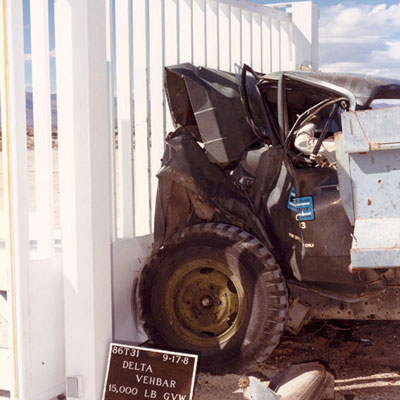
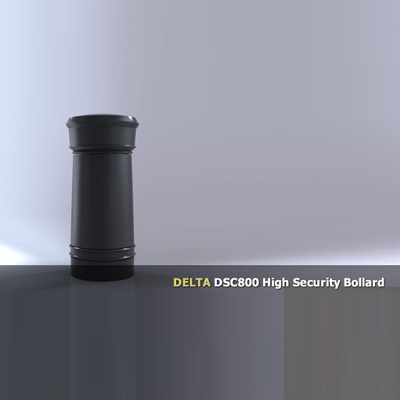
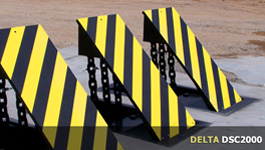
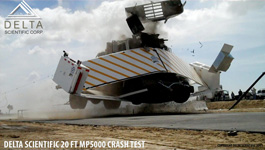
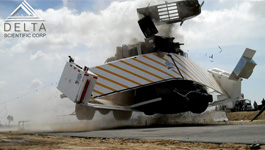
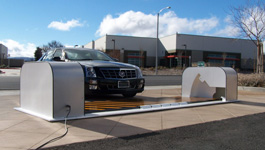
Systems such as security bollards with high crash ratings, like those from Delta Scientific, prevent unauthorised vehicle access to pedestrian areas, shielding vulnerable populations.
Managing Vehicle and Area Access
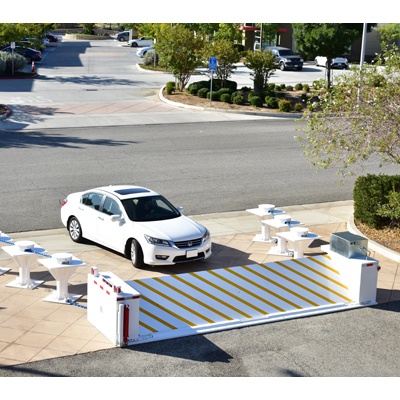
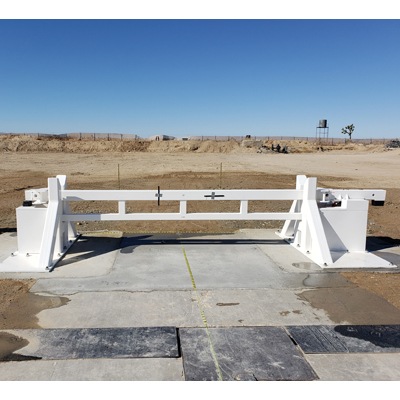
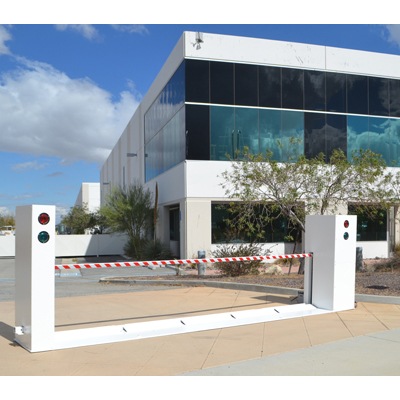
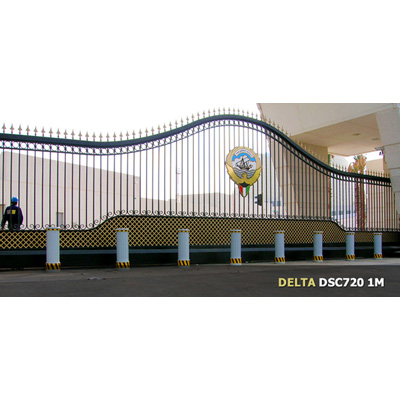
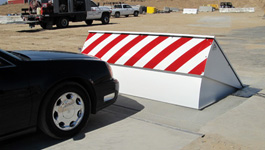
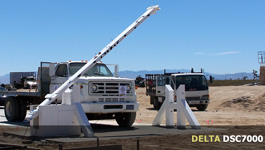
Control of vehicle traffic is equally important, with guard booths, barricades, and traffic teeth used to regulate entry and exit. These measures also include integrated lighting for thorough inspections, critical during heightened threat levels. Access to specific areas is managed through guard booths, fencing, and gates, ensuring only authorised individuals can enter secure zones.
Fencing is common around parking structures and restricted buildings, often paired with chip-enabled cards for controlled entry. These cards not only regulate access but also provide a track record of individuals' movements, invaluable during emergency investigations.
Smart Technology Transforming Campus Security
The inclusion of smart technology in campus security systems marks a significant transformation. From AI-powered analysis of video and audio feeds to gunshot detection devices and biometrics-enabled smart lockers, these innovations offer security personnel enhanced situational awareness and control.
Delta Scientific is notable for implementing cutting-edge campus security solutions, focusing on reliable and sophisticated access control systems. These advancements are designed to significantly bolster the safety of students and staff, ensuring a secure academic environment.
There have always been risks on school campuses. However, several high-profile events in recent years have brought the need for tighter security to the public eye. Learn about modern campus security technology designed to keep students safe.
Integrated Monitoring and Alert Systems
Campus monitoring is not a new technology. However, modern tech provides more accurate, clearer, and instantaneous feedback than previous generations. When implemented properly, these three main components can help keep students and staff safer.
Cameras
Schools use cameras to monitor campus activities. While cameras are not new, their capabilities have improved greatly in the past decade. Today’s security cameras use high-definition imaging and AI to detect suspicious activity.
Communication and Alert systems
When a threat is detected, integrated systems send out an alert to students and staff warning them of the danger. They may provide specific instructions, such as to shelter in place or go to a location away from the threat.
Intrusion Alarms
Intrusion alarms detect entry into restricted spaces on campus and alert the security team. In fully integrated systems, they can trigger smart door locks to help contain the threat. Alarms can be on doors, barriers, or glass, or they can be set up to detect motion.
By integrating multiple components into a whole system, administrators and security personnel get a better idea of what is happening on campus at any time. If an incident gets reported, they can immediately access video of the area in question and see what is happening in real-time.
Comprehensive monitoring should always be tied to an appropriate incident response plan. Key components of the plan include communicating and responding to the threat. It also establishes roles for campus members and requires training so they can fulfill them.
Access Control Systems
Managing physical access to campus areas is a crucial part of keeping students and faculty safe. However, campuses generally must remain open for people to come and go. Access control systems resolve those two points by giving security personnel a way to direct, monitor, and restrict traffic flow.
Pedestrian Safety
School campuses have a lot of people walking about. Whether they are going between buildings, heading to a car, or simply enjoying the campus grounds, pedestrians can fall victim in several ways.
Bollards are one of the primary access control measures used to protect pedestrians. With crash ratings of up to 50 MPH, Delta Scientific security bollards can easily stop cars and trucks from entering walkways and gathering spaces.
Vehicle Traffic
Some campuses restrict vehicle traffic coming in and out. Common tools for this purpose include guard booths and beam barricades. When deployed, traffic teeth ensure that cars can only go in one direction.
Modern barriers can have integrated lighting to make inspecting vehicle undercarriages easier. This can be critical in the case of a known threat.
Area Access
Guard booths, fencing, and barricades help limit who can access certain areas. Physically limiting who can enter an area ensures that only those who should be there get in.
You may recognize these most on campus at stadiums and other public gathering areas. For example, a custom ticket booth outside of the football stadium provides a measure of security by restricting access to ticket holders.
Gates are also found within buildings to limit who can enter secure or restricted areas. Swinging arm, sliding, and folding gates are all effective for these purposes.
Fencing is also used around secure areas such as parking structures, Access controls are also widely used for buildings and classrooms. Chip-enabled cards provide students entry to dorms, classrooms, and laboratories.
In addition to letting people in and out, these also provide a record of who has been in an area. This record is a key security measure because campus security and law enforcement can use it to track student movement in an emergency.
The Role of Smart Technology in Campus Security
A major area where campus security technology has changed is the adoption of smart technology.
- AI analysis of video and sound feeds
- Chip-enabled ID cards for building access and movement monitoring
- Gunshot detection devices to locate the source of gunfire
- Smart lockers that open with passcodes or biometrics
These advances give security teams much greater awareness of campus activity and help to keep everyone on site safe.
Delta Scientific Is At the Forefront of Campus Security Technology
Delta Scientific uses the latest campus security technology to create sophisticated and dependable access control systems. Contact us to learn how we can help improve campus security for students and school staff.