Darwin International Airport (DIA), the largest airport in Australia's Northern Territory and the 10th busiest in the country, is undergoing significant changes to enhance security and efficiency. Handling over two million passengers annually, and sharing runways with the Royal Australian Air Force’s RAAF Base Darwin, DIA is set to undergo a $60 million expansion.
This development aims to double its capacity for passengers and aircraft, further establishing it as a key transit point between Europe, Asia, and Australia. As part of these improvements, a review of the airport’s security practices, particularly key management, has led to a critical update in security protocols.
Transition from mechanical to electronic key control
Previously reliant on a manually-managed mechanical master key system, DIA identified several vulnerabilities, including issues with lost keys and inadequate tracking of access to doors and gates.
To address these concerns, the airport has adopted a new, automated security system
To address these concerns, the airport has adopted a new, automated security system. This includes the integration of the Morse Watchmans KeyWatcher® key control system and a modern access control system featuring electronic locks and programmable keys.
Implementation of advanced access control
The transition to the new system involved several key upgrades. All conventional door lock cylinders were replaced with a Cyberlock access control system. Additionally, USB-connected key authorisers, back-end management control software, and servers were installed. The system also seamlessly integrates the Morse Watchmans KeyWatcher cabinet with Cyberlock technology.
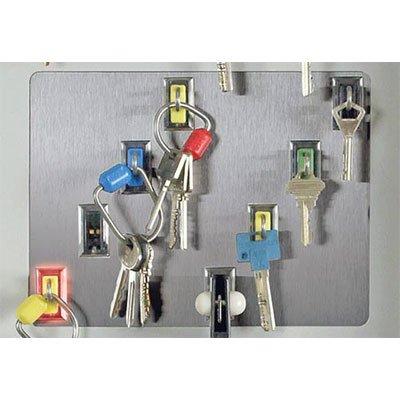
Efforts were made to equip remote airport locations with wireless access control capabilities. The KeyPro software from Morse Watchmans and KeyWatcher’s email notification system work together to send alarms and transaction data to the system. Over 180 electronic keys now form part of this enhanced setup. These keys, when not in use, are securely stored in the KeyWatcher cabinet, accessible only to authorised users. The illuminated key slots and 'return anywhere' features make this system not only secure but user-friendly.
Monitoring and audit trail capabilities
Once a key is removed, users must update access control rights via a USB-connected authoriser
Once a key is removed, users must update access control rights via a USB-connected authoriser to activate them. When keys are returned, users must first present them to authorisers for an audit trail before placing them back in the cabinet.
This ensures comprehensive tracking of key usage, including user information, date, and time of access/return. The system's robust reporting capabilities, aided by RS-232 communication ports, allow easy connectivity to printers or networking devices via Ethernet.
This advanced key management solution not only enhances DIA's security framework but also ensures that access logs are meticulously maintained, boosting the overall efficacy of the airport's security measures.
Darwin International Airport (DIA) in Australia’s Northern Territory is the region’s largest airport and the 10th busiest airport in Australia. Serving in excess of two million passengers every year, DIA also shares its runways with the Royal Australian Air Force’s RAAF Base Darwin.
A $60 million expansion approved for DIA will double the amount of passengers and planes it can handle and will help reinforce DIA’s reputation as an international transit point between Europe, Asia and Australia. The airport terminal currently services both international and domestic flights with separate cargo handling facilities.
Mechanical master key system
Security operations at the airport have also been under review, including management and control of facility keys.
It was found that the manually-managed mechanical master key system in use at the airport had several security risks associated with it, such as lost keys and the lack of oversight as to who was accessing doors and gates and when such access was occurring. To meet the needs of DIA, an automated, more secure system was installed featuring a Morse Watchmans KeyWatcher® key control system and a new access control security system with electronic locks and programmable keys.
Key management system
The deployment of the new access control and key management system involved replacing all conventional door lock cylinders with a Cyberlock access control system; installing USB-connected key authorisers; implementing back of house management control software and servers; and integrating the Morse Watchmans KeyWatcher key cabinet with the Cyberlock system.
An additional undertaking was required to enable wireless capability for the access control system at remote locations on the airport property. Morse Watchmans KeyPro software and KeyWatcher’s email notifications are utilised to send alarms and transaction data to the access control system.
Illuminated key slots
In total, more than 180 new electronic keys became part of the system. When not in use or permanently allocated, they are secured in the KeyWatcher cabinet. The automated key cabinet allows access only to pre-authorised users and all key access activity is automatically recorded for tracking purposes. Designed for convenience as well as security, the electronic key control system makes it easy for users to access or return keys with illuminated key slots and return anywhere features.
The KeyWatcher system offers the airport an increased level of security and control by preventing unauthorised key access and reducing lost or misplaced keys. In this way, employees or temporary users such as contractors who have reason to be on the premises and are preapproved in the system can access a key from the cabinet without having to sign in or require the presence of security or management personnel.
Added level of security
Once a key is removed from the cabinet, in order to activate it the user must update the access control rights for the key at a USB-connected authoriser. When the key is returned, it must first be presented to the key authoriser to extract the audit trail showing which locks the key had touched prior to replacing it in the key cabinet.
The KeyWatcher automatically records the access history of each key, including user, date and time of key access/return. Reports can be generated as needed and the cabinet’s built-in RS-232 communication ports allow ease of use for direct connectivity to printers or other devices, or networked connectivity via Ethernet. By controlling access to the keys and knowing when they were accessed and by whom, DIA has enhanced their investment in the access control system with an added level of security.