In the competitive landscape of the hospitality sector, achieving remarkable guest satisfaction while maintaining robust security measures is crucial.
Amid challenges such as ensuring physical safety, safeguarding digital data, coordinating with vendors, and maintaining staff accountability, many establishments still rely on outdated systems like pegboards or logbooks. Intelligent key control systems present a modern solution, offering enhanced security and operational insights that facilitate informed decision-making within the business. The implementation of these systems can significantly improve security measures and boost business intelligence in multiple ways.
Security enhancements in hospitality
Intelligent key control systems enforce strict access control by securing high-risk areas, such as storerooms, housekeeping zones, and administrative offices, with real-time monitoring and alert capabilities. Furthermore, automated key storage equipped with audit trails reduces internal theft risks by deterring misuse and swiftly identifying potential issues, thereby decreasing theft and liability concerns.
Intelligent key control systems enforce strict access control by securing high-risk areas
Accountability is enhanced as detailed tracking mechanisms hold staff responsible for their actions, flagging any unusual behaviour that might threaten guest or personnel safety. Additionally, these systems help in cutting down rekey expenses by preventing key losses and allowing instant usage tracking, thus avoiding the substantial costs associated with rekeying.
Enhancing business intelligence
Advanced reporting features within these systems facilitate trend identification by revealing frequently accessed areas and utilised tools. This insight aids in strategic staffing, supply planning, and anomaly detection. The process of managing vendor and contractor access is streamlined by granting time-limited, role-based permissions, which reduces the need for constant staff supervision and alleviates the burden on front desk personnel.
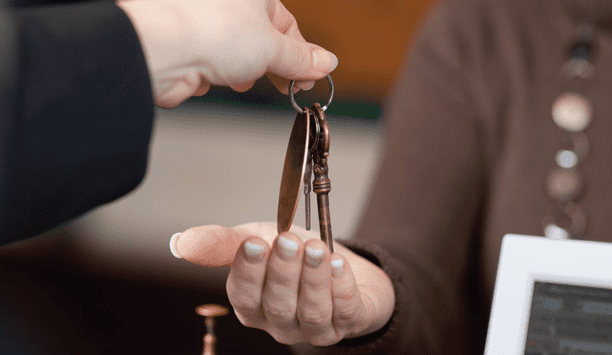
Key control systems also optimise asset utilisation, as keys unlock much more than just rooms; they provide access to golf carts, radios, minibars, and tools. Monitoring their use not only assists in managing inventory but also reduces losses and improves availability. The ability to rapidly update access permissions through centralised software offers a prompt, secure alternative to manual updates, ensuring swift response to changing security needs.
Try our KeyWatcher Configurator tool to design your ideal system to meet your requirements (Note: if using a mobile device, please turn the phone to landscape mode.)