Airports, akin to other transport hubs, are prime locations for substantial security challenges due to their high passenger traffic and significant operational footprint.
Appropriately deployed airport security equipment plays a crucial role in mitigating risks and enhancing the safety of passengers, staff, and surrounding communities.
Types of airport security equipment
A wide array of equipment is utilized in maintaining airport security, such as perimeter barriers, parking area control systems, and various screening devices. This includes essential tools like bollards, gates, metal detectors, explosive detection systems, and X-ray machines.
These devices are instrumental in the inspection of passengers and luggage for concealed items, providing a layered approach to security with each component serving a distinct purpose.
Perimeter security measures
Securing an airport’s perimeter is imperative for restricting unauthorized access by individuals and vehicles
Securing an airport’s perimeter is imperative for restricting unauthorized access by individuals and vehicles. High-security sliding gates, beam barricades, and wedge barricades form a formidable barrier.
In addition, guard booths and traffic control systems ensure that only personnel with proper clearance access restricted zones. The implementation of undercarriage lighting systems facilitates thorough vehicle inspections for banned items or explosives.
Furthermore, fencing is vital in minimizing the risks associated with animal intrusions. The Federal Aviation Administration advocates for a 10-foot-tall fence topped with barbed wire to prevent animals like deer and coyotes from entering runways.
Security solutions for parking areas
Mobile barricades are integral to airport parking security strategies, as they limit vehicle access, direct traffic flow, and provide guards with a physical barrier to reduce the risk of accidental vehicle collisions.
Traffic teeth, often found on one-way airport roads, enable forward vehicle movement while preventing reverse travel, and they are prevalent in parking garages and rental car facilities.
Pedestrian safety infrastructure
Bollards are a common sight in airports, safeguarding pedestrians by controlling traffic in areas
Bollards are a common sight in airports, safeguarding pedestrians by controlling traffic in areas such as sidewalks around passenger drop-off and pick-up zones.
Airports also employ stanchions to direct the movement of people. Prominent signage is crucial, ensuring exits, gates, terminals, and parking areas are easily identifiable.
Screening and detection equipment
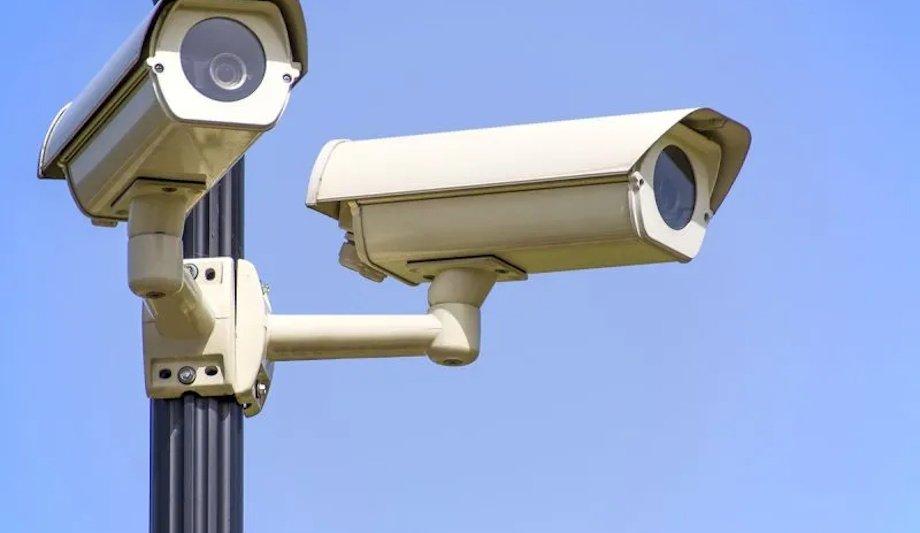
Airport screening processes utilize X-ray scanners, metal detectors, explosive trace detection systems, surveillance cameras, and access control systems to fortify security measures. These devices are fundamental to identifying threats, monitoring activities, and regulating the movement of individuals and items.
The Transportation Security Administration (TSA) advises the use of millimeter wave scanners and body scanners for passenger screenings, alongside new scanners leveraging computer tomography to streamline luggage checks by allowing liquids to remain in carry-ons.
Systems like X-ray, CT, and ETD are pivotal for the thorough screening of luggage, with physical searches reserved for when specific threats are identified. This comprehensive approach ensures only cleared luggage is permitted on flights.
Implementing best practices in airport security
Physical barriers, combined with surveillance and alarm systems, play key roles in maintaining restricted access
Adopting strategic practices can further enhance airport security. Dedicated lanes for travellers with TSA PreCheck and Global Entry expedite security processes for those pre-approved, easing the flow and reducing queuing times.
Additionally, clearly delineated or barricaded aircraft parking areas restrict access exclusively to authorized personnel, safeguarding aircraft operations.
The strategic layout of airports also significantly impacts overall security, with central areas often delineated as security-restricted zones accessible only post-screening. Physical barriers, combined with surveillance and alarm systems, play key roles in maintaining restricted access.
Advanced screening systems
While TSA guidelines allow for expedited screenings for passengers over the age of 75, airports should carefully balance such allowances with common sense safety measures, like utilising body scanners for a comprehensive security check.
Incorporating a wide array of security technologies, from perimeter barriers to advanced screening systems, airports endeavour to maintain high safety standards. Delta Scientific is known to supply security solutions that address these requirements effectively.
Like other transportation hubs, airports are prime targets for major security threats. Because of their high traffic flow and wide reach, terrorists and other mass attacks often target them.
The right airport security equipment can reduce risks and improve overall safety for passengers, staff, and the surrounding community.
Types of airport security equipment
Airport security equipment includes perimeter barriers, parking area booths and barricades, and screening equipment. A comprehensive airport security equipment list includes bollards, gates, metal detectors, explosive detection, and X-ray machines.
These devices screen passengers and luggage to detect items that could be hidden. Numerous other items should be included in a security plan, and each one has a unique purpose.
Perimeter security equipment
Securing the perimeter keeps unwanted people and vehicles out of restricted space. High-security sliding gates, beam barricades, and wedge barricades provide a physical barrier to limit access.
Guard booths and traffic control measures help to ensure that only approved personnel enter restricted parts of the facility. The use of undercarriage lights can aid vehicle inspection for prohibited items and explosives.
Fencing also reduces the risks associated with animal strikes. The Federal Aviation Administration recommends installing a 10-foot-tall fence topped with three strands of barbed wire, which is an effective height for keeping animals such as deer and coyotes off runways.
Airport security equipment for parking areas
Mobile barricades are vital to an airport’s security plan. They limit vehicle access and control the flow of traffic, providing security guards with a physical barrier to enhance security and reduce the risk of unintentional vehicle crashes.
Traffic teeth are commonly found on airport roads with one-way traffic. They allow vehicles to move forward but not reverse or go against other traffic. Traffic teeth are also frequently used in parking garages and rental car pick-up and return areas.
Pedestrian safety equipment
Bollards are commonly used for controlling traffic and protecting pedestrian areas. Airports often place them along sidewalks in passenger drop-off and pick-up areas. Stanchions are also commonly used at airports to direct pedestrians.
Proper signage is also crucial to ensuring pedestrian safety. Exits, gates, terminals, and parking areas should all be marked with large, clear signs.
Airport screening security equipment
Airports screen luggage and passengers using X-ray scanners, metal detectors, explosives trace detection systems, surveillance cameras, access control systems, and body scanners. These devices serve vital roles in a comprehensive airport security plan, helping security personnel detect threats, monitor activity, and regulate movement.
In the United States, the Transportation Security Administration recommends millimeter wave devices, body scanners, and metal detectors for passengers. It has also implemented scanners that use computer tomography technology to speed up security screenings by eliminating the need for passengers to remove liquids from their carry-ons.
X-ray, CT, and ETD systems help airports efficiently screen carry-on and checked luggage, reserving physical searches for situations where a specific item is suspicious. All luggage that passes these checks can be loaded onto an aircraft.
Best practices for airport security equipment
Airports can also adopt best practices for equipment, operational policies, and physical design, which can help improve overall security and enhance the passenger experience.
Utilize dedicated lanes for passengers with security passes
TSA PreCheck and Global Entry are passes that allow passengers to skip many of the pre-boarding screenings and move through security lines much faster.
They are designed to make things go smoother at the airport for passengers and security staff. Airports can allow people accepted into these programs to use express security lanes that are clearly marked and separate from other screening queues.
Secure aircraft parking areas
Painted lines on the tarmac often indicate designated aircraft areas. If there are no markings, the airport can establish parking areas using barricades and bollards.
Placing security arms and gates around these areas further limits aircraft access to people cleared to move, operate, or service them.
Airport layout
Airport layout can play a significant role in overall security, such as reserving the central portions of the facility as a security-restricted area or terminal accessible only to individuals who have undergone a pre-boarding screening.
Physical barriers, security cameras, and alarm systems ensure restricted access to these areas.
Adhering to standards appropriately but cautiously
TSA allows some leniency to passengers over 75 because this population is deemed less of a threat. Airports should allow these expedited screenings to follow TSA guidelines.
However, they should follow common sense and still use appropriate measures, like having older individuals go through a body scanner.
Ensure safety with airport security equipment from Delta Scientific
From perimeter security equipment like bollards and barricades to advanced screening systems, airports rely on a range of tools to enhance safety.
Delta Scientific provides high-security solutions to meet these needs.