Unauthorised access to secure locations can occur through various methods, with tailgating attacks posing a notable threat. These attacks exploit human tendencies such as complacency or benevolence and take advantage of security system vulnerabilities to access restricted areas. Understanding the nature and prevention of tailgating is crucial to maintaining security integrity.
Understanding tailgating attacks
Tailgating, also known as piggybacking, happens when an unauthorised person or vehicle enters a secure area immediately following an authorised individual. This often occurs when someone holds a door open or bypasses security measures, sometimes facilitated by an intruder pretending to be someone trustworthy, like a delivery driver.
Such attacks can easily circumvent modern security systems. For instance, while campus security might rely on biometrics, an intruder posing as a DoorDash driver might seem unthreatening and gain easy access thanks to unsuspecting students.
Forms of tailgating attacks
Cyber tailgating may occur when a user unwittingly clicks on a malicious link
While tailgating is often associated with physical security breaches, it's not limited to them. Physical breaches involve unauthorised entry into buildings or restricted locations, often unnoticed due to their apparent innocuousness. Cyber breaches, on the other hand, grant access to sensitive computer systems or data through left-open sessions, system vulnerabilities, malware installation, or coercion.
Examples include attackers entering a facility by following an employee who holds the door or posing as couriers to gain unrestricted access. Cyber tailgating may occur when a user unwittingly clicks on a malicious link, allowing attackers to exploit open sessions or steal tokens.
Preventative measures
Preventing tailgating attacks begins with awareness and education. Employees should be trained to recognise potential threats and follow protocols that reduce risks. Key measures include designating delivery zones away from secure locations, reporting suspicious emails, and avoiding letting others enter secure doors with them. Multifactor authentication and monitored work sessions also bolster cybersecurity.
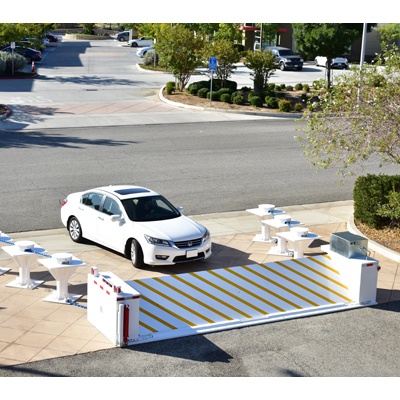
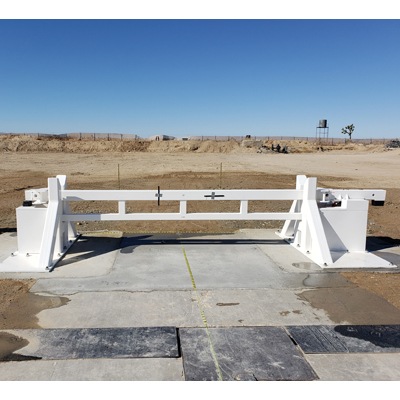
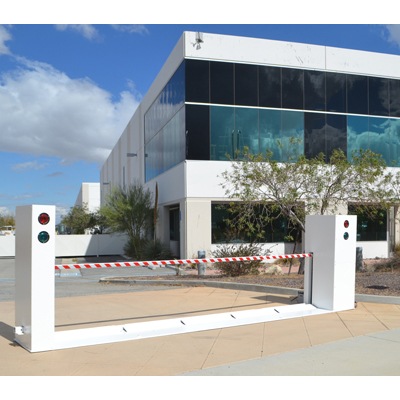
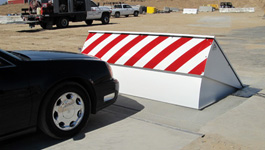
Physical security enhancements, such as installing guard booths and security cameras, limit unauthorised access and help identify breaches. Additionally, segmenting facility access ensures no single individual can access the entire system, thus mitigating the threat's impact.
Delta Scientific provides expertise in access control solutions, collaborating globally to enhance physical security. Understanding and implementing these best practices are vital steps in safeguarding against tailgating attacks.
People can gain unauthorised entry to secure locations using several methods. Tailgating attacks are one example.
They depend on general complacency or the kindness of people and exploit system weaknesses to access restricted areas. Learn what a tailgating attack is, what one looks like in real life, and how to keep yourself from becoming a victim.
What is a tailgating attack?
A piggyback attack occurs when one person or vehicle accesses an area immediately after another. They rely on the authorised person opening a gate, holding a door, or bypassing security measures. In some cases, a person pretends to be someone they are not, such as a delivery driver, to get into a building.
Tailgating attacks can easily circumvent many modern security protocols. For example, campus security systems often rely on biometrics to access dorm rooms, but an attacker who poses as a DoorDash driver will seem relatively harmless to the students who let him in.
Types of piggyback attacks
Many tailgating attacks are physical security breaches where an individual enters a building, parking area, or other restricted location. However, this is not the only type. Take a minute to learn the different types of piggyback attacks and what they could look like.
Physical attacks occur when someone gains unauthorised access to a secure area. These attacks often go unnoticed because they happen in plain sight and rely on the benevolence of other people. Cyber attacks can also happen. These allow a person to access restricted computer systems or sensitive data. They can happen when an authorised user leaves a session open and steps away from a workstation, by exploiting system weaknesses, installing malware, or through coercion.
What is an example of a tailgating attack?
Take a look at some examples of security breaches using this method to understand how they look in real life. An attacker waits near the entrance to a secure building. When an employee scans his badge to enter a building, he then holds the door for the person behind him. The attacker enters the building and accesses sensitive information.
Someone poses as a courier. They approach and state they are making a delivery to a specific department. Security lets them through the main gate, providing access to the entire facility. An employee clicks a link in an unidentified email, allowing an attacker to install malware on their computer. The attacker steals tokens and uses them to act as the employee for the remainder of the session. These scenarios all assume an unknowing victim. However, in some situations, an employee may intentionally walk away from an open laptop or leave a door unlatched to allow access.
How to prevent a tailgating attack
Knowing the meaning of a tailgating attack is just the first step in preventing them. Users must take steps to educate employees, increase security protocols, and install devices that reduce the risk of this type of security breach. Employee training is a key component to preventing piggyback attacks, especially when it comes to cyber attacks. General guidelines for employees include:
- Designating a specific place for food or general deliveries that is outside of secure areas
- Marking suspicious emails as spam and reporting them to IT
- Never allowing another person through a door with you
- Remaining aware of surroundings when entering and exiting secure areas
- Using multifactor authentication and timed work sessions
Remember, these attacks take advantage of kindness and complacency. When one trains employees to be alert to threats, they can stop a large portion of them.
Implementing best security practices for data centers and other vulnerable locations can help prevent many of these situations. For example, monitored security cameras detect unauthorised users at terminals.
Limiting physical access
Segmenting access so that no one person has access to the entire system or all physical areas of the plant is incredibly helpful. It limits the reach of potential attackers and may prompt a repeat attempt that users can intercept. Using physical security measures, such as guard booths, can help users limit physical access to a location and stop someone from leaving if a breach is detected.
Understanding what a tailgating attack is is the first step in preventing one. Delta Scientific is a pioneer in access control solutions. Their team can help users choose and implement a complete system to reduce the risk of security breaches. They work with companies around the world to improve physical security measures.