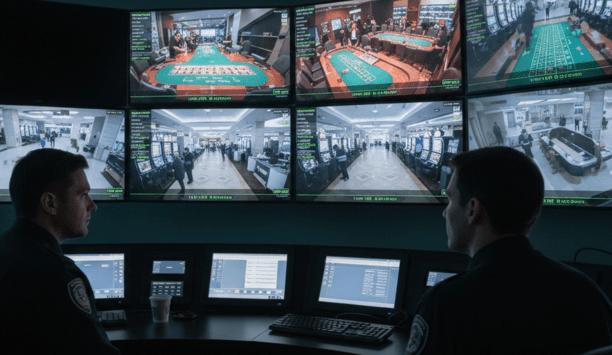
Universities are vibrant hubs of learning and development, hosting a variety of activities ranging from education to cultural events. Given this diverse environment, ensuring the safety of students, faculty, and assets is essential. Implementing comprehensive university security systems is increasingly crucial, aiming to protect both physical and intellectual property while promoting a culture of safety that does not hinder the free exchange of ideas.
Due to the expansive nature of university campuses, which include lecture halls, laboratories, libraries, and residential areas, a security strategy that is both extensive and intricately connected is necessary. A combination of surveillance technologies, access control systems, and alarm networks work together to protect various campus areas. CCTV systems provide constant surveillance of public spaces, while access control mechanisms secure restricted zones such as labs and administrative offices. Additionally, strategically placed alarms and emergency call points enable swift responses to critical incidents, creating a dual layer of proactive and reactive security.
The UK Department for Education sets out guidelines to ensure the safety and welfare of those within educational institutions. Adhering to these guidelines is not only a legal requirement but also highlights a university's dedication to its community's safety. The installation of cutting-edge security systems achieves the dual objectives of physical safety and meeting regulatory standards, underscoring a tangible promise to foster a secure and supportive learning environment.
Inclusion of biometric systems within the security infrastructure offers a robust solution for personalised access control. These systems, which utilise fingerprint or facial recognition, ensure access to sensitive areas like laboratories and data centres is limited to authorised personnel only. Beyond access restriction, biometric technologies also facilitate the tracking and auditing of movements, providing critical data that enhances security measures and assists in incident investigations.
Effective security at universities is not solely dependent on technological solutions, but also on the awareness and participation of the student body and staff. Programmes that increase security awareness, prepare individuals for emergency scenarios, and promote collective responsibility can significantly enhance the efficacy of physical security systems. A knowledgeable and prepared community is crucial in reinforcing the overall security framework of the campus.
Collaboration between universities and local authorities is essential in strengthening campus security. By aligning security protocols and communications with local law enforcement and emergency services, universities can ensure a swift and coordinated response in emergencies. Such partnerships allow for shared intelligence and joint planning, which act as a deterrent to potential disruptions while safeguarding the educational environment.
Incorporating technology in crisis management and evacuation planning is vital for university security systems. Use of IoT devices and mobile technologies for alert systems provides timely information during emergencies, directing individuals to safety promptly. The real-time data from surveillance and access control systems further aids in the effective management of evacuations and deployment of medical assistance, ensuring that help reaches where it is needed most efficiently.
The security and serenity of a university campus are intrinsically linked to its security protocols and systems. By integrating advanced technologies, ensuring regulatory adherence, and fostering a security-conscious community, universities create an environment conducive to intellectual growth and interaction, while maintaining safety as a silent guardian. In this secure setting, academic pursuits and innovations are allowed to thrive.
Universities, the epitome of knowledge and development, are intricate environments where diverse activities unfold simultaneously, from teaching and research to social and cultural events.
Given the multifaceted nature and the imperative to ensure the safety of students, faculty, and assets, the relevance of deploying comprehensive university security systems has become paramount.
These systems not only protect physical and intellectual assets but also strive to create an environment that is conducive to learning and development, ensuring that safety doesn’t compromise accessibility and the free exchange of ideas.
Seamless Integration
The vast expanse of a university campus, dotted with lecture halls, laboratories, libraries, and residential areas, demands a security solution that is both expansive and finely integrated.
Employing a combination of surveillance systems, access control mechanisms, and alarm systems, university security protocols work cohesively to safeguard various zones within the campus.
CCTV surveillance ensures constant monitoring of public spaces, while access control systems safeguard restricted areas like labs, administrative offices, and certain residential zones. Furthermore, alarm systems and emergency call points scattered throughout the campus ensure immediate response during critical incidents, ensuring a layer of reactive and proactive security.
Ensuring Compliance
In the UK, the Department for Education underscores a set of guidelines and expectations for ensuring the safety and well-being of students and staff on educational premises. Adherence to such authoritative guidelines not only demonstrates compliance with legal norms but also illustrates a university’s commitment to safeguarding its populace.
Deploying advanced university security systems, therefore, serves dual purposes of ensuring physical safety and aligning operations with regulatory expectations. This compliance is not merely a bureaucratic necessity but underscores a tangible commitment to creating a secure, nurturing educational environment.
Biometric Systems
Incorporating biometric systems into the security framework of a university provides a robust mechanism for ensuring personalised access control without compromising the free movement of authorised individuals.
Biometric access controls, using fingerprint or facial recognition, ensure that only authorised personnel can gain access to sensitive areas such as laboratories, examination halls, and data centres.
Beyond mere access control, these systems also enable the tracking and auditing of access, providing valuable data that can be used to enhance security protocols and investigate incidents, thereby fortifying the physical security infrastructure of the university.
Student Involvement and Awareness
The collective safeguarding of a university environment isn’t solely dependent on technological and procedural implementations but also significantly relies on the involvement and awareness of its student body and staff.
Implementing programs that enhance security awareness, training individuals to respond to emergency situations, and fostering a culture of collective responsibility can augment the effectiveness of physical security systems.
Students and faculty who are adept in understanding and responding to security protocols not only ensure their safety but also become pivotal in enhancing the overall security posture of the university.
Collaboration with Local Authorities
Strategic collaboration between universities and local authorities plays a pivotal role in bolstering the effectiveness of university security systems. By aligning the security protocols and communication systems with local law enforcement, emergency services, and community initiatives, universities can ensure a quick and coordinated response during critical incidents.
Furthermore, this alignment allows for a synergistic approach towards maintaining public safety within and around the campus, involving collaborative patrols, shared intelligence, and joint emergency planning.
This network of security not only acts as a reactive measure but serves as a visible deterrent to potential disruptors, ensuring that the sanctity of the educational environment is palpably shielded by a comprehensive security apparatus.
Evacuation and Crisis Management
In an era where technology permeates every facet of people’s lives, utilising innovative solutions for crisis management and evacuation procedures within university security systems becomes imperative.
For instance, employing IoT (Internet of Things) devices and mobile technology to send alerts and critical information during a crisis ensures that individuals on campus are promptly informed and guided towards safety.
Moreover, utilising data from surveillance and access control systems allows for real-time monitoring and management of crowds and individuals during an emergency, ensuring that rescue and medical services are efficiently directed to where they are needed most.
Thus, technology not only fortifies preventive security measures but also becomes a crucial tool in managing situations where immediate action and communication are paramount.
Assurance of safety
The tranquillity and assurance of safety on a university campus are undeniably correlated with the effectiveness of its security systems and protocols.
By weaving together advanced technologies, regulatory compliance, and a security-conscious community, universities pave the way for an environment where intellectual pursuit, research, and social interactions can unfold in a space that is secure, inclusive, and conducive to holistic development.
Through ensuring physical safety, university security systems become a silent ally in the pursuit of knowledge, development, and innovation within the hallowed halls of academia.