Ensuring a secure retail environment is crucial for the safety of both customers and staff. A key component in achieving this security is the installation and effective use of a retail CCTV system. This guide outlines the process for setting up a CCTV system in a retail store, providing essential steps for enhancing store security.
Understanding Needs and Planning
Prior to purchasing and installing a CCTV system, it is important to assess the unique security needs of the retail space. Factors such as the store's layout, size, and location, as well as the value of the merchandise, should be considered. Identifying vulnerable areas that require surveillance, such as cash registers, entrances, exits, and high-value product displays, is the first step in selecting an appropriate system. With this understanding, an informed decision on the most suitable CCTV system for the store can be made.
Installing the CCTV System
After selecting the appropriate CCTV system, the installation process begins. Here are the key steps involved:
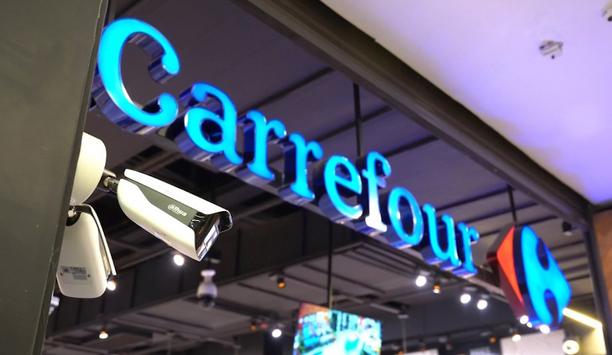
- Install Cameras: Place cameras in the identified high-risk areas, ensuring they provide optimal views. Adhere to privacy laws by avoiding coverage of private areas such as fitting rooms or restrooms.
- Set Up the Recording Device: Connect the cameras to a recording device, either a network video recorder (NVR) or a digital video recorder (DVR), following the manufacturer’s instructions for setup.
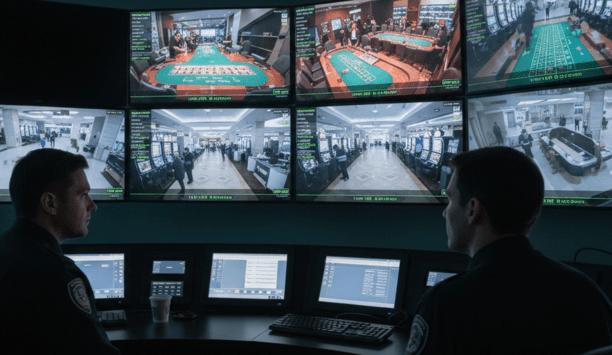
- Connect to a Monitor: Link the recording device to a monitor to view real-time camera feeds.
- Test the System: Check camera views to ensure clear and useful images are captured, adjusting camera angles if necessary.
Choosing the Right CCTV System
When selecting a retail CCTV system, several factors must be considered to ensure it meets the store’s security needs:
- Camera Resolution: Opt for cameras that produce clear images, with HD cameras often being the minimum standard for retail security.
- Field of View: Select cameras with an appropriate field of view for the store layout, potentially requiring wide-angle lenses to cover extensive areas.
- Lighting Conditions: Consider the store’s lighting conditions, selecting cameras with night vision if needed for poorly lit areas.
- Indoor or Outdoor: Ensure that outdoor cameras are weather-resistant.
- Storage and Access: Decide whether footage will be stored locally or in the cloud and how to access it.
Considering Professional Installation
While this guide provides a foundation for setting up a CCTV system, professional installation may be advisable, particularly for complex systems. Professionals can offer valuable advice on optimising and maintaining the system.
Training and Regular Maintenance
A CCTV system requires ongoing maintenance checks to ensure its effectiveness. These include cleaning camera lenses, regularly reviewing footage, and verifying the system’s recording functionality. Staff should be trained on how to use the system, including reviewing footage and reporting issues.
Compliance with the Law
Compliance with legal obligations regarding CCTV usage is essential. This includes informing people that they are being recorded, which can be done by posting signs in visible locations, ensuring footage security, and understanding when it is appropriate to share footage, particularly in legal scenarios.
Although setting up a retail CCTV system might seem challenging, this guide aims to demystify the process by breaking it down into manageable steps. By thoroughly understanding the store’s needs, selecting the right system, and keeping legal considerations in mind, retailers can create a secure and welcoming shopping environment. CCTV systems not only help deter theft and resolve disputes but also provide insights into customer behaviour, enhancing the shopping experience and contributing to the store's overall success.
It’s undeniable that a secure retail environment is essential for both the customers and staff alike.
One integral part of achieving this is through the installation and proper utilisation of a retail CCTV system. In this blog post, they’ll walk them through a step-by-step guide on how to set up the first retail CCTV.
Understanding needs and planning
Before rushing into buying and setting up the CCTV, it’s important to understand the unique needs of the retail space. Each retail store is different, from its layout to its size, the value of the items sold, and the locality’s security situation
Take some time to evaluate the store’s potential vulnerabilities and areas that require closer surveillance. High-risk areas usually include cash registers, entrances, exits, and high-value product displays.
Once they’ve identified these areas, they can make an informed decision about the type of CCTV system that would work best for the retail store.
Installing the CCTV system
Once they’ve chosen the right CCTV system, it’s time for installation. Here are some steps to follow:
- Install the cameras: Install cameras in the identified high-risk areas. Ensure they’re positioned to provide the best possible view of these areas. Be mindful of privacy laws and ensure cameras are not pointing toward fitting rooms or restrooms.
- Set up the recording device: Connect the cameras to the recording device. This could be a network video recorder (NVR) or a digital video recorder (DVR), depending on the system they chose. Follow the manufacturer’s instructions for setup.
- Connect to the monitor: Connect the recording device to a monitor. This will allow them to view the camera feeds in real-time.
- Test the system: After everything is set up, test the system. Check the views of each camera to ensure they’re providing clear and useful images. Adjust camera angles if necessary.
Choosing the Right CCTV system
There is a vast range of CCTV systems available, each with different features and capabilities. Here are some factors to consider when selecting retail CCTV:
- Camera resolution: They need cameras that produce clear images to identify people and actions effectively. HD cameras are typically the minimum standard for retail security.
- Camera field of view: Some cameras have a wider field of view than others. Depending on the store’s layout, they might need cameras with a wide-angle lens to cover more areas.
- Lighting conditions: Consider the lighting conditions in the store. If parts of the store have poor lighting, they might need cameras with night vision capability.
- Indoor or outdoor: If they plan to install cameras outside, ensure they’re weather-resistant.
- Storage and access: Determine how footage will be stored (locally or cloud-based) and how they’ll access it.
Remember, the key here is balance. They want a system that will provide the level of security the store needs without going unnecessarily overboard.
Considering professional installation
While this guide aims to empower them with the knowledge to set up their CCTV system, remember that a professional installation is always an option, especially for complex setups.
Professionals can also provide valuable advice on how to optimally use and maintain the system.
Training and regular maintenance
Finally, don’t forget that a CCTV system is not a set-and-forget solution. Regular maintenance checks are crucial to ensure that the system is functioning correctly. Check the camera lenses for cleanliness, review the footage regularly, and ensure the system is recording as expected. Additionally, train the staff on how to use the system. This includes showing them how to review footage, save specific clips, and report any issues with the CCTV system.
By following this step-by-step guide, they’re on their way to setting up a secure and efficient retail CCTV system, providing both safety and peace of mind for their customers and employees alike.
Compliance with the law
Remember, it’s not enough to simply install the retail CCTV system; they must also be aware of legal obligations surrounding its use. Laws vary by location, so always check the local regulations, but generally, it’s essential to:
- Inform people they’re being monitored: They can do this by posting signs at their store’s entrance and other visible locations.
- Protect the footage: CCTV footage often includes sensitive information. It’s the responsibility to ensure this information is secure and not misused.
- Know when to share the footage: There may be situations, such as a police investigation, where they need to share the footage. However, only share when it’s legal and appropriate.
The final picture
Implementing a retail CCTV system can initially seem daunting, but by breaking down the process into these manageable steps, it becomes significantly more approachable. Starting with a careful understanding of the store’s needs and planning, choosing the right system, installing it correctly, maintaining it regularly, and being mindful of the legal implications will help ensure that the retail environment remains secure and customer-friendly.
Remember, CCTV not only helps deter potential theft and aids in resolving disputes but also allows them to observe customer behaviour, providing insights that can help enhance the shopping experience. In essence, a well-implemented CCTV system is an essential part of modern retail, bringing both security and business benefits.
They hope this step-by-step guide has made the process of setting up the first retail CCTV clearer and less intimidating. It’s a worthy investment for the safety of the business, employees, and customers. Security is paramount, and with the new CCTV system, they’re taking a significant step toward creating a safe and secure retail space.