Retail security systems

DigiCert, a global pioneer in intelligent trust, today released findings from its second annual global survey on post-quantum cryptography (PQC), revealing that organisations are preparing for the quantum era but making little measurable progress toward deployment. Although 87% of organisations report they are planning, testing or implementing PQC initiatives, deployment has increased by just two percentage points since last year's survey. As a result, only 7% of organisations have deployed qua...

Comelit-PAC has launched LogiFire 2 panel, extending its LogiFire fire detection portfolio with a solution designed for small to medium-sized installations requiring advanced functionality alongside straightforward installation and operation. The LogiFire range is Comelit-PAC's addressable fire detection platform, providing a scalable solution for applications ranging from smaller standalone sites through to larger, more complex buildings. Designed around a common ecosystem of panels, detectors...

ABUS UK has strengthened its team with a series of strategic appointments, highlighting its commitment to sustainable growth and continued investment in people, structure and capability to deliver exceptional customer service. Julian Williams joins ABUS in a national role, working closely with key accounts to develop long-term partnerships. Bringing a wealth of experience across merchants and the wider hardware sector, Julian will spend time understanding customers’ priorities and helping...

For large retailers with hundreds of branches, operational challenges often feel familiar. Rising crime, staff shortages, tight margins and ageing infrastructure dominate boardroom conversations. Yet while many organisations focus on headline issues, smaller structural inefficiencies quietly drain budgets year after year. One of the most overlooked is keyholding and access management. The financial impact of traditional keyholding models is significant. Across large retail estates, annual costs...

Quorum Cyber reveals the extensive, but alarming findings of its 2026 Global Cyber Risk Outlook report. AI automation and Ransomware-as-a-Service (RaaS) platforms have fundamentally altered the threat landscape, enabling nation-state actors to automate up to 90% of intrusions, and pushing vulnerability disclosures past 35,000 for the first time. Attackers abandon slow-encryption tactics, as evidenced by ransom demands in financial services exploding by 179%. Organisations face a stark reality:...

Wachter Inc., a pioneering technology solutions integrator and innovator, is pleased to provide the Loss Prevention Research Council (LPRC) with a state-of-the-art Proto LUMA hologram unit to enhance retail education and innovation efforts. This advanced technology will serve as an immersive platform to educate the retail community on loss prevention, history, and ongoing trends, while also offering dynamic marketing and engagement opportunities. Proto LUMA unit The Proto LUMA unit, a fully...
News
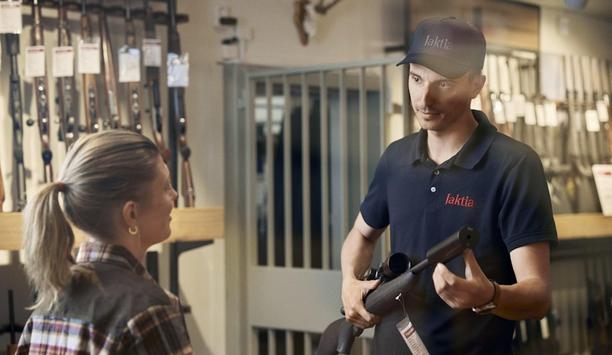
Gunnebo Safe Storage has partnered with Jaktia to deliver a tailored storage solution for a new store offering high-tech equipment and ammunition. Designed to integrate seamlessly within a restricted layout, the system was developed to meet all regulatory obligations and Police Preferred standards. As Sweden’s pioneering retailer for hunting, fishing and outdoor activities, a tight schedule for a new store opening meant Jaktia required a secure and certified storage system that could be installed quickly and operate reliably from day one. Operational needs and available space From the early planning stages, Gunnebo Safe Storage collaborated closely with Jaktia to understand operational needs and available space. Each unit was carefully specified to maximise capacity within the confined area while maintaining accessibility and full compliance. “The storage needed to meet all regulatory requirements and fit within our store layout,” says Haris Beganovic, Store Manager at Jaktia. “Gunnebo responsiveness in the early stages allowed our team to focus on preparing the store for customers. We were able to give input on how the storage would work for our day-to-day operations, which meant the final system was practical as well as compliant. Working with them gave us confidence that everything was taken care of correctly.” Oversaw certification and regulatory checks Gunnebo Safe Storage oversaw certification and regulatory checks throughout the process, seamlessly incorporating Centurion Grade 4 high security vault door with Encry connected lock and Centurion Grade 5 Strong room, enabling Jaktia’s team to focus on preparing the store for launch. Installation progressed smoothly, with teams working in partnership to resolve challenges as they arose and ensure a timely handover. The final system met all Police Preferred and legal standards, providing Jaktia with a robust, efficient solution. Installation and reliable long-term performance Joakim Tillman, Key Account Manager for the Nordics at Gunnebo Safe Storage, added: “Every store has its own operational needs and physical constraints. Our role was to translate Jaktia’s requirements into a system that met compliance standards while fitting perfectly within their space." "By collaborating closely with the store team from initial design to project completion, we were able to anticipate potential challenges and plan solutions in advance, ensuring a smooth installation and reliable long-term performance.”

Securitas UK and Hays Travel are proud to celebrate over 10 years of working together to deliver safe, secure, and welcoming environments across Hays Travel’s nationwide network of retail branches. Since 2015, Securitas has been a trusted security partner to Hays Travel, providing a tailored service that supports the company’s commitment to customer service. From alarm response to mobile patrols, the partnership has evolved to meet the changing needs of the UK’s largest independent travel agent. Range of scenarios The partnership supports over 530 locations across the UK with alarm response. It ensures that out of hours, or when buildings are vacant and there are incidents such as an intruder, the alarm response results in an emergency key holder attending the site and resolving the incident. This could be a wide range of scenarios, including a break-in, a false alarm due to something being left unattended on the premises, or the site requiring maintenance and repair, as the result of an incident. With a deep and expansive UK estate, Hays Travel chose Securitas for its self-delivery model—free from third-party involvement. It ensures a consistent, high-quality service across all client sites. Supported by a nationwide network of branch managers it enables the delivery of tailored solutions with speed, accountability and local expertise. Trust, innovation, and shared values Rapid response across Hays Travel’s UK estates to callouts enables clients to maintain staff productivity, reduce operational disruptions, and achieve cost savings. By responding swiftly to alarm activation, not only is it a theft deterrent but also mitigates insurance liabilities, through reliable out-of-hours coverage. Securitas has played a key role in developing onsite behavioural analysis, helping teams better understand patterns, enhance safety, and improve response strategies. Alex Davis, Chief Commercial Officer, Securitas UK said, “We are delighted to mark this milestone with Hays Travel. Over the past decade, our teams have built a strong, collaborative relationship rooted in trust, innovation, and shared values. It’s been a privilege to support Hays Travel’s growth and success.” High standards of safety and service Peter Robinson, Head of Property at Hays Travel, said, “Our trusted partnership with Securitas has helped us to maintain high standards of safety and service across our retail estate. We are committed to caring for our people, customers and the communities where we operate and Securitas has been instrumental in us achieving this." “Their professionalism, responsiveness, and understanding of our business have made a real difference. We look forward to continuing this journey together.” The partnership will continue to focus on delivering value through smart security solutions that support Hays Travel in making travel accessible, enjoyable, and safe for all.

New independent research from Six Degrees, the secure, integrated cloud services provider, reveals a dangerous disconnect between retailer cyber confidence and real-world cyber resilience. Data from the Six Degrees Retail Whitepaper shows that while most UK retailers are highly confident about their security posture, one in five admit their current defenses wouldn’t prevent a cyber-attack. This disconnect has far-reaching impacts because the retail sector faces an increasing volume of attacks, with respondents themselves claiming to be more at risk than they were a year ago. Six Degrees’ research maps respondent cyber security confidence against the National Cyber Security Centre’s (NCSC’s) 10 Steps to Cyber Security, a framework covering key areas including risk management, identity and access management, and data security. Real-world impact of cyber-attacks Retailer confidence remains high in each category, peaking at 84% for risk management. Yet, even in the weakest area – supply chain management (76%) – confidence remains strong. This is surprising considering supply chain attacks top the list of incidents reported by respondents in the last year. Despite reporting high confidence in their cyber security posture, respondents are clearly experiencing the real-world impact of cyber-attacks. Logistical disruptions, including the inability to restock goods, are the most common consequence. Meanwhile, one third of retailers report a decline in customer satisfaction – often centred on dispatching, delivering, and arranging the return of goods. Around a quarter also cite issues related to insurance, reputation, and legal risk exposure. Cyber security confidence and capability “Retailers feel the impact of cyber-attacks acutely because recovery is often slow. Only 13% of retailers fully restore operations within the first week, and just 29% within three weeks. More than a third take between one and six months to return to normal,” says Vince DeLuca, CEO of Six Degrees. “You would expect slow recovery times to shake confidence and prompt a rethink of cyber security strategies – but our data shows that isn’t happening. This disconnect highlights a deeper issue: when cyber security reporting doesn’t reflect reality, businesses remain exposed.” Elsewhere in the report, findings shine a light on further issues created by this misalignment: when asked where they would prioritise additional investment, IT pioneers continue to rank cyber security highest (32%), ahead of cloud infrastructure (26%), connectivity (23%) and AI and automation (20%). This clearly demonstrates that cyber security confidence and capability aren’t aligned. Underlying cyber weaknesses If confidence were as strong as reported, the focus would likely shift towards other investment areas. Instead, the data shows that cyber security remains the most urgent priority, increasing in importance among respondents who have suffered from a cyber-attack in the last 12 months. This indicates that even confident retailers, when questioned further, recognise underlying cyber weaknesses – and this creates problems for IT leaders within retail organisations. Data within the report shows that respondents who claim high levels of confidence find it harder to secure priority cyber funding, with almost a third citing competing business priorities as the top barrier. Cyber confidence gap Vince DeLuca concludes: “The message to retailers is clear: cyber security confidence does not equal resilience. Confidence statements are easy to make, but do they withstand scrutiny against real-world threats? True resilience requires time, commitment, cultural alignment, and leadership from the top.” “And it’s never static – resilience can erode quickly without regular checks, assessments, and benchmarking built into defence strategies. Threat actors have consistently targeted the UK retail sector throughout 2025. Retailers who act now to close the cyber confidence gap will take a decisive step toward preventing their organisation from becoming the next headline in 2026.”

More than half (52%) of retail workers say they are likely to leave their current job in the next 12 months due to personal safety concerns, according to new research conducted by the Loss Prevention Research Council (LPRC) and in partnership with Verkada. The State of Retail Safety report reveals an alarming escalation in workplace violence from 2024, and offers critical insight into solutions that can protect retail workers, consumers and inventory without escalating tensions. Key findings Safety concerns on-the-job escalate, corresponding with material increase in reports of violence: More than one in three (35%) retail workers reported feeling unsafe at work, up from 27% in 2024. Reports of physical assault increased 22% year-over-year, while aggressive behaviour from past employees and current coworkers jumped 28% and 26%, respectively. Nearly 40% of workers worry about theft and verbal harassment most or every time they go to work. Violence threatens retention in an industry that already faces high turnover: One in four retail workers (25%) report they've thought about looking for a new job due to personal safety concerns, up from 19% last year. Those who experienced violent incidents are even more likely to leave: 53% say they have considered new opportunities. Men, who are experiencing workplace violence at notably higher rates than women, are also significantly more likely to quit over safety concerns in the next year (63% vs. 39% of women). Store managers are feeling the impact of this retention challenge: nearly half (49%) report that safety concerns are a barrier to hiring, up significantly from 37% in 2024. Locked cabinets create friction on both sides of the counter: Nearly half (46%) of retail workers say physical theft prevention tools like locked cabinets and checkout gates are more disruptive than effective, and 59% report they reduce their efficiency on-the-job. Customers agree: 60% of U.S. adults say physical theft prevention tools are more disruptive to the shopping experience than they are effective at deterring crime, and 74% say certain theft-prevention measures make them less likely to shop in-store. Retail workers in stores with these measures in place report higher rates of violence across every category measured, revealing an uncomfortable reality: customer frustration from these barriers may be fuelling confrontations, as retail workers report 54% of verbal threats stem from angry customers. LPRC's ongoing efforts "Retail remains a critical cornerstone of the American economy, contributing $5.3 trillion annually to GDP and supporting more than one in four jobs," said Read Hayes, Ph.D., Executive Director of the Loss Prevention Research Council. "Nothing is more important than protecting the frontline retail associates who power this economic engine, and this report builds on the LPRC's ongoing efforts to provide a roadmap for retailers on how to make sure these workers feel safe." Retailer's clear roadmap "Everyone deserves to feel safe, but our research shows that more than one in three retail workers has felt the opposite," said Alana O'Grady Lauk, Vice President of Public Affairs at Verkada. "With the busiest shopping season around the corner, millions of retail workers will experience increased foot traffic, longer hours, and rushed shoppers. This data gives retailers a clear roadmap to protect their teams when it matters most – and the urgency to act on it now."

As agentic commerce takes hold, retailers are entering a new phase of automation, where AI agents act on behalf of real users to browse, compare, and buy. But these same capabilities can be weaponised by fraudsters. This Black Friday, the challenge isn’t stopping bots; it’s distinguishing between legitimate agent-driven interactions and malicious automation designed to mimic them. Identity amid rising automation That distinction matters most at the account layer, where retailers must verify identity amid rising automation. Legitimate agents assisting users and malicious bots probing for vulnerabilities follow similar account creation and login paths. Against this backdrop, the 2025 assessment shows that 64% of retailers remain vulnerable to fake account creation, and more than half are exposed to account takeover attacks due to weak login protections. Stolen accounts, drained gift cards, and real shoppers What’s more, many of the same vulnerabilities observed last year remain unaddressed. The result? More stolen accounts, drained gift cards, and real shoppers forced to battle bots for this year’s hottest gifts — right in the middle of the holiday rush. Key findings of DataDome Advanced Threat Research Using open-source bot frameworks with minimal configuration, DataDome Advanced Threat Research conducted security tests across 11 major e-commerce sites to evaluate how well these platforms protect against automated account abuse. The results show widespread vulnerabilities that leave retailers exposed. Fake account creation remains alarmingly easy 64% of retailers are vulnerable to mass fake account creation 73% accept disposable emails, allowing attackers to spin up unlimited accounts using temporary inboxes Only 27% of assessed retailers implement effective bot detection that successfully blocks automated account creation 36% of retailers have no MFA in place, leaving account creation flows dangerously open Login protection remains weak 82% allow automated login attempts without challenge 64% have no account lockout controls, exposing them to credential stuffing attacks These weak points provide ideal conditions for AI-driven attackers to scale their operations without being flagged; executing targeted login attempts, spinning up fake accounts, and interacting with security flows more like humans than bots. Implications & risks Mass fake account creation: Fake account creation remains the most widespread and damaging threat leading up to Black Friday. Attackers use disposable email domains and simple aliasing techniques (like Gmail’s “dot” and “plus” tricks) to generate hundreds of accounts from a single inbox. Combined with automation and now AI agents that simulate real user input, these fake accounts are created at scale and often pass verification unnoticed. Once created, these accounts are used to bypass purchase limits, hoard high-demand inventory, and repeatedly redeem promotions or referral codes. The financial damage can be substantial; retailers stand to lose $50,000 – $500,000 per campaign to fraudulent promotions and resale-driven inventory grabs. Credential stuffing & account takeover: Credential stuffing remains a high-impact, low-visibility threat. With 55% of retailers failing to enforce account lockout or detect bot logins, attackers can quietly test stolen credentials at scale. AI agents heighten this risk, as they adapt login attempts based on platform responses, avoiding detection and increasing takeover success rates. Once inside, fraudsters exploit stored payment data, loyalty points, and user trust. The new risk of credential sharing in agentic commerce: According to Gartner, 90% of organisations that allow users to share credentials with AI agents will experience three times more account takeover incidents by 2028. Yet 36% of U.S. adults already say they’re interested in letting an AI agent shop or transact on their behalf. That tension—between convenience and control—will define the next wave of fraud risk. Retailers need to decide not only how to detect stolen credentials, but how to safely enable trusted agent access without opening the door to large-scale credential abuse. Disposable emails to bypass MFA: With 73% accepting disposable email domains, these platforms allow attackers to fully bypass MFA protections using throwaway addresses that are easy to automate and verify. The result is a false sense of security: accounts appear protected, but in practice, they’re wide open to mass fake account creation. Recommendations: Fast fixes before Black Friday Retailers still have time to close the most critical gaps before traffic surges. To mitigate the above risks, retailers can take steps to enhance their security posture: Block disposable email domains. This single change can reduce fake account creation by up to 80-90%. Implement email normalisation. Removing “dot” and “plus” variations from Gmail addresses can cut multi-account abuse by as much as 70%. Implement account lockout: After repeated failed login attempts, account lockout is essential to stop credential stuffing attacks. Implement the disallow directives in robots.txt and deploy a robust bot management solution to actively detect and block sophisticated, malicious traffic from AI agents. Vulnerable to automated account abuse The e-commerce industry shows a concerning trend: while a handful of pioneering retailers have implemented sophisticated, multi-layer defences, the majority remain vulnerable to automated account abuse, mass fake account creation, and credential stuffing attacks. The assessment revealed that 64% of platforms fall short of baseline protections, and 18% are so exposed they lack even the most basic safeguards. Conclusion Black Friday 2025 carries a high risk of widespread fraud, ranging from hundreds of thousands of fake accounts to large-scale account takeovers. The good news is that most critical vulnerabilities can be resolved within 24 to 48 hours; retailers who act now will be in a strong position to protect revenue, preserve trust, and stay one step ahead of AI-driven threats during the year’s most important sales window.

Interface Systems, a pioneering managed service provider delivering business security, networking, and business intelligence solutions to multi-location enterprises, announced the launch of TamperShield, its breakthrough monitoring technology designed to identify alarm system interference before an intrusion occurs. Traditional alarm monitoring only reports once an alarm is triggered. TamperShield continuously verifies that the alarm panel can communicate properly, providing faster visibility into communication failures, device tampering, and system health issues. The result is greater alarm uptime, faster threat awareness, and stronger protection for businesses that cannot afford downtime in their security operations. Interface's monitoring centres TamperShield is currently compatible with DMP and Honeywell alarm panels, allowing organisations to upgrade their monitoring capabilities without a complete system replacement. When an alarm panel is unable to communicate, an alert is sent to Interface's monitoring centres to notify customers and engage law enforcement, ensuring continuous protection and immediate situational awareness. Interface operates TMA Five Diamond-certified, UL-listed Interactive Security Operations Centres (iSOCs) staffed 24/7 by U.S.-based security experts who monitor more than 75,000 customer locations nationwide. These centres provide real-time response and alarm video verification, ensuring customers receive rapid, professional intervention whenever communication disruptions or intrusion attempts are detected. TamperShield Alarm Monitoring A national jewellery retailer is already deploying TamperShield Alarm Monitoring across all stores nationwide, reflecting strong customer demand in the jewellery and high-value retail sectors for intelligent, resilient alarm monitoring solutions that combat increasingly sophisticated criminal tactics. "Criminals are becoming more sophisticated in how they attempt to disable security systems before committing crimes," said Steve Womer, Senior Vice President of Product at Interface Systems. Interface's comprehensive portfolio Steve Womer added: "TamperShield Alarm Monitoring ensures that customers know the moment their system is compromised, so they can respond immediately." TamperShield strengthens Interface's comprehensive portfolio of integrated security solutions, which includes advanced interactive remote video monitoring, intrusion detection, cloud video management, video analytics, and access control, offering businesses an intelligent, layered approach to safeguarding their assets and people.

Expert commentary

A survey conducted by Blackhawk Network finds the average shopper plans to spend almost half of their holiday budget to buy gift cards this year versus only 39% in 2023. The global gift card market was valued at $1.3 billion USD in 2023, and it is projected to reach more than $5.2 billion USD by 2032. Fraud - a growing concern While gift cards continue to be top of mind for consumers for streamlined gifting, gift card fraud is a growing concern for consumers and businesses alike. According to the U.S. Department of Homeland Security’s Homeland Security Investigations (HSI) unit, gift card fraud, perpetrated by Chinese and other organised retail theft (ORT) rings, can be attributed to losses in the hundreds of millions of dollars globally, and is being used to fund other illicit crimes such as drug and human trafficking. The retailers implement procedures to mitigate attacks. Using data insights to detect emerging threats and identify hidden connections is among the ways retailers can protect the integrity of their gift card programs. How gift card fraud is manifested Typical physical gift card scheme involves purchasing items using stolen credit cards Gift card fraud occurs both at physical locations and online. A typical physical gift card scheme involves purchasing items using stolen credit cards and then returning the items for store credit or gift cards. While some stores have strict and well-enforced return policies to ensure that only customers entitled to refunds receive them, fraudsters employ fake tracking ID (FTID) tactics that focus on bypassing identification checks during returns, enabling them to return stolen merchandise or exploit refund policies. They use a combination of fake IDs and altered receipts or rely on lax return processes to achieve their goals. Once gift cards are obtained, criminals can sell them at a discount or use them for personal purchases, effectively converting stolen goods or false claims into untraceable funds. Tactics to convince consumers One tactic involves draining a gift card by obtaining the barcode, Card Verification Value (CVV) number, personal identification number (PIN), or activation code from beneath the slim cardboard packaging. Once they obtain the code(s) from physical cards, they reseal them, monitor online for consumers to buy and load the cards, then spend the balances before the consumers can. Some merchants have sought to combat this by keeping store-branded gift cards behind the checkout counter, handing them out after purchase. However, this approach can be costly and inconvenient for both retailers and customers, as it requires additional resources for in-store management and potentially slows the purchasing process. Other online tactics involve people who misrepresent themselves in a variety of phishing scams to convince consumers to purchase gift cards, then provide the card details to others who then drain the cards. Scammers tell the victim which gift card to buy (and where). They might say to put money on a card for an online store, a streaming service, or a specific retail store. These scammers often work as part of an organised crime network. Retailers leveraging open info, AI, to combat gift card fraud Retailers are empowered to improve the monitoring and analysis of gift card transaction patterns A growing number of retailers are leveraging publicly available (PAI) and hard-to-reach data and analytics to extract key insights that help fight various forms of gift card fraud and stay ahead of evolving fraud tactics. With such tools, retailers are empowered to improve the monitoring and analysis of gift card transaction patterns, identify anomalies, and implement proactive measures to prevent fraudulent activities before they can impact consumers and sales revenues. Retailers need this type of approach in their efforts to battle scammers, who continue to refine tactics for draining gift cards and committing other types of retail fraud. Beyond simply refining their techniques, fraudsters continue to advance their use of technology to commit their crimes. For example, cybercriminals also use bots to perform brute-force attacks on gift card websites. They are increasingly using AI to perpetrate gift card fraud. Leveraging Latest AI And LLMs Retailers need to continually upgrade their fraud-fighting strategies and technologies as well. They can lean into PAI and analytics, in conjunction with existing security operations and investigations, to safeguard the integrity of their gift card programs and demonstrate their commitment to customers, reinforcing brand trust. In addition to leveraging the latest versions of AI and large language models (LLMs), retailers can take advantage of open-source intelligence (OSINT). By leveraging PAI and difficult-to-obtain data with analytics, brands are using OSINT to more quickly seize on evolving threat patterns to recognise current and shifting fraud schemes and stay ahead of evolving fraud tactics. In this way, the AI operates as a resource multiplier, compiling and processing data at faster-than-human speeds, while enabling the ability to extract actionable insights at scale. Users can make more accurate and timely decisions. Retailers need to upgrade their fraud-fighting strategies and technologies. Safeguarding gift cards, customer trust, and brand integrity OSINT can inform retail security managers, loss prevention directors, fraud investigators, and others to help spot and deter gift card fraud. By using AI to detect patterns and anomalies, OSINT solutions can help fraud specialists spot patterns of suspicious activity that may indicate distinct instances of fraud. AI further helps fraud specialists identify members of ORT rings by uncovering hidden connections among seemingly unrelated individuals and transactions. The market for retail gift cards is large and continues to grow, and so too, is the gift card fraud threat. By adopting OSINT for fraud prevention, retailers can stay ahead of tech-savvy criminals, safeguarding gift card revenue streams, as well as customer trust and brand integrity.

Amidst the challenges of a prevailing economic downturn, the retail sector finds itself grappling with an unparalleled rise in incidents of shoplifting, theft, and burglaries. The disconcerting scenes witnessed on London’s Oxford Street in August 2023, where crowds gathered, looting as many stores as possible, sent shockwaves across the nation’s retailers. This alarming surge in retail crime has put retailers on high alert, as they contend with a rising tide of security concerns. Shoplifting concerns Recent data from the Union of Shop Distributive and Allied Workers (USDAW), has raised alarming concerns: shoplifting rates have surged by an unprecedented 24%. In the first half of 2023 alone, there were approximately 8 million reported shoplifting incidents. With the ongoing burden of the cost of living crisis and the approaching festive season, it is expected that these figures will keep surging. Implementing robust security measures Theft and prevention strategies cost retailers approximately £2 billion in 2021/2022 While more help from the Government to support retail workers and the businesses shoplifters target is certainly needed, the implementation of robust security measures will significantly contribute to deterring these crimes from occurring in the first place. British retailers spend millions on tools to deter and catch shoplifters inside stores, from CCTV and security guards to electronic tagging and alarms. The Grocer reported that theft and prevention strategies cost retailers approximately £2 billion in 2021/2022. Despite these initial costs, other threats are at play beyond the shop floor. Break-ins by criminal gangs For many large town centre stores and supermarkets, and units in retail parks, the rear doors and delivery areas are commonly targeted by criminal gangs. It’s not uncommon for thefts to occur from pallets or cages that have been unloaded from lorries and sit waiting to be moved into the building. After-hours break-ins are a risk for all store owners too, particularly over the festive season when a lot of high-value stock has been delivered to shops and supermarkets. Addressing anti-social behaviour The additional fencing was deemed an essential measure to safeguard the community Anti-social behaviour also poses a challenge for retailers. In 2022, an Aldi based in Derby invested in security fencing to protect staff and deter loitering groups. The additional fencing was deemed an essential measure to safeguard the community, as dangerous items were frequently found outside the store, including weapons and hypodermic needles. So how do physical security solutions such as fencing and gates help better protect retail establishments such as supermarkets and edge-of-town retail park shops? Fencing and gates: a critical component of retail security 1. Risk assessment and target hardening A thorough risk assessment will identify potential weak spots that require protection. ‘Target hardening’ involves implementing physical security measures that become more robust as they approach the target. This helps deter intruders while ensuring ease of access for customers and staff. 2. Effective perimeter security Opt for difficult-to-climb security fencing that provides a robust obstacle against thieves, vandals, and intruders Selecting fencing solutions according to the potential threats, site characteristics, and topography is crucial. It is important to specify fencing that strikes a balance and maintains a welcoming appearance while safeguarding external areas of the store or warehouse from potential harm and unauthorised access. Solid fencing which provides concealment can help to conceal expensive goods and remove them as a target for opportunistic theft. Opt for difficult-to-climb security fencing that provides a robust obstacle against thieves, vandals, and intruders. I recommend selecting a sufficiently tall and robust fence such as an acoustic barrier. Its noise-reducing properties are often beneficial for these types of sites too. 3. Controlling vehicular speeds and access To enhance security, consider controlling vehicular speeds and access. One effective approach is the installation of bollards at the ends of traditional high streets. This practice is already commonplace as a means of safeguarding against hostile vehicle attacks, but it can also play a pivotal role in preventing quick getaways of vehicles involved in potential heists. Additionally, employing road blockers and sliding gates at the rear entrances of delivery areas would serve to fortify security further. These measures can help in delaying vehicles, allowing for necessary checks to be conducted. 4. Balancing security with aesthetics The presence of high-security fencing can also make a site more of a target for vandals and burglars Another challenge is avoiding creating an imposing presence, especially important for areas situated near residential communities. The presence of high-security fencing can also make a site more of a target for vandals and burglars. To minimise this risk consider specifying timber fencing and traffic barriers to secure car parks, providing both security and a welcoming atmosphere for shoppers. Taking an integrated approach Combine secure perimeter fencing with effective lighting in places with shaded areas and at doors, gates, and shop windows, alongside Perimeter Intrusion Detection Systems (PIDS), and strategically placed CCTV. These measures will hinder unauthorised entry and escape, increasing the likelihood of detection and apprehension. Prioritising employee wellbeing Installing robust security fencing, complemented by CCTV, good lighting, and guarding, creates a safe environment Installing robust security fencing, complemented by CCTV, good lighting, and guarding, creates a safe environment for employees. This not only safeguards their well-being but also provides peace of mind that they are protected effectively in the case of a burglary or crime. When selecting security products for retail sites, it is advisable to opt for items that have undergone rigorous testing and carry relevant certifications for their security level. Each component should meet industry-specific standards for its intended purpose and originate from manufacturers accredited under ISO 9001:2015. This ensures a high standard of quality and reliability in safeguarding the premises. High-quality security fencing As the cost-of-living crisis continues, crime rates increase, and the festive season approaches, the time to act and implement on-site security is now. By investing in comprehensive security measures, retailers can protect their assets, employees, and customers, ensuring a safer and more secure shopping environment for all. High-quality security fencing is also a sound investment, that requires little or no maintenance once installed. The best fencing solutions are extremely weather-resistant, and won’t suffer from rust or corrosion. With all sectors preparing to ride the rapids of recession in the coming year, improving on-site security while selecting cost-effective measures, is one surefire way to protect your people, your property, and your profits from harm.
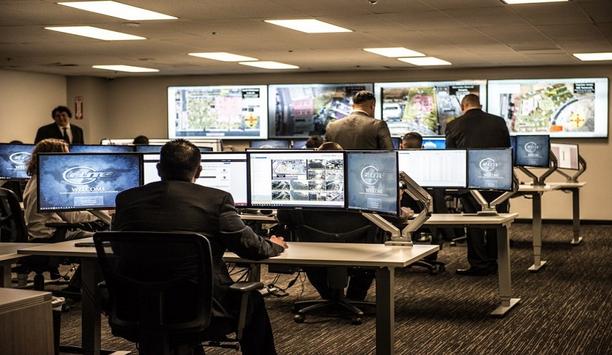
The average business owner or investor has some kind of security precaution in place, especially in the after-hours when there are fewer deterrents to inhibit criminal activity. Security guards, video surveillance systems, motion sensor lights, or even just fake cameras placed around the property are some of the common options people choose. Future of overnight security Smart business owners are starting to realise, however, that some of these traditional security measures are becoming antiquated and no longer cutting. The now and future of overnight security is in remote guarding. Pioneered by companies like Los Angeles-based Elite Interactive Solutions, which was founded back in 2007, remote guarding is revolutionising the overnight security business. Minimising criminal activity Remote guarding is fast becoming the most popular choice among commercial end-user property owners Remote guarding utilises a combination of cutting-edge technology, “digital guards,” highly trained security agents, and local law enforcement if and when necessary to minimise the potential of criminal activity. For those adequately enlightened to its overwhelmingly impressive crime prevention capabilities, remote guarding is fast becoming the most popular choice among commercial end-user property owners to secure and protect their investments. What Is remote guarding? Remote guarding is a revolutionary concept and increasing trend in security systems that utilises a combination of methods to effectively analyse potential threats to property. Cameras and/or other monitoring devices running highly advanced algorithmic software are installed in strategic areas or vulnerable places onsite and remotely located security agents are immediately notified of any activity within a designated perimeter of the property. A blend of AI, cybersecurity, and video analytics When properly deployed by an expert provider, the technology stack includes a proprietary blend of video analytics, artificial intelligence, cybersecurity, and more. Done right, “noise” is effectively filtered out, allowing agents to act on legitimate alerts and achieve zero false alarms communicated to first responders. Today, there are a lot of terms and descriptions tossed around about remote guarding, remote video, virtual guarding, etc., but those attributes must be present to represent the true definition of the offering and its many virtues. Realtime situational awareness Many systems have a two-way speaker that allows the security agent to give a verbal warning When specially trained security agents are alerted to trespassers, possible intruders, or other suspicious activity, they analyse the situation in real-time and determine the necessary level of action. Many systems have a two-way speaker that allows the security agent to give a verbal warning, known as a voice-down, to the individual(s) that they are being watched. Most perpetrators, often believing the response is emanating directly from security personnel on the property itself rather than from a remote command centre, flee immediately. However, if the threat persists, the security agent enlists local law enforcement to get on the scene. Customised remote guarding When properly deployed, remote guarding systems are also customised to specific properties. A team of consultants visits the client’s property to evaluate its vulnerabilities and where to best place cameras and/or other monitoring devices for system efficacy. Traditional security shortfalls According to Keith Bushey, a retired commander for the Los Angeles Police Department, there is much frustration between law enforcement officers and potential victims of crime due to the historically unreliable performance of traditional burglar alarm systems and central monitoring stations. He states about 90% of security-related calls are false alarms, a problem that has been well-documented through the years. Onsite challenges When a legitimate emergency does occur, the perpetrators have often already done their damage When a legitimate emergency does occur, the perpetrators have often already done their damage and/or escaped by the time law enforcement arrives. Onsite security guards are not the remedy either as they bring their own set of issues and challenges. Unexpected costs Traditional security systems can also have unexpected costs. The cost is not only in the security guards’ paycheck or the cost of the equipment itself. The cost comes when an actual incident occurs. In worst-case scenarios, the security guard(s) are injured, the business suffers inventory loss, and/or damage is sustained to the property. The medical and other costs for the security guard(s), the loss of inventory, property damage, deployment of law enforcement resources, and possible fallout of legal expenses all add up. Even in the best-case scenario, false alarm expenses incur if law enforcement is dispatched. These, among many others, are some of the primary issues that remote guarding resoundingly answers as a superior alternative. A bounty of benefits Remote guarding systems have been proven to cut costs and be more effective than traditional security systems. Even though the monthly monitoring costs of remote guarding are significantly higher than traditional intrusion detection system monitoring, the much higher effectiveness in crime reduction, elimination of false alarms, and augmenting or replacement of manned guards result in a substantially higher return on investment (ROI) to the end user. Easy tracking of threats The security cameras already have their image captured on record, making them easier to track down For example, case studies have demonstrated reduced security costs for clients by 60%, on average. These reductions have come from the costs of security staff, inventory, or property loss, plus saving money on insurance premiums and deductibles. The nature of remote guarding reduces the risk and costs of false alarms, with professional security agents able to determine an actual threat before law enforcement is called. In a rare instance when a perpetrator escapes before law enforcement arrives or can detain the individual(s), the security cameras already have their image captured on record, making them easier to track down and identify. Reduction of false alarms The significant reduction in false alarms is greatly appreciated by law enforcement, as it allows them to focus on real emergencies or crises. Better relationships are also developed between clients and law enforcement, as remote guarding systems are highly reliable in providing accurate and real-time information to officers as they approach the scene. In short, it assists law enforcement in doing their job more effectively, as well as more safely thanks to having eyewitness information before engaging in an active crime scene. Partnership When you combine the decreased cost with the increased efficiency and success rate, it is easy to see why many commercial end-user property owners across the country are making the shift to remote guarding. It’s also an outstanding opportunity for professional security dealers and integrators to partner with a remote guarding services provider to bring a superior solution to their end customers and pick up a recurring monthly revenue stream in the process.
Security beat

Companies at GSX 2023 emphasised new ways that technologies such as artificial intelligence (AI) and the cloud can address long-standing issues in the security market. Among the exhibitors at the event in Dallas were companies seeking creative ways to apply technology, lower costs, and make the world a safer place. Reflecting on the exhibition, here are some additional takeaways. Expanding AI at the edge i-PRO is a company reflecting the continued expansion of edge AI capability in the security market. Today, more than half of the company’s lineup supports AI at the edge so the customer has a wide choice of form factors when seeking to leverage the feature set. AI processing relay, extended warranty i-PRO is increasing their warranty period from 5 to 7 years, which could be a lifetime warranty in some cases I-PRO also has an “AI processing relay” device that accepts non-AI video streams and applies edge analytics. AI has progressed from a high-end technology to a feature available in a variety of cameras at different price points. i-PRO is also increasing its warranty period from 5 to 7 years, which could be a lifetime warranty in some cases depending on a customer’s refresh schedule and lifecycle management. Active Guard, MonitorCast The company’s video management system (Video Insight) is continuing to build new features including “Active Guard,” an integrated metadata sorter. Their access control platform, MonitorCast, is a Mercury-based solution that is tightly integrated with Video Insight. Their embedded recorders now have PoE built in. “We can move at a faster pace to fill out our product line since leaving Panasonic,” says Adam Lowenstein, Director of Product Management. “We can focus our business on adapting to the market.” Emphasis on retail and other verticals Shoplifting is a timely issue, and retail is a vertical market that got a lot of attention at GSX 2023. “We see a lot of retailers who are primarily interested in protecting employee safety, but also assets,” says Brandon Davito, Verkada’s SVP of Product and Operations. “Shrinkage is a CEO-level priority.” “Retailers are getting more engaged with security posture, instead of letting perpetrators walk,” Davito adds. Intrusion detection Verkada has an intrusion product that will notify a central station if there is an alarm On the alarm side, Verkada has an intrusion product that will notify a central station if there is an alarm, and operators can review videos to confirm the alarm. Other capabilities seeking to discourage trespassers include sirens, strobes, and “talkdown” capabilities. International expansion Verkada continues to expand internationally with 16 offices in all, including Sydney, Tokyo, and London. The core value proposition is to enable customers to manage their onsite infrastructure more simply, including new elements such as PTZ cameras, intercoms, and visitor management. Verkada emphasises ease of use, including a mobile application to allow access to be managed across the user base. Forging partnerships “We are committed to the channel and industry, and we continue to build relationships and expand our reach,” says Davito. Among the industry relationships is a new partnership with Convergint, which was hinted at during the show and announced later the same day. They are also expanding their partnerships with Schlage, Allegion, and ASSA ABLOY. Working with other verticals They offer new features for K -12 schools, and a new alarm platform is easier to deploy and manage Verkada has also found success across multiple other verticals, notably healthcare, where they integrate with an electronic medical records system. They offer new features for K-12 schools, and a new alarm platform is easier to deploy and manage. They are integrating wireless locks to secure interior doors in schools, looking to secure the perimeter, and installing guest management systems. Transitioning the mid-market to the cloud Salient is squarely focused on the “mid-market,” a large swath of systems somewhere between small businesses and enterprise-level systems. Pure cloud systems are not as attractive to this market, which has a built-out infrastructure of on-premise systems. Adding a camera to an existing system is easier and less expensive than tying it to the cloud. Benefits of cloud It’s a market that may not be ready for the pure cloud, but there are benefits to be realised from adding a cloud element to existing systems. “We are continuing to augment our premise-based solutions with added cloud capabilities and flexibility,” says Sanjay Challa, Salient’s Chief Product Officer. The feedback Salient hears from their customers is “I want to own my data.” The hybrid cloud approach offers the right mix of control, flexibility, and unit economics. Cloud add-on capabilities We want to provide the flexibility for customers to go full-cloud as it becomes more economically attractive" Cloud add-on capabilities include bringing more intelligence about system operation to the user via the cloud. Over time, Salient expects to sell more cloud-centric offerings based on feedback from integrators and customers. “We want to provide the flexibility for customers to go full-cloud as it becomes more economically attractive over time,” says Challa. Vaidio AI technology Salient seeks to be a transition pioneer to help customers realise the path to the cloud. Their approach is “crawl, walk, run,” and helping customers make the transition at each stage. Salient has added AI to its product offering, incorporating Vaidio AI technology from IronYun into a powerful suite and broad array of on-premise analytics, which are gaining traction. The seamless approach makes it easy for customers to embrace AI analytics, although Salient remains broadly committed to open systems. Addressing ‘soft’ features for integrators AMAG is in the process of enhancing its product line with the next generation of access control panels. However, “product” is just part of the new developments at AMAG. In addition to “hard” features (such as products), the company is looking to improve its “soft” features, too; that is, how they work with the integrator channel. Integrator channel Rebuilding a process to make your organisation more efficient, is relatively easy; it just takes a lot of persistence" “We have the depth of our legacy customer base we can learn from, we just need to close the feedback loop quicker,” says Kyle Gordon, AMAG’s Executive Vice President of Global Sales, Marketing, and commercial Excellence, who acknowledges the value of reinstating face-to-face meetings after COVID. “We are laser-focused on nurturing our integrator channel,” he says. “Developing new features takes time, but rebuilding a process to make your organisation more efficient, that’s relatively easy; it just takes a lot of persistence,” says Gordon. More cohesive internal communication is another useful tool, he says. Disrupting the cloud based on price Wasabi is working to make cloud applications less expensive by offering a “disruptive” price on cloud storage, $6.99 per terabyte per month (80% less than hyperscalers). Contending “hyperscalers” like AWS are charging too much for cloud storage, Wasabi is using its own intellectual property and server equipment co-located in data centres around the world. Wasabi sells “hot cloud storage,” which refers to the fact that they only have one tier of storage and data is always accessible. In contrast, a company such as AWS might charge an “egress fee” for access to data stored in a “colder” tier. Cloud storage “We saw that several video surveillance companies had not yet adopted cloud storage, and we saw an opportunity to make it easy to use,” said Drew Schlussel, Wasabi’s Senior Director of Product Marketing. “We just install a little bit of software that allows them to store data in the cloud and bring it back from the cloud.” Performance, protection (cybersecurity), and price Wasabi works with integrators, resellers, and distributors and also integrates with VMS companies Wasabi works with integrators, resellers, and distributors and also integrates with VMS companies such as Genetec and Milestone. Emphasising performance, protection (cybersecurity), and price, their data centres are certified to SOC 2 and ISO 27001 standards. Faster throughput for weapons detection Xtract One is a young company focusing on weapons detection in a time of accelerated concern about gun issues post-COVID. Founded in Canada and based on technology developed at McMaster University, Xtract One has found a niche in providing weapons detection at stadiums and arenas. These customers already have budgets, and it is easy to shift the money to a newer, faster technology. Madison Square Garden in New York City is among its customers. Cost savings solution Xtract One can increase throughput to 30 to 50 people per entrance per minute (compared to 5 to 6 people per minute when using metal detectors). The solution doesn’t require anyone to empty their pockets and the system alarms on items beyond guns and knives. Using Xtract One allows customers to reduce the number of screening lanes and security staff, providing additional cost savings, all while getting fans through the screening process in half the time. Purpose-built sensors The system uses purpose-built sensors looking for specific characteristics, such as reflective and density properties In addition to stadiums and arenas, Xtract One, formerly Patriot One, is also getting “inbound” interest from schools, hospitals, manufacturers, and other verticals that makeup 50% of their business. “We’re on a rocket ride, mainly because the weapons issues are not going away,” says Peter Evans, CEO and Director at Xtract One. The system uses purpose-built sensors looking for specific characteristics, such as reflective and density properties, all correlated by an AI engine. Providing early warning of violence ZeroEyes is another company focused on weapons detection. Their AI gun detection system works with video images to identify if someone is “brandishing” (carrying) a weapon. In other words, the system does not detect concealed weapons. Identifying someone carrying a weapon provides early warning of a possible violent act. Increased response with AI-enables images Images are identified by AI and sent to a monitoring centre where a human confirms the image before contacting first responders. Knowing the location of a shooter enables staff to lock entry points, move people to safety, and direct first responders. The company was founded to leverage existing camera views to stop mass shootings and gun violence by reducing response times.

When it comes to security cameras, the end user always wants more—more resolution, more artificial intelligence (AI), and more sensors. However, the cameras themselves do not change much from generation to generation; that is, they have the same power budgets, form factors and price. To achieve “more,” the systems-on-chips (SoCs) inside the video cameras must pack more features and integrate systems that would have been separate components in the past. For an update on the latest capabilities of SoCs inside video cameras, we turned to Jérôme Gigot, Senior Director of Marketing for AIoT at Ambarella, a manufacturer of SOCs. AIoT refers to the artificial intelligence of things, the combination of AI and IoT. Author's quote “The AI performance on today’s cameras matches what was typically done on a server just a generation ago,” says Gigot. “And, doing AI on-camera provides the threefold benefits of being able to run algorithms on a higher-resolution input before the video is encoded and transferred to a server, with a faster response time, and with complete privacy.” Added features of the new SOC Ambarella expects the first cameras with the SoC to emerge on the market during early part of 2024 Ambarella’s latest System on Chip (SOC) is the CV72S, which provides 6× the AI performance of the previous generation and supports the newer transformer neural networks. Even with its extra features, the CV72S maintains the same power envelope as the previous-generation SoCs. The CV72S is now available, sampling is underway by camera manufacturers, and Ambarella expects the first cameras with the SoC to emerge on the market during the early part of 2024. Examples of the added features of the new SOC include image processing, video encoders, AI engines, de-warpers for fisheye lenses, general compute cores, along with functions such as processing multiple imagers on a single SoC, fusion among different types of sensors, and the list goes on. This article will summarise new AI capabilities based on information provided by Ambarella. AI inside the cameras Gigot says AI is by far the most in-demand feature of new security camera SoCs. Customers want to run the latest neural network architectures; run more of them in parallel to achieve more functions (e.g., identifying pedestrians while simultaneously flagging suspicious behavior); run them at higher resolutions in order to pick out objects that are farther away from the camera. And they want to do it all faster. Most AI tasks can be split between object detection, object recognition, segmentation and higher-level “scene understanding” types of functions, he says. The latest AI engines support transformer network architectures (versus currently used convolutional neural networks). With enough AI horsepower, all objects in a scene can be uniquely identified and classified with a set of attributes, tracked across time and space, and fed into higher-level AI algorithms that can detect and flag anomalies. However, everything depends on which scene is within the camera’s field of view. “It might be an easy task for a camera in an office corridor to track a person passing by every couple of minutes; while a ceiling camera in an airport might be looking at thousands of people, all constantly moving in different directions and carrying a wide variety of bags,” Gigot says. Changing the configuration of video systems Low-level AI number crunching would typically be done on camera (at the source of the data) Even with more computing capability inside the camera, central video servers still have their place in the overall AI deployment, as they can more easily aggregate and understand information across multiple cameras. Additionally, low-level AI number crunching would typically be done on camera (at the source of the data). However, the increasing performance capabilities of transformer neural network AI inside the camera will reduce the need for a central video server over time. Even so, a server could still be used for higher-level decisions and to provide a representation of the world; along with a user interface for the user to make sense of all the data. Overall, AI-enabled security cameras with transformer network-based functionality will greatly reduce the use of central servers in security systems. This trend will contribute to a reduction in the greenhouse gases produced by data centres. These server farms consume a lot of energy, due to their power-hungry GPU and CPU chips, and those server processors also need to be cooled using air conditioning that emits additional greenhouse gases. New capabilities of transformer neural networks New kinds of AI architectures are being deployed inside cameras. Newer SoCs can accommodate the latest transformer neural networks (NNs), which now outperform currently used convolutional NNs for many vision tasks. Transformer neural networks require more AI processing power to run, compared to most convolutional NNs. Transformers are great for Natural Language Processing (NLP) as they have mechanisms to “make sense” of a seemingly random arrangement of words. Those same properties, when applied to video, make transformers very efficient at understanding the world in 3D. Transformer NNs require more AI processing power to run, compared to most convolutional NNs For example, imagine a multi-imager camera where an object needs to be tracked from one camera to the next. Transformer networks are also great at focussing their attention on specific parts of the scene—just as some words are more important than others in a sentence, some parts of a scene might be more significant from a security perspective. “I believe that we are currently just scratching the surface of what can be done with transformer networks in video security applications,” says Gigot. The first use cases are mainly for object detection and recognition. However, research in neural networks is focussing on these new transformer architectures and their applications. Expanded use cases for multi-image and fisheye cameras For multi-image cameras, again, the strategy is “less is more.” For example, if you need to build a multi-imager with four 4K sensors, then, in essence, you need to have four cameras in one. That means you need four imaging pipelines, four encoders, four AI engines, and four sets of CPUs to run the higher-level software and streaming. Of course, for cost, size, and power reasons, it would be extremely inefficient to have four SoCs to do all this processing. Therefore, the latest SoCs for security need to integrate four times the performance of the last generation’s single-imager 4K cameras, in order to process four sensors on a single SoC with all the associated AI algorithms. And they need to do this within a reasonable size and power budget. The challenge is very similar for fisheye cameras, where the SoC needs to be able to accept very high-resolution sensors (i.e., 12MP, 16MP and higher), in order to be able to maintain high resolution after de-warping. Additionally, that same SoC must create all the virtual views needed to make one fisheye camera look like multiple physical cameras, and it has to do all of this while running the AI algorithms on every one of those virtual streams at high resolution. The power of ‘sensor fusion’ Sensor fusion is the ability to process multiple sensor types at the same time and correlate all that information Sensor fusion is the ability to process multiple sensor types at the same time (e.g., visual, radar, thermal and time of flight) and correlate all that information. Performing sensor fusion provides an understanding of the world that is greater than the information that could be obtained from any one sensor type in isolation. In terms of chip design, this means that SoCs must be able to interface with, and natively process, inputs from multiple sensor types. Additionally, they must have the AI and CPU performance required to do either object-level fusion (i.e., matching the different objects identified through the different sensors), or even deep-level fusion. This deep fusion takes the raw data from each sensor and runs AI on that unprocessed data. The result is machine-level insights that are richer than those provided by systems that must first go through an intermediate object representation. In other words, deep fusion eliminates the information loss that comes from preprocessing each individual sensor’s data before fusing it with the data from other sensors, which is what happens in object-level fusion. Better image quality AI can be trained to dramatically improve the quality of images captured by camera sensors in low-light conditions, as well as high dynamic range (HDR) scenes with widely contrasting dark and light areas. Typical image sensors are very noisy at night, and AI algorithms can be trained to perform excellently at removing this noise to provide a clear colour picture—even down to 0.1 lux or below. This is called neural network-based image signal processing, or AISP for short. AI can be trained to perform all these functions with much better results than traditional video methods Achieving high image quality under difficult lighting conditions is always a balance among removing noise, not introducing excessive motion blur, and recovering colours. AI can be trained to perform all these functions with much better results than traditional video processing methods can achieve. A key point for video security is that these types of AI algorithms do not “create” data, they just remove noise and clean up the signal. This process allows AI to provide clearer video, even in challenging lighting conditions. The results are better footage for the humans monitoring video security systems, as well as better input for the AI algorithms analysing those systems, particularly at night and under high dynamic range conditions. A typical example would be a camera that needs to switch to night mode (black and white) when the environmental light falls below a certain lux level. By applying these specially trained AI algorithms, that same camera would be able to stay in colour mode and at full frame rate--even at night. This has many advantages, including the ability to see much farther than a typical external illuminator would normally allow, and reduced power consumption. ‘Straight to cloud’ architecture For the cameras themselves, going to the cloud or to a video management system (VMS) might seem like it doesn’t matter, as this is all just streaming video. However, the reality is more complex; especially for cameras going directly to the cloud. When cameras stream to the cloud, there is usually a mix of local, on-camera storage and streaming, in order to save on bandwidth and cloud storage costs. To accomplish this hybrid approach, multiple video-encoding qualities/resolutions are being produced and sent to different places at the same time; and the camera’s AI algorithms are constantly running to optimise bitrates and orchestrate those different video streams. The ability to support all these different streams, in parallel, and to encode them at the lowest bitrate possible, is usually guided by AI algorithms that are constantly analyzing the video feeds. These are just some of the key components needed to accommodate this “straight to cloud” architecture. Keeping cybersecurity top-of-mind Ambarella’s SoCs always implement the latest security mechanisms, both hardware and software Ambarella’s SoCs always implement the latest security mechanisms, both in hardware and software. They accomplish this through a mix of well-known security features, such as ARM trust zones and encryption algorithms, and also by adding another layer of proprietary mechanisms with things like dynamic random access memory (DRAM) scrambling and key management policies. “We take these measures because cybersecurity is of utmost importance when you design an SoC targeted to go into millions of security cameras across the globe,” says Gigot. ‘Eyes of the world’ – and more brains Cameras are “the eyes of the world,” and visual sensors provide the largest portion of that information, by far, compared to other types of sensors. With AI, most security cameras now have a brain behind those eyes. As such, security cameras have the ability to morph from just a reactive and security-focused apparatus to a global sensing infrastructure that can do everything from regulating the AC in offices based on occupancy, to detecting forest fires before anyone sees them, to following weather and world events. AI is the essential ingredient for the innovation that is bringing all those new applications to life, and hopefully leading to a safer and better world.

New buzzwords were abundant in the articles that generated the most clicks on our website in 2022. From the metaverse to the Internet of Things, from frictionless access control to artificial intelligence (AI), the topics most popular among our site’s visitors were at the cutting edge of change and innovation in the physical security marketplace. Here is a review of the Top 10 Articles of 2022, based on reader clicks, including links to the original content: Metaverse will promote collaboration and enable more efficiencies for security Metaverse is a familiar buzzword currently, but few people grasp what it means. In the simplest terms, the metaverse is an online “place” where physical, virtual, and augmented realities are shared. The term, Metaverse, suggests a more immersive online environment that combines elements of augmented reality (AR) and virtual reality (VR). For the physical security industry, the looming creation of a complex online environment offers possibilities and challenges. Establishing identity will be a central principle of the metaverse, and various biometrics are at the core of ensuring the identity of someone interacting in the virtual world. Cybersecurity elements are also key. On the benefits side, the security market is already taking advantage of technologies related to the eventual evolution of the metaverse. For example, the industry has deployed AR to provide information about a door lock’s status on a screen, headset, or smart glasses as a patrolling guard walks by. What are the security challenges of the transportation industry? Because transit agencies rely on several IoT devices, they get exposed to higher cybersecurity risks Rapid technological advancement, increasing urbanisation, and the growing expectations of commuters and governments are pressuring transit industry players to modernise. Commuters, urban planners, first responders, and other stakeholders want to use transit data to support their decision-making. Transit agencies’ security and operations teams need closer collaboration to stay ahead. However, for many years, most transit agencies have relied on siloed, proprietary systems. Because transit agencies rely on an ever-growing number of Internet of Things (IoT) devices, they also get exposed to higher cybersecurity risks as there are more network access points to manage. The future is here: ADT’s innovation lab evaluating robots and indoor drones New robots and indoor drones for security applications are on the horizon, based on the work of ADT Commercials’ Innovation Lab, which is evaluating the latest technologies’ value to customers and some typical use cases. The ideal use of humanoid robots is to perform jobs that are considered repetitive, dirty, dangerous, and/or mundane. In security, that describes most security guard positions. As the name implies, autonomous indoor drones are focused on flying indoors versus the outdoor environment, which is heavily regulated by the U.S. Federal Aviation Administration (FAA). Flying autonomously indoors not only eliminates FAA oversight but also will enable ADT Commercial to offer another choice to customers to further reduce their dependencies on and costs of human guards. Innovative security: the key to business efficiency, cost savings, and more Organisations have shifted business focus countless times since the onset of the pandemic. While many leaders have been primarily concerned with the immediate health and safety of their customers and employees, 2022 has given rise to a new trend. More than ever, business leaders are seeking security solutions that increase operational efficiency and cost savings as well as improve logistics and business insight. As working environments become more complex, organisations looking to drive higher productivity and profitability margins should consider security upgrades that prioritise integrated analytics and automation. Shoplifting today is more sophisticated, and so are the tools to fight it One tool to fight shoplifting is analytics, which can be used to determine where shrink is occurring Shoplifting is often viewed as petty theft by individuals, but that is not always the case. Overall, shoplifting is becoming more sophisticated and coordinated. Traditional “shoplifting” has two major differences when compared to organised retail crime (ORC). The differences are numbers and motivation. ORC consists of groups working together to monetise theft, very different than an individual taking an item they need. One tool to fight to shoplift is analytics, which can be used to determine where shrink is occurring. Understanding where crimes take place helps retailers make strategic decisions about where to place their loss prevention efforts. Oosto offers 10 reasons to switch to frictionless access control in commercial buildings Access control for buildings is nothing new. It’s only in recent years that the urgency to implement smarter, more efficient, and more convenient forms of access control has increased, in the context of public and private sector digital transformation. Upheavals from the COVID-19 pandemic have forced organisations to re-think, pivot, and invest in new technology solutions that will incorporate Artificial Intelligence (AI) and Machine Learning, to gain speed in their operations, glean actionable insights from their video analytics, and enhance productivity with their teams. Which security trend is here to stay? Technologies and trends in the security marketplace come and go with some regularity. But how can you tell which trends are gaining traction and which amount to “the flavor of the month.” For example, while many physical security departments were hesitant to consider cloud-connected solutions in the past, they now better understand the benefits these solutions bring and how they can help them utilize their resources to achieve business goals while minimising overall operational complexity. Other technologies mentioned in the article include mobile credentials, AI-based analytics, video management systems, cybersecurity, and a new emphasis on data. What do these technology trends have in common? They are opening new possibilities for greater system efficiency and functionality. In short, they are playing a role in transforming our industry. GSX 2022 reflects changing technologies and evolving role of security The role of the security director increasingly will encompass facets of cybersecurity and physical security GSX 2022 in Atlanta highlighted the changing role of security in the enterprise. The role of the security director increasingly will encompass facets of cybersecurity as well as physical security. Transitioning to an operation that incorporates both disciplines requires a workforce that embraces education and building new skills. Education and the opportunity to build new skills are evident everywhere at GSX, including in the hundreds of education sessions and also in the knowledge shared on the show floor in the exhibit hall. Consolidation changing the face of the security market Consolidation is a dominant trend in the security marketplace. Large companies typically swallow up smaller companies as a means of expanding both their technology portfolios and their geographic reach. Sometimes a big fish is swallowed up by an even bigger fish. Despite the pandemic and resulting economic challenges, the security market has continued to be a desirable environment for both big players and startups, which then provide abundant acquisition targets for larger companies. This article highlighted recent mergers and acquisition news. Six trends at the intersection of video and AI Video has evolved beyond the capabilities of advanced imaging and performance to include another level: Artificial Intelligence. Video imaging technology combines with AI, delivers a wealth of new data, not just for traditional physical security applications, but for a much deeper analysis of past, present, and even future events across the enterprise. This is more than a big development for the physical security industry; it is a monumental paradigm shift that is changing how security system models are envisioned, designed, and deployed. Much of the heightened demand for advanced video analytics is being driven by six prevalent industry trends.
Case studies

3xLOGIC, Inc., a major provider of integrated, intelligent security solutions, and a three-time Deloitte Technology Fast 500 winner, announced that Panda Restaurant Group, Inc. (parent of Panda Express, Panda Inn, and Hibachi-San) has completed deployment of 3xLOGIC’s VIGIL Trends Business Intelligence software to all of its North American locations. Interface Security Systems, headquartered in St. Louis, Missouri, is the integrator and overall project manager for this ambitious endeavour. Largest family-owned restaurant Panda Express is the largest family-owned restaurant in America, with more than 2,000 stores globally, 35,000 associates and $3 billion in sales. Since it was established in 1983, Panda has steadily grown with roughly 125 stores opening each year. Privately owned and operated, the restaurant is guided by the core values of its co-founders and co-CEO, Andrew and Peggy Cherng and is dedicated to developing its team members and giving back to the community. Business intelligence solutions “As an industry leader, Panda Express’s culture sets an expectation of best-in-class results,” explained Lyle Forcum, executive director of asset protection at Panda Express. “Accordingly, we needed a state-of-the-art business intelligence solution to provide us with truly actionable information. Intelligence we can act on is central to Panda’s business strategy, which focuses on meeting high standards through continuous operational improvement.” Starting in August 2017, 3xLOGIC and Interface Systems worked with Panda Express to customise Trends to meet the company’s unique, comprehensive needs. Interface began system deployment in QI 2018 with the first location going live in March 2018. Presently, Trends is deployed at 1,960 locations and has been integrated with existing Interface video surveillance and alarm systems. Tracking and improving operations “It was impressive that we were able to integrate Trends so seamlessly with existing intrusion and video systems,” said Sean Foley, senior vice president of national accounts at Interface Systems, “and the entire solution was rolled out without a single technician visiting any store.” Unlike many retail BI implementations, the focus at Panda Restaurant Group is not solely on retail loss prevention, but also on tracking and improving all operations at every store. Here are some of the key elements of store operations that Trends enables Panda to monitor, track, and improve: People Development: To set its people up for success, store managers are able to review all transactional behaviour and address opportunity areas with employees within two days. Comparing Store Performance: The store managers’ Trends dashboard shows very clearly how the restaurant is performing compared to other stores in the region and to their prior month’s performance. Optimising Store Efficiency: Trends visually displays how many people are working per hour, what job they are facilitating, and the revenue generated per hour. Monitoring Intrusion Data: Trends provides intrusion data, which shows in a very simple display when stores are opened and closed, deliveries are made, cleaning is done, and whether the store is being remotely armed and disarmed. Tracking Cash: Panda Express can track currency, how much is in the safe and when it was last counted, as well as petty cash spend along with scanned receipts for purchases. Custom Dashboards: The system provides an array of dashboards for all levels in the organisation that give an at-a-glance or drilled-down overview of an employee’s priorities and responsibilities. “At Panda, safety and loss prevention are key priorities in executing great operations,” said Lyle Forcum, executive director of asset protection at Panda Express. “We worked with 3xLOGIC and Interface for over a year to implement a highly-customised solution to meet these priorities. Now, we have a cutting-edge tool deployed across the entire enterprise that we can all be proud of.”

Founded in Taiwan, 85°C Bakery Cafe has rapidly expanded into an internationally recognised brand, known for its diverse baked goods and beverages. With over 80 locations across the United States, the company faced the complex challenge of managing security and operations at scale—especially with a lean IT team of just seven people. To keep operations running smoothly, they partnered with VIVOTEK, a global pioneer in security solutions, to deploy the AI-powered VORTEX Cloud Surveillance Platform, which enhances visibility, reliability, and operational efficiency across their retail operations. “Retail is not just about selling things. It’s about building trust and creating relationships.” — Ariel, IT Director, 85°C Bakery Cafe Challenge Legacy surveillance systems can’t keep up with expansion Growth outpaces surveillance: As 85°C expanded rapidly across the U.S., their existing surveillance systems struggled to keep pace, resulting in operational challenges. In retail, fast incident resolution is crucial to customer satisfaction. At 85°C Bakery Cafe, their legacy surveillance system became a bottleneck, leading to increased costs, time delays, and operational risks. Unstable legacy systems: NVR failures occurred monthly, taking upward of 25 days to repair, with a cost impact of around $2,000 annually for replacements. Fragmented management: Lack of centralised access made it difficult to monitor, retrieve, or share video footage. Limited support: With only a seven-member IT team, managing all systems across multiple stores and scaling was challenging. Solution Built for retail efficiency: Faster setup & deployment and centralised cloud control To overcome these challenges, 85°C Bakery Cafe implemented VORTEX by VIVOTEK, an AI-powered cloud surveillance solution designed for retail efficiency. For a small IT team managing dozens of busy stores, simplifying setup, streamlining operations, and supporting growth without overhauling infrastructure were critical. Hybrid compatibility: VORTEX unifies over 200 legacy cameras and 150 cloud cameras onto one platform without extra replacement costs. Centralised management: It enables remote access control, receives instant alerts, searches the video footage in seconds with AI technology, and simplifies incident handling. Rapid deployment: Plug-and-play setup cuts deployment time by 50%, keeping store launches efficient and streamlined. “Setting up in each location used to take us two to three days… With VORTEX plug-and-play, we’re done in just one day.” — Jason Chow, Tech Support Manager, 85°C Bakery Cafe. Results Smoother operations and better customer experience For 85°C Bakery Cafe, VORTEX made physical security operations more proactive by improving response times, reducing disruptions, and giving staff the tools to stay focused on customers, not equipment. The plug-and-play setup cut installation time by up to 50%, while cloud-based management reduced site visits and operational costs. These improvements not only lightened the technical workload and streamlined daily operations but also strengthened customer trust with faster service and reliable incident resolution. "With Deep Search, we can find people or items in seconds. If a customer loses something, we trace it and recover it quickly."— Nolan Carter, Facilities Manager, 85°C Bakery Cafe. "VORTEX helps us prevent disputes and track items that go missing. It keeps the entire store running smoothly. When stores run better, customers stay longer and they come back more often."— Ariel, IT Director, 85°C Bakery Cafe.

Forklift collisions cost UK businesses over £100 million annually in workplace injury claims and equipment damage, according to HSE statistics. SharpEagle Technology, a globally renowned provider of industrial safety solutions, has announced a significant breakthrough in warehouse safety across the UK. Facilities that adopted SharpEagle’s Radar Blind Spot Detection System have reported up to 70% reduction in forklift-related accidents, marking a major milestone in workplace safety. The UK's blind spot crisis With over 1,300 forklift-related incidents reported to HSE each year, many involving serious injuries, UK regulators are pushing for smarter safety solutions. Traditional mirrors and cameras frequently fail in: Rainy loading docks Dusty manufacturing plants Crowded retail distribution centres Visual and audible signals The system, which uses radar sensors to monitor blind spots and detect real-time sign around forklifts The system, which uses radar sensors to monitor blind spots and detect real-time movement around forklifts, has proven to be a game changer in accident prevention. It immediately alerts operators through visual and audible signals when people or objects enter dangerous proximity zones, reducing the likelihood of collisions, especially in busy loading docks and narrow warehouse aisles. Real-time awareness "In a typical warehouse, poor visibility and human error can lead to severe accidents. Our technology gives operators real-time awareness they didn’t have before," said the UK Business Head of SharpEagle Technology, adding "The impact has been measurable. Clients report fewer incidents, improved productivity, and safer working conditions." Adoption growing across logistics The system offers cost-effective safety enhancement without the need for vehicle relief The Radar Blind Spot Detection System has quickly gained popularity among UK logistics providers, manufacturing units, and retail distribution centres — sectors where high forklift traffic and pedestrian movement often intersect. By integrating with existing forklift infrastructure, the system offers cost-effective safety enhancement without the need for vehicle replacement. It is also compatible with SharpEagle’s wider range of forklift safety solutions, including AI-based camera systems and anti-collision lights. Regulatory & insurance benefits In addition to preventing injuries, the deployment of radar-based detection systems has helped warehouses comply with UK Health and Safety Executive (HSE) guidelines. Several facilities have seen a reduction in insurance claims and premiums, along with fewer incidents of lost workdays due to injury. "Workplace safety is not just a legal requirement — it’s a business imperative. This technology ensures companies are equipped to meet the demands of a modern, high-speed supply chain without compromising on the well-being of their workforce."
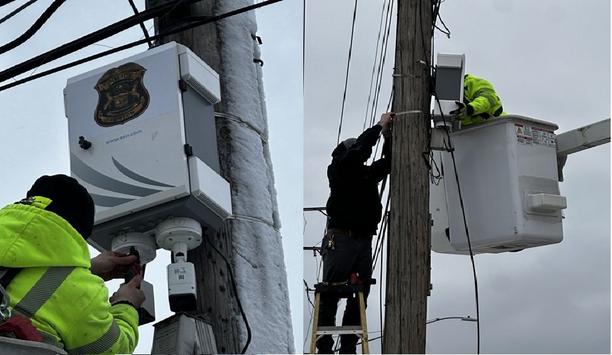
To combat persistent retail crime and deliver peace of mind to workers in the bustling North Leroy Street business district, the City of Fenton Police Department has deployed a new AI-powered video surveillance system with camera-sharing technology to accelerate response time during retail heists or other emergencies. Deter, detect, and apprehend criminals Fenton is a small city with 12,000 permanent residents, but Chief of Police Jeffery Cross estimates that 60,000 people pass through the town daily. Located off Highway US-23, it is a popular shopping and restaurant district for commuters and people from neighbouring cities. Unfortunately, retail criminals also frequent the area. The new video surveillance system is designed to deter, detect, and apprehend retail criminals. Live security camera footage Through a partnership with RapidSOS, this technology gives Fenton’s 911 dispatch professionals immediate access The new system, housed in a rugged, weatherproof cabinet and mounted on a telephone pole with two cameras, includes Eagle Eye 911 Camera Sharing technology. Through a partnership with RapidSOS, this technology gives Fenton’s 911 dispatch professionals immediate access to view live security camera footage during an emergency. “With 911 Camera Sharing, the 911 operator can see the situation unfold and give law enforcement direct, quality information and immediate feedback about what happened and the direction the suspect is headed in,” Cross explained. “That enhances safety for first responders and our community.” Smart Video Search In addition, the security cameras have built-in AI-powered Eagle Eye Smart Video Search, which enables Fenton’s authorised law enforcement officials to quickly search security camera footage for vehicles, people, or objects of interest. “With Smart Video Search you can search for a ‘person wearing a red shirt and black pants’ a ‘blue Honda truck’ or ‘person with a backpack’ and quickly find a shoplifting suspect or determine when a certain vehicle, person, or group of people entered a shopping centre parking lot, which can be critical information for law enforcement,” said Joe Bommarito of Elite Fire Safety, a division of Sciens Building Solutions. This Novi, Mich.-based security integrator is working on the project with the City of Fenton. AI-powered video surveillance “Fenton’s new system with 911 Camera Sharing and AI features such as Smart Video Search is like having a virtual patrol in the Fenton business district,” he added. “Last month the National Retail Federation reported a 93% increase in the average number of shoplifting incidents per year in 2023 versus 2019 and a 90% increase in dollar loss,” said Dean Drako, CEO of Eagle Eye Networks. “AI-powered video surveillance can now be deployed in more areas than ever, offering communities new ways to contend with rising retail crime.”

Established in 1997, Dubai-based BMA International operates fashion retail in the Middle East and Asia across the Kingdom of Saudi Arabia (KSA), United Arab Emirates (UAE), Bahrain, Oman, Kuwait and Qatar with more than 250 stores offering two major brands — Redtag and twenty4. BMA’s steady growth is a testament to its focus on building trust with its shoppers, employees, suppliers and stakeholders to create a company that is people-centric, ambitious and results-oriented. Challenge Fraud is a common problem in the retail sector, particularly within large chains with hundreds of locations and tens of thousands of employees. BMA’s retail stores were no exception. Following an internal audit, security of point-of-sale (POS) terminals in retail outlets were identified as a serious concern, particularly the misuse of floor supervisors’ credentials to access terminals and modify or cancel transactions. The problem persisted even after BMA switched from passwords to a smart card-based authentication system The problem persisted even after BMA switched from passwords to a smart card-based authentication system. The most common issues involved supervisors leaving smart cards with cashiers to use in their absence and failing to return the cards when separation from an employer occurs — a frequent occurrence as many of BMA’s retail employees are expatriates who often return to their home countries. Fraudulent use of the smart card was also a common problem. Once a sale was completed and the customer had left the store with their purchased items, the smart card could be used to improperly access the system so the cashier could void the transaction and pocket the “refund,” resulting in both monetary and inventory losses. Biometric-based system “BMA’s internal auditors were concerned with the lack of control over the cards and the potential for fraudulent transactions due to their mishandling. They observed clear gaps in security and authentication practices that led directly to fraud and revenue leakage, resulting in the Internal Audit Committee recommending to the BMA Board of Directors that action be taken to plug the security holes by tightening the authentication process,” said Nainan M. Kurian, CEO of Technowave International LLC. The decision was made to transition authentication to a biometric-based system that would provide the required security at a competitive price that aligned with the aesthetics of the retail stores. The system also needed to be compatible with the Oracle Retail Xstore Office Cloud Service, which BMA International was adopting across its brands. Solution A fingerprint reader from HID is ideal for use by multiple people in a shared environment BMA International and its technology partner, Technowave International LLC, determined that the HID DigitalPersona® 4500 Fingerprint Reader met all their requirements — a decision supported by recommendations from other retailers that had deployed the product, and by the fact that competitive solutions were incompatible with Oracle Retail Xstore, a crucial requirement. A USB peripheral with a compact design to conserve space, this fingerprint reader from HID is ideal for use by multiple people in a shared environment. Its professional, modern design looks elegant in retail settings while offering superior authentication control via biometric functionality that uses optical scanning technology to achieve excellent image quality and reliability. HID DigitalPersona 4500 Fingerprint Reader With this easy-to-use technology, floor supervisors simply place their finger on the reader window, which rapidly captures and encrypts the fingerprint image, and then provides a red flash as a visual cue indicating that it was properly captured. That image is sent to the DigitalPersona FingerJetTM biometric engine for verification, and once the user has been authenticated, access to the POS terminal is granted. “Deploying the HID DigitalPersona 4500 Fingerprint Reader was simple and caused no disruption to retail operations. It paved the way for significant reduction in the malpractice that had been occurring with the smart card system,” said Kurian. Result Since deploying more than 1,100 HID fingerprint readers in retail outlets across KSA, UAE, Oman, Bahrain, Kuwait and Qatar, BMA has eliminated nearly all POS fraud and abuse. The system has also driven tangible improvements in the attendance and punctuality of floor supervisors, who must now be physically present in the store for authentication to take place. The HID authentication system is also capable of multiple types of authentications — providing flexibility that is appreciated by users who work at multiple locations. “Because the HID DigitalPersona 4500 Fingerprint Reader requires proof of presence for authentication, there is greater accountability among supervisors which resulted in immediate cessation of POS fraud and stopped both revenue and inventory leakage. The exceptional support provided by HID Global has also allowed BMA to take full advantage of the system’s functionality and flexibility,” said Kurian.

The COVID-19 pandemic jumpstarted some shifts in the industry landscape, prompting many retailers to adopt innovative technologies like smarter Electronic Article Surveillance (EAS) systems and elevated services to ensure every tool in their anti-theft arsenal is effective, affordable and trouble-free. Working with an experienced retail security partner is the first step in identifying the right EAS products and services for your retail space. The Right Tag EAS hard tags come in a variety of shapes, sizes and purposes from those developed specifically for clothing, shoes, handbags and sunglasses to others that fit atop liquor bottles and benefit denial devices, like ink tags, that will damage or destroy an item if forcibly removed. Some of the newest EAS tags target specific high-value and high-theft merchandise, like electronics. Advanced EAS security tags Advanced EAS security tags for boxed goods allow retailers to stack multiple boxes on the shelf without obscuring the packaging’s marketing value. An adhesive backed holder is attached to the item, arming the EAS box with the flip of a switch after it to slides into the carrier. Once applied and armed, the tag is able to detect illicit tampering or removal and will self-alarm if illegally detached or if it passes through the store’s EAS detection pedestals before removal. Self-alarming EAS tags Self-alarming tags using infrared (IR) technology can provide theft protection for small or difficult-to-tag items, like health and beauty products, sunglasses and delicate clothing, fragrances and sporting goods. Remote tuning To be an effective deterrent against shoplifting, an EAS system has to work properly. If an issue with the system arises, seamless correction is a must. More retailers are relying on Wi-Fi remote tuning for EAS systems as an innovative and cost-effective way to reduce on-site service visits. When you place a service call, the technician can remotely log in to your system to diagnose and, in most cases, remotely reconfigure your system so it performs at its peak. Concealed antenna systems Consumers returning to brick-and-mortar locations say they are looking for retail experiences that provide them with a sense of safety, comfort and security that does not feel intrusive. For luxury brands, aesthetics and lifestyle continue to be highly valued among shoppers who want to indulge in experiences that instill feelings of joy, happiness, familiarity and openness. Several higher-end retailers are implementing concealed EAS systems to be less prominent at store entrances without sacrificing security. Luxurious, wide entrances enhance a retailer’s exterior display area and are more welcoming to customers while also offering robust anti-theft technology and reduced nuisance alarms. The more advanced concealed EAS systems are made to work with smaller, unobtrusive EAS tags often preferred by high fashion retailers. Cost Versus Savings EAS systems have earned a solid reputation for simplicity and effectiveness to protect against theft of individual items. After installing a system, retailers report a 60-to-80 percent reduction in theft. If properly maintained, systems typically last 10-15 years with minimal downtime, and some systems can last more than 15 years. Any cost-benefit comparison must take into account the cost of stock losses due to theft, weighed against the initial and ongoing expenditures of a system. For many store owners, the investment in operating and maintaining an EAS system is far less expensive than the ongoing cost of theft that can have wide-ranging impacts on the business. Not only does theft account for lost sales, but can also erode customer loyalty when legitimate customers go elsewhere for better product selection because stolen products are no longer on store shelves. As a result, EAS systems guarantee that companies’ products will be effectively protected against any threats of theft that may pose a risk to their retail spaces.
Round table discussion

Headlines of violence in our schools are a reminder of the need to keep educational institutions safe. In fact, if there is a positive aspect to the constant bombardment of headlines, it is that it keeps our attention perpetually focused on how to improve school security. But what is the role of physical security systems? As the new school year begins, we asked this week’s Expert Panel Roundtable: Are schools safer because of physical security systems? Why or why not?

As physical security technologies become more complex, it is incumbent on the dealer/integrator to have the skills and expertise needed to ensure that a system operates smoothly. The value of integrators increasingly rests on the skill sets they bring to bear when installing a system. If the skills are missing, there is a problem. We asked this week’s Expert Panel Roundtable: What missing skills among security integrators can cause problems for customers?

Driving the smart homes market is the convenience of simple technology solutions. Almost every home now has a “smart speaker” that makes it easier than ever for homeowners to interface and control their technology. But where does security fit into the new landscape of smart home systems? We asked this week’s Expert Panel Roundtable: What’s new in smart homes and residential security systems?
Products




White papers
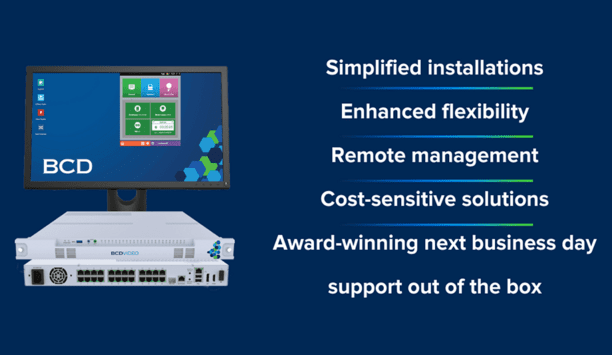
Understanding all-in-one solutions
Download
How video technology is transforming loss prevention, operations, and customer experience in the retail sector
Download
Why SAAS Security Platform is more popular in American SMEs
Download
A guide to moving physical security into the Cloud
Download
Intelligent video security solutions
Download
Security investments retailers should consider for their 2021 budget
Download
Smart security cameras: excellence in retail
Download
11 considerations for embedded system RFID readers
Download
Nine ways to make your retail security system work harder
Download
Loss prevention and beyond: How video innovation enriches retailers
DownloadVideos


Retail security systems: Manufacturers & Suppliers

Technology's role in securing banks and financial institutions
Download
Security technologies promote real-time awareness in K-12 schools
Download
Integrated systems enable critical and compliant security for transportation
Download
Modernising physical access control
Download
Access. Intrusion. One estate.
Download