In its latest forecast for 2026, DigiCert delivers insights into how advancements in artificial intelligence (AI), quantum computing, and automation are poised to transform global trust ecosystems.
The report outlines key developments, including the heightened focus on AI integrity, resilience, and preparations for the quantum era. Readers can explore the full predictions and analyses on DigiCert’s official blog.
AI integrity: The new benchmark
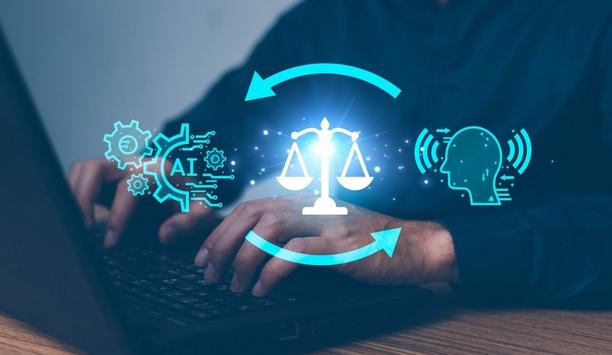
The prominence of AI authenticity is set to eclipse data confidentiality as organisations shift their priorities. Ensuring verifiable identity, provenance, and tracking for AI models and datasets will become critical.
This evolution positions AI integrity as the vital standard of trust in enterprise operations.
Resilience as compliance
Resilience will move beyond a technical objective to a strategic imperative at the executive level
Resilience will move beyond a technical objective to a strategic imperative at the executive level.
Regulations such as the Digital Operational Resilience Act (DORA) are tightening requirements, necessitating businesses to demonstrate robust DNS, identity, and certificate system capabilities. This progression ties operational stability directly to financial health and compliance adherence.
Automation response to shorter certificate lifecycles
The reduction of TLS certificate lifespans to 200 days, with further decreases anticipated, doubles the manual renewal workload.
To counter this, organisations will turn to full-stack automation to prevent outages and foster automated, self-sustaining trust environments.
Quantum computing: A challenge to encryption
The advent of practical quantum computers represents a significant milestone.
As organisations embark on initial quantum computing trials, they will face interoperability challenges, necessitating updates to certificate and software ecosystems to align with quantum-safe standards.
Content authenticity becomes enforceable
With governments and major platforms starting to impose the Coalition for Content Provenance and Authenticity (C2PA) for managing AI-edited content, distribution requirements such as watermarking and cryptographic provenance will become widespread across news, social, and commercial content sectors.
Modernising PKI in a changing browser landscape
The transition away from traditional client authentication led by browsers like Chrome necessitates
The transition away from traditional client authentication led by browsers like Chrome necessitates a modern approach to private Public Key Infrastructure (PKI).
This shift will favour cloud-centric, automated, and passwordless trust frameworks, moving identity management into new technological territories.
Verifying email trust
Increased sophistication in AI-driven phishing attacks puts pressure on enterprises to implement Verified Mark Certificates and reinforce DMARC policies.
Verified sender identity will emerge as a critical expectation for establishing secure and reliable enterprise communications.
The rise of machine identities and quantum algorithms
The prevalence of machine identities, outnumbering human ones by a significant margin, underscores the need for quantum-safe identity systems. Post-quantum cryptography (PQC) frameworks are anticipated to become standard as quantum-safe algorithms are adopted across device ecosystems.
Reflecting on these developments, Jason Sabin, Chief Technology Officer at DigiCert, remarked, “Security in 2026 won’t just be about protecting systems; it will be about proving integrity across every digital interaction. As AI accelerates, machine identities multiply, and quantum computing advances, intelligent trust will become the foundation that keeps businesses resilient, verifiable, and secure. The organisations that embrace automation, provenance, and quantum-safe readiness now will define the trust landscape for the next decade.”