

In the competitive world of physical access control, Big Tech companies are seeking to play a larger role.
Physical access competition
Apple Wallet continues to stake its claim on mobile credentialing. Amazon One Enterprise is pushing a palm-based identity service. Google/Nest offers smart locks for home access control, with identity and access management provided in the Google Cloud.
The entry of these big companies in the historically fragmented physical access control market is causing disruption and foreboding new levels of competition.
Apple Wallet impacting credentialing trends
The popularity of mobile wallets and contactless technologies in general has grown, creating more demand
At Apple’s Worldwide Developer Conference in June 2021, the company announced support for home, office and hotel keys, including corporate badges and student ID cards, in Apple Wallet.
Later, the company announced Hyatt as the first hotel partner to support the technology. Since then, the popularity of mobile wallets and contactless technologies in general has grown, creating more demand for a seamless solution such as Apple Wallet.
Easy access
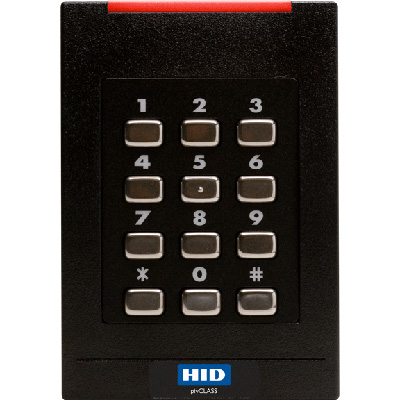
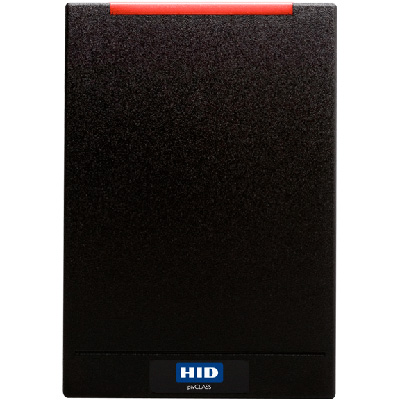
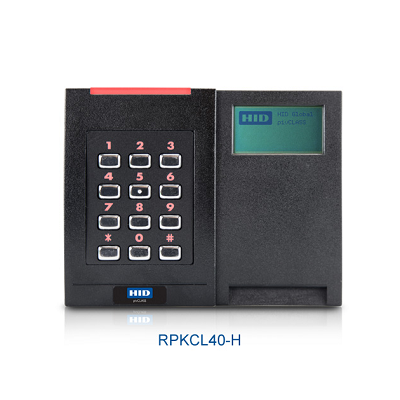
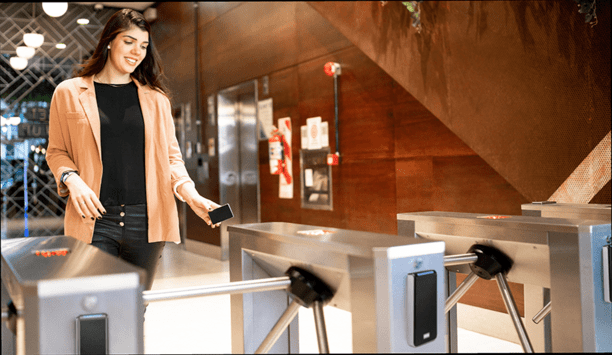
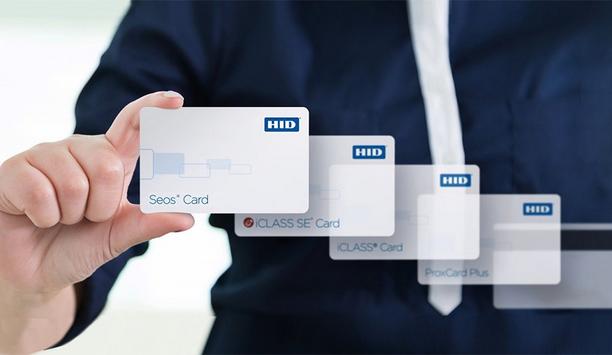
In 2023, HID Global announced the availability of their employee badge in Apple Wallet, allowing staff and guests to easily access corporate spaces with their iPhone or Apple Watch, including doors, elevators, turnstiles, etc.
Employees just need to hold their iPhone or Apple Watch near the reader to unlock.
Factors affecting the rate of adoption
However, implementing and maintaining an Apple Wallet-based access control system can incur costs for hardware updates, software licencing, and ongoing maintenance.
Factors affecting the rate of adoption include the need to upgrade existing infrastructures to accommodate the technology, and the necessity for access control manufacturers to develop and implement integrations with Apple Wallet.
Benefits of adoption
Keys in Apple Wallet take full advantage of the privacy and security built into the iPhone and Apple Watch
With larger companies leading the way, some smaller ones might take longer to catch up. There is also a need to educate building owners and administrators to see the value and benefits of switching to Apple Wallet-based access control.
Convenience and greater security can accelerate adoption. Keys in Apple Wallet take full advantage of the privacy and security built into iPhone and Apple Watch.
Sensitive data protection
A compatible app, specific to the building’s access control system, is needed. Once added, credentials are securely stored in the iPhone's Secure Enclave, a dedicated hardware chip designed for sensitive data protection.
Holding an iPhone near an NFC-enabled reader enables transmission of encrypted credentials. In addition to Near Field Communication (NFC), some systems also utilise Bluetooth Low Energy (BLE) for added security, longer read range, and hands-free unlocking. Phones need sufficient battery charge to function.
Amazon One Enterprise Enables Palm-Based Biometrics
In November 2023, Amazon Web Services Inc. (AWS) announced an identity service providing comprehensive and easy-to-use authentication for physical and digital access control.
The system enables users to employ their palm as an access control credential, allowing organisations to provide a fast and contactless experience for employees and others to gain access to physical locations as well as digital assets.
Physical and digital locations
Physical locations include data centres, office and residential buildings, airports, hotels, resorts
Physical locations include data centres, office and residential buildings, airports, hotels, resorts, and educational institutions.
IT and security administrators can easily install Amazon One devices and manage users, devices, and software updates using AWS’s Management Console.
Elimination of physical credentials
An advantage of the Amazon approach is the elimination of physical credentials such as fobs and badges, and digital elements such as personal identification numbers (PINs) and passwords.
AWS says security is built into every stage of the service, from multi-layered security controls in the Amazon One device, which is the same technology used in the Amazon Go retail stores, where shoppers can pay for purchases by scanning the palm of their hands. The devices combine palm and vein imagery for biometric matching and deliver an accuracy rate of 99.9999%, which exceeds the accuracy of other biometric alternatives, says the company.
AI and ML
The palm-recognition technology uses artificial intelligence and machine learning to create a “palm signature” that is associated with identification credentials such as a badge, employee ID or PIN.
Boon Edam, a revolving door and turnstile manufacturer, offers Amazon’s palm biometric technology on its equipment, and IHG Hotels & Resorts uses the technology to provide employees a convenient way to identify themselves and gain access to software systems.
Google and Nest Devices in Access Control
When the Nest × Yale Lock is connected to the Nest app, a resident can unlock a door from their phone
Google’s Nest devices include smart locks for home access control. The Google Nest × Yale Lock allows access control via both physical keys and passcodes accessible through the Google Home app.
When the Nest × Yale Lock is connected to the Nest app, a resident can unlock a door from their phone. Passcodes can be created for family, guests, and other trusted persons. Alerts can be provided whenever someone unlocks and locks the door. When Nest “knows” a resident is away, the door can lock automatically.
Voice control, Google Home app
Voice control, using Google Assistant integrated with various Nest devices, enables use of voice commands to lock and unlock doors, thus adding another level of convenience.
Smart home devices from various manufacturers can be controlled through the Google Home app.
SMART Monitoring
ADT’s Self Setup smart home security systems integrate Google Nest smart home products with ADT security and life safety technology, including SMART Monitoring technology.
Microsoft Azure is another company that could impact access control. The Microsoft Azure Active Directory is an identity and access management platform that could be extended to physical access control, leveraging existing user credentials.
Long-Range Impact on the Security Marketplace
Big Tech companies are creating platforms for managing access control data, integrating with other security systems
Increasingly, Big Tech companies are creating platforms for managing access control data, integrating with other security systems, and offering analytics for optimising security and building operations.
Big Tech is also actively researching and developing new technologies for access control, such as facial recognition, voice authentication, and AI-powered anomaly detection.
Access control communication and integration
As their involvement in physical access control grows, Big Tech companies could potentially gain more influence in setting industry standards for access control communication and integration, similar to how they have become dominant in other areas such as mobile platforms.
Given their expertise in user interface design and data analysis, Big Tech companies could help to direct how future access control systems are managed and how users interact with them, including more intuitive and user-friendly operations.
Future of physical access control
Existing concerns about privacy, security, and potential dominance by a few Big Tech companies could spill over into physical access control. However, traditional security companies, startups, and industry consortiums are also actively developing innovative solutions.
Ultimately, the future of physical access control will likely be shaped by a combination of many different players and technologies – large and small.
Discover how AI, biometrics, and analytics are transforming casino security