

With organisations using an average of 73 SaaS apps, according to a Productiv report, SaaS application monitoring has become an important addition to every MSP playbook.
With continuous insight into the clients’ SaaS environments, users can solve performance challenges and remediate security vulnerabilities before they interfere with business operations. Let’s review seven SaaS monitoring best practices to help users better protect the clients’ applications.
Security risk assessment
Understand the Scope - Comprehensive SaaS app monitoring requires an understanding of what needs to be protected – and why. Performing a security risk assessment helps users identify all the potential threats and vulnerabilities in the clients’ environments. For example, a financial institution may be more susceptible to phishing attacks, while a healthcare provider may need to place added emphasis on preventing ransomware attacks.
Clearly defining the scope allows users to:
- Maintain security: Identify and resolve vulnerabilities within SaaS environments.
- Ensure compliance: Verify adherence to specific regulatory requirements and industry best practices.
- Reduce costs: Minimise downtime and business disruptions with the insights to address security risks proactively.
Exploitable entry points
Ensure Comprehensive SaaS Coverage - Fully safeguarding the clients requires monitoring all exploitable entry points in their SaaS solutions that bad actors can use to access data, eliminating any potential blindspots.
Enhance view of clients’ environments by:
- Integrating independent tools: Third-party monitoring solutions offer more detailed insights than built-in SaaS metrics dashboards.
- Tracking API performance: Monitoring the efficiency and security of integrations ensures they run smoothly.
- Leveraging security logs: This type of data reveals unusual activity or patterns and provides valuable insights into performance issues, user behavior and potential vulnerabilities.
Reactively solving problems
Implement Proactive Measures - The most effective security strategy is to be proactive in managing risks instead of reactively solving problems. With SaaS application monitoring, users can:
- Establish performance baselines: Define the normal user behavior patterns to be able to quickly identify deviations. Understanding normal behavior makes it easier to spot irregularities that might indicate underlying problems.
- Customise security alerts: Tailor notification thresholds to match the clients’ needs. For example, while logins from a European IP address may be a red flag for one client, they may not be for another with global operations.
- Educate clients: The 2023 Cloud Security Study shows human error accounts for 55% of cloud-based breaches. Ensure clients have the necessary training to spot the signs of apparent cyberattacks, such as phishing or business email compromise (BEC).
Their partner, Zephyr Networks, for example, proactively manages risks by combining best practices in cybersecurity controls with robust staff education. This means they not only use SaaS security alerts to troubleshoot issues quickly, but they also arm clients with the knowledge to avoid actions that could negatively affect their cybersecurity efforts. As a result, they reduce the likelihood of breaches due to poor cyber hygiene. Explore how to make a business case for security awareness training.
Triggering automated remediation
Automate Security Remediation - While customised cybersecurity alerts notify users of the potential risks most relevant to the clients, a high volume of notifications makes prioritising the most critical issues difficult.
Enabling specific indicators of compromise or attacks to trigger automated remediation reduces the number of actionable alerts for the team to manage. For example, a successful login from outside of an approved location would prompt the system to expire all sessions and disable future logins until users are able to validate the activity with the client.
The benefits of implementing automated solutions include:
- Reduced time to resolution: Streamlining remediation for repetitive alerts minimises response time.
- Improved efficiency and resource allocation: Decreasing time spent on manual actions frees the team to focus on more complex tasks, optimising resource usage and enhancing overall productivity.
- Minimised human error: Integrating automated processes mitigates the likelihood of human error, ensuring consistent and reliable responses to identified threats.
- Centralise IT Workflows - Monitoring SaaS becomes more complex when multiple clients use different apps with customised settings. Funneling data into a central repository simplifies the process for users, improving:
- Efficiency: Integrating monitoring processes into a single platform reduces the complexity of juggling multiple tools and platforms.
- Visibility: Gaining a complete view of all client applications enables faster issue detection and provides a full picture of system performance.
- Scalability: Unifying SaaS data makes accommodating new clients and applications easier, allowing service capabilities to evolve with their business needs.
Pulling comprehensive reports
Perform Regular Reporting - While the SaaS app performance monitoring and remediation workflows help protect clients from potential breaches, consistently pulling comprehensive reports gives users a complete picture of how services impact their business.
With regular reporting, users:
- Identify trends: Analysing reports over time helps you identify potential areas for improvement. Trend analysis helps inform strategic decisions and investments.
- Demonstrate value: Highlighting how users protect and optimise the performance of clients’ SaaS applications reinforces the value the users deliver.
- Optimise SaaS Monitoring Strategy - SaaS application monitoring process isn’t a set-it-and-forget-it task, as the threat landscape constantly evolves. The FBI’s Internet Crime Complaint Center (IC3) revealed there were over 880,418 complaints related to cyberattacks in 2023 alone. Continuously refine their approach based on analysis to stay up-to-date with emerging risks.
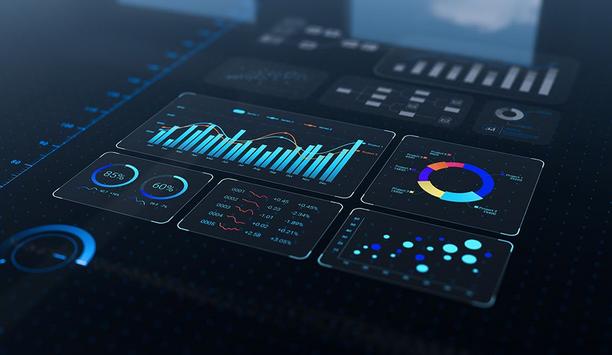
With SaaS Alerts, users can simplify their process for monitoring SaaS, combining security alerts from all the customers’ SaaS environments into a single dashboard. Their SaaS security platform:
- Monitors applications for unusual behavior, usage and data breaches
- Integrates with applications like Microsoft 365 and Google Workspace
- Automates the remediation of compromised accounts
- Provides detailed reporting of user behavior and app events
Discover how AI, biometrics, and analytics are transforming casino security