Physical security is integral to safeguarding facilities against unauthorised access, theft, and potential terrorist threats.
By using targeted strategies and tools, organisations can protect their premises and assets, thereby ensuring the safety of individuals and property.
Understanding the core of physical security
Physical security entails implementing measures and utilising equipment designed to protect buildings, vehicles, equipment, and personnel from various threats.
It encompasses a broad range of strategies, from managing access to monitoring areas at risk. These measures are vital in places ranging from business complexes to military sites, aiming to mitigate risks and address potential security breaches.
Addressing specific threats
Facilities face a variety of threats, including:
- Terrorism: Can cause significant casualties and damage.
- Natural Disasters: Events like floods and power outages can disrupt security operations.
- Theft: Unsecured items and areas can lead to financial losses.
- Unauthorised Access: Can jeopardise the integrity of sensitive data and the safety of individuals.
- Vandalism: May result in costly property damage.
Properly applied security measures not only prevent such incidents but also serve as a deterrent to potential wrongdoers.
Major components of physical security
Crafting an effective physical security strategy begins with a comprehensive risk assessment that examines prevalent threats and site vulnerabilities. Key countermeasures may include:
Access control
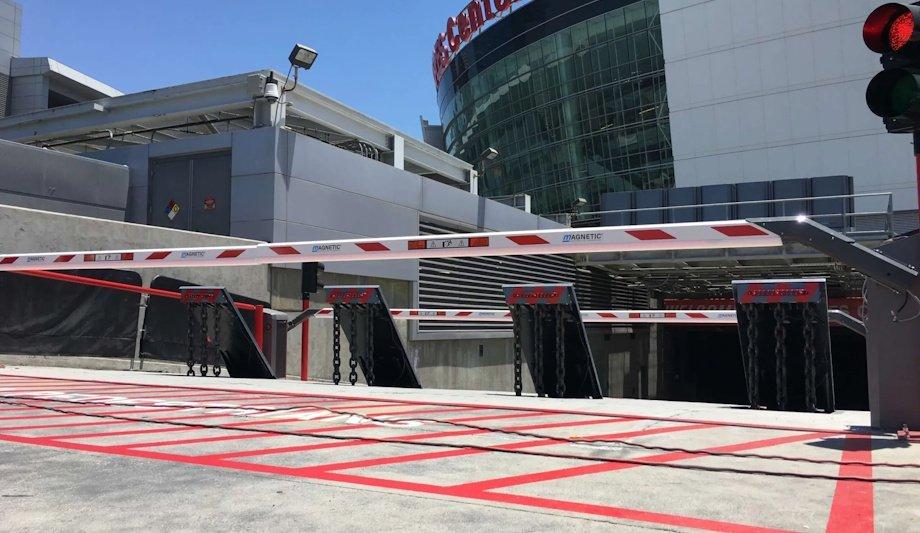
Restricting vehicle access through gates, barriers, and barricades enhances site security
Controlling entry to specific areas is vital. Methods such as security locks, access cards, and biometric systems help regulate access to sensitive zones. Additionally, perimeter, glass, and door alarms enhance the detection of unauthorised intrusions.
Restricting vehicle access through gates, barriers, and barricades enhances site security. Guard booths, equipped with various controls, can effectively mitigate vehicle-based threats. Solutions like hydraulic and electro-mechanical sliding gates, and beam barriers, provide high levels of defence against vehicular intrusions.
Surveillance
Effective surveillance systems, including the use of motion detectors, access cards, and video monitors, allow for early detection of potential threats, offering opportunities for intervention.
Guard booths increase the visible presence of security measures and can range from basic shelters to advanced monitoring stations equipped for high-security environments.
Maintaining optimal physical security
Improving physical security not only protects against financial and physical losses but also boosts employee morale and may fulfil regulatory obligations. Delta Scientific provides solutions worldwide to enhance security at various facilities. By building robust systems, they help safeguard people, property, and assets effectively.
In summary, a well-rounded physical security strategy is crucial for protecting facilities from a range of potential threats. Delta Scientific’s expertise in physical access control systems plays a significant role in developing comprehensive security solutions tailored to specific needs.
How do they protect a facility from unauthorised access, theft, or even terrorist attacks? The answer lies in physical security—the tools, strategies, and barriers that keep people and property safe.
Physical security can prevent unauthorized access to areas and guard people and property from theft or vandalism. Explore what physical security is and the many different components that make it possible.
What is physical security? Protecting people, property, and assets
Physical security includes the steps you take and the equipment you use to protect the buildings and structural property components; physical assets such as vehicles, equipment, and hardware; information contained within buildings and electronic systems; and people.
Facilities from business parks to military installations employ physical security measures to reduce risks and safeguard their property from threats, for example:
- Acts of terrorism can cause mass casualties and extensive physical damage.
- Natural disasters can compromise physical security through flooding, power failures, and wind damage.
- Thieves can target unsecured property and vehicles, resulting in permanent losses and insurance claims.
- Unauthorized access to restricted areas can compromise the safety of people and data.
- Vandalism can cause extensive damage that easily reaches into the thousands of dollars.
Proper physical security measures stop vandals, thieves, and other bad actors from accessing the location. When properly implemented, they also act as a deterrent against these types of actions.
What are the major components of physical security?
An effective strategy for mitigating physical security risks starts with developing a comprehensive and coordinated approach that considers the most pressing threats and any weaknesses at the physical location.
Then employ a combination of the following countermeasures to address physical security concerns.
Access Control
Access control is a major portion of maintaining physical security. This includes limiting the access of vehicles and people to specific areas or information. A variety of methods may be needed to control access.
- Security locks, access cards, and biometrics are all components of limiting individual access to physical resources. Perimeter, glass, and door alarms are all effective at identifying breaches and can improve responsiveness to intrusions.
- Vehicle access control can help keep cars and trucks from entering restricted spaces. Using gates, barriers, and barricades are some of the most common strategies for limiting vehicle access.
- Security gates may be attached to guard booths or operated remotely. The high-security sliding gates are available with hydraulic or electro-mechanical controls and span up to 30 feet. They are crash-rated to stop a 15,000 truck traveling at 50 MPH, offering superior protection against serious threats.
- Beam barriers and wedge barricades are also popular. They can cover openings up to 30 and 20 feet, respectively, and offer M30 to M50 crash ratings when properly installed. Both are available in surface-mounted configurations for extra flexibility.
- Traffic security features, including traffic teeth and parking lot gates, are effective at managing vehicles within parking areas. Bollards are another very useful tool. They can be installed individually or in arrays for maximum protection. With proper bollard placement, you can effectively restrict vehicle access to designated spaces, such as buildings and pedestrian areas.
These examples of access control methods show the scope of what is needed for complete physical security.
Surveillance
Surveillance is an effective way to monitor physical assets, allowing you to identify potential threats early and intervene as needed. Common approaches to surveillance include employing access cards, motion detectors, and video monitoring
Guard booths highlight the presence of surveillance and security teams and can enhance the physical security measures. These can range from basic shelters to high-security monitoring stations with video feeds. Delta Scientific can provide maximum protection with prefabricated level 4 high-security guard booths. These are ideal for government facilities, airports, marine ports, and other high-profile locations.
Package monitoring
Mailing dangerous substances, whether chemicals, biohazards, or explosives, is a serious threat to high-security plants. Government offices, embassies, military installations, and high-profile office buildings often use scanning equipment to detect these types of hazards.
Delta Scientific’s BioBooth mail screening booth provides a safe and self-contained space where staff can scan, process, and neutralize threats that arrive in the mail. Each comes equipped with a HEPA-filtered laboratory hood with UV sterilization and can be sealed and removed from the physical location for complete decontamination.
Why does physical security Matter?
Maintaining the physical security of a plant ensures the safety of people onsite. It also protects property and assets from damage and theft. Having a comprehensive physical security plan and appropriate equipment allows you to detect and respond to threats.
These efforts reduce physical and economic losses. They can also improve employee morale. For some companies, maintaining an appropriate level of physical security is required for regulatory compliance.
How can Delta Scientific help enhance physical security?
Delta Scientific is a global leader in physical access control systems. The equipment is used around the world in public and private settings.
The team has the experience they require and understands what physical security is. They will work with them to build a robust solution that protects the people, property, and assets.