Amid growing global concerns about safety, staying informed with the latest advancements in security technologies is essential.
Biometric access control, a cutting-edge innovation, is reshaping how both corporate entities and individuals protect their spaces and sensitive information.
Biometric access control
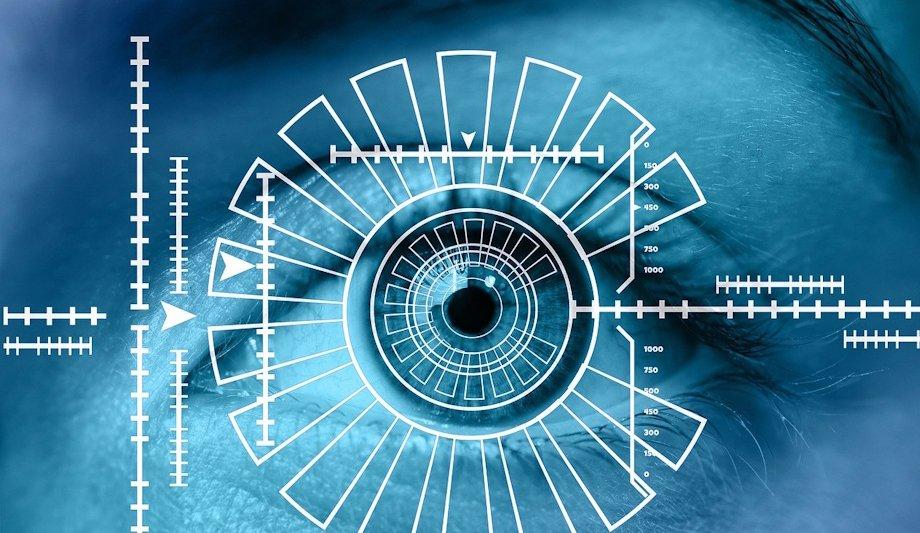
Biometric access control systems authenticate individuals using distinctive physical or behavioural traits like fingerprints, facial recognition, iris scans, and voice. These systems offer a marked advantage over conventional approaches such as passwords and PINs, which are prone to being forgotten, stolen, or replicated.
With technological advancements, biometric systems are now more precise, dependable, and financially accessible, making them suitable for diverse applications. Whether it's a large corporation safeguarding confidential data or a homeowner securing a property, biometric access control presents an efficient and secure solution.
Enhanced security
These systems offer unmatched convenience, eliminating the need to memorise passwords
A major benefit of biometric access control is the heightened level of security it provides, given the uniqueness of biometric data for each individual, making it extremely challenging to replicate.
This reduces the risk of unauthorised entry often associated with traditional security methods, such as keys or access cards, which can be misplaced or duplicated.
Furthermore, these systems offer unmatched convenience, eliminating the need to memorise passwords or carry physical keys. Access can be granted swiftly with a fingerprint or facial scan, enhancing both efficiency and user experience.
Real-world applications
The implementation of biometric access control systems spans various sectors today. In corporate settings, they serve to safeguard sensitive data, regulate access to secure areas, and monitor employee attendance.
Airports have increasingly adopted these systems to bolster security and streamline passenger movement. Furthermore, personal devices like smartphones frequently incorporate biometric measures like fingerprint scanners or facial recognition, giving users secure and convenient access to their apps and data.
Future of biometric access control
As technology advances, biometric access control systems are expected to become even more accurate, rapid, and reliable. Innovations such as heartbeat or gait recognition may become standard.
The integration of biometric systems with other security measures, including video surveillance and alarm systems, is likely to increase, providing more comprehensive security solutions with multiple defensive layers.
In summary, biometric access control is dramatically transforming the security sector. Its enhanced security features, coupled with convenience and diverse applications, are driving both businesses and individuals to adopt this forward-thinking technology.
In a world where safety and security are of the utmost importance, it’s crucial to stay updated with the latest technologies that can provide advanced protection.
One such innovation that is leading the way in modern security is biometric access control. This groundbreaking technology is transforming the way businesses and individuals safeguard their premises and data.
Biometric access control
Biometric access control utilises unique physical or behavioural attributes of individuals, such as fingerprints, facial features, iris patterns, or voice, to identify and verify their identities.
Unlike traditional security measures that rely on passwords or PINs, which can easily be forgotten, stolen, or duplicated, biometrics provides a highly secure and user-friendly solution.
As technology has advanced, biometric solutions have become increasingly accurate, reliable, and affordable, making them a viable security option for a wide range of applications. From large corporations protecting sensitive data to homeowners seeking to safeguard their property, biometric access control offers an efficient and highly secure solution.
Enhanced security
One of the most significant advantages of biometric access control is the increased security it provides. Because biometric data is unique to each individual, it is almost impossible to forge or duplicate.
This eliminates the risk of unauthorised access that is associated with traditional security measures such as keys or access cards, which can be lost, stolen, or copied.
Additionally, biometric systems offer a level of convenience that is unparalleled by traditional security systems. With biometric access control, there’s no need to remember passwords or carry physical keys. A quick scan of a fingerprint or face is all it takes to gain access, making it a highly efficient and user-friendly solution.
Real-world applications
Today, biometric access control systems are being implemented in a variety of sectors. In corporate environments, they’re used to protect sensitive data, control access to restricted areas, and even track employee attendance.
Airports are increasingly using biometric systems to enhance security and improve passenger flow. Meanwhile, smartphones and other personal devices now often include biometric security features such as fingerprint scanners or facial recognition technology, providing users with convenient and secure access to their devices and apps.
Future of biometric access control
As technology continues to evolve, so too will the capabilities of biometric access control systems. People can expect to see advancements in the accuracy, speed, and reliability of these systems. New biometric modalities, such as heartbeat or gait recognition, may also become commonplace.
Furthermore, the integration of biometric access control with other security technologies, such as video surveillance or alarm systems, will likely become more prevalent. This will enable more comprehensive security solutions that offer multiple layers of protection.
In conclusion, biometric access control is revolutionising the security landscape. With its enhanced security, convenience, and wide-ranging applications, it’s no wonder that more and more businesses and individuals are embracing this technology as their security solution of choice.