Iris recognition systems

Wavestore, a pioneer of unified security platforms with WaveFusion, built on decades of innovation in Video Management Software (VMS) solutions, is pleased to announce the appointment of Kareem Moore as Regional Sales Manager for the United States. Kareem commenced his role on 2nd March, bringing with him a unique blend of disciplined leadership, enterprise sales expertise, and deep knowledge of cloud-based security technologies. Kareem joins Wavestore with approximately five years’ exper...

Iris ID, the pioneer in non-contact biometric identity authentication technologies, announces that its iA FacePAD algorithm v2.5.3 has successfully achieved Level 2 Presentation Attack Detection (PAD) compliance. Testing was conducted by iBeta Quality Assurance using Iris ID’s exclusive, iBAR 600E device in conjunction with the iBAR 600E CS REST API demo application. The advancement from Level 1 to Level 2 compliance underscores Iris ID’s commitment to delivering biometric solutions...
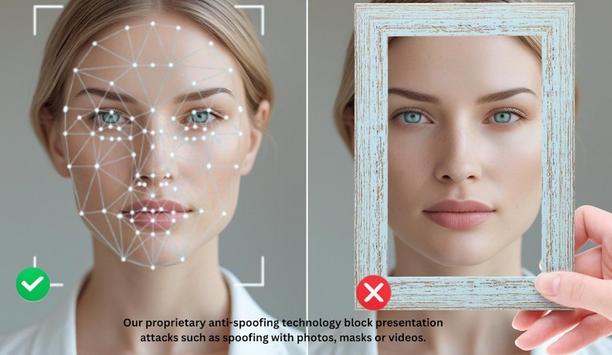
Iris ID, the pioneer in non-contact biometric identity authentication technologies, announces that its iA FacePAD algorithm v2.5.3 has successfully achieved Level 2 Presentation Attack Detection (PAD) compliance. Testing was conducted by iBeta Quality Assurance using Iris ID’s exclusive, iBAR 600E device in conjunction with the iBAR 600E CS REST API demo application. The advancement from Level 1 to Level 2 compliance underscores Iris ID’s commitment to delivering biometric solutions...

Delinea, a pioneering provider of solutions for securing human and machine identities through centralised authorisation, announces it has signed a definitive agreement to acquire StrongDM, the universal access management company purpose-built for modern engineering, DevOps, and AI-driven environments. Delinea’s leadership in enterprise privileged access management (PAM), combined with StrongDM’s just-in-time (JIT) runtime authorisation capabilities and developer-first access model,...

Iris ID Systems, Inc., a global foremost in iris recognition technology, is on the show floor at Intersec Dubai 2026 showcasing solutions designed to deliver One Trusted Identity. The Iris ID ecosystem consists of multimodal (iris and face) biometric systems designed for environments that require consistent, contactless identity assurance. Additionally, Iris ID will highlight partner, Nextgen ID’s enrollment and identity proofing mobile station. The mobile station is a field dep...

Princeton Identity, a pioneer in advanced iris biometric identity solutions, is proud to announce that Brian K. Tuskan has joined the company as its newest Executive Advisor. Tuskan brings more than two decades of experience in law enforcement and corporate security leadership, having served as Chief Security Officer for both Microsoft and ServiceNow, where he helped define industry-pioneering programs in global security, safety, and intelligence-driven operations. Deep strategic security expe...
News

Iris ID, the pioneer in iris recognition technology, announced the release of the iCAM TD200, a next-generation handheld biometric camera designed to simultaneously capture dual iris and face images quickly and accurately in real-world and challenging environments. It combines portability, an intuitive interface, and powerful imaging capture in a lightweight form factor, making it ideal for identity programs and security applications worldwide delivering One Trusted Identity. Compliance and robust integration support “As identity and security programs evolve to balance privacy, compliance, and operational speed, the iCAM TD200 represents the next step in accessible, high-performance biometric capture,” said Mohammed Murad, Chief Revenue Officer and Vice President of Iris ID. “It replaces the need for a separate face camera, allowing operators to process both biometrics quickly and seamlessly. Organisations no longer need to choose between speed, accuracy, and usability. The iCAM TD200 delivers all three features, a complete package backed by standards compliance and robust integration support for global developers and systems.” iCAM TD200 face and iris recognition device The iCAM TD200 face and iris recognition device captures left and right iris images simultaneously, along with a high-quality face image, in a single session in less than two seconds. Designed to comply with ISO/IEC biometric standards, the device performs in the harshest environments, ensuring speed and consistency in the field. A built-in LCD screen provides real-time feedback to guide positioning and instantly confirm capture quality, simplifying the operator’s job; reducing errors and training requirements. Key features Simultaneous Iris and Face Capture High-Quality Colour Scene Capture High-Speed Automatic Dual Iris Capture ISO Standards-Face & Iris Compliant Hardware and Software Advanced Power management Capability Integration-ready SDK The iCAM TD200 provides versatile, mobile verification across applications, from border control and government ID programs to commercial deployments in healthcare, finance, and enterprise security. Its compact design, USB power, and integration-ready SDK enable governments, enterprises, and integrators to deploy dual iris and face capture without compromising speed or usability.

Iris ID Systems, Inc., a global pioneer in iris recognition technology, is exhibiting its multimodal IrisAccess™ iA1000 and full suite of iris-face fusion biometric technologies at Intersec Saudi Arabia, September 29–October 1. Visit booth 3 C39 to meet the team and get a product demo. The iA1000 Multimodal Iris & Facial Recognition Terminal is Iris ID’s flagship solution, purpose-built for high-security access control while also adaptable for workforce management applications. Advanced iris-and-face fusion technology Fully contactless and highly reliable, the iA1000 provides identity authentication for corps of every size Leveraging advanced iris-and-face fusion technology, it delivers unmatched speed and accuracy with flexible modes for iris, face, or simultaneous identification. Integrated FacePAD (Presentation Attack Detection) strengthens protection against spoofing threats, while long-range recognition of over 65 cm enhances both security and ease of use. Fully contactless and highly reliable, the iA1000 provides seamless identity authentication for organisations of every size — from data centres and government facilities to corporate offices and small businesses. FacePAD™ technology into the iA1000 "Organisations in every sector are seeking fast, secure, and contactless ways to manage identity," said Mohammed Murad, Chief Revenue Officer, Iris ID. He adds, "With the integration of our FacePAD™ technology into the iA1000, we are raising the bar for both accuracy and protection against spoofing threats. It’s a powerful fit for organisations safeguarding critical environments, such as data centres, government facilities, and financial institutions. Our multi-modal iris and face fusion solutions showcased at Intersec deliver unmatched flexibility, reliability, and convenience." Iris ID at Booth 3 C39 Alongside the iA1000, Iris ID will showcase these solutions at the booth: iCAM D2000: Multi-modal iris and face biometric camera with mask detection and capture range up to 100 cm. Its built-in API makes it easy to integrate into different environments, making it ideal for access points and high-traffic facilities. iCAM TD200: Camera with simultaneous iris and face capture for seamless enrolment, equipped with QAQC protocols to ensure all images are ISO-compliant. IrisTime™ iT100: A contactless dual iris/face biometric time and attendance platform that integrates seamlessly with workforce management systems, providing accurate, contactless tracking for enterprises. iCAM M300: A handheld, multi-modal device that performs high-speed dual iris and fingerprint capture in an unparalleled, easy-to-use interface. iBAR 600E: An innovative iris and face fusion device designed for enrolment and security check-ins at airports and immigration, with a seamless OEM module that streamlines the verification process. iCAM R100: An OEM iris recognition camera module with high-speed iris capture for up to 100K users with identity confirmation in one second for seamless authentication. Visit Iris ID at Booth 3 C39 to view iris and multi-modal solutions in action.

Iris ID, a pioneer in iris recognition technology, announced that its FacePAD algorithm version 2.4.2 has successfully cleared the Level 1 iBeta Presentation Attack Detection (PAD) compliance tested with Iris ID iBAR 600E. The certification underscores Iris ID’s commitment to delivering solutions with the highest standards of biometric security, accuracy and reliability. Iris ID’s FacePAD algorithm Iris ID’s FacePAD algorithm is effective at distinguishing between the genuine biometrics of a live person Conducted by iBeta Quality Assurance, the world’s pioneering third-party accredited biometric testing laboratory, the PAD test evaluates a product’s resilience against presentation attacks — commonly known as “spoofing.” Passing the Level 1 PAD assessment verifies that Iris ID’s FacePAD algorithm is highly effective at distinguishing between genuine biometrics of a live person and fraudulent attempts using fakes such as photos, videos, or masks. Real subject presentation The test method used applied one real subject presentation that alternated with 3 artefact presentations. Each test consisted of 150 presentation attacks and 50 bona fide presentations, or until 8 hours passed. There were a total of 900 attacks, resulting in an Attack Presentation Classification Error Rate of 0%. This means the FacePAD algorithm and the accompanying hardware could not be fooled. Extending PAD capabilities to facial recognition Iris ID reinforces its duty to delivering the highest levels of security, privacy, and user convenience Long recognised as a pioneer in countermeasure technologies for iris recognition, Iris ID continues to lead the industry in developing solutions that safeguard against spoofing and fraudulent access. By extending PAD capabilities to facial recognition, Iris ID reinforces its commitment to delivering the highest levels of security, privacy, and user convenience. This innovation further demonstrates the company’s vision to provide trusted, contactless identity authentication solutions that meet the evolving demands of governments, enterprises, and critical infrastructure worldwide. Leadership in the biometric market “Achieving iBeta PAD Level 1 certification for the FacePAD algorithm is a major milestone that reinforces our leadership in the biometric market,” said Mohammed Murad, Chief Revenue Officer, Iris ID. “As demand for secure and convenient identity authentication grows globally, this certification gives our partners and customers confidence that Iris ID delivers trusted, field-proven solutions that protect against spoofing threats.” Stringent compliance requirements With the successful completion of iBeta PAD testing, Iris ID continues to expand its portfolio of certified, world-class biometric technologies. These advancements help organisations meet stringent compliance requirements while ensuring the highest levels of trust, security, and convenience in identity authentication.

Iris ID, the global pioneer in iris recognition technology, is showcasing its next-generation iris and face fusion solutions at Identity Week America, September 10-11. At Booth 417, attendees can see how Iris ID’s touchless identity solutions are engineered for the most demanding environments, from enterprise security to national identification programs. Additionally, NextgenID, an Iris ID partner and trusted provider of identity security and technology, will display its Identity Station Kiosk featuring the iBAR 600E. Partnership with NextgenID “Our partnership with NextgenID marks an important milestone in advancing the mainstream adoption of biometrics for trust, identity, and security,” said Mohammed Murad, Chief Revenue Officer, Iris ID. He adds, “As governments and enterprises demand faster, more secure, and more convenient ways to verify identity, collaborations that unite best-in-class technologies are critical to ensuring ethical inclusion and safeguarding personal identifiable information (PII).” Iris ID’s multi-modal fusion solutions Combined with their PresenceID Network and alignment to FedRAMP, NIST 800-63-4, and FIPS 201-3 standards NextgenID’s kiosks — already deployed nationwide with federal agencies and pioneering enterprises — deliver supervised remote identity proofing (SRIP) at the highest Kantara-certified assurance level, support multi-modal biometric collection including fingerprint, face, and iris, and enable high-assurance credential issuance for PIV, CAC, FIDO, and more. Combined with their PresenceID Network and alignment to FedRAMP, NIST 800-63-4, and FIPS 201-3 standards, these capabilities perfectly complement Iris ID’s multi-modal fusion solutions, creating a trusted ecosystem that is transforming secure access, workforce management, and citizen identity systems across industries. Modernise security and identity management Highlighted in the Iris ID booth are the latest advances in multi-modal biometric technology, where iris and face recognition are combined in fully contactless solutions. These innovations are designed to deliver fast, frictionless throughput while ensuring accuracy and reliability, even in high-throughput environments. Iris ID will also showcase its broader suite of biometric solutions spanning enterprise access, healthcare, workforce management, public safety, and government ID programs. Built for scalability and interoperability, these systems empower organisations to modernise security and identity management, while preserving efficiency and user experience. Live demonstrations will run throughout Identity Week America at the Iris ID Booth 417.

COMMERCIAL DISPLAY 2025, Asia’s pioneering sourcing and innovation platform for smart office display solutions, interactive panels, and AI-powered conference systems, will take place at the Shenzhen World Exhibition & Convention Centre. This highly anticipated event will connect global commercial display manufacturers, distributors, and technology integrators with cutting-edge solutions for the evolving workplace. From AI-driven meeting transcription and facial recognition to real-time cross-device collaboration and immersive e-learning, the Smart Office Solutions Zone at COMMERCIAL DISPLAY 2025 will showcase the full spectrum of next-generation workplace innovations. Register Now to witness the industry trends: COMMERCIAL DISPLAY 2025 Key Exhibit Categories: Smart Office Display Solutions – Conference TVs, interactive panels, and large-format meeting displays AI-Powered Conference Systems – Intelligent meeting transcription, facial & voice recognition, smart scheduling Interactive Panels & Education Displays – Multi-touch boards, electronic whiteboards, collaborative teaching systems Cloud-Connected Workplace Devices – Smart office tablets, accessories, and integrated system solutions The 5th International Commercial Display Elite Summit Industry pioneers will explore trends in large-format retail displays, AI-powered meeting keys, and colour e-paper On October 29, 2025, the 5th International Commercial Display Elite Summit, co-hosted by the China Video Industry Association and RX Kuozhan with market intelligence from RUNTO Technology, will gather top brands such as JD.com, TCL Commercial, BOE, HKC, QSTECH, Newline, IVT, AMDOX, and more. Industry pioneers will explore trends in large-format commercial displays, AI-powered meeting solutions, colour e-paper, laser projection, and education technology. Why visit COMMERCIAL DISPLAY 2025? Discover AI-powered smart office display solutions for corporate, education, and public sector use Experience interactive panels and collaboration tools that boost productivity and engagement Connect with commercial display manufacturers and system integrators from around the globe Gain market intelligence and insights from over 100 conferences, forums, and product launches Event date and venue Event Dates: October 28–30, 2025 Venue: Shenzhen World Exhibition & Convention Centre (Halls 10, 12, 14) Free Visitor Registration: COMMERCIAL DISPLAY 2025
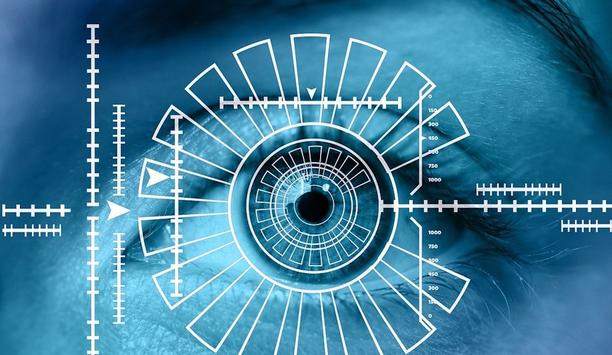
In a world where safety and security are of the utmost importance, it’s crucial to stay updated with the latest technologies that can provide advanced protection. One such innovation that is leading the way in modern security is biometric access control. This groundbreaking technology is transforming the way businesses and individuals safeguard their premises and data. Biometric access control Biometric access control utilises unique physical or behavioural attributes of individuals, such as fingerprints, facial features, iris patterns, or voice, to identify and verify their identities. Unlike traditional security measures that rely on passwords or PINs, which can easily be forgotten, stolen, or duplicated, biometrics provides a highly secure and user-friendly solution. As technology has advanced, biometric solutions have become increasingly accurate, reliable, and affordable, making them a viable security option for a wide range of applications. From large corporations protecting sensitive data to homeowners seeking to safeguard their property, biometric access control offers an efficient and highly secure solution. Enhanced security One of the most significant advantages of biometric access control is the increased security it provides. Because biometric data is unique to each individual, it is almost impossible to forge or duplicate. This eliminates the risk of unauthorised access that is associated with traditional security measures such as keys or access cards, which can be lost, stolen, or copied. Additionally, biometric systems offer a level of convenience that is unparalleled by traditional security systems. With biometric access control, there’s no need to remember passwords or carry physical keys. A quick scan of a fingerprint or face is all it takes to gain access, making it a highly efficient and user-friendly solution. Real-world applications Today, biometric access control systems are being implemented in a variety of sectors. In corporate environments, they’re used to protect sensitive data, control access to restricted areas, and even track employee attendance. Airports are increasingly using biometric systems to enhance security and improve passenger flow. Meanwhile, smartphones and other personal devices now often include biometric security features such as fingerprint scanners or facial recognition technology, providing users with convenient and secure access to their devices and apps. Future of biometric access control As technology continues to evolve, so too will the capabilities of biometric access control systems. People can expect to see advancements in the accuracy, speed, and reliability of these systems. New biometric modalities, such as heartbeat or gait recognition, may also become commonplace. Furthermore, the integration of biometric access control with other security technologies, such as video surveillance or alarm systems, will likely become more prevalent. This will enable more comprehensive security solutions that offer multiple layers of protection. In conclusion, biometric access control is revolutionising the security landscape. With its enhanced security, convenience, and wide-ranging applications, it’s no wonder that more and more businesses and individuals are embracing this technology as their security solution of choice.

Expert commentary

The security industry is going increasingly digital these days, with more small- and medium-sized businesses joining their global brethren by moving their data to the cloud, leveraging the benefits of artificial intelligence, and embracing more open solutions. Innovation is expected to continue at a rapid pace, thanks in part to the residual effects of the pandemic which has driven changes that might have otherwise taken five years or a decade or more to get into customers’ hands on a global scale. Let’s take a look at the trends that will dominate ISC West 2023. Improved analytics Analytics is about expedience, and in the surveillance world, it makes it possible to identify and search for the “who did it?” clip you need. For analytics, along with the cloud, it comes back to the core themes of being able to do more with technology Analytics also provides more actionable intelligence than a simple surveillance camera may provide, from identifying high-traffic areas during select times of the day and alerting staff to pay greater attention to these areas, to business intelligence that can enable a company to staff a store with more employees. For analytics, along with the cloud, it comes back to the core themes of being able to do more with technology and relying less on humans. Leveraging the cloud The cloud story is very related: it provides the ability to perform video-related tasks from anywhere on any device. In addition, the cloud makes it easier to share videos with other stakeholders and collaborate on investigations. By storing video on the cloud, end users reduce their total cost of ownership because they no longer have to invest in onsite storage solutions, while gaining greater storage capabilities and thereby future-proofing their solutions. Deployment patterns Because the cloud requires a less total cost of ownership and can be intuitive, it is driving interest in solutions Another interesting trend that we’ll be hearing more about this year is the overall deployment patterns of video surveillance systems. This is part of the cloud trend, but the broader trend is the amount of effort it takes to deploy, monitor and maintain the video surveillance system. Because the cloud requires less total cost of ownership and cloud access can be intuitive, it is driving interest for solutions that can be hosted in the cloud. Interoperability vs. proprietary Related to the debate of open vs. closed solutions is how much the surveillance market prefers a turnkey solution compared to a more custom best-of-breed and tailored solution. Smaller and mid-market companies will be more interested in the turnkey solutions provided by a single vendor, while enterprise-level companies traditionally gravitate toward investing in customised solutions that are more likely to address their unique security challenges. One other related trend to keep an eye on is the role of the integrator as part of the rise of cloud and Video Surveillance as a Service (VSaaS) offerings.
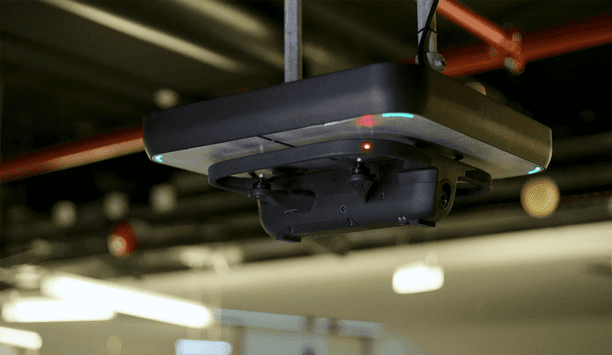
There’s a new security paradigm emerging across malls, server farms, smart office buildings, and warehouses, and its advantage over the status quo are so broad they are impossible to ignore. Instead of a lecture, let’s start with a short narrative scenario to illustrate my point. Darryl's work Darryl works as a security guard at the Eastwood Mall. Like any typical evening, tonight’s shift begins at 9:30 PM, as the stores close and the crowds thin. His first task: Ensure that by 10 pm, all mall visitors have actually left and that all doors, windows, and docks are locked securely. As he walks through most major areas throughout the mall, he checks them off his list. All’s quiet, so after a 45-minute patrol, he stops for a quick coffee break before heading out again. He repeats the process throughout the night, happy to finish each round’s checklist and rest his feet for a few minutes. Challenge: Vandalism during the shift A few cameras located sporadically throughout the mall recorded two dark figures moving in and out of the shadows As usual, there’s nothing notable to report, he clocks out and heads home. The next morning, however, he's greeted by an angry mall manager. He learns that sometime during his shift, three stores were robbed and a back hallway vandalised. A few closed-circuit cameras located sporadically throughout the mall recorded two dark figures moving in and out of the shadows at about 4 am. The mall manager demands an explanation, and Daryl has none, “They must have been hiding during closing time and then waited for me to pass before acting,” he says. “I can only be in one place at one time. And if they were hiding in a dark hallway, I would never have seen them.” Theft explanation “Actually,” explains the manager, “we found a loading door ajar near the furniture store. We’re guessing that’s how they got in, but we can’t be sure. Do you check all the docks? We need to know if we need to replace a lock. Look at your logs - tell me exactly what you saw and when.” Daryl tries to recall. “I'm pretty sure I checked that one a couple of times. I checked it off my list.” Darrell decides not to mention that at 4:00 AM, he was feeling the night's fatigue and might have skipped that area a couple of times. That's the end of our tale. Poor Daryl is not a bad security guard, but he’s only human. His job is repetitive and unstimulating. Darryl's work log He checks off each location for the record, but there's no way for him to record the thousands of details Let’s discuss his hourly log. He checks off each location for the record, but there's no way for him to record the thousands of details he sees to later zoom in on the few observations that might be helpful for an investigation. He has walked by that loading dock door hundreds of times, and it's all a blur. This isn’t an unusual story; Darryl is doing the same job that humans have been doing in almost precisely the same way for millennia. And, like last night, the criminals have always found a way to avoid them. But there is a better way. Solution: Fully-automated indoor drone Replacing a human guard with a fully-automated indoor drone eliminates virtually all the problems we've identified in this story as it flies through the facility: Drone teams can work 24/7: While each drone needs to dock to recharge its battery periodically, a fleet working in concert can patrol around the clock in multiple areas simultaneously. This makes it much more difficult for an intruder to move freely, without risk of discovery. A drone can even keep an eye out and keep recording while docked. Drones see and log everything: Everything is recorded and stored in full detail as they compare what they see with what they expect to see High-resolution onboard cameras and ultrasensitive sensors can detect heat, movement, and moisture, and see into dark areas much more effectively than the human eye. As they aren't limited to the floor, they can also fly high in the air to look above obstacles and at high windows or warehouse shelves. And they don’t lose focus or get bored as the night drags on: Everything is recorded and stored in full detail as they compare what they see with what they expect to see based on a previous flight. Anything unusual triggers an alert. Drones don’t need vacations, snack/bathroom breaks, or new-recruit training: Without the need to deal with biological requirements, you aren't paying for non-work hours, and there’s no overtime for extra hours or holiday shifts. In a high-turnover business like security, there's no time spent training new employees; adding drones to your fleet simply means installing your existing procedures onto each. There is certainly room for judgment calls that require human intervention, but these can often be handled remotely using a control panel that provides all relevant data and alerts from the drones on duty. That means no scrambling to the office in the middle of the night for a false alarm. Drones outshine stationary cameras and the people staring at those screens: A guard in the security office staring at dozens of these screens usually loses their attention span throughout the shift Close-circuit cameras are expensive to install, maintain, and periodically replace. In addition, they are limited in their scope and, almost by definition, leave large blind spots. A guard in the security office staring at dozens of these screens (that generally show nothing notable) usually loses their attention span throughout the shift. Conclusion In short, there is a good reason that our industry is following close on the heels of the manufacturing industry, which has been eagerly adopting robotics as a more cost-effective and precise solution for years. It is simply becoming harder and harder to justify the expense of the traditionally error-prone and monotonous work that we ask of our security guards.
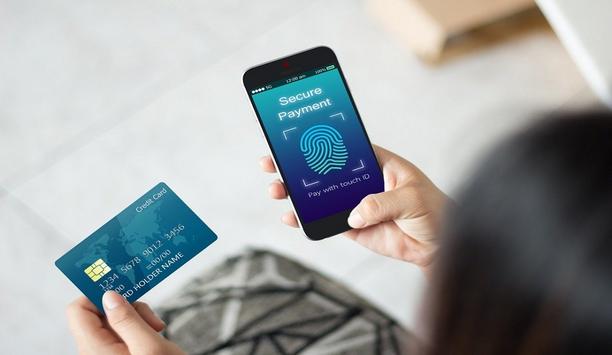
The growing mobile ownership rate, the emergence of more user-friendly banking apps, the tech-native younger generation, and, of late, the pandemic-induced shift to online, all create a fertile ground for mobile banking. Unfortunately, the acceleration of banking app adoption today goes hand in hand with the increase of targeted security threats. In 2022, a month wouldn’t go by without a headline-making mobile banking attack or incident that resulted in stolen funds and sensitive personal information from thousands of users. Security as an afterthought Nevertheless, a fair share of BFSI companies persists to treat security as an afterthought during and after mobile banking app development. The 2021 State of Mobile Banking App Security report shows that 82% of enterprise executives consider mobile channels important. However, 39% of respondents did not run any vulnerability analysis or penetration tests on their mobile solutions. Five-step guide Neglecting a banking app’s security is a dead-end track that leads to severe financial repercussions In the turbulent threat landscape of today, neglecting your banking application’s security is a dead-end track that leads only to severe financial and reputational repercussions. Being banking software developers with a long-standing experience in cybersecurity, we devised a five-step guide to help financial institutions build shell-proof mobile banking apps, maintain them this way, and safeguard customers from mobile security troubles. #1: Test security throughout SDLC and beyond The safety of mobile banking is a subject of many regional and industrial standards, so companies traditionally design the security architecture of their apps around these guidelines and call it a day. While regulatory compliance is vital, financial institutions often mistakenly bank on it alone and perform security-related activities late in the SDLC. As a result, there is a good chance pre-release quality assurance (QA) can discover deeply ingrained security flaws that will require fundamental corrections. What’s even worse, if the QA fails to do so, the app will be released with inherent vulnerabilities. Threat modeling Engineers should not only implement security controls into the source code but also review it for bugs and flaws The best way to make an app safe by design is to integrate security testing into the development lifecycle. At the start of the project, the team needs to explore relevant external and internal threats and, drawing on the analysis, specify security requirements for the application alongside functional and performance ones. At the design stage, it’s a great practice to perform threat modeling, as it allows developers to understand which elements of the app require protection most and what security controls will fit the purpose. Also, during the application development, engineers should not only implement security controls into the source code but also review it for bugs and flaws at each iteration. Thus, all vulnerabilities are rooted out immediately, before the app goes to production. #2: Implement a strong authentication layer Access control is the foundation of security, and mobile banking is no exception. By equipping an app with a proper authentication mechanism, banks ensure that only the customer is allowed to view and manage their personal funds, while third parties, malicious and not, are kept out, thus eliminating the risk of unauthorised access. Despite remaining a predominant user authentication method, passwords have long been showing their insufficiency in the modern threat landscape. Two-factor or biometric authentication Relying on physiological human characteristics to identify a person is highly accurate and spoof-proof Two-factor authentication, on the other hand, has many uses in the financial industry, and app user verification is one of them. Requiring two separate forms of identification, commonly a password and a single-use code sent via SMS, push notification, or email is still a much stronger secure option than passwords. Biometric identification is an authentication technology that gained traction only recently, but its efficiency propelled its adoption as a verification method in mobile apps across industries, with finance leading the way. Relying on physiological human characteristics, such as fingerprints, facial features, voice, or iris to identify a person, the technology is highly accurate and spoof-proof. #3: Encrypt user data and communications Financial institutions are no strangers to encryption. Most banks today leverage the virtually unbreakable 256-bit advanced encryption standard (AES) or equivalent methods to make customers’ personal and payment information inaccessible to unauthorised parties. Needless to say, a mobile banking app should incorporate similarly robust encryption mechanisms to protect user data. It can be the customary AES, but it can also be another encryption technology that fits the app’s specifics better. Transport Layer Security protocol It’s necessary to bake in specialised encryption mechanisms for securing app-to-device communication It is also important to secure the traffic between the app and the server, and the Transport Layer Security protocol (TLS) fits the bill here. Things can get more challenging if you plan on integrating your mobile app with wireless BLE and IoT technologies for proximity-based marketing, in-branch experience personalisation, and wayfinding. In this case, it’s necessary to bake in specialised encryption mechanisms for securing app-to-device communication and ward off man-in-the-middle attacks. # 4: Integrate in-app protection In recent years, due to the growth of malware targeting applications, bank customers were increasingly plagued with malicious software of all stripes. Of course, these days, there is strict oversight over financial cybercrime, and specialised law enforcement together with private-sector IT specialists usually take prompt measures to disarm emerging malware. Nevertheless, considering the steadily growing adoption of mobile banking, malicious software targeted at new apps will continue surfacing monthly while the existing scripts will be upgraded to circumvent dedicated safeguards. In-app protection By relying on in-app protection, banks can efficiently shield their app from emerging attacks To be a step ahead of the attackers, financial institutions need to embrace a more comprehensive approach and consider bolstering source-code security controls with robust in-app protection features. Designed by cybersecurity tech companies, in-app protection is a set of tools that can be easily integrated into an application. These solutions typically include mechanisms for security monitoring and malware detection, network connection manipulation, and external tampering that vendors update on a regular basis. Thus, by relying on in-app protection, banks can efficiently shield their app from emerging attacks. #5: Raise customers’ security awareness Regrettably, after the release, your mobile banking app’s security is not completely in your hands. Users' poor choices can easily obliterate all the efforts towards building and maintaining the solution impregnable. Some can turn off biometric authentication if they see no point in it, while others can click on a phishing link because it is sent from a domain looking just like yours. Hence, it’s not enough to deliver a highly protected mobile banking solution, you should also teach users how to render their app experience safe. Security education Banks need to educate their customers about the benefits and dangers of trusting third parties with app credentials First and foremost, banks need to educate their customers about good mobile banking security habits, from the importance of strong passwords and the benefits of two-factor or biometric authentication to the dangers of trusting third parties with app credentials and using public networks when conducting financial operations. However, banks should present this information in a detailed but engaging way, for example through short posts or animated videos, otherwise, there are a high chance customers will not bother to pay heed to it. Stay alert to stay secure Over the recent years, mobile banking has burgeoned, but with this growth came a whole new set of threats, exploiting apps’ inherent vulnerabilities, loose security controls, and customer unawareness, with the burden of warding them off falling on their owners. The battle for mobile banking security is ongoing, and to win it, banks need to respect security basics while also remaining open and flexible regarding emerging security tech.
Security beat

The pattern of veins in the hand contains unique information that can be used for identity. Blood flowing through veins in the human body can absorb light waves of specific wavelengths. Irradiating the human palm with near-infrared light waves yields an image of the vascular pattern. A venous distribution map can be processed and compared to pre-registered data to match and confirm identity. Palm vein biometrics The idea of palm vein biometrics goes back to the 1980s when palm vein scanners emerged as commercial products in the 1990s. The devices gained some traction in military-grade and high-security applications, although the technology was too expensive to become popular among mainstream applications such as physical access control. Anviz Global is expanding palm vein technology into mainstream applications, featuring a lower price point that will open new market opportunities. Palm vein technology “Palm vein technology has been viewed as a boutique product because it is costly and has not developed as a mainstream product,” says Mark Vena, Senior Director of Business Strategy and Development for Anviz Global. “With a more compelling price point, the market can see the technology more broadly. We can change the game in terms of how people think about palm vein technology.” FAR and FRR Palm vein technology is more accurate than either fingerprint (0.0001% FAR) or facial recognition (0.001% FAR) Iris recognition is considered the gold standard in biometric identification, but palm vein technology can almost achieve the accuracy of iris. The false accept rate (FAR) for palm vein technology is 0.00008%, compared to 0.00005% for iris recognition systems. The false reject rate (FRR) is comparable at 0.01% for either technology. Palm vein technology is more accurate than either fingerprint (0.0001% FAR) or facial recognition (0.001% FAR). Palm vein identification occurs in less than half a second. M7 Palm “Anviz is seeking to bring a high level of capability to more mainstream commercial applications,” says Vena, specifically providing a lower-cost palm vein unit. The M7 Palm by Anviz can achieve next-generation biometric access control for greater security and intelligence. The door-mounted unit combines palm vein recognition with an RFID card reader and PIN code (using a 17-button keypad), all configurable for multi-factor authentication. Outdoor applications The robust unit, including a narrow metal exterior design, provides strong vandal resistance (IK10) and stability for outdoor applications. To ensure a weatherproof design, the IP66 rating indicates the product is completely protected against dust and can withstand strong jets of water from any direction. Power-over-ethernet (PoE) enables centralised power management and the ability to remotely reboot devices. Wiegand-out interface The unit communicates using RS-485 or TCP/IP and can connect locks, exit buttons, door contacts, doorbells, etc The unit communicates using RS-485 or TCP/IP and can connect locks, exit buttons, door contacts, doorbells, etc. The Wiegand-out interface can connect to standard third-party controllers, or a built-in relay can trigger a lock directly. Capacity is 500 users. Because palm vein recognition originates from the physiological characteristics of the human body, it represents a “credential” that cannot be forged, lost, or left at home. It is not easily counterfeited or worn out. Multi-factor authentication Applications include industries requiring high security such as government, judicial, and banking. Multi-factor authentication eliminates fraud and ensures safety at banks, data centers, airports, prisons, and government. An end user might opt for higher levels of access control for a laboratory or server room. For dealers and integrators, palm vein technology, including multi-factor authentication, provides an additional option for customers seeking to protect high-security areas on a large campus. Card readers Card readers may suffice for most of the doors, but an important laboratory or cash-handling area requires more protection. Palm vein technology can secure a casino cash cage or a room containing corporate secrets. Time of Flight ToF laser-ranging uses a laser to measure the distance to an object by calculating the time Time of Flight (ToF) laser-ranging achieves accurate measurement to ensure the right distance for operation. ToF laser-ranging uses a laser to measure the distance to an object by calculating the time it takes for the laser light to travel to the object and back. Palm vein technology operates in the range of 10 to 30cm (4 to 12 inches). The proprietary BioNANO palm vein recognition algorithm enables accurate and fast scanning speed. Non-contact biometric The non-contact biometric performs in touchless environments and does not contribute to lingering health concerns in the post-COVID world. The technology is accurate across all hand types and skin tones. Users may feel more comfortable scanning their hands than their eyes. Optimal human-machine interaction M7 Palm’s optimal human-machine interaction and user experience include a low-power-consumption OLED screen to deliver clear text notifications to the user. Advantages of M7 Palm include accuracy, stability, security, and privacy. Features include easy installation with standard processes and no special tools, centralised power management, simplified cabling, and less maintenance. Managing the system is expedited by integration with the Anviz CrossChex Standard access control and time management dashboard, used by more than 30,000 enterprises, and the system can be integrated with any access control system. Security for SMBs Anviz Global is a converged intelligent security provider for SMBs and enterprise organisations Anviz Global is a converged intelligent security provider for small- and medium-sized businesses (SMBs) and enterprise organisations. The company’s product line includes biometrics, video surveillance, and security management solutions based on the cloud, Internet of Things (IoT) and artificial intelligence (AI) technologies. Privacy concerns Anviz is part of the Xthings family of companies, which includes Ultraloq (smart locks), Utec (smart home), Bright (smart lighting), Secu365 (SaaS Platform), and Ulticam (smart cameras). Privacy concerns are minimised because palm vein recognition does not directly store the original image but rather extracts feature information through algorithmic models. Personal data is protected through obfuscation and encryption.

Acre is a company built on mergers and acquisitions (M&A). Since its founding in 2012, Acre acquired several familiar access control companies, from Vanderbilt to RS2 Technologies, Open Options to Feenics, and several others. Acre itself was acquired in 2021 by UK-based private equity firm Triton, thus launching a new chapter in the company's history. Don Joos was named the new CEO in 2022 and set about transforming Acre from a collection of acquired companies into a coherent whole (representing various brands). A year later, we recently caught up with Don Joos to discuss the "new Acre" and what's ahead. Q: How does your background inform your approach to leading Acre Security? In physical security, there is a shift to more of a software-centric versus hardware approach Joos: This is my fourth company as CEO. What I’ve found along the way is that no matter the size or type of business, there’s a common theme, the business is going through some form of evolution or transformation because the industry they're in is going through an evolution. And today, in physical security, there is a shift to more of a software-centric versus hardware approach, and there’s a shift occurring that’s pulling us to the cloud. I think a key thing here is that while the industry is evolving, we must keep a careful eye on the evolution of the customer because the customer is the one who will dictate the pace of change, and I think that is what a lot of people sometimes lose sight of. Q: It seems Acre is on the path from being a “collection of small companies” to “a collection of brands within a single company.” Joos: I think most people think of Acre as a federation of companies. Acre Security was seen more as a holding company. For me, I think the biggest misconception is just that: “This is just a federation of companies” versus “This is a business.” Acre Security is a business that has a range of portfolios to address key verticals and pivotal business problems for customers. Because of what’s happening now and the market dynamics that are occurring, it ties back to “Who is Acre Security?” We have a clear answer as to where we want to be from cloud access control versus on-premise access control. We have clear answers regarding market segments, visitor management, and intrusion. When you think about it, those are the core areas of our business. Q: What has surprised you the most in your first year or so at Acre? Joos: I think the thing that surprised me the most was how similar the problems are because I was coming into a new industry. It’s surprising how strong a correlation [security has] to other industry transformations that I’ve been a part of. Q: What are the points of differentiation among the various Acre Security brands? Joos: I think if you go back to the history of the company, it was designed to compete. That is, that's how it was set up under the logic of, “If we have three bids in a deal, it increases the odds that we're going to win one of them.” As we evolve, to have sustained scalable growth, it is not just about going shallow and casting a wide net. It’s about creating a concentrated focus. Some of the technology is just inherently older technology. And so for me, it’s about creating migration paths for the customers to move to more modern technology, such as the cloud. I love our installed base. When you think about the cost of acquisition to get a new cloud customer, it costs a lot less when you have an installed base that you can migrate to the more modern solution versus having to spend the money and the sales energy to hunt for that next opportunity. Q: Where has Acre positioned itself in the marketplace? We can take care of your current needs, but we also have a clear migration path to take care of your future needs Joos: If you're ready to go to the cloud, we have an answer for you. If you're not ready to go to the cloud, but you're ready to take more cloud-based applications to continue to evolve, we have an answer for you. If you're not quite ready yet and you're still looking for a market-leading premises solution, we have an answer for you, and we have a migration path when you're ready down the road. So, you have a safe bet with Acre because we can take care of your current needs, but we also have a clear migration path to take care of your future needs. Q: How are you building up your team? Joos: In 2023, we’re getting a lot of core building blocks in place and making investments in people who have experience in this space or aligned industries. It is a balance. I think we need a group that understands the industry and a group that's going to come into it and challenge why we do things the way we do. I think that makes us unique: we have fresh eyes looking at things from a different perspective. With that, you’re naturally going to end up with a better answer to problems because people are comfortable challenging the status quo. Q: How are you seeking to expand your dealer channel and/or transition it from the various dealers “inherited” in previous acquisitions? Joos: The channel invests in Acre Security. Our success is their success, and so what we're proposing to them is a range of solutions that supports their longevity and their financial success. But we also continue to build out our portfolio through organic technology innovation or M&A. We're continuing to make investments in our channel strategy and how our partners interact with us We're continuing to expand their addressable market if they want to make investments with us. We're continuing to make investments in our channel strategy and how our partners interact with us. The design of our upcoming technology right now is built with the channel in mind. We want to ensure that we are not creating any channel conflict or any perceived channel conflict. I think that's usually the worst kind: when it's perceived but not real. You need to be very upfront and clear with communications. Q: What is the biggest challenge in the industry right now? Joos: Companies and customers are looking to embed security into their workflows. What I mean is these are not just standalone solutions anymore. They’re integrating with enterprise resource planning (ERP) and human resource (HR) software systems. In property management, they want it integrated into the fitness center, they want it integrated into the cafeteria areas and the dry cleaners, and so forth. So, this is about an ecosystem, and there are times when we are going to be the core, and there is going to be a lot of technology that is adjacent to us. There are times when we are the adjacency to someone else's core in a smart city or a smart building. This gets to why having an open application programming interface (API) is going to be an important part of the technology evolution. It cannot be a closed environment anymore; that is part of the past. Q: What’s next for Acre? We're constantly evolving our cloud access control as well as our on-premise access control Joos: There is a lot of work going on with integrating the business into a single Acre Security company. This is an investment year for us, we are adding people to our team. We are making a lot of investments from a systems and technology perspective. We have a lot of work right now going into integrating the business from an IT infrastructure perspective and all the tools that we use from an employee perspective. We are making a lot of investment as it relates to the commercial side. You're going to see some next-gen technology coming out from an intrusion perspective. We're constantly evolving our cloud access control as well as our on-premise access control. We're also bringing software applications, too. Q: What is Acre’s “message” going forward? Joos: One of the takeaways for me is this is not the Acre of the past. We are making some bold changes. New things are happening here; you better pay attention because clearly, something is different. I think that's one. I think the second is that as they spend time within us, they're going to realize the wide range of solutions and use cases that we can address, whether you're in access control or cloud, whether you're in intrusion, whether you are in visitor management, or whether you're looking at some network connectivity solutions. The third thing that I think people are going to see is a whole lot of energy as they talk to our people and the passion that you see from the team. If I wrap those three points up in one kind of statement there, I think my goal is that people walk away saying “Something is going on at Acre Security. We better pay attention.”

Mergers and acquisitions are among the most disruptive forces in the security marketplace. However, they are also both a reality and a growing trend. Whenever there is value to be leveraged, companies tend to enter into business transactions to maximise that value. For the security industry, the result is a continually shifting collection of manufacturer companies seeking new ways to provide value to customers. M&A activity continued unabated in 2021, despite residual industry challenges such as dysfunctional supply chains and lingering consequences of a global pandemic. Here are some of the larger and/or most impactful M&A transactions of 2021. Stanley Black & Decker sells to Securitas Stanley Black & Decker announces an agreement to sell most of its Security assets to Securitas AB for $3.2 billion in cash. The transaction includes Stanley Black & Decker's Commercial Electronic and Healthcare Security business lines. The businesses carry 2021 forecasted revenues of approximately $1.7 billion. “The business is well-positioned for ongoing growth within Securitas, a global pioneer in the security industry,” says James M. Loree, Stanley Black & Decker's CEO. Openpath’s solution makes businesses more secure with multi-factor authentication Motorola acquires Openpath and Envysion Motorola Solutions adds to its security industry portfolio with the acquisition of Openpath Security Inc., a cloud-based mobile access control provider. Openpath’s solution makes businesses more secure with multi-factor authentication, enables a contactless entry experience, and can be easily scaled and managed due to its cloud-based architecture. Motorola also announces the acquisition of Envysion, a provider of video security and business analytics solutions for quick-service restaurant and retail industries. Delta Electronics buys March Networks Delta Group, a provider of power and thermal management solutions, , purchased 100% of the shares in Infinova (Canada) Ltd., owner of Canadian-based video surveillance and business intelligence company March Networks, from Infinova International Ltd. through its subsidiary Delta International Holding Limited B.V. Following the close of the transaction, it was expected that March Networks will continue to operate from its Canadian headquarters, and the March Networks executive management team will continue to lead the organization. Delta Electronics is also the parent company of VIVOTEK. APi Group acquires Chubb Fire and Security Business APi Group Corp. agreed to acquire the Chubb Fire & Security Business from Carrier Global Corporation for an enterprise value of US$ 3.1 billion. Headquartered in the United Kingdom, Chubb has approximately 13,000 employees globally and a sales and service network that spans 17 countries, serving more than 1.5 million customer sites in Europe, Asia Pacific, and Canada. APi Group is a business services provider of safety, specialty, and industrial services in more than 200 locations worldwide. Teledyne Technologies Inc. will acquire FLIR in a cash and stock transaction valued at approximately $8.0 billion Teledyne acquires FLIR Teledyne Technologies Inc. and FLIR Systems, Inc. jointly announced that they have entered into a definitive agreement under which Teledyne will acquire FLIR in a cash and stock transaction valued at approximately $8.0 billion. Jim Cannon, President and Chief Executive Officer of FLIR, said, “We could not be more excited to join forces with Teledyne through this value-creating transaction.” Resideo adds Norfolk Wire and Electronics Resideo Technologies, Inc. acquired privately held Norfolk Wire & Electronics, based in Richmond, Virginia. Norfolk was founded in 1985 and is a regional distributor of security, telecom, network, and audio-video (AV) related products, supplies, and tools. With 11 full-service retail locations and a 43,000 sq. ft. distribution centre, Norfolk serves customers across the mid-Atlantic region and will be part of Resideo's ADI Global Distribution business, a wholesale distributor of security, AV, and low-voltage products. Triton acquires ACRE, which acquires Feenics and Matrix Triton Partners acquired ACRE, an end-to-end security solutions provider based in Dallas/USA and Dublin/Ireland. Triton is investing alongside the current management team of ACRE. Weeks later, ACRE acquired cloud-based workplace solutions company Time Data Security (TDS). Later in the year, ACRE announced acquisition of Feenics and Matrix Systems. Feenics brings cloud-based access control solutions brings cloud-based access control solutions to ACRE’s rapidly growing network of global customers while also expanding its portfolio to support the growing demand for cloud-based security solutions. Matrix enables ACRE to expand the addressable market for the company’s technology portfolio. Brivo, Inc. and Crown PropTech Acquisitions have entered into an agreement making Brivo a publicly listed company Brivo becomes publicly traded through the merger Brivo, Inc., a cloud-based access control and smart building technologies company, and Crown PropTech Acquisitions, a publicly traded special purpose acquisition company (SPAC), have entered into a definitive merger agreement that will result in Brivo becoming a publicly listed company. The transaction values the company at a pro forma enterprise value of $808 million. Upon closing, the combined company will operate as Brivo, and its Class A common stock is expected to be listed under the ticker symbol “BRVS.” Nice buys Nortek Security Nice, a global manufacturer of smart home, security, home, and building automation solutions, , acquired Nortek Security & Control from Melrose Industries. Nortek Security & Control is a developer of technology for security, home automation, control, power, AV and entertainment, access control, health, and Artificial Intelligence (AI) systems, for residential and commercial markets. Eagle Eye acquires Uncanny Vision Eagle Eye Networks, a cloud video surveillance solutions company, has acquired Uncanny Vision Solutions, an artificial intelligence (AI) analytics and Solutions Company. The acquisition accelerates the company’s leadership in providing AI and analytics, to make customers’ businesses more efficient and the world a safer place. The acquisition also includes research and development (R&D) capabilities and a new regional office located in Bangalore, India.
Case studies

IDEMIA has been selected by ACSA to implement its solution in South Africa’s three main international airports: OR Tambo, Cape Town, and King Shaka including the border clearance process using the latest e-Gates technologies. Interconnected with all the major airlines in the world, South Africa is a key country when it comes to air transportation in Africa. ID2Travel The four-year project started in October 2023 and will be deployed in three phases. As soon as 2026, nine South African airports will be equipped with IDEMIA’s end-to-end PFF solution: ID2Travel. IDEMIA’s win was made possible by the long-standing relationship with South Africa and in particular the successful implementation of the ABIS program with the Department of Home Affairs (DHA). Biometric solutions IDEMIA’s expertise and solutions regarding its biometric technologies, combine efficiency, accuracy, and equity The biometric solutions deployed in these airports (three international and six domestic) will enhance the quality of services offered to passengers all along their journey, from the check-in to the boarding of the plane. IDEMIA’s expertise in biometrics, repeatedly recognised in industry rankings, enables it to offer advanced fingerprint, facial, and iris biometric technologies that enhance passenger security while making their experience more seamless. The National Institute of Standards and Technology (NIST) latest test results underscore IDEMIA’s outstanding expertise and solutions regarding its biometric technologies, combining efficiency, accuracy, and equity. Facial recognition technology This partnership with ACSA builds on IDEMIA’s long-standing expertise in equipping world-class airports around the globe with its cutting-edge technologies. From Singapore’s Changi airport, which facilitates passenger flow from baggage check-in to boarding the plane, to India’s Delhi, Hyderabad, and Goa airports where facial recognition technology verifies the identity of domestic flyers, to trials at Lyon-Saint Exupéry and Paris-Orly (France), IDEMIA’s solutions are proven to be highly accurate, thereby offering the best security and an efficient and smooth passenger journey. Passenger facilitation solution This new solution will offer our passengers a seamless, unique, and secure new airport experience" "We are thrilled to be launching a new passenger facilitation solution at our nine ACSA airports, and for the first time in Southern Africa. Based on biometrics, airport processes will be automated using state-of-the-art technology from our partner IDEMIA," said Mthoko Mncwabe, Chief Information Officer, ACSA. "This new solution, which we are currently deploying in our airports, will offer our passengers a seamless, unique, and secure new airport experience. In line with our Sustain, Grow, and Digitise strategy, this solution positions ACSA as the pioneering airport management services company in Africa." Safe and smooth passenger experience "We are delighted to have been awarded this landmark contract for IDEMIA in Africa, which demonstrates the competitiveness and quality of the solutions that we provide to our clients worldwide," said Matt Cole, IDEMIA Executive Vice President of Public Security and Identity. "We are looking forward to working with ACSA on this historic and ambitious partnership, which will ultimately ensure a safer and smoother passenger experience at these nine South African airports."

Genetec Inc., a technology provider of unified security, public safety, operations, and business intelligence solutions, announced that Toronto’s Woodbine Entertainment Group (WEG) has updated its overall security stance with Genetec™ Security Center and Genetec Clearance™. WEG selected the open, unified Genetec platform with an eye toward future growth. Streamlining security operations Founded in 1881 as the Ontario Jockey Club, WEG owns and operates Woodbine Racetrack in Toronto, and Woodbine Mohawk Park in Campbellville. WEG properties welcome over seven million visitors annually. Over the years the WEG security team deployed many different physical security technologies but weren’t always getting access to the latest advancements in a timely way. Need for video management solution They were managing video, access control, and other tasks from different monitors and applications, which slowed response They were also managing video, access control, and other tasks from different monitors and applications, which slowed response and investigations. Knowing expansion plans were underway for a new leasehold casino and entertainment venue, the team took the opportunity to partner with a forward-thinking video management solution supplier. Genetec Security Center Tina Soobramanie, Integrated Network and Security Specialist at WEG said, “Genetec Security Center ticked all the boxes when it came to innovation, future growth, and everything we envisioned for our security operations." "From more basic features such as tenant partitioning to full-scale cloud services and extensive integration capabilities, we had everything we needed to build a robust and progressive security deployment all within one unified platform.” Real-time visibility Choosing an open-architecture platform also allowed WEG to keep existing cameras The WEG security team works around the clock from a new Surveillance Operations Center (SOC) powered by Genetec Security Center. They manage over 800 cameras across sites as well as existing access control and intrusion detection systems within the unified security platform. This gives them real-time visibility on all emerging events and alarms from one intuitive solution. Choosing an open-architecture platform also allowed WEG to keep existing cameras, which made the transition to Genetec more affordable. Faster evidence sharing, stronger community cooperation In addition to their physical security duties, the WEG team spends a lot of time fulfilling information and evidence requests from the Alcohol and Gaming Commission of Ontario (AGCO), lawyers, insurance adjusters, and law enforcement agencies. In the past, when a request came in, they’d export and burn the video onto DVDs for intended recipients. With many different parties requesting video and data, this manual process became overly time-consuming. With Genetec, WEG investigators can easily retrieve video from Security Center and export it into Clearance with a few mouse clicks. Then they can simply email external agencies and internal stakeholders a secure link to the files. Best practices and regulatory compliance WEG security team has streamlined partnerships with law enforcement to help them close cases faster Since implementing Security Center and Clearance, the WEG security team has streamlined partnerships with law enforcement to help them close cases faster, and also to expedite information requests from the AGCO. This allows WEG to uphold best practices and regulatory compliance within their operations, and help AGCO maintain high integrity across the horseracing business. Genetec Mission Control™ decision management system Looking ahead, WEG expects to evolve the platform to support a Champions off-track betting location and additional cameras to extend coverage to hospitality areas in the new casino. They are also considering adding the Genetec Mission Control™ decision management system to further empower their security operators by enhancing automation across their processes.

Rigid endoscopes are used in medical diagnostics and therapy to examine body cavities and hollow organs and to perform minimally invasive procedures. To avoid risks for patients and medical staff, the devices must function perfectly. Reliable quality testing is intended above all to exclude risks from infections and injuries but also misdiagnoses. Quality assurance of rigid endoscopes In many countries, hospitals are required by law to regularly check and maintain their endoscopes to ensure that they function properly and do not contain any germs that are harmful to health. In addition, some European guidelines and standards regulate the quality assurance of rigid endoscopes. These checks are carried out by specially trained staff and include endoscopy tests and sterilisation tests as well as extensive visual inspections. Automated and networked systems Particularly handy, small, light, cost-effective, and fast is the automatic endoscope tester LightControl The Dutch company Dovideq Medical Systems B.V. specialises in measuring instruments for minimally invasive surgery. The current product range is aimed at central sterilisation departments in hospitals, endoscope manufacturers, and endoscope repair companies. For the inspection of rigid endoscopes, Dovideq Medical Systems has developed various automated and networked systems. Particularly handy, small, light, cost-effective, and fast is the automatic endoscope tester LightControl. Using six test and measurement parameters, detailed data on the condition of the endoscope is recorded and evaluated. This ensures that only flawless endoscopes reach the operating theatre. LightControl system The LightControl system ensures a high degree of efficiency and reliability with the help of IDS cameras from the LE camera family. For the safety of all, for the well-being of the patients, and ultimately also for the benefit of the hospital balance sheet. Importance of hygiene and sterility The COVID-19 pandemic has brought the importance of hygiene and sterility of endoscopes and other medical devices even more to the fore, leading to a greater awareness of the need for automated inspection procedures. An endoscope that has not been properly cleaned and disinfected can cause the transmission of infection, and a defective endoscope can lead to injury during patient examination or treatment. No less serious are the consequences of a misdiagnosis or incorrect treatment if an endoscope does not function properly or is damaged, resulting in incorrect images. Causes of defects, impaired functioning Lenses and other optical components can wear out over time, resulting in blurred or distorted images Quality defects and the associated impaired functioning of an endoscope can have various origins. In addition to incorrect handling and lack of maintenance, these include factors such as material fatigue and contamination. Improper transport or unsuitable storage can also lead to damage, as can the simple aging of the medical device. Lenses and other optical components can wear out over time, resulting in blurred or distorted images. Impact of sterilisation To prevent bacteria or other pathogens from settling on the endoscope and thus not only impairing the quality of the images but, in the worst case, also harming the person being treated, they are regularly sterilised. However, the sterilisation process can also affect the quality and accuracy of medical devices, as the high temperatures and chemical substances used in the process can be potentially harmful to the sensitive components of the endoscope. In particular, heat and steam can trap moisture in the lenses and cause damage. In addition, some sterilising substances, such as formaldehyde, can have a corrosive effect on metal parts. LightControl visual inspection system As complex as the possible causes are, as versatile are the possible damages of an endoscope. To efficiently deal with the complexity of the required inspection criteria, Dovideq Medical Systems has developed the patented LightControl visual inspection system. “With the help of the camera, it sees far more than the human eye of a surgeon, for example, dirt particles, lens fractures, impurities or colour deviations,” explains Chielant de Wit, Managing Director of Dovideq Medical Systems. uEye LE camera LightControl runs the automated visual inspection with the aid of a uEye LE camera from IDS. Price, sensor, and size were decisive factors in the choice of model. The built-in USB3 Vision industrial camera U3-3860LE Rev.1.2 is reduced to essential functions and has a light-sensitive Sony sensor. IMX290 with BSI technology The camera is small and versatile; the lightweight, coated plastic housing is nevertheless robust The integrated IMX290 with BSI technology (“back-side illumination") ensures excellent image quality with clean colour separation and enables true-to-life reproduction of the subject, which is so important here even under poor or fluctuating lighting conditions. The camera is small and versatile; the lightweight, coated plastic housing is nevertheless robust. This makes it ideal for integration into small devices and embedded systems and predestines it for use in medical technology. Six test and measurement parameters For the automated quality inspection of endoscopes, Dovideq has identified six test and measurement parameters that the camera examines and about whose status the system provides detailed feedback in real-time: The "Lens Fracture" algorithm measures whether one or more internal lenses have a fracture. The "Particle Detection" algorithm finds out whether fine dirt particles, moist or other contaminations have entered the internal areas of the endoscope. For both measurements, the camera takes several pictures and makes a histogram from them. The system references the images about previous images and feeds this data into a neural network. “Light fibers” are measured in lux and are based on light emission. The light fiber measurement uses reference values to ensure that the fibres or fibre bundles of the endoscope allow enough light to pass through. This prevents the endoscope from providing unclear images. The "light transmission" through the lenses is determined based on individual images from the integrated IDS camera. For this purpose, the measuring device uses a calibrated light source that falls on a pixel plane. Each pixel is assigned a specific RGB value of a colour spectrum. The combination of all pixels is converted into a luminance value and referenced with the help of a specially developed algorithm. The "focus measurement" uses the scientific Harr wavelet transformation to check whether the lenses are intact and not contaminated or whether the endoscope provides a clear image. During the measurement, the system takes several pictures to get an idea of the condition of each lens. In the optimal case, the camera looks through the endoscope and shows sharp contours. “Colour Correction" is performed to detect discolouration due to the sterilisation process. The system warns against misinterpretation of images due to colour deviations. The unit takes images and measures deviations in colour transmission using the HSV model, which describes the colour of a pixel based on the 3 values Hue (hue), Saturation (saturation), and Value (brightness). Colour Correctness ensures that the actual colours of organs or tissues are reproduced to avoid incorrect diagnosis or treatment. EndoscopeManager "With the help of the test and measurement details, information about the performance of the tested endoscopes can be evaluated and history and trend analyses can be created," explains Chielant de Wit. "LightControl stores all details of the endoscope measurements, together with the test results, in a database called EndoscopeManager for reporting and management purposes, enabling dedicated management and quality reporting." Handling the example of the ScopeControl® product The automated visual inspection of endoscopes serves quality assurance, efficiency, and patient safety" According to Chielant de Wit, the customer benefits are obvious. "The automated visual inspection of endoscopes serves quality assurance, efficiency, cost-effectiveness, and patient safety in hospitals and medical practices." "Systems like LightControl make a significant contribution to this by providing objective results and detecting even the smallest defects, scratches or wear on endoscopes." Accuracy and consistency "Moreover, they always work with the same accuracy and consistency, regardless of factors such as fatigue or human error, and are much faster. This saves time and costs, leads to higher equipment availability and improved resource utilisation." "Potential defects or damage are detected at an early stage, which can avoid costly repairs or replacement of endoscopes. The resulting images or videos are available as proof of inspection and can be used for fault analysis and training purposes if required." Outlook "Endoscopes are vital medical devices that enable doctors to diagnose and treat a variety of conditions by providing a clear, internal view of a patient's body." "However, like any medical device, endoscopes are subject to wear and tear, and over time they may need to be repaired or replaced," says Chielant de Wit. Artificial intelligence Due to growing procedures, the demand for automated inspection technologies will be stronger Already the demand for automated intelligent visual inspection of endoscopes is high and is expected to increase further in the coming years. In particular, due to the increasing number of endoscopy procedures and the growing sensitivity to infection risks, the demand for automated inspection technologies will become stronger. In addition, artificial intelligence will help improve the efficiency and accuracy of inspection processes and minimise human error. Addressing the needs in the health sector The needs of the health sector are evolving as fast as the technologies used in this field. The use of IDS cameras is increasingly proving its worth here. "In medical technology, the demand for our products has increased particularly in the past year, which pleases us not only from an economic point of view," explains IDS Managing Director Jan Hartmann. More and more IDS cameras are thus contributing to health promotion worldwide. Camera IDS cost- and space-saving project camera: The uEye LE Interface: USB 3 Model: U3-3860LE-C-HQ Rev.1.2 Sensor type: CMOS Manufacturer: Sony Frame rate: 135 fps Resolution: 1936 x 1096 px Shutter: Rolling-Shutter Optical class: 1/3" Resolution: 1,31 MPixel Dimensions: 47,0 x 46,0 x 23,9 mm Weight: 36 g Connector: USB Type-C Applications: Machine Vision, Medical technology and Laboratory automation, Inspection application. Client Dovideq Medical Systems specialises in measuring instruments used in minimally invasive surgery. The current product range is aimed at central sterilisation and biomedical engineering departments, as well as professional hospital OR managers concerned with endoscope use and quality. Dovideq solutions lower the total cost of ownership, reduce surgery downtime, and increase efficiency, predictability, and traceability by automating key processes, including repairs.

LiveAction, a provider of network monitoring, and security software announced Bausch + Lomb, an eye health company is successfully using the LiveNX platform to gain deep insights into its global network and mission-critical applications to streamline troubleshooting and reduce meantime-to-repair by 70%. Bausch + Lomb Bausch + Lomb is dedicated to protecting and enhancing the gift of sight for millions of people around the world. Its comprehensive portfolio of more than 400 products includes contact lenses, lens care products, eye care products, ophthalmic pharmaceuticals, over-the-counter products, and ophthalmic surgical devices and instruments. Founded in 1853, Bausch + Lomb has a significant global research and development, manufacturing, and commercial footprint with more than 12,000 employees and a presence in 100+ sites. Always-on network connectivity When we have an issue, we must solve the problem quickly so as not to disrupt our complex supply chain" “Our WAN is the core of our digital infrastructure which connects over 110 sites around the world,” explains Victor Oduneye, Global Network Services Lead for Bausch + Lomb, adding “Our global network also uses multiple service providers for resilience as well as a variety of different types of technologies including MPLS, raw internet, and SD-WAN circuits and it can be difficult to gain a consistent view of exactly what is happening at any point in time." Victor Oduneye continues, "And when we have an issue, it is vital that we solve the problem as quickly as possible so as not to disrupt our complex supply chain that relies on always-on network connectivity.” Proof of concept Victor and his team had previously used a collection of vendor-provided and third-party open-source tools to collate information from network device and server logs. A task that had proven complex and difficult to collate into a unified view of the entire network and connected application layer. “It was during a NAC project that our partner Tesrex was helping us with that they suggested LiveAction as a possible solution,” explains Victor Oduneye, adding “We did a short proof of concept, and it was clear almost immediately that this was a real game changer.” LiveNX monitoring platform LiveAction LiveNX is a network and application performance monitoring platform with patented end-to-end visualisation for a global view of the network and the ability to drill down to individual devices. As part of the LiveNX platform’s advanced analytics capabilities, the Bausch + Lomb network and IT operations teams can easily drill down to find out the reasons behind an issue or get recommendations on the next best steps to address and resolve problems before they impede productivity. DVR-like playback capabilities LiveNX’s DVR-like playback capabilities allow Bausch + Lomb to identify the point of failure Further enhancing its meantime-to-repair (MTTR) capabilities, LiveNX’s DVR-like playback capabilities allow Bausch + Lomb to go back at any point in time to identify the point of failure. “It was actually during the PoC test on a small office network that LiveNX detected an ISP service outage that allowed the team to inform the business of an upcoming disruption and adjust for it,” adds Victor Oduneye. 70% reduced network issues LiveNX has been running for over twenty-four months at Bausch + Lomb and the platform capabilities have been highly praised by Victor Oduneye, “We have a large, busy network and there are never enough hours in the day to get things done,” he says. Victor Oduneye adds, “LiveAction helps us free up time and reclaim part of the day to focus on proactive tasks, not just firefighting. We are also spotting stuff earlier and since its deployment, I would estimate that the time it takes us to find and resolve network issues has been cut by 70%.”

Heat waves caused by climate change are currently also increasing strongly across Europe and the associated risk of forest fires is rising immensely. Fires in natural areas are increasingly getting out of control due to drought or wind, and the risk of danger to people, animals, nature, and infrastructure is growing. But how can fires be detected and localised at an early stage to minimise or even avoid serious damage? Artificial intelligence With image processing and artificial intelligence, even such challenges can be mastered. Instead of elaborately programming a solution, neural networks and deep learning algorithms teach an image processing system to see, recognise and verify objects in this case smoke. Furthermore, AI enables a corresponding image processing system to conclude what it learns. The French company Paratronic has taken up this issue. Within the scope of its field of activity of monitoring natural hazards, the solution provider has successfully devoted itself, among other things, to the development of an intelligent product for fire monitoring. Automatic forest fire detection system ADELIE Four industrial cameras from IDS Imaging Development Systems GmbH are integrated into each system The automatic forest fire detection system ADELIE (Alert Detection Localisation of Forest Fires), whose key components are industrial image processing and artificial intelligence, has proven itself in practice. Four industrial cameras from IDS Imaging Development Systems GmbH are integrated into each system. These permanently observe a specific forest area within a radius of up to 20 kilometres. Depending on the system, they need a maximum of two minutes to monitor a radius of 360 degrees. Efficient planning and control With the help of algorithms specially developed by Paratronic, the system can recognise and localise fire sources based on the recorded images and provide real-time information for appropriate options for action. In this way, ADELIE ensures efficient planning and control of the fire brigade to protect the living space and, last but not least, to protect buildings, power lines, telecommunication lines, and road or rail infrastructure. Application The ADELIE system is composed of at least two surveillance points that are networked together. Each surveillance point consists of two detection cameras and an additional camera that serves to eliminate doubts. Four Gigabit Ethernet cameras from IDS are integrated per ADELIE detection camera. Thus, a total of eight IDS cameras are used per surveillance point. These monitoring points allow 360° monitoring, with each azimuth visualised approximately every two minutes. Automatic monitoring of the observed natural area takes place around the clock, 24 hours a day, seven days a week. AI-based image processing algorithms By comparing the images and using taught-in features, the system detects the rising smoke The system is connected to a processing unit whose software contains artificial intelligence-based image processing algorithms. The program developed by Paratronic registers compares and analyses the images provided by the cameras. Long before a tree burns, smoke is released from the surrounding grass and scrub. By comparing the images and using taught-in features, the system detects the rising smoke. Remote monitoring and detection As soon as this smoke is visible from the monitoring point, ADELIE triggers an alarm. This phase is called automatic fire and forest fire detection. The operator on duty then controls the doubt-removal camera remotely and checks the type of detection. He locates the source of the fire on a map using triangulation and informs the control centre, which initiates the fire-fighting measures. Real-time visualisation At the same time, all information, images, and knowledge gained by the AI are transmitted to the fire alarm centre or the fire control centre without delay. With the help of the real-time visualisation of the event, the localisation of the source of the fire on a digital map, and various augmented reality functions, the context, extent, and development of the fire can be immediately visualised there and appropriate fire-fighting measures can be taken. A remote-controlled video camera completes this system. This is used to verify and monitor the fire until the first fire-fighting unit arrives and enables the fire to be tracked from the outbreak until it is extinguished. Role of IDS cameras The IDS cameras continuously film the forest azimuth by azimuth and provide the software with images" "The IDS cameras play an important role in the operation of the ADELIE system. They have the task of continuously filming the forest azimuth by azimuth and providing the software with these images in real-time," underlines Edouard BOUILLOT, Director of Projects and Innovation at Paratronic. "When choosing the appropriate model for the automatic forest fire detection system, the decision was made in favour of a Gigabit Ethernet camera from the SE series from IDS. "Our system uses the UI-5240SE-NIR-GL model," explains Loïs Carrié, Paratronic engineer. Industrial camera with a 1.3-megapixel CMOS sensor This particularly powerful industrial camera is equipped with a 1.3 megapixel CMOS sensor from e2v. The highly sensitive sensor is used by Paratronic in the NIR version (EV76C661ABT). In addition to its outstanding light sensitivity, the sensor offers two global and rolling shutter variants that can be switched during operation. This allows maximum flexibility for changing requirements and environmental conditions, as in this case caused by different times of day and weather conditions. In addition, four areas of interest are available. This allows either several features to be checked at the same time or the AOIs to be captured in an exposure series with different parameters. Reasons for choosing the cameras The camera thus meets all requirements, confirms Lois Carrie. "We chose this model for three main reasons. Firstly, it convinces with its spectral sensitivity. The sensor picks up all visible colour wavelengths, with particularly good sensitivity in the near-infrared." "We also need the option of screwing a wavelength filter into the C-mount close to the sensor. Thirdly, the camera offers the direct possibility of sequentially taking four pictures with increasing exposure time. Continuous shooting makes it possible to get a very high dynamic range." Software The ADELIE software then does the image analysis to detect the presence of smoke on the canopy" For image acquisition, the system uses the uEye SDK, "Then our image processing system comes into play," explains Edouard BOUILLOT. "The ADELIE software then does the image analysis to detect the presence of smoke on the canopy." "The analysis is done by comparing two images taken in the same orientation to detect any smoke. This is made possible by several exclusive algorithms developed by PARATRONIC that allow the comparison of a very large number of factors that are not visible to the naked eye." 3 phase analysis This analysis is carried out in three phases. In phase one, the images to be compared are registered to the nearest 50th of a degree. In phase two, the images are compared to highlight any changes, such as the movement or displacement of objects or the appearance of smoke. In the third stage, advanced analysis takes place, based on the use of different algorithms: The highlighted differences are not only examined in terms of their shape, size, distance, etc., to eliminate all elements other than smoke as best as possible. Other algorithms using automatic classifiers and working with parameters extracted from one or more images complete this analysis. Fibre optics transmission The data is then transmitted to the computer control system via a digital network such as fibre optics. The respective data sets contain both a JPEG file of the image for display on the screen, as well as a file containing the camera number, the angle of view, the date and time of the shot, and the azimuth. By integrating a weather station, meteorological data such as wind strength or precipitation can also be recorded and taken into account. Permanent smoke If at least two towers have detected it, the exact location fire source in the control center is determined If an image and its linked file report a fire, an automatic check is carried out: the system estimates the location of the smoke, then cross-checks it against known locations where other types of smoke appear. This ensures that an alarm is only triggered if this detection has not occurred in an exclusion zone, i.e. a zone where permanent smoke is known to exist, such as a factory chimney. If only one tower has detected the smoke, the distance indicated in the telemetry is used. If at least two towers have detected it, the exact location of the source of the fire in the control center is determined by triangulation. High-resolution camera As with any automatic system, human validation of the alarms transmitted is essential with ADELIE. The staff at the control center use a high-resolution camera with a powerful optical zoom (30x, with a wide-angle lens) to confirm whether it is indeed a fire outbreak. The persons responsible for surveillance can observe the situation from a distance without interrupting the detection system thanks to these cameras, the so-called doubt removal cameras. The ADELIE detection system thus remains fully active to be prepared even if several fires occur. Optimising measures The system is extremely powerful. For each site, 13500 images are taken, transmitted, and stored for 30 days within 24 hours, regardless of whether they contain a detection or not. In addition to these captured images, the system also stores the videos from the camera that were used to observe and validate the incident, thus enabling comprehensive documentation. Based on all the data collected, ADELIE can generate statistics based on which emergency services can align and optimise their measures. Reliability The amount of data grows continuously with each event that feeds the database" "With the help of the stored images, we can analyse the course of the fire and the firefighting afterward. The amount of data grows continuously with each event that feeds the database." "This in turn increases the reliability of the statistics needed for the continuous improvement of prevention and control measures," sums up Edouard Bouillot. Network monitoring The system is successfully used in the Sarthe department, the most densely forested department in the northwestern quarter of France. Forest fires are increasingly a reality there, especially in the spring and summer months. For several years, there have been more and more fires in natural habitats. After numerous forest fires in 2019, a total of 117,000 hectares of forest were equipped with a network of automatic fire detection systems at the beginning of 2021. A total of 48 cameras monitor the forests above the treetops at twelve points distributed across the department near particularly endangered areas. “The ADELIE System allowed us to improve the detection time as well as the precision of the fire location,” says Christophe Burbaud, Comptroller General at the Sarthe Fire Department (SDIS72). Advantages Continuous monitoring of forest fires: all year round, on the whole, or part of the territory, day and night. Time-saving: real-time visualisation of the disaster, the immediate transmission of alarms, and precise localisation of the source of the fire thanks to a triangulation system. Thanks to the cameras and especially the doubt-removal camera, verification and confirmation are much faster than an emergency call. Elimination of human risks: no more isolated men on watch towers. Long-term monitoring: data storage enables continuous improvement of forest fire monitoring and detection. Monitoring and information management system Early fire detection and precise localisation of fire outbreaks, significantly reduce the risk of spread ADELIE is thus more than an automatic fire and forest fire detection system, but an integrated fire and forest fire monitoring and information management system. The French image processing solution thus makes a decisive contribution to damage limitation. Through early fire detection and precise localisation of fire outbreaks, significantly reduces the risk of spread and can minimise associated damage to people, the environment, and the national economy. Client PARATRONIC is a French manufacturer of hardware, software, and integrated systems for the management of water, the environment, and natural risks. Its areas of expertise range from the production, distribution, or remediation of measurement equipment for water, groundwater, and surface water, to monitoring fires. PARATRONIC thus offers complete solutions for the acquisition, transmission, processing, and management of field data.

To keep residents and visitors safe, 24 hours a day, gated communities need comprehensive, reliable security solutions. At Copperleaf Golf Estate in Centurion, South Africa, these needs have been met with an advanced security solution from Hikvision, which incorporates AI-powered optical, thermal, and license plate recognition cameras that provide real-time alerts in the event of a perimeter breach or other security incident. The challenge Securing gated golf and residential community Residential gated communities provide significantly improved security compared to 'open' streets. In particular, gated communities can tightly control the vehicle and people’s access, helping protect residents and visitors to a far greater degree than would otherwise be possible. Security challenges Perimeters need to be checked to prevent security breaches and to support real-time responses to prevent theft But gated communities also face specific security challenges. As well as requiring physical walls or fences to prevent unauthorised people from entering, site perimeters need to be checked constantly to prevent security breaches, and to support real-time responses to prevent theft, vandalism, and other negative outcomes. These were the challenges facing Copperleaf Golf Estate, a gated residential community just 15 minutes outside Centurion in Mnandi, Gauteng, South Africa. The community offers a range of lots and houses in a peaceful setting, as well as South Africa's second 'Signature' golf course designed by the legendary South African professional golfer Ernie Els. Perimeter protection solution To protect residents and visitors, Copperleaf needed a perimeter protection solution to prevent unauthorised vehicles or people from entering the site. To achieve this goal, they worked with Independent Technology Security Systems (ITS Systems), an integrated security and building management solutions expert. "To keep everyone safe, Copperleaf needs to keep a close eye on their perimeter wall and other areas of the site, including the golf course. They also need to maintain vigilance even in adverse weather conditions, such as heavy rain and fog, and after dark." Theo Mienie, Managing Director from ITS Systems says, "After conducting a thorough review of the facilities, we concluded that Hikvision's solutions are a good fit for Copperleaf." The solution A comprehensive solution from Hikvision AcuSense Fixed Bullet Network Cameras constantly protect the site's perimeter wall, the Els golf course, residential streets To provide the exceptionally high levels of security residents and golf members expect, ITS Systems has implemented a comprehensive Hikvision security solution for Copperleaf. This incorporates more than 100 AcuSense Fixed Bullet Network Cameras that constantly protect the site's perimeter wall, the Els golf course, residential streets, and security vetting rooms and offices. Security for the 8km perimeter wall is provided by over 50 Hikvision Thermal & Optical Bi-spectrum Network Bullet Cameras with intrusion detection capabilities up to a distance of 700 metres. If the perimeter is breached by a person or vehicle, an alert is sent to the security team automatically, and in real-time. ANPR Cameras, I-Series NVR and iVMS-4200 Hikvision ANPR Cameras have also been installed at the site's three entrance and exit points, providing an overhead view of vehicles coming into and leaving the estate 24 hours a day. These cameras offer license plate recognition technology to ensure that only authorised vehicles are admitted. The Copperleaf Security team checks feed and alert from the cameras using Hikvision's advanced control room infrastructure. This includes the Hikvision I-Series NVR and iVMS-4200 software and monitors, which display video footage and alerts, allowing the security team to take immediate action in the event of a suspected security breach. The benefits Efficient operation and all-around protection for peace of mind With the bullet network cameras' remote patrol capabilities, the security staff can visually check all sites Copperleaf Gold Estate has achieved alarm efficiency and labour cost reduction with the help of AI-embedded thermal cameras and AcuSense bullet network cameras, which can greatly reduce false alarms and provide accurate, real-time threat detection that distinguishes people and vehicles from other targets. Copperleaf has also minimised expenses on physical patrols. With the bullet network cameras' remote patrol capabilities, the security staff can visually check all sites using high-definition cameras based on patrol schedules, reducing requirements for physical patrols and other interventions. Efficient and effective "We no longer spend our time carrying out physical security checks and responding to and investigating false alarms," says Phineas Thosago, General Manager from Copperleaf Golf Estate. "Instead, we can focus 100% of our effort on real threats, which makes us far more efficient and more effective as a team and helps us maximize security for our residents and visitors." Deep-learning video analytics The thermal cameras feature deep-learning video analytics in all weather and light conditions The site is protected 24/7/365, even in adverse weather conditions. The thermal cameras feature deep-learning video analytics in all weather and light conditions, ensuring that Copperleaf Golf Estate is protected 24x7, 365 days a year. "Copperleaf needed cameras that could withstand all kinds of adverse weather conditions," says ITS Systems' Theo Mienie, "The Hikvision cameras provide the reliable, always-on capabilities they need. Copperleaf Golf Estate has now achieved an extremely high level of security for residents and visitors." AI features Combined with the AI capabilities of Hikvision cameras – the advanced features ensure that security threats can be detected accurately and addressed immediately. "We are taking advantage of AI features that automate alerts and help us work faster and better," says Phineas Thosago. "It just shows how quickly the security industry is evolving that these kinds of features have become accessible for small and medium-sized businesses." Copperleaf Golf Estate’s Phineas Thosago says, "We can now detect and respond in real-time in the event of a security incident, which means total peace of mind for our residents and visitors to the golf course."
Round table discussion

Technological leaps in the last several decades have revolutionised biometrics. The technologies are constantly evolving, spanning facial recognition to iris scanning to fingerprints, to provide new levels of security and convenience. Biometrics are everywhere, from smartphones to border control, constantly evolving to meet the needs of our increasingly digital world. They are also more accurate and easier to use than ever. We asked this week's Expert Panel Roundtable: What’s new with biometrics?

The idea of touchless systems has gained new levels of prominence during the last year, driven by the global COVID-19 pandemic. Contactless systems have been part of the industry’s toolbox for decades, while technologies like facial and iris recognition are finding new uses every day. We asked this week’s Expert Panel Roundtable: Which security markets are embracing touchless, contactless systems and why?

A shift toward touchless devices during the coronavirus pandemic has been a boon to the biometrics sector. Another factor in the recent increase in use of biometrics is lower prices, which are a symptom of a maturing market and of new technology capabilities. Increasingly, integration of biometrics with access control and other security systems is expanding use cases and sales numbers. For additional insights, we asked this week’s Expert Panel Roundtable: What are the new trends and opportunities with biometrics (facial, fingerprint, iris and/or voice)?
Products
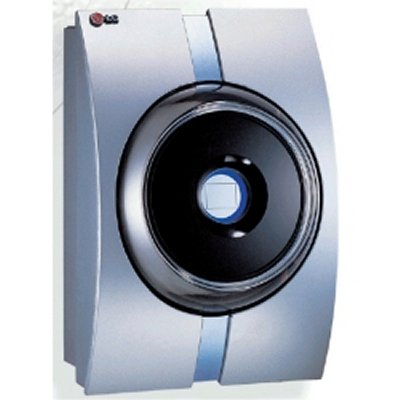
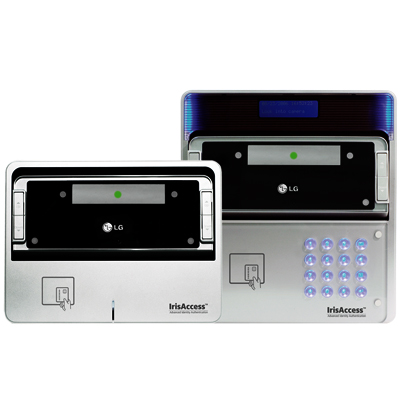
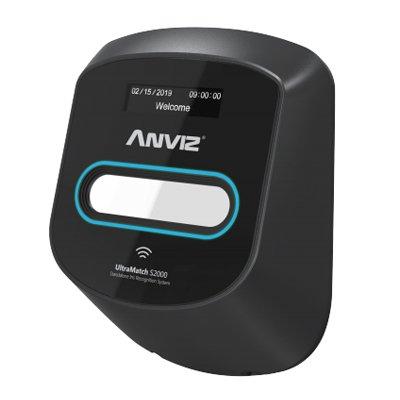

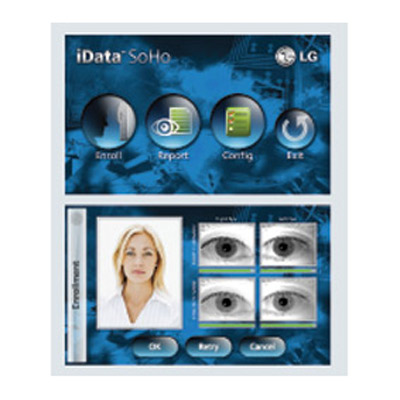


Technology's role in securing banks and financial institutions
Download
Security technologies promote real-time awareness in K-12 schools
Download
Integrated systems enable critical and compliant security for transportation
Download
Modernising physical access control
Download
Access. Intrusion. One estate.
Download