Which vertical markets have the greatest growth potential for security?
11 Dec 2025
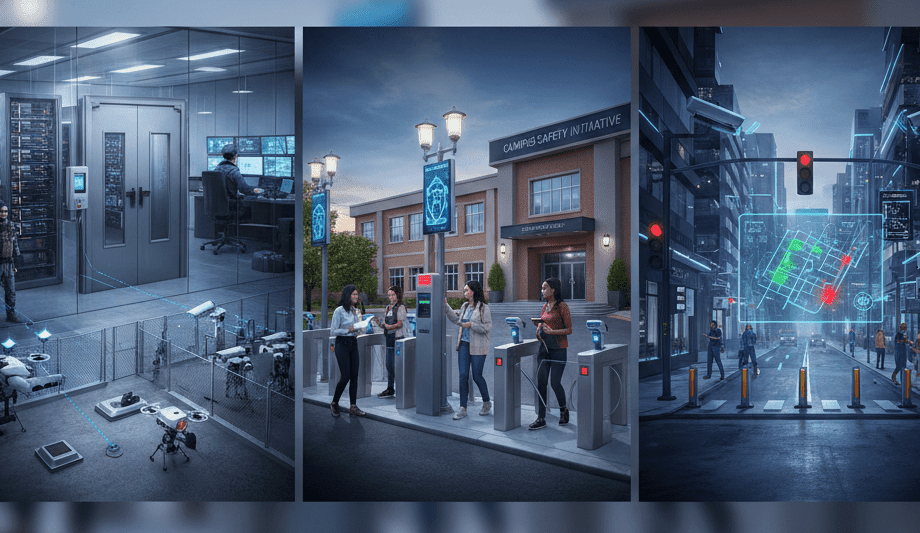
- Security systems must be tailored to each sector's unique risks and asset requirements.
- Physical security growth potential is sector-specific and requires industry-specific integration strategies.
- Expert Panel explores vertical markets with highest growth potential for security systems.
Editor Introduction
To serve various vertical markets and industries effectively, security professionals must recognise that each sector has unique assets, risks, compliance requirements, and operational needs. Instead of offering a one-size-fits-all solution, security system providers must tailor their products, services, and integration strategies to address the distinct requirements of vertical markets. We asked our Expert Panel Roundtable: Which vertical markets have the greatest growth potential for physical security systems?


Public Investment Drives Security Innovation in K-12 and Infrastructure
K-12 education, cities, large venues, and critical infrastructure sectors such as utilities and data centres show the strongest growth potential right now. These markets face rising threats, increasing public scrutiny, and greater requirements for real-time coordination. At the same time, many of these organisations are still running systems that are long past their technology lifecycle, so modernisation is no longer optional. Public funding is also playing a major role. Grants for school safety, infrastructure, and emergency management are accelerating upgrades that would have been delayed in previous years. What these customers want is not just more cameras. They want integrated systems that improve situational awareness, improve response times, and support data-driven decision-making without overloading their hardworking teams. As AI and edge processing continue to evolve, sectors with aging infrastructure and high operational risk will see the fastest adoption as they move toward smarter, open, and more connected security systems.

Critical Sectors Modernise with Integrated Security Solutions
Many verticals are showing growth potential in 2026, but their priorities vary. Higher education and data centres, for example, are investing in controlling access and exploring how they deepen their use of cardholder data they are collecting. Public safety and K-12 organisations are more likely to build out the ecosystem of devices connected to their video systems to respond to threats more effectively. Each market segment is exploring new ways to enhance security and streamline operations. Across the board, organisations prefer open architecture systems that can scale and evolve with their needs. Flexibility in deployment is also a major factor. Many who once relied solely on on-premises infrastructure are now embracing cloud options, but they want to make that move on their own timeline. A mix of on-premises and cloud technologies allows them to modernise at their own pace and determine where each part of the system runs most effectively.

AI and Edge Drive Growth in Security for Key Sectors
Healthcare, transportation, and utilities continue to show enormous growth potential because their challenges — compliance, uptime, and safety — are only becoming more complex. At BCD, we believe the real opportunity lies in vertical-specific solutions that are scalable and adaptable, enabling security to evolve alongside the market it protects.

Education and Infrastructure Sectors Lead Security System Upgrades
Public safety, K-12 education, and healthcare continue to represent the strongest and most resilient growth segments for physical security systems. These are ever-expanding, mission-critical environments where technology is expected to do more, delivering not only awareness and safety but also operational intelligence and efficiency. Cities and law enforcement agencies are accelerating the adoption of unified, intelligent video solutions that connect data responsibly across departments. Schools are modernising with hybrid and cloud-enabled platforms that make campuses safer while simplifying oversight across districts. Healthcare networks are extending physical security beyond doors and cameras by integrating analytics that protect patients, staff, and assets while maintaining compliance with privacy and safety standards. Across all three sectors, organisations are embracing open platform, AI-driven video technology as a practical path toward smarter, more connected, and more responsible security.

Infrastructure Modernisation Spurs Security Growth Across Key Sectors
I think IoT physical security systems will give security a lot of growth opportunities (especially in healthcare and critical infrastructure sectors). Healthcare facilities are adopting interconnected access control and patient monitoring that integrate with existing IT infrastructure. Critical infrastructure (like transportation hubs, energy grids, etc.) face increasing regulatory pressure to implement comprehensive security ecosystems. The convergence of 5G networks, edge computing, and affordable sensor technology is making sophisticated IoT security deployments economically viable for mid-sized organisations. However, this growth comes with significant cybersecurity challenges, as each connected device expands the attack surface (significantly). In fact, according to the recent “The Impact of Technology in 2026” IEEE global survey, 47% of respondents expect real-time cybersecurity vulnerability identification and attack prevention as a top use case for AI in 2026. Consequently, organisations must have zero trust architectures, network segmentation, encryption, and constant monitoring to protect these systems.

Educational and Urban Sectors Demand Integrated Security Modernisation
Retail, restaurant, and car wash operators represent some of the fastest-growing verticals for physical security solutions. These environments face rising incidents of theft, vandalism, loitering, and after-hours break-ins, while also managing high employee turnover and increasing pressure to create safer experiences for both customers and staff. What’s driving investment today is the shift from reactive alarms to proactive security. AI-enabled cameras paired with live, human monitoring allow threats to be detected and deterred before they escalate. This not only reduces loss and operational disruptions but also lowers reliance on costly on-site guards. In retail, shrink and safety concerns remain top priorities. Restaurants are combating late-night property crime and parking-lot incidents. Car wash operators are protecting unattended sites and high-value equipment. Across all three verticals, modern, proactive video monitoring delivers measurable ROI, stronger safety outcomes, and greater peace of mind — making it one of the most impactful investments operators can make.

Modernising Security: Key Sectors Prioritise Integration and Innovation
As organisations modernise their security operations, many are prioritising greater visibility and control across connected systems. The demand for integrated solutions that centralise video, access, and incident data continues to climb as physical and digital environments converge. This shift is especially apparent in high-stakes areas, such as airports, gaming and resort facilities, retail businesses, and critical infrastructure facilities, where security has a different meaning for each team and situational awareness and rapid decision-making are essential for ensuring safety and continuity. In these markets, security systems must coordinate information from vast networks of cameras, sensors, and communication tools to support complex, distributed operations. Centralised and interoperable platforms give teams a clearer operational picture, helping them respond to threats quickly and maintain compliance in regulated settings. As more organisations seek to unify data across locations and systems, the greatest growth potential lies in industries that depend on precision, accountability, and real-time intelligence to protect people and essential assets.

Transportation Industry Growth Increases Need for Security Measures
The transportation industry continues to manage large, fast-paced crowds year-round, with major surges during holiday seasons. In recent years, air travel has reached record-breaking levels, which emphasises the industry's growth and increased need for physical security measures. With traveller volumes climbing, the safety of passengers, staff, and property has never been more crucial – positioning the transportation market for significant expansion in security investment and innovation. The airports and transportation hubs that will be best equipped to handle immense amounts of travellers are those that prioritise updating their security technology to detect threats in real time and respond more effectively to potential incidents. With large crowds moving through various checkpoints as they travel, there is a growing need for integrated, intelligent platforms that unify video technology and access control to identify suspicious activity before it escalates, creating safer transportation processes across the market.

Emerging Security Needs Catalyse Growth in Vulnerable Sectors
I believe the critical infrastructure (CI) sectors will continue to have great growth potential. Critical infrastructure, including energy utilities, data centres, transportation hubs, and water systems, is undergoing accelerated modernisation as IT and OT converge. Complex cyber-physical ecosystems require advanced physical security platforms, especially physical identity and access management, integrated access control, and continuous monitoring. With increasing regulatory pressure and national security mandates, CI represents a sustained, high-value growth market. Simultaneously, the residential market is also poised for high growth. The proliferation of smart home technology, coupled with increasing consumer demand for accessible video surveillance (e.g., video doorbells, networked cameras) and integrated smart access control, is fuelling expansion. The cloud-based, do-it-yourself, and subscription-based monitoring service is making advanced security more affordable and scalable for homeowners and small to medium-sized enterprises.
Editor Summary
The physical security industry’s greatest growth potential lies in vertical markets such as K-12 education, healthcare, critical infrastructure (data centres, utilities), and transportation. These sectors require tailored, integrated, and AI-driven solutions to manage rising threats, to meet regulatory compliance, and to modernise aging systems. The shift is toward open architecture, cloud-enabled platforms that provide proactive safety, real-time awareness, and operational efficiency.
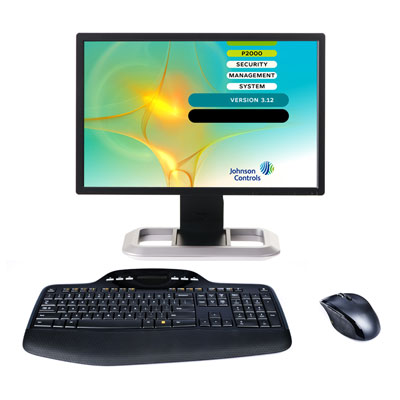
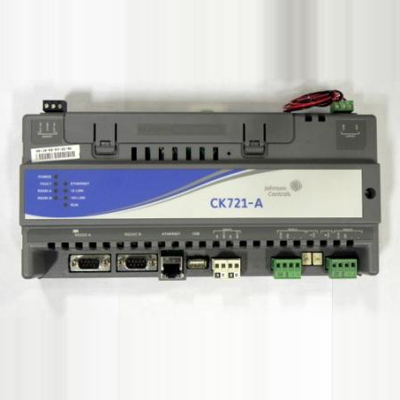
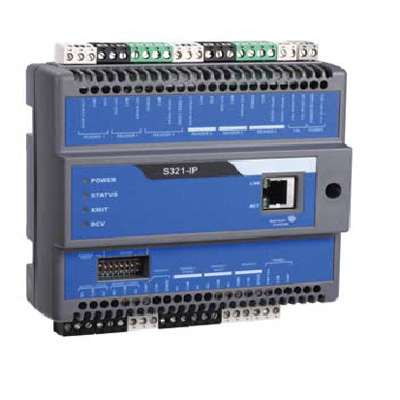
Johnson Controls, Inc. products


Johnson Controls, Inc. news
Johnson Controls, a global pioneer in thermal management, mission-critical building systems, energy efficiency and decarbonisation, announces new AI capabilities in its OpenBlue digital ecosystem to help building owners reduce energy use, automate building operations and cut operating costs. The expanded platform includes: Energy & Comfort Intelligence, an AI-enabled capability that helps optimise how air flows through buildings; an agentic AI assistant; and a new AI-native architecture whe...

Johnson Controls, a global pioneer in thermal management, mission-critical building systems, energy efficiency and decarbonisation, introduces Metasys 16.0, the latest version of its flagship building automation system with new capabilities designed to help customers reduce downtime risk, strengthen cybersecurity and bring systems online faster across complex environments at a time when building performance is becoming essential to business outcomes. “The environments our customers operat...

The security landscape is undergoing a profound transformation, as evidenced by the innovations showcased at the ISC West Expo 2026. From dismantling of silos between physical and digital security to the ongoing transition to cloud and hybrid platforms, much of the discussion on the show floor was familiar, if somehow more urgent than ever. Clearly the industry is moving toward unified, cloud-native, and highly automated ecosystems. In a series of deep-dive meetings and demonstrations at the re...
Johnson Controls, Inc. case studies

Keeping beachgoers, swimmers and surfers safe is all in a day’s work for the team at South Maroubra Surf Live Saving Club, and every second counts when an incident unfolds on the water. One of the most topical issues and threats to those enjoying Australia’s world-renowned beaches is sharks, so for the surf club it made sense to look to smart, new technology to keep those who enjoy the sand and surf safe. Security technology to lifesavers "Since the club wa...

SwiftConnect, a pioneering provider of connected access enablement, is powering easy, secure, and private access using an iPhone and Apple Watch with the Johnson Controls Software House C•CURE 9000 access control system. The SwiftConnect AccessCloud platform integration with the Software House C•CURE 9000 access control system makes it possible for Software House C•CURE 9000 customers to take advantage of the employee badge in Apple Wallet for physical access. Deployments of emp...

It may sound like a small change, but installing security cameras on a property can significantly impact occupant and visitor behaviour by enabling more accountability. This is notable for environments such as K-12 schools where occupants are younger and more impulsive. Lack of visibility A public school system on the East Coast faced frequent incidents of bullying, vandalism and theft among students as well as the harassment of faculty and staff and was struggling to keep its occupants accou...
Johnson Controls, Inc. white papers

Johnson Controls, Inc. videos


Frictionless access control: 5 minutes with Rick Focke Tyco Software House

Video Surveillance Solutions: 5 Minutes with Ryan Hulse from JCI

Johnson Controls P2000 Security Management System Controls Access at RWU, Rhode Island, USA
An overview of the Johnson Controls P2000 Security Management System

Johnson Controls Company Profile

Johnson Controls Corporate Profile

Expert commentary



Johnson Controls, Inc.
507 E Michigan Street
Milwaukee, WI 53202


