Ambient.ai has unveiled significant enhancements to Ambient Access Intelligence, its advanced module for managing physical access control systems (PACS). These expansions incorporate two new features: 'Doors with Issues' and 'Doors Unsecured'.
These improvements provide users with tools to diagnose persistent infrastructure problems and monitor physically unsecured doors in real-time, offering a comprehensive view for PACS alarm management. This development marks a substantial shift in access control operations, extending its capabilities beyond efficient alarm handling into a proactive model that seeks to prevent unnecessary incidents and focus resources effectively.
Streamlining alarm responses
Traditional access control systems can inundate security personnel with overwhelming alarm signals, sometimes prompting operators either to spend excessive time addressing them or to ignore them, potentially increasing security risks. However, Ambient Access Intelligence is designed to mitigate this issue by decreasing PACS alarm volume by 95% through pre-emptive resolution of false positives. By doing so, the system ensures that operators concentrate on validated events only.
Traditional access control systems can inundate security personnel with overwhelming alarm signals
Vikesh Khanna, CTO and Co-Founder of Ambient.ai, explains, “Alarms without intelligence are just noise. Our Reasoning AI platform has already turned millions of PACS alarms into verified signals for our customers. With the addition of 'Doors with Issues' and 'Doors Unsecured', Ambient Access Intelligence is now entering its next phase: not only clearing alarms, but deciding which events deserve a response, preventing the issues that generate noise in the first place, and verifying that every door is physically secure.”
Advancements in AI-driven analysis
The Ambient Access Intelligence platform comprises three core components that work cohesively to enhance security operations:
Alarm Auto Clearing
This capability integrates real-time video with every PACS alarm via the PACS Correlation Engine to automatically resolve frequent false positives, such as exit events, interaction with door interiors, wind interference, sensor faults, or self-restoring doors. As a result, over 95% of alarms are resolved without human intervention, with only validated incidents being presented as detailed alerts.
Doors with Issues
This new feature offers security administrators an AI-driven analysis to pinpoint chronic noise sources due to infrastructure issues. It organises issues into categories like Door & Alarm Behaviour, Camera Health, and Camera-Reader Mapping, complete with identified root causes and visual evidence. This facilitates seamless communication with facilities and maintenance teams, supplanting slow manual assessments.
Doors Unsecured
Providing real-time operational insight, this feature ensures security operators can verify physical door closures by confirming door-restored PACS signals. A live video feed of unsecured doors spans all premises, aiding coordinated security measures and eliminating isolated incident responses. Typically, access-controlled doors spend around 14.5 hours unsecured weekly, a gap now visible for prompt action.
Creating a self-validating security perimeter
These capabilities collectively transition access control from a reactive model into a self-validating perimeter, enabling the efficient use of human resources on critical events. At ServiceNow, the adoption of Ambient Access Intelligence has led to the processing of over 240,000 alarms, auto-clearing 94% and realising savings of more than 15,000 labour hours and over $500,000 in avoided costs.
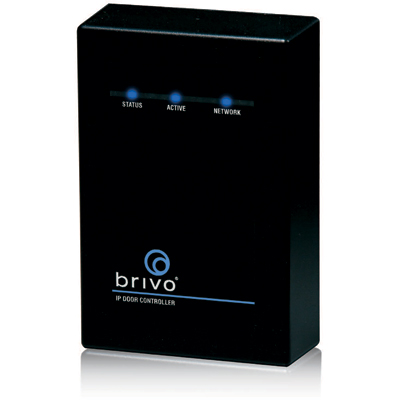
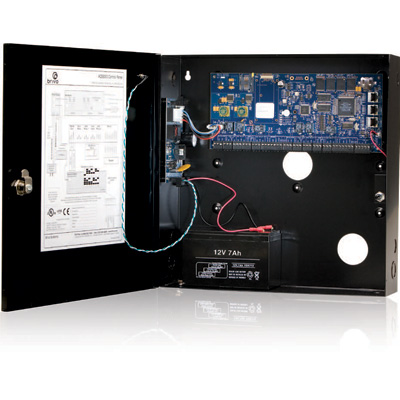
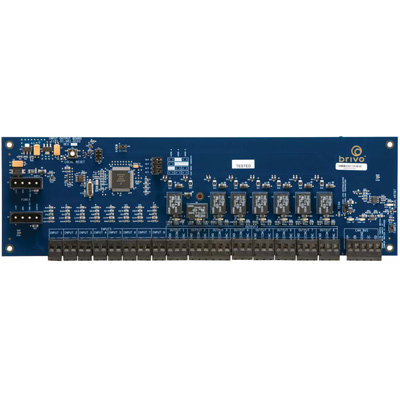
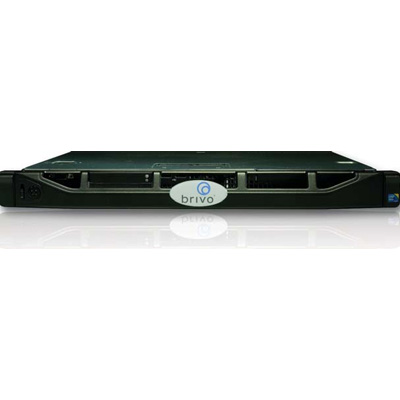
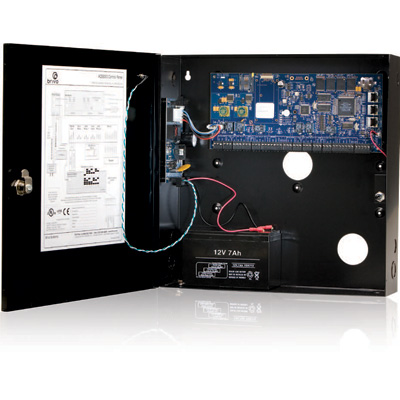
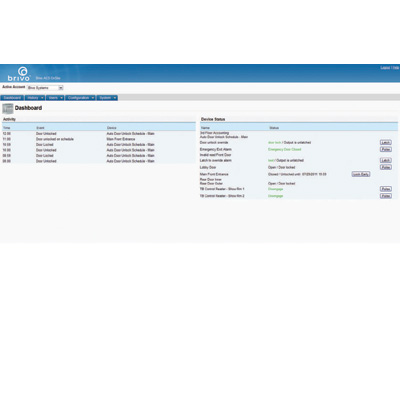
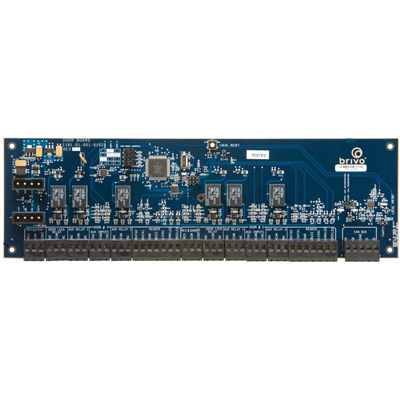
The platform integrates seamlessly with several leading PACS systems, including LenelS2, Honeywell Pro-Watch, Genetec, Milestone, Allegion, Software House C-CURE 9000, Avigilon, Brivo, Kastle, Genea, among others. Ambient Access Intelligence requires only the Ambient Foundation as its base layer, facilitating deployment on existing infrastructure without necessitating extensive replacements.
Ambient.ai, the pioneer in Agentic Physical Security, announces major new capabilities for Ambient Access Intelligence, its platform module for agentic access control operations. Building on its proven PACS Correlation Engine, the platform is now expanding with two new capabilities, Doors with Issues and Doors Unsecured.
These new capabilities allow customers to diagnose chronic infrastructure problems at the source and deliver real-time visibility into physically unsecured doors, providing a comprehensive picture for PACS alarm management. Together, these capabilities extend Ambient Access Intelligence beyond faster alarm handling into a new operating model for access control, one that eliminates the work that should not exist, prevents the events that should not happen, and focuses operator attention on what actually matters.
Resources handling alarms
Where legacy access control systems generate overwhelming noise that leads operators to either waste time and resources handling alarms or “snooze” them altogether, exposing the organisation to risk, Ambient Access Intelligence generates real, actionable signal. It reduces PACS alarm volume by 95% by resolving false positives before they ever reach operators, ensuring they stay focused on verified events.
“Alarms without intelligence are just noise,” said Vikesh Khanna, CTO and Co-Founder of Ambient.ai. “Our Reasoning AI platform has already turned millions of PACS alarms into verified signals for our customers. With the addition of Doors with Issues and Doors Unsecured, Ambient Access Intelligence is now entering its next phase: not only clearing alarms, but deciding which events deserve a response, preventing the issues that generate noise in the first place, and verifying that every door is physically secure. This is access control as an operating model, not a workflow.”
AI-driven visual analysis
Ambient Access Intelligence comprises three capabilities that work together as a unified agentic layer:
- Alarm Auto Clearing — The core capability fuses every PACS alarm with video in real time using the PACS Correlation Engine. Common false positives such as a person exiting, someone interacting with the inside of the door, wind, sensor faults, or doors that restore themselves are automatically resolved. Only verified incidents surface as contextualised alerts with GIF previews, live video, and floor plan context. Result: 95%+ of alarms are cleared without human intervention.
- Doors with Issues (new) — A diagnostic view for security administrators that applies AI-driven visual analysis to identify access points generating chronic noise due to infrastructure problems. It surfaces prioritised, categorised issues across three areas: Door & Alarm Behaviour, Camera Health, and Camera-Reader Mapping. Each diagnosis includes specific root causes and visual evidence, ready to route directly to facilities and maintenance teams, replacing slow, unreliable manual assessments.
- Doors Unsecured (new) — Real-time operational awareness for SOC operators and security managers. The capability listens for the door-restored PACS signal to confirm physical closure rather than relying on alarm state alone. It delivers a live video wall of every physically unsecured door across all sites, enabling coordinated guard sweeps instead of chasing isolated incidents. On average, access-controlled doors are physically unsecured 14.5 hours per week; this gap is now visible and actionable.
Self-validating perimeter
Together, the three capabilities mark a shift in how access control operates: from a reactive workflow that consumes operator time to a self-validating perimeter that focuses every minute of human attention on the events that actually warrant it. At ServiceNow, Ambient Access Intelligence has already processed more than 240,000 alarms, auto-clearing 94% and saving over 15,000 labour hours and $500K+ in avoided costs.
Ambient Access Intelligence integrates natively with leading PACS platforms including LenelS2, Honeywell Pro-Watch, Genetec, Milestone, Allegion, Software House C-CURE 9000, Avigilon, Brivo, Kastle, Genea, and others. It requires only Ambient Foundation as the base platform layer and deploys on existing cameras and infrastructure, requiring no rip-and-replace.