Prison security

3DX-RAY Ltd will showcase its complete portfolio of security inspection, EOD and Human Presence Detection Systems at the International Security Expo. The company’s expanding portfolio provides border, law enforcement and security agencies, correctional authorities, critical national infrastructure (CNI) operators with a comprehensive range of technologies designed to address modern security threats across borders, prisons, CNI, government facilities and transportation hubs. Detection of...

Cellebrite DI Ltd., a pioneer in AI-powered Digital Investigative and Intelligence solutions for the public and private sectors, today announced that Cellebrite Genesis is expanding to more global markets and is now generally available for enterprise organisations. The expansion builds on a successful early access program and strong momentum following Genesis' June 2026 public safety launch. Genesis has seen meaningful user growth worldwide and continues to expand internationally, with availabi...

3DX-Ray has announced the acquisition of ClanTect, a specialist developer of human presence detection technology, marking a significant expansion of the company's security technology portfolio and creating new opportunities across global security and critical infrastructure markets. The acquisition adds a highly complementary detection capability to 3DX-Ray's established range of X-ray screening and security inspection technologies. Together, the technologies provide security operators with add...

A prison is, by definition, a secure place. Those who supervise correctional facilities deal in levels of secure access – from the door on an individual cell to the door open to the facility’s external secure perimeter. According to a report featured on Security Management Online, a prison has certain probabilities for a number of security breaches, each with its own degree of consequence. Maintaining secure accesses The safety of the inmates, the facility’s staff and the su...

Building on their highly popular series of integrated high-security solutions events, the CNI Security Group has announced their next event, ‘Protecting CNI Scotland – The importance of cyber-secure solutions in critical national infrastructure’. Designed for all end users, consultants and system designers in the CNI sector, the free-to-attend event will be held at Dakota Eurocentral, Motherwell, on Wednesday 19th November, between 9:30 am and 4 pm. The event will show in...

A man has been jailed for almost three years after he used a fake Security Industry Authority (SIA) licence to work at The Royal Wolverhampton NHS Trust and commit theft. £1425 cash theft Daniel Carter, who has a criminal history of fraud and deception, used his position as a security supervisor to steal £1425 cash from the hospital. The SIA worked closely with Leicestershire Police to investigate Carter, who had never held an SIA licence, despite being employed as a security supe...
News

Finland’s correctional sites have been secured for 30 years by thousands of access control readers – all made by Idesco. In an ongoing practice over the years, older reader versions have been replaced by new ones during renovations, such that all the newest prisons now use the latest encryption technologies. Idesco readers Correctional sites are a very special, highly demarcated access control environment. That is because, at every moment, the movement of personnel and prisoners must be monitored to preserve security and safety. Therefore, cell doors as well as entrances to common spaces employ readers controlling access. Furthermore, access privileges are personalised to ensure their access only to those areas for which they are authorised. Such meticulous detailing of access is what ensures safety for both inmates and prison staff. Additionally, since hosting systems can retain access histories, Idesco readers fill a vital role enabling Finnish correctional sites to audit access histories whenever needed. Idesco readers’ most valued features Idesco readers don’t even need vandal cover protection since their robust construction One could imagine the prisons’ readers sustain ongoing physical attacks against them, but Idesco readers have remained intact and functioning whenever that occurred. Idesco readers don’t even need vandal cover protection since their robust construction withstands occasional kicking or striking, which specialist Ari Pakarinen confirms is rare. That’s why Ari Pakarinen and fellow specialist Juha Mäki-Tikkala, from Finland’s Prison and Probation Service, feel reliability and long-life span are Idesco readers’ most valued features. They note that the less they must call to repair readers, the lower their costs will be, and the fewer outsiders will need to visit the prison for repairs. Indeed, Ari Pakarinen knows of correction sites in which the same Idesco readers have been constantly serving for as long as 25 years. Idesco’s solid product support “Idesco readers are very reliable. There are no faults in them,” says Ari Pakarinen. End-users are very familiar with Idesco readers and they are readily available from several suppliers, who are equally familiar with them. “They’re not just common in Finland but elsewhere, too,” notes Ari Pakarinen. “We appreciate Idesco’s solid product support as well; they keep customers very well-informed about their products and use,” he adds. Cost-effectiveness, long life span and reliability have kept Finland’s Prison and Probation Service and thousands of their users satisfied with Idesco readers for 30 years. “From the beginning, Idesco has been a reliable product supplier to us,” Ari and Juha agree. “The quality-price ratio has been excellent.”

Xandar Kardian, a Toronto-based industry pioneer in developing radar signal processing technology for presence detection and vital sign monitoring, has formally announced an integrated partnership with The Lava Group, a Belfast-based pioneering provider of innovative safer custody and connected health technology. Continuing Xandar Kardian’s successful, international expansion into correctional facilities in global markets ranging from Hong Kong to the United States to Australia, the partnership with The Lava Group will primarily focus on forging new pilot programmes and deployments for Xandar Kardian’s technology in correctional and law enforcement settings throughout the United Kingdom and Ireland. Partnership scope Integrating vital sign monitoring and movement detection technology into the Tephra product suite The Lava Group and Xandar Kardian unite through a shared vision of embracing technology that makes a difference. While the partnership scope between the two companies will be multifaceted, the immediate focus will be on integrating Xandar Kardian’s existing vital sign monitoring and movement detection technology into The Lava Group’s Tephra product suite for the corrections sector in the United Kingdom and Ireland. Upgrading inmate monitoring and healthcare The corrections industry in these regions is facing multiple challenges, including resource and retention problems, addiction issues, and addressing the psychological health needs of inmates. This makes the market an ideal match for upgrades to its inmate monitoring and healthcare technology through the help of Xandar Kardian. Xandar Kardian’s sensors As the alliance matures, Xandar Kardian and The Lava Group intend to optimise presence detection The Lava Group has already generated significant interest in Xandar Kardian’s sensors with several pilot programmes scheduled to begin in correctional facilities in the coming months. As the alliance matures, Xandar Kardian and The Lava Group also intend to explore co-developing products that can further improve and optimise presence detection and inmate healthcare monitoring for correctional settings. Predictive and proactive transformative technology “Our partnership embodies a pivotal opportunity for correctional institutions and detention facilities that are in desperate need of difference-making innovation,” said Gareth Morrison, CEO of The Lava Group. “In the wake of shrinking staffs, budgetary cuts, and overcrowded inmate populations, we believe the key to alleviating the pressures of security management is transformative technology that can be predictive, proactive, and optimise all aspects of staff-inmate interaction." Autonomous monitoring Around 40% of inmate deaths are the result of cardiovascular or respiratory illness, overdose, detox, or suicide "With autonomous monitoring from Xandar Kardian’s sensors, facilities can make preemptive or immediate interventions when a mental or physical healthcare emergency arises, and can also free up staff time and resources for more meaningful tasks.” Every year, thousands of inmates die while incarcerated. Around 40% of these deaths are the result of cardiovascular or respiratory illness, overdose, detox, or suicide. Prisoner deaths In the UK, a prisoner dies by suicide every four days, and by cardiovascular illness or drug-related overdose every six days. In addition to being tragic, these instances are costly endeavours, with the average suicide in a UK prison costing £2.4m. These challenges are urgent and pervasive, but they’re not inevitable. Radar-based vital signs The company’s autonomous, radar-based vital signs monitoring can obtain highly accurate vital sign measurements Xandar Kardian has been credited with helping to prevent dozens of opioid-related overdoses and medically-related deaths in the jails where it is presently deployed, including publicly documented “saves” in both Hong Kong and the United States. The company’s autonomous, radar-based vital signs monitoring can help protect inmates’ safety by obtaining highly accurate vital sign measurements while prioritising privacy, security, and staff well-being. Privacy-secure health-monitoring solution Importantly, the Xandar Kardian sensors require no wearables on the inmate, no video or audio recordings, and no battery to change providing a completely autonomous, continuous, and privacy-secure health-monitoring solution. “At Xandar Kardian, we are passionate about transforming the corrections landscape by empowering decision makers to embrace technology that can dramatically improve the safety of staff and the quality of care for inmates,” said Sam Yang, Co-founder and Managing Director ofXandar Kardian. GDPR-compliant technology “We are delighted to continue achieving this through our partnership with TheLava Group, a company with a sterling multi-decade reputation for making the jail and prison system a safer, healthier place for all." "Our radar-based technology provides critical health data while being GDPR-compliant, and we know that more people having access to it means more lives saved.” Contact-free, minimal risk Safety for jail employees and corrections staff is paramount. Xandar Kardian’s sensors keep guards and staff safe because they are completely contact-free - no wearables, no camera, no microphones, or staff intervention required, meaning no direct interactions with inmates that can be physically threatening. Once deployed, Xandar Kardian’s sensors are linked to a secure local network that provides a “paper trail” of data for each inmate, minimising organisational risk and serving as an extremely useful resource should additional medical intervention be required from hospital providers.

ODSecurity will be showing their total contraband detection capability including the Sotor RS full body scanner, THEIA automatic threat recognition software, and Central Database, at the International Corrections and Prisons Association 2023 - ICPA 2023, in Antwerp, Belgium, from the 22-27 October 2023. Sotor RS full-body scanner The Sotor RS full-body scanner, combines ultra-low radiation with maximum visibility, making it extraordinarily safe and efficient. The Sotor can literally find anything that is either concealed inside or concealed on a person. Detection in 10 seconds It can detect anything within just 10 seconds, even non-metallic objects hidden under clothes, in natural cavities, or within the human body. Previously these non-detectable items such as narcotics, explosives, precious stones, plastic weapons, or other contraband, could only be detected by using highly intrusive total body searches. THEIA It has been trained on large collections of “negative” body scan images, i.e., images that are free THEIA uses complex Artificial Intelligence (AI) Software, to automatically highlight and identify anomalies in scan images. THEIA is driven by machine learning algorithms. It has been trained on large collections of “negative” body scan images, i.e., images that are free of any contraband. Improves safety These scans have taught THEIA what a negative scan should look like, and it has learned therefore to recognise anything that should not be part of a full body scan and highlight the anomaly to the operator. The symbiotic relationship between the operators and THEIA reduces operator error and improves overall safety within our prisons and custodial estates. Central Database It allows staff in different locations to see the images taken in one establishment and compare them to another After the Soter and THEIA have made a scan, the Central Database captures all the person's data, (be that an inmate, visitor, lawyer, or staff themselves), it will synchronise with previous data from previous scans, including those from other linked units, or establishments. This information is then accessible from all facilities that have a Soter RS Body Scanner in operation, in different locations, allowing data records to be shared from facility to facility. It allows staff in different locations to see the images taken in one establishment and compare them to another taken in a different location in a different time period. Demonstrating OD system capability Joost Deutekom said, “The OD team is looking forward to demonstrating the total capability of the full OD system at ICPA." Joost Deutekom adds, "We believe that our package ensures that the duty of care to any person in a custodial setting is secured by making sure that their environment is safe from any smuggled contraband. The Soter RS Full Body Scanner, THEIA, and Central Database fulfill that role by sharing knowledge.”

From 10 to 13 October, the global airport community will gather for the 24th edition of inter airport Europe at the Munich Trade Fair Centre in Germany. The event returns with an impressive line-up of well over 400 airport suppliers from 37 countries, including seven national pavilions and more than 100 new exhibitors. Live exhibits Visitors can look forward to plenty of live exhibits in the halls and Outdoor Area and a new 600 square metre GSE Experience Area. An exciting event programme including Technical Seminars, Innovation Awards, and the co-located inter airport FOCUS, The Sustainability Summit provides interesting opportunities to further engage with new technologies and suppliers, all dedicated to improving airport performance while delivering a return on investment. New economic importance inter airport Europe has developed into the most senior gathering of global airport operators, airlines, CAAs, service suppliers The Munich Trade Fair Centre will once again turn into the world’s biggest hub for exploring and sourcing new technology, equipment, and services for better airports. Over nearly 50 years, inter airport Europe has developed into the most senior gathering of global airport operators, airlines, CAAs, service suppliers, investors, and other experts in this sector. The upcoming event marks another milestone for the airport industry which is currently rising to new economic importance with a multitude of opportunities and challenges. Airport professionals Airport professionals from more than 100 countries have already registered as visitors, including key representatives from AENA, Air France, Deutsche Lufthansa, Fraport AG, Heathrow Airport, İGA Istanbul Airport, Oman Airports, Shell Aviation, WISAG, and many more. Over four exhibition days, they can explore an excellent cross-section of technologies and services for the entire airport supply chain, including airside operations, terminal management, passenger services, baggage handling, safety and security, airport IT, air traffic control, airport maintenance, and environmental management. Insights into technology innovations Networking and knowledge platform on how to develop, embed, and integrate sustainability strategies An impressive programme of accompanying events offers additional insights into technology innovations about wider market trends. These include Technical Seminars, Innovation Insight Sessions, the prestigious Innovation Awards, and the co-located inter airport FOCUS Sustainability Summit, a two-day, high-profile networking and knowledge platform on how to develop, embed, and integrate sustainability strategies into every aspect of airport life. Roadmap to airport operations “Co-locating exhibition and summit is an exciting opportunity for us to provide more value to the global airport community. Both events naturally complement each other, providing attendees with a great roadmap to future-proof their airport operations,” says Olaf Freier, Portfolio Director Transport of inter airport Europe, on behalf of show organiser RX. “The co-location offers new and encouraging perspectives that will help pave the way for innovation, resilience, and sustainability at future airports.” inter airport Europe at a glance: Indoor and outdoor stands with live equipment Over 30% of exhibitors are newcomers on the inter airport show floor, forming an impressive line-up A large show floor in halls B5, and B6, and the adjacent outdoor area invite visitors to discover more than 400 suppliers who deliver advanced airport equipment, technology, and services across the globe. The top five exhibitor countries are Germany, Italy, the United Kingdom, France, and the Netherlands, with 37 countries represented in total. Over 30% of exhibitors are newcomers on the inter airport show floor, forming an impressive line-up of well-known international brands alongside promising startups and scaleups. A new 600 square metre GSE Experience Area, sponsored by Weihai Guangtai Airport Equipment, will offer visitors the opportunity to see the latest equipment for aprons and runways live and in action. National Pavilions and First-time Exhibitors Several National Pavilions will feature this year – Italy, France, the UK, the Netherlands, Finland, and newcomer Spain, all showcasing some of their countries’ finest tech companies and products. Long-term show partner GATE (The Airport Technology Network) will be hosting a number of its members at their dedicated GATE Pavilion again. In addition, there will be two First-time Exhibitor pavilions specifically dedicated to companies new to inter airport Europe. Opening and Innovations Awards Ceremony The spotlight on best practices, technologies, and partnerships that drive innovation and excellence The inter airport Europe Innovation Awards celebrate the achievements of the many inventors and technical pioneers within the exhibitor community, putting the spotlight on best practices, technologies, and partnerships that drive innovation and excellence for better airports. The winners will be announced at the Opening and Innovation Awards Ceremony on Tuesday, 10th October, 11:00 - 12:00, at the Seminar Theatre in Hall B5. Welcoming presentations include speeches from Nicola Hamann, Managing Director at RX, Kay Bärenfänger, President at GATE Alliance, and Jost Lammers, CEO at Munich Airport. Seminar Programme: Three days of expert talks The free-to-attend inter airport Europe Seminar features a selection of technical talks on pioneering solutions and approaches to pressing airport issues, including the Innovation Insight Sessions featuring participants of the Innovation Awards. The 15-to-30-minute sessions will touch on key aspects of the passenger experience and passenger journey, baggage handling, security systems, as well as ramp and terminal management. The technical seminars will run between 10 - 12 October at the Seminar Theatre in Hall B5, stand B5-1580. Visit the show website for the full seminar agenda. inter airport FOCUS – The Sustainability Summit The Sustainability Summit offers two days of top-tier education, networking, and collaboration opportunities The co-located inter airport FOCUS – The Sustainability Summit offers two days of top-tier education, networking, and collaboration opportunities for aviation stakeholders looking to develop, discuss, or initiate sustainability measures required to reach their net zero commitments, including sustainable airport operations, net-zero infrastructure, and new mobility concepts. inter airport FOCUS takes place on 11 and 12 October at the Press Centre East Entrance (Rooms 1A, 1B, 2). The Summit tickets can be purchased online or on-site and also include free entry to the inter airport Europe exhibition and seminars. For the full summit programme, please visit inter airport FOCUS. Visitor tools, Matchmaking Visitors are invited to use the Exhibitor List Tool and Online Show Preview to search for products and companies that are of particular interest to them. Once registered, visitors have access to the inter airport Europe Matchmaking Platform, allowing them to send or receive meeting invitations based on their business requirements. Meetings can be arranged at the exhibitor’s stand or in the dedicated meeting lounge in Hall B6, stand B6-590. Hosted Buyer Programme The Hosted Buyer Programme offers a tailored networking experience with industry pioneers The Hosted Buyer Programme offers a tailored networking experience with industry pioneers from airfield construction, ground handling, ground support equipment, interior design, hardware and software solutions, terminal infrastructure, and operations in the 2023 group. It focuses on growing markets and emerging regions, with buyers from UAE, India, Kenya, South Africa, Saudi Arabia, and Ghana, and it is an excellent opportunity to open up new markets for exhibitors. Venue, tickets, and opening times inter airport Europe 2023, the 24th International Exhibition for Airport Equipment, Technology, Design, and Services, takes place in halls B5, B6, and the adjacent outdoor area at the Munich Trade Fair Centre in Germany. Access to the exhibition halls is via Entrance East. Please visit the Online Travel Hub for further information on transport, accommodation, and visa. Show opening hours are from 9:00 AM to 5:00 PM on Tuesday, Wednesday, and Thursday (10 to 12 October), and from 9:00 AM to 3:00 PM on Friday (13 October). Visitors can register via the Online Ticket Shop and benefit from a reduced price when purchasing their ticket in advance. Day tickets cost €42 online or €52 on-site; season tickets cost €62 online or €72 on-site.

ISS (Intelligent Security Systems), a global provider of video intelligence and data awareness solutions, announced that industry veterans Dennis Connor and Jason Lloyd have joined the company as its new Director of Program Management NA and Regional Business Manager for the Midwest respectively. Dennis Connor's responsibilities Connor, who most recently served as Program/Project Manager for CX (customer experience) Initiatives at ADT, will spearhead the development of new end-user and partner deployment methodologies for ISS. He will simultaneously work with the company’s sales, engineering, manufacturing, and R&D teams to create and foster other customer engagement programmes. Work experience Connor has an extensive background in similar initiatives throughout his time in the security industry, beginning in the early 2000s as Program Manager, Returns and Repairs Operations, at Tyco International. He would go on to work at the company in various leadership positions for the next 14 years, overseeing its transition from a Bermuda-domiciled organisation with a U.S. headquarters in New Jersey to being a Swiss-based company. AI-powered video analytics ISS is in a tremendous position to take advantage of the third wave of video surveillance innovation" “As the preeminent developer of AI-powered video analytics globally, ISS is in a tremendous position to take advantage of the third wave of video surveillance innovation the industry currently finds itself in,” said Connor. “I have a lot of operational experience to bring to the table and ISS, in a sense, represents just a larger version of what I have gone through in the past establishing programme management initiatives at other firms.” Jason Lloyd's responsibilities Lloyd, who most recently served as Regional Sales Manager at Vicon, will be responsible for driving the sales and business development efforts for ISS across the Midwest. Prior to Vicon, Lloyd headed up a low-voltage division at ADT for just over a decade. High-trust video intelligence solutions My goal is to exceed customer expectations and demonstrate how they can leverage our neural network technology" “Being laser-focused on customer service and providing high-trust video intelligence solutions that are solving actual security and business challenges today was one of the factors that most appealed to me about ISS,” said Lloyd. “My goal is to exceed customer expectations and demonstrate how they can leverage our industry-pioneering neural network technology to keep their businesses safe.” Matt comments “ISS is experiencing incredible growth, not only in North America, but globally, and bringing in experienced team members will be critical to our continued growth,” explained Matt Powell, Managing Director for North America at ISS. “With Jason, we gain a well-respected face, and voice of our partners, in the Midwest. And in Dennis, we gain an experienced program manager who will ensure that we speak the language of success to our integration partners and customers alike." Integration in the value chain The experience of both Jason and Dennis shows that we are dedicated to a new approach to the North American market" "Solution creators must strive to do a better job of speaking ‘integration’ to our integrators, pulling them into the value chain instead of pushing them out." "That begins with the relationships we build and our value propositions to our partners and customers. The experience of both Jason and Dennis show that we are dedicated to a new approach to the North American market and continued growth of ISS.” Education Connor, who has a degree in industrial engineering from Virginia Polytechnic Institute and State University and is also Six Sigma/Lean DMAIC Master Black Belt and Scrum Master certified, resides in Orlando. Lloyd, PSP, PMP, who is based in Chicago and holds Lenel Master and Genetec certifications.

The Security Industry Association (SIA) has launched a new learning management system (LMS) – SIAcademy as part of its efforts to advance industry professionalism through premier education and training. SIAcademy SIAcademy is a living library of on-demand training and professional development programmes designed to enhance security professionals’ industry knowledge, technical skills, and overall job performance. The new LMS offers a modern, simple, and centralised place to access role-based training, certification prep materials, and other relevant educational content anytime, anywhere, and on any device. Dynamic learning tools It offers immense growth opportunities for those who prioritise their professional development" “The launch of the SIAcademy learning management system and course catalogue is a milestone within SIA and for the security industry,” said Dr. Elli Reges, SIA’s director of learning and development. “This robust new platform offers dynamic learning tools to help learners and employers harness and unleash individual performance potential through customisable learning pathways and strategic investments in human capital, and it offers immense growth opportunity for those who prioritise their professional development.” Features of the LMS SIAcademy, powered by the cloud, delivers on-demand e-learning offerings and live online courses. Features of the new system include: Easy accessibility and a mobile-friendly interface. Interactive engagement tools and gamification. Continuing education credits. When accessing SIAcademy, members can find content such as: SIA’s Security Project Management (SPM) training. SIA’s Security Cornerstones series is designed for new employee onboarding. A microlearning series created to propel young professionals’ knowledge and growth. A training course on the federal grants life cycle and security-related grant programmes. On-demand SIAcademy LIVE! courses on video security, access control, sales, and more. Materials and guidelines to help members prepare for the Security Industry Cybersecurity Certification (SICC) exam. Key learning objections SIA member companies will be able to create their customisable microsites “I think learners will be very pleased with the new capabilities of SIAcademy! It allows us to facilitate more engagement through discussion boards and other features and reinforce key learning objectives with interactive gamification tools,” said DeAndre Thornton, SIA’s manager of learning and development. Through SIAcademy’s microsite capability, which SIA plans to make available shortly, SIA member companies will be able to create their customisable microsites, on which they can build their own content and licence content from SIA’s LMS to develop learning plans for their teams, partners and/or clients. SST Apprenticeship programme SIA’s new Security Systems Technician (SST) Apprenticeship programme, using the SIAcademy microsite capability, will provide participating employers with access to more than 100 hours of curated e-learning content. SIA members are invited to contribute educational course content that is product-agnostic and vendor-neutral to support apprentice knowledge and skill development in designated competency areas.

Expert commentary
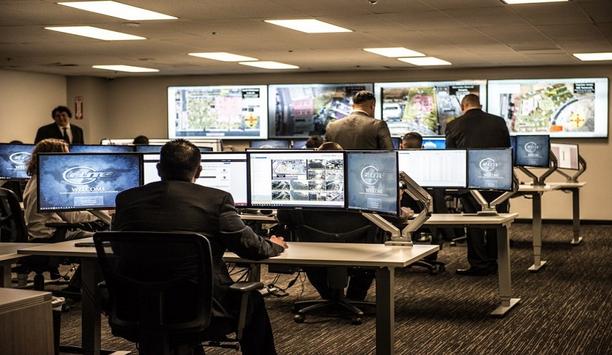
The average business owner or investor has some kind of security precaution in place, especially in the after-hours when there are fewer deterrents to inhibit criminal activity. Security guards, video surveillance systems, motion sensor lights, or even just fake cameras placed around the property are some of the common options people choose. Future of overnight security Smart business owners are starting to realise, however, that some of these traditional security measures are becoming antiquated and no longer cutting. The now and future of overnight security is in remote guarding. Pioneered by companies like Los Angeles-based Elite Interactive Solutions, which was founded back in 2007, remote guarding is revolutionising the overnight security business. Minimising criminal activity Remote guarding is fast becoming the most popular choice among commercial end-user property owners Remote guarding utilises a combination of cutting-edge technology, “digital guards,” highly trained security agents, and local law enforcement if and when necessary to minimise the potential of criminal activity. For those adequately enlightened to its overwhelmingly impressive crime prevention capabilities, remote guarding is fast becoming the most popular choice among commercial end-user property owners to secure and protect their investments. What Is remote guarding? Remote guarding is a revolutionary concept and increasing trend in security systems that utilises a combination of methods to effectively analyse potential threats to property. Cameras and/or other monitoring devices running highly advanced algorithmic software are installed in strategic areas or vulnerable places onsite and remotely located security agents are immediately notified of any activity within a designated perimeter of the property. A blend of AI, cybersecurity, and video analytics When properly deployed by an expert provider, the technology stack includes a proprietary blend of video analytics, artificial intelligence, cybersecurity, and more. Done right, “noise” is effectively filtered out, allowing agents to act on legitimate alerts and achieve zero false alarms communicated to first responders. Today, there are a lot of terms and descriptions tossed around about remote guarding, remote video, virtual guarding, etc., but those attributes must be present to represent the true definition of the offering and its many virtues. Realtime situational awareness Many systems have a two-way speaker that allows the security agent to give a verbal warning When specially trained security agents are alerted to trespassers, possible intruders, or other suspicious activity, they analyse the situation in real-time and determine the necessary level of action. Many systems have a two-way speaker that allows the security agent to give a verbal warning, known as a voice-down, to the individual(s) that they are being watched. Most perpetrators, often believing the response is emanating directly from security personnel on the property itself rather than from a remote command centre, flee immediately. However, if the threat persists, the security agent enlists local law enforcement to get on the scene. Customised remote guarding When properly deployed, remote guarding systems are also customised to specific properties. A team of consultants visits the client’s property to evaluate its vulnerabilities and where to best place cameras and/or other monitoring devices for system efficacy. Traditional security shortfalls According to Keith Bushey, a retired commander for the Los Angeles Police Department, there is much frustration between law enforcement officers and potential victims of crime due to the historically unreliable performance of traditional burglar alarm systems and central monitoring stations. He states about 90% of security-related calls are false alarms, a problem that has been well-documented through the years. Onsite challenges When a legitimate emergency does occur, the perpetrators have often already done their damage When a legitimate emergency does occur, the perpetrators have often already done their damage and/or escaped by the time law enforcement arrives. Onsite security guards are not the remedy either as they bring their own set of issues and challenges. Unexpected costs Traditional security systems can also have unexpected costs. The cost is not only in the security guards’ paycheck or the cost of the equipment itself. The cost comes when an actual incident occurs. In worst-case scenarios, the security guard(s) are injured, the business suffers inventory loss, and/or damage is sustained to the property. The medical and other costs for the security guard(s), the loss of inventory, property damage, deployment of law enforcement resources, and possible fallout of legal expenses all add up. Even in the best-case scenario, false alarm expenses incur if law enforcement is dispatched. These, among many others, are some of the primary issues that remote guarding resoundingly answers as a superior alternative. A bounty of benefits Remote guarding systems have been proven to cut costs and be more effective than traditional security systems. Even though the monthly monitoring costs of remote guarding are significantly higher than traditional intrusion detection system monitoring, the much higher effectiveness in crime reduction, elimination of false alarms, and augmenting or replacement of manned guards result in a substantially higher return on investment (ROI) to the end user. Easy tracking of threats The security cameras already have their image captured on record, making them easier to track down For example, case studies have demonstrated reduced security costs for clients by 60%, on average. These reductions have come from the costs of security staff, inventory, or property loss, plus saving money on insurance premiums and deductibles. The nature of remote guarding reduces the risk and costs of false alarms, with professional security agents able to determine an actual threat before law enforcement is called. In a rare instance when a perpetrator escapes before law enforcement arrives or can detain the individual(s), the security cameras already have their image captured on record, making them easier to track down and identify. Reduction of false alarms The significant reduction in false alarms is greatly appreciated by law enforcement, as it allows them to focus on real emergencies or crises. Better relationships are also developed between clients and law enforcement, as remote guarding systems are highly reliable in providing accurate and real-time information to officers as they approach the scene. In short, it assists law enforcement in doing their job more effectively, as well as more safely thanks to having eyewitness information before engaging in an active crime scene. Partnership When you combine the decreased cost with the increased efficiency and success rate, it is easy to see why many commercial end-user property owners across the country are making the shift to remote guarding. It’s also an outstanding opportunity for professional security dealers and integrators to partner with a remote guarding services provider to bring a superior solution to their end customers and pick up a recurring monthly revenue stream in the process.

It’s no secret that the data security sector is constantly changing. It has an annual CGR of about 12.3%. Future trends in data security Much of this has to do with the rise of cybercrime in recent years, with reports showing that cyberattacks happen as often as every 39 seconds. To combat the growing rate of cybercrime, data security has been on the rise. As we journey further into this era, it becomes evident that a spectrum of significant trends is molding the future of data security. This exploration delves into a selection of these trends, unraveling their importance and the potential implications they carry 1. AI security tools will increase Artificial Intelligence is also being used in the development of smart attacks and malware The introduction of Artificial Intelligence in the data security industry brought significant changes, especially in cybersecurity. AI has been the golden standard for face detection, natural language processing, automated threat detection, and automated security systems. Additionally, Artificial Intelligence is also being used in the development of smart attacks and malware, bypassing even the latest security protocols in data control. And as time progresses, AI security tools will flourish and dominate the scene. Let’s take a more in-depth look at three of the top AI security tools. Targeted attack analysis tool Manufacturers utilise targeted attack analysis tools to uncover targeted and stealthy attacks. Artificial Intelligence can be applied to the program’s capabilities, processes, and knowledge. For instance, Symantec launched this tool to combat the Dragon 2.0 attack in 2022. The phishing attack reprimanded multiple energy companies while trying to gain access to their operational networks. Targeted Attack Analysis Tools can analyse incidents and look for similarities from previous situations. They also help detect suspicious activities and collect all the necessary data to determine whether a specific action is malicious. Intercept X tool Results from the Intercept X Tool feature high accuracy and a low false positive rate Sophos, a British security hardware and software company, launched the Intercept X Tool. It engages a neural network that records and analyses data like a human brain. Sophos’ Intercept X Tool can extract features from a single file and perform a deep analysis. It detects malicious activities within 20 milliseconds. Plus, it’s also trained to work on bi-directional sharing and real-world feedback of threat intelligence. Results from the Intercept X Tool feature high accuracy and a low false positive rate. IBM Watson Technology IBM’s QRadar Advisor uses IBM Watson Technology, a unique AI tool for fighting cyber attacks. Artificial Intelligence can auto-investigate activities and indicators for potential exploitation or compromise. With cognitive reasoning, IBM Watson Technology can present critical insights to accelerate the response cycle. Security analysts can utilise this technology to search for threat incidents, reducing the risk of letting them fly under the radar. 2. Blockchain as a security solution It guarantees no points of failure or hackable entrances that can expose datasets inside the system Blockchain is a type of distributed ledger technology (DLT) that aims to establish trust within an untrusting ecosystem. Today it’s one of the most robust cybersecurity technologies in the industry. Blockchain utilises a decentralised ledger system, but your team members can still gain access to transparent information in the cloud. Members can also record, pass along, and view necessary transactional data in the blockchain. The entire blockchain process maintains data integrity within the system while establishing trust among team members. It guarantees no points of failure or hackable entrances that can expose datasets inside the system. Cybersecurity, biometrics Cybersecurity primarily benefits from these features because blockchain can create a secure and robust wall between data and hackers. On top of that, blockchain ledgers can include biometrics like fingerprints and retina scans. These prevent hackers from accessing any private data. Because blockchain is decentralised, it also limits hackable data. Together with the technology’s record-keeping system, each node is provided insight into data manipulation exposing real-time cybercrime attempts. 3. Increased and widened access control Without access control, expect your company to be open to security issues, including theft, data loss, and breach of data Access control is critical in data security. More than a valuable security tool, business leaders can use access control to regulate people accessing any given resource. A company with an IT security setting can control who has the liberty to edit certain files. One of the primary goals of access control is to minimise threats or attacks to organisations and businesses to keep people and data secure. Without access control, expect your company to be open to security issues, including theft, data loss, and breach of data protection laws. Benefits The benefits of increased and widened access control include: Identifying who can access and control your data at specific time intervals. Protecting data from overwriting, accidental deletion, and malicious intent. User permissions that can be readily changed. Compliance and regulation with data privacy laws. Central management of access to data through a reporting portal or a dashboard. Multi-factor authentication Access control comes in various types and systems, so it’s critical to know the features of what you’re looking for. The most common type is multi-factor authentication or MFA. It involves multiple steps before logging in, requiring the user to enter other relevant information besides the password. Some other examples of information include biometrics, answering a security question, or entering a code sent to the user’s email address. Two-factor authentication, role-based access control Two-factor authentication further prevents unauthorised entries that can result in unnecessary data possession Two-factor authentication further prevents unauthorised entries that can result in unnecessary data possession. Another type of access control is role-based access control. In this setup, only one individual can set up access guidelines and grant permissions to specific team members within an organisation. 4. Greater use of the zero-trust security model The zero-trust security model is a framework that requires every user within and outside the organisation to undergo authentication, authorisation, and validation. These are all essential to ensure proper security configuration before access is granted to the company’s applications and data. A zero-trust model assumes that anyone can cause data breaches and that a traditional network edge is not taken into effect. Moreover, it addresses the following modern-day challenges: Hybrid cloud environments. Security of remote workers. Ransomware threats. This framework utilises the combination of multiple advanced technologies, including: A risk-based multi-factor authentication. Endpoint security. Identity protection. Cloud workload technology. The zero-trust model uses all these innovative tools for system identification, user verification, access consideration, and system security maintenance. Constant validation and monitoring Enforcing strict policies and compliance with data privacy laws are also essential Additionally, it also considers data encryption, email security, and asset verification before establishing connections with applications. The architecture of a zero-trust framework requires constant validation and monitoring of the users and the devices they are using. Enforcing strict policies and compliance with data privacy laws are also essential. More importantly, the zero trust architecture requires all organisations to be aware of all their available services and accounts to gain complete control of data handling and manipulation. 5. Increased privacy regulations Privacy regulations and policies guide organisations in proper data control, handling, and security. These policies guide organisations in proper data control, handling, and security. As a responsible business owner, you must comply with these regulations to avoid legal issues. With cybersecurity attacks becoming common, expect increased and stricter privacy regulations to be released in the next few years. While current policies are still taken into effect, various modifications and adjustments will occur to compete with the rising numbers of data breaches, thefts, data loss, and more. California Privacy Rights Act (CPRA) Currently, the California Privacy Rights Act (CPRA) is the most comprehensive legislation on state data privacy. It only started to take effect on January 1, 2023. The CPRA introduces the following principles: Broad individual consumer rights. Significant duties of people who need to collect sensitive and personal information. Additional definitions of data privacy and security. An individual’s duties include releasing information about data collection to concerned data subjects and proper access, correction, and deletion of information. Final thoughts 2023 is a big year for data security. Trends such as increased adoption of zero-trust policies, a greater reliance on AI security tools, and the implementation of blockchain as a security solution are all things we expect to see shortly. Staying up-to-date with these trends is important for keeping your business current and ensuring that you’re adhering to new and changing regulations. Doing so can give you an edge over the competition and keep you out of legal hot water.

We work with and buy from “middlemen” all the time, yet the term remains loaded with negative connotations. It’s telling that the term remains gendered, no one has tried very hard to normalise the term “middleperson” in the same way as “chairperson” or “police officer.” Why? It’s easy to see a middleman as an inconvenience, someone who skims profit off the top while offering no real value to the end customer. Think of the second-hand car salesperson or estate agent of the popular imagination. Management of added services Yet we buy from retailers and marketplaces every day without complaint. As long as we see a middleman as providing value and convenience rather than getting in the way, they’re safe. This does mean, however, that resellers and integrators need to carefully manage how they are perceived and how much their added services are valued by their customers. The risk to security integrators Security policies need to be integrated, and the way physical and cybersecurity works needs to reflect these policies Businesses have often relied on security integrators to break down silos between security systems to strengthen both physical and cybersecurity postures. Typically, these have been seen as separate, but the increase in remote working and the adoption of cloud-based physical security has blurred the lines between the physical and the digital. Security policies need to be integrated, and the way physical and cybersecurity works needs to reflect these policies, rather than a siloed approach that will mean one is more secure than the other, and security integrators can help bridge this gap. Macroeconomic headwinds, digital transformation Security integrators have also proved invaluable in filling skill gaps within organisations. Not every business can be expected to have the staff and skills needed to successfully overcome integration challenges, they may have cybersecurity and physical security experts, but perhaps not both. And if they do have experts on staff, they may lack knowledge of the cutting-edge technologies that will protect their businesses best. This unique and esteemed role of security integrators is today at risk of disruption. Macroeconomic headwinds mean that businesses are scrutinising every budget line and asking if each is necessary. Digital transformation means they are questioning old ways of doing things are the providers they worked with five years ago, or longer, the same people who are going to give them the best value today? Research findings on current trends Unfortunately, many security integrators are not keeping up with change. Our research has found that only 26% of customers consider integrators up to date with the latest technologies. Businesses rely on these providers to navigate a new and confusing security landscape and only one in four say they are confident their partners have researched the road ahead. In the past, providers may have relied on having better knowledge than their customers. But 73% of security solutions buyers are doing their research on vendors and technology. Integrators risk being underprepared to serve a market that is more and more educated in the products they are providing a dangerous situation for any middleman. Finding the gap Who needs to outsource in-depth technical knowledge of security when they have that knowledge available in-house? The research suggests a shrinking gap for security integrators. Who needs to outsource in-depth technical knowledge of security when they have that knowledge available in-house? However, the problem may not be as dire as the research first suggests as long as integrators act to address the risks they face. Education Businesses are educating themselves about the market. They want to know what is available to stay safe, both in a physical environment and from online threats. This is understandable given how the news cycle, both of these spaces have seen an increase in potential threats, and the cost of cleaning up after a ransomware or similar attack has spiralled. Any sensible business will review what they have in place and their future options. Advance industry knowledge It has never been more important for the integrator community to advance their industry knowledge. They truly are the experts, and have an in-depth understanding of the latest trends, the advancement in cloud security, and the shifting demands of users. They also need to provide better service and consultancy. As the security world gets smarter and more cloud-based, security integrators who are well-informed and educated will have a clear advantage in the market. After all, most businesses don’t want to spend time researching and upskilling in areas where they can effectively outsource. Security integrators must be able to reassure their customers that they are up to the task. Bring on added value But to thrive, security integrators need to bring more value to the table and also be seen to be providing more value The problem may be perceptions rather than the actual value that integrators can offer. If integrators are more informed than their customers realise, they need to do more to let their customers know. This could be down to being too reactive i.e., not anticipating customer needs and simply waiting for them to ask for particular services or products or not demonstrating knowledge as part of regular customer service. There is still very much of a gap for security integrators in today’s market. They can survive in this gap. But to thrive, security integrators need to bring more value to the table and also be seen to be providing more value, more than a middleman, but a provider that can advise on the right products to meet specific needs and make those products work for their customers in an integrated way. Reinventing via consultancy They need to provide consultancy so their customers understand how best to ensure online and physical security work together to keep a business safe. Most of all, they need to demonstrate their knowledge to their customers and make sure they understand the value they bring. Businesses won’t be safer by relying on their research and knowledge to buy and install security products, but if they don’t understand the benefits of a specialist integrator, they may choose this route. It’s up to security integrators to reinvent themselves as the better kind of middleman if they want to remain relevant.
Security beat

Our most popular articles in 2021 provide a good reflection of the state of the industry. Taken together, the Top 10 Articles of 2021, as measured by reader clicks, cover big subjects such as smart cities and cybersecurity. They address new innovations in video surveillance, including systems that are smarter and more connected, and a new generation of computer chips that improve capabilities at the edge. A recurring theme in 2021 is cybersecurity's impact on physical security, embodied by a high-profile hack of 150,000 cameras and an incident at a Florida water plant. There is also an ongoing backlash against facial recognition technology, despite promising technology trends. Cross-agency collaboration Our top articles also touch on subjects that have received less exposure, including use of artificial intelligence (AI) for fraud detection, and the problem of cable theft in South Africa. Here is a review of the Top 10 Articles of 2021, based on reader clicks, including links to the original content: Smart cities have come a long way in the last few decades, but to truly make a smart city safe Safety in Smart Cities: How Video Surveillance Keeps Security Front and Center The main foundations that underpin smart cities are 5G, Artificial Intelligence (AI), and the Internet of Things (IoT) and the Cloud. Each is equally important, and together, these technologies enable city officials to gather and analyse more detailed insights than ever before. For public safety in particular, having IoT and cloud systems in place will be one of the biggest factors to improving the quality of life for citizens. Smart cities have come a long way in the last few decades, but to truly make a smart city safe, real-time situational awareness and cross-agency collaboration are key areas that must be developed as a priority. Fraud detection technology How AI is Revolutionising Fraud Detection Fraud detection technology has advanced rapidly over the years and made it easier for security professionals to detect and prevent fraud. Artificial Intelligence (AI) is revolutionising fraud detection. Banks can use AI software to gain an overview of a customer’s spending habits online. Having this level of insight allows an anomaly detection system to determine whether a transaction is normal or not. Suspicious transactions can be flagged for further investigation and verified by the customer. If the transaction is not fraudulent, then the information can be put into the anomaly detection system to learn more about the customer’s spending behaviour online. For decades, cable theft has caused disruption to infrastructure across South Africa Remote Monitoring Technology: Tackling South Africa’s Cable Theft Problem For decades, cable theft has caused disruption to infrastructure across South Africa, and it’s an issue that permeates the whole supply chain. In November 2020, Nasdaq reported that, “When South Africa shut large parts of its economy and transport network during its COVID-19 lockdown, organised, sometimes armed, gangs moved into its crumbling stations to steal the valuable copper from the lines. Now, more than two months after that lockdown ended, the commuter rail system, relied on by millions of commuters, is barely operational.” Physical security consequences Hack of 150,000 Verkada Cameras: It Could Have Been Worse When 150,000 video surveillance cameras get hacked, it’s big news. The target of the hack was Silicon Valley startup Verkada, which has collected a massive trove of security-camera data from its 150,000 surveillance cameras inside hospitals, companies, police departments, prisons and schools. The data breach was accomplished by an international hacker collective and was first reported by Bloomberg. Water Plant Attack Emphasises Cyber’s Impact on Physical Security At an Oldsmar, Fla., water treatment facility on Feb. 5, an operator watched a computer screen as someone remotely accessed the system monitoring the water supply and increased the amount of sodium hydroxide from 100 parts per million to 11,100 parts per million. The chemical, also known as lye, is used in small concentrations to control acidity in the water. The incident is the latest example of how cybersecurity attacks can translate into real-world, physical security consequences – even deadly ones. Video surveillance technologies Organisations around the globe embraced video surveillance technologies to manage social distancing Video Surveillance is Getting Smarter and More Connected The global pandemic has triggered considerable innovation and change in the video surveillance sector. Last year, organisations around the globe embraced video surveillance technologies to manage social distancing, monitor occupancy levels in internal and external settings, and enhance their return-to-work processes. Forced to reimagine nearly every facet of their operations for a new post-COVID reality, companies were quick to seize on the possibilities offered by today’s next-generation video surveillance systems. The Post-Pandemic Mandate for Entertainment Venues: Digitally Transform Security Guards At sporting venues, a disturbing new trend has hit the headlines — poor fan behaviour. At the same time, security directors are reporting a chronic security guard shortage. Combining surveillance video with AI-based advanced analytics can automatically identify fan disturbances or other operational issues, and notify guards in real time, eliminating the need to have large numbers of guards monitoring video feeds and patrons. The business benefits of digitally transformed guards are compelling. Important emerging technology Why Access Control Is Important In a workspace, access control is particularly crucial in tracking the movement of employees should an incident occur, as well as making the life of your team much easier in allowing them to move between spaces without security personnel and site managers present. It can also reduce the outgoings of a business by reducing the need for security individuals to be hired and paid to remain on site. The city of Baltimore has banned the use of facial recognition systems by residents Baltimore Is the Latest U.S. City to Target Facial Recognition Technology The city of Baltimore has banned the use of facial recognition systems by residents, businesses and the city government (except for police). The criminalisation in a major U.S. city of an important emerging technology in the physical security industry is an extreme example of the continuing backlash against facial recognition throughout the United States. Several localities – from Portland, Oregon, to San Francisco, from Oakland, California, to Boston – have moved to limit use of the technology, and privacy groups have even proposed a national moratorium on use of facial recognition. Powerful artificial intelligence Next Wave of SoCs Will Turbocharge Camera Capabilities at The Edge A new generation of video cameras is poised to boost capabilities dramatically at the edge of the IP network, including more powerful artificial intelligence (AI) and higher resolutions, and paving the way for new applications that would have previously been too expensive or complex. Technologies at the heart of the coming new generation of video cameras are Ambarella’s newest systems on chips (SoCs). Ambarella’s CV5S and CV52S product families are bringing a new level of on-camera AI performance and integration to multi-imager and single-imager IP cameras.

The security of courtrooms throughout Florida has gotten the attention of the chief justice of the state’s Supreme Court, who has appointed a “state-wide courthouse security workgroup” to seek solutions to the problem. It’s interesting that there are no security professionals appointed to the group – only lawyers, most of them other judges, and an administrative staff member. Hopefully the workgroup will leverage the expertise of security professionals in their decision-making, or at least tap into the knowledge of law enforcement personnel working at jurisdictions across the state. Lack of funding To be fair, the problem seems to be more about money (or lack of money) than about strategies or expertise. Security at Florida’s local courthouses is handled by local governments, rather than at the state level, so funding depends on local boards of commissioners in each county, which must balance funding for the security of courthouses with a long and demanding list of other local needs and requirements. For example, in Broward County, which includes Fort Lauderdale, there has been a continuing standoff with the county government over security staff funding. The new state workgroup willreview security funding on thelocal level, including how countygovernments, the courts, andlocal sheriff’s offices are usingthe funds Among its goals, the new state workgroup will review security funding on the local level, including how county governments, the courts, and local sheriff’s offices are using the funds. The workgroup includes judges from Fort Myers, Jacksonville, Miami, Orlando, Pensacola, Sanford, Tallahassee and Tampa – providing a state-wide analysis free from the specifics of local areas. Florida security concerns Courthouse security is a big topic in Florida, based in part on an incident July 15. A shackled murder suspect escaped a Broward County courtroom, down a stairwell, out an emergency exit and into a waiting getaway car. He was recaptured six days later. Another factor is memory of the June 12 massacre at an Orlando nightclub where 49 people were killed. A big irony is that the perpetrator of that crime, Omar Mateen, was a security guard with G4S who formerly worked to secure courthouse facilities in downtown Fort Pierce, Florida. Increasing resources If not enough manpower is at the root of the problem, then more local funding will play a big part in any solution. Officials in Broward County point to the July 15 escape as proof that there simply isn’t enough manpower to protect courthouses. The workgroup has also pledged to bring in additional resources as needed and is committed to a dialogue with all the involved parties. If they need some extra help from security professionals, I know where some will be close by in a couple of weeks – at the ASIS International 2016 Seminar and Exhibits in Orlando, Sept. 12-15. Just saying.

If you had a super power, would you use it for good or evil? The question might typically be the subject of vigorous debate among third graders, but it’s also a question that comes up when you consider technology. Sometimes the benefits of technology are almost like super powers. As much as we seek to apply the powers of technology to security, there is also a criminal element that stands ready to use them with evil intent. Such is the case with drones. We have previously mentioned the possibilities of using drones for security applications. Now comes news that the criminal element has already been applying the technology of unmanned aerial vehicles (UAVs) to smuggle contraband into prisons. A drone crashed outside a prison in Bishopville, S.C. recently after failing to carry contraband over the 12-foot razor wire fence surrounding Lee Correctional Institution. The drone was being used to smuggle marijuana, tobacco and cell phones, all contraband inside the prison system. A cell phone sells for about $2,500 inside a prison, for example, and prison officials say cell phones are a security risk. Case in point: A cell phone was used to order a “hit” on a prison official in South Carolina in 2010. Capt. Robert Johnson, who was shot six times, survived the attack and has since retired. Drones were used in a similar smuggling scheme at a state prison in Calhoun, Ga., in my home state. Four people were arrested and charged with using remote-control helicopters to carry contraband over prison walls. As drones become more sophisticated, and if they were to become widely available as commercial products, such security risks would escalate, presenting new challenges of perimeter security at prisons. Such threats could also extend to other possible targets such as utility and chemical plants, critical infrastructure facilities, transportation hubs, etc. Historically, security devices and sensors for perimeter applications have tended to be ground-based and/or mounted on fences and walls. The need to protect the airspace around a prison or chemical plant is a fairly new consideration. Systems to deal with such threats could include technologies like radar and thermal cameras. Addressing false alarms would also be a priority. Sensors would need to be tied to a dependable alarm system to alert overworked guards and/or security personnel only in the event of an actual threat. Wonder what technologies could prevent an “air attack” by drones?
Case studies

One of the UK’s major jails is enhancing surveillance with the help of video wall experts Ultimate Visual Solutions (UVS), who specialise in control room installations at prisons and other high-security establishments. The prison, which can’t be named for security reasons, has been operating a 10-screen LCD video wall and video wall controller, installed by UVS, 24/7 since 2009, including regular upgrades to ensure it benefitted from the latest technology. High-security prison UVS has now been recruited to install its very latest Lucidity video wall controller technology for the system, which will become an emergency backup control room at the high-security prison. A completely new control centre has now been built at the site and UVS have been selected to provide the very latest in video wall technology for this application, with a 10 55-inch narrow bezel screen LCD video wall and Lucidity WBC110 controller. Several security management systems Lucidity controllers merged with many security management systems that are in use at these sites During the past 15 years UVS have also supplied video wall controller technology and LCD video walls for five other high-security prisons in the UK. Due to UVS’s extensive work in the high-security prison sector, its Lucidity controllers have also been integrated with several security management systems that are in use at these sites. UVS Managing Director Steve Murphy said: “We are very proud to have once again been selected to provide the very latest in video wall technology at a site where it is essential that control rooms have reliable 24/7 operation." Long-term technical support Murphy added: “The level of support provided by UVS, from system design, to implementation, to long-term technical support, has been highlighted by our partners as one of the key factors in our selection, alongside proven reliable operation in these highly-critical 24/7 applications.” UVS, based in the Burnley First – Burnley Business Centre, is led by four senior colleagues who, between them, have more than 85 years’ combined Audio Visual, Control Room and Visual Solutions experience.

The office of the Additional Director General of Police (ADG) and Inspector General (IG) of Prisons oversees the management and security of all prisons in the Indian state. This includes ensuring the safety of prison facilities, implementing rehabilitation programs for inmates, and managing prison staff. Creating a fair environment The ADG and IG focus on improving prison conditions and ensuring legal standards are met. Their goal is to create a secure and fair environment, balancing safety with efforts to reform and rehabilitate prisoners for their eventual return to society. Scenario The need for a robust solution became clear after issues like hidden illegal items and unmonitored inmate movements The absence of a security video surveillance system created critical security blind spots, making it difficult to monitor key areas effectively. The need for a robust solution became clear after issues like hidden illegal items and unmonitored inmate movements posed significant risks to prison security. New security video surveillance system To comply with government regulations, the new security video surveillance system had to adhere to stringent standards established by the Bureau of Indian Standards (BIS). This included specific sections detailing the specifications for camera performance and image quality and covering safety guidelines for IT equipment. The system required STQC certification to meet high security and data privacy standards, crucial for government installations. OWASP ASVS 4.0 L2 standards Additionally, it needed to comply with OWASP ASVS 4.0 L2 standards to ensure robust cybersecurity, safeguarding against common vulnerabilities. High-resolution cameras were essential for clear image capture, and tamper-proof storage was required to securely retain footage for 30 to 90 days. The system also had to align with the National Cyber Security Policy to protect sensitive data from cyber threats. Compliance with these standards was vital for maintaining security and operational integrity within the prison. Challenges Due to the absence of a security video surveillance system, the Prison Department faced numerous challenges such as: Struggled to monitor blind spots in the prison yard where fights and disputes frequently occurred. Detecting the smuggling of drugs and mobile phones during visitations was nearly impossible with manual checks alone. Staff couldn’t always be present to monitor isolated areas like back rooms, corridors, and staircases, leading to security gaps. Identifying the individuals involved in riots or brawls was difficult due to the lack of visual evidence. Inmate escape attempts often went unnoticed until too late, especially during night shifts. Ensuring round-the-clock monitoring of high-risk zones like solitary confinement was a constant challenge. Coordinating emergency responses, such as medical help during violent outbreaks, was delayed without instant visual updates. Matrix solution Matrix security video surveillance systems comprising Matrix Network Cameras and NVRs were installed across four prisons statewide, providing robust security for over 10,000 inmates. Matrix PTZ Cameras were deployed in larger spaces like the prison yard, where they could pan, tilt, and zoom to follow suspicious activities or fights, providing dynamic coverage and ensuring swift responses to incidents. Mini Dome Cameras were placed inside cells and common areas to provide constant, wide-angle surveillance, keeping tabs on inmate behaviour and reducing the chances of fights or smuggling illegal items. These cameras were also installed in cafeterias and recreation areas to monitor inmate interactions. Mini Bullet Cameras were installed in corridors and cellblock hallways to keep a close eye on inmate movement, ensuring no blind spots in these high-traffic zones. They were also installed in less-visited areas like storage rooms and staff offices to prevent unauthorised access and maintain control. Project Bullet Cameras were mounted along the prison yard and perimeter walls, providing long-range surveillance to prevent escape attempts and monitor outdoor activity. They were also installed at entry and exit points to keep tabs on everyone going in and out, securing access to the facility. 24x7 real-time monitoring All Matrix Network Cameras were centrally monitored with Matrix 64 Channel NVRs All Matrix Network Cameras were centrally monitored with Matrix 64 Channel NVRs. This setup enabled 24x7 real-time monitoring, recording, and playback of video from different areas of the prison, ensuring complete coverage and prompt incident response. Similarly, the prison departments in three other cities of the state were also secured with Matrix Network Cameras and NVRs. Products offered Matrix MIDR20FL36CWS P2 (800+): 2MP IR Mini Dome Camera with 3.6 mm Fixed Lens Matrix MIBR20FL36CWS P2 (600+): 2MP IR Mini Bullet Camera with 3.6 mm Fixed Lens Matrix CIBR20FL36CWS P2 (800+): 2MP IR Project Bullet Camera with 3.6 mm Fixed Lens Matrix PZCR20ML25CWP P2 (70+): 2MP IR PTZ Camera with 25x Optical Zoom Matrix NVR6408X P2 (40+): 64 Channel NVR with 8 SATA Ports Solution diagram Benefits They ensured round-the-clock surveillance of high-risk zones, such as solitary confinement and cell blocks The installation of the Matrix security video surveillance system effectively eliminated critical security blind spots in the prison yard, reducing the risk of fights and disturbances. They ensured round-the-clock surveillance of high-risk zones, such as solitary confinement and cell blocks, preventing inmate escapes and unauthorised movements. Centralised monitoring Matrix security video surveillance systems enabled accurate monitoring during visitations, significantly enhancing the detection of smuggling attempts for drugs and mobile phones. Centralised monitoring via the 64-Channel NVR allowed for quick identification and response to disturbances, ensuring timely intervention during riots or medical emergencies. Regulation safety and data privacy High-resolution camera footage provided reliable documentation of inmate interactions and incidents, supporting investigations and enhancing overall prison security management. Matrix security video surveillance system meets BIS and STQC standards, ensuring compliance with government regulations for safety and data privacy. It also complies with OWASP ASVS 4.0 L2 standards, enhancing data security and protecting against cyber threats.

Retailers across the nation are feeling the strain and profit loss attributed to a rise in external theft hitting their stores. From flash mobs and pushouts, to smash and grabs and other forms of shoplifting, the problem continues to grow. According to the 2023 National Retail Federation Retail Security Survey, over 67% of respondents said they were seeing more violence and aggression from organized retail crime perpetrators compared with a year ago. Shoplifting no longer fits its traditional mold as a nonviolent crime perpetrated mostly by petty thieves and smalltime criminals. Nearly two-thirds of the retailers surveyed by the National Retail Federation said that violence associated with store thefts has risen, led by organized gangs that resell the goods they steal. Other contributing factors Other contributing factors for the increase in theft include: Expansion of places and platforms in which to sell stolen merchandise Online marketplaces make it easy to sell stolen merchandise with low risk of getting caught In some states, thieves are facing fewer consequences due to a higher threshold set for a theft to constitute a felony Opportunities for criminals Decriminalization of low-level offenses in some states has created opportunities for criminals to manipulate the system. For example, Proposition 47, a California ballot initiative passed in 2014, sought to alleviate prison overcrowding by reducing the penalties for some crimes. The measure raised the threshold for felony theft from $500 to $950. In fact, as many as 38 other states have similar laws in place to make shoplifting a minor crime if under the higher threshold. The consequences for the rise in theft are far-reaching for retailers, consumers and communities at large. In many areas of the country, some retailers are choosing to close up shop altogether rather than continue falling victim to incidents of theft and organized retail crime. The loss of even one retail location, particularly in densely populated city centers, means inconvenience to the consumer, loss of jobs for the employees, reduced sales tax base for the city, and a blight on the community reputation. Equally as impactful is the cost of theft on the retailer. According to consultancy firm Strategic Resource Group, the firm surveyed a number of retailers across America who say shoplifting is now 2% to 3% of their total sales. That’s up from 0.7 to 1% pre-pandemic. So, What Can Retailers Do About It? Solutions When it comes down to it, thieves target stores that offer the least resistance and chance of getting caught, focusing on where they have the greatest possibility of a successful heist. Unsecured or unprotected entrances and exits send a clear message to would-be criminals and shoplifters that the location may be a prime market for theft. There are several solutions that can help retailers secure the front of their store and help deter shoplifting and aggressive theft. Pedestrian Actuating Security Gates Although new to many U.S. retailers, these systems have a proven track record in Canada and Europe. Security gate systems’ designs are customizable to adapt to any style retail location, helping reduce theft by encouraging customer movement in predefined directions, preventing unwanted traffic paths from store to return counters, and reducing the risk of shopping cart walkouts with unpaid or stolen merchandise. All security gates are ADA-compliant devices that are both manual and automated, and are connected to fire alarm panels for automated control to avoid egress obstructions in case of emergencies. Security gates can also be integrated into video surveillance systems and with electronic article surveillance (EAS) solutions. Security gates promote subtle but impactful shopper behavior modifications like: Help encourage customer movement in predefined directions like entrance flow to the return desk or service counters Help manage occupancy compliance by controlling entry/exit traffic and help provide a safer environment for customers and associates Reduce unwanted traffic paths and fraudulent returns by separating the returns desk from the rest of the store Reducing shopping card walkouts with unpaid or stolen merchandise Electronic Article Surveillance (EAS) Electronic article surveillance (EAS) systems have a long history of helping retailers curtail theft in their locations while maintaining an open-sell environment. Over the years, the technology has evolved to include network capabilities, remote tuning, diagnostics and expanded sensor portfolios to cover a wide range of products. EAS systems can be integrated with video cameras, so that when an incident occurs, EAS system alarms trigger the cameras to start recording the event for visual documentation. Additionally, just the presence of EAS tags and pedestals can act as a deterrent for opportunistic theft. The main components of any EAS system include: Detection devices located at the entrances and exits of the store; these come in a variety of formats including pedestals, concealed floor systems or overhead antennas Hard tags for the protection of soft goods and detaching devices for the removal of tags Specialty tags for hard-to-protect items, such as ink tags, lanyard tags, bottle tags, shoe tags and tags to protect boxed items Disposable labels for hard good items, and devices to deactivate labels Electronic Article Surveillance Video Surveillance Video surveillance systems have been a staple for retail loss prevention professionals for decades. The first systems were based on analog, closed-circuit television technology often delivering poor quality, grainy images for use mainly as an investigative tool. The technology has since advanced and changed dramatically, now offering high-resolution, digital solutions based on IP networks. The digital solutions available today offer many benefits over the analog systems of prior decades. Intelligent, cloud-based video surveillance is simple to deploy and manage, and typically requires little to no specialized IT support, which is particularly helpful in retail environments without IT experts on-premises at individual locations. Analytics software built into many newer security cameras and other devices can detect and document areas of loss, helping retailers to better understand and pinpoint each source of loss so it can be addressed. Video Analytics and Artificial Intelligence (AI) Stores are increasingly leveraging the power of video analytics to gather comprehensive business intelligence data about activity and traffic in their stores. As stated previously, many retail stores already have video surveillance cameras, which they use to monitor their property or investigate incidents using video footage post-event. To complement those camera networks, video analytics systems use the valuable data that is recorded by those cameras. Video footage is processed and analyzed to identify and classify objects—such as people, vehicles, and other items—then indexes them to enable easy and quick video search and quantifiable, actionable analysis. Operations and security managers Store layout is also an important factor in ensuring a safe, pleasant, and efficient customer experience. Preventing crowding not only contributes to a much more comfortable retail experience, but also diminishes the risk of crowds amassing in advance of a smash and grab theft event or flash mob. Video that is aggregated over time can help retailers uncover where and why crowds form and make intelligent decisions to prevent future crowding. Crowds—especially long queues—are detrimental to the customer experience and, sometimes, compromise safety. It is important for operations and security managers to be aware of when, where, and how often crowds and queues form, so they can make staffing decisions based on crowding hotspots and traffic peaks and develop contingency plans for crowding in real time. Integrated with POS systems Video analytics systems can be configured to trigger alerts based on proximity and people counting filters. For instance, when pre-defined count and proximity thresholds are violated, operators can be notified that an unsafe amount of people are occupying a certain area and investigate the quantity and density of the crowd formation. Additionally, video systems can be mounted over Point-of-Sale (POS) stations and self-checkouts and integrated with POS systems in order to capture and document theft events like mis-scans, “left in cart,” sweetheart detection and product-switches. These checkout intelligence solutions leverage video, analytics and system integration for another line of defense against loss for retailers. Public View Monitors (PVMs) PVM solutions are an outgrowth of the conventional use of public view monitors. PVMs fundamentally consist of an integrated camera and display monitor that typically showcases the live camera view and occasionally displays other messages. These systems were initially placed at store entrances, so that shoppers could see themselves as they entered the store, instinctively look up at the PVM, and retailers could obtain a recorded image of most shoppers’ faces. This could then be used to correlate with evidence of any crimes committed in the store, while simultaneously acting as a theft deterrent. In addition to entrances, retailers are ramping up their strategy to include adding PVMs near high-value items. The message to a would-be thief is simple: We have a camera on you, are likely recording and possibly actively viewing you in real time. With PVMs placed around the store, focused on high-value merchandise and product locations, retailers can satisfy a number of security objectives, including the ability to: Alert store personnel when the product is taken or approached Obtain tagged recorded video of events around the product for evidence Heighten awareness to the potential thief that they are being recorded and surveilled Other Considerations Some retailers have also focused on reinforcing existing practices and policies to help combat this growing offense to include: A variation on the customer service angle may include having sales associates walk the perimeter aisles of the store to greet and make eye contact with each customer. When done correctly, patrons are greeted almost constantly. If an associate feels a situation warrants further attention, they can then summon the manager on duty for a more direct engagement with the customer. Some retailers also deploy extra associates to the front-end of the store for stocking, folding, merchandising and other tasks, thereby discouraging potential grab and run theft. Increase the use of convex mirrors in each corner of the store, add signage on all PVMs, and install dummy camera dome covers throughout the store so that would-be thieves can’t easily identify where cameras are. Retailers may also consider attaching poles on shopping carts to help prevent pushouts. Training sales associates to recognize the formation of organized retail crime, such as flash mobs or potential cart pushouts. While still classified as shoplifting, certain behavioral factors may identify a move toward more aggressive tactics. Along with training associates to recognize these factors, educating them on how to respond in a safe manner is equally important. Station a guard at the entrance of the store that stands at a podium. At the podium, the guard can view all the sales floor cameras in real time and also act as a greeter to both help improve customer service and act as a deterrent. Treat every opportunity as a customer service opportunity. Greet shoppers—and potential ORC shoplifters—as they enter the stores. Offer assistance with their shopping, make eye contact and make sure they know you’re aware of their presence. Some retailers even offer a personal shopper experience, which greatly deters would-be shoplifters. Conclusion Shoplifting has been around as long as shopping itself. What changes over the years is the methods deployed by the thieves and the magnitude of the issue for retailers’ bottom lines. As reported by a number of industry associations, security suppliers and retailers, the COVID-19 pandemic has played a significant role in increasing the frequency of more violent types of crimes. While no one solution or even combination of solutions will completely eradicate shoplifting from our society, taking an active role in layering technology and updating policies and procedures can help retailers stem the flow of activity and risk. Active prevention methods such as signage, visible camera technologies and public view monitors, along with solutions designed to modify consumer behavior, can have an impact on deterring crime across the retail industry. Shoplifting, organized retail crime and social media-driven theft impacts everyone—from the consumer to the retailer and the communities where they operate—so a coordinated effort between retailers, their security partners and law enforcement is an essential first step.

Alarming increases in vehicle thefts, unsolved traffic collisions, and stolen cargo in the Mexican State of Tlaxcala, motivated the Executive Commission of the State Public Security System (CESESP) to expand and upgrade its video security system. To counter the rise in crime, the CESESP sought a flexible, scalable, open-platform video management system (VMS) that could seamlessly incorporate existing cameras as well as over 800 new cameras and edge devices from a range of hardware and software providers. Tlaxcala Located in East-Central Mexico, Tlaxcala is one of 32 states within the Federal Entities of Mexico. With a population of approximately 1,343,000, based on the 2020 census, Tlaxcala is the smallest yet one of the most densely populated states in Mexico. The CESESP of Tlaxcala is tasked with safeguarding residents across the state's 60 municipalities. C4 centre C4 centre has multiple teams of six security professionals who monitor the system around the clock At the core of all security operations, including the 911 emergency response and 089 confidential tip line, is the CESESP's Control, Command, Communications, and Computing centre (C4). The state’s C4 centre has multiple teams of six security professionals who monitor the system around the clock on a large, 24-screen video wall. The C4 also houses the system’s HP and Lenovo servers. Flexibility, scalability, and budget “Flexibility, scalability, and strictly adhering to the budget were top requirements for this critical, state-wide project,” said Maximino Hernández Pulido, Executive Commissioner of the State Public Security System. “We considered a variety of proposals and providers, but we ultimately followed the advice of our integrator, Digital Information Systems, and selected XProtect Corporate from Milestone Systems.” XProtect Corporate The new system includes cameras from Hanwha Vision, Bosch Security and Safety Systems, Hikvision, and Pelco The new system includes cameras from Hanwha Vision, Bosch Security and Safety Systems, Hikvision, and Pelco, all integrated within the system and managed by XProtect Corporate VMS from Milestone Systems. The system is also fully integrated with the BriefCam Video Analytics Platform, delivering video intelligence for system managers to identify, monitor, investigate, and visualise incidents plus video data to make smarter decisions. Efficient and cost-effective integration “Because state officials rely on their video system 24/7, the update needed to be gradual with no downtime. As new cameras were integrated into the Milestone platform, the previous system slowly disappeared,” said Isaac Sánchez Morales, an engineer at Digital Information Systems (SDI), an integrating company. “The XProtect Corporate open platform VMS allowed us to leverage our existing cameras and servers, integrate new equipment and devices, making the process very efficient and cost-effective, and we never had a gap in service.” Data-driven video for fast response times BriefCam video analytics technology The solution detects, identifies, and classifies video metadata to drive more efficient investigations The BriefCam video analytics technology seamlessly integrates into Milestone’s XProtect Smart Client. The solution detects, identifies, and classifies video metadata to drive more efficient investigations and business decisions, such as finding missing persons, investigating the vandalism, theft, assaults, accidents, injuries, or acts of violence, as well as extracting and analysing through heatmaps, dashboards, and visualisations. The analytics have proven beneficial in accelerating investigations, attaining situational awareness, and optimising operational intelligence for enhanced video search, alerting, and data visualisation. Real-time alerts, situational awareness “We installed the BriefCam Insights and Investigator products, and regularly use the platform’s RESPOND and RESEARCH capabilities. One of the advantages of all these XProtect-integrated analytics is that operators do not have to open additional windows or enter new credentials to access them,” said Sánchez. “With this integration of technologies, operators can trigger real-time alerts based on complex object classifications and filter combinations to increase situational awareness meaning authorities can react to events as they unfold.” Proactive policing with LPR With the BriefCam RESPOND solution, object characteristics and licence plate recognition tools can be used" Sánchez added, "With the BriefCam RESPOND solution, object characteristics such as a vehicle, person, or animal, and licence plate recognition tools can be used to trigger rule-based alerts." "These tools can help overcome the challenges of urban video surveillance and drive proactive policing in Tlaxcala." Video technologies reduce state crime rates Following the comprehensive expansion of the security infrastructure, statistics from the Executive Secretariat of the National Public Security Systems revealed Tlaxcala boasted the lowest crime rate nationwide. With the modernised system in place, officials documented a 93% reduction in pilfered freight from transport companies. Similarly, vehicle theft declined by 22.5%. A cost-efficient and flexible way Milestone Interconnect provides a cost-efficient and flexible way to gain central surveillance According to Sánchez and the SDI team, it is expected that each municipality within the territory will soon have its own locally focused VMS. With the use of Milestone Interconnect, all the municipality subsystems will integrate directly with the state-wide platform. Milestone Interconnect provides a cost-efficient and flexible way to gain central surveillance of multiple sites spread across a region. C4 video surveillance operation “The integrated solution delivered through Milestone is a robust, efficient, and secure system that provides all the necessary tools for the C4 video surveillance operation,” added Executive Commissioner Hernández-Pulido. “In addition, the excellent technical and post-sales support from Milestone and SDI has led us to meet the system and performance goals we set for ourselves.”

Adelante Healthcare currently operates seven healthcare centres in Phoenix, Arizona, and offers a wide array of services to patients of all socio-economic levels. The lock and key system wasn’t at all adequate for securing the seven different facilities. The facilities and all the patient and healthcare data needed to be protected in a highly secure manner. With so many employees, there was no way to track who had keys and how many copies were out there difficult to keep track of who had the keys. The choice It’s very easy to manage and we can focus our time on providing quality care to our patients" “The Brivo system makes my job easier and frees me up for other things. With Brivo, it’s easy to find out what we need; the system doesn’t lie," Larry Kadin, Facilities and Purchasing Manager, Adelante Healthcare. "It’s very easy to manage and we can focus our time on providing quality care to our patients.” The change Adelante has issued access cards to over 200 staff and the cleaning crews at their seven facilities. Without lots of keys floating around, the healthcare provider no longer has security breaches. One person is administering multiple sites from a single web interface. Access can be programmed easily and quickly, it’s done remotely and in a manner of just minutes. The team has better records and easy access to data that can be provided to other departments. The new system has had significant positive effects on staff productivity and effectiveness. “I’ve not seen anything that comes close to what Brivo provides. The Brivo system is a joy to work with. It saves us so much time compared to other systems we were looking at, ” Larry Kadin.

The Pearl-Qatar is an artificial island located off the coast of Doha, Qatar, and is known for its luxurious residential apartments, villas, and high-end retail shops. Tower 11 is the only residential tower within its parcel and has the longest driveway that leads to the building. The tower is a testament to modern architecture and offers residents exquisite living spaces with stunning views of the Arabian Gulf and the surrounding area. Tower 11 features an array of amenities including a fitness centre, swimming pool, jacuzzi, and 24-hour security. The tower also benefits from its prime location, which allows residents easy access to the island's many dining, entertainment, and shopping attractions. The tower's luxurious apartments are available in a variety of sizes and configurations to meet the diverse needs and tastes of its residents. Upgrade to a newer system This outdated system is no longer efficient for meeting the needs of the residents or users of the facility Tower 11 was completed in 2012. The building has been utilising an old intercom system for years, and as technology has advanced, this outdated system is no longer efficient for meeting the needs of the residents or users of the facility. Due to wear and tear, the system has been prone to occasional malfunctions, which have resulted in delays and frustrations when entering the building or communicating with other residents. As a result, an upgrade to a newer system would not only ensure reliability and enhance the user experience, but it would also provide added security to the building by allowing for better monitoring of who enters and leaves the premises. The solution Whereas 2-wire systems only facilitate calls between two points, IP platforms connect all intercom units and allow communication across the network. Transitioning to IP provides safety, security, and convenience benefits far beyond basic point-to-point calling. However re-cabling for an all-new network would require substantial time, budget, and labour. Rather than replacing cabling to upgrade intercoms, the 2-wire-IP intercom system can leverage current wiring to modernise infrastructure at a lower cost. This optimises initial investments while transforming capabilities. DNAKE's 2-wire-IP intercom system was chosen as the replacement for the previous intercom setup, providing an advanced communication platform for 166 apartments. At the concierge service centre, the IP door station 902D-B9 acts as a smart security and communication hub for residents or tenants with benefits for door control, monitoring, management, elevator control connectivity, and more. User-friendly interface Residents can answer the call, grant access to visitors, and unlock doors using the unlock button The 7-inch indoor monitor (2-wire version), 290M-S8, was installed in every apartment to enable video communication, unlock doors, view video surveillance, and even trigger emergency alerts at the touch of the screen. For communication, a visitor at the concierge service centre initiates a call by pressing the call button on the door station. The indoor monitor rings to alert residents about incoming calls. Residents can answer the call, grant access to visitors, and unlock doors using the unlock button. The indoor monitor can incorporate an intercom function, IP camera display, and emergency notification features accessible all through its user-friendly interface. The benefits DNAKE 2-wire-IP intercom system offers features far beyond just fostering direct calls between two intercom devices. Door control, emergency notification, and security camera integration provide value-added benefits for safety, security, and convenience. Other benefits of using the DNAKE 2-wire-IP intercom system include: Easy installation: It's simple to set up with the existing 2-wire cabling, which reduces complexity and costs for installation in both new construction and retrofit applications. Integration with other devices: The intercom system can integrate with other security systems, such as IP cameras or smart home sensors, to manage home security. Remote access: Remote control of the intercom system is ideal for managing property access and visitors. Cost-effective: The 2-wire-IP intercom solution is affordable and allows users to experience modern technology without infrastructure transformation. Scalability: The system can easily be expanded to accommodate new entry points or additional capabilities. New door stations, indoor monitors or other devices can be added without rewiring, allowing the system to upgrade over time.
Round table discussion

Headlines of violence in our schools are a reminder of the need to keep educational institutions safe. In fact, if there is a positive aspect to the constant bombardment of headlines, it is that it keeps our attention perpetually focused on how to improve school security. But what is the role of physical security systems? As the new school year begins, we asked this week’s Expert Panel Roundtable: Are schools safer because of physical security systems? Why or why not?

As physical security technologies become more complex, it is incumbent on the dealer/integrator to have the skills and expertise needed to ensure that a system operates smoothly. The value of integrators increasingly rests on the skill sets they bring to bear when installing a system. If the skills are missing, there is a problem. We asked this week’s Expert Panel Roundtable: What missing skills among security integrators can cause problems for customers?
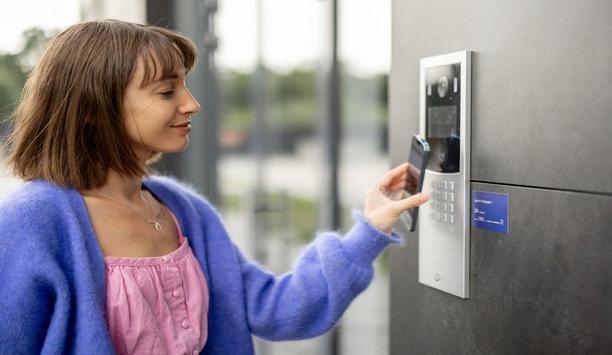
Driving the smart homes market is the convenience of simple technology solutions. Almost every home now has a “smart speaker” that makes it easier than ever for homeowners to interface and control their technology. But where does security fit into the new landscape of smart home systems? We asked this week’s Expert Panel Roundtable: What’s new in smart homes and residential security systems?
Products


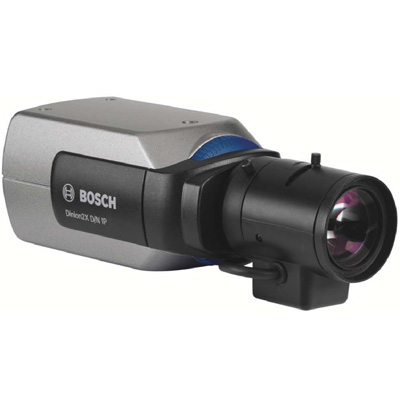



Technology's role in securing banks and financial institutions
Download
Security technologies promote real-time awareness in K-12 schools
Download
Integrated systems enable critical and compliant security for transportation
Download
Modernising physical access control
Download
Access. Intrusion. One estate.
Download