Venue security is pivotal to the success of any event, ensuring attendees can participate without safety concerns. Event organisers bear the responsibility of crafting a secure environment, as neglecting this duty can expose attendees to risks such as accidents, theft, violence, or even terrorism. Such dangers can severely impact both individuals and the event's reputation. Therefore, in today's rapidly evolving landscape, the safety of all participants must be a fundamental priority for event organisers.
Implementing Comprehensive Venue Security Solutions
No matter the size or type of event, the deployment of effective venue security measures is crucial. From concerts and conferences to sports fixtures and exhibitions, prioritising safety not only safeguards attendees but also enhances the event's overall success.
Access Control Systems
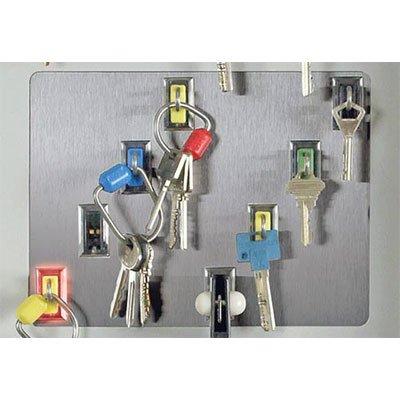
Controlling access is a fundamental element of venue security. Access control systems manage entry and exit points, ensuring only authorised persons have permission to enter specific areas. Options such as key cards, biometric scanners, and digital tickets provide a secure and efficient method of managing access.
CCTV Surveillance
Closed-circuit television (CCTV) cameras are critical for monitoring and recording activities at the venue. Strategically placed cameras act as a deterrent to potential criminals and supply vital evidence if incidents occur. Modern CCTV systems, with high-definition capabilities, remote monitoring, and intelligent analytics, enhance situational awareness significantly.
Security Personnel
Trained security personnel are crucial in maintaining order and responding to emergencies during events. Their presence can deter potential threats. These personnel must be well-versed in crowd management, conflict resolution, and emergency response procedures. Engaging professional security firms can ensure that experienced personnel manage security operations effectively.
Baggage Screening
Thorough baggage screening helps prevent prohibited items, such as weapons or dangerous substances, from entering the event venue. Technologies like X-ray machines, metal detectors, and explosive detection devices scan bags to identify threats. Clear signage and designated screening areas should inform attendees about the screening process.
Emergency Preparedness
Developing a comprehensive emergency preparedness plan is vital for effectively addressing unforeseen circumstances. Such a plan should cover protocols for evacuation, medical emergencies, natural disasters, and potential threats. Regular drills and training ensure that event staff and attendees are acquainted with emergency procedures.
Communication Systems
Establishing reliable communication channels is essential for coordinating security operations between personnel, organisers, and emergency services. Tools such as two-way radios, intercom systems, or mobile applications enable real-time communication and rapid incident response.
By enacting these security measures, organisers can cultivate a safe environment that inspires attendee confidence and ensures event success.
Prioritising Safety
In conclusion, enhancing venue security is essential for the success of any event. By prioritising safety and implementing solutions like access control, CCTV surveillance, trained security staff, baggage screening, emergency plans, and reliable communication, organisers can mitigate risks and maintain a secure environment. Prioritising safety not only protects attendees but also preserves the event's reputation, reinforcing the importance of robust venue security solutions for successful event execution.
Effective venue security is the foundation of a successful event. It is the responsibility of event organisers to provide a secure environment where attendees can enjoy themselves without any concerns for their safety.
Failing to prioritise security can lead to potential risks such as accidents, theft, violence, or even terrorism, which can have severe consequences for both individuals and the reputation of the event. In today’s fast-paced world, ensuring the safety and security of attendees has become a top priority for event organisers.
Regardless of the scale or nature of the event, implementing effective venue security solutions is crucial to create a safe environment for everyone involved. From concerts and conferences to sporting events and exhibitions, prioritising safety not only protects attendees but also enhances the overall success of the event.
Implementing comprehensive venue security solutions
- Access control systems: One of the primary aspects of venue security is controlling access to the premises. Utilising access control systems helps regulate entry and exit points, ensuring that only authorised personnel and attendees are allowed in designated areas. This technology can include key cards, biometric scanners, or digital tickets, providing a secure and efficient method of managing access.
- CCTV surveillance: Closed-circuit television (CCTV) cameras are essential for monitoring and recording activities within the venue. Strategically placed cameras can deter potential criminals and provide valuable evidence in case of incidents. With advancements in technology, modern CCTV systems offer high-definition footage, remote monitoring capabilities, and intelligent analytics to enhance situational awareness.
- Security personnel: Trained security personnel play a vital role in maintaining order and responding to emergencies at events. Their presence alone can act as a deterrent to potential threats. Security personnel should be well-versed in crowd management, conflict resolution, and emergency response procedures. Collaborating with professional security companies can ensure that experienced personnel are deployed to handle security operations effectively.
- Baggage screening: Conducting thorough baggage screening helps prevent the entry of prohibited items, including weapons or dangerous substances, into the event premises. X-ray machines, metal detectors, and explosive detection devices can be used to scan bags and identify any potential threats. Clear signage and designated screening areas should be in place to ensure attendees are aware of the screening process.
- Emergency preparedness: Developing a comprehensive emergency preparedness plan is crucial to effectively respond to any unforeseen circumstances. This plan should include protocols for evacuation, medical emergencies, natural disasters, or any other potential threats. Conducting regular drills and training sessions can ensure that event staff and attendees are familiar with the procedures in case of an emergency.
- Communication systems: Establishing clear and reliable communication channels is essential for effective coordination between security personnel, event organisers, and emergency services. Two-way radios, intercom systems, or mobile applications can be utilised to facilitate real-time communication and enable prompt response to incidents.
By implementing these venue security solutions, event organisers can create a safe and secure environment that instils confidence in attendees and ensures the success of the event.
Prioritising safety
In conclusion, enhancing venue security is paramount for the success of any event.
By prioritising safety and implementing comprehensive security solutions such as access control systems, CCTV surveillance, trained security personnel, baggage screening, emergency preparedness plans, and effective communication systems, event organisers can mitigate risks and create a secure environment.
Remember, safety should always come first when organising an event to protect attendees and safeguard the reputation of the event itself. Venue security solutions provide the necessary expertise and technology to enhance venue security for successful events.