

Just as physicians recommend that their patients obtain treatment early, before a condition worsens, so is Intermountain Healthcare addressing the issue of security early, before problems occur. In addition to providing excellent outcomes for its patients, Intermountain is stepping forward to raise the bar for security systems by providing ID cards that are tied to access control systems.
Threats of terrorism and bioterrorism brought a new dimension to health care in the United States following 9/11, encouraging many health care centers to enhance their security systems and prevent unauthorised movement throughout the facilities.
Healthcare security system
Health care workers still need freedom of access, especially in situations requiring urgency, when they have to move quickly to access medication, equipment and supplies. “When we put one more barrier in front of them, it becomes a huge dissatisfier,” said Mike Rawson, Director of Safety, Security and Environmental Health. “We want to provide ease of access but at the same time an increased level of security. It’s a balancing act.”
“In the past, hospitals have always created an open and welcoming atmosphere,” he added. “As health care systems increase levels of security, they create additional inconvenience to patients, visitors and employees. In a system the size of Intermountain Healthcare, increased inconvenience can be a significant challenge to patient and employee relations.”
Intermountain Healthcare began with 15 hospitals donated by the Church of Jesus Christ of Latter-day Saints in 1975
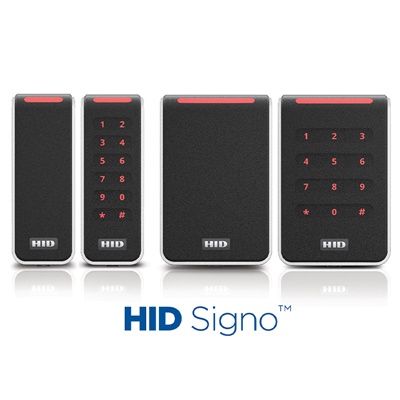
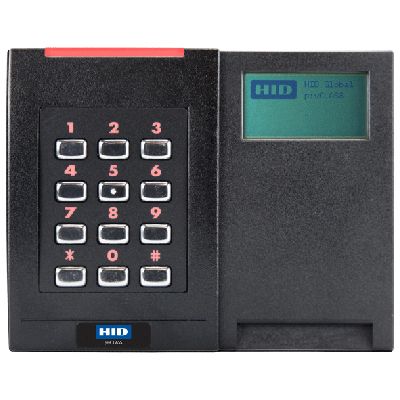
Proximity access control
Intermountain Healthcare began with 15 hospitals donated by the Church of Jesus Christ of Latter-day Saints in 1975. It is an integrated system of physicians, health plans and 21 hospitals from Burley, Idaho, to St. George, Utah, with most of its facilities in the Salt Lake City area. It strives to be a model health care system – an example worthy of emulation by others – not only in clinical outcomes, but also in cost efficiencies and operations. Its access card program is part of that plan.
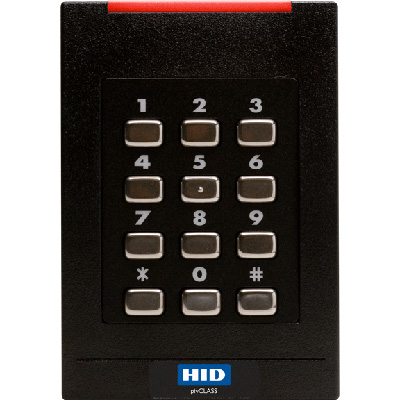
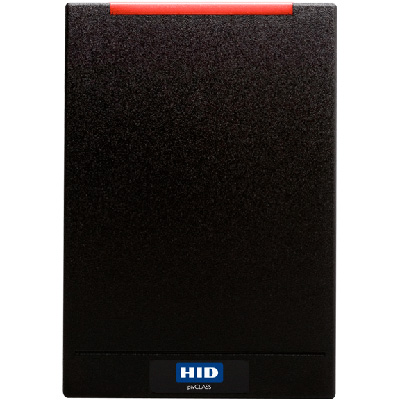
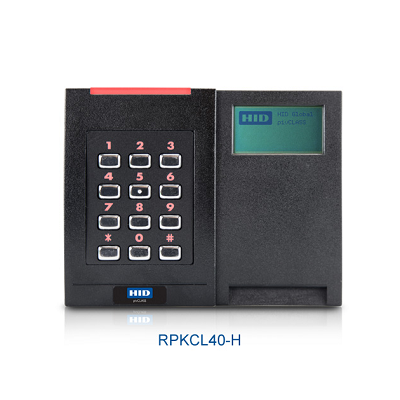
“We added proximity access control in all hospitals in 2006,” said Rawson. “Before that, we used cards with a bar code for identification and payroll, along with a typical key system. Now we have proximity access control throughout the entire system, using a Kronos time and attendance system with DSX, Continental and C-CURE access control software.”
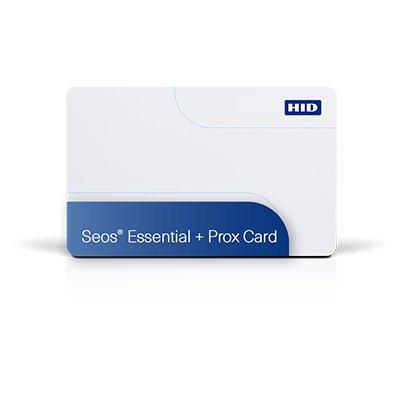
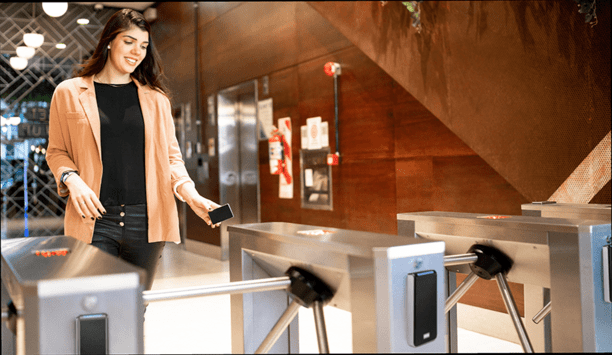
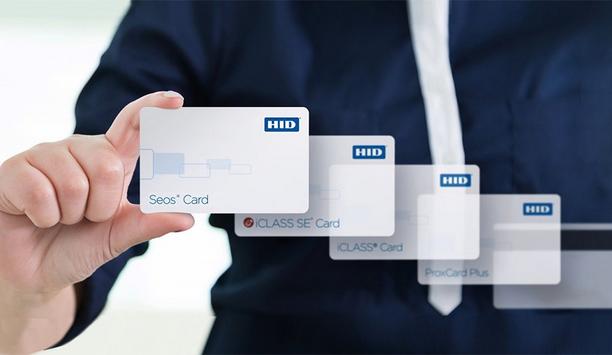
The single card now allows employees to enter authorised areas, records time and attendance, and provides visual identification for patients and visitors. Employees, licensed clinical practitioners, volunteers, students, vendors and even families of patients who experience an extended stay are issued cards with varying levels of access and security.
Fargo printers/encoders
With direct-to-card technology, the printhead comes in direct contact with the card, producing sharp facial images
“We have used Fargo printers ever since we began printing cards,” said Rawson. “Fargo was recommended by our access control system providers.” Intermountain has 30 printers, most of which are DTC500 Direct-to-Card Printer Encoders. With direct-to-card technology, the printhead comes in direct contact with the card, producing sharp facial images and fine detail around areas such as the eyes, enhancing the ability to identify someone visually. “Some of our smaller, rural hospitals use Fargo’s smaller Persona C30 printers,” said Rawson, “as they may only make one or two cards a month.”
Rawson was responsible for selecting the printer, assisted by representatives from the Human Resources and Security departments, where the printers reside. He knew he wanted double-sided printing with a speed component suitable for a large interdisciplinary health system. He also knew the printer had to be reliable, but to anticipate any minor issues, he looked for a company with a service technician in the Salt Lake City area. Finally, he wanted high quality performance and clarity of the printed product.
Bob Barber of Interstate Business Products sold the printers to Intermountain. “Mike liked the simplicity of the DTC printers,” he said. “They are easy to clean and operate, and they run quietly.”
A bar code on the back of employee and physician cards enables them to use the access control system for time and attendance
Attendance and access solutions
In January 2006, Intermountain went through a rebranding, changing the spelling of its name and adopting a new logo. This required re-badging all 25,000 employees; 3,400 physicians on staff; 500 volunteers; 1,000 students (interns, residents and those on rotation); 300 vendors and others. “We accomplished all of this within five months,” said Rawson.
Employees, physicians and volunteers at Intermountain wear white horizontal badges that display their photo and name. There is one exception. Because of increased security surrounding the care of infants, clinical caregivers who transport infants wear bright pink cards to identify themselves easily from a distance. A bar code on the back of employee and physician cards enables them to use the access control system for time and attendance and to record attendance at in-service and training meetings.
Smart identification system
Students and instructors receive vertical badges with color-coded graphic designs that vary depending on the time of year. Vendors, visitors, contractors and temporary employees receive generic vertical badges without any bar code or Intermountain logo. As an added measure of security, vendor badges expire annually.
Intermountain currently is evaluating a 3D bar code for patient identification at some future point, according to Rawson. This system would include a wrist band for the patient, enabling both patient and clinician to be identified easily and securely, and for their activity to be documented. “We also continue to discuss the value of smart cards and will add that technology when the need presents itself,” he said.
Security identification equipment
Intermountain has made tremendous strides in consolidating its identification cards and access control system
In the meantime, Intermountain has made tremendous strides in consolidating its identification cards and access control system. “Clinicians with responsibilities and privileges at multiple hospitals drove the need for a single card,” said Rawson. “They didn’t want to carry half a dozen cards with them.” And how did Intermountain get physicians to wear their ID cards regularly? “We tied access control to the parking lots and dining rooms,” Rawson said. “By wearing the identification card, physicians can easily access parking areas, entrances, elevators and dining areas.”
“With today’s printers,” he added, “we can make an attractive ID card that individuals are proud to wear. Most people understand the need to be adequately identified to the patients they serve.” Rawson admits that the real, quantifiable benefit will be down the road, when Intermountain recovers the upfront costs of the security system, but there is no question that the decision to use ID cards for increased security has been a healthy investment.
As Barber said, “You can’t do tomorrow’s business with yesterday’s equipment.”
From facial recognition to LiDAR, explore the innovations redefining gaming surveillance