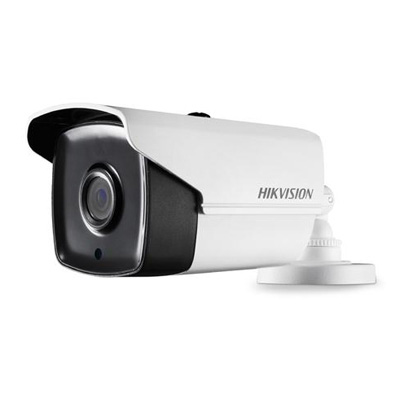
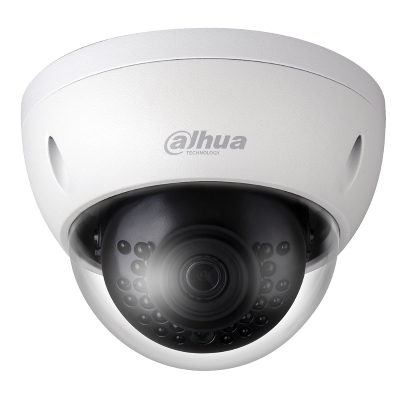
Plextek, the Cambridge-based business and product innovation consultancy has developed new codecs to address the issue of poor image quality that has become synonymous with many wireless CCTV surveillance systems. Current video surveillance techniques work well over wired networks, but wireless links add noise and latency that standard techniques such as H.264 and JPEG2000 fail to cope with. The result - intermittent and blurred images which make it difficult to identify perpetrators. By working closely with customers, Plextek's image and video processing specialists have developed a new simplified codec that is based on JPEG2000 and includes enhanced compression techniques to improve wireless video performance.
The new codecs are targeted at wireless systems over very low bandwidth links, including legacy systems and infrastructure. Plextek's approach takes advantage of the power savings from analogue processing and modulation, whilst providing the flexibility of digital networking.
By embedding intelligent analysis techniques in the HD camera important visual information can be extracted from a high quality source video and forwarded to the system controller at a much lower bit rate than full HD. Consequently, this approach allows the benefits of HD video to be obtained even when network bandwidth is limited.
"With public disorder and violent crime becoming increasingly commonplace, CCTV should be a vital mechanism to help the police identify culprits and secure convictions. However, the quality, particularly in legacy systems, is just not good enough at the moment," said Graham Tootell, Plextek. "With our new image processing techniques, the technology now exists to dramatically improve CCTV image quality without the need for massive expenditure." This means CCTV images can play a more valuable role in helping police and security services by helping to identify "Who" as well as the traditional "What".