Hard Rock Stadium in Miami Gardens, Florida, located at the heart of major events and home to the NFL’s Miami Dolphins, has integrated an advanced security solution to manage its dynamic environment efficiently.
Beyond hosting football games, the venue handles various international events and features a racetrack. The stadium's operations can drastically change from regular weekdays, where internal preparations are routine, to bustling game days that require collaboration with public safety agencies at the Security Operations Center (SOC).
Adopting new technologies
Faced with rising security concerns in large venues, the Miami Dolphins have proactively adopted new technologies to ensure safety. The priority remains the protection of fans and employees through enhanced infrastructural capabilities, as noted by Sameer Istafa, Miami Dolphins' CTO, who emphasised the importance of having the "right infrastructure in place."
The challenge for the Dolphins was not merely about integrating new devices
The challenge for the Dolphins was not merely about integrating new devices but adopting a comprehensive security platform. The aim was to surpass existing solutions that often required additional third-party integrations, despite promising “full AI from start to finish.” The new platform necessitated modernisation, overcoming the limitations of legacy on-premises servers prone to interruptions, and ensuring connectivity across video, access, and intercom systems. The scale of the venue, accommodating up to 65,000 spectators on event days, demanded precise and proactive operational workflows.
Unified security workflows
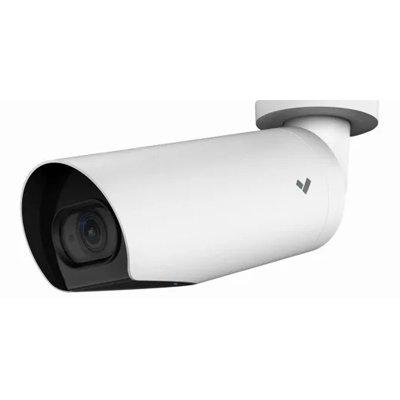
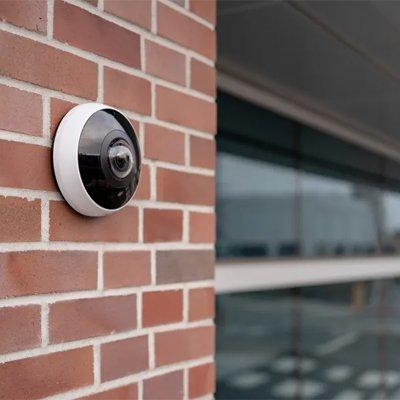
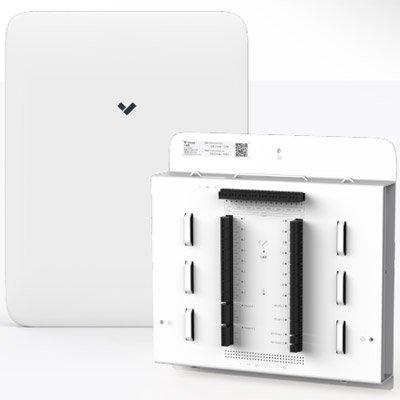
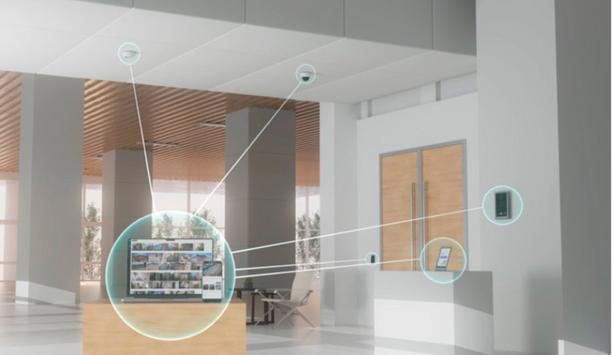
The Dolphins and Hard Rock Stadium have standardised their security operations using Verkada, a unified cloud-managed platform. This integrated solution consolidates video security, access control, guest management, intercoms, alarms, and AI-powered alerts. Verkada's deployment was supported by Castaway Technology and Security (CTS), a specialist in large venue solutions, ensuring scalability for daily operations and major events. Craig Bruce, CTS Co-Founder, highlighted the significance of integrating cameras and access control into a single platform.
Enhanced operational view
Under the leadership of CTO Sameer Istafa, the Dolphins conducted a thorough evaluation process, engaging with Verkada’s executive and technical teams. This approach reinforced the decision to adopt the platform, offering a consolidated interface for faster operational responses. With Verkada, teams can manage from a single platform, navigating from footage retrieval to action steps efficiently, thereby enhancing speed and consistency in everyday and high-pressure scenarios. According to Istafa, "Verkada, it’s truly all-in-one," distinguishing itself from other providers.
Proactive monitoring
Major event days necessitate a collaborative approach, involving internal teams and external stakeholders
Verkada enables the SOC to manage alerts such as perimeter breaches, allowing staff to respond quickly to potential incidents. The platform's Operator View ensures faster triage with detailed alerts, location, and event information. AI-Powered Unified Timeline assists in reconstructing incident histories across multiple views, streamlining the investigation process and reducing time spent searching for footage.
Major event days necessitate a collaborative approach, involving internal teams and external stakeholders, including law enforcement. Verkada provides temporary, controlled access without complicating login processes or permissions management. This supports rapid coordination, as temporary access is granted, scoped, and revoked post-event, while maintaining an audit trail for accountability.
Simplifying transition
During the transition, the Command Connector allowed integration of legacy camera feeds into Verkada's Command platform. This seamless transition permits the use of analytics tools across both legacy and new cameras, facilitating faster investigations. The shift to a unified system required a business case focusing on cost-effectiveness compared to maintaining disparate on-prem systems.
Building a Lasting Foundation
By upgrading to Verkada’s cloud-managed platform, the Dolphins anticipate substantial savings in server costs and acquisition of feature enhancements delivered through automated updates. This strategic move establishes a robust foundation, enhancing security operations across daily routines and major events.
The unified platform ensures improved speed, visibility, and teamwork without complicating processes. CTO Sameer Istafa reflected on the necessity for a reliable system: "We all wear multiple hats. We needed a system we could depend on — with one number to call. That’s Verkada."
Hard Rock Stadium in Miami Gardens, Florida is home to the NFL’s Miami Dolphins — and a year-round destination for major events. Beyond football, the broader campus supports large-scale operations throughout the year, including international events and a race circuit that runs around the stadium complex.
Operationally, the environment changes day to day. On weekdays, the stadium may seem quiet on the outside, but inside the venue is bustling with employees preparing for the next major event. On game days, the stadium surges with activity; that’s when the Security Operations Center (SOC) must expand to include internal teams alongside public safety agencies.
Embracing new technologies
As security threats rise for major venues across professional sports, the Dolphins have continued to stay ahead of the curve by embracing new technologies to help provide a safe environment for all guests. “Our top priority is to protect our fans and employees — and that starts with the right infrastructure in place.”— Sameer Istafa, CTO.
Challenge - The team wasn’t just looking to add devices — they needed a security platform that could match the pace and complexity of a major venue:
- Cut through “AI claims” in the market: Many solutions promised “full AI from start to finish,” but in testing still required third-party integrations and add-ons. The team wanted a truly all-in-one platform that delivered in real operating conditions.
- Infrastructure modernisation and reliability: The legacy environment depended on on-prem servers and siloed systems; if servers went down, access to cameras could be impacted. The organisation needed a modern platform built for scale and continuity.
- Connected workflows across teams: Video, access, intercom, and guest activity all need to work together.
- Fast visibility under pressure: Operators need to move quickly without bouncing between tools, screens, or handoffs.
- Event-day collaboration at scale: During major events, different groups may need fast, controlled access to specific views — without administrative drag, shared credentials, or unclear accountability.
- Proactive coverage for a large site: With major events drawing up to 65,000 spectators, the team needed proactive workflows that surface the moments that matter.
Core security workflows
Solution - The Miami Dolphins and Hard Rock Stadium team is standardising on Verkada to bring core security workflows into a single, cloud-managed platform — uniting video security, access control, guest management, intercom, alarms, and AI-powered alerting.
Hard Rock Stadium worked with trusted Verkada partner Castaway Technology and Security (CTS) to support deployment and implementation across the campus. With experience in large, complex venues, CTS helped bring the unified platform to life — ensuring the system could scale for everyday operations and major event days. “The biggest thing is bringing cameras and access control into one unified platform.” — Craig Bruce, Co-Founder at CTS.
Shared operational view
Sameer Istafa, Chief Technology Officer (CTO) of the Miami Dolphins and Hard Rock Stadium, conducted a diligence process that included conversations with peer organisations, time with Verkada’s leadership and technical teams at Verkada headquarters through the Executive Briefing Program, and feedback from customers at VerkadaOne. Together, those proof points reinforced confidence in standardising on the platform.
With systems consolidated into one interface, operators can move from “Where is the footage?” to “What do we do next?” faster — especially when multiple teams are involved. Instead of switching between disconnected tools, teams can investigate, coordinate, and respond from a shared operational view — improving speed and consistency across day-to-day operations and high-pressure event environments. “A lot of systems claim ‘full AI,’ but when you test them, you still have to bolt on third parties. With Verkada, it’s truly all-in-one.” — Sameer Istafa, CTO
Constant manual monitoring
Instead of constant manual monitoring, the SOC can configure workflows that surface the moments that matter — perimeter alerts (like fence-jumping) and proactive detection (like fighting) — so staff can dispatch rovers and respond before incidents escalate. These alerts are centrally managed in Operator View, where each alert generates a ticket with footage, location, and event details for faster triage and consistent follow-through.
In environments where incidents can span multiple cameras and locations — and where reports may arrive late — AI-Powered Unified Timeline helps teams reconstruct movement across views quickly, compressing the search window and reducing time spent jumping between feeds.
During major events, the SOC can include internal staff plus external stakeholders (including law enforcement and other public safety agencies) who need limited access to specific cameras or zones. On major event days, the SOC can expand significantly — with multiple teams working in parallel.
With Verkada, the team can:
- Grant temporary access to external teams for a defined window of time
- Scope permissions to the right locations/cameras
- Revoke access afterward — while maintaining accountability through an audit trail of who accessed what and when
- This enables fast collaboration when the SOC expands — without shared logins, long-term access sprawl, or bottlenecks that slow response.
Helping accelerate investigations
To evaluate Verkada at a realistic scale — and support a smoother transition — the team used Verkada’s Command Connector during the trial and deployment period to bring legacy camera feeds into Command.
This allowed stakeholders to view and manage both legacy and new cameras in a single interface, start using Command earlier, and maintain continuity while the venue migrated toward one standardised system — without needing to replace every camera at once. By bringing legacy feeds into Command, the team could also apply select analytics and investigation tools to supported cameras, helping accelerate investigations during the transition period.
Clear business case
The deployment supports diverse environments across the complex, including perimeter coverage, parking lots and roadways, stadium interiors — plus adjacent venues and event footprints. Securing CEO and CFO buy-in required a clear business case: compare the ongoing cost of maintaining the existing on-prem system versus consolidating into an all-in-one cloud platform.
By moving off legacy on-prem server infrastructure to a cloud-managed platform, the team expects to save millions in server refresh costs — with the added benefit of new features and enhancements delivered over the air through automatic software and firmware upgrades.
Event-day collaboration
As deployment expands and capabilities deepen, the Miami Dolphins team is building a foundation for consistent security operations across everyday activity and major events — improving speed, visibility, and coordination without adding complexity. At the core of the transformation: a unified platform that supports faster investigations, proactive alerting, and event-day collaboration — designed for what major venues need to operate effectively.
In sports and entertainment, no two days are the same. Hard Rock Stadium swings from calm weekdays to high-pressure event days where the SOC expands and decisions need to happen fast. By unifying core security workflows in one platform with Verkada, the Dolphins organisation has improved the visibility, coordination, and reliability needed to protect fans and staff across a uniquely complex venue. “We all wear multiple hats. We needed a system we could depend on — with one number to call. That’s Verkada.” — Sameer Istafa, CTO.