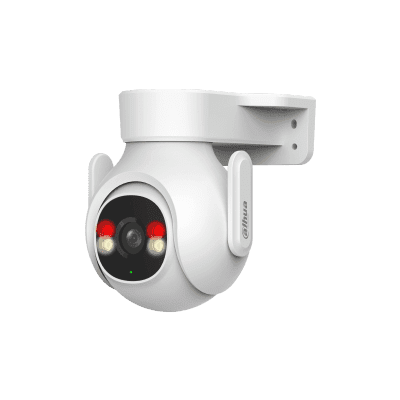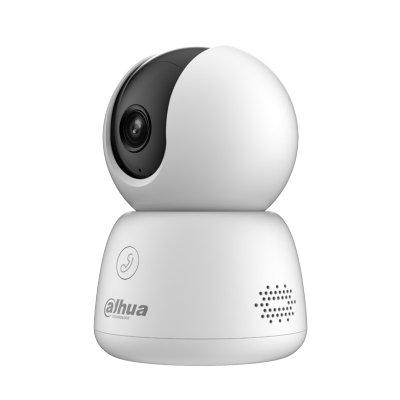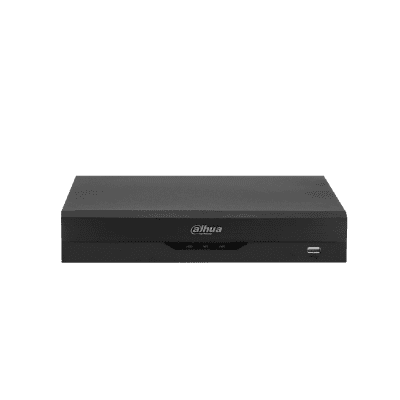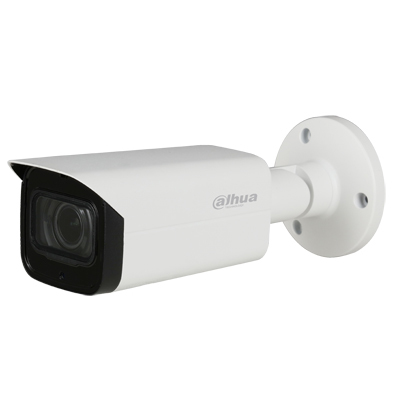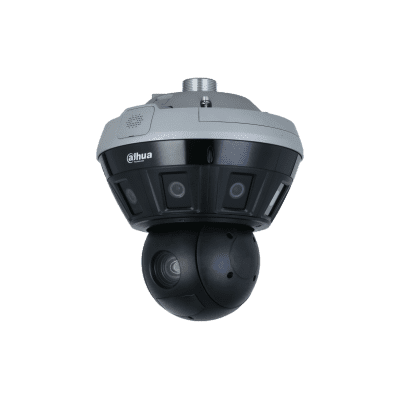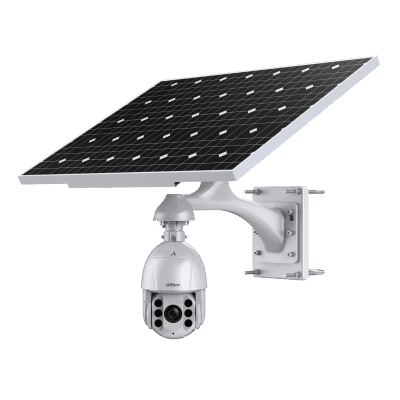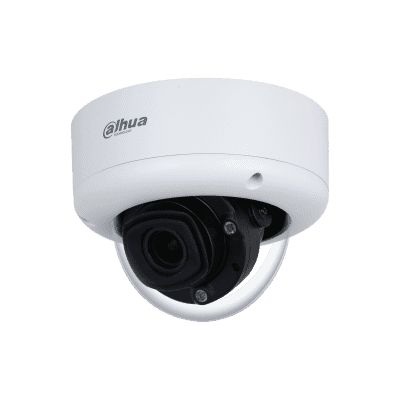



The U.S. Congress has voted on, and the President has signed, a ban on government uses of video surveillance equipment produced by two of the world’s top manufacturers – Hikvision and Dahua. The provision is buried in the National Defense Authorization Act (NDAA) for fiscal year 2019, which passed the U.S. House of Representatives on July 26 and the Senate on August 1. The President signed the NDAA into law on August 13. The provision was originally introduced as an amendment to the House version of the bill but was not included in the Senate version.
However, the provision survived in the final version, negotiated by a conference committee and passed by both houses. The President had previously voiced support for the bill, which authorises U.S. military spending, and signed it into law two weeks later.
Scope of the ban
The President has previously voiced support for the bill, which authorises U.S. military spending, and signed it into law two weeks later The ban covers “public safety, security of government facilities, physical security surveillance of critical infrastructure, and other national security purposes.” It bans “video surveillance and telecommunications equipment produced by Hytera Communications Corporation, Hangzhou Hikvision Digital technology Company, [and] Dahua Technology Company (or any subsidiary or affiliate of such entities).” Hytera Communications is a Chinese digital mobile radio manufacturer.
The final bill eliminates specific mention of “white label” technology, which refers to cameras manufactured by Hikvision and/or Dahua but rebranded and labelled by other companies such as Honeywell, Stanley or UTC. However, interpretation of the word “affiliate” could include OEM partners.
The ban, which takes effect “not later than one year after … enactment,” applies not only to future uses of Dahua and Hikvision equipment but also to legacy installations. The bill calls for an assessment of the current presence of the banned technologies and development of a "phase-out plan" to eliminate the equipment from government uses. The requirement suggests an opportunity of additional government business for non-Chinese manufacturers and integrators involved in switching out the equipment.
Mention of the words “critical infrastructure” in the final bill points to inclusion of another whole category of installations in the ban; that is, facilities operated by non-government entities that are judged to be essential to the functioning of society and the economy.
The Security Industry Association (SIA) declined to comment on the bill, citing its complexity and the need to research the potential impact.
Both Hikvision and Dahua have issued corporate statements in reaction to the ban.
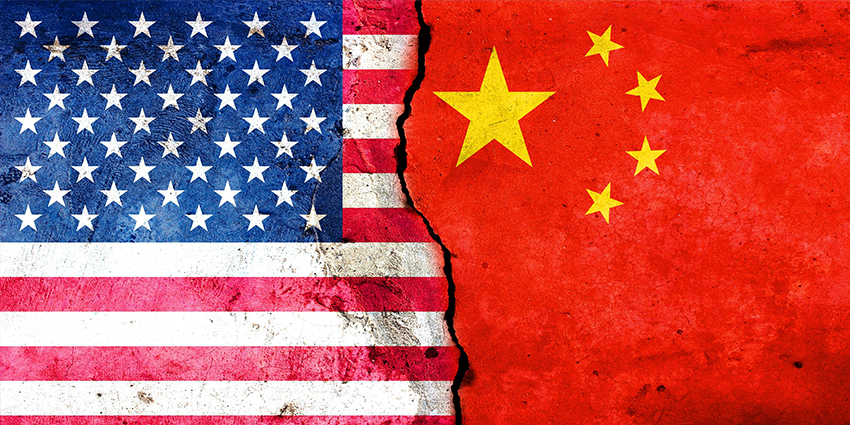 |
| The bill can be viewed in the context of a broader U.S. political backlash against China in general |
Broader context of the bill
The bill’s passage is a setback to the growing profile of Chinese companies in the video surveillance market. It can also be viewed in the context of a broader U.S. political backlash against China in general, as evidenced by the recent acceleration of import tariffs and simmering trade war. The NDAA also targets China in another way: it strengthens the Committee on Foreign Investment in the United States, which reviews the impact of proposed foreign investments on national security.The NDAA is an annual act passed by Congress that authorises U.S. military spending
Another view is that Chinese companies invest heavily in research and development, can operate at greater scale and with lower costs, and therefore provide good overall value. For these reasons, many had expected Chinese camera products to increase their presence in the US market. The government ban, at the very least, slows down that transition. The potential is there for it to totally change the face of the industry.
The NDAA is an annual act passed by Congress that authorises U.S. military spending and is used as a vehicle for a variety of policy matters. It has been passed annually for more than 50 years. The August 1 Senate vote marks the earliest Congress has passed the defence spending bill since 1978.
Ironically, the final bill softened restrictions on China’s ZTE Corp. and Huawei Technologies, two telecommunications companies, because of national security concerns. These restrictions are weaker than in earlier versions of the bill.
This article was updated on the 14th August 2018.
Discover how AI, biometrics, and analytics are transforming casino security