Check out our special report on Cybersecurity

How have security solutions failed our schools?
2 Sep 2020

Editor Introduction
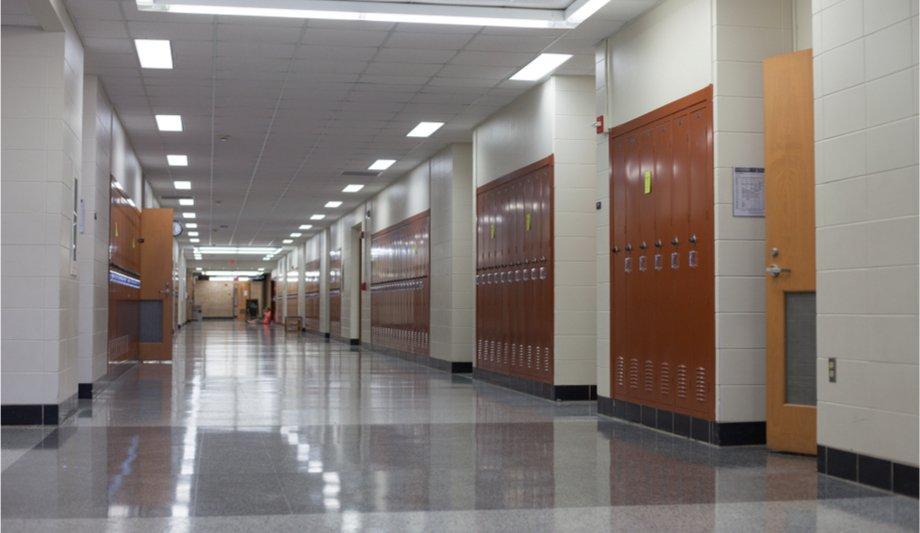
School shootings are a high-profile reminder of the need for the highest levels of security at our schools and education facilities. Increasingly, a remedy to boost the security at schools is to use more technology. However, no technology is a panacea, and ongoing violence and other threats at our schools suggest some level of failure. We asked this week’s Expert Panel Roundtable: How have security solutions failed our schools and what is the solution?


With schools at varying stages of reopening across the country, there are valid concerns that incidents of gun violence might increase after months at home, making security more important than ever. But security has now evolved to include protection from disease as well as intruders, and many security systems have failed to keep up. Protecting students and staff from the dual threats of gun violence and the spread of pathogens requires the most comprehensive response to deliver the best outcomes possible. For many schools, the solution is integration. Connecting previously disparate security systems and technologies, such as video, elevated temperature scanning, access controls, mass notification systems (MNS), gunshot detection and more provides a holistic approach to security. By integrating these intelligent technologies, schools can create a healthier environment and enable a more effective emergency response. Through integration, schools are in a better position to protect students, faculty and visitors.

Schools frequently find themselves behind when it comes to technology, partly because of their budgeting and purchasing processes. Security solutions can become siloed when installed piecemeal, which can impact a school’s ability to integrate video surveillance, access control and other safety systems. Video is frequently used to view events after they have happened, when more real-time notifications are needed. One solution is to have smarter, AI-based cameras located in porous areas like stairwells, side entrances and exits. The latest advances in AI cameras can effectively alert staff and School Resource Officers (SROs) when people are in places they shouldn’t be during certain times of the day. In-camera audio analytics can also provide additional real-time notifications for gunshots, glass breaks and more. It’s important to take a holistic approach to system design that considers the grounds, the facility, lighting, and coverage and not just install a lot of cameras.

Schools have adapted to the challenges before them, and what we are seeing now is a technology opportunity that will help them provide a multi-faceted security response. Over the past couple of decades, police resources being stationed at public schools has become commonplace, including metal detectors and entrance searches similar to what you might find for airport passengers and baggage. Traditionally, schools have used surveillance for retroactive investigation but the real opportunity is about prevention. If the CCTV systems were used more proactively, such as security officers monitoring live video and being able to use AI functions, there would be a great deal less violence and less need for investigations. AI and live operators enhancing or reducing the requirement for physical security is the right direction. Proactive security through surveillance that empowers a physical security response would make schools safer for all.

You could open the question further and ask why security systems fail end users in general. The real failure is the assumptions we as an industry make about what is of concern and what actual issues our end users are facing. Looking at schools, in markets such as the USA, there has been a noticeable failure to recognise the potential for devastating attacks from disgruntled or troubled pupils/staff/former pupils. This is where the right security systems and procedures can literally save lives. To be fair, though, if manufacturers designed products and engineered systems for any and every eventuality, the costs would be prohibitive both for suppliers and customers. What events have done is drive the need for pragmatism and open comms among system components, to facilitate easier integration. This in turn enables issues to be more easily overcome and builds resilience for the future.

In my 20-plus years in educational law enforcement, one of the biggest security vulnerabilities I have observed in schools has to do with the use of brass keys to override access control systems. Essentially, anyone who gains access to or duplicates one of these master keys can gain access to any part of a building regardless of whether they were authorised. The solution is to replace these traditional brass keys with intelligent electronic keys. These can be installed easily without the need for wiring or changes to existing door hardware. They provide a digital trail of every event, including authorised accesses and unauthorised attempts. In case of lost or stolen keys, or when personnel changes, they can be reprogrammed quickly. And most importantly, they can be part of a comprehensive unified security system, allowing access control events to be correlated with video to ensure enhanced security, regulatory compliance and accountability.

As school facilities develop their reopening strategies, they should be looking for solutions that provide a holistic school security system. Beyond simple metal detectors and security guards, cameras can help augment existing security infrastructure to help staff dynamically assess situations that might pose a physical security risk to students. Video systems integrated with other devices are able to detect dangerous situations using gun detection and smoke and fire detection analytics, in conjunction with other systems, such as mass notification. Smart cameras equipped with intelligent video analytics can also assist campuses in their emergency response planning. Using different onboard applications, the cameras can reassign emergency routes to divert students and staff around potential obstacles and help with emergency planning. To help schools reopen after COVID-19, cameras can assist in managing building occupancy, based on floor, or room, as well as provide assistance in maintaining social distancing and proper facial protection.
Editor Summary
As the new school year gets under way, the threat of violence remains, as does the need to address dozens of other everyday school security issues. Rather than belabor how security systems have failed, our Expert Panel Roundtable chose to suggest ways security systems can become even better. Possibilities include greater levels of integration and implementation of more real-time and even proactive solutions. There is also a need for more pragmatism and greater communication. Finally, there is a necessity to modernise even the most basic systems, such as replacing traditional master keys with intelligent electronic keys.
Johnson Controls, Inc. products


Johnson Controls, Inc. news
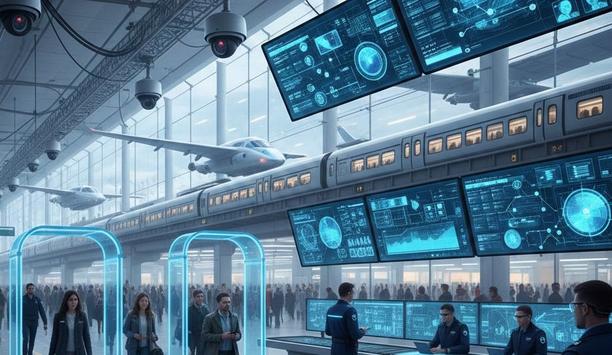
Transportation systems need robust physical security to protect human life, to ensure economic stability, and to maintain national security. Because transportation involves moving large numbers of people and critical goods across vast, often interconnected infrastructure, it presents a highly attractive target for various threats. More threats equate to a greater need for security. We asked our Expert Panel Roundtable: What are the emerging applications of physical security in the transportation...

Installing physical security systems requires integrating diverse technologies (e.g., cameras, access control, alarms) that often use different protocols and must be adapted to a building's unique physical layout and legacy infrastructure. Specialised technical expertise is required for seamless networking and proper configuration. Hopefully, no important factors are overlooked in the installation process. We asked our Expert Panel Roundtable: What is the most overlooked factor when inst...

Emphasising proactive rather than reactive security shifts the focus from dealing with crises and damage control to prevention. Advantages of a proactive approach include cost efficiency, better business continuity, and fewer crises that draw attention away from strategic improvements. Staying ahead of threats is a core mission of the security department, and technology has evolved to enable security professionals to deliver on that mission better than ever. We asked our Expert Panel Roundtable:...
Johnson Controls, Inc. case studies

Keeping beachgoers, swimmers and surfers safe is all in a day’s work for the team at South Maroubra Surf Live Saving Club, and every second counts when an incident unfolds on the water. One of the most topical issues and threats to those enjoying Australia’s world-renowned beaches is sharks, so for the surf club it made sense to look to smart, new technology to keep those who enjoy the sand and surf safe. Security technology to lifesavers "Since the club wa...

SwiftConnect, a pioneering provider of connected access enablement, is powering easy, secure, and private access using an iPhone and Apple Watch with the Johnson Controls Software House C•CURE 9000 access control system. The SwiftConnect AccessCloud platform integration with the Software House C•CURE 9000 access control system makes it possible for Software House C•CURE 9000 customers to take advantage of the employee badge in Apple Wallet for physical access. Deployments of emp...

It may sound like a small change, but installing security cameras on a property can significantly impact occupant and visitor behaviour by enabling more accountability. This is notable for environments such as K-12 schools where occupants are younger and more impulsive. Lack of visibility A public school system on the East Coast faced frequent incidents of bullying, vandalism and theft among students as well as the harassment of faculty and staff and was struggling to keep its occupants accou...
Johnson Controls, Inc. white papers

Johnson Controls, Inc. videos


Frictionless access control: 5 minutes with Rick Focke Tyco Software House

Video Surveillance Solutions: 5 Minutes with Ryan Hulse from JCI

Johnson Controls P2000 Security Management System Controls Access at RWU, Rhode Island, USA
An overview of the Johnson Controls P2000 Security Management System

Johnson Controls Company Profile

Johnson Controls Corporate Profile

Expert commentary

Security beat

Johnson Controls, Inc.
507 E Michigan Street
Milwaukee, WI 53202


