Check out our special report on casino security
Have security protocols and practices kept up with how people work?
28 May 2022


Editor Introduction
It’s safe to say there has been more change in the workplace in the last two years than ever before. Driven by the pandemic, technology has both allowed greater flexibility for employees and enabled continuing prosperity for many companies that otherwise would have had to cease operation. But have security protocols and practices done enough to enable companies to keep pace with the changes? We asked this week’s Expert Panel Roundtable: Have security protocols and practices kept up with the changing ways people work?


As companies embrace different return-to-office practices based on more flexible hours, use of space, and digital transformation, they are looking at physical security systems differently. Organisations are increasingly using the data gathered by their physical security systems for more than controlling access and monitoring their spaces. To meet the changing needs of the hybrid workplace, they are also tapping into the data gathered by their security systems to come up with new standard operating procedures, optimise space, improve business efficiency, and comply with public health requirements. This fundamental change in the way people work also means that the traditional IT perimeter no longer exists. Organisations need to keep up with these changes, strengthen their security protocols and bolster their cyber-posture, or risk undermining the safety of their intellectual property, sensitive data, and personal information.

From a manufacturing and technology perspective, we think of protocols as a way to communicate information. It is hard for protocols to keep up with the rapid pace of technology innovation. In the video security market, we have ONVIF as an example of an open industry forum that promotes standardised interfaces between vendors. But we can’t expect ONVIF to communicate all the advanced metadata coming from an AI camera overnight. As such, manufacturers like i-PRO rely on APIs or SDKs to develop plugins for interoperability between partners. This enables us to get important AI metadata into a VMS such as Genetec Omnicast, which allows operators to search or set alarm triggers for specific characteristics. Of course, the data itself means nothing until we transform it into useful information. As protocols and practices evolve, it’s important to pick the right partners to guarantee interoperability as communication protocols and standards emerge.

Security is always evolving, but not necessarily in a linear way. For example, touchless secure access control features have been embedded in security for some time but were not necessarily prominent for many operators until the pandemic struck. Suddenly we were all hyper-aware of the need to control infection vectors, and touchless systems went from a convenient feature to an essential one. The use of mobile device credentials for access control is a good example of another technology that has been “in the right place at the right time.” Whilst it has garnered considerable interest as a post-pandemic touchless technology, the primary driver was to boost security and flexibility whilst presenting security users with a solution that fits their expectations in using their mobile devices for multiple applications. Undoubtedly the pandemic has also accelerated the market’s interest in exploring and adopting the latest solution options.

Looking back on the two years since the COVID-19 pandemic began, it’s clear our day-to-day lives have transformed drastically as we adapted to remote/hybrid work environments. These changes have urged the implementation of stronger protocols for in-person working. A few ways this is happening are by businesses and organisations utilising touchless access control that delivers streamlined and healthy occupant experiences and updating existing video systems with AI-powered contact tracing and mask detection solutions. Additionally, security technology and practices are being updated with advancements that include AI-driven ransomware detection, cloud-based cybersecurity, two-factor authentication steps, and maintaining good cyber hygiene. 2021 was a year filled with cyberattacks, such as Logj4, Kaseya, and REvil, and security companies are doing everything they can to prevent this from happening in 2022. Today, more protocols are being put into place to help recognise threats and inform on how to cope with attacks should they happen. Hackers might be getting smarter but so are security practices.

As there has been a significant transition to remote work over the last two years, security practices have rapidly developed and adapted to combat threats and protect organisations while maintaining a level of convenience for individuals. Today’s innovation efforts like cloud-based access control, SaaS, biometrics, mobile credentials, and similar technologies create more secure ways to authenticate people and grant access ultra-convenient. With this being said, it’s still crucial to remember that each organisation requires a deployment that is specific to them and their access rights, which means that every security system needs flexibility, adaptability, and the ability to scale with a customer’s ongoing security requirements and demands. There are open and unified platforms readily available on the market today that help users configure their systems to match their unique security requirements. These modern solutions offer built-in tools and open architecture to quickly adjust to the changing environment.
Editor Summary
The workplace has undergone a drastic transformation in the last two years. For that matter, so has the security industry. The security industry has unveiled a wealth of well-timed technologies that have played a major role in helping companies adapt to recent changes, both those necessary during the pandemic and those that will continue long after the crisis is behind us.
Johnson Controls, Inc. products

Johnson Controls, Inc. news
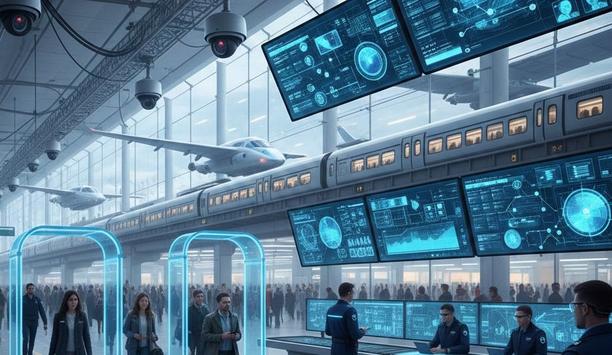
Transportation systems need robust physical security to protect human life, to ensure economic stability, and to maintain national security. Because transportation involves moving large numbers of people and critical goods across vast, often interconnected infrastructure, it presents a highly attractive target for various threats. More threats equate to a greater need for security. We asked our Expert Panel Roundtable: What are the emerging applications of physical security in the transportation...

Installing physical security systems requires integrating diverse technologies (e.g., cameras, access control, alarms) that often use different protocols and must be adapted to a building's unique physical layout and legacy infrastructure. Specialised technical expertise is required for seamless networking and proper configuration. Hopefully, no important factors are overlooked in the installation process. We asked our Expert Panel Roundtable: What is the most overlooked factor when inst...

Emphasising proactive rather than reactive security shifts the focus from dealing with crises and damage control to prevention. Advantages of a proactive approach include cost efficiency, better business continuity, and fewer crises that draw attention away from strategic improvements. Staying ahead of threats is a core mission of the security department, and technology has evolved to enable security professionals to deliver on that mission better than ever. We asked our Expert Panel Roundtable:...
Johnson Controls, Inc. case studies

Keeping beachgoers, swimmers and surfers safe is all in a day’s work for the team at South Maroubra Surf Live Saving Club, and every second counts when an incident unfolds on the water. One of the most topical issues and threats to those enjoying Australia’s world-renowned beaches is sharks, so for the surf club it made sense to look to smart, new technology to keep those who enjoy the sand and surf safe. Security technology to lifesavers "Since the club wa...

SwiftConnect, a pioneering provider of connected access enablement, is powering easy, secure, and private access using an iPhone and Apple Watch with the Johnson Controls Software House C•CURE 9000 access control system. The SwiftConnect AccessCloud platform integration with the Software House C•CURE 9000 access control system makes it possible for Software House C•CURE 9000 customers to take advantage of the employee badge in Apple Wallet for physical access. Deployments of emp...

It may sound like a small change, but installing security cameras on a property can significantly impact occupant and visitor behaviour by enabling more accountability. This is notable for environments such as K-12 schools where occupants are younger and more impulsive. Lack of visibility A public school system on the East Coast faced frequent incidents of bullying, vandalism and theft among students as well as the harassment of faculty and staff and was struggling to keep its occupants accou...
Johnson Controls, Inc. white papers

Johnson Controls, Inc. videos


Frictionless access control: 5 minutes with Rick Focke Tyco Software House

Video Surveillance Solutions: 5 Minutes with Ryan Hulse from JCI

Johnson Controls P2000 Security Management System Controls Access at RWU, Rhode Island, USA
An overview of the Johnson Controls P2000 Security Management System
Johnson Controls Company Profile

Johnson Controls Corporate Profile

Expert commentary
Security beat

Johnson Controls, Inc.
507 E Michigan Street
Milwaukee, WI 53202


