
Safety is at the forefront of hospitals across the nation. According to a landmark report 'To Err is Human' (2000) by The Institute of Medicine (IOM), between 44,000 and 98,000 patients die a year in the U.S. due to preventable medical errors including wrongful administration of medication. Beyond the cost of human life, these errors cost the healthcare industry as much as $29 million per year. This figure takes into account the expenses associated with additional care, loss of income and disability.
To reduce medication administration errors, hospitals are modifying their current medical dispensing systems in operation to prevent and eliminate these errors.
Based in Portsmouth, Ohio, Southern Ohio Medical Center (SOMC) is one such hospital that is addressing this concern. A 222-bed hospital that provides emergency and surgical care, as well as a wide range of other health-care services, SOMC employs 2,200 full and part-time doctors and volunteers. SOMC has a medical staff of more than 140 board-certified or board-eligible physicians and specialists and is supported by more than 800 volunteers.
One of the "Best Practices" outlined in the IOM report calls for the healthcare industry to utilise technology, such as bed side bar coding, to improve patient identification. To meet these standards, SOMC quickly modernised their process from relying heavily on a two-cart dispensing system that included laptops on wheels (LOW's) and pharmacy carts, to a system that was more efficient and accurate. The new solution, the WALLaroo 2000 wall station, featured a cabinet mounted outside each patient's room to temporarily stock the non-narcotic medications prior to dispensing.
Challenge
SOMC's IT department was tasked with finding a way to integrate the wall stations with a state-of-the-art access control system that was equipped with an access controlled lock and reader. By implementing this solution, SOMC has been able to strictly adhere to their patient's rights as they pertain to medication dispensing, which includes: the right patient, the right medication, the right dose, the right time and the right route of administration.
"When we started our quest for an access-control solution, we looked for two things," said Dennis Ward, information services and applications manager for SOMC. "First SOMC needed a solution that would be centrally networked with the current eMAR system, as well as have a main power source. Additionally, we needed to replace the magnetic strip on employee badges with a more effective technology."
Choosing the optimum solution
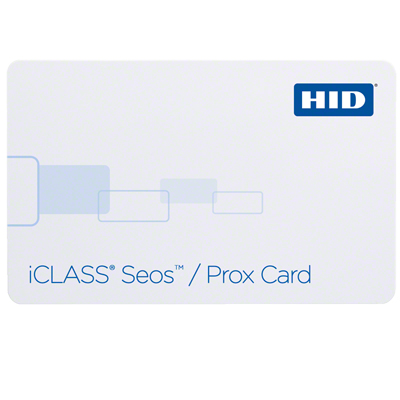
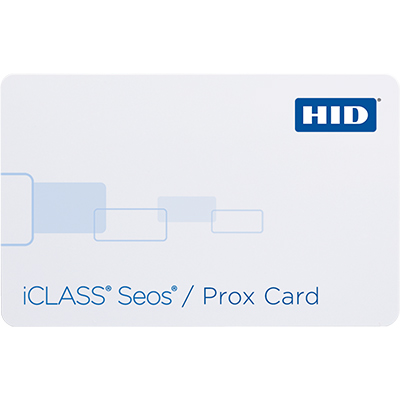
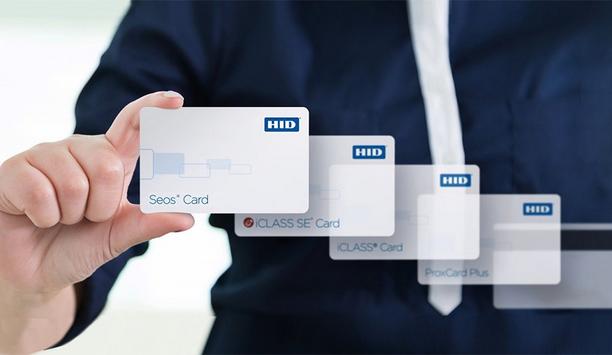
Ward consulted with several companies within the security industry, including Accu-Tech, SecuriCo, Microman and HID Global, before finding the optimal solution- SecuriCo's Securus Web™ software solution. The solution operates with an HID EdgeReader™ coupled with iCLASS® 2K (37-bit) smart cards and Rutherford Controls3513 Lock.
 |
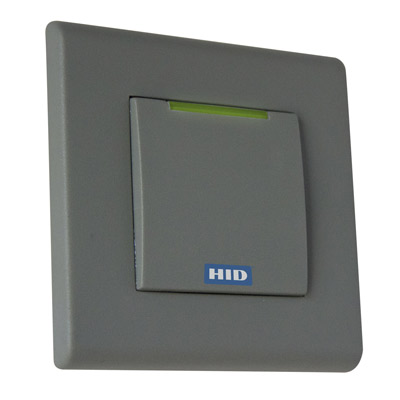
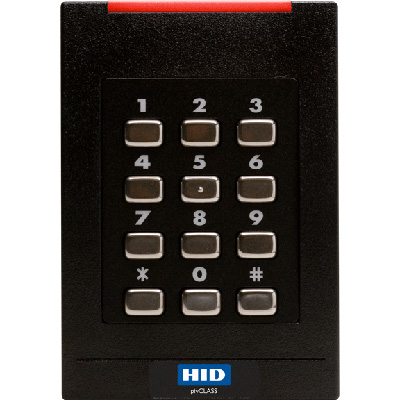
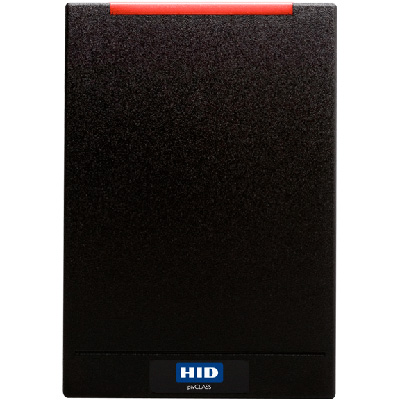
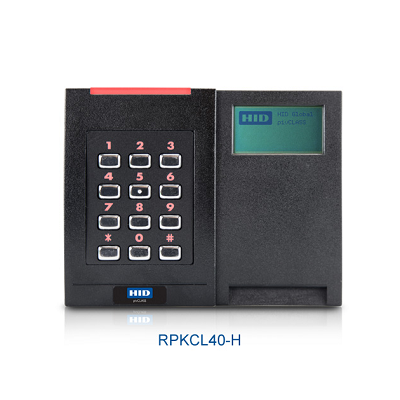
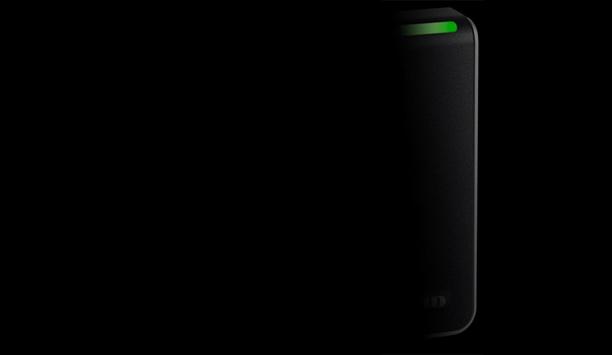
| The access control security solution for Southern Ohio Medical Center includes EdgeReader from HID |
"SOMC project requirements indicated that both a Web-based software solution and an IP PoE Access Control solution were required," said Jim Andrews, president of SecuriCo, Inc. "After Dennis and I reviewed the project requirements and discussed the design options with AccuTech and Microman, everyone agreed that the SecurusWeb software solution with a pre-configured HID EdgeReader™ and iCLASS® 2K (37-bit) smart cards were the perfect fit for the hospital's unique access control needs."
According to Ward: "As I conducted product research in the security information space, I noted that most available solutions were HID compatible. This was important since the hospital was growing and our security needs would grow, too. HID Global has a great industry reputation so it was a natural and easy decision to select the company's solutions and OEM partner, SecuriCo, Inc."
The installation and implementation
Since Ward had never implemented a project like this before, he obtained samples of one of the WALLaroo wall stations, an HID EdgeReader and evaluation software from SecuriCo. Using the samples, he created a prototype that would fit all his access control needs and serve SOMC in the best possible way.
Installed by Microman, these pre-programmed wall units have the SOMC specifications that Ward devised. While physical access control is delivered through the HID EdgeReader and iCLASS cards, the control of the hardware is provided through SecuriCo's Securus Web software. The software controls which individuals are granted access to each station based upon a preset access level, which includes the day and time access is allowed. In addition, the application also records how access is added and removed.
This innovative solution also enables pharmacy technicians to deliver bar coded, 24-hour scheduled, non-narcotic medications to the secured wall mounted stations. Using their authorised HID iCLASS cards, the nursing staff is then able to access and administer the medication.
Benefits realised
"The HID EdgeReader™ and iCLASS® 2K (37-bit) smart cards were the perfect fit for the hospital's unique access control needs" |
Thinking outside the box and using innovative products like SecurusWeb and HID Global's Edge IP Access Solutions can makes it easier to meet the unique and demanding needs of healthcare applications, as experienced by SOMC. Accuracy for patient medication dispensing has improved significantly thanks to the new solution. Workflow is also more efficient because the amount of time it previously took nurses to go to the medication room and retrieve new medications has been significantly reduced. Additionally, medication is secure and located where the staff expects it to be, while eliminating the need for medication carts, making the hospital hallways accessible and less cluttered.
With the original installation of 73 of HID's EdgeReaders being such a great success, SOMC ordered and installed an additional102 EdgeReaders in the hospital's new North Tower, including 12 on the first floor Heart Care Unit (HCU), 30 on the second floor in the Surgical-Vascular Care Unit (SVCU), 30 on the third floor in the Medical-Surgical Care Unit (MSCU), and 30 more that are located on the fourth floor in the Progressive Care Unit (PCU).