Wireless security

The UK manufacturer of ruggedised HD, radar and thermal PTZ imaging cameras, 360 Vision Technology, has been instrumental in the migration of the expansive analogue CCTV network of the New Forest to an economical and future-proofed IP solution – via the use of hybrid cameras and innovative 5G transmission technology. Covering the area’s towns and villages, as well as key parts of the county’s famous rural forest, 360 Vision hybrid technology has been used to ensure a simple up...

Inovonics, a provider of wireless solutions for life safety and security applications, is demonstrating the new Inovonics Intrusion System here at ISC West 2026 in booth 3103. It is the first hybrid, cloud-native enterprise-grade security platform combining Inovonics’ complete EchoStream wireless network with built-in AI tools, cellular hardware, and mobile app control in a single integrated system. A next-generation intrusion detection solution, the Inovonics Intrusion System is a fully...

Nice, a global pioneer in Smart Living solutions, will showcase its latest advancements in wireless security and smart home technology at ISC West, March 23-27, led by the official show debut of the GC Touch™ panel and its 1.1 firmware update. Attendees can see live demonstrations of the new security panel, as well as Nice’s 2GIG EDGE panel, and expanded 345S and E+ sensor lines at Booth #23059. New solutions Displayed alongside Nice’s expansive security portfolio, th...

Amthal Group Companies has launched AirShield, a wireless intruder alarm system developed by Dahua Technology, expanding its portfolio of professionally installed security solutions for residential properties. About AirShield The introduction of AirShield reflects increasing demand for security systems that combine professional-grade reliability with latest connectivity technology and remote monitoring, without requiring subscription models for core functionality. The system integrates...

LDC the private equity investor, has exited its investment in Wireless CCTV (‘WCCTV’), a full-service, specialised leasing provider of managed re-deployable video surveillance assets for temporary security and monitoring solutions in the UK and the US, in a sale to Arcus Infrastructure Partners (‘Arcus’). Rochdale-headquartered WCCTV was formed in 2001 to meet the growing demand for surveillance technology capable of operating independently of fixed infrastructure networ...

With Idesco Oy acquiring Exilight, effective January 1, 2026, they will start providing safety and emergency lighting products as part of the offering. Exilight products will remain under Exilight brand within Idesco product range. Exilight was established in 2003 and it is one the most recognised safety and emergency lighting brands in Finland. The Exilight safety and emergency lighting product portfolio is one the broadest on the market, also internationally. The products are designed and man...
News

A seamless building benefits everyone, users and facilities managers alike. With streamlined interactions which start at the front entrance and continue through the site, workflows become more efficient and every stakeholder enjoys greater peace of mind. Most organisations already recognise the importance of connecting access with security systems like alarms and CCTV, as well as HVAC and a growing range of business software packages. To connect systems even further, security managers need complete, convenient, digital control over as many openings as possible – not just doors – rather than run digital and mechanical access management in parallel. The most effective and cost-efficient way to extend their reach and oversight is with digital locks integrated with their system. In this roundtable Q&A, Walter Sackl from ASSA ABLOY discusses with representatives from Nedap, Honeywell and Motorola some key issues around integration of the latest digital access technologies like Aperio wireless locks. Walter Sackl, Partnership Manager DAS at ASSA ABLOY Opening Solutions EMEIA: How do you see the importance of wireless lock integration, both for you as an OEM and for your customers? Jeroen van Os, Commercial Integration Manager at Nedap: It is always important to see things from the customer perspective: what is the benefit for them? We have integrated Aperio in two ways, both Wireless Online and the OSS offline version. Nedap was one of the first adopters of the OSS standard several years ago because we believe in open standards. This gives customers the opportunity to have mixed use of both formats. The Aperio E100 Escutcheon is the most popular door device in ASSA ABLOY’s offering. Frédéric Haegeman, Director Access Control International at Motorola: Wireless locks are more and more enquired about by our system integrators and end-users. They give huge flexibility to the customer from a scalability and modularity point of view, meaning they can mix and match. Online integration provides real-time security. The ASSA ABLOY Aperio portfolio of locks in combination with our software allows the end-user to achieve that. Servaas Kamerling, Offering Lead at Honeywell Security and Access Solutions Europe: The security industry is so expansive that multiple systems are often required. What’s most important for customers using many, diverse platforms is that wherever a notification comes from – an alarm, a tamper detector, or another device – each one arrives and can be managed by the security operator in the same manner. With this integration, they don’t have to learn ten different systems to help drive building efficiency with all systems working together. Q (WS): In which sectors is there especially strong demand for wireless lock integrations? FH, Motorola: Where we see high attraction is in education, commercial real estate, and local government. SK, Honeywell: We have seen wireless locks have the greatest success in applications like educational campus buildings, particularly student accommodation, and office spaces where interior doors can be seamlessly integrated into our LenelS2 access control platform. In hybrid access control systems, readers are often used at the perimeter or department entries, and locks are used deeper in the facilities for individual offices. Wireless installations are typically more cost effective when simply replacing mechanical locks with electronic locks. JvO, Nedap: Education and healthcare, especially in Belgium – plus aviation at Schiphol Airport. It’s very beneficial in these environments that customers do not have to run cables to so many rooms. It saves costs. With Wireless Online they can also open doors remotely. It’s one example of a great fit between Nedap and ASSA ABLOY products. Q (WS): Looking forward, how important do you see mobile access? SK, Honeywell: Customers are always looking for the most convenient solution and it is hard to argue against the convenience of a plastic access card so it is unlikely that these will disappear completely. However, plastic is not the most environmentally friendly option and can be forgotten or misplaced. People rarely forget their mobile phone. In the end, it is the customer’s choice. The adoption of mobile credentials will grow quickly, but I think there will be a range of options to choose from for a long time to come, which also includes biometrics. FH, Motorola: Mobile access comes with a conflict: what is the customer’s willingness to pay for it? People really want it, but this issue remains. It is an indisputable technology trend that cannot be ignored for the simple reason that younger generations see the mobile phone as an extension of their arm. They want to do everything on the handset. For them, the digital wallet is more important than a physical wallet. This technology needs to be part of the default offering, but that will take some time. However, even regions where adoption has so far lagged, will quickly catch up. JvO, Nedap: We really see a breakthrough, especially now ‘big tech’ like Apple and Google are focusing on mobile access. This pushes the market towards mobile. It is a major focus of the Nedap access portfolio with better integrations in the mobile space. Wallet badge is a big priority for us. Our solutions like AEOS are mostly used in complex companies, with many sites, many users, different types of user: critical infrastructure, the finance sector, and in Poland especially the fast-growing real estate sector. Q (WS): Coming in more detail to the integration of ASSA ABLOY’s AperioÒ wireless locking technology: this was developed by design to integrate natively into large OEM systems, rather than just as an ‘add-on’. How does Aperio integration compare to other products? Are there important differentiators? JvO, Nedap: We hear good feedback from our channels. They see the differences in the integration between Aperio and some other manufacturers when it is implemented in their projects. Documentation is very clear. Customers don’t want hassle when they are integrating. They want to get on with their project. Something to highlight is the broad range of Aperio devices, from escutcheons to handles, cylinders, and locks. FH, Motorola: This is a leading technology for the smart building environment. Aperio offers the flexibility to integrate, plus security, quality and aesthetics. This wireless lock enables customers to implement real-time security; it allows them to scale up, going into the hundreds of doors rather than just tens. For me, Aperio is an extension of a total access solution, an edge device. The question is – from a strategic, long-term view – how smart can you make your edge device to give even more benefits to the building user? Q (WS): What are the most important challenges for security management in coming years? SK, Honeywell: Building managers want to ensure everyone who visits has the best experience possible. Safe, secure, efficient buildings should make it easy to book spaces and visit people. Accessing and using a building ought to provide a frictionless experience, open and welcoming but at the same time providing the security and safety that people expect. This balance is going to be more important than it was in the past. These are interesting times for our industry. FH, Motorola: Probably whoever has the right answer will win the million-dollar prize! The future lies where smart building infrastructure makes a seamless bridge to user experience – from a technology point of view, the user’s interaction with a building in terms of storing goods in a locker, parking a vehicle, inviting visitors, booking meetings, visiting the food court and so on. These kinds of interaction which today require multiple technologies or systems, all driven from the mobile, which is where the answer lies for a truly smart building. JvO, Nedap: Friction is the most important challenge for the user. We are all accustomed to the most intuitive interface, on our phone. So, if a user trying to open a door has to think about the fact that two platforms are interacting, they don’t accept that anymore. We need to focus on what those in the field actually experience, not just the technical side. This is an issue for the whole security market. We are very technically focused and can all lean more on user experience. We need frictionless access. In addition, cyber threats are getting more important. An integration must not be the point of failure; it must be cyber secure because it becomes part of our platform. SK, Honeywell: Cyber security is extremely important. You only need to glance at the news to realise how critical it is that we ensure protection of data, protection of networks, protection of a system’s integrity. Standards are really important, from the EU and beyond, including ISO 27000, NIS2 and CRA. It can take effort for customers to stay abreast of rapid developments in regulatory compliance and requirements. It is up to us as manufacturers to provide help and support where required. WS, ASSA ABLOY: In meeting the many security challenges of the future, we continue to champion the benefits of native integration. Native integration between digital devices and an access solution ensures security teams have more control, extend their reach, without adding to an already busy workload. It does this by fully integrating new locks with the single system database. Administrators update one interface, one database, once. There is no more running systems in parallel or duplicating tasks. This is one of the advantages of Aperio wireless locks. In addition, when an OEM integrates Aperio with their system, all future Aperio products are already integrated. These are just two reasons why Aperio continues to win so many industry awards, from Intersec, Detektor and this year being named BW’s Most Innovative Security Product of the Year. With ASSA ABLOY’s broad experience in digital access, and specifically its integration expertise, our OEM partners can help their customers digitalise with confidence.

The steute business division - Controltec has expanded its range of wireless foot switches to include a variant developed specifically for heavy-duty applications such as welding stations. In such applications, wireless foot switches really make sense because the lifetime of cabled foot switches can be limited due to weld spatter damaging the cables. And during normal work processes, the cables can also be a tripping hazard. Robust and extremely enlarged protective shield Conventional foot switches are not suitable here, however, because their protective shields are not large enough for the reinforced safety shoes worn by many operators, who still need to be able to actuate the pedals freely. Especially for heavy-duty applications similar to these, steute has now engineered a robust and extremely enlarged protective shield from powder-coated steel. Wireless foot switch The shield is fixed to the wireless foot switch and provides enough space to operate both pedals even when wearing reinforced safety shoes as protection against weld spatter. The protective shield also guards against any unintentional actuation of the pedals. A carrying handle facilitates flexible positioning of the foot switch. sWave wireless technology An RF GFS 2 XL wireless transmitter has been integrated in the protective shield – well protected from mechanical impact and so that its signals can reliably reach the antenna of the corresponding receiver unit. The sWave wireless technology used facilitates ranges of up to 45 metres indoors, even in adverse industrial conditions. The RF GFS 2 XL is one of the first switches to be equipped with this wireless technology – SW2.4LE-IND – in serial production. New wireless foot switch This new wireless foot switch was originally developed as a customised project for a company producing welded structures. Having been successfully tried and tested in that application, it is now available within the steute standard range of wireless switching devices.

Since most businesses use online platforms like websites, mobile apps, or APIs for their client interactions, they are prone to cybercrime a lot through the internet. To protect them from such threats, Indusface is using its advanced technology-driven platform, reports such vulnerabilities and threats to the users, and provides virtual protection and security until the software vulnerability is fixed. Analytics Insight has engaged in an exclusive interview with Ashish Tandon, CEO, and Co-founder of Indusface. How does your company’s strategy facilitate the transformation of an enterprise? We are living in a digital world where opportunities, as well as risks for digital businesses, are constantly on the rise. Our client’s businesses use online platforms such as websites, mobile apps, or an API to interact with their subscribers, partners, vendors, or employees. Indusface, using its advanced technology-driven platform provides virtual protection and security Since these applications and platforms are exposed to the internet, they are also vulnerable to a lot of security risks and cybercrimes. This is where Indusface, using its advanced technology-driven platform, reports such vulnerabilities and threats to the users and provides virtual protection and security until the software vulnerability is fixed. We have built an award-winning fully managed platform integrating a web application scanner, web application firewall, DDoS, BOT Mitigation, CDN, and threat intelligence engine to provide holistic support and safety to more than 3000 customers across the globe. Which industry verticals are you currently focusing on? And what is your go-to-market strategy for the same? As an Application Security SaaS company, Indusface serves a diversity of clientele across almost all major verticals. At the current time, digital operations are a must for every enterprise, and that makes every company a potential client for us. Currently, some of our major clients include TCS, ICICI Bank, HDFC Ergo, Aegon Life, Aditya Birla Finance, Larsen and Toubro, Marico, Titan, Tata Power, Start TV, etc as well as Start-Ups and SaaS companies such as Darwinbox (Unicorn), SastaSundar (a Flipkart company), NamasteCredit, Qwikcilver (A PineLabs Company), Shopclues, etc., among others. We are attracting customers across the world through our experienced sales team as well as a Channel Network comprising of Managed Security Providers like TCS, Tata Communications, etc, and Distributors/ VARs like Redington, etc. What is your leadership mantra? Indusface has walked down a journey from 1 Million ARR ( Annual recurring revenue) to 5 Million ARR. The process of achieving the right product that fits the market took almost 2.5 years. Over the years, leading one successful venture after another has taught me several leadership lessons. I believe that nothing can be overpowering if we have the will to do it. The key is to be a team player, choose the right teammates, and do the homework on what needs to be done, who will do it, and how. At no point in time should one be overawed by the competitors’ offering or scale. These thoughts have held me in good stead throughout my journey. What are some of the challenges faced by the industry? We use big data, and analytics to ensure that our solutions can identify and respond to evolving threats The only thing constant with technology is that it is changing. Therefore, the security landscape, tools, and risks are all dynamically altering themselves each day. In such a scenario, it is the biggest challenge to build the right kind of software and service combination which addresses the customer’s concerns and offers efficient, effective, and quick protection. We have been using best-in-class technologies, big data, and analytics to ensure that our solutions can identify and respond to evolving as well as future threats. What are the key changes that you have brought into the analytics domain at Indusface? We have built a high-performance Big Data Analytics platform. Big Data Pipeline will be used for all cases needing complex analytics. eg. DDOS and bot mitigation, behavior analysis, and customs requirements. In near future, this will be extended to use advanced Machine Learning techniques to provide fully automated, real-time, high-quality protection. What have been the most significant challenges that you have faced at the forefront of analytics? The most important challenge was to organise the data for the high-performance Big Data Analytics platform. The industry is seeing the rising importance of Big Data Analytics and AI. How do you see these emerging technologies impacting the business sector? The success of any cyber security solution is going to be dependent on the integration of AI and big data analytics In the wake of the pandemic, there has been a real surge in digital transformation. Companies are hurriedly adopting new technologies and launching platforms to connect with their audiences. More often than not, security is only considered an afterthought. As security solutions providers, it is important to quickly and accurately identify vulnerabilities and threats in the new normal. That’s where big data analytics and AI offer advantages that have helped us create superior and robust cyber threat analysis and prevention systems. The diversity of data gathered from sources like applications, networks, computers, cloud platforms, IoT sensors, APIs, databases, etc is enabling the security analysts and system administrators to plan a framework that can cope with existing and emerging threats. There is no doubt that the success of any cyber security solution is going to be dependent on the integration of AI and big data analytics in the times to come. What would you advise aspiring big data and analytics candidates? I would advise all aspirants to focus on outcome-oriented actionable use cases while implementing Big Data and Analytics projects.

AlarMax is pleased to announce the promotion of Matt Ehrman to Senior Vice President, Supply Chain, reflecting the company’s commitment to building a world-class supply chain infrastructure to support its dealers, branches, and vendor partners nationwide. Ehrman brings decades of experience across security, distribution, and retail channels, with a reputation for forging high-impact supplier relationships and creating smarter, more responsive systems for inventory and fulfillment. Committed to continuous improvement Since joining AlarMax, he has been instrumental in streamlining purchasing strategies, improving lead time predictability, and helping ensure that the right products are available to customers when and where they need them. “We’re not just meeting demand—we’re anticipating it,” said Ehrman. “Our supply chain is becoming a true engine for growth, and that only happens when you have strong vendor alignment, smart systems, and trusted partnerships. I’m grateful for the opportunity to lead a team that’s committed to continuous improvement.” National supply chain functions In his expanded role, Ehrman will lead all national supply chain functions, including purchasing, forecasting, and vendor negotiations, with an emphasis on scale, speed, and service. “Matt has a sharp instinct for what our customers need—and how to get it to them faster,” said Scott Shelander, President of AlarMax. “His strategic thinking, collaborative leadership style, and deep experience in the channel make him an essential part of our future.”

Hochiki Europe has released highlights from its 2025 Customer Survey, with respondents reporting consistently high satisfaction in the areas that matter most to specifiers, installers and facilities teams. Customers praised the experience delivered by Hochiki’s people, friendliness, helpfulness and product knowledge, alongside product fundamentals such as high quality and reliable performance that helps reduce false alarms. Service delivery also strengthened versus last year. Respondents noted improved stock availability and faster delivery, as well as high order accuracy and ease of ordering, reflecting focused investment in planning and logistics across the business. Aspirating smoke detection “Customers trust Hochiki for robust, high-quality devices and responsive support, and we’re delighted to see that recognised so clearly,” said Shinsuke Kubo, Managing Director for Hochiki Europe. “The step forward in stock and delivery performance shows our operational investments are landing where customers feel them most.” Looking ahead, the survey points to a clear technology roadmap. Customers are most interested in aspirating smoke detection, cloud/remote access and control, multi-sensors and fully wireless systems over the next two to five years. Demand for control panels continues to centre on the half- to two-loop range, aligning with a broad mix of project sizes across commercial, education and public-sector estates. Ongoing product approvals Sustainability remains a decisive theme for many organisations. Customers expressed strong interest in circular design and end-of-life pathways, complementing ongoing product approvals and compliance requirements across European markets. Commenting on the overall results, Kubo added “I am very pleased with this year’s survey results. Customer service is at the forefront of what we do. We pride ourselves in delivering a best in class, value-added service to every customer.” Stronger service performance “For our customers to acknowledge this makes me very proud. These results reflect the hard work, dedication and commitment our entire team put into putting people first, which helps drive our success. I want to thank everyone who participated in this year’s customer survey. Your input and feedback are essential for continuing to create meaningful progress in how we support you.” The results confirm a confident market position for Hochiki Europe: trusted people, reliable products and stronger service performance, with customers energised by a roadmap focused on wireless, cloud and advanced detection, and underpinned by lifecycle responsibility. The team at Hochiki are well-aligned to deliver practical innovation that will help partners design safer, smarter life safety systems in 2026 and beyond.

Alfred International, a pioneer in smart lock solutions, will make its debut at GSX 2025 in the First Time Exhibitor Pavilion, Booth #3406, showcasing innovative access control solutions designed specifically for commercial, multi-family, and rental property markets. The company will highlight its expanding portfolio of professional-grade smart locks, led by the new DB1 Pro Smart Deadbolt and the industry-first Interconnect Kit. Key highlights DB1 Pro Smart Deadbolt: Alfred's most advanced smart deadbolt featuring triple access flexibility (PIN, mobile app, or key), support for up to 250 programmable PIN codes, enterprise-grade 128-bit encryption, and optional Z-Wave 800 Series Long Range connectivity. Interconnect Kit: Industry-first solution that transforms any Alfred smart deadbolt into a code-compliant interconnect lock with single-motion egress functionality, addressing critical needs in multi-family and commercial properties. ML2 Smart Mortise Lock: Patented retrofit solution designed to upgrade existing North American mortise locks without complete replacement, featuring Z-Wave Long Range connectivity, door position monitoring, building code compliance for both commercial and residential applications, and Wi-Charge Air Cord™ wireless power compatibility for maintenance-free operation. DB2S Smart Lock: Minimalist design with built-in RFID card reader, supporting up to 250 RFID cards and PIN codes, featuring rechargeable lithium-ion battery, multiple connectivity options including Z-Wave Long Range, and Wi-Charge Air Cord™ wireless power compatibility. Wireless Power Solutions: Alfred will showcase the world's only Wi-Charge Air Cord™ ready smart locks, offering wireless power capabilities that eliminate battery replacements and provide continuous, maintenance-free operation for unmatched convenience and energy efficiency. Commercial-grade security requirements "GSX represents an exciting opportunity for Alfred to connect directly with security professionals and property managers who understand the critical importance of reliable, scalable access control," said Brad Cook, Head of Product Integration at Alfred International. "We're thrilled to showcase solutions that bridge the gap between smart technology and commercial-grade security requirements. Our comprehensive portfolio, from the DB1 Pro and Interconnect Kit to our specialised mortise and RFID-enabled solutions, represents our commitment to serving markets that have been underserved by traditional smart lock offerings." "The DB1 Pro addresses the growing demand for versatile access management systems in professional markets, offering capacity for up to 250 programmable PIN codes and unlimited shareable Bluetooth keys. The Interconnect Kit solves a longstanding industry challenge by enabling any Alfred smart deadbolt to meet fire code compliance requirements while maintaining advanced smart access capabilities." Benefits of smart technology Together, these solutions address the evolving needs of modern property management and security professionals who require scalable, code-compliant access control without compromising the benefits of smart technology. The DB1 Pro delivers enterprise-grade functionality with capacity for up to 250 programmable PIN codes and unlimited shareable Bluetooth keys, while the Interconnect Kit solves a longstanding industry challenge by enabling any Alfred smart deadbolt to meet fire code compliance requirements. The ML2 Smart Mortise Lock provides an efficient retrofit path for upgrading legacy mortise installations commonly found in older commercial and multi-family properties, and the DB2S rounds out the portfolio with advanced RFID capabilities for enhanced access flexibility across diverse property types.

Expert commentary

In the ever-evolving struggle between cyber offence and defence, attackers have almost always moved first. In the emerging domain of artificial intelligence, this pattern appears to be repeating itself. Yet, global cybersecurity pioneers appear disconcertingly disengaged. Just over half even agree that AI-driven attacks are set to become dramatically more complex and widespread. Equally concerning is the widespread apathy regarding AI’s role in expanding an already sprawling corporate attack surface. This is no small oversight. A recent global Trend Micro study showed that 73 percent of organisations have already suffered cybersecurity incidents due to unknown or unmanaged assets. In an era where digital blind spots are both common and consequential, hesitation is a risk few can afford. Security has to shift from reactive protection to proactive risk exposure management. The opportunity and the risk of AI Threat actors are now using jailbroken versions of legitimate generative AI tools such as ChatGPT The potential for AI to transform enterprise operations is enormous, but so is the risk. The warnings have been loud and clear. As early as the first quarter of 2024, the UK’s National Cyber Security Centre (NCSC) stated that AI would “almost certainly increase the volume and heighten the impact of cyber-attacks over the next two years.” Their prediction is proving accurate. Threat actors are now using jailbroken versions of legitimate generative AI tools such as ChatGPT, freely traded as services on the dark web, as well as malicious models like FraudGPT, built on open-source large language models (LLMs). These tools are no longer just about automating tasks; they are turbocharging the entire attack lifecycle. From more convincing phishing emails and precise target selection, to sophisticated malware creation and lateral movement within breached systems, AI is driving a step-change in threat actor capability. Integrating open-source models However, this is only one side of the coin. The other, often overlooked, is AI’s impact on the corporate attack surface. Even well-meaning employees can unintentionally expand organisational risk. The widespread use of AI-as-a-service tools like ChatGPT introduces significant shadow IT concerns, especially when sensitive business information is input without proper oversight. Data processing and storage practices for many of these services remain opaque, raising additional compliance concerns under regulations like the UK GDPR and the EU’s AI Act. For those organisations that choose to build or customise their own LLMs, the risks multiply. Integrating open-source models may expose businesses to vulnerabilities, misconfigurations and flawed dependencies. Each new tool and environment adds to the complexity of an attack surface already strained by remote work setups, sprawling cloud deployments, IoT ecosystems, and accelerating digital transformation programmes. Managing the expanding risk landscape Many have already shared security incidents where a lack of asset visibility was the root cause Many security pioneers do understand what is at stake. Nine in ten agree that effective attack surface management is tied directly to business risk. They cite a long list of potential consequences, disruptions to operations, reputational damage, declining competitiveness, strained supplier relationships, financial losses and reduced staff productivity. Many have already experienced security incidents where a lack of asset visibility was the root cause. Despite this recognition, however, the response remains largely inadequate. Fewer than half of global organisations use dedicated tools to monitor their attack surface proactively. On average, only a quarter of cybersecurity budgets are allocated to managing cyber risk exposure. Third-party risk management is similarly neglected: fewer than half of firms actively monitor their vendors for vulnerabilities. This inertia creates an obvious contradiction. Security pioneers understand the business implications of unmanaged risk, but they are not equipping themselves with the tools or processes to respond. That needs to change—and fast. How AI can help defenders take the lead There is good news: AI is not only a weapon for cybercriminals. It can also be a powerful ally for defenders, particularly in the field of Cyber Risk Exposure Management (CREM). The best tools in this category use AI to continuously scan an organisation’s entire digital footprint. They can automatically detect vulnerabilities, spot misconfigurations, identify rogue or shadow assets, and provide prioritised remediation recommendations. CREM platforms apply contextual filtering to reduce false positives and elevate the most urgent threats Intelligent algorithms can also analyse network behaviour to identify anomalies that could signal a breach in progress. Unlike traditional tools, which often drown analysts in noise, CREM platforms apply contextual filtering to reduce false positives and elevate the most urgent threats. For overburdened security teams, this enables a far more focused and effective response. However, the keyword here is “continuous.” The nature of today’s IT environments, especially in the cloud, is dynamic and fast-moving. Assets appear and disappear within minutes. Static, point-in-time assessments are no longer sufficient. Yet more than half of organisations still lack continuous scanning processes. This leaves them exposed to risks that might persist undetected for weeks or months. Overcoming barriers to adoption So what is holding organisations back? In many cases, it’s not the technology itself but the internal politics of investment. Security pioneers interested in CREM tools often prioritise real-time alerting, clear dashboards, and seamless integration with their existing environments. All of this is now achievable. The challenge lies in securing board-level support. Many security teams still work in silos, disconnected from the broader business Boards are often cautious when it comes to cybersecurity investment, particularly when immediate ROI is not clear. To gain their trust, security pioneers must learn to speak the language of business risk, not technical threat. They must frame cyber exposure in terms of reputational impact, regulatory liability, operational continuity, and investor confidence. There is also a cultural component. Many security teams still work in silos, disconnected from the broader business. This limits their influence and makes it harder to embed security as a strategic enabler. In the AI era, this divide must be bridged. Cybersecurity must become a board-level concern, and risk exposure must be treated as a fundamental operational issue. Time to act We are at a critical inflection point. The AI revolution is not on the horizon, it is already here. Threat actors are moving rapidly to exploit it, leveraging tools and techniques that were unthinkable just a few years ago. Meanwhile, organisations remain slow to respond. Too few are investing in the tools, processes, and people needed to manage their risk exposure effectively. AI can be used not only to attack but to defend. CREM tools powered by AI offer a powerful way to regain visibility, restore control, and build lasting resilience. They enable proactive rather than reactive security. And they help organisations align their cybersecurity strategy with their broader business objectives. Security teams have to elevate the conversation. They must advocate not just for new tools, but for a new mindset, one that treats cyber risk as an enterprise risk, and one that prioritises continuous visibility as a prerequisite for resilience.

In 2021, New Orleans took bold steps to modernise its public safety strategy after experiencing a dramatic increase in criminal activity. The city invested $70M in advanced video security systems, placing smart cameras in high-risk areas like busy transit hubs and crowded public spaces to promote community safety. The cameras weren’t just traditional CCTV setups—they were smart security solutions equipped with real-time alerts that leverage AI-powered analytics, facial recognition and cloud-based technology. Reinforcing public safety Law enforcement agencies improved their response times and investigative outcomes Within months, the impact was clear: theft and burglaries of vehicles, residential and business properties reduced up to 48% total between 2022 and 2023. With 24-hour monitoring and rapid access to critical footage, law enforcement agencies improved their response times and investigative outcomes, reinforcing public safety across the city. The role of video security in community safety One of the most effective ways to keep communities safe is through video security solutions that allow real-time monitoring and provide rapid responses. Modern Video Surveillance as a Service (VSaaS) platforms allow security professionals to monitor spaces continuously, providing instant alerts for any suspicious activities. Advances in this technology are transforming the way businesses and organisations approach community safety, playing a pivotal role in creating safer environments, deterring crime, and enabling faster incident response. Video security solutions Video security solutions also contribute significantly to public safety by monitoring high-traffic areas such as public parks, busy transportation hubs, and crowded city streets. When security cameras are visible, not only do they act as a deterrent to potential criminals, but they can also significantly reduce the likelihood of theft, vandalism, and violent crime. Video security solutions also contribute greatly to public safety by monitoring high-traffic areas Similarly, large gatherings such as concerts, sporting events, and festivals present unique challenges that require a multifaceted approach to security. With thousands of attendees in a confined space, effective security measures are essential to prevent overcrowding, unauthorised access, and potential threats. In situations like these, advanced video security systems can aid in efficient crowd management, allowing event organisers to respond and react quickly in the event of an emergency. The future of smart security solutions Today, video security solutions are becoming smarter and more adaptable than ever before. For example, innovations such as solar-powered security units ensure continuous monitoring even in remote or off-grid locations, contributing to broader, more sustainable coverage. Recent developments like AI-enhanced analytics help filter out false alarms while focusing on threats, improving response times and efficiency. By embracing modern security solutions, municipalities, businesses, and event organisers can take proactive steps to protect their communities when it matters most. Public safety will always be an ongoing challenge for businesses and organisations alike for a multitude of reasons; however, the role of advanced video security systems in promoting public safety is more important than ever before.

March is Women in Security Month, a time dedicated to celebrating and promoting the contributions of women in the security field—particularly in cybersecurity. This observance aligns with Women’s History Month, providing an opportunity to reflect on the progress made and the work still needed to advance gender equity in security. Evolving role of women in security The security industry has witnessed a steady increase in women's participation. According to ISC2 Research in its “Women’s Role in Filling the Workforce Gap” report, women make up an estimated 20 to 25 percent of the security industry. Promisingly, younger generations are entering the profession at higher rates, with 26 percent of working professionals under 30 identifying as women. The security industry has witnessed a steady increase in women's participation The research tells us that women are thriving in a variety of roles, from engineering and system administration to sales, marketing, and project leadership. Key factors driving this transformation include mentorship programs, male allies advocating for gender equality, and cultural shifts recognising the unique perspectives and strengths women bring to security challenges. These efforts are fostering more inclusive environments and ultimately strengthening the industry. The value of diverse perspectives in security Security is not a one-size-fits-all industry—each organisation and facility has unique needs that require varied perspectives. Greater representation of women has introduced fresh approaches to problem-solving, fostering collaboration and driving innovation. By integrating diverse viewpoints, security professionals can create more effective solutions that better address end-user needs. Industry support for women’s professional growth SIA's WISF offers subcommittees such as NavigateHER, SupportHER, and UpLiftHER Organisations like the Security Industry Association (SIA) and ASIS International have established networking platforms and initiatives to support women in security. Events such as the Security LeadHER Conference provide valuable professional development and networking opportunities. Companies are also investing in science, technology, engineering, and mathematics (STEM) initiatives, hands-on training, and recruitment programs to attract more women into the field. Additionally, SIA's Women in Security Forum (WISF) offers subcommittees such as NavigateHER, SupportHER, and UpLiftHER, which provide pathways for engagement and growth. Challenges women in security face Despite progress, challenges remain. Many women still feel it necessary to repeatedly prove their expertise, take on additional informal responsibilities, or carefully navigate workplace dynamics. Imposter syndrome can be another hurdle, even for accomplished professionals. However, women in security are addressing these challenges by setting boundaries, advocating for themselves, and supporting one another through mentorship. By excelling in leadership and technical roles, women are reshaping outdated perceptions and advocating for more inclusive workplace policies. Steps industry pioneers can take To further support women in security, industry pioneers could: Provide targeted professional development and career advancement opportunities. Foster strong, supportive communities that recognise and mentor women. Implement structured mentorship programs that connect experienced professionals with newcomers. Promote workplace flexibility to help employees balance personal and career commitments. Actively challenge biases and advocate for meaningful change within organisations. Advice for women entering the security field Here are key pieces of advice for women considering a career in security: Own Your Expertise – Have confidence in your knowledge and skills. Seek Out Mentors & Allies – Connect with supportive professionals who can guide your career. Build a Strong Network – Join organisations like ASIS Women in Security, SIA Women in Security Forum, or Women in CyberSecurity (WiCyS), and attend industry events to expand your connections. Speak Up & Take Space – Confidently share your ideas and challenge outdated norms. Develop Resilience & Advocate for Yourself – Push past biases, demand the respect you deserve, and negotiate for fair salaries and promotions. Keep Learning & Stay Ahead – Continually build your expertise to stay competitive in the evolving security industry. The future of women in security As the security industry evolves with technological advancements and global changes, opportunities for women will continue to expand. Women are not just participating in the industry’s growth—they are shaping its future. With growing mentorship programs, male allies advocating for gender equality, and ongoing cultural shifts, the focus is no longer just on breaking barriers but on building bridges to new opportunities.
Security beat
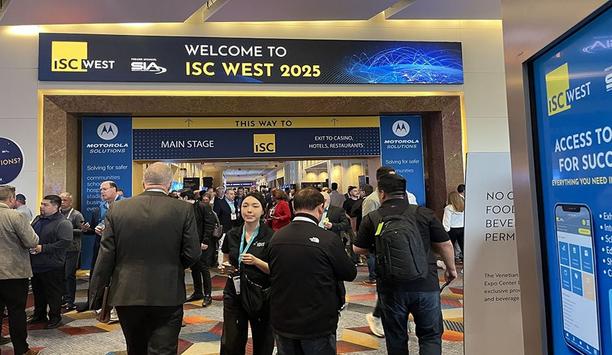
For all the emphasis on cloud systems and centralised servers at ISC West, a lot of innovation in security video systems is happening at the edge. New advancements inside video cameras are boosting capabilities at the edge, from advancements in processing power to artificial intelligence (AI) and machine learning (ML) algorithms that can now be deployed directly on the cameras or edge devices. Advancements in AI algorithms The progress of video systems becoming smarter at the edge is driven by the need for real-time insights, lower latency, bandwidth efficiency, enhanced privacy, and improved reliability. Advancements in edge computing hardware and AI algorithms are enabling a range of intelligent video applications across various industries, including physical security. Smarter functionality at the edge is a benefit of new computer systems-on-chips (SoCs) that are driving new heights of performance for today’s cameras. Axis Communications’ ARTPEC-9 Axis Communications’ new ARTPEC-9 SoC offers advanced video compression to reduce bandwidth Axis Communication’s new ARTPEC-9 system-on-chip (SoC) offers advanced video compression to reduce bandwidth and storage needs. With a low bitrate, the SoC helps deliver high-quality imaging with outstanding forensic detail. ARTPEC-9 also offers enhanced deep learning capabilities to allow users to leverage the latest video analytics and accelerate the implementation of AI technology. Axis maintains control over all aspects of the chip’s development to ensure high quality and cybersecurity. Among the benefits of ARTPEC-9 are better AI and deep learning, better image quality, better cybersecurity, and AV1 license-free video compression (see below). Hanwha Vision’s Wisenet 9 Hanwha Vision has launched Wisenet 9, its most advanced AI-powered System on Chip (SoC). Wisenet 9’s enhanced edge AI capabilities increase performance as the volume and complexity of security threats demand real-time, accurate analysis. By elevating edge-device performance, AI empowers systems to quickly analyse vast amounts of video data and discern crucial patterns and anomalies. A key differentiator driving Wisenet 9 is deployment of two Neural Processing Units (NPUs), which improve performance three-fold compared to Wisenet 7, the previous SoC generation. While one NPU handles image processing, the other focuses on object detection and advanced analytics. This dual NPU concept was introduced to ensure video quality and analytics have independent resources, thus preventing one function from impacting the performance of the other. The latest from Ambarella Ambarella is a supplier of edge AI systems-on-chips to multiple video camera manufacturers Off the ISC West trade show floor in a nearby meeting room, semiconductor company Ambarella demonstrated how it will continue to push the envelope of what is possible with generative AI at the edge. Ambarella is a supplier of edge AI systems-on-chips to multiple video camera manufacturers and recently achieved the milestone of 30 million cumulative units shipped. The demonstrations highlight Ambarella’s ability to enable scalable, high-performance reasoning and vision AI applications across its ultra-efficient, edge-inference CVflow 3.0 AI SoC portfolio. The company’s DeepSeek GenAI models run on three different price/performance levels of its SoC portfolio. In addition to advancements in GenAI processing at the edge, Ambarella integrates image processing, encoding and system-level functions into all its AI SoCs. New standard for video encoding: AV1 AV1 compression is a next-generation video coding technology that offers significant improvements in compression efficiency and video quality, especially at lower bitrates. Its royalty-free nature positions it as a crucial codec for the future of internet video. AV1 compression is a next-generation video coding technology. Axis Communication’s ARTPEC-9 chip now supports the AV1 video encoding standard. By embracing this standard, which is new to the physical security market although it was introduced in 2018, Axis sets the stage for AV1 compression to eventually become the industry standard, replacing H.264 and H.265. Network video transmission AV1 is an open-source, license-free coding format designed mainly for efficient network video transmission AV1 is an open-source, license-free coding format designed specifically for efficient network video transmission. It delivers high-quality video at low bitrates, reducing bandwidth consumption and storage costs. The codec was developed by the Alliance for Open Media (AOM), a nonprofit organisation founded in 2015 by Google, Intel, Amazon, Microsoft, Netflix, and Mozilla (among others), to provide open-standard, next-gen video coding technology. AV1 is ideal for cloud solutions—making streaming applications more robust, scalable, and capable of delivering real-time insights. Now the ARTPEC-9 chipset brings these benefits to the surveillance industry, and AV1 is currently supported by AXIS Camera Station. Providers of major video management solutions (VMS) such as Genetec and Milestone will be adding support for AV1, with further developments already underway. More intelligence at the edge Intelligence inside video cameras comes from the processing power and algorithms that enable them to perform tasks beyond simply capturing and recording images. This "intelligence" allows cameras to analyse the video stream in real-time, identify objects, detect events, and make decisions or provide alerts based on what they "see." New and improved SoCs are driving performance improvements at the edge. The increasing power of embedded processors and advancements in AI are continuously expanding the capabilities of intelligent video cameras.

AI has the potential to enhance the usability of traditionally complex access control and physical security systems. The application of AI (artificial intelligence) within access control is still relatively new, but rapid advancements in generative AI are already transforming how security systems operate. acre security is driving the deployment of generative AI in access control through its acquisition of REKS earlier this year. REKS is a purpose-built generative AI solution designed specifically for acre’s access control platform. Unlike generic AI tools, REKS understands both system and security-specific terminology, allowing users to ask natural-language questions like, “Show me all access denied events at a specific location,” and receive instant results. AI workflows and AI agents “We're starting to see how AI workflows and AI agents, that leverage language models, can potentially be used in conjunction with access control to create new, automated processes around false alarm reduction, system configuration, report generation, data analysis, threat detection, and in-system customer support,” says Adam Groom, Director of Business Development, AI Development Team, acre security. “We expect AI-driven capabilities to evolve rapidly, but the full range of benefits will depend on continued development and real-world application,” he adds. Integrate AI-driven capabilities acre’s ability to integrate AI-driven capabilities across the company’s product portfolio positions The best way to think of REKS is as an acre access control expert you can talk to, says Groom. “As AI adoption grows in security, REKS will expand its capabilities, making access control more usable and more efficient.” Groom says acre’s ability to integrate AI-driven capabilities across the company’s product portfolio positions the company as a pioneer in next-generation physical security. “These features will add long-term value by enhancing usability and operational insights across various segments,” says Groom. “Work is already under way to incorporate REKS into acre access control, and we’ll evaluate other integration opportunities in the future.” REKS' AI capabilities According to acre, REKS simplifies daily operations, automating routine tasks, and delivering real-time, actionable intelligence. With REKS' AI capabilities, users can interact with the system to retrieve more detailed insights and actionable information from their acre access control system. “This eliminates the need for complex reports, navigating drop-down menus, or manually reviewing logs,” says Groom. “It significantly enhances efficiency and usability for security professionals.” Enhancing productivity and customer satisfaction Key concern is ensuring that system configuration, enactment, and servicing remain within their scope For integrators, the key concern is ensuring that system configuration, implementation, and servicing remain within their scope of expertise. With REKS, that doesn’t change — but the process becomes significantly faster and more efficient. Instead of manually configuring every panel, input, and output — a traditionally time-consuming task — REKS enables integrators to use natural language commands to streamline setup and adjustments, says Groom. This eliminates tedious steps and dramatically improves operational efficiency, allowing integrators to deploy and fine-tune systems with greater speed and accuracy, ultimately enhancing both productivity and customer satisfaction, he adds. Cloud-enabled ecosystems “We are committed to helping organisations modernise their security infrastructure by transitioning from legacy systems to cloud-enabled ecosystems at their own pace — ensuring minimal disruption while maximising value,” says Groom. “By integrating AI-driven capabilities, we enhance usability and deliver deeper operational insights across all segments.” “Security’s future isn’t about forcing change — it’s about empowering choice,” adds Groom. “Whether staying on-prem, migrating to the cloud, or adopting a hybrid model, we plan to provide a seamless, zero-disruption transition, prioritising interoperability, automation, and security at every stage.” Generic AI tools AI must be purpose-built for security applications because security demands precision, reliability, and context-aware decision-making, which only focused AI offerings like REKS bring to the table, says Groom. In contrast, generic AI tools, like ChatGPT, are designed to perform a wide variety of tasks, like how humans can learn and do many different things. Instead, purpose-built AI is built to do just one specific function. “REKS adds specially designed artificial intelligence to our access control solutions to enhance both intelligence gathering and the user experience,” says Groom. New applications in access control The integration of generative AI into acre's access control platforms and their broader portfolio A new AI development team will lead AI initiatives at acre, driving the integration of generative AI into acre's access control platforms and their broader portfolio. This team will seek to push boundaries in applying AI to new applications in access control, intrusion detection, and beyond, empowering security professionals to interact with their systems in a smarter, more intuitive way. But don’t worry, AI will not take the human element out of security entirely. AI human capabilities “The reality is that AI will improve upon human capabilities because it is a versatile tool that supports and strengthens security operations, not a replacement for human decision-making,” comments Groom. “It helps operators process large amounts of data quickly and detect patterns that might be missed otherwise.” Rather than removing the human element, AI allows security teams to work more efficiently by automating repetitive tasks and providing actionable data, enabling professionals to focus on critical responsibilities. {##Poll1743085396 - What is the biggest challenge you face with your current access control system?##}

The practice of executive protection changed forever on Dec. 4, 2024, when UnitedHealthcare CEO Brian Thompson was shot outside a Manhattan, New York, hotel. The shocking event raised awareness in board rooms around the world about the need for, and challenges of, executive protection. Questions followed immediately, including why was the high-level executive not protected? Combination of risk and reward UnitedHealthcare’s stock price has gone down more than 20% since the shooting The event also highlighted what is at stake for companies, extending beyond the safety of executives and impacting many factors, even including a company’s stock price. UnitedHealthcare’s stock price has gone down more than 20% since the shooting, equating to tens of billions of dollars. “Companies are considering the combination of risk and reward like never before when it comes to executive protection,” says Glen Kucera, President of Allied Universal Enhanced Protection Services. “What are the chances this could happen? Before Dec. 4 many thought it was zero. And what are the financial implications for a company if it happens? Executive protection is a small investment to protect against a worst-case scenario.” Evaluation of an executive protection Before the UnitedHealthcare shooting raised awareness, fewer than 50% of executives had protection. But concerns that previously fell on deaf ears now have the full attention of companies, says Kucera. “Boards of directors are having to figure this out,” he adds. “They may not have executive protection, but now they have to do it.” A threat assessment, conducted by a company such as Allied Universal, provides an independent evaluation of a company’s executive protection needs. The assessment evaluates factors such as an executive’s travel habits, the safety of their home, etc. Does the executive need protection 24/7, or just when they travel into more dangerous areas? Risks increase related to corporate earnings Sometimes, cases increase the need for executive protection, such as an internal threat In assessing threats, security professionals also look beyond the individual to consider the safety of a corporate facility, for example. “Is there a visual deterrent, controlling who comes and goes?” asks Kucera. “If there is good security, it all ties together. We do home assessment, facility assessment, route assessment, and travel assessment as needed.” Sometimes, circumstances increase the need for executive protection, such as an internal threat. Timing is a factor, and risks increase related to corporate earnings releases, new product announcements, and corporate layoffs or consolidation. Monitoring social media tracks shifting threats that impact the need for executive protection. UnitedHealthcare shooting “He didn’t have it and probably didn’t think he needed it,” comments Kucera about the UnitedHealthcare executive who was gunned down in the streets of New York City. “He was staying at the hotel across the street and was used to walking down the street every day.” “Sometimes executives want to preserve their privacy and be able to walk down the street,” says Kucera. “Getting protection can be seen as a sign of weakness. Some CEOs in the past have said they just didn’t want it.” However, the UnitedHealthcare shooting raised the stakes of the need for more vigilance. “The bottom line is you have to yet beyond objections and make the investment to protect against a worst-case scenario,” says Kucera. Anti-capitalist sentiment in the general population An internal police bulletin warned of an online hit list naming eight executives and their salaries Threats to executives sometimes arise from anti-capitalist sentiment in the general population about perceived inequalities in wealth and power. Executives provide symbolic targets for anyone who fights the system, and social media has amplified the voices of those who oppose capitalism. For example, a "Most Wanted CEO” card deck seeks to shine a spotlight on "titans of greed." Also, in the aftermath of the UnitedHealthcare shooting, CEO "wanted" posters appeared across New York City, threatening various executives of large companies. An internal police bulletin warned of an online hit list naming eight executives and their salaries. Careful monitoring of social media posts Careful monitoring of social media posts and other sources enables executive protection professionals to analyse data and separate the dangerous threats from the merely negative ones. Sadly, positive support of the UnitedHealthcare shooting was expressed by the 300,000 or so followers of the shooter, who became a celebrity of sorts. A huge outcry of negative sentiment toward the insurance industry led to fear that copycat incidents might occur. “There has been an unprecedented amount of positive support for committing murder,” commented Kucera. Executive protection requests HR executives can be at risk, especially at a time of layoffs or consolidation “Let’s face it, there has been a lot of controversy, from COVID to the Middle East crisis, to the political campaign, and there is negativity on both sides,” says Kucera. “People have opportunities to pick sides, and there is a lot of sentiment going both ways, and there is a small percentage of people who will act aggressively.” Executive protection requests now extend beyond the CEO to include others in the management ranks of companies. Basically, any public-facing executive is at risk, including anyone who makes statements to the press. Human resource (HR) executives can be at risk, especially at a time of layoffs or consolidation. Private information on the Internet Typically, an executive is assigned a single armed operative for protection. The firearm serves primarily as a visual deterrent that hopefully makes a potential perpetrator think twice. “When they plan an event like this, their expectation is that it will be a soft target,” says Kucera. “If there is an officer, it gives them pause.” Controversial or high-profile CEOs are typically protected 24/7, including when they travel with their family. Adding risks is the fact that private information is now posted on the Internet, including where an executive lives and where their children go to school. Internet monitoring Internet monitoring also includes the “dark web,” which includes sometimes dangerous information “We offer social media monitoring, and we advise them to be more careful with what they post,” says Kucera. “We monitor reactions to posts including any that might be threatening. We watch social media carefully if a company announces earnings or a change in their service or product offering.” Internet monitoring also includes the “dark web,” which includes sometimes dangerous information that is intentionally hidden and requires specific software, configurations, or authorisation to access. Own layer of protection Public and government officials can also come under fire in a variety of scenarios. FEMA officials faced threats after the recent floods in the Southeast, for example, among other situations where perceived unfair treatment promotes thoughts of retribution. Although government agencies have their own layer of protection, there are instances when they call on companies such as Allied Universal for additional help. Ad hoc protection for various executives In the aftermath of the UnitedHealthcare shooting, calls to Allied Universal’s Command Centre increased by 600%, reflecting requests for ad hoc protection for various executives. These requests are in addition to the company’s business providing “embedded” operatives that travel with executives all or some of the time. On that side of the business, requests for services are up probably 300%, says Kucera. {##Poll1742194323 - Has the recent increase in violent threats changed your company's view on executive protection?##}
Case studies

RGO College in Middelharnis has selected an Alcatel-Lucent Enterprise network infrastructure solution to ensure secure connectivity for its students and staff. Located in Goeree-Overflakkee. this comprehensive secondary school offers education at multiple levels, including gymnasium, atheneum, HAVO and MAVO1. With approximately 1,000 students, RGO College focuses on inspiring education, personal development and thorough preparation for higher education in a modern and future-oriented learning environment. Connectivity issues RGO College encountered connectivity issues impacting staff and students due to outdated LAN/WLAN network infrastructure. The school chose to deploy Alcatel-Lucent OmniSwitch® 6360 switches and more than 100 Alcatel-Lucent OmniAccess® Stellar AP1321 and AP1351 Access Points (APs). The Alcatel-Lucent OmniVista® Cirrus network management from the cloud and the implementation of Network Access Control (NAC) enable an additional layer of security. Network Access Control (NAC) In accordance with the IBP (Information Security & Privacy) standards framework in the Netherlands, the network has been configured to be fully secure. Network Access Control (NAC) is used to configure network segmentation, so devices, students and staff are separated from one another on the network and assigned specific profiles, roles and permissions. Digital whiteboards used in classrooms are securely connected to the network using Private Pre-Shared Keys (PPSK). Expert insight "We don’t have to do any more network maintenance because we haven’t encountered any problems since the network was upgraded. That saves us a lot of time." Demi Jansen, System Administrator at RGO College "Thanks to our close collaboration with both RGO College, our partner and our distributor, we were able to deliver a magnificent project that is fully aligned with the IBP Standards Framework. This is of great importance within the Dutch education sector, as it ensures digital security for both staff and students, and we are incredibly proud of that." Esli Coenraad, Data Presales Engineer at Alcatel-Lucent Enterprise Secure and stable network Now, with a secure, stable, cloud-managed network, reduced Total Cost of Ownership (TCO) and little to no maintenance, RGO College is well positioned to deliver a high-quality experience for students and staff that meets the expectations of a future-looking educational institution.
ANSecurity, a pioneering specialist in network security and wireless solutions, has successfully delivered one of the UK education sector’s first campus-wide Wi-Fi 7 deployments at Sir William Perkins’s School, providing the Surrey-based independent school with a secure, high-capacity wireless infrastructure designed to support its growing digital learning ambitions. Serving around 580 students and 142 staff, Sir William Perkins’s School has fully embedded 1:1 iPad usage into daily teaching. However, the school’s legacy wireless network struggled to cope with the rising density of devices, particularly when large groups connected simultaneously through Apple Classroom. Technical requirements Ensuring secure authentication, safeguarding compliance, and consistent performance across hundreds of devices became increasingly challenging – and other vendors were unable to meet the school’s strict technical requirements. “We spoke to multiple providers, but none were able to implement the solution we envisioned. ANSecurity not only made it possible – they tested it, validated it, and delivered it flawlessly,” said the school’s IT Manager. A structured, consultative approach Introduced by RUCKUS Networks, ANSecurity began by validating the school’s design requirements and conducting extensive lab testing to confirm compatibility with Jamf School’s certificate-based authentication and the school’s existing network architecture. A collaborative deployment plan followed, with a tight three-month schedule carefully aligned to the school holidays to avoid disruption. ANSecurity then deployed RUCKUS Wi-Fi 7 access points and configured Cloudpath to seamlessly issue certificates to nearly 550 school-managed iPads – a capability other vendors could not match. Wi-Fi 7 provides dramatically higher throughput, lower latency, and improved efficiency thanks to technologies such as wider channels and multi-link operation, enabling fast, reliable connectivity even in dense device environments like classrooms. ANSecurity integrated RADIUS and API-driven workflows To support safeguarding and compliance, ANSecurity integrated RADIUS and API-driven workflows to ensure accurate user-to-IP mapping across both the Palo Alto Networks next-generation firewall and the ContentKeeper filtering service. Additional networks were created for BYOD and guest access, with Opportunistic Wireless Encryption (OWE) used to protect traffic on open networks. ANSecurity also assisted in restructuring parts of the network, implementing new VLANs and applying updated firewall policies to ensure the right users and devices could securely access the right resources. Following deployment, a detailed wireless site survey was carried out to confirm optimal signal strength, signal-to-noise ratio, and throughput across both indoor and key outdoor areas of the campus. “The difference in consultative support compared to other vendors was night and day,” said the IT Manager. A high-performance, future-ready outcome The school now benefits from fast, stable, and secure Wi-Fi coverage across the entire campus. The new network reliably supports nearly 800 devices, with the majority operating seamlessly on 5 GHz, and is fully prepared for future upgrades, including WPA3 and 6 GHz Wi-Fi once supported by Jamf School. Integration with existing security solutions ensures all safeguarding, logging, and compliance requirements are met. Improvements to switching, segmentation, and overall network architecture have further enhanced performance and manageability. Cyber Essentials Plus certification Delivered within the agreed three-month window, the project positions Sir William Perkins’s School at the forefront of digital education. Wi-Fi 7 provides the performance headroom needed to support emerging educational technologies – from AR/VR learning to high-bandwidth cloud applications – ensuring the school remains ahead of future digital demands. With upcoming initiatives including Cyber Essentials Plus certification, expanded security controls, and wired network access control, the relationship between the school and ANSecurity continues to deepen, built on trust, technical expertise, and a shared commitment to innovation.

Garden Spot Communities, a continuing care retirement facility in New Holland, Pennsylvania, has grown a comprehensive video security solution over nearly 20 years that maintains the facility's welcoming, open-door philosophy, while ensuring resident safety. The community operates public restaurants and welcomes neighbours across its 230-acre campus, while securing 1,100 residents using Milestone Systems XProtect video management software (VMS). Technology partnership Garden Spot maintains an intentionally open campus that includes a Starbucks cafe open to the public Garden Spot Communities, along with their Lancaster-based integrator partner App-Techs, have continually expanded their Milestone XProtect VMS to cover the unique needs of their nearly 1.4 million square foot facility, which accommodates diverse camera brands and technologies. Unlike traditional senior living facilities that rely on gates and fences, Garden Spot maintains an intentionally open campus that includes a Starbucks cafe open to the public. The system includes wireless links extending coverage to perimeter areas up to 300 metres from main buildings, supporting the facility's philosophy of openness rather than barriers. Eyes across campus "Having a comprehensive video system is key to our operating such a large enterprise," said Steve Muller, Chief Operating Officer at Garden Spot Communities. He adds, "Garden Spot's core philosophy from the very beginning is that what we don't spend on fences and gates, we can spend on cameras. We need to have eyes on what's happening across campus, and with a system like Milestone, we can do exactly that." Operational benefits The video system serves as an integral operational tool, enabling staff to respond quickly to emergencies The video system serves as an integral operational tool, enabling staff to respond quickly to emergencies and maintain situational awareness across the campus. The technology provides enhanced safety, improved operational efficiency, and valuable peace of mind for staff and families. Staff access video feeds from security workstations, office desktops, and mobile phones for timely response to situations. The system proves most valuable when a resident is missing from their normal routine, with staff turning to video as their first investigative step. In one case, cameras enabled rapid response to locate a gentleman with dementia who had left campus, preventing potential harm. Seamless monitoring Beyond security, the system supports operational needs, including weather monitoring during Pennsylvania winters and remote monitoring of the facility's aeroponic greenhouse. The system operates across multiple Dell servers with centralised management, enabling seamless monitoring from a single interface. App-Techs' Health Utility Monitor software provides telemetry data every five minutes, enabling proactive maintenance that resolves issues before staff notice them. Open platform The open platform approach provides flexibility in camera selection rather than locking the facility into a single manufacturer. This flexibility enabled system evolution from a four-camera installation in 2006 to today's comprehensive 110-camera network. The partnership with App-Techs extends beyond installation to ongoing system health monitoring, ensuring consistent performance while allowing Garden Spot staff to focus on operations rather than technical troubleshooting. Garden Spot's experience demonstrates how open platform video technology can support organisational values, while providing essential operational capabilities. The system has adapted and grown alongside facility needs, proving that investments in scalable technology provide lasting value for senior living communities seeking to balance security with community openness.

Iveda®, a pioneer in AI-driven video surveillance and smart-city technologies, announced that Subic Sun Development, Inc. has chosen the IvedaAI™ platform as the video surveillance solution for the soon-to-open Subic Sun Resort, Convention & Casino. IvedaAI was selected early in the build-out to inform camera placement and ensure frictionless integration with future-ready, AI-powered analytics. Focus on safety and service Located on the former U.S. naval base in the Subic Bay Freeport Zone—a special economic hub that hosts thousands of international and local businesses—the resort will feature 500 guest rooms, a state-of-the-art convention centre, a luxury casino, and two Accor-brand hotels, Ibis Styles and Mercure, scheduled to open in December 2025. The decision comes as global resort operators sharpen their focus on safety, service and operational efficiency. The global resort market generated $347 billion in 2024 and is projected to reach nearly $945 billion by 2030, an 18.5% CAGR. IvedaAI’s AI-enabled video analytics IvedaAI’s AI-enabled video analytics will help property staff lower security costs, respond to incidents faster IvedaAI’s AI-enabled video analytics will help property staff lower security costs, respond to incidents faster and unlock data-driven insights that boost both guest satisfaction and bottom-line performance. “Iveda being selected as a premier security and surveillance provider before the first Subic Sun Resort guest ever checks in is a powerful endorsement of our commitment to providing state-of- the-art monitoring technology,” said David Ly, CEO and Founder of Iveda. IvedaAI’s real-time analytics Ly added: “By designing camera layouts around IvedaAI’s real-time analytics, Subic Sun can optimise coverage, reduce blind spots, and deliver safer, smoother guest experiences—without a costly equipment overhaul. We expect more ground-up projects to follow this blueprint.” Iveda Philippines—Iveda’s joint venture focused on nationwide smart-city deployment—secured the Subic Sun contract and will oversee the on-site rollout. The win represents the team’s first major hospitality project and advances its plan to generate US$ 3 million in smart-city revenue by FY 2026, building on the broader initiative it announced last year.

Comelit-PAC has successfully upgraded the access control infrastructure at Blackpool Victoria Hospital, ensuring a seamless and secure environment for staff, patients, and visitors. Blackpool Victoria Hospital is one of the largest and busiest hospitals in the Northwest, providing essential healthcare services to thousands of patients each year. As a pioneering medical facility, ensuring a secure and efficient environment is a top priority. Integrated PAC Access Central Security technology works programme integrated PAC Access Central with multiple PC workstations Designed to provide a robust and scalable security solution, the security technology works programme integrated PAC Access Central with multiple PC workstations for comprehensive global administration across the hospital’s network To safeguard critical areas within the hospital, Comelit-PAC’s advanced 500 series controllers were utilised. This includes the 511, 512 model door controllers linked into the existing 500 Access & Alarm servers on site, offering a mix of ethernet and RS485 connectivity to enhance system flexibility and efficiency. Security and administrative control Martyn McKechnie, Head of Digital Identity at Blackpool Victoria Hospital, commented: "As a busy hospital with multiple departments and critical areas, we required an access control system that could integrate seamlessly while offering high levels of security and administrative control." Martyn McKechnie adds, "PAC Access Central provides the scalability and reliability we need to manage hospital-wide access efficiently. The ability to oversee all access points from multiple PC workstations ensures our Digital Identity and Security teams can respond quickly to any situation." Future-proof access control system Blackpool Victoria Hospital benefits from a resilient and future-proof access control system A key element of the installation is its server-based architecture, providing enhanced security measures and fail-safe redundancy. This ensures Blackpool Victoria Hospital benefits from a resilient and future-proof access control system, capable of meeting the bespoke demands of the healthcare environment. Advanced security infrastructure Jason Sullivan, PAC/GDX Strategic Development Manager at Comelit-PAC, said: "We worked closely with Blackpool Victoria Hospital right from the initial specification stage to deliver a solution to balance security with ease of management." Jason Sullivan adds, "PAC Access Central presents a future-proof system that allows the hospital to maintain strict access control, while adapting to evolving needs. By adopting this advanced security infrastructure, Blackpool Victoria Hospital continues its commitment to maintaining a safe and secure environment, leveraging Comelit-PAC’s expertise in access control technology."

In 1979, nine districts and five cities in Bavaria, Germany, founded a joint association for the disposal of residual waste. They targeted future-oriented, environmentally friendly and economical fulfilment of local statutory obligations. Now with 17 association members, ZMS (Zweckerverband Müllverwertung Schwandorf) disposes waste for around a fifth of Bavaria, almost two million citizens. They also use the energy generated by the waste power plant as efficiently as possible. Different levels of security Devices and other access hardware also need high weather resistance, for deployment outdoors In the past, a mechanical locking system was used on all ZMS properties. The association planned a digital upgrade to boost flexibility over their existing mechanical locking. Their principal site at Schwandorf has areas requiring different levels of security. Devices and other access hardware also need high weather resistance, for deployment outdoors. Managers also considered workflow efficiency. They wanted a way to manage access authorisations more flexibly and align security infrastructure with upcoming IT security laws such as NIS2. Digital Access Solutions from ASSA ABLOY The company chose eCLIQ, part of the suite of Digital Access Solutions from ASSA ABLOY. This innovative, programmable key-based solution now equips not only the power plant and headquarters in Schwandorf, but also buildings across eastern Bavaria, including transfer stations, a waste disposal site, a sorting plant in Bodenwöhr, and a sludge drying plant, as well as all technical and commercial offices, gate control systems and local control points. Because eCLIQ offers a broad range of digital cylinders within its single ecosystem, it suits diverse and complex organisations like ZMS. The benefits of programmable key-based digital access These Wall PDs also make it easy to set limited access time windows for fitters or maintenance contractors The digitally networked eCLIQ system allows access rights and security levels to be defined and assigned flexibly and precisely. A total of 20 Wall Programming Devices (Wall PDs) installed in the head office and branch offices ensure that only authorised employees gain access. These Wall PDs also make it easy to set limited access time windows for fitters or maintenance contractors. If a key is lost, it can be programmed out immediately to prevent misuse. Standard eCLIQ keys “Now we are going with the times and can conveniently enjoy a wide range of advantages,” says Manuel Emerich, Project Manager at ZMS. “As a critical infrastructure company, we can also react very rapidly and flexibly to future requirements.” The solution offers the advantage that a depleted battery does not render a cylinder useless With eCLIQ, each of ZMS’s approximately 1,000 wireless digital cylinders is powered by a battery inside the keyholder’s personalised key. Standard eCLIQ keys have a battery life of 10 years with typical usage. The solution offers the advantage that a depleted battery does not render a cylinder useless. The key is simply fitted with a spare battery, saving time and effort. Future of evolving physical and cyber-security threats Security is a critical concern at municipal and infrastructure sites: every eCLIQ device offers reliable protection against manipulation and intelligent break-in attempts. Keys are robust, with a waterproof casing, and operate reliably in the most challenging environmental conditions. With eCLIQ, ZMS feel ready to face a future of evolving physical and cyber-security threats. “For us, the introduction of digital locking technology and the ability to respond quickly and specifically to security incidents is a decisive step towards a holistic and future-proof system to defend against cyber–physical threats,” adds Manuel Emerich.
Round table discussion

Future-proofing your skillset is about embracing continuous learning and developing a versatile set of competencies that remain valuable regardless of technological shifts or industry changes. In the security marketplace, it is not about predicting the exact jobs of the future, but rather equipping yourself to adapt and thrive in the uncertain security landscape. But where to begin? The emerging technology shifts in the security industry provide clues, such as the growing importance of cybersecurity and artificial intelligence (AI). We asked our Expert Panel Roundtable: How can physical security professionals “future-proof” their skillsets to prepare for emerging technologies?

In the physical security marketplace, artificial intelligence (AI) has evolved beyond the novelty phase. The emphasis has now shifted to the more practical aspects of implementing AI technology. That a system implements AI is no longer impressive in and of itself. The question becomes: What can this AI system do for me? How can it improve my physical security stance? We asked our Expert Panel Roundtable: How is artificial intelligence (AI) transforming physical security?

Physical security technologies are a prominent tool used by correctional facilities to provide a safe, secure, and controlled environment for staff, inmates, and the wider community. Among several functions, security technologies are used to prevent unauthorised access, to detect contraband, to monitor inmate movements and activities, and to protect staff. For security technology manufacturers, integrators and consultants, the corrections market presents distinctive challenges. We asked our Expert Panel Roundtable: What are the unique aspects of the corrections market, and how should the physical security industry adapt?
Products
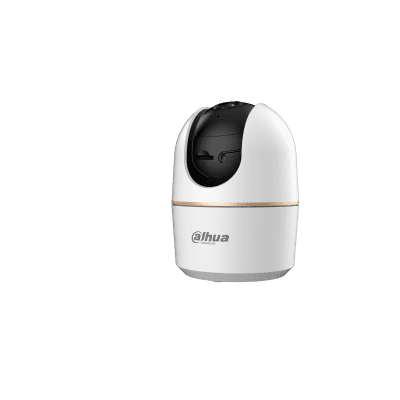




White papers

One system, one card
Download
Access control: The enterprise buyer's guide
Download
A step-by-step checklist for choosing an intercom system
Download
The wireless access control report 2023
Download
Cybersecurity in keyless access management
Download
Wireless Access Control eBook
Download
Wireless security: Cut costs without cutting corners
Download
Making your surveillance cyber secure
Download
How to keep students safe on campus
Download
Network Security Redefined: IP-Enabled Access Control
Download
Mobile Access - What you need to know
Download
The evolution of cards and credentials in physical access
DownloadVideos



Wireless security: Manufacturers & Suppliers
- ASSA ABLOY - Aperio® Wireless security
- Dahua Technology Wireless security
- Honeywell Security Wireless security
- CLIQ - ASSA ABLOY Wireless security
- DSC Wireless security
- Climax Technology Wireless security
- Ajax Wireless security
- CIVINTEC Wireless security
- Senstar Wireless security
- Vanderbilt Wireless security
- Visonic Wireless security
- ASSA ABLOY Wireless security
- OPTEX Wireless security
- Pyronix Wireless security
- Verkada Wireless security
- Bosch Wireless security
- Kantech Wireless security
- Hikvision Wireless security
- RISCO Group Wireless security
- D-Link Wireless security

Technology's role in securing banks and financial institutions
Download
Security technologies promote real-time awareness in K-12 schools
Download
Integrated systems enable critical and compliant security for transportation
Download
Modernising physical access control
Download
Access. Intrusion. One estate.
Download