Traffic control solutions are vital for enhancing safety in various environments, whether it's diverting vehicles in a work zone, managing access during events, or restricting entry to specific areas. These traffic management tools utilise several methods to effectively guide and limit vehicular movement in designated spaces.
Temporary Traffic Control Solutions
Among the simplest and most portable traffic control devices are traffic cones.
These lightweight, durable cones can be quickly set up in temporary locations to redirect vehicles, mark road hazards, or indicate lane changes. Their bright colours and reflective features ensure visibility even in challenging conditions. Larger alternatives, such as barrels, are often employed to safeguard workers during road construction, with options to stabilise them using water, sand, or cement.
Permanent and High-Security Barriers
Bollards serve as more robust traffic control solutions, crafted from materials like steel and cement
Bollards serve as more robust traffic control solutions, crafted from materials like steel and cement. Typically used in permanent installations, they help manage vehicular flow around pedestrian areas and sensitive buildings.
Bollards come in two main varieties: fixed and retractable. While the former provides constant traffic management, retractable bollards can be concealed underground and activated as needed, offering an adaptable high-security barrier. Delta Scientific offers a range of bollards in manual, hydraulic, and electromechanical forms, catering to stringent security requirements.
Protective Measures for Sensitive Areas
For high-security needs in restricted-access zones, wedge barriers are an ideal choice. Used extensively at embassies and military sites, these barriers utilise hydraulic and electric systems to raise wedge-shaped barricades that span roads, preventing traffic intrusion. Once retracted, they remain inconspicuous, blending into the surrounding environment, making them both functional and unobtrusive.
Flexible Traffic Management
Traffic signs and signals offer quick, adaptable solutions for directing flow and managing speed changes
Traffic signs and signals offer quick, adaptable solutions for directing flow and managing speed changes. They are effective when conditions require frequent updates, such as during construction that involves intermittent lane closures. While they rely on driver compliance, these visual indicators are best suited for scenarios that do not demand high security.
Beam barricades provide a flexible approach to managing access with movable barriers spanning 10 to 30 feet. Available as manual, hydraulic, or electric options, these beams, resting on side supports, are prevalent in parking areas and locations with controlled entry.
Pavement-Based Traffic Control
Speed bumps and humps, along with rumble strips, constitute effective long-term traffic control measures installed on road surfaces.
They are instrumental in reducing vehicle speed in specified zones. These pavement-based solutions are a cost-effective option, though they may require periodic maintenance, such as painting contrasting colours for visibility.
Portable Barrier Options
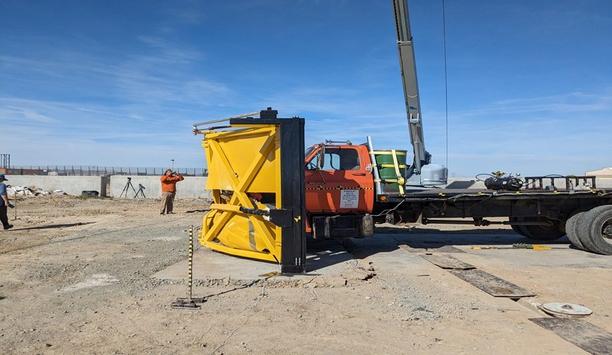
Portable barriers provide a quick deployment option for temporary settings. With configurations like mounted wedges or beams on trailers, these barriers can be erected swiftly, offering a high-impact resistance ideal for areas requiring temporary restricted access. Delta Scientific is noted for its pioneering role in manufacturing these high-security systems capable of withstanding impacts at speeds up to 50 MPH.
There are many situations where users may need to control or redirect traffic. It might be to increase safety in a work zone, keep vehicles from a specific area during an event, or limit access to a restricted location. Traffic controls allows users to accomplish this through one of several methods.
There are many different types of traffic controls. The following types of traffic controls can help direct, slop, and stop cars in designated areas. Learn more about each one, where they work best, and how to use them most effectively.
Quick installation in temporary locations
Traffic Cones - Cones are some of the simplest types of traffic control available. They are lightweight and portable, making them ideal for quick installation in temporary locations. Durable construction allows them to withstand harsh conditions.
Traffic cones come in various sizes. Common uses include redirecting traffic, such as into another lane, or marking road hazards. Barrels are larger and often used to protect workers performing road construction. Some can be filled with water, sand, or cement to stabilize them and provide reinforcement. Bright colours and reflective markings make them highly visible.
High-security barrier system
Bollards - Bollards are more substantial traffic control devices. They can be cement, steel, or other rigid materials. Most are installed in permanent locations to stop the flow of traffic. Bollards are ideal for installation around pedestrian areas and buildings.
There are two main types of bollards: fixed and retracting. The former stays in position, offering constant traffic control. If users need a more flexible solution, they can install retracting bollards. They go underground and rise as needed to provide an effective high-security barrier system. Delta Scientific offers several models of bollards, including manual, hydraulic, and electromechanical. Some models can raise and lower in seconds to meet the strictest security requirements.
Physical wedge barrier
Wedge Barriers - Wedge barriers offer high security for restricted-access areas. Embassies, military installations, and other sensitive facilities rely on this type of traffic control to enhance security. They are typically set into an underground foundation, which allows for raising and lowering the physical wedge barrier with hydraulic and electric mechanisms. When raised, the wedge spans the roadway or entrance, completely blocking traffic.
Because the barriers retract into the roadway, they are unobtrusive when not deployed. Different materials and colours can help them blend into the facilities.
Intermittent lane closures
Traffic Signs and Signals - Situations that call for traffic controls that are easy to change as needed may be better served with signs and traffic signals. These provide visual cues to drivers about speed, direction, and any lane changes. Users can also use them to stop traffic, such as when construction requires intermittent lane closures. Because signs and traffic signals require drivers to consciously comply with instructions, they are best suited for situations that do not require high security or where a backup is possible.
Moveable physical barrier
Beam Barricades - Beam barricades are excellent for situations that require a moveable physical barrier to direct traffic. They can cover openings ranging from 10 to 30 feet, with beams that open either horizontally or vertically. Users can choose from manual, hydraulic, and electric beams depending on their situation.
This type of traffic control uses a physical beam that rests on buttresses on either side of the opening or roadway. Beam barricades are commonly seen in parking areas or locations with restricted access.
Raised portions of pavement
Speed Bumps - Speed bumps are a type of traffic controls. Speed bumps and humps consist of raised portions of pavement within travel lanes. They encourage drivers to reduce their speed. Speed bumps are excellent when placed in parking areas or approach lanes to gates. Rumble strips are similar traffic control devices that use textured surfaces cut into the pavement.
Pavement-based traffic controls like speed bumps are inexpensive and easy to install. They are generally considered long-term solutions that last as long as the surrounding pavement. However, they are most visible and therefore effective when painted in a contrasting color, and you may need to touch up markings more frequently.
Portable barrier systems
Portable Barriers - There are many types of portable barrier systems. Most offer quick installation and high visibility. Some systems have extremely high crash ratings, making them ideal for temporary functions with restricted access.
Wedges or beams mounted on trailers are a common configuration. A crew of two people can generally set them up within 10 or 15 minutes, which allows for a quick solution for controlling traffic. Portable bollards are another option.
Delta Scientific is proud to be a pioneer manufacturer of high-security traffic controls. They offer several types of barrier systems designed to withstand up to 50 MPH impacts.