Internet of Things (IoT) - Round table discussions

Emphasising proactive rather than reactive security shifts the focus from dealing with crises and damage control to prevention. Advantages of a proactive approach include cost efficiency, better business continuity, and fewer crises that draw attention away from strategic improvements. Staying ahead of threats is a core mission of the security department, and technology has evolved to enable security professionals to deliver on that mission better than ever. We asked our Expert Panel Roundtable:...

The Internet of Things (IoT) is having a profound impact on businesses across various industries, including security. In physical security as in other business environments, the IoT is changing how systems operate, interact, and create value. In the process, the IoT is driving efficiency, reducing costs, and opening up new avenues for innovation and growth. We asked our Expert Panel Roundtable: How is the Internet of Things (IoT) transforming how security systems are deployed?

Future-proofing your skillset is about embracing continuous learning and developing a versatile set of competencies that remain valuable regardless of technological shifts or industry changes. In the security marketplace, it is not about predicting the exact jobs of the future, but rather equipping yourself to adapt and thrive in the uncertain security landscape. But where to begin? The emerging technology shifts in the security industry provide clues, such as the growing importance of cybersecu...

In the past, security installers and integrators were used almost exclusively to install hardware. However, the role is changing and expanding along with the technologies used in the physical security industry. Nowadays, an installer or systems integrator is much more likely to use a strategic, IT-centric, and data-driven approach. To gain additional insights, we asked our Expert Panel Roundtable: How is the role of the security installer/integrator changing?

In the physical security marketplace, artificial intelligence (AI) has evolved beyond the novelty phase. The emphasis has now shifted to the more practical aspects of implementing AI technology. That a system implements AI is no longer impressive in and of itself. The question becomes: What can this AI system do for me? How can it improve my physical security stance? We asked our Expert Panel Roundtable: How is artificial intelligence (AI) transforming physical security?

In many cases, architectural design and layout dictate optimal placement of security devices like cameras, access control readers, and sensors. Poor design can lead to blind spots, reduced coverage, and ineffective surveillance. However, planning that involves all the various stakeholders can maximise both security and design elements. We asked this week’s Expert Panel Roundtable: When are building design and physical security systems complementary? When are they at odds?
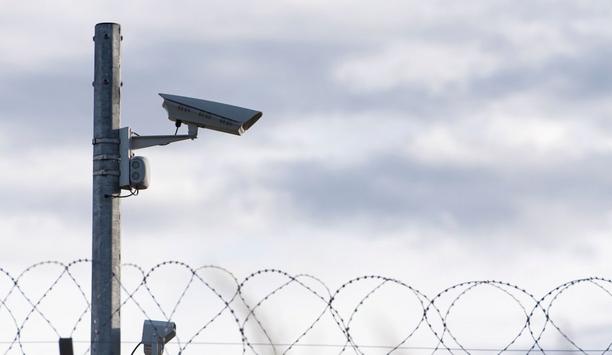
Physical security technologies are a prominent tool used by correctional facilities to provide a safe, secure, and controlled environment for staff, inmates, and the wider community. Among several functions, security technologies are used to prevent unauthorised access, to detect contraband, to monitor inmate movements and activities, and to protect staff. For security technology manufacturers, integrators and consultants, the corrections market presents distinctive challenges. We asked our Expe...

As cutting-edge trends go, convergence has been around for at least two decades. The meaning has shifted over the years, and if anything, the idea of convergence has gotten even more aspirational. Unfortunately, the widespread use of the term has also paradoxically undermined its meaning and power. However, today's concept of convergence has matured to provide new levels of benefit for security professionals. We asked our Expert Panel Roundtable: How has the meaning of “convergence”...

Technology innovations and an evolving threat landscape will be core factors impacting the physical security market in 2025. Technology elements such as artificial intelligence (AI), multi-factor access control, and mobile devices will continue to drive growth in the greater industry. We asked our Expert Panel Roundtable: What is the outlook for the physical security industry in the year ahead?

New technology advancements significantly increase efficiency and productivity in any industry, including physical security. Enhanced innovation both creates new products and services and improves existing products, all for the benefit of security manufacturers, integrators, and end users. Companies that embrace new technology stay ahead of the curve and gain a significant competitive advantage. In addition, they can differentiate themselves in the marketplace. We asked this week's Expert Panel...

Trust is the foundation of successful relationships between buyers and sellers in the security marketplace. Trust facilitates collaboration, reduces risk, improves decision-making, and ultimately drives business growth and profitability. Transactions often involve significant investments, and trust minimises the perceived risk for buyers, making them more likely to commit to a purchase. Our Expert Panellists weigh in on the subject of trust in response to this week’s Roundtable: A security...

The security marketplace has its share of buzzwords, which are words or phrases that become popular and widely used in a specific industry. Buzzwords can be useful for conveying complex ideas quickly, but they can also be misused or misunderstood. Within a specific industry, such as security, buzzwords can create a sense of shared understanding and belonging. We asked this week’s Expert Panel Roundtable: What new buzzword have you heard, and what does it mean for the security industry?

Retaining top talent is a route to bring innovative ideas and creative solutions to a company. Talent drives product development, improves processes, and helps businesses stay ahead of the competition. In essence, retaining top talent is essential for businesses to remain competitive, innovative, and successful. Unfortunately, staffing shortages are a reality for many corporate players in the security industry, as well as throughout the business community. We asked this week's Expert Panelists:...
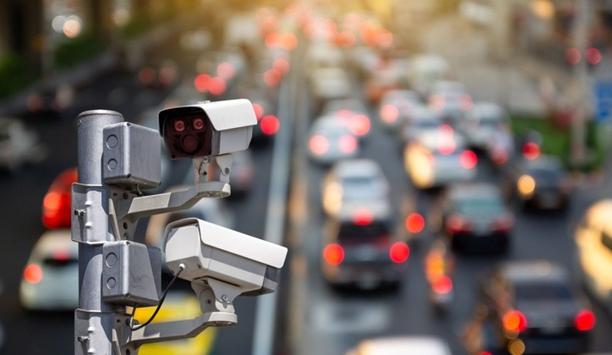
The Internet of Things (IoT) has revolutionised many industries, including physical security. By connecting physical devices to the internet, IoT technology offers significant enhancements to security systems. Benefits include real-time monitoring, remote access, and the utility of new devices such as temperature and humidity sensors. At the same time, IoT devices come with challenges, including greater cybersecurity vulnerability. We asked this week's Expert Panel Roundtable: How is the Interne...

Direct costs such as purchase price and maintenance are important elements in the total cost of ownership (TCO). However, there are others. Elements such as opportunity costs of lost revenue or hidden costs of energy consumption and environmental consequences can also impact the measure of TCO. Costs of training, integration, support, and scalability can also be examined. Considering the security industry impact of TCO, we asked this week's Expert Panel Roundtable: How does/should total cost of...

By linking human resource (HR) systems to physical security, access control systems can automatically update permissions based on employee changes, such as promotions, terminations, or department transfers. In fact, connecting HR and information technology (IT) systems to physical security can provide many significant benefits in terms of access control, incident response, compliance, cost savings, and employee experience. We asked this week’s Expert Panel Roundtable: How can organisations...

There is no shortage of threats facing security professionals, including some that are new and emerging. Understanding various new threats allows individuals and organisations to take proactive steps to protect themselves, but the first step is to identify what those threats are. Early detection of threats can minimise the impact of a successful attack, whatever the vulnerability at issue. We asked this week’s Expert Panel Roundtable: What new and emerging threats will physical security pr...
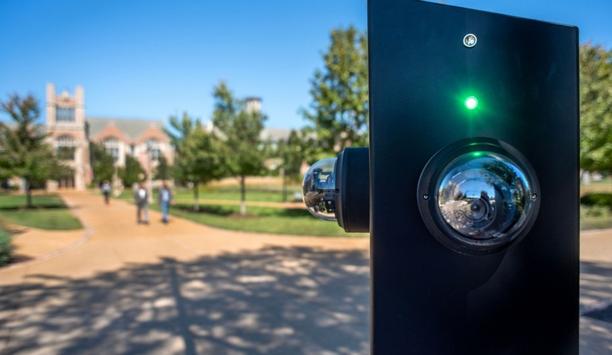
College campuses are meant to be places of learning, growth, and community. Fostering such an environment requires the deployment of policies and technologies that ensure safety and security. Considering the growing role of security technology in the higher education market, we asked this week’s Expert Panel Roundtable: What are the new applications for security technology in the college and university markets?

Audio might detect sounds like breaking glass or footsteps before a person even enters the field-of-view of a video camera. Audio also helps to provide context: Someone running in a video image might be suspicious, but the situation is different if they are yelling for help. Furthermore, audio enables operators to talk remotely to people on site, which can deter crime, de-escalate situations, or gather information. And yet, optimising audio is often an overlooked aspect of physical security syst...

Factors such as stable demand and large contracts make the government market particularly enticing for security companies and professionals. However, entering and thriving in the government market presents a number of challenges. We asked this week's Expert Panel Roundtable: What are the unique aspects of the government market, and how should the industry adapt?

Manufacturers make things. That hasn’t changed. Manufacturers today still produce finished goods from raw materials using various tools, equipment, and processes. What is evolving is a greater emphasis among manufacturers on understanding and meeting customer needs. In the security industry and elsewhere, the role of a manufacturer is expanding from a purely production-focused function to one that embraces technology, prioritises adaptability, expands service offerings, and caters to a mor...

In today's interconnected world, the lines between physical and digital security are blurring. This means that threats can easily exploit vulnerabilities in both realms, potentially causing significant damage. That's why the convergence of cyber- and physical security systems is becoming increasingly important. It has already been a topic of discussion in the security market for more than a decade. To get a reality check, we asked this week’s Expert Panel Roundtable: Has convergence been a...

By all reports we have heard, 2024 is rushing by at a rapid pace. Many of us are just now catching our breaths after the busy holiday season, even though spring is practically here. Having had a healthy taste of 2024 already, our Expert Panel Roundtable is eager to weigh in on what lies ahead for the rest of the year to come. We asked this week’s panel: What large trends are driving growth in the physical security industry in the year ahead?

Edge devices play an important role in the Internet of Things (IoT) by enabling real-time data analysis, faster decision-making, and improved operational efficiency across various industries. In the physical security industry, applying artificial intelligence (AI) capabilities to edge devices expands the possibilities, and edge devices offer complementary functionality to support movement to the cloud. We asked this week’s Expert Panel Roundtable: What are the latest developments for edge...

In the complex world of physical security systems, standards can enable disparate systems to be combined to function together as a cohesive whole. Standards help to ensure that all the “pieces” fit together to create a clear, unified picture. More broadly speaking, standards also play a role in ensuring best practices are deployed in a range of security-related situations. We asked this week’s Expert Panel Roundtable: Which standards have had the greatest positive impact...

There is a complex and interdependent relationship between security and productivity. Good security is needed to make productivity possible, but security measures could, in some instances, hinder workplace efficiency. New technologies are enabling security systems to have a more profound and positive impact on productivity by yielding better intelligence to guide the improvement of workplace practices. Multiple systems that work together, rather than separately, improve the productivity of secur...
Ideally, every new product or technology serves a need in the market, but not all new products are created equal. The impact of some new technologies is so profound that they make us rethink our preconceptions and may create a total transition in the broader market. These are the technologies we call “game changers” because they prompt a significant shift in the current manner of doing or thinking about security. We asked this week’s Expert Panel Roundtable: What current techno...

Frictionless systems provide access to a building without interfering at all with a user’s entry experience. Frictionless access means you can automatically pass through a gate without showing a credential or otherwise engaging, and with the system recognising who you are and allowing you to pass. In true frictionless access, everything works seamlessly, with unauthorised people obviously barred. But how close are we to realising frictionless access control? We asked this week’s Expe...

Cloud implementations enable organisations to slash IT costs, boost performance, increase efficiency, and provide flexibility in a variety of applications. Cloud computing is a great way to store and access data from anywhere in the world, as long as you have an internet connection. In the case of video management, Video Surveillance as a Service (VSaaS) systems are becoming more popular, both as a means of managing costs and to deliver expectations of accessing video from any device anywhere in...

An organisation’s security director manages a staff of security personnel, implements and enforces security policies and procedures, and generally ensures the safety of personnel and visitors to the organisation’s premises. Over the years, the role of security director has expanded to include new disciplines such as cybersecurity. More and more, security directors are also taking a “seat at the table” as integral and critical members of a company’s management team....

Security technologies promote real-time awareness in K-12 schools
Download
Technology's role in securing banks and financial institutions
Download
Integrated systems enable critical and compliant security for transportation
Download
Modernising physical access control
Download
Access. Intrusion. One estate.
Download
