Facial recognition systems - Round table discussions
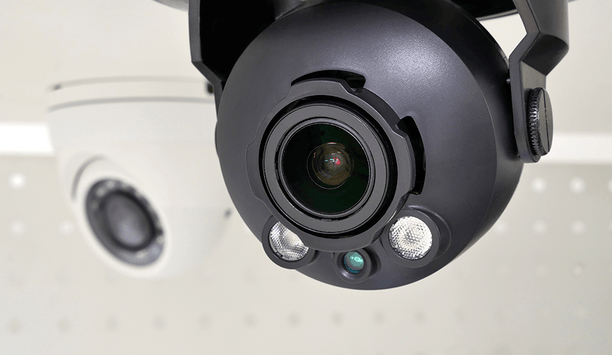
Higher pixel count is better. It’s a basic tenet of the video surveillance market, or at least it is the implication as manufacturers continue to tout their latest products offering ever-higher pixel counts. But the reality is more nuanced, as our Expert Panel Roundtable panelists explain this week. Pixel count shouldn’t be seen as an end unto itself, but rather as a factor in determining what camera is applicable to which application. Pixel count is just one factor of several to con...

Ensuring privacy is often a concern for video surveillance systems, especially in situations where a system intended for “public” surveillance could somehow, perhaps inadvertently, view private areas or situations. The classic example is an apartment building whose windows are within the range of a video surveillance camera. How can you provide video surveillance without invading the privacy of the apartment dwellers? Integrators and end users often turn to technology for a solution....

Video cameras are smarter than ever. Video analytics functionality is available inside most cameras now on the market. Smarter cameras enable a system with distributed intelligence and also help to manage bandwidth and storage – on-camera intelligence can determine what video is important enough to tie up network resources and to eventually be retained or viewed. But on-camera video analytics have their limitations, and additional video intelligence at the server can add a new range of fun...

Historically, biometrics applications have often been thought of as specialised, high-tech and used predominantly in governmental markets. Everyday systems have tended toward card readers and keypads, while biometrics have been associated with high-security applications. Today, however, biometrics are much more mainstream. Fingerprint readers, in particular, are as near as our smart phones. Many other biometric applications are also becoming more common in a wide variety of markets. We asked thi...

Technology's role in securing banks and financial institutions
Download
Security technologies promote real-time awareness in K-12 schools
Download
Integrated systems enable critical and compliant security for transportation
Download
Modernising physical access control
Download
Access. Intrusion. One estate.
Download
