The simplicity of turning on a tap in the morning, to fill a kettle or run a bath, means that it is very easy for us to take the Herculean effort which goes on behind the scenes in the water industry very much for granted. In the UK, for example, the infrastructure which keeps water flowing 24 hours a day is based on an extensive network of water mains, over 1,000 reservoirs and 2,500 treatment plants, all of which have to be effectively managed and maintained.
While much of the news coverage which focuses on securing our future water supply tends to relate to potential shortages caused by a lack of rainfall or persistent leaks, the essential nature of clean drinking water for everyone's well-being means that other elements which could interrupt supply also need to be factored in.
In recent years a key concern, on both sides of the Atlantic, has been the very real danger of attacks orchestrated by terrorists who see assets like dams and water treatment facilities as attractive targets.
Thankfully, government agencies and water companies in the UK and US are well aware of the risks, and have detailed contingency plans in place to deal with such eventualities. Potential scenarios range from biological, chemical or radiological contamination of the water supply to attacks aimed at degrading the physical infrastructure itself.
The ideal approach is of course to proactively deter and disrupt attacks in the first place, rather than simply attempting to pick-up the pieces in the aftermath of an incident. CCTV is very much on the agenda as a practical method to effectively secure extensive water industry assets, as an infrastructure that can be managed and maintained by a relatively small and widely dispersed workforce.
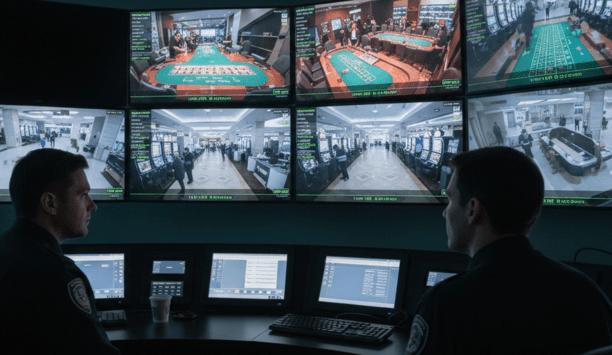
With this in mind, many water companies are turning to the latest networked digital surveillance solutions with CCTV cameras installed at critical points around reservoirs, treatment plants and pumping stations. This approach to asset protection has allowed the effective integration of cameras, recording devices and monitors, for live and recorded viewing at a central control room and on networked PCs. Motion detection is being tied in with recording rates so these can be increased if an event is detected and reduced at other times to conserve storage capacity. In addition we are starting to see video analytics being deployed to detect when objects have been left in or removed from sensitive areas, to check vehicles through ANPR (Automatic Number Plate Recognition) and to establish a virtual perimeter around key assets like dams, which are often located in sparsely populated areas.
The benefits of this surveillance technology for water companies are not confined to security. An extensive CCTV network can of course provide real benefits when it comes to worker safety and productivity. Examples include the remote monitoring of lone workers in the potentially dangerous chlorine storage rooms of water treatment plants. In addition, during periods of severe weather, workers can now avoid hazardous situations such as the crest of a dam by undertaken checks remotely. Other beneficial applications of CCTV include viewing water levels above and below spillways and the assessing the status of critical equipment like pumps and valves.
Ultimately, given that water is such a precious resource, it is encouraging to see that its protection has been given a high priority by government agencies and water providers alike and, crucially, that advances in CCTV technology make the around-the-clock surveillance of these widely dispersed assets a practical proposition.